Mad Radish Foodservice Concept Expanding with Partners

Date:

Share post:

At a time when most restaurants are scaling back or closing their doors, the unique Mad Radish concept is going against the trend and expanding its business.

The brainchild of David Segal, who is also founder of DAVIDs TEA, has launched two new brands for its offerings at the gourmet fast-food chain – Luisa’s Burritos & Bowls and Revival Pizza.

MAD RADISH INNOVATING IN THE FACE OF COVID-19

As a response to COVID-19’s impact on the restaurant industry, Segal saw an opportunity to establish a new kind of convenience in the gourmet fast-food category by offering three unique menus under one roof (and on one app).

And he’s created a hybrid of a ghost kitchen with its working function capacity and a customer-facing restaurant.
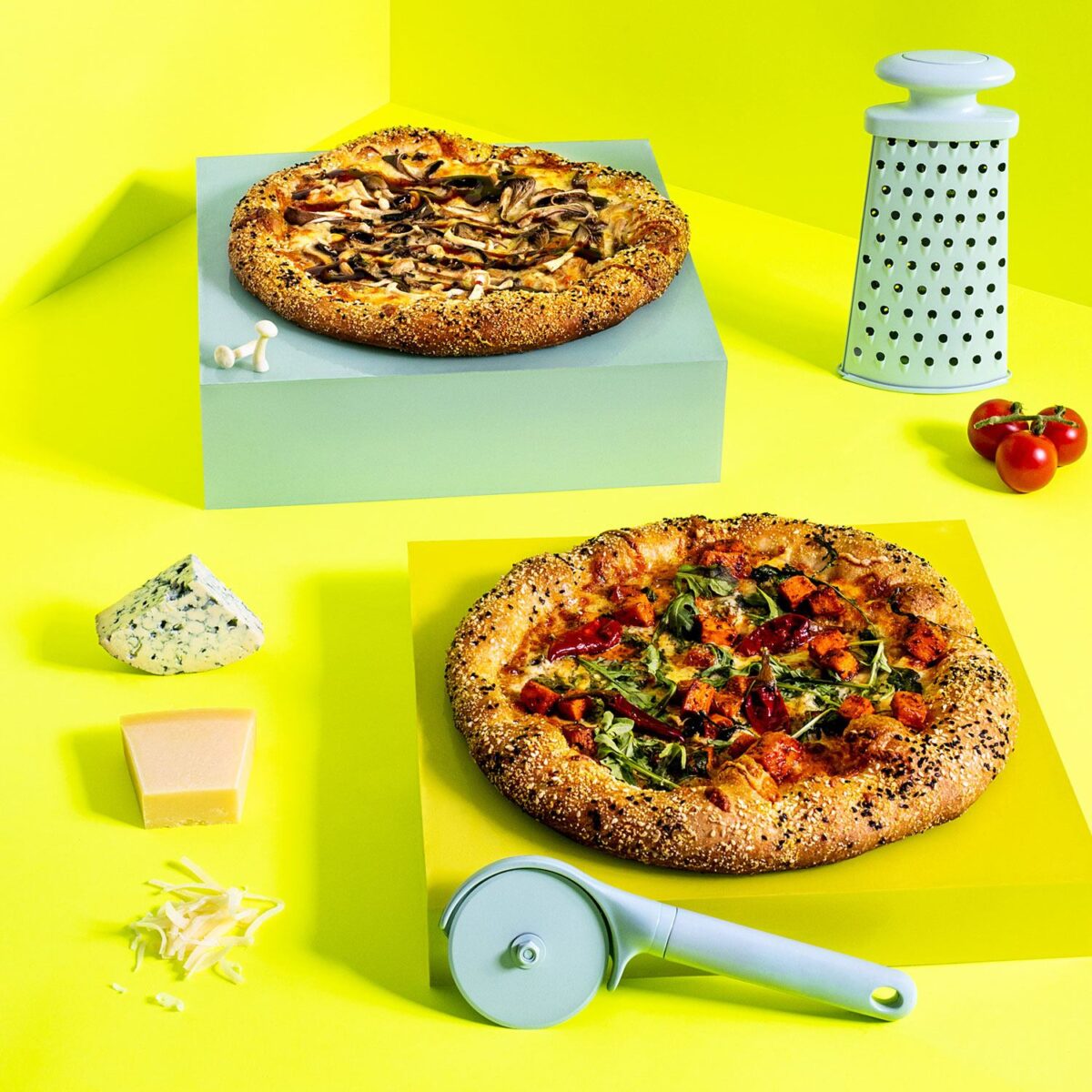
REVIVAL PIZZA. PHOTO: MAD RADISH

Mad Radish was founded in 2017.

“Mad Radish started out being all about food that’s good for you but also makes you feel good and tastes good. It stemmed out of the idea that I lived in the U.S. and found that there’s so many options available for eating on the go and when I moved back to Canada there just seemed to be such a void in the market. I like to eat healthy but I also don’t want rabbit food. I want food that’s filling and has tons of flavour and that’s what Mad Radish was about,” said Segal.

“That’s how we started but we’ve since evolved the concept completely. Mad Radish is all about gourmet fast food now and it’s a family of gourmet fast foods. And we’ve since introduced two new brands into our stores. One is Luisa’s Burritos & Bowls and the other is Revival Pizza.

“Luisa’s is an authentic South American ingredients. Revival is Neapolitan style pizza with a modern twist. And all three brands share this philosophy of gourmet fast foods. The idea basically is food that’s made quickly but doesn’t compromise on flavour or on quality. It’s very simple ingredients at the highest quality. It’s food that’s made to order but built to travel.”
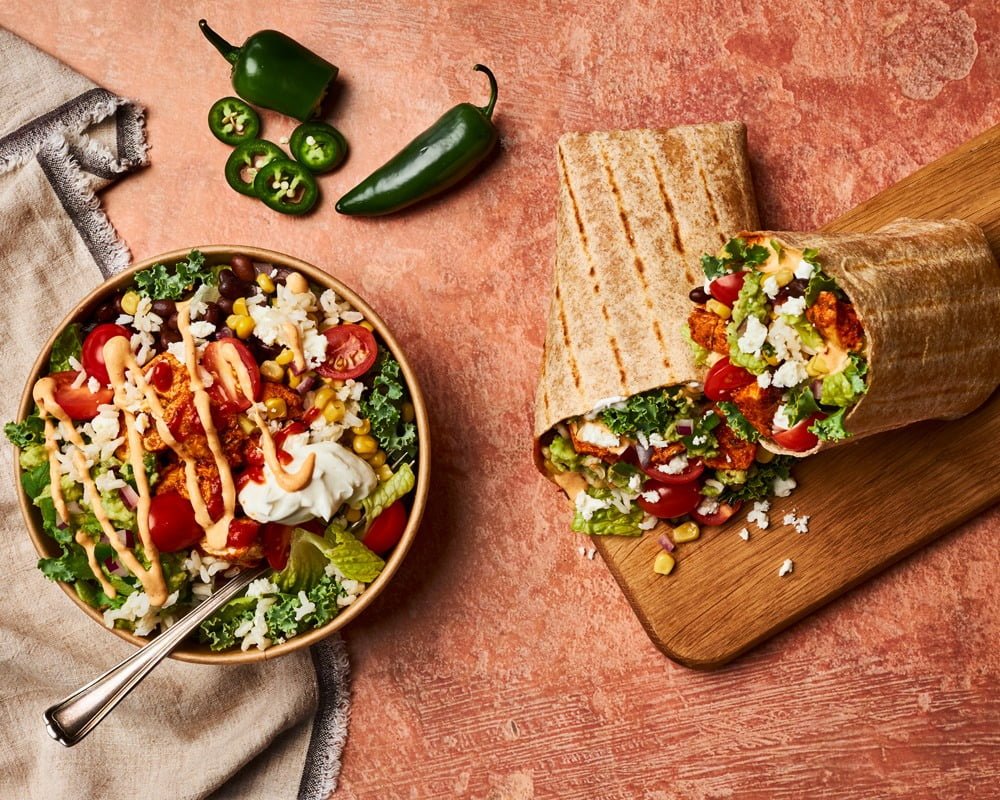
LUISA’S BURRITOS & BOWLS MEAL OPTIONS. PHOTO: MAD RADISH

There are six Mad Radish locations of which two are closed right now due to the COVID-19 pandemic. Three locations are in Ottawa and three in Toronto. One in downtown Ottawa and one in downtown Toronto are temporarily closed. A seventh store in Ottawa will be opening in January.

The first location for the concept was in downtown Ottawa.

“Right now we’re just really focused on nailing the model. I don’t know how many stores we’re good for. But we think there’s a lot of communities and there’s a void in the market around this higher quality fast food which is what we’re about and we’re trying to tackle that with three amazing brands that are run out of one space and they’re both available for instore purchase, contactless pickup on our Mad Radish app and we’ll be adding delivery to our app as well and then also on the third parties like Uber Eats.”

COVID FORCED BRICK & MORTAR RETAILERS TO RETHINK BUSINESS MODELS

Segal said when the pandemic hit it really caused everyone in the brick and mortar businesses to rethink their business model.

“We look at the future of restaurants or retail in the food world and it is multi-channel. It’s customers being able to get what they want, how they want it. We’re prepared for anything whether that’s instore purchases, contactless pickup and delivery,” said Segal. “What’s Mad Radish fundamentally about? We landed on the food philosophy. We think that’s really our differentiating factor. This idea of gourmet fast foods.

“And we said to ourselves how can we extend our value proposition to serve our customers more often in the kinds of foods they like to eat. And that’s where we landed on introducing a new burrito brand in Luisa’s and introducing a new pizza brand in Revival. They all share that common food ethos. We think it’s a market position that no one has. We see us much stronger with the three together, particularly with the shift in more delivery. This hopefully allows us to become a bigger part of our customers’ weekly meals and in turn generate more volume out of the spaces to be able to handle the shift towards delivery and do it really, really well. That’s been our focus. Takeout and delivery. We’ll still have seating in our restaurants but we’re dedicating more of our space to kitchen, to prep areas, to customer flow, to be able to handle takeout and delivery in a first-class way.”

Segal said the pandemic has taught people that many services now come to the consumers who are more comfortable dealing in a digital environment.

“The other thing we’ve learned is we kind of crave human contact sometimes and it’s part of being human to want to be around each other and face to face, and smile to each other, and be with people live. That’s going to have its place potentially in the future of restaurants. So we’ve developed a hybrid model between a ghost kitchen and a restaurant. We’re kind of trying to take the best elements of both with yes we’re going to operate with multiple brands, yes we’re going to have more space dedicated towards preparing food for delivery and takeout, and facilitating that effectively, but we’re not going to get rid of our seating entirely. We’re still going to be visible and accessible for customers that want to come in person.”


LEAVE A REPLY

Please enter your comment!
Please enter your name here

RELATED ARTICLES

Subscribe to the Newsletter

Subscribe

* indicates required

RECENT articles

Retail Insider “Real Estate & Leasing Report”: Scarcity and Curation Reshape Canadian Retail

Retail Insider's latest Real Estate & Leasing Report examines how limited retail space, selective investment, and redevelopment strategies are reshaping Canada's commercial property market, with growing performance gaps between prime retail assets and secondary centres.

Maxi Plans 13,000-Square-Foot Store at Montreal’s Former Forum

Maxi will open a 13,000-square-foot grocery store at Montreal’s former Forum in 2027, extending Loblaw’s compact urban discount strategy.

B.C.-Built Lemonade Lab Brings Tap Payments to Kid-Run Businesses

B.C.-built Lemonade Lab gives young entrepreneurs access to tap payments, digital storefronts and business lessons under parental supervision.

How B.C.’s House of Q Built a North American BBQ Brand Through Specialty Retail

From competition pits to hundreds of retail shelves, B.C.-based House of Q is building a North American BBQ brand through specialty retail and award-winning products.

Toronto-Based Rawcology launches GUT TO GO probiotic snack bites, expands retail distribution across Canada

The launch marks the company's latest product expansion as it responds to growing consumer interest in convenient foods with added nutritional benefits.

June spending holds steady as Canadians balance essentials and experiences: RBC

“The breadth of spending increases across categories points to households maintaining a cautiously optimistic view heading into the summer even as they remain selective about bigger-ticket discretionary purchases.”

Retailers risk losing sales as more shoppers expect tap-to-pay, Oobit survey finds

44% say a no-tap business feels outdated, a perception problem that compounds the lost sales.

Why consumer behaviour is becoming harder to predict in the AI shopping era

"The whole game is moving from understanding audiences to understanding intent. The brands that make that jump win.”

Why smart retail brands are investing more in in-store experiences despite e-commerce growth

80% of consumers say in-person events are the most trusted way to discover new products — and 85% are more likely to make a purchase after engaging with a brand in person. 

Daily Synopsis: July 14, 2026

Fake fashion stores mislead Canadian consumers online, how malls have sifted with society, Steve's Music auctioning remaining gear, Healthy Planet opening store, Frenchy's thrift store gets own musical, and other news.

Retail Insider “Luxury Report”: Control, Concentration and the Rise of Canada’s Premier Retail Nodes

Canada's luxury retail market is becoming increasingly concentrated around a select group of premier destinations as brands prioritize flagship stores, direct customer relationships and experience-led retail. Retail Insider's latest report examines the forces reshaping luxury investment, real estate and competition.

Bakebe Finds Early Success at CF Markville as Experiential Retail Continues to Grow

Bakebe has opened its first Canadian location at CF Markville, bringing its app-guided baking concept to Canada as experiential retail continues to grow.

Canadian Retailers Face New Discovery Challenge as Shoppers Turn to AI

Canadian retailers face a new challenge as shoppers turn to AI for product discovery, with Retail Rewired’s Chris Parsons urging stronger content, reviews and product data.

Canadian Retail Employment Rebounds but Remains Down Nearly 72,000 Jobs

Canadian wholesale and retail employment rose in June but remains down nearly 72,000 jobs, with Suzanne Sears warning of staffing and service pressures.

Aritzia, Group Dynamite outperform retail sector by targeting affluent shoppers: analyst

Winder said both companies have posted results that far exceed typical retail growth, with strong double-digit sales increases and improved profit margins at a time when many retailers are contending with cautious consumer spending.

Canadians entering pay periods with much of income already committed: MNP survey

61 per cent of Canadians say at least half of their income is already allocated before they receive it.

Restaurant industry leads Canada in youth job growth through first half of 2026

While most other industries have been cutting youth jobs, the restaurant industry employed an average of 52,770 more youth during the first half of 2026 than during the same period in 2025.

Jersey Mike’s opening first Manitoba restaurant as Redberry expands Canadian footprint

The opening also launches a five-day fundraising campaign in support of Make-A-Wish Canada, part of a broader commitment announced in May to raise $1 million for the charity by 2030.

Rising costs and supply chain volatility put consumer goods brands under growing pressure: DOSS

36% made major business decisions using outdated or incorrect data.

Daily Synopsis: Jul 13, 2026

Aritzia seeing success, 4th generation takes over Prince Albert clothing store, Peter Nygard pleads guilty on sexual assault charges, and other news.