

Real estate property owner Ivanhoé Cambridge is exploring ways to densify some of its properties across Canada, joining a growing trend in the retail industry.
Julie Bourgon, Head of Retail, Canada, said property owners look at shopping centre assets differently today than they did a few years ago.

“It used to be pure retail, sell to the consumer. We have now a much larger wholistic view of these assets. Not only do we try to activate them on a 24/7 basis. These are massive pieces of real estate. They cannot just be open 9 to 5. Hopefully we can find some great value creative solutions to make profit outside of these hours. We need to make the link between the digital to the presence of stores and we need to look at these assets as a large piece of real estate,” added Bourgon.
“In many of these instances, we will be focusing on densification and adding some other uses to the centre such as residence and even logistics, we’re exploring logistics in some instances, so that these pieces of land are not only the places to shop but they become a place to work and shop eventually. That’s our home for some of these strategic malls in the portfolio.”
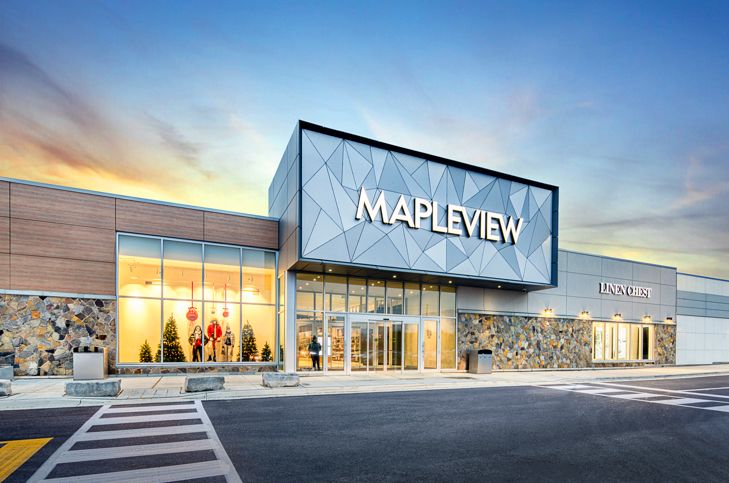
Bourgon said Ivanhoé Cambridge has at least half a dozen properties that will be pursued as strong densification.
“In fact, they’re very much underway, we’re having discussions with cities all around the country on the master planning and trying to get this density. This is a very long process. It takes a lot of time but we have very strong pieces of real estate in well-located assets and we’ll be able to have a lot of residential in the future,” she said.
Bourgon said the company has a portfolio of 19 assets in Canada in five provinces – Quebec, Ontario, Manitoba, Alberta and British Columbia – totalling close to 13 million square feet of retail, almost 1,000 tenants and 3,000 leases.
“It’s a big portfolio. It represents 45 per cent of our Canadian assets and the retail is 14 per cent of the IC portfolio but that includes some assets that will be in Asia and in Europe and Brazil,” said Bourgon.
She said the malls of the past won’t make enough money for landlords in the future to help property owners build and create the value that they did in the past.
“So we need to reinvent ourselves. It’s become so difficult on the retail piece that you need to just think outside the box and think about other ideas to try and create value for our stakeholders. That’s the goal of our company,” added Bourgon.
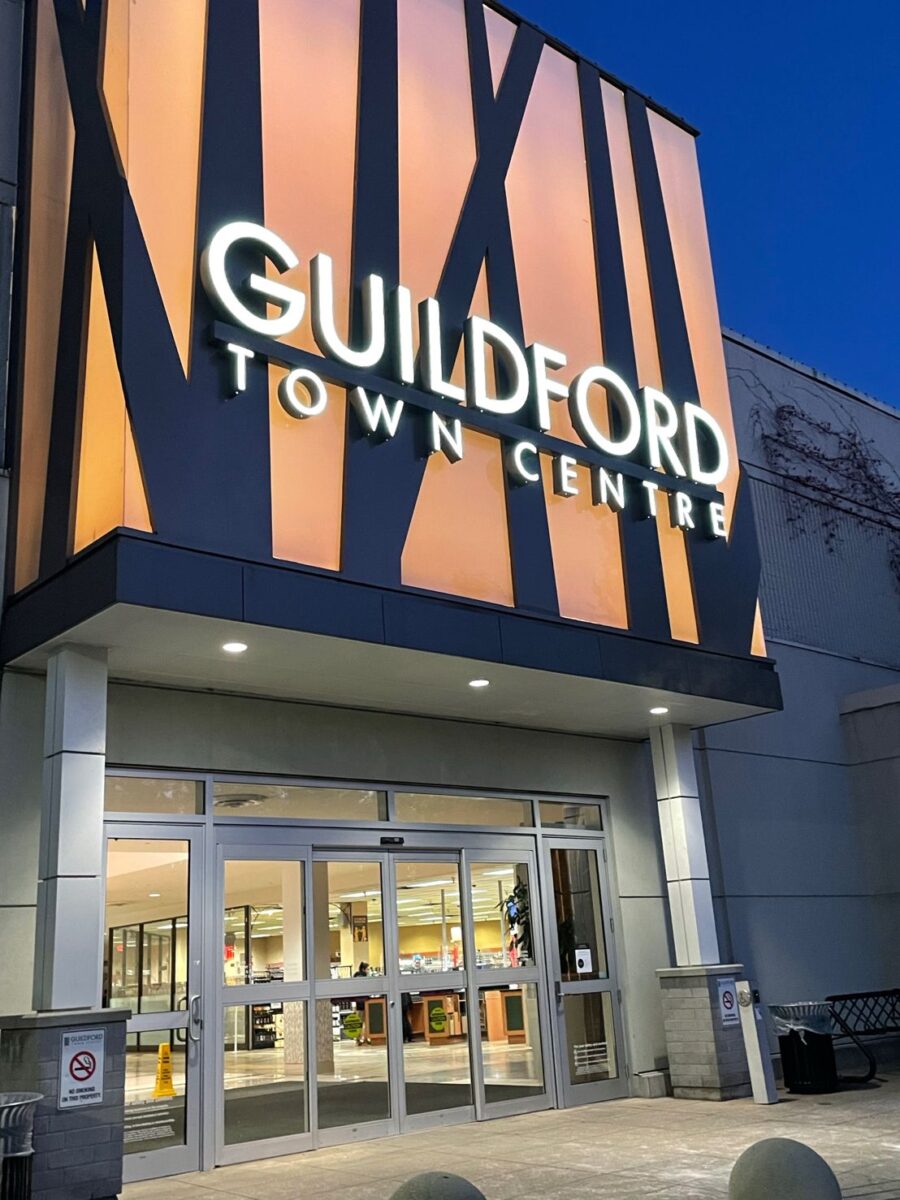
Bourgon described the current retail sector in Canada as “challenging.”
“It’s been challenging for the past couple of years. I think we do have more clarity on some aspects as opposed to other asset classes which are still figuring out where the destination is. I think in retail we have a better sense of where the destination is but there’s still a lot of challenge,” said Bourgon. “Is it labour? Is it supply chain? Is it impacts of the global economic situation? Tension between China and the US. The war of Ukraine.
“All these things have had pressure on the consumers’ behaviour and with the inflation right now and interest rates. We’re really much watching all of this to see and observe what the impact will be on customer behaviour because of course we need sales to make our tenants happy and so there’s going to be challenge.
“But we are well positioned. We have turned a corner. I think we’ve been very proactive Ivanhoé compared to some of our peers.”
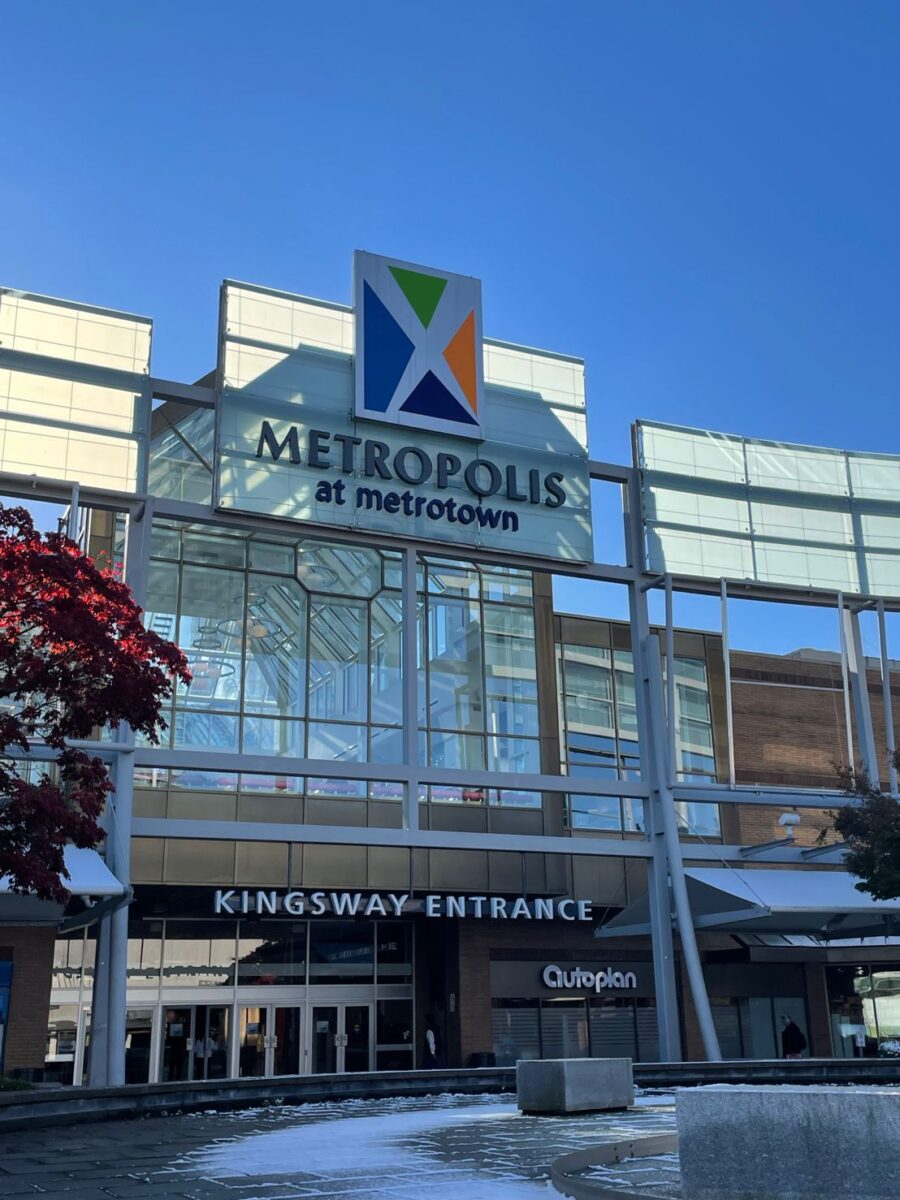
She said the property owner made a strategic move to outsource to a well-renowned operating company awhile back and it’s sold several non-strategic assets, at least six or seven malls in the last few years.
“We will remain opportunistic real estate investors. But we’re very happy with the national presence we have now and I know we’ve been looked at by others about what we’ve been doing for the last couple of years,” said Bourgon.
She said malls will continue to evolve as they have in the past few years with more entertainment so people stay and have fun. There will be other uses as well such as car dealerships, IKEA smaller stores, pop-ups, grocery stores as well as online brands that want to test the market as stores.
“We’re very open to other types of uses because that’s going to make the mall a community, a place where people need to go. You need to think about other services in your mall if in the future you’re going to have multiple hundreds of people that live there as well,” added Bourgon.












In adding density, to Canadian malls, plans to add many more buildings to properties, really is a major problem. Cities have to deal with this on a daily basis. Traffic and parking become huge problems. Yorkdale is a pure example. How will the area support and live with the density planned? Markville Mall has just announced a decades-long expansion of density. The first high rise is planned for 2028. It will be up to planning departments in all cities to curtail some of this planned expansion. Some of the plans seen so far out, are not realistic and need to be examined and downsized, to provide a better fit with the communities involved. Ask for more and downsize plans, as requested, by planning departments.