What makes Gen Z tick?
It’s a question that retailers have been asking now for a few years as it’s a generation of contrasts, and many preconceived notions of this young group of consumers may need to be reconsidered.
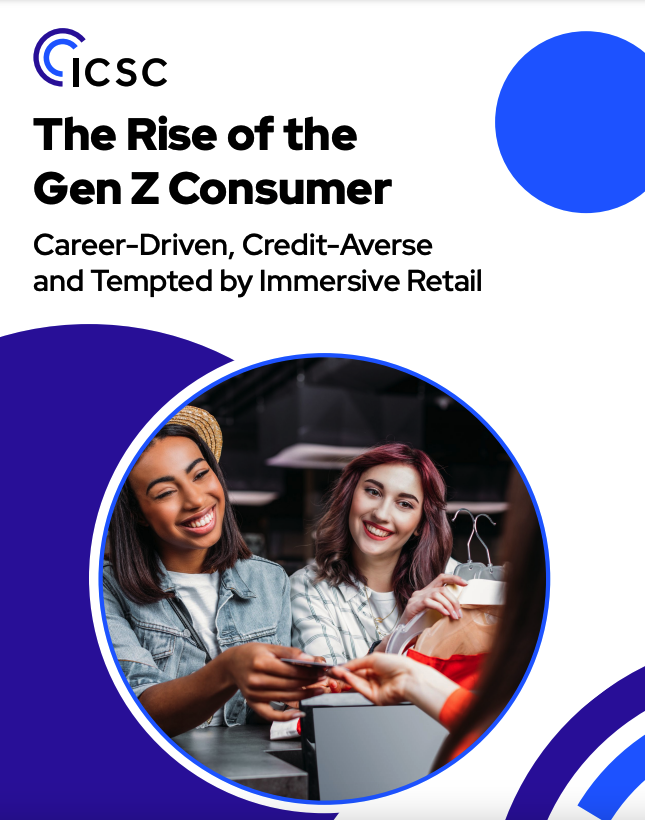
“They’re the first group in history to grow up entirely with digital and mobile technology at their fingertips. At the same time, they’ve helped play a leading role in the revival of physical stores, highlighting the draw of gathering, shopping and dining with friends in person,” says a recent report by ICSC called The Rise of the Gen Z Consumer Career-Driven, Credit-Averse and Tempted by Immersive Retail.
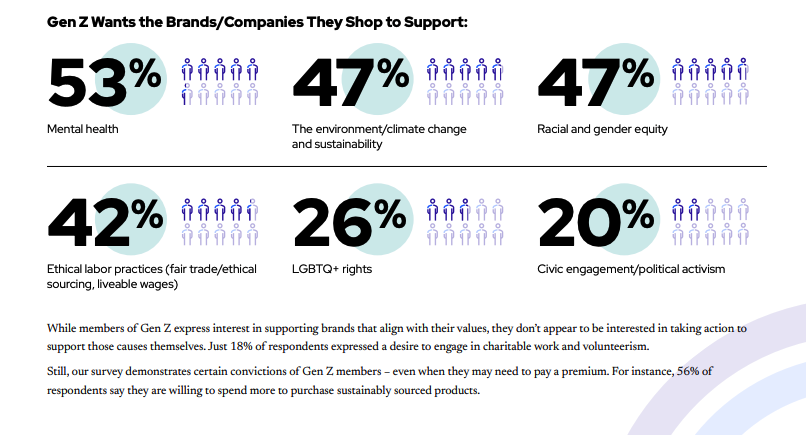
“Gen Z members have witnessed their families face significant financial challenges during the Great Recession of 2008, driving them to become budget-conscious and price-sensitive as a result. They are express shoppers who will pay for the speed and convenience of today’s e-commerce options. They want brands to support issues such as mental health and wellness and racial and gender equity; yet when it comes to purchasing, they still value price or quality over sustainability, locally sourced products, and support for minority-owned businesses.”
For retailers looking for ways to maintain the loyalty of Gen Z consumers, the report listed some considerations to incorporate into their strategy:
- Leverage social media and influencers to attract the attention of Gen Z consumers;
- Ensure a seamless experience across online and in-store channels;
- Streamline payment options to retain Gen Z shoppers during the purchase journey;
- Position value and convenience at the forefront of your Gen Z marketing; and
- Promote your brand values to align with those of Gen Z.
The Generation is defined as those born between 1997 and 2012, according to the Pew Research Center.

The topic will be highlighted during a marketing session at the upcoming ICSC@CANADA conference in Toronto. Understanding Gen Z – How to Connect, Where to Connect, How to Communicate will be moderated by Dustin Fuhs, Editor-In-Chief, Retail Insider, with panelists including Sam Abouchami, Director, Sales & Customer Success, Adeptmind; Erin Barbuio, Gen Z and Wardrobe Stylist, Charly Goss Style Inc.; and Graham Heuman, Retail Insights Lead, J.C. Williams Group.

Heuman said a common thread spoken a lot about is people who have grown up with the internet. But that’s true and false depending on where people are and their age. Those on the older end of the Generation and perhaps living in rural parts of the country did not have as easy access to the worldwide web as perhaps the younger people in the Generation.
So there’s a misconception that Gen Z buys everything online.
“Right now the Canadian trend is around five to six per cent of retail purchases are made online,” he said. “HubSpot recently did a survey and found 55 per cent of Gen Z preferred shopping in-store. I think it’s a big misconception that we’re all wanting to shop online. COVID had a huge impact on online shopping because right as the generation was going into the next stage of their careers with disposable income, they weren’t able to go into stores and explore.”
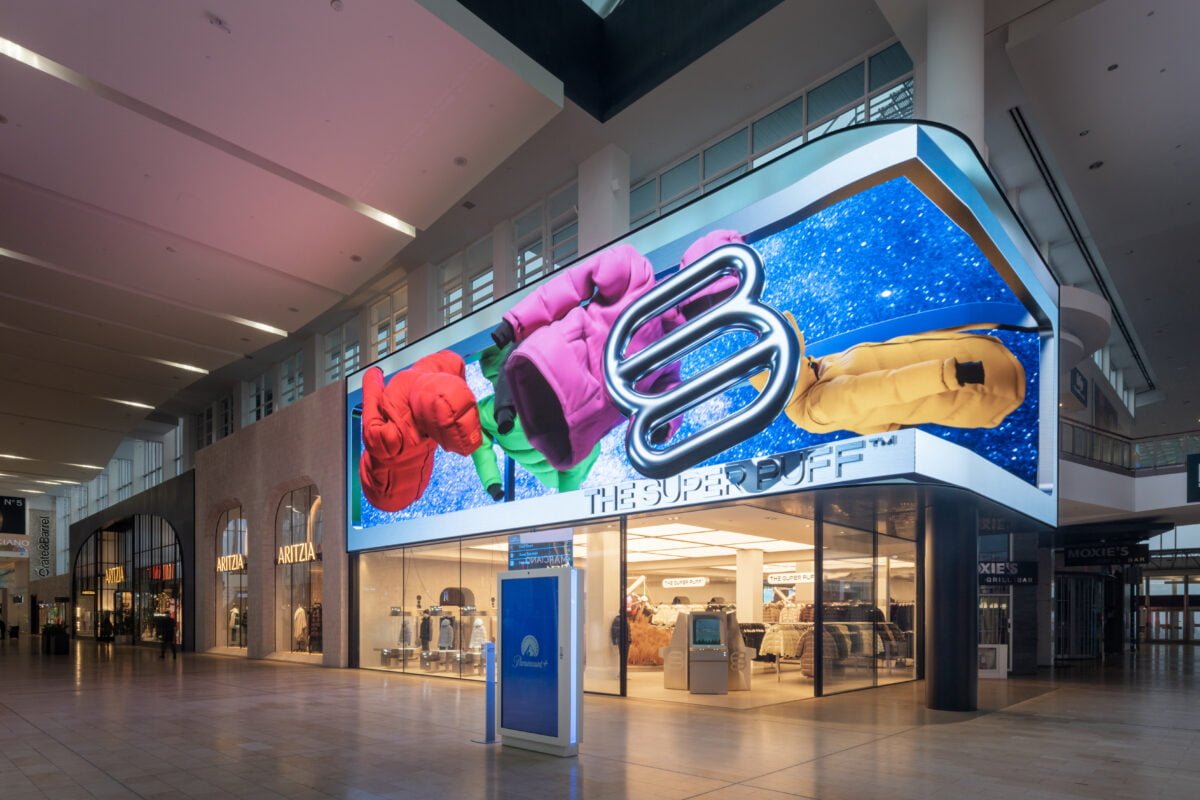
Heuman said Gen Z has been described as the “contradictory” generation. It’s obsessed with ethics, social issues and sustainability but then a lot of them shop for fast fashion.
“Going back into stores is definitely something that Gen Z is likely to do because it is still very relevant to them to get that experience,” he said.
He said authenticity is really relevant as well to Gen Z, which is Google savvy in this day and age and can find out information in short order.
Retailers need to be aligned with the social issues and environmental issues that are important to this Generation. And are they authentic in that alignment?
There’s a lot of talk, and use, of social influencers these days in marketing campaigns by retailers. Heuman said it’s important retailers pick the right channel for them. TikTok, YouTube, and Instagram are important and relevant, but your niche may only be using one or two.
“It’s not just to put your money into TikTok influencers and watch profits grow. It’s not that simple. As far as influencers, going back to that authenticity, there’s a lot more value for retailers looking into micro influencers. Rather than spending $1 million trying to get one post from Kylie Jenner, instead spend $1 million getting 1,000 posts from micro influencers,” said Heuman. “Micro influencers have a much more engaged audience and Gen Z find those people more relatable. It’s not a person who is a billionaire. It’s these people who are just like them.”
He said experiences are important as well to this Generation.
Now, as retailers are trying to figure out Gen Z still they have another generation coming up – Gen Alpha in which the oldest are about 13 years old.
“They’re going to be the next generation of consumers we’re going to be talking about in a few years. It’s something that we’ve been putting a lot of time into trying to understand with our international partners in the Ebeltoft Group,” said Heuman, adding that young retail consultants like him have started a group “Young Ebbers” looking at Generation Alpha through the lens of Gen Z.
“It’s a unique perspective that we get to have. This generation is going to come into financial power soon, and going into their careers within the next five plus years,” he said.
“And they’re going to be truly digitally native, at least in Canada and North America. They have an amazing understanding of sustainability from such a young age, as well as diversity. If you think Gen Z is well informed, it’s going to be incredible to see how informed Gen Alpha is by the time they get to make purchasing decisions.”