It all started with an email from Loblaw last week, confirming its intention to reduce the discount on fresh expiring food items from 50% to 30% in stores where the previous policy still held. The rollout of this change was scheduled to occur over several weeks across the country, impacting many of Loblaw’s banners, including Zehrs, Loblaw, Provigo, and Atlantic Superstores. It’s worth noting that many other stores had already abandoned this practice years ago. However, the timing of this decision, in January 2024, when many consumers were grappling with financial challenges, did not sit well with Canadians. Not one bit.
Fortunately, Loblaw eventually reconsidered its decision and opted to maintain the 50% discount on expiring food items. This move was a positive response to the concerns voiced by the public. It’s not the first time Loblaw has reversed a decision in response to public sentiment. In 2016, Loblaw reversed its decision to stop carrying French’s products after facing a significant public backlash, famously known as the “Ketchup Wars.” During that time, consumers boycotted the stores, driven by a sense of patriotism and a desire to support tomato farmers in Leamington, whose Heinz plant had recently been saved by a contract with French’s to produce tomato paste, a major competitor to Heinz. Loblaw saw its sales plummet within days. This time around, the public outcry was driven by sheer desperation.
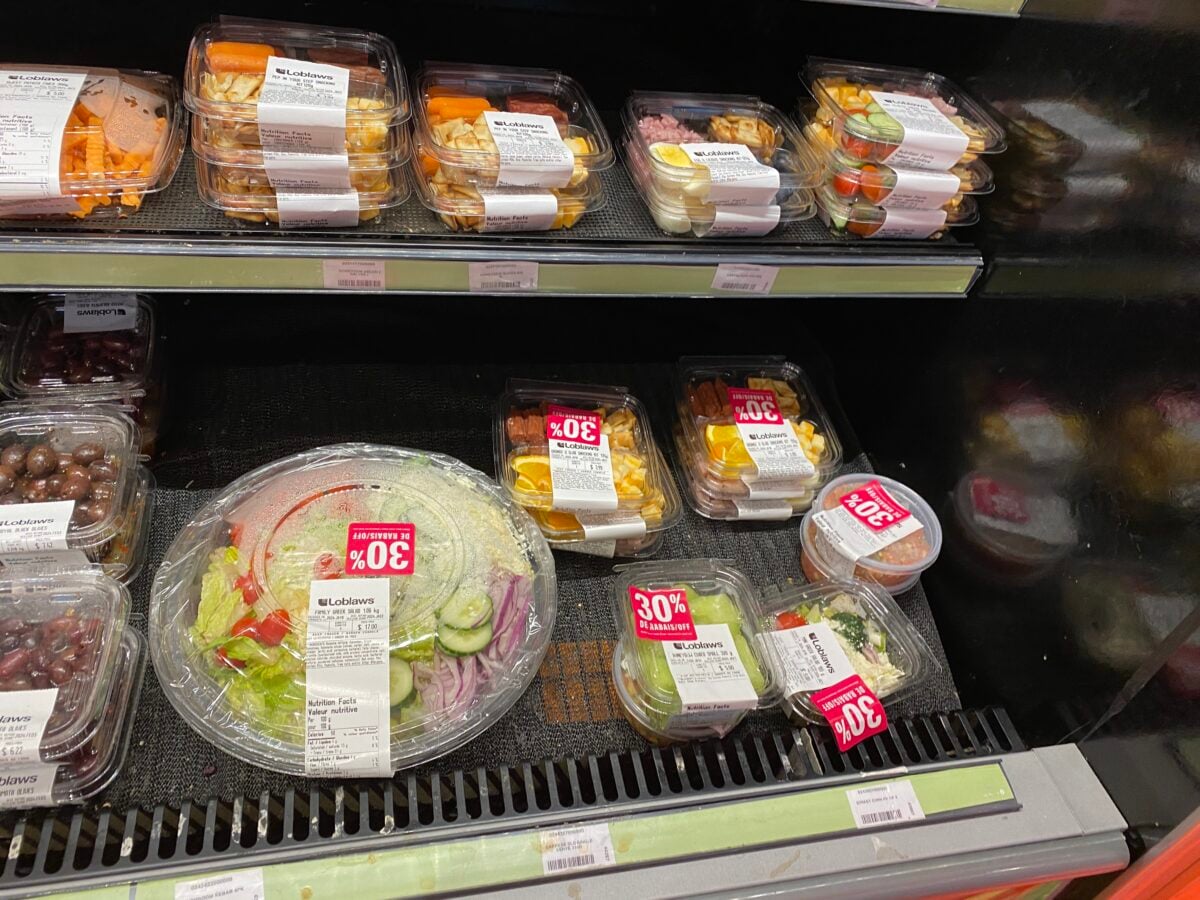
While some individuals called for a boycott in response to Loblaw’s recent decision, the company’s explanation for the change gave many pause. As the largest private employer in the country, Loblaw argued that it was aligning its discounting policy with competitors, which is a common industry practice. However, the concern was that consumers would now see similar discounts everywhere, with 30% becoming the new benchmark. Some politicians even called on the Competition Bureau to investigate the matter.
Another peculiar aspect of Loblaw’s strategy this time was its decision not to engage with any reporters. Instead, the news of the policy change came from Dalhousie’s Agri-Food Analytics Lab, which received confirmation from Loblaw about the adjustments to its discounting approach. This lack of communication raised questions about corporate transparency, a crucial element of corporate compassion. Loblaw may be hesitant to communicate with the public due to the widespread negative sentiment towards the leading grocery chain. However, it remains incomprehensible why the company would make such a decision, especially at this time.
Discounting expiring products has traditionally been a win-win situation for both consumers and retailers. Consumers save money, while grocers reduce food waste at the retail level – a straightforward benefit for all. This policy can lead to significant savings for consumers, with the 20% difference between a 50% and a 30% discount translating to $10 on a $50 piece of meat, a common scenario in today’s market.
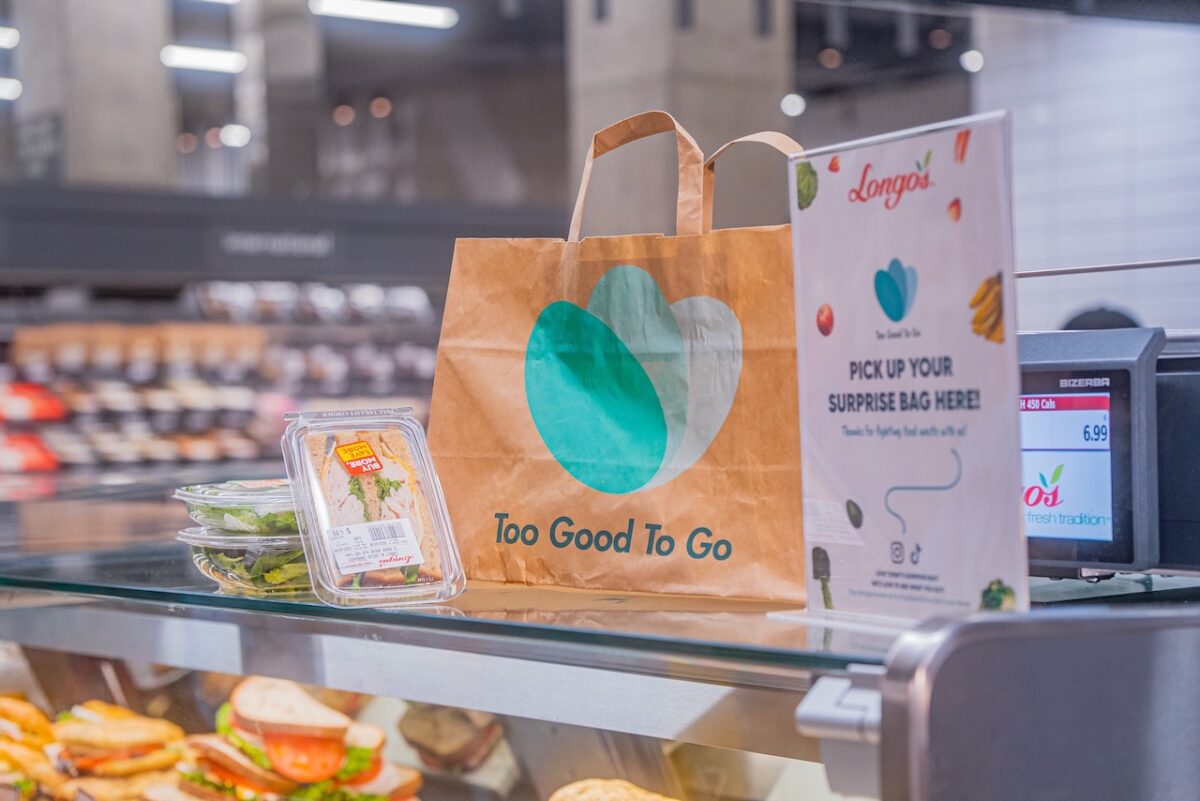
Before the change, Loblaw had planned to encourage its customers to use the FlashFood app, which had recently been revamped and saw a triple increase in downloads this week after Loblaw’s decision became public, according to the company. Food-rescuing apps like FlashFood, FoodHero, and Too Good To Go are valuable for those looking to save money, but they lack the tactile experience of inspecting expiring products in a physical store. Many consumers prefer the advantage of personally assessing expiring food items in-store before making a purchase.
It’s never too late to do the right thing, and Loblaw eventually showed its compassion by reversing its initial decision. Most Canadians can appreciate that retailers have the flexibility to adjust their discounting policies to stay competitive. However, this decision had the potential to generate a significant public relations crisis, as it touched upon issues of food affordability, food waste, and Loblaw’s reputation. And it did. The initial decision itself was flawed, and the timing couldn’t have been worse. Thankfully, the company ultimately made the right choice for all of us.
Now, if we can encourage other grocers to follow Loblaw’s lead by offering a 50% discount on expiring food items, that would truly be a welcome development.