

The recent move by Canada’s Competition Bureau to investigate the parent companies of grocery giants Loblaws and Sobeys marks a significant step in addressing anticompetitive behavior in the retail grocery sector. This investigation, initiated on March 1, focuses on the alleged use of property controls by these firms, which purportedly restrict competition through their lease agreements and control over land vacancies. With these two companies holding a combined market share of over 50% in the Canadian food retailing market, the potential implications are substantial.
According to Federal Court records, the Commissioner of Competition’s inquiry centers on suspicions that Loblaws and Sobeys are using their property controls to limit the activities of potential tenants, thereby reducing competition. This is particularly concerning in rural areas where communities often have limited grocery options, making them especially vulnerable to such practices. The allegations suggest that these companies are not only controlling who can lease space in shopping centers but also holding onto vacant lands to prevent competitors from entering the market.
Sobeys’ parent company has responded by calling the inquiry “unlawful,” reflecting the tension and defensiveness within the industry. However, many observers are not surprised by these developments, as the grocery sector has long been criticized for its market control tactics. The investigation underscores a broader issue: the control of market access and the strategic importance of location in the grocery business. These companies have mastered the art of location optimization, ensuring their dominance by strategically positioning and protecting their stores.
The public’s frustration with the grocery industry has been building, partly due to the long-running bread price-fixing scandal that has plagued both the industry and the Competition Bureau. After nine years, the investigation remains unresolved, eroding public trust. The current investigation into Loblaws and Sobeys is a crucial opportunity for the Bureau to demonstrate its commitment to protecting consumers and ensuring fair competition.
Within the grocery industry, there is a prevailing belief among executives that their practices are justified, driven by the need to maximize profits and serve customers. These practices have become normalized over decades, making it challenging to shift industry culture. However, the current food security crisis in Canada, highlighted by a poor rating from Food Banks Canada, has made the public less tolerant of actions that limit their access to affordable food options.
The Competition Bureau’s role is akin to law enforcement in ensuring market fairness. Just as speed limits and police patrols keep roads safe, the Bureau’s oversight is essential to prevent anticompetitive practices in the grocery sector. For the Bureau to regain public trust, it must complete this investigation swiftly and transparently, with clear recommendations made public. This will signal to both the industry and consumers that the Bureau is actively policing the market.
While the public needs to be educated about the complexities of the food industry, it is equally crucial for grocers to recognize that they are dealing with a more informed and less tolerant consumer base. The Competition Bureau’s investigation is a necessary step in aligning industry practices with public expectations and ensuring a fair and competitive market. This shift begins with robust oversight and decisive action from the Bureau.



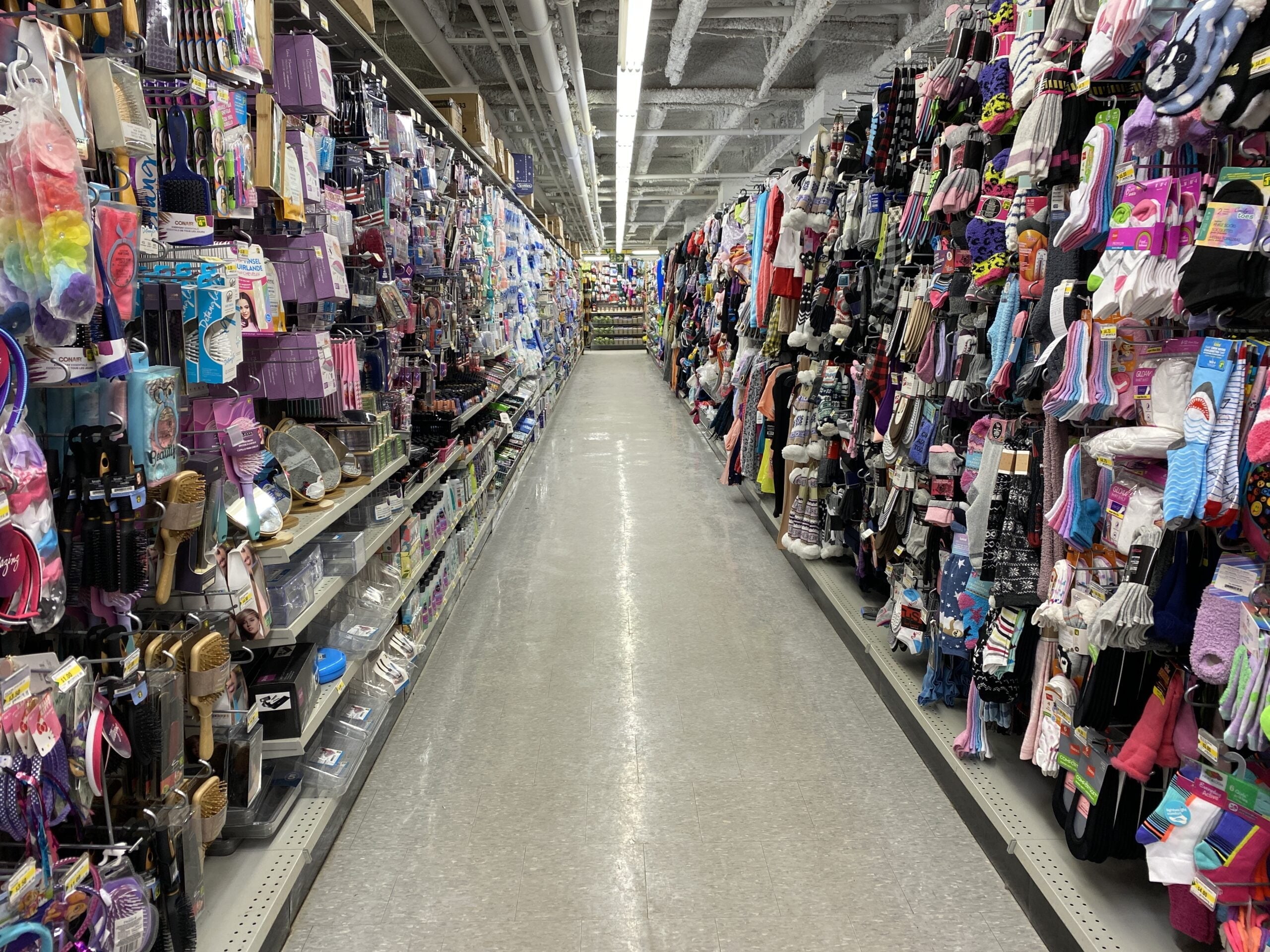







The use of restrictive caveats absolutely needs to end. They affected Edmonton, for example, badly for decades after Canada Safeway (as it then was) closed several supermarkets but maintained restrictions preventing competing food retailers from opening on the sites. This resulted in effective food deserts in some neighbourhoods. Sobeys itself also refused to allow a competing retailer to build on a site in the Greisbach neighbourhood when it decided against building one of its own stores on the land due to proximity to an existing Safeway it had subsequently acquired.
The problem is that the Competition Bureau had the chance to deal with the problem during the 2013 Sobeys takeover of Canada Safeway. Many consumer advocates and municipal politicians urged the Bureau to mandate the lifting of these covenants by Sobeys as a condition of the transaction. The Bureau didn’t bother then and has only woken up to the problem 11 years later.