The Waterfront BIA (Business Improvement Area), in Toronto, recently completed a review for public-facing commercial businesses in the popular area with a series of recommendations to turn it into a more vibrant and active part of the city.
“The key insight from our study reveals a challenge in aligning the diverse aspirations for Toronto’s waterfront, encompassing tourism, office, and residential spheres. This diversity of purpose has led to development decisions that, while well-intentioned, have not fully satisfied the needs of any particular group,” said the Waterfront Retail Review report.
“Among these decisions, we’ve observed retail spaces positioned away from main thoroughfares, lobbies in locations better suited for public retail, limited retail engagement places along the water’s-edge, retail spaces of sizes that may not be suitable for more diverse business use, uneven and inconsistent distribution of retail areas along Queens Quay, and restrictive signage and façade guidelines that complicate business visibility.
“Such decisions can impact the long-term vibrancy of the district, potentially affecting its attractiveness to tourists, office workers, and residents who are in search of a dynamic and accessible retail environment but find it hampered by the existing constraints, forcing them to go elsewhere in the city.”
The report contains an overview of the current planning context and best practices relevant to the area, a built-form review of existing commercial spaces along the waterfront, research summarizing the current retail conditions of the waterfront, and the results of surveys conducted with waterfront business owners, residents, and visitors to the waterfront in Summer 2023.
“With most of the eastern waterfront under development, this report and the recommendations suggested here can be used to help inform future development planned for the area and to help future developers and business owners address the issues that are present in the western and central waterfront with the assistance of the Waterfront BIA,” said the report.
“Sample consumer journeys and resident experience sections have been developed to help guide the discussion of what factors need to be considered in the future to ensure that the right retail mix is in place to extend the customer experience on the waterfront for the multiple stakeholder groups that utilize the area.”
The report also touches on comparable waterfront districts across North America to illustrate how Toronto’s waterfront can be shaped to have a more engaging consumer-facing commercial experience.
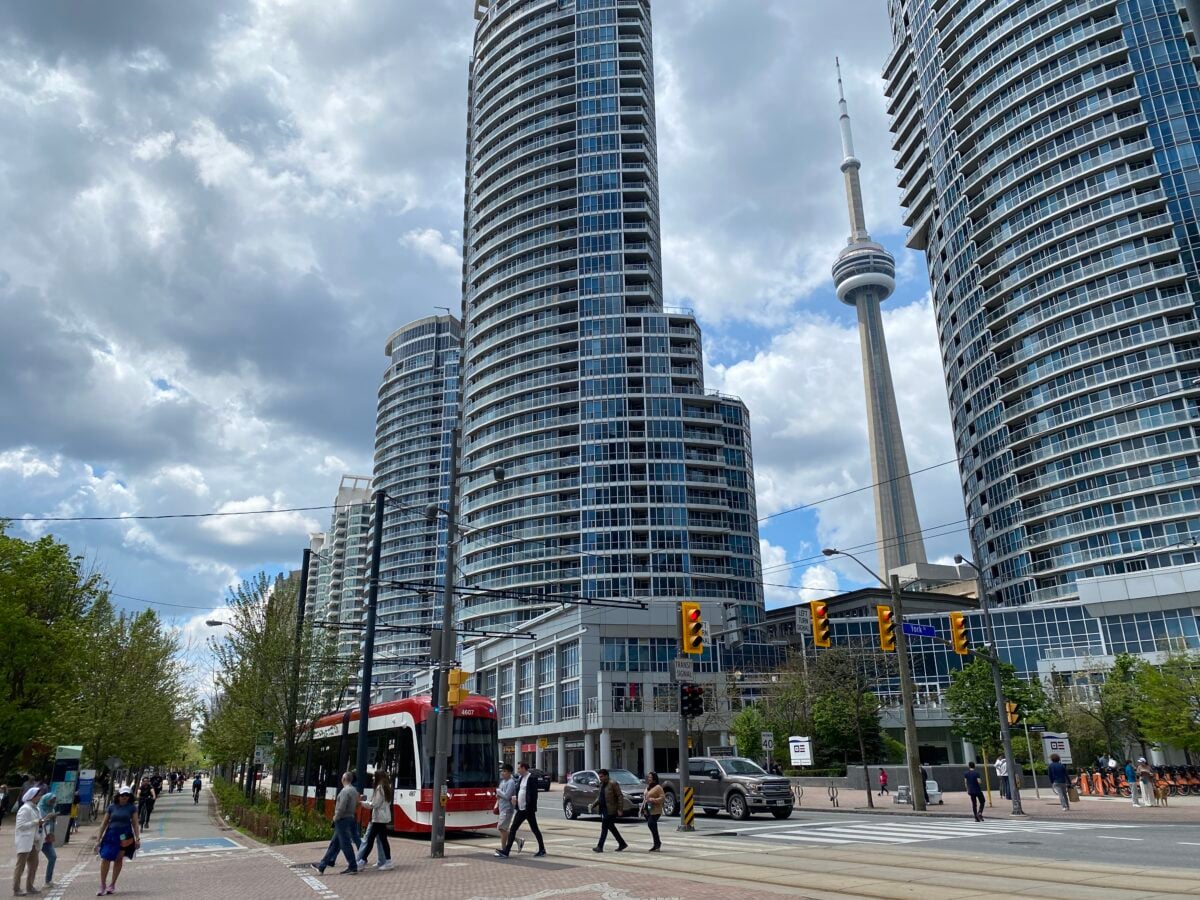
The boundaries of the Waterfront BIA are from Stadium Road to Cherry Street along the Queens Quay corridor, with the northern boundary of Lake Shore Boulevard and the lake’s edge to the south, inclusive of the Toronto Islands as well. The BIA is funded by a special levy on commercial and industrial properties in the area.
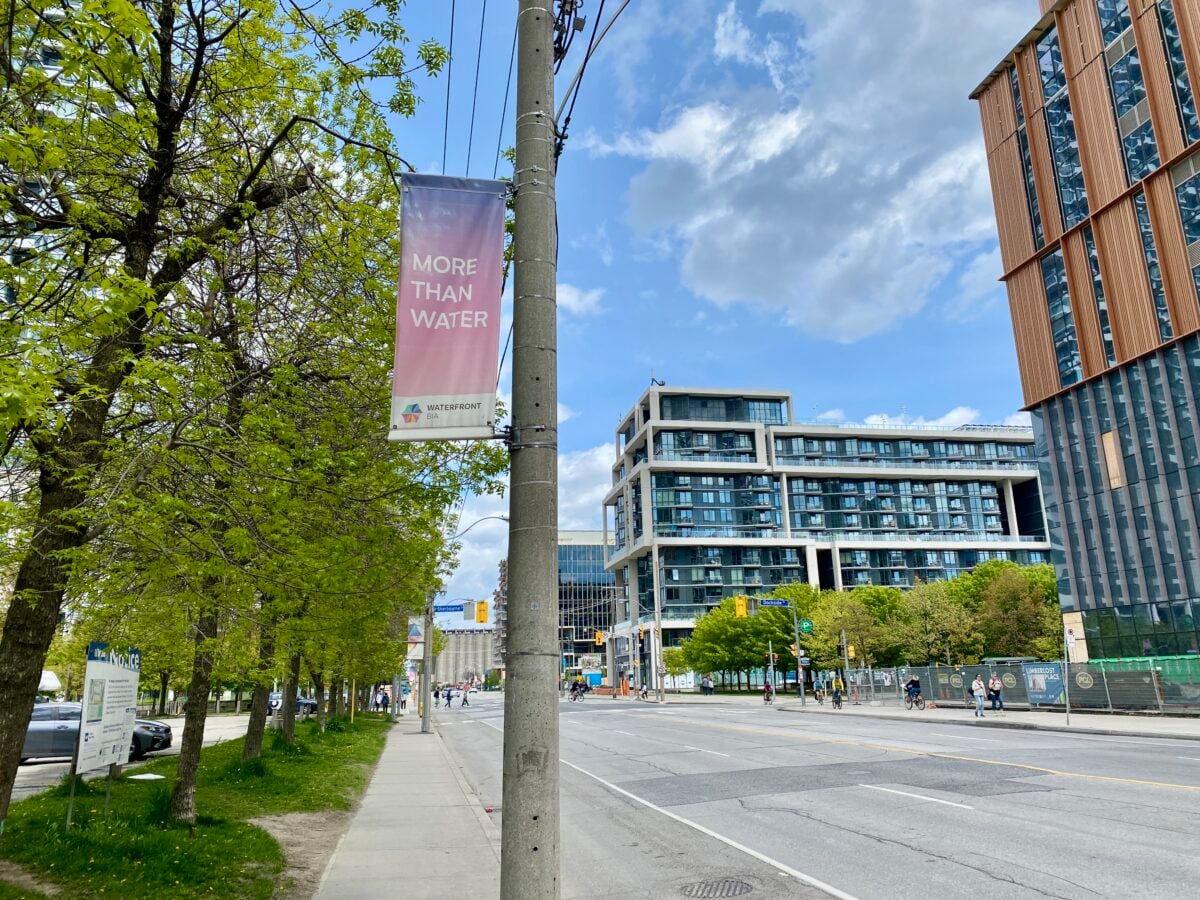

Tim Kocur, Executive Director, Waterfront BIA, said the BIA’s mandate is to support development of the neighbourhood as a “premier destination waterfront and make sure it’s clean, active, fun and well functioning every day and that it’s well connected to the rest of the city.”
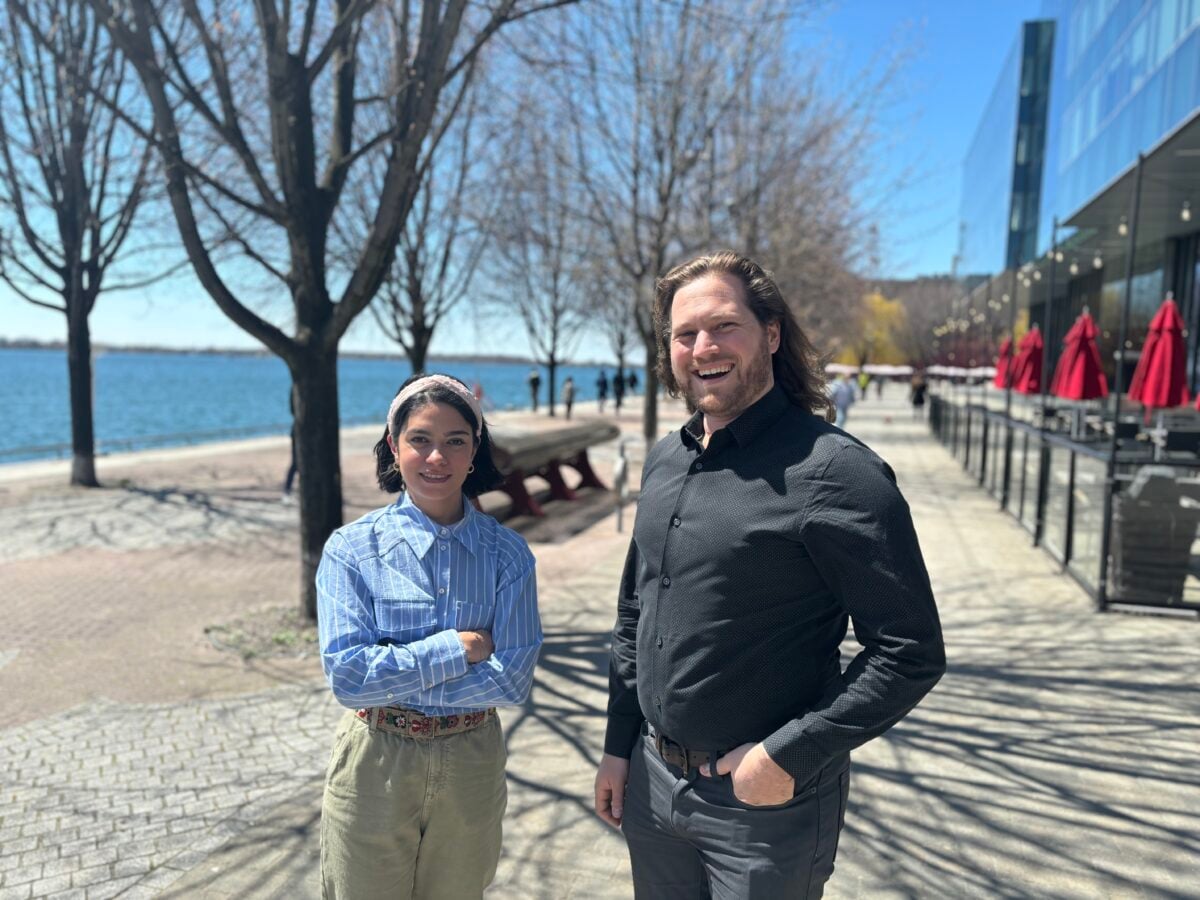
Dorsa Alizadeh-Shabani, Manager, Operations, Waterfront BIA, said the eastern waterfront is still being developed and the BIA believes there’s still an opportunity there to have it be developed into the world-class waterfront that is envisioned – vibrant and active on the streetfront.
“We’re trying to help it develop an identity much like some of the other BIA’s around the city. Have more of a cultural identity. And we want to emphasize more on that arts and culture section, maybe to be able to help develop that into the waterfront we know it can be,” she said.
Oliver Hierlihy, Operations Director,Waterfront BIA, said the waterfront is many things to many people – it’s an office district, a tourist district, a residential district, a park district.
“With that comes the tricky question of who is this all for? That’s something we’re trying to answer a little bit through the study,” said Hierlihy.
“The big outcome is activity. Residents, visitors, office workers. People looking for things to do. That was the real outcome of the study. Reorienting our organizations towards activity to the extent of wayfinding. How do you find your way around?”

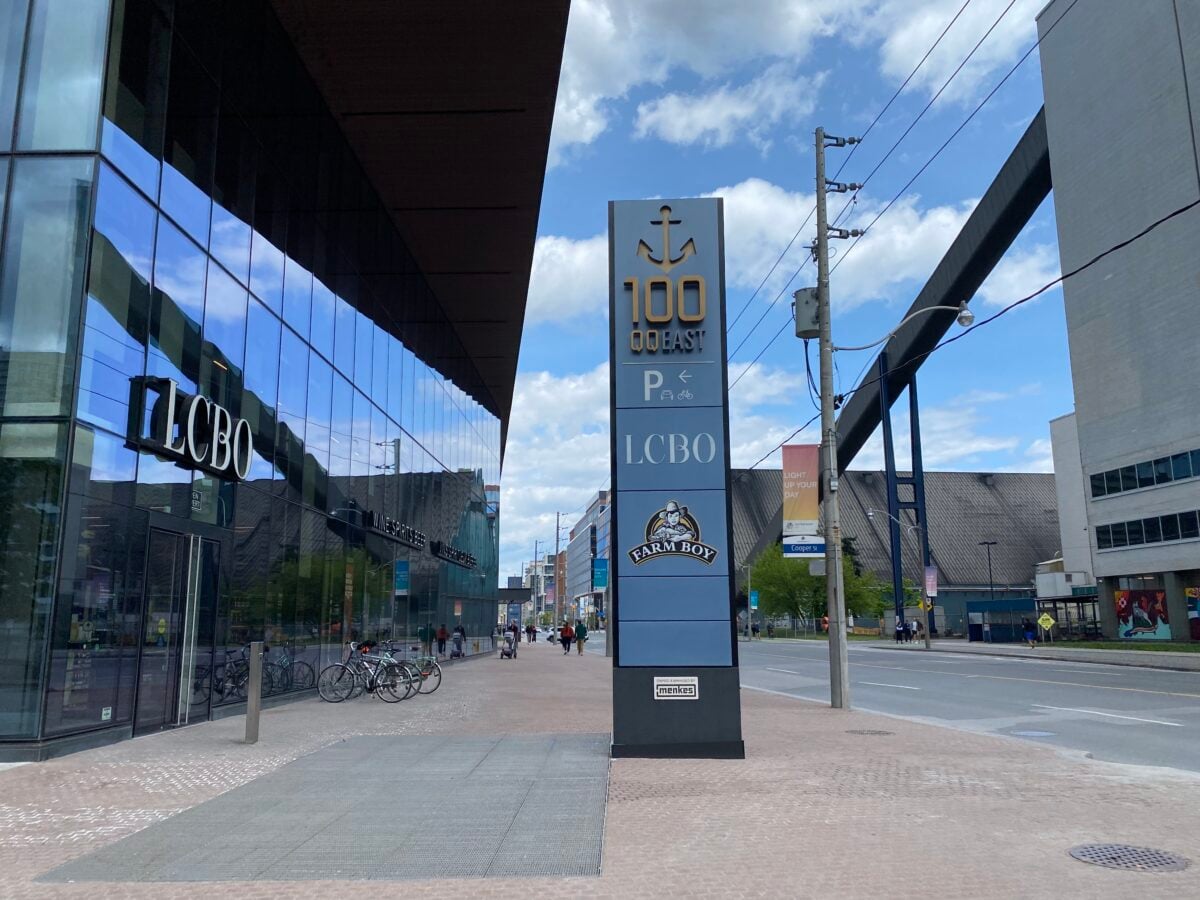
According to the report, general principles for advocacy related to pedestrian level retail for new development plans and for on-going redevelopment include a connected waterfront providing a continuous experience:
- Maximize visibility and frequency of retail and public amenity frontages along priority retail corridors to encourage continual exploration and discovery of waterfront opportunities;
- Add and enhance wayfinding and signage solutions wherever possible, including for parking access and interior businesses;
- Advocate for selective sizing and placement of retail spaces within new developments that considers a balance with current and proposed retail and amenities nearby, focused on a variety of uses for residents, visitors, and office workers;
- Support visible connections to retail, specifically those located at the above-ground PATH network. Entranceways to the PATH should be clear from the exterior ground level of buildings.
The report said the importance of these are magnified along the high-traffic east-west corridors (Queens Quay, Water’s Edge Promenade, Harbour Street) and north-south corridors.
The report said it’s also important to maximize the vibrancy of activity and showcase the area’s best shared asset – the water:
- Emphasize activity and creative usage of retail space along the water’s edge and on the water wherever possible, e.g. waterfront patios, floating patios, water-focused businesses, etc;
- Focus on supporting opportunities to create more destination experience spaces that can enhance the area as a multi-element visitor experience, e.g. food halls, breweries, family- friendly activities, etc.;
- Encourage support for flexible/adaptable commercial space configurations to embrace the seasonal nature of the neighbourhood, e.g. ice cream in the summer, hot chocolate in the winter;
- Support the development of spaces that allow the waterfront to house arts, culture, and musical amenities, including as a nightlife destination, e.g. extended hours of operation on special event days, high-quality soundproofing of spaces, etc.;
- Consider temporary activation of vacant units through early development phases, e.g. artist and exhibition spaces, pop-up retailers, etc.
“World-class waterfronts highlight activity and recreation, including engaging public spaces, programmed events and activations, and complementary businesses that serve as points of engagement and activity. In isolation, none of these tactics can significantly move the needle, but in combination, their impact can be significant. The BIA should assist in recruiting and supporting the development of these types of activations, specifically along the ground-level of the buildings along the Water’s Edge Promenade. In addition, an improvement in the nightlife activities that should be available at the waterfront will help establish a cultural identity for the area and encourage visitors to spend more time here,” said the report.
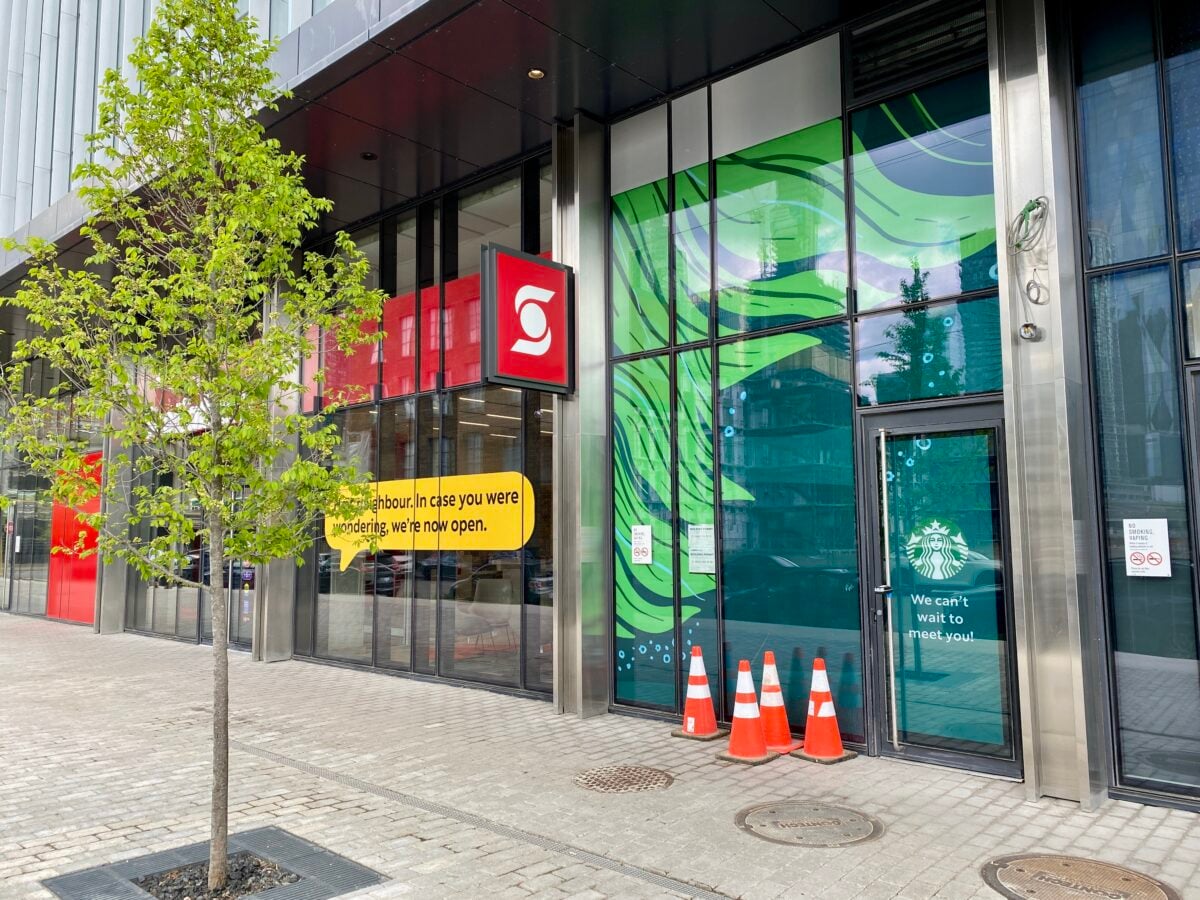
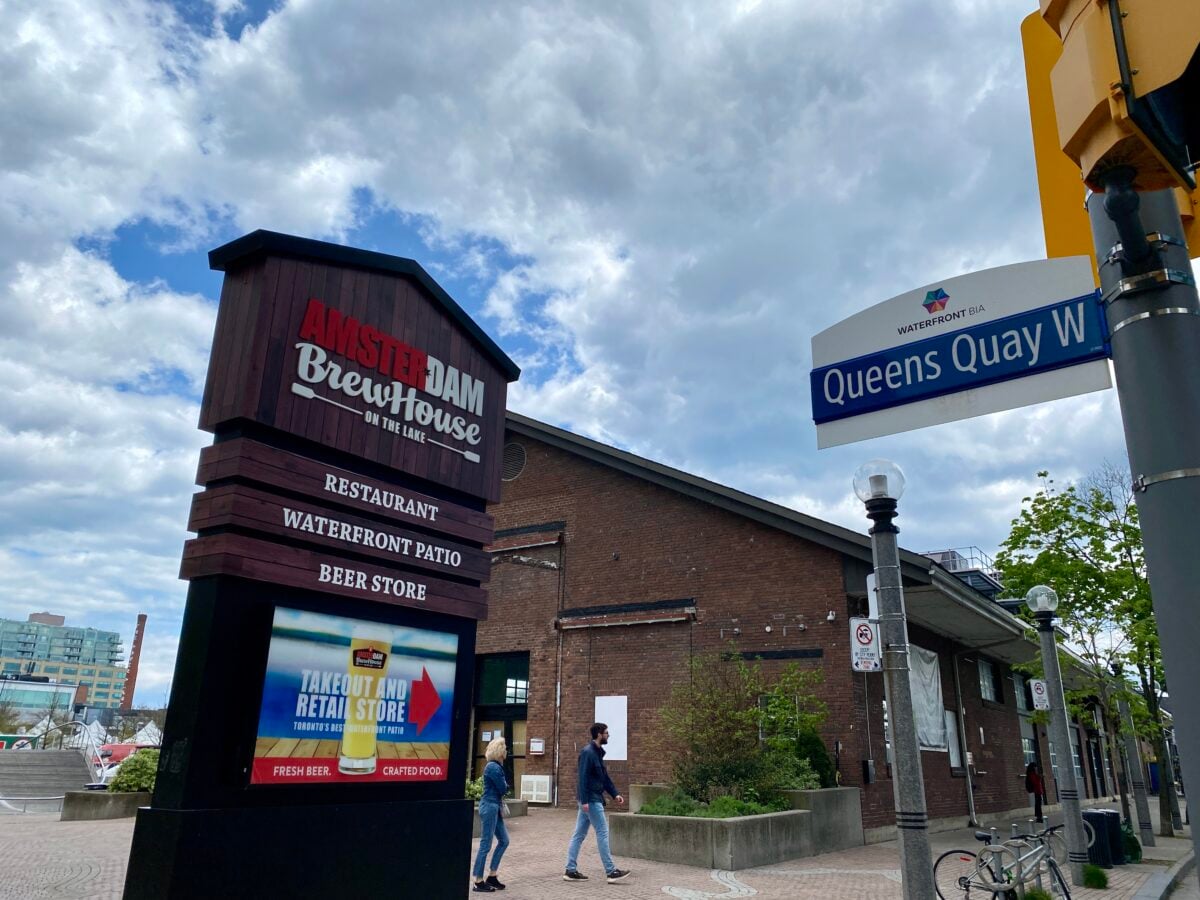
Other key recommendations include:
- Be intentional with the mix of retail space sizes: The use of commercial spaces is primarily defined by what the size of the retail spaces can accommodate, along with their strategic placement. For example, large units are used for grocery stores, medium units for sit-down restaurants, and small units for quick-service restaurants and convenience stores. With new developments, unit size and placement must be intentionally chosen and laid out to accommodate desired retail mix results;
- Extending the shoulder seasons: Find ways to extend the shoulder seasons (Spring and Fall) by activating and sponsoring mid-season activities and installations. The dead of Winter is bad for retailers city-wide, and with the wind off of Lake Ontario, the impact of cold weather is heightened. The BIA should focus on programming and marketing to extend the season people see as acceptable to visit the waterfront into Spring and Fall by giving people a reason to come. This is of specific importance because many businesses on the waterfront are seasonal by nature, such as ice cream shops, bike rental businesses, and tour, charter and water taxi businesses that tend to close their doors in winter, when the BIA’s efforts will have limited benefit;
- Utilize co-location to create hubs for visitors: The waterfront experience isn’t one thing; it is many, with anchor activity hubs such as Harbourfront Centre programming, Lighthouse Immersive shows, sports at the Rogers Centre and Scotiabank Arena, Sugar Beach, the Music Garden, and the Toronto Islands representing single trips for people coming to the area. Each of these visits serve as an opportunity to expand upon the consumer’s journey through the co-location of businesses that serve the sample demographics visiting those anchor activity hubs. An excellent example of this in practice is sports bars on the waterfront at locations near the stadiums or restaurants with patios close to the Harbourfront Centre;
- Traffic and parking: Construction and traffic issues are evident throughout the neighbourhood as the area continues to grow. Many businesses mentioned that one of the main issues customers complain about is the traffic and lack of parking. This can be one of the main reasons customers do not return to certain businesses on the waterfront. The Waterfront BIA conducted a parking study using a consultant in 2020 and can advocate for better signage for parking and for the City to put temporary traffic mitigation measures in place when multiple construction projects are taking place. Services such as Traffic Agents can help with better traffic flow and extra traffic safety in the neighbourhood at times of disruptions. In addition, the need for more customer parking within the waterfront can be addressed by arranging partnerships between parking management companies and businesses to establish a parking validation system for customers who are within walking distance of certain parking lots. The Waterfront BIA can step in as a connector and an assistant to businesses to help establish such a system and support business needs in the area;
- Utilize retail mix strategies to attract local customers: Having a solid mix of complementary businesses co-located can strengthen the business ecosystem. One example is locating an anchor business that brings customers to the area for necessities, such as a grocery store, pharmacy, gym or daycare, and co-locating businesses close to these that will benefit from that traffic, such as coffee shops and dry cleaners. An example of where this is being done exceptionally well is the Loblaws at Queens Quay and Lower Jarvis, where customers come to get groceries with access to convenient subsidized parking and, on the same trip, have access to a pharmacy, coffee shop, wine shop, shoe repair store, medical clinics, and clothing store. These strategies should be the focus while designing new retail spaces and modifying old ones;
- Wayfinding: Better wayfinding, including maps of the waterfront, is needed throughout the area to improve the visitor experience and to guide the visitors to different sites, businesses, and activities once they are at the waterfront. Most people come to the waterfront to enjoy the lake or to visit the Islands and the parks, but once they arrive, they don’t know where to go to get to the Islands or what else to do in the area. Better wayfinding tools, even temporary ones, would be beneficial to encourage and guide visitors to explore the entirety of the waterfront;
- Building relationships with brokerages: The Waterfront BIA can also work with area brokerages and real estate firms to educate property managers and landlords about what type of businesses the visitors are asking for and what seems to be missing in the area. We can emphasize the importance of drawing exciting and unique businesses to the district that will attract visitors and provide them with a memorable experience. This report can act as an advocacy tool to inform area stakeholders what the community is asking for and to highlight the value of unique consumer-facing commercial spaces that bring in visitors year-round and not just during the warmer months.
Related Retail Insider Articles
- Food Retailer Marché Leo’s Plans Expansion with 3 Toronto Store Openings, Including Waterfront Flagship [Interview]
- Toronto Waterfront Plans New Developments and Aims to Become Year-Round Retail Destination [Interview]
- First NBA Courtside Restaurant to Open this Spring in Downtown Toronto [Interview/Renderings]