

The Toronto waterfront is always continuing to evolve and improve its image by adding new condominiums, shopping spaces, and more interactive spaces.
Michael Wolfe, the Director of Development of Waterfront Toronto, and Tim Kocur, the Executive Director at the Toronto Waterfront BIA, discuss what is next for the waterfront, including new projects and a possible move to make it a year round destination.
New Developments
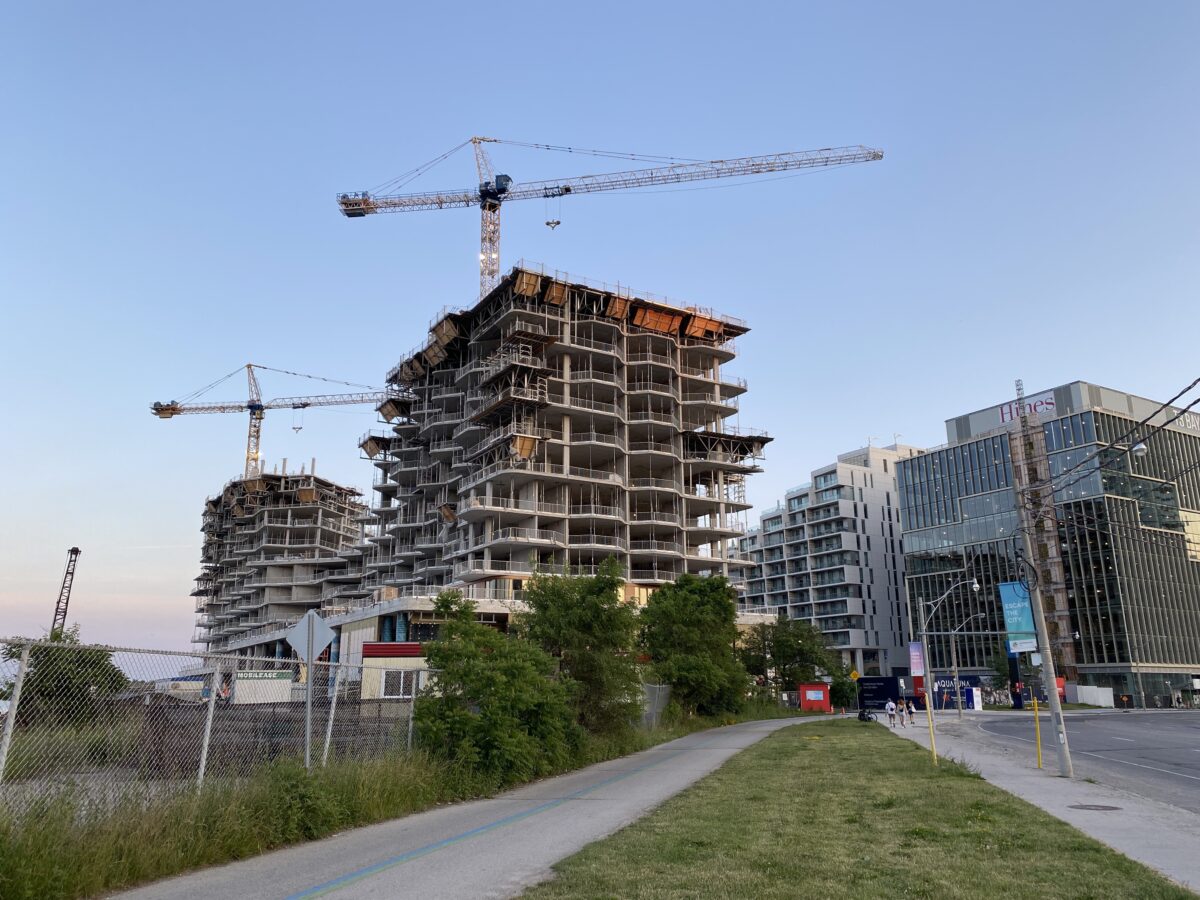
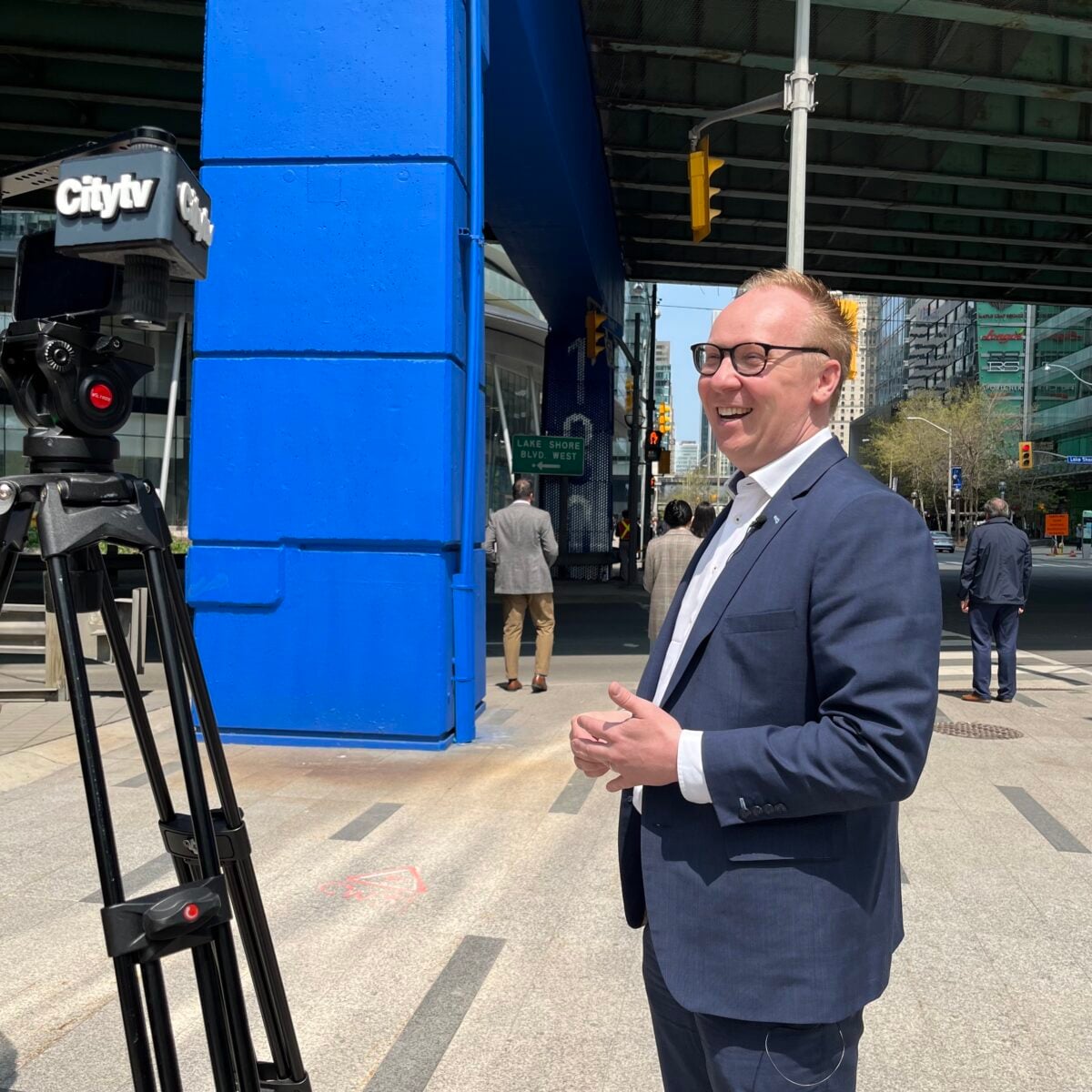
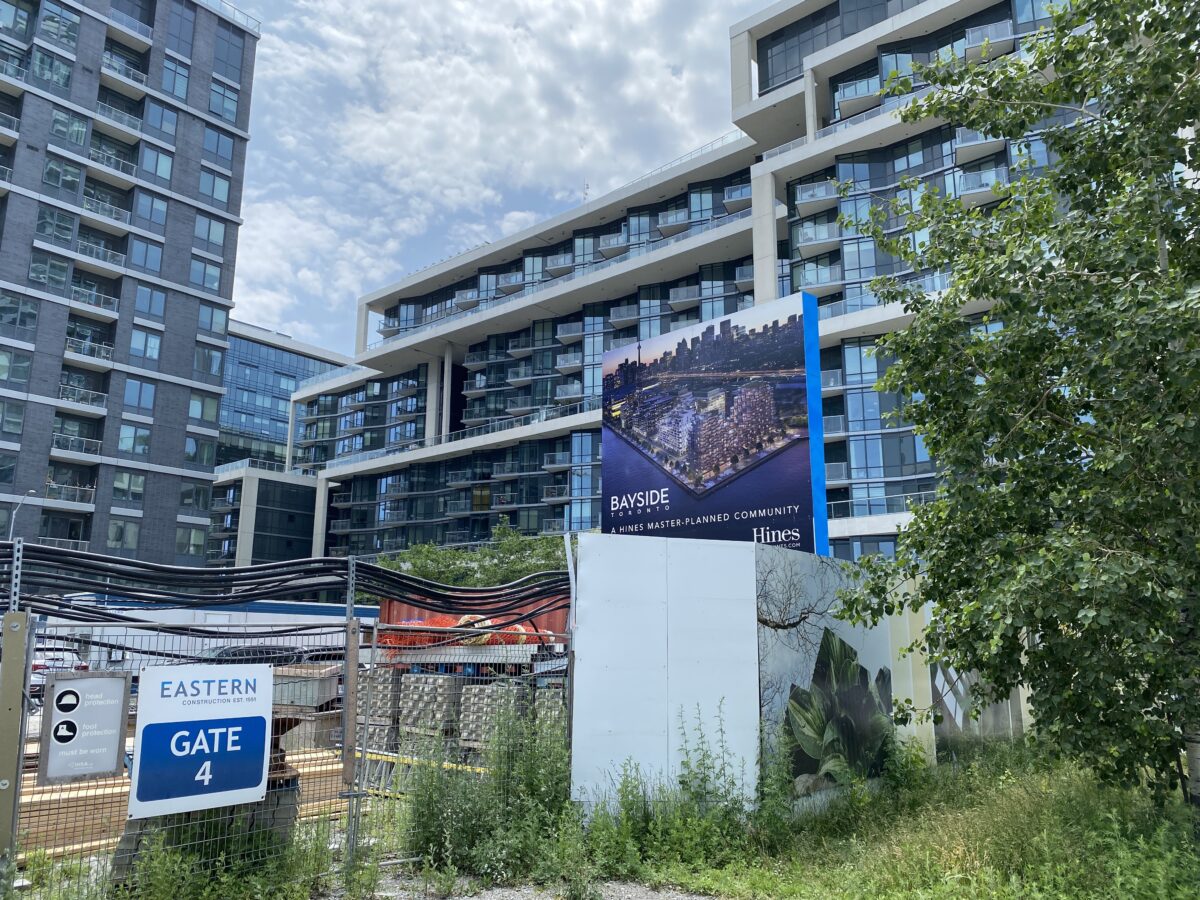
As for new developments along the waterfront, Kocur says there are several on the go including the Quayside development and Bayside Development – both projects will bring residential and retail spaces along the waterfront.
Quayside is going to be a mixed-use development which will include residential units and retail spaces. Wolfe says there will be approximately 300,000 square feet of non-residential space which breaks down into 100k for institutional, 100k for office spaces, and approximately 100k for retail and community spaces.

Bayside, Kocur says, will also be a place where people can “work, live, and play.” The development is located south of Queens Quay and will be the next destination for people to check out at the waterfront as it will be mixed-use. The development will have around 2 million square feet of mixed-use residential, retail, and community spaces and in that will have approximately 1,800 new residential units.
In addition to building developments, Kocur and Wolfe say the Toronto waterfront is also working on the Parliament Slip, located at East Bayfront, which will bring more people to the waterfront year round as it will have all season activities. The size will be 1.67 hectares and once completed, it will be a place where people can come down to swim, see performances, will have floating restaurants, and will complement the waterfront developments surrounding it.
More of the waterfront developments can be located on the Waterfront Toronto website.
Going Forward, What Retails Would Work Best?
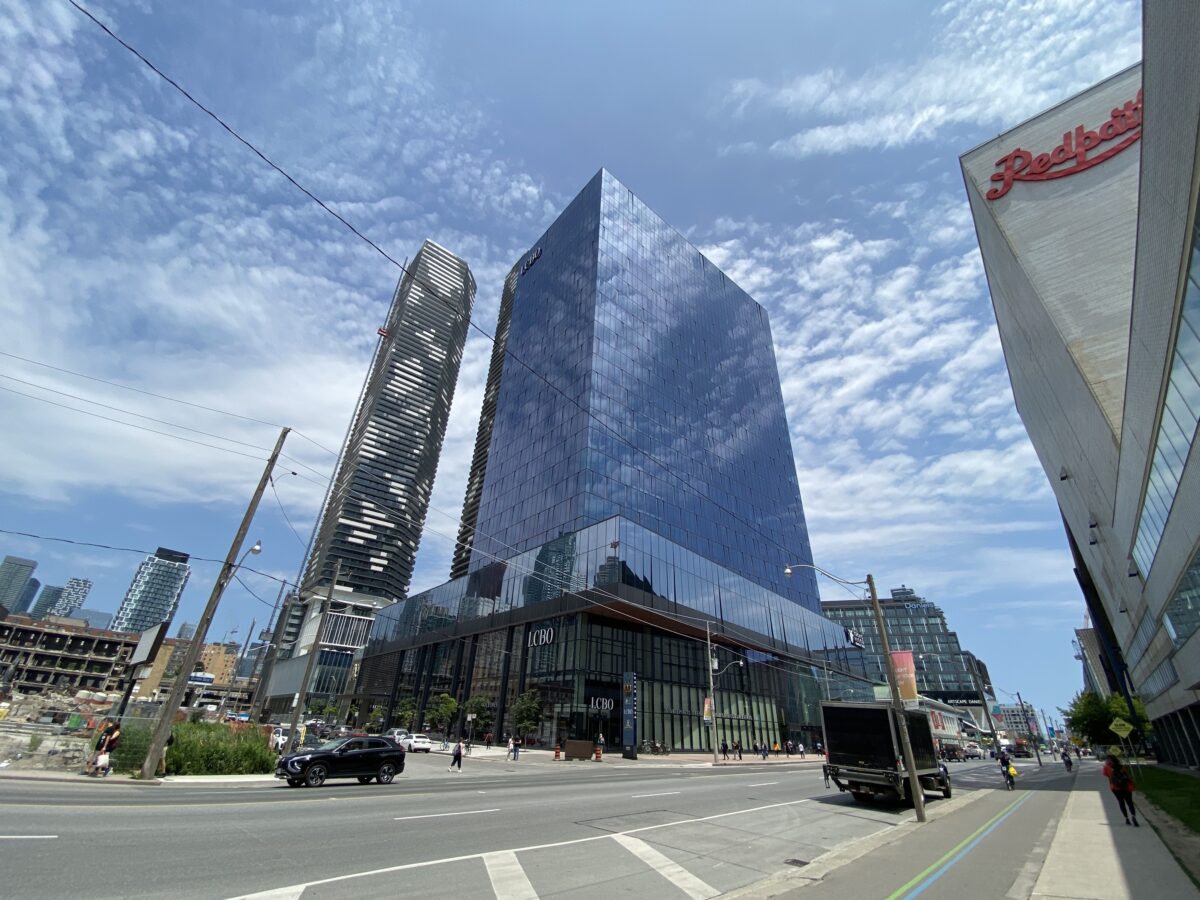
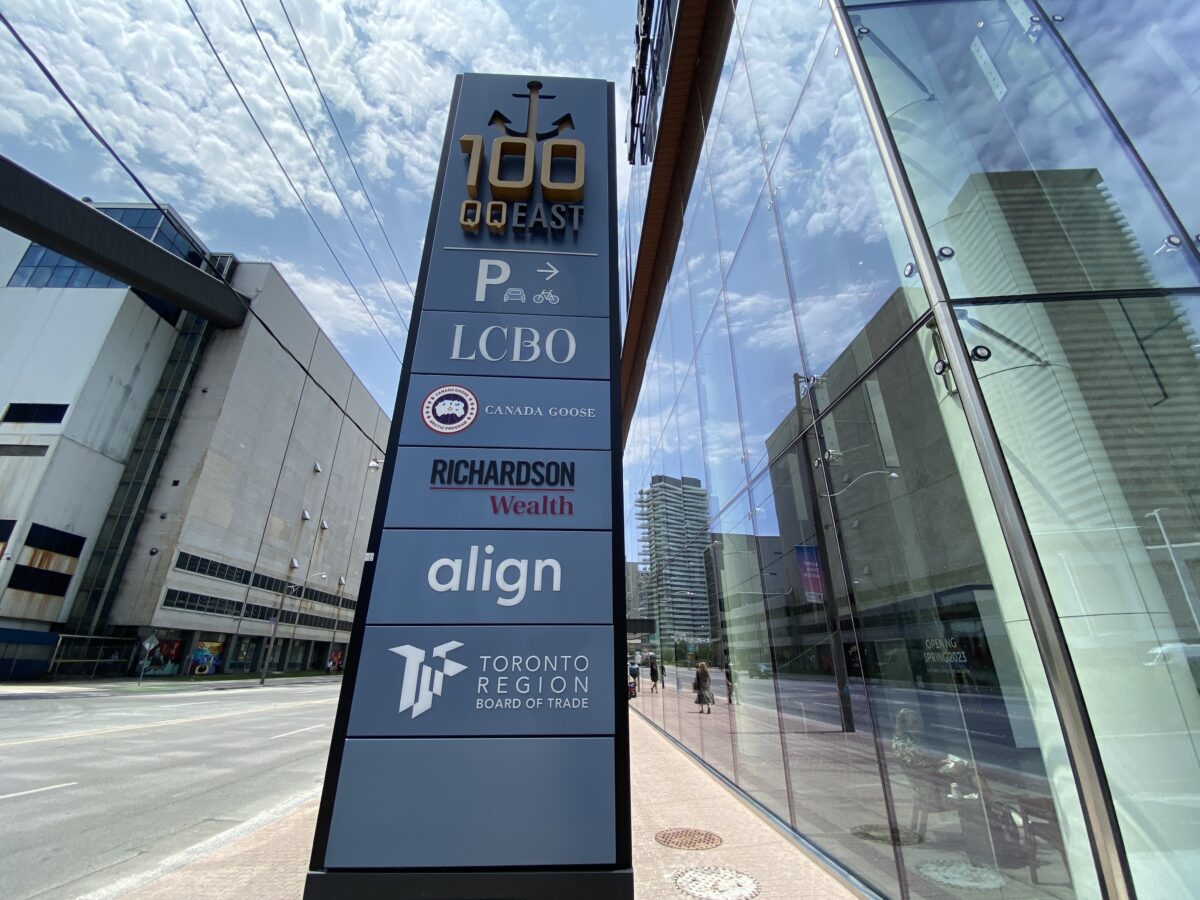
Wolfe and Kocur say the main demographic at the waterfront is between twenty and forty years old and focus and spend more on food and lifestyle than across the city.
“The demographics in the waterfront are a little different than the city average. People at the Toronto waterfront tend to be younger and tend to spend more time on food, fitness, and wellbeing. People here generally walk to work as a lot of people live and work in the same area and why they live at the waterfront, and based on the ages, we have a lot of singles rather than families,” says Wolfe. “So I think in terms of retailers, we are targeting some various fitness retailers and various food options. We will have to see what makes sense, but we are hoping that we can fill spaces with a very diverse collection.”
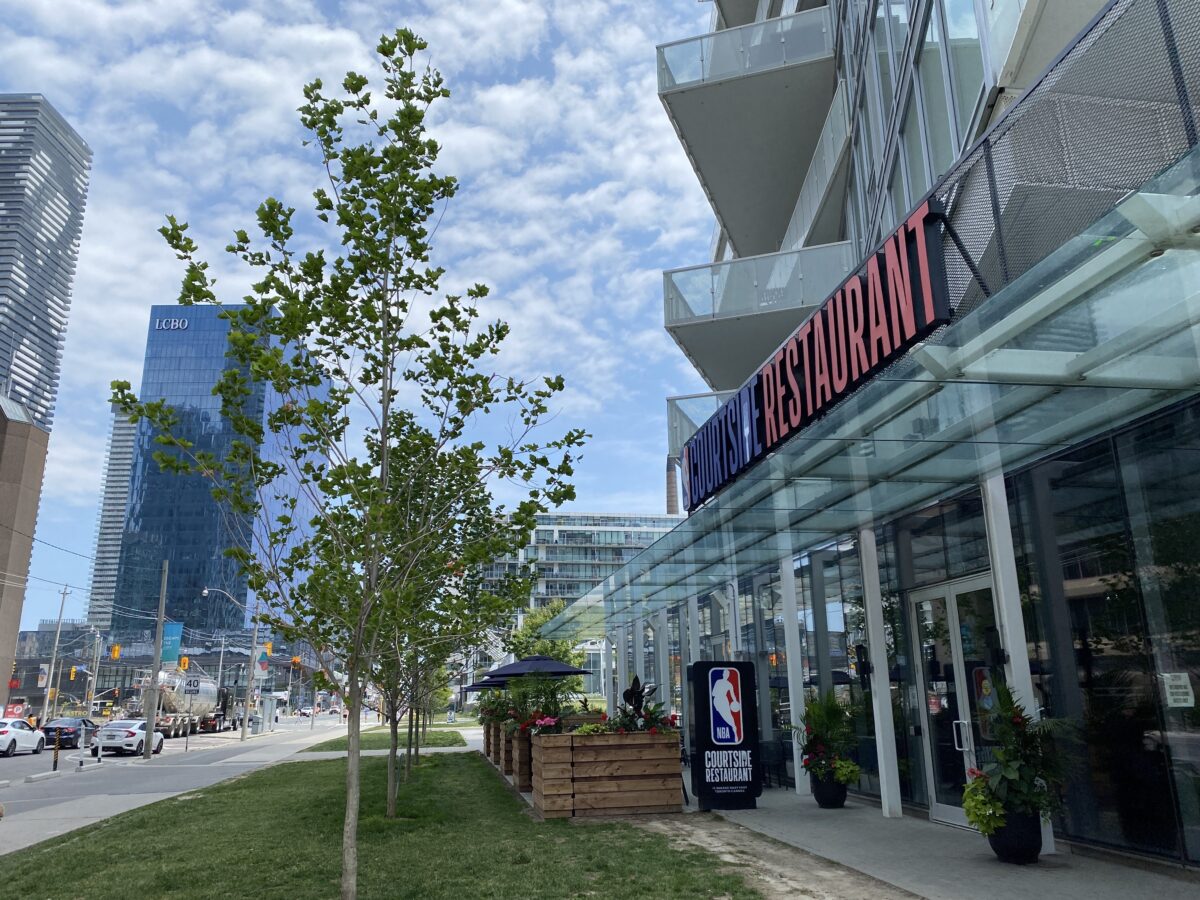
Wolfe says since the waterfront will probably look a bit different in about twenty years from now, they are looking to also have flexible retailers such as pop-ups, local, and destination retailers.
“What works on day one might be a little different than what works ten years from now, so we are trying to create flexibility so those things can be shifted because I think we are trying to create a presence here that is a little different than the rest of the city. So we are trying to get a diverse mix at the waterfront,” says Wolfe.
Seasonal to Year Round
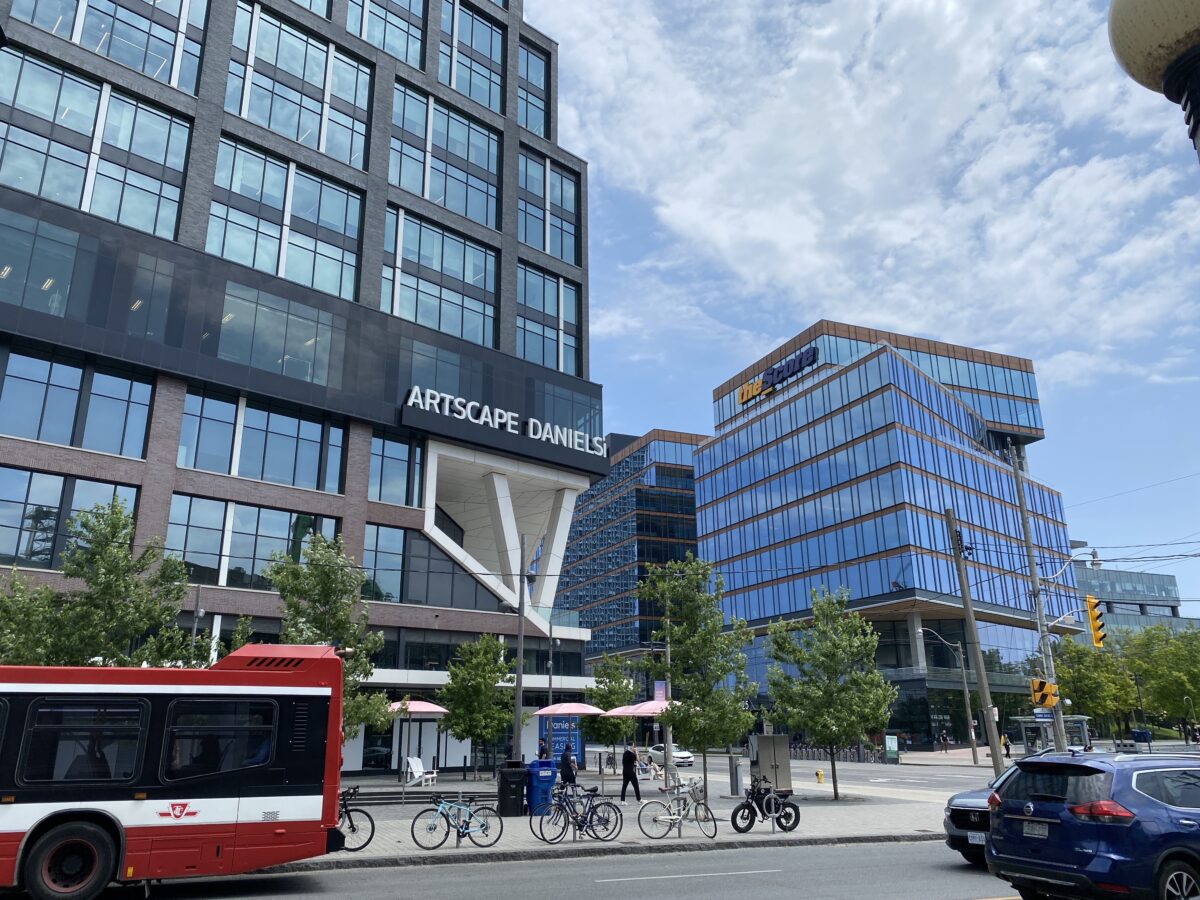
One of the main challenges Wolfe says he sees on the waterfront is that it is seasonal – something he would like to change.
“The general struggle right now is that right now the waterfront is a bit seasonal. So there is just a lot more activity in the summer months than the winter months. This is one of the things we will be working on and kind of thinking about how we can activate and what we can bring down there to try and draw people to the waterfront all year round,” says Wolfe.
The Toronto waterfront is not the only one with this challenge as the Halifax waterfront BIA has also noted that they are also working on making the Halifax waterfront a year round destination as well. Both cities will do this by bringing more retailers and activities to the area, Wolfe says making the waterfront a year round destination will take time and will start working on the project later on.
“I don’t think it is something we will address in the next year, but later and we are thinking about what active spaces to bring down to the waterfront to draw people down, not just in the summer but also in the winter, Winter activations can create both foot traffic down there that will spill over to retailers, but also just to remind people that this is a place to visit and there are things to do in the winter months even if it is not necessarily top of mind,” says Wolfe.
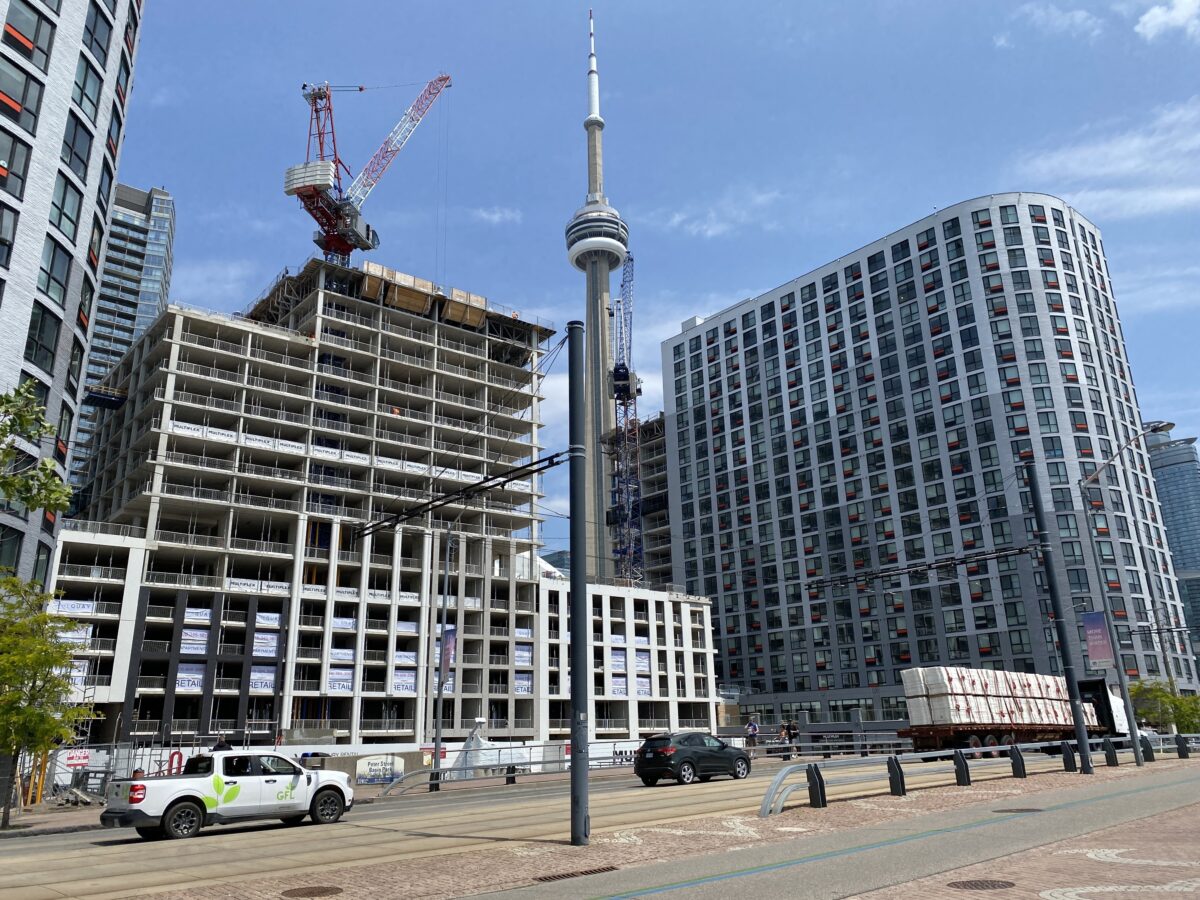
Another challenge Wolfe says is construction as it disrupts the flow of the waterfront and sometimes blocks access, but the improvements and developments will make the waterfront an “incredibly attractive location in the coming years, but it is a work in progress,” says Wolfe. The ongoing construction, Wolfe says, makes tension around the areas, especially for retailers, as it is not a selling point; however, despite this Wolfe says he is seeing an increased number of retailers to the area.
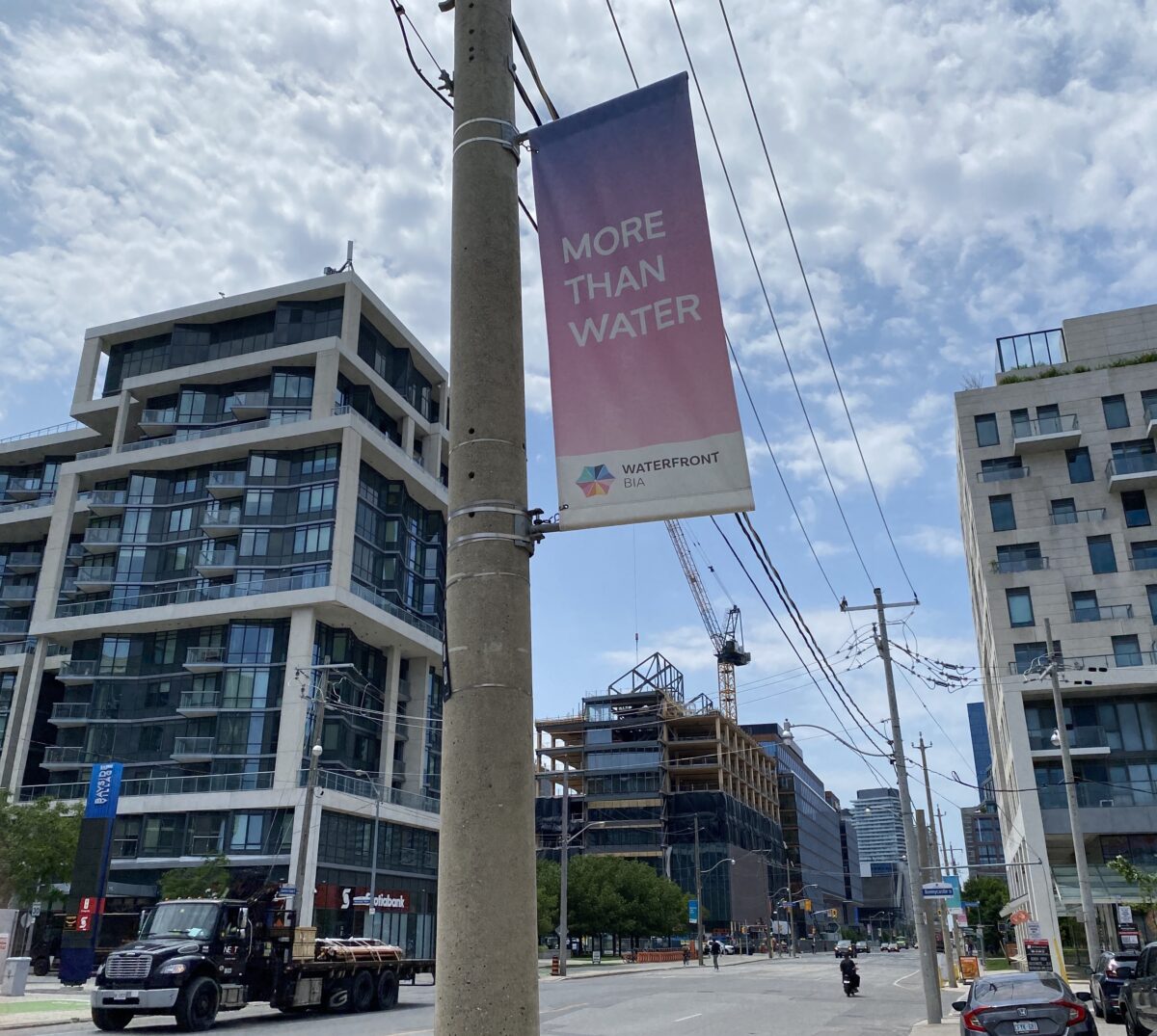
As challenges come and go, Kocur says the main focus for the BIA is to support businesses on the waterfront.
“We don’t try and change direction for the waterfront, we are more about making sure we are giving feedback, support, and assistance wherever we can to make sure everyone is working together and make sure the developments are on track to being completed. So we try not to get in the way, we just provide our feedback and nudge the waterfront in the right direction businesses would like them to go in,” says Koncur.
This summer, locals and tourists can expect various summer activities including Smorsgasburg, a food market which will bring a diversity of food vendors from across the city and will run for several weekends over the summer, the Underpass Park Farmers Market, and there will be several live music events to draw people to the waterfront.
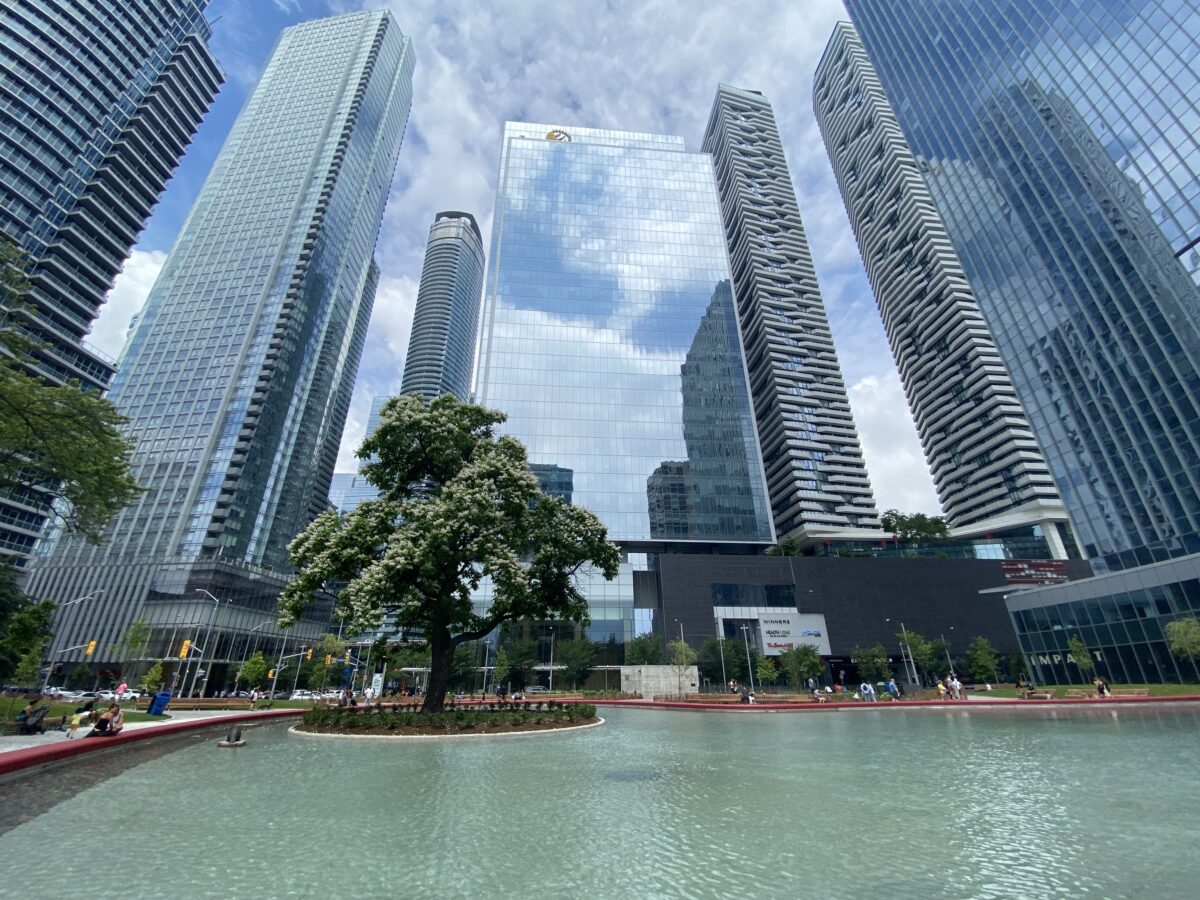















It all looks pretty souless. Young people want green spaces to gather, ride their bikes etc. A mix of high and low rise woul be better. Think of Brooklyn.Hopefully the waterfront parks on the portlands will be more interesting than just glass towers. It’s Toronto, not Hong Kong