

As temperatures rise across Eastern Canada this week, residents will experience the sweltering conditions typically associated with Western Canada’s summer heatwaves. In Western Canada, summer heatwaves and heat domes are familiar adversaries, though recent rainfall in many western regions has provided some respite.
Heatwaves and droughts significantly impact grocery prices. The recent surge in olive oil and beef prices exemplifies this trend, driven by persistent droughts in North America and Europe, regions critical for grain and olive production. Depleted olive inventories and escalating cattle feed costs have prompted many ranchers to sell livestock prematurely.
The American Corn Belt, one of the world’s most intensive grain production regions, serves as a bellwether for climate impacts on agricultural productivity in North America. Experts from Iowa State University recently highlighted the current ‘neutral’ weather phase as North America transitions from El Niño to La Niña later this summer and into the fall. They observed an “elevated signal” for warm temperatures in June, July, and August, but noted “no clear indication regarding precipitation.” When unfavorable weather patterns affect the Corn Belt, subsequent increases in grocery prices are inevitable.
While there is no need for alarm, it is clear that climatic conditions exert a substantial influence on food costs. Compounding this issue, the Canadian dollar has weakened against the U.S. dollar—declining approximately 6% over the past year—potentially escalating the cost of food imports in the coming months.
Produce faces similar challenges. Extreme heat accelerates the wilting of fresh produce, complicates transportation, and strains supply chains. These factors invariably lead to higher prices at the checkout counter.
Heatwaves also significantly alter eating habits. Traditional hearty meals give way to lighter, cooler alternatives that help manage body temperature and hydration levels. Here’s a guide to keep cool with food when the weather is scorching:
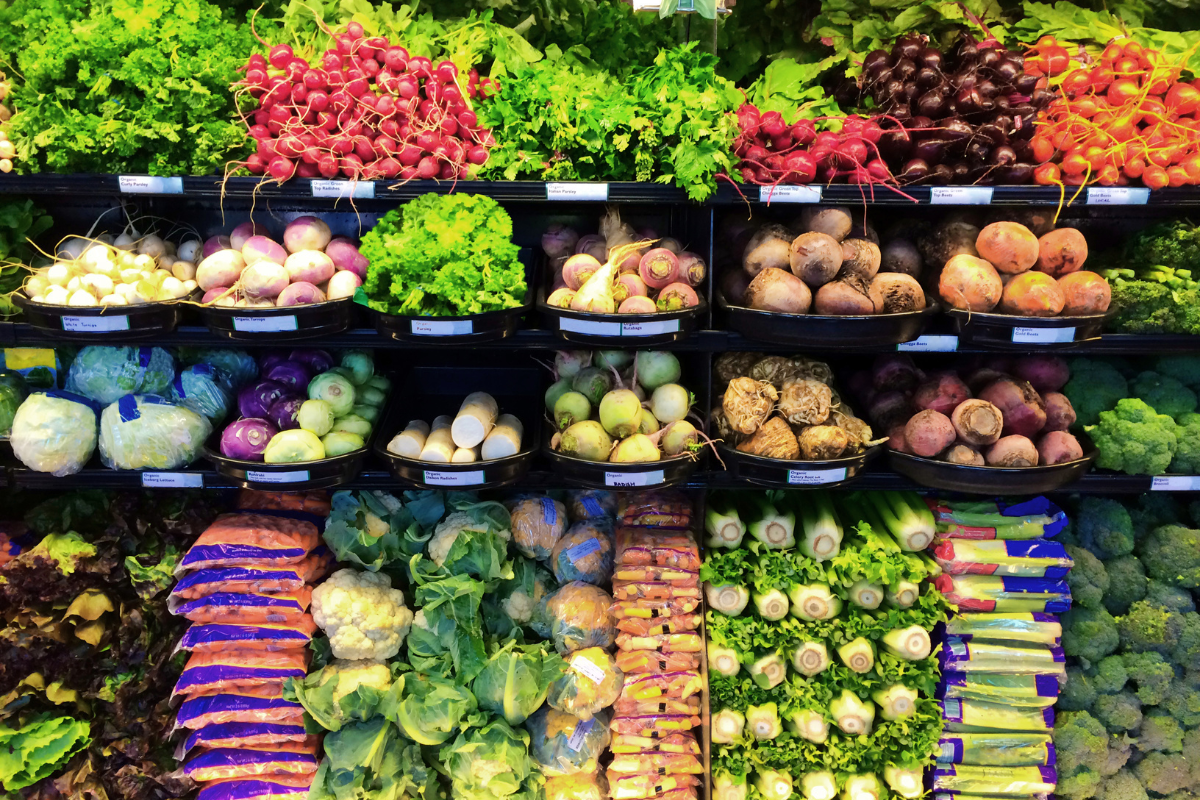
Optimal Foods During a Heatwave:
- Water-rich fruits: Watermelon, strawberries, cantaloupe, and peaches are ideal for their high-water content, aiding in hydration.
- Vegetables: Cucumbers, celery, lettuce, and zucchini offer refreshment and ease of digestion.
- Cold soups: Gazpacho and cucumber soup provide a cooling alternative to hot meals.
- Salads: Mixed greens and fruit salads deliver nutrition without heaviness.
- Smoothies: Blended fruits, vegetables, and yogurt create a cooling, nutrient-rich drink.
- Yogurt: Plain or with fresh fruits, yogurt is a light, protein-packed option.
- Herbal teas: Iced peppermint or chamomile tea can be both hydrating and soothing.
- Light proteins: Grilled chicken, fish, and tofu are easier to digest in the heat.
- Hydrating beverages: Water, coconut water, and electrolyte drinks help maintain hydration.
Foods to Avoid During a Heatwave:
- Heavy proteins: Red meat and pork can be difficult to digest and may increase body heat.
- Spicy foods: Hot peppers and spicy sauces can intensify the sensation of heat.
- Fried foods: Items like French fries and fried chicken are heavy and dehydrating.
- Sugary drinks: Soda and sweetened iced tea can contribute to dehydration.
- Caffeine: Coffee and energy drinks can elevate dehydration risks.
- Alcohol: Beer and cocktails, although tempting, can exacerbate dehydration.
- High-fat dairy: Cream and cheese can be heavy and less appealing in the heat.
- Salty foods: Pretzels and salted nuts can increase thirst and dehydration.
Grocers must adapt to a market where consumers seek food suitable for high temperatures. Canadians must also consider food safety more seriously. Heatwaves heighten the risk of contamination, as products leaving coolers and fridges warm up more quickly. Ensuring the integrity of the cold chain is essential for the well-being of oneself, family, and friends.
As Eastern Canada swelters, it is crucial to recognize the broader implications of such weather events and work towards a unified approach to safeguarding our communities and food systems against the escalating climate challenges. We have navigated heatwaves before, and this time will be no different.










Great article. Most of us can lessen the impact of the exchange rate by buying local products – some fresh vegetables are available year round in Canada or can be bought in quantity then frozen or preserved. It’s also becoming clear that red meats and overly processed food aren’t good for our health. That said, I’m not giving up high fat dairy just because the weather is warm and I’ll be ordering spicy offerings from Mexican and Indian restaurants to enjoy on outdoor patios.