Canadian consumer confidence continues its upward trend, with discretionary spending intentions reaching the highest level in seven quarters, according to a recent survey by Stifel. The survey, which polled 300 Canadians aged 18 and older, highlights a 200 basis points (bps) sequential increase in spending intentions for discretionary items, with 56% of respondents indicating plans to increase spending in this category. This marks the second consecutive reading above 50%, signalling ongoing expansionary intentions.
The data reveals a significant driver of this growth: respondents earning less than $75,000 annually. While higher-income respondents remained flat sequentially, lower-income Canadians showed a robust 300bps improvement in spending intentions. Analysts attribute this optimism to reduced inflation rates and declining interest rates compared to the previous year.
However, headlines surrounding export tariffs may have tempered confidence among higher-income earners, potentially dampening overall growth momentum.
Apparel Spending Slows: A Concern for Aritzia and Groupe Dynamite
Despite the overall uptick in discretionary spending, intentions for clothing and apparel have decreased sequentially, with 51% of respondents planning to increase spending in this category over the next 12 months. This marks a 400bps drop from the previous quarter and the lowest reading in four quarters.
Notably, the decline is more pronounced among higher-income respondents—key customers for premium brands such as Aritzia. This shift may be influenced by external factors such as increased global economic uncertainty, rising costs of luxury goods, or a shift in spending priorities towards experiences like travel. Younger consumers aged 18 to 34, a critical demographic for Groupe Dynamite, also showed weaker intentions, potentially due to inflationary pressures affecting disposable income. These results could signal a potential slowdown for these brands, which rely heavily on these segments.
Dollar Stores Benefit from Value-Seeking Trends
In contrast to apparel, dollar stores continue to thrive as value-seeking behaviour remains prevalent among Canadian shoppers. Spending intentions in this category climbed for the fourth consecutive quarter, with 74% of respondents planning to increase their spending over the next year.
The surge was primarily driven by lower-income respondents, while spending intentions among higher-income Canadians remained steady. Dollarama, a leader in the discount retail sector, stands to benefit significantly from this sustained growth. Recent financial reports from Dollarama have shown consistent same-store sales growth, bolstered by an expanded product assortment and strong performance during the holiday season. Additionally, the discount retailer has been strategically opening new locations to capture more market share, further solidifying its dominance in the value retail space.

Pet Spending Intentions Decline Slightly But Remain Strong
The pet industry saw a 300bps sequential decline in spending intentions, with 71% of respondents indicating plans to increase their spending on pet food and accessories. Despite the dip, the category remains robust, with intentions still 300bps higher than the six-quarter average.
Interestingly, female respondents demonstrated the highest spending intentions, with 74% planning to increase their expenditures—marking the strongest reading in six quarters. Pet Valu remains well-positioned to capture this demand, though the slight decline warrants close monitoring.
Toys Category Rebounds, Boosting Prospects for Spin Master
The toy category saw a significant rebound, with 59% of respondents planning to increase their spending on toys in the next 12 months. This marks the highest level in five surveys, reversing a concerning dip below 50% in the previous quarter.
Parents aged 18-54 were a key driver, with 64% indicating increased spending intentions. Contributing factors may include the rising popularity of educational and tech-integrated toys, as well as increased marketing efforts by major toy brands. Spin Master, a Canadian toy and entertainment company, is poised to benefit from this resurgence in consumer interest.
Furniture Spending Intentions Steady but Regional Weakness Emerges
Spending intentions for furniture and appliances remain in expansionary territory, with 55% of respondents planning purchases in the next 12 months. Younger consumers aged 18-54 showed particularly strong intentions at 65%, reflecting their tendency to replace furniture more frequently than older generations.
However, regional disparities persist. In Western Canada, only 47% of respondents indicated plans to increase spending, underscoring a potential area of weakness for national retailers like Leon’s Furniture.
Flat Results for Powersports Vehicles
The powersports category, which includes vehicles like ATVs and snowmobiles, remains stagnant. Only 7% of respondents expressed a strong likelihood of purchasing or upgrading a powersports vehicle in the next year, consistent with results from the past two years.
While the industry enjoyed a brief rebound in mid-2024, current spending intentions suggest continued challenges for brands like BRP.
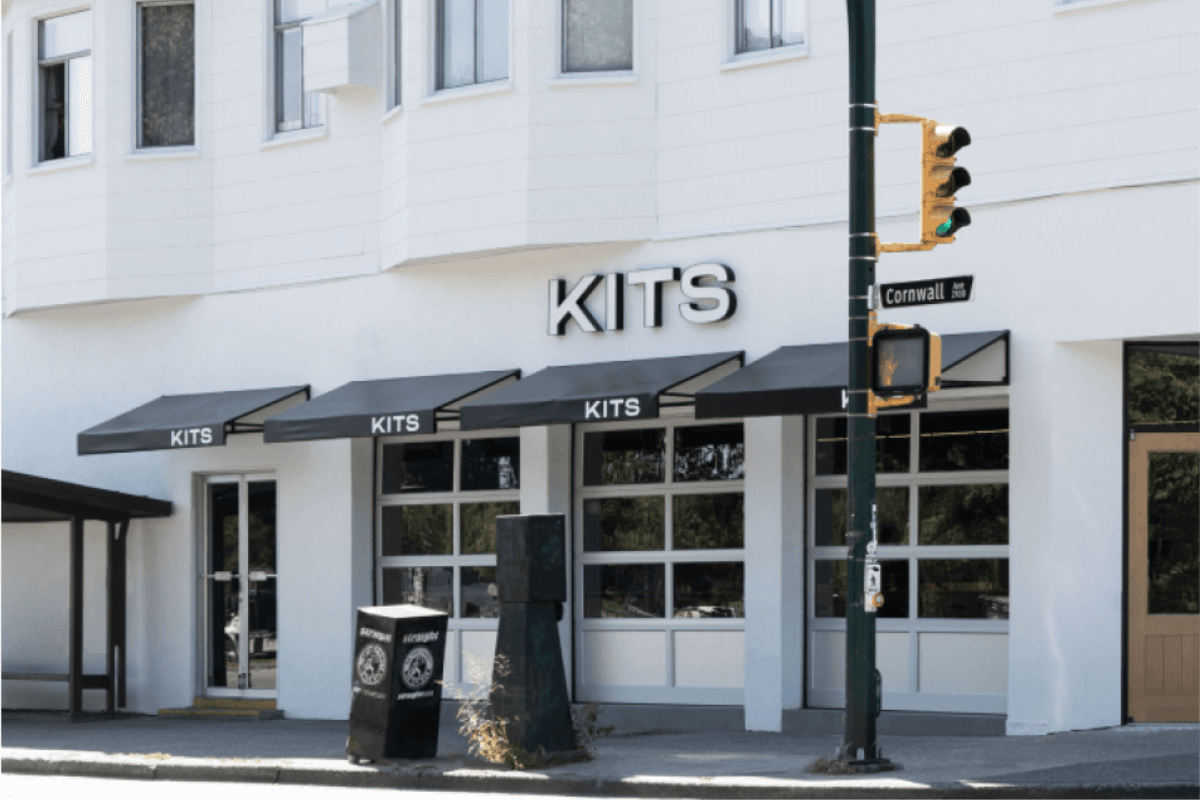
KITS Eyecare Sees Rising Brand Awareness
One standout from the survey is Vancouver-based KITS Eyecare, which recorded a 36% increase in brand awareness since February 2024. Now familiar to 12% of respondents, KITS has made notable strides in a competitive online eyewear market.
Although the company ranked sixth among seven surveyed online eyewear retailers, its recent growth underscores a strong runway for future expansion.
Key Takeaways for Canadian Retailers
This quarterly survey by Stifel offers valuable insights into Canadian consumer spending trends across key retail categories:
- Discretionary Spending: Rising confidence among lower-income Canadians is driving overall growth.
- Apparel: A decline in spending intentions highlights challenges for premium brands like Aritzia.
- Dollar Stores: Continued strength in this category reflects persistent value-seeking behaviour.
- Pets and Toys: Elevated spending intentions point to opportunities for Pet Valu and Spin Master, respectively.
- Furniture: Regional disparities could pose challenges for national players.
- Powersports: Flat results highlight ongoing struggles in this niche market.
- Eyewear: KITS Eyecare’s growing brand awareness signals promising growth potential.
As inflation moderates and interest rates remain favourable, Canadian retailers should adapt their strategies to capitalize on evolving consumer preferences. Brands focusing on value, affordability, and category-specific trends stand to gain the most in this dynamic retail environment.