

Calgary’s retail market is seeing an impressive surge in demand, with vacancy rates hitting record lows and net rents on the rise.
According to Hani Abdelkader, Principal and Practice Lead with Avison Young’s Retail Leasing and Sales Team, this growth is largely driven by population expansion and a lack of new retail development. The city’s retail sector has developed 500,000 square feet of new space in the past year, with food and beverage retailers leading the charge.

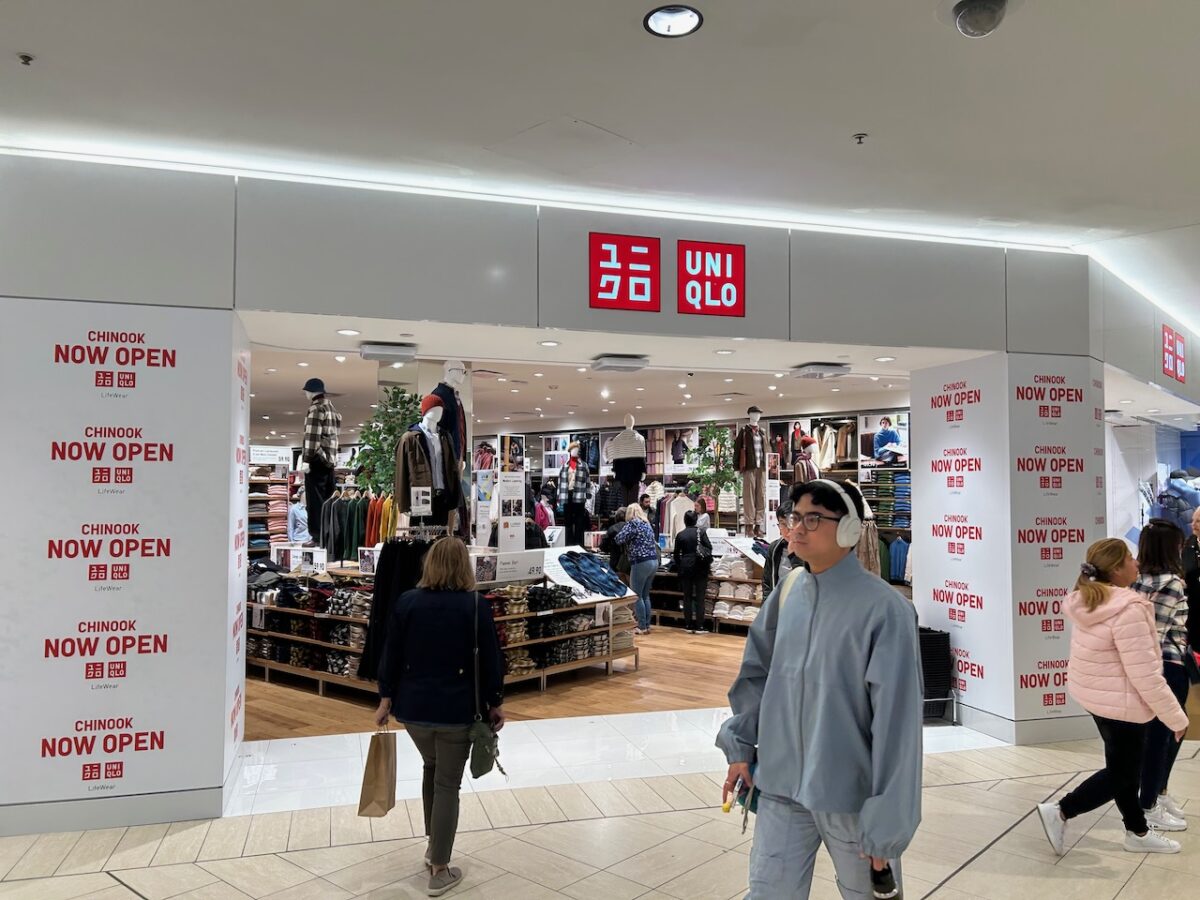
However, while major shopping centres like Chinook Centre and Market Mall continue to thrive, smaller tenants and local businesses are also contributing to the robust market.
Retailers and developers are also adapting to changing consumer habits.
With high consumer spending and evolving shopping preferences, Calgary’s retail market is expected to remain strong throughout 2025, despite challenges in the grocery sector.
Abdelkader described the Calgary retail market as robust right now.
“We’ve definitely seen a decline in vacancy with positive absorption. I think a lot of that is fueled by population growth and that pretty substantial increase in population base that we’ve seen. It also plays off of the fact that we don’t have a lot of new development happening,” he said.
“I know we have it in the pipeline, but we didn’t deliver a lot of new product last year. We’re actually right around 500,000 square feet, which is especially low for the city and that pushed a lot of retailers to look at built space. So that drove down that vacancy rate pretty substantially. And we saw that especially in occupiers that are sub 2,000 square feet. So food and beverage drove a lot of that demand, for example, and we saw it pretty well scattered throughout the entire city with the exception of downtown probably being our one soft spot.”
Abdelkader said smaller space is in demand and hard to find from 1,000 square feet to just over 1,500 square feet.
“It’s difficult to find if you’re an occupier in the market, you’re struggling to find space right now, especially built space. If you’ve got a couple of year outlook on things and you’re looking at new development, there are opportunities, but to find immediate space is tough. And I think that really happened, we saw a lot of that space come off the market through COVID when we saw food and beverage tenants, especially, just leasing at such a high velocity and such a high volume.”
Abdelkader said retailers are telling him that people in Calgary are still spending money.
“We do have still, by comparison to the rest of the market, good disposable income, our earning potential is high here. I think that plays into it. People may be readjusting where they spend their dollars. And I think that’s been a trend that we’ve seen for a number of years. A little bit of that money goes up to luxury, but a lot of it is trying to find that discount segment or that cheaper segment, whether it’s from a shopping experience perspective or a food and beverage perspective as well.”
“It’s a really active market right now and the thing that’s interesting about the market is we are starting to see net rents tick up a little bit. That slight increase is starting to happen. We’ve been flat for a number of years, but this I would say towards the end of 2024 and now what we’re seeing early 2025 is retail rents are going up.”
According to a recent Avison Young retail report, here’s the trends to watch in the Calgary market:
Retailers benefiting from province’s growth
Calgary’s population growth remains the highest in the country, driven by international immigration and interprovincial migration. Calgary boasts the highest personal income per capita among Canada’s major metropolitan areas, making it a very attractive retail destination. The region’s consumer base and economic stability are compelling factors for retailers and investors from outside of the province, which further stimulates the local economy and elevates the area’s profile.
Retail vacancy continues to decline
E-commerce sales in Canada have leveled off after a significant surge during the COVID-19 pandemic. Meanwhile, vacancy rates for brick-and-mortar stores have been on the decline, particularly in the suburbs. Retail development has slowly increased in response to demand. While traditional big box and community centres continue to be developed, zoning requirements are driving a shift toward more urban, mixed-use concepts.
Further grocery store growth is anticipated
Investor preference for essential retail has driven persistent demand for grocery-anchored shopping centres. In Canada, core retail sales continue to be led by non-discretionary merchandise, such as food and beverages, reflecting consumers’ adaptation to an increase in cost of living. Investors are attuned to this trend, prioritizing lease “quality” by favoring long lease terms, stable cash flows, and high covenant strength. Grocery-anchored retail is ideal in this respect, with demand outpacing supply particularly in primary and secondary markets with favourable demographics.











This is interesting. CF Chinook will now have 3 empty anchor spaces, and 1 large format empty space in the former Nordstrom, Hudsons Bay, Saks and Old Navy spaces. I would consider this a huge blow to centre that should be focusing on more entertainment options. Maybe a Rec Room or Simon’s can move in.
As Edan notes, the planned HBC liquidation will leave not just Chinook but multiple shopping centres in the market without a major anchor tenant. This will also release massive square footage onto the market which may be difficult to fill for two reasons: first, because of the current economic uncertainty thanks to Trump’s and China’s tariffs; and secondly because most prospective tenants for subdivided HBC space (such as Winners/HomeSense/Marshall’s, Shoppers Drug Mart, etc.) are already present at or near many of the malls where HBC has stores.
The other problem is that there is no international tenant of any significance which is currently looking to enter Canada and would be interested in a network of large locations that the shuttered HBC stores would offer.