

When Prime Minister Mark Carney quietly lifted most food-related countervailing tariffs on May 7, few Canadians noticed. There was no press release, no public statement—just a discreet policy shift mid-campaign. Yet several symbolic tariffs remain, notably on orange juice, coffee, alcohol, and tea. The rationale? Canadians can supposedly “find substitutes.”
But this logic quickly crumbles under scrutiny. These tariffs aren’t hurting the United States. They’re punishing countries like Kenya, India, Sri Lanka, and Vietnam—nations that actually grow tea and depend on its export for economic development and regional stability.
According to The Tea and Herbal Association of Canada, Canada does not grow or process tea at scale due to its climate and limited infrastructure. We lack the domestic capacity to cultivate, blend, package, or distribute tea commercially. Yet a 25% tariff remains on tea imports routed through the U.S., even when the product originates from the Global South. For example, tea grown in Malawi but warehoused or processed in the U.S. is still hit with the full tariff—penalizing African producers rather than American exporters.
The economic damage is now becoming more visible. Until recently, Canadian companies were absorbing the additional costs to shield consumers. That’s changing. Since January, retail tea prices have climbed by approximately 10%, and the pressure is mounting. One major importer now pays around $300,000 per month in tariffs. That level of cost absorption is not sustainable, particularly for mid-sized businesses without the margins to maneuver.
To avoid these punitive costs, some companies are exploring costly supply chain shifts to bypass the U.S. entirely. But these rerouting strategies come with enormous logistical burdens—delays, new regulatory hurdles, and higher operational expenses—all of which continue to be absorbed, for now, by businesses. But make no mistake: this fragile balancing act won’t last.
And when it finally breaks, it’s everyday Canadians—especially seniors and low-income families—who will bear the brunt. For many, tea is more than just a beverage. It’s a dietary and cultural staple, often one of the few affordable and healthy drinks that supports hydration and mental wellness. These benefits are well-recognized in Health Canada’s own nutritional guidelines.
Let’s be clear: this tariff isn’t protecting Canadian industry. There is no domestic tea-growing sector. The industry here revolves entirely around importation, blending, and branding—an ecosystem that contributes up to $1.3 billion annually to the Canadian economy and supports countless community programs, wellness initiatives, and food security projects. These businesses are being penalized not because of wrongdoing, but simply because of where their goods are routed.
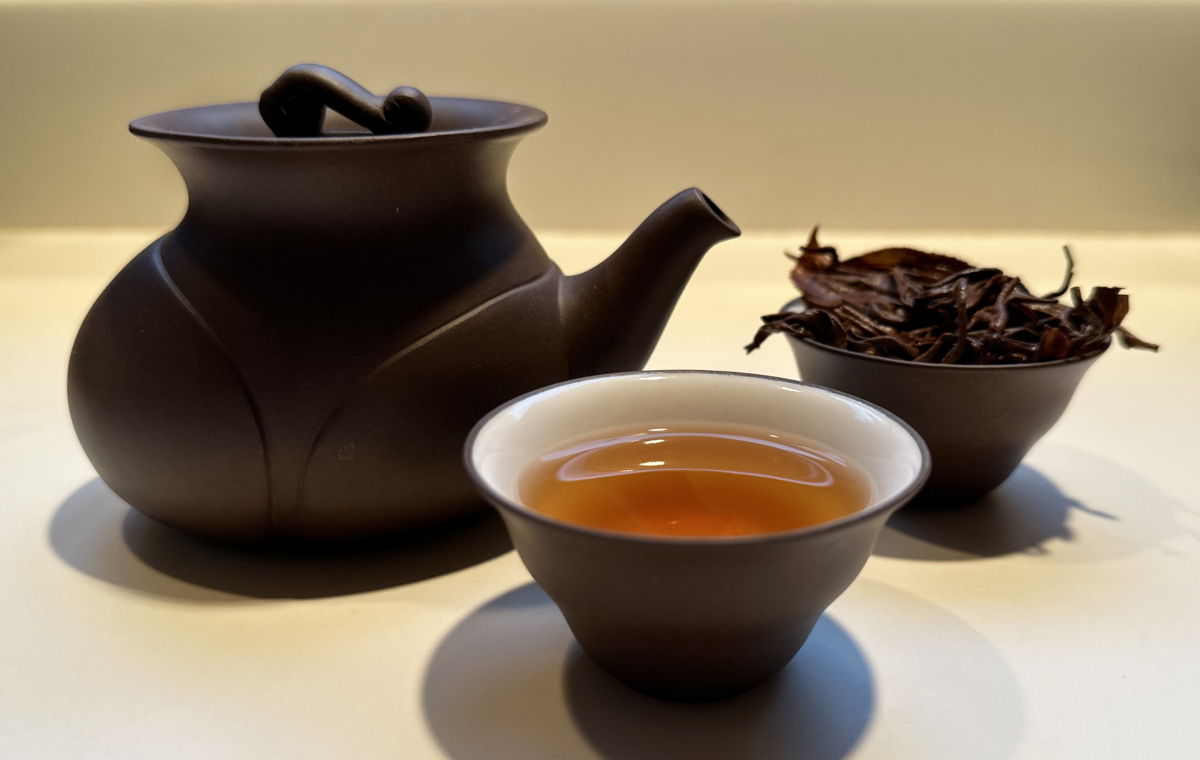
There’s also no strategic upside. The United States is not the source of the tea being taxed. It is merely a transshipment point. The real exporters—mostly in the Global South—are suffering from reduced demand, while Canadians pay more for a basic, nutritious beverage found in millions of homes across the country.
Canada has made exceptions before when domestic substitutes didn’t exist—during the pandemic, for personal protective equipment, and again for essential manufacturing components. Tea clearly meets that same threshold.
If Ottawa truly wants to ease food inflation, maintain the integrity of its trade policy, and demonstrate a meaningful commitment to global equity, it must act now.
Scrap the tea tariff—before a misguided symbolic gesture becomes a needless economic hardship for communities at home and abroad.
















The counter tariffs weren’t meant to protect Canadian industries. They’re meant to hurt the U.S. We shouldn’t be importing things that originated in other countries through the U.S. and it’s time that government policy prevented it.
I am a senior in Canada. I paid tons of taxes when I worked as a nurse. I still pay more than $3000 a year income taxes. Now I pay so much more for everything. My pension does not keep up to the inflation in this country. I will be glad to die and be done with the theft I am subjected to. I feel for the younger generations. They have no hope.