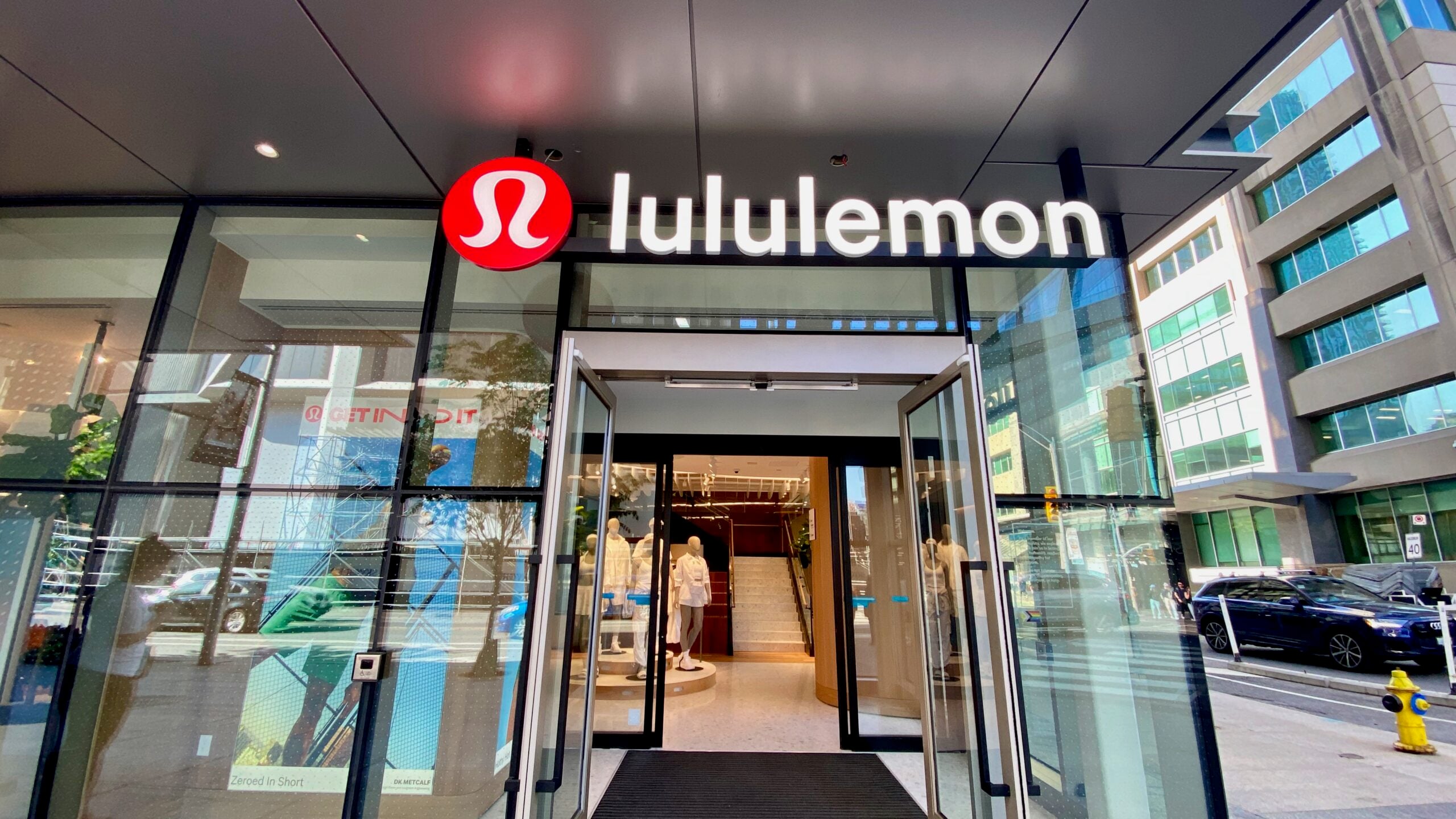
Lululemon Athletica is undergoing a sweeping leadership transformation in 2026, as the Vancouver-based retailer responds to mounting competitive pressure and evolving consumer expectations.
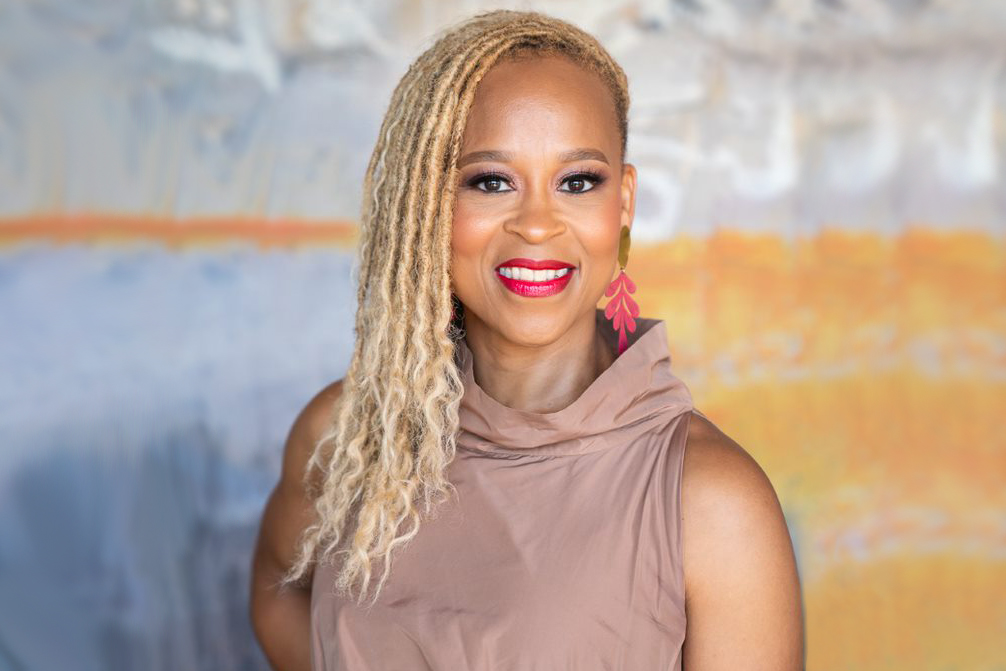
The company announced this week that Esi Eggleston Bracey, former Chief Growth and Marketing Officer at Unilever, has been appointed to its Board of Directors, effective immediately. The move adds another high-profile executive to a rapidly evolving leadership team and reflects what appears to be a broader strategic reset underway at the company.
Bracey brings more than three decades of experience across global consumer brands, including senior roles at Unilever, Coty, and Procter & Gamble. Her appointment is positioned as part of Lululemon’s ongoing effort to refresh its board, with six independent directors added over the past five years.
“Esi is a seasoned consumer and beauty industry executive whose career has combined brand creation, category transformation, global general management, and enterprise leadership,” said Executive Chair Marti Morfitt in the announcement.
A Broader Leadership Transformation
The board appointment comes at a pivotal time for Lululemon, which is simultaneously preparing for a major transition in executive leadership.
The company recently announced that Heidi O’Neill, a longtime Nike executive, will assume the role of Chief Executive Officer on September 8, 2026. O’Neill spent more than two decades at Nike, most recently serving as President of Consumer, Product, and Brand, where she played a key role in scaling the business globally.

In the interim, Lululemon is being led by co-CEOs Meghan Frank, the company’s Chief Financial Officer, and André Maestrini, President of International. The leadership structure was put in place following the departure of former CEO Calvin McDonald earlier this year.
At the board level, additional changes have included the recent appointment of Chip Bergh, former CEO of Levi Strauss & Co., as well as the departure of long-time directors including Shane Grant, who will not stand for re-election.
Taken together, these moves point to a coordinated effort to reposition the company’s leadership at both the operational and governance levels.
Rebuilding Brand Momentum
The leadership reset comes as Lululemon faces intensifying competition in the premium athleisure space, particularly in North America. Brands such as Alo Yoga and Vuori have gained traction with consumers, increasing pressure on Lululemon’s core business.
At the same time, the company has been navigating questions around brand positioning and growth sustainability following years of rapid expansion.
Bracey’s background in global marketing and brand transformation may prove particularly relevant in this context. At Unilever, she led marketing across a portfolio of more than 400 brands, with a focus on modernizing brand engagement and strengthening consumer connection.
In a statement, Bracey noted her interest in brands that combine “performance, style, and emotional connection,” aligning closely with Lululemon’s positioning in the market.
Her appointment suggests that Lululemon may be placing renewed emphasis on brand storytelling and cultural relevance as part of its next phase of growth.
Strategic Reset Signals Long-Term Focus
While leadership transitions are not uncommon in large global companies, the scale and timing of Lululemon’s changes indicate a more deliberate shift in strategy.
The addition of executives with deep experience in global brand building, product development, and consumer engagement signals a potential return to fundamentals, particularly as the company looks to strengthen its position in an increasingly competitive landscape.
With a new CEO set to take the helm later this year and a refreshed board in place, Lululemon appears to be entering a new chapter focused on disciplined growth and long-term value creation.
For the retail industry, the company’s next moves will be closely watched, particularly as it seeks to maintain leadership in a category it helped define.