The Distillery Historic District is expanding its retail offering with the opening of The Cooperage Marketplace, a new 4,305-square-foot shopping destination bringing together seven independent, founder-operated Canadian businesses under one roof.
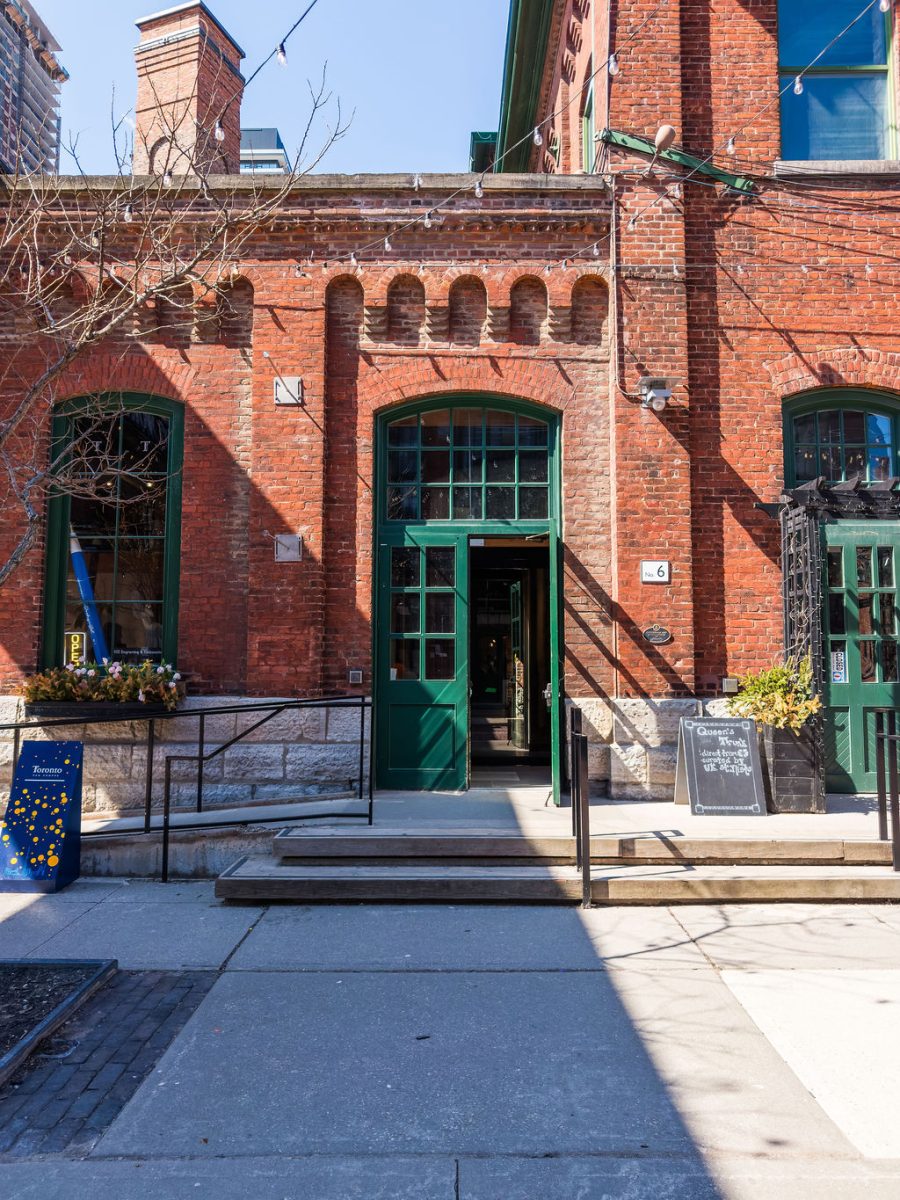
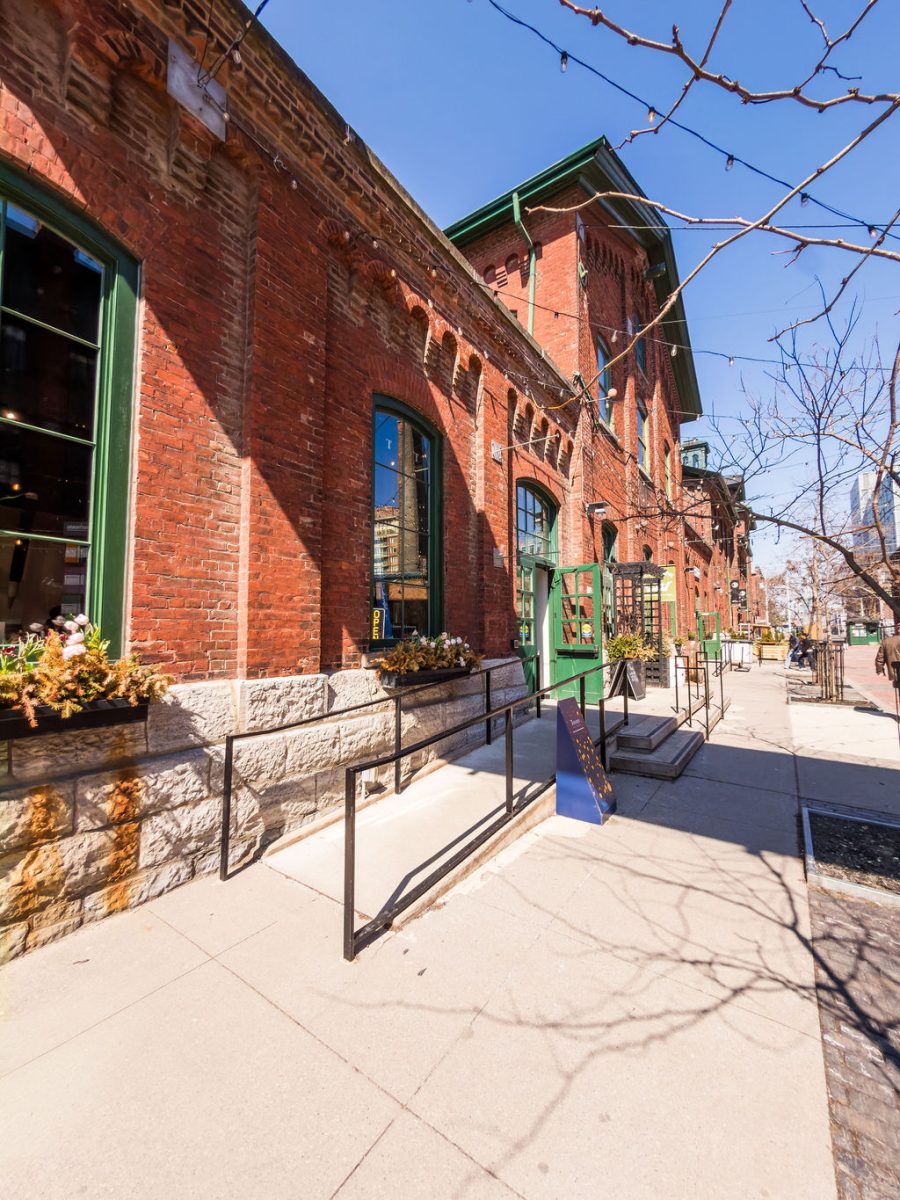
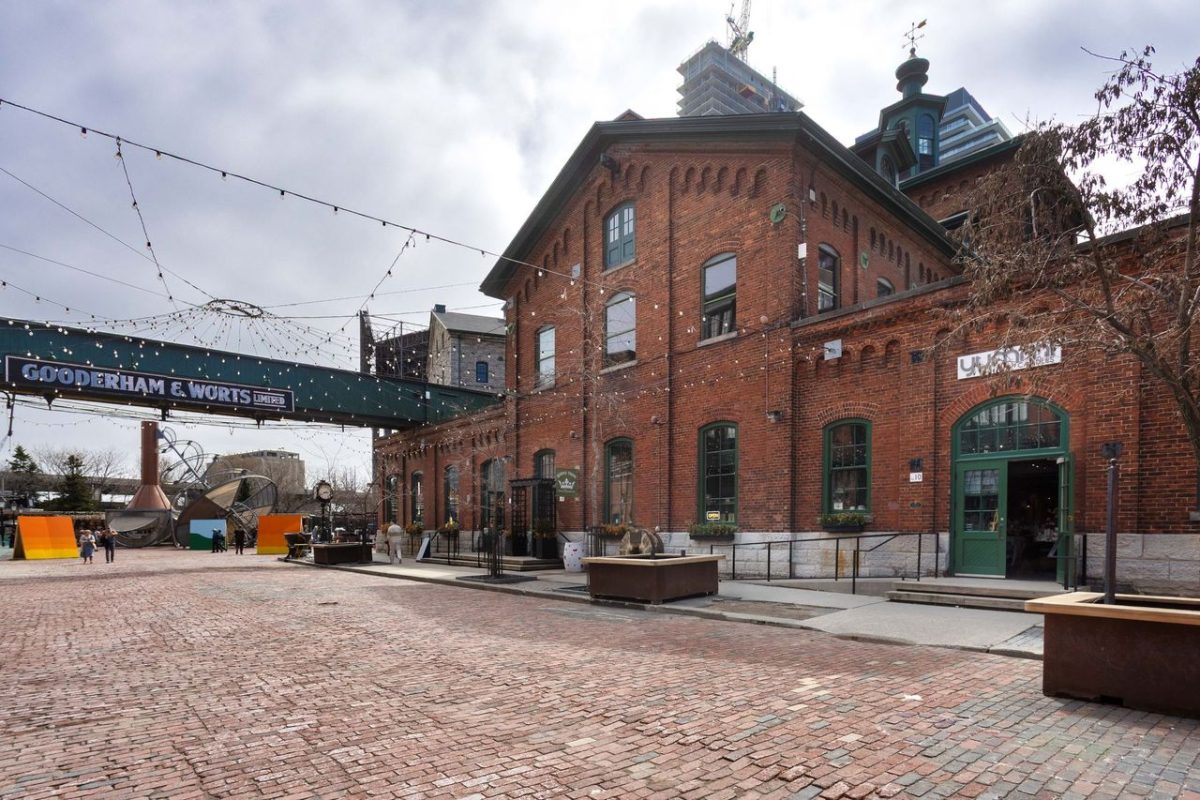
The Cooperage Marketplace is in one of the site’s most historic buildings, from the 1860s. Once used for making, storing and repairing whisky barrels, a “cooperage”, the name ties the marketplace directly to the building’s original heritage.
The Marketplace has a mix of new-to-The Distillery brands along with three existing tenants expanding into larger footprints ranging from 115 to 1,030 square feet, offering fashion and accessories, jewellery, gourmet food and specialty retail.
“The opening of The Cooperage Marketplace marks a new approach to retail here at The Distillery District,” said John Berman, co-owner of The Distillery Historic District.
“It creates an accessible opportunity for artisans, makers and boutique retailers to have a physical space within a premier destination, while giving visitors a new way to experience the site. You can wander through a historic building, discover different brands, and connect directly with the people and stories behind them.
“With the success we’ve had with our smaller footprint retail spaces – and now with the opening of The Cooperage Marketplace – we’re already planning to expand this concept into other Distillery District locations giving more brands this opportunity.”
Berman said that officials are already planning to expand this concept into other Distillery District locations. If brands want to get in touch with him about leasing opportunities, they can contact: jb@thedistillerydistrict.com
A Historic Building, Reimagined
The Marketplace reflects a thoughtful approach to adaptive architecture and design, led by Jamie Goad, architect and co-owner of The Distillery Historic District.
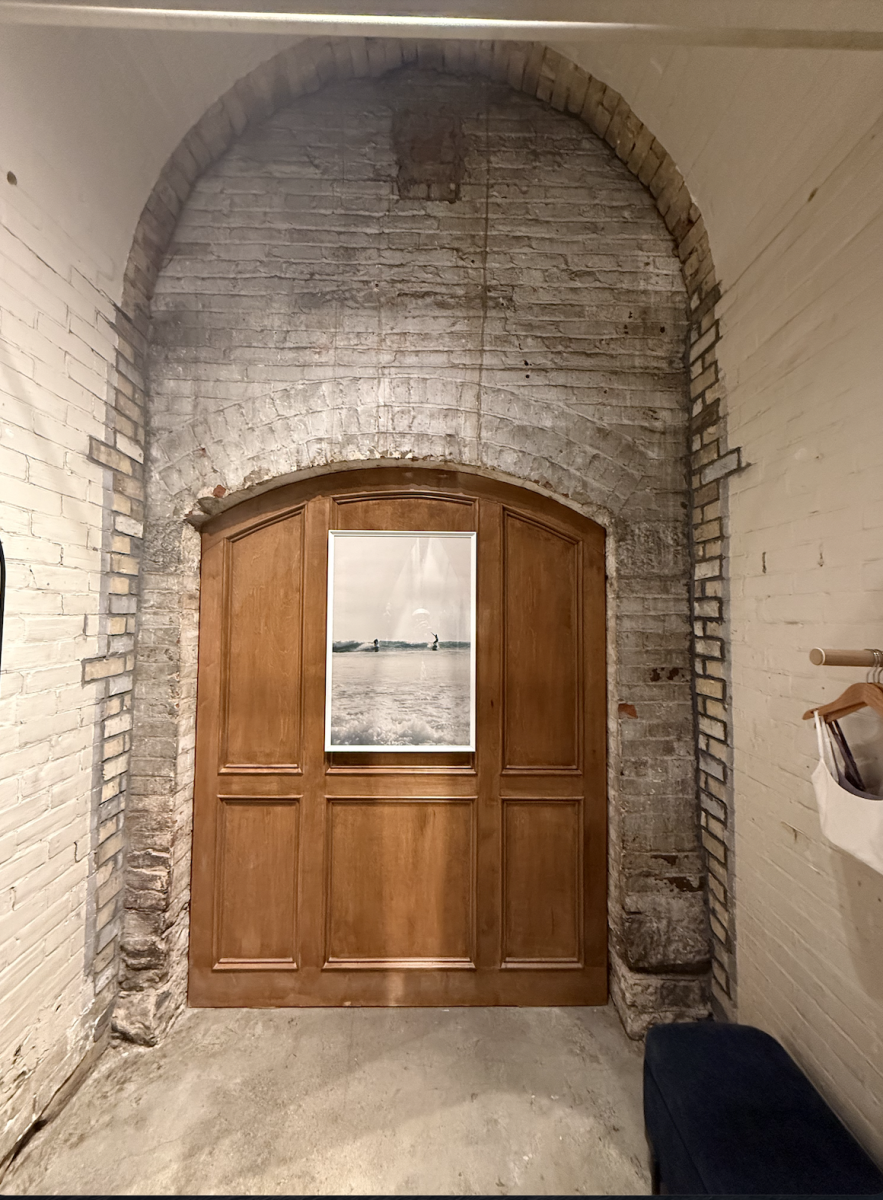
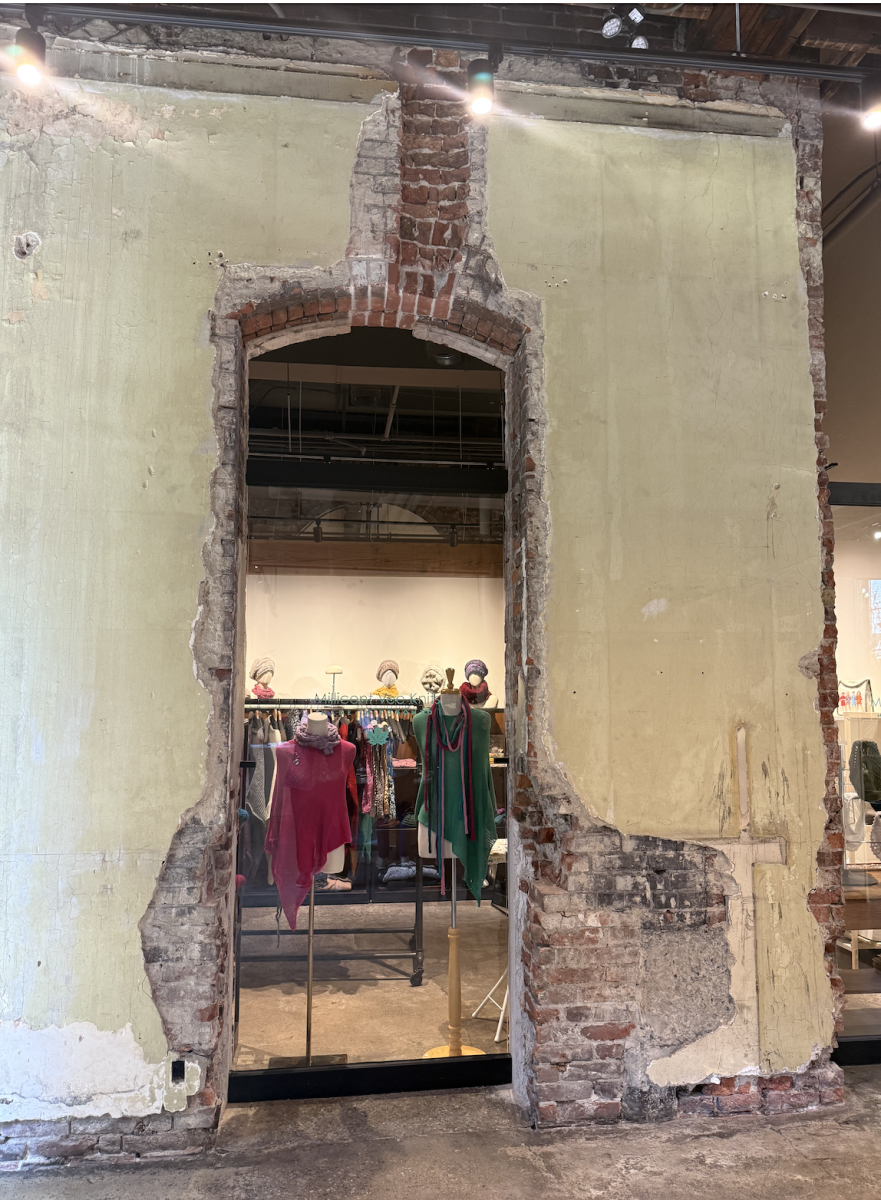
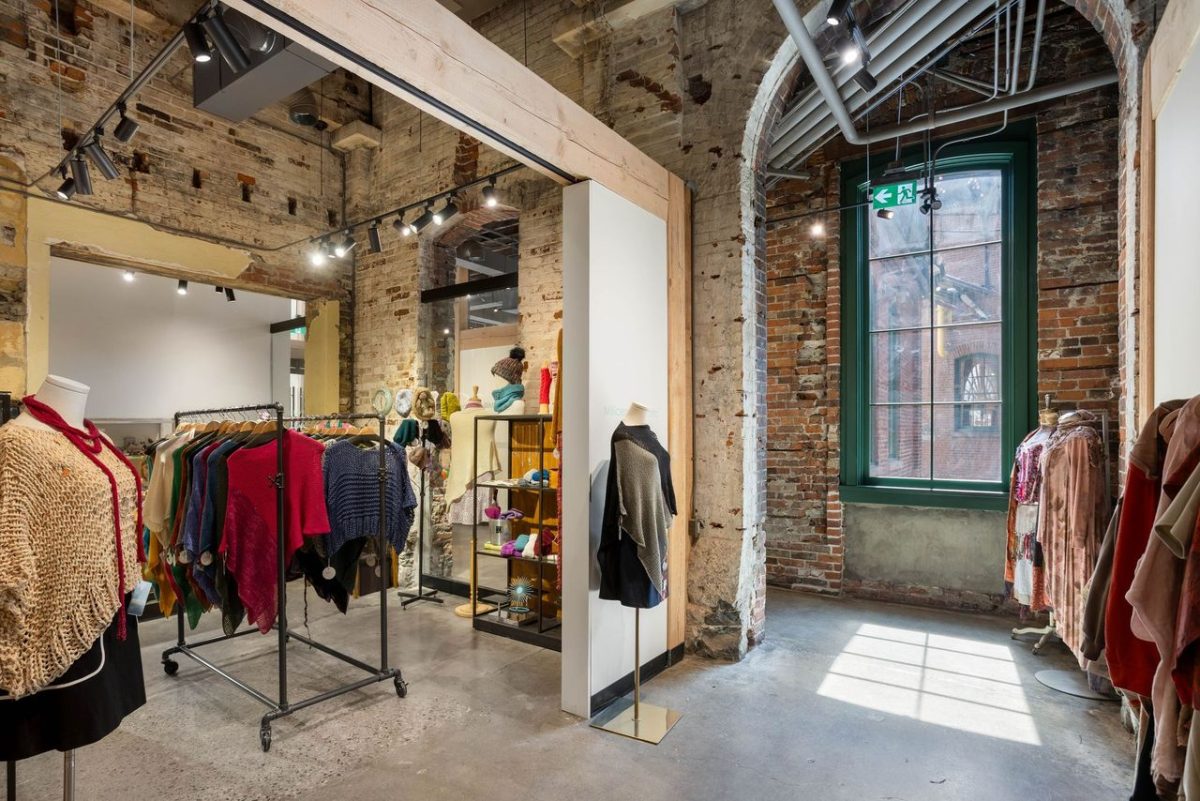
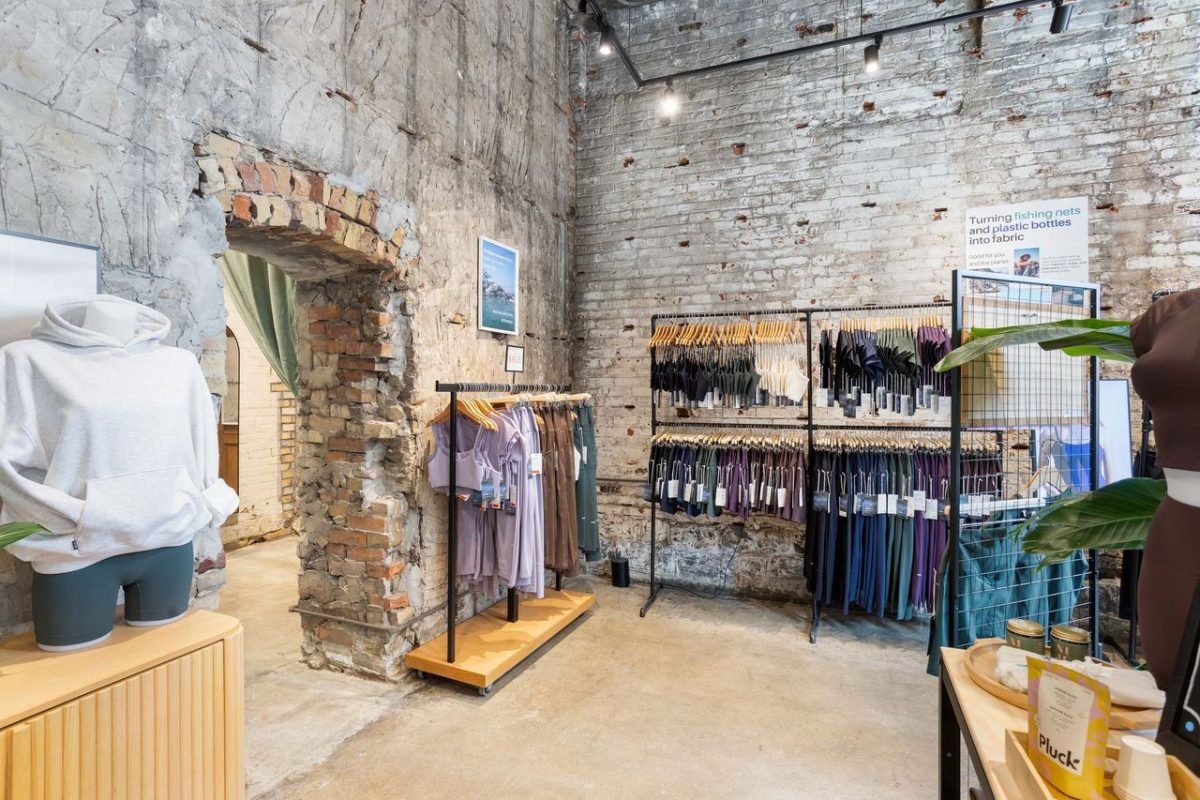
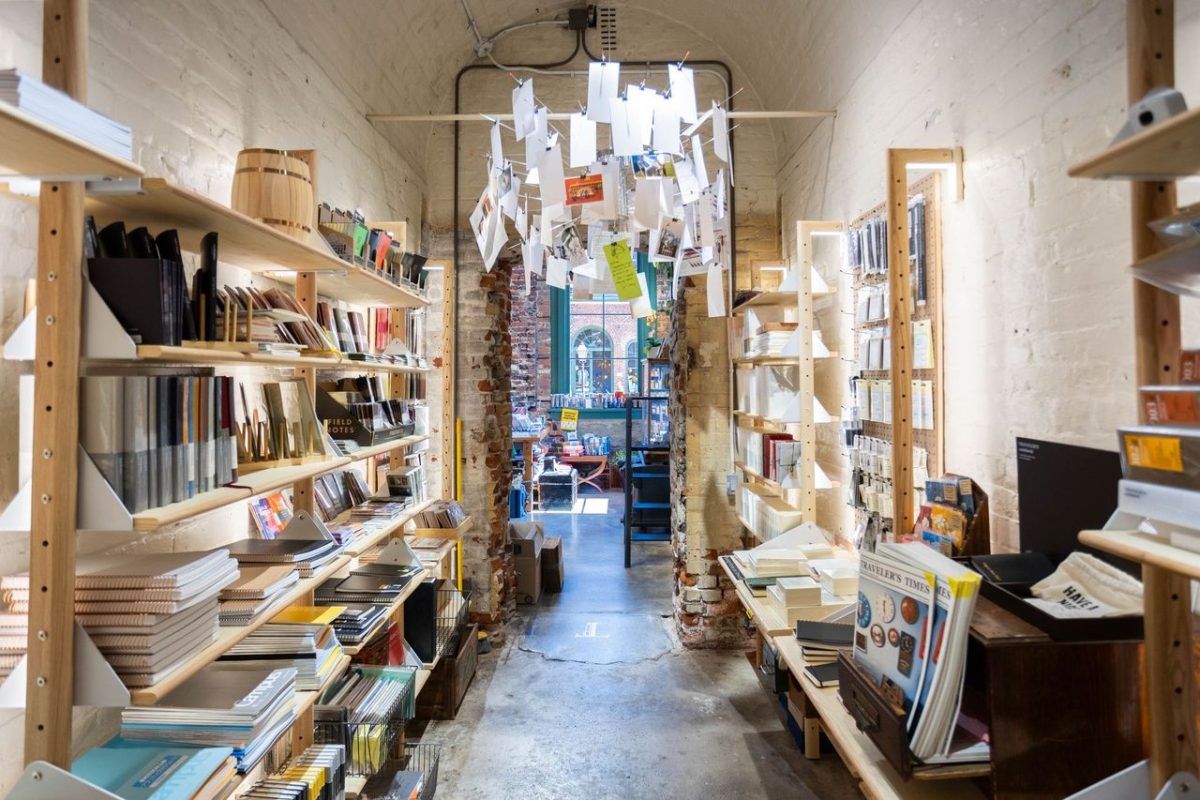
Goad said the renovation for the space took three months to complete, and a conscious decision was made throughout the process to preserve the architectural archeology of the building. Masonry with rough, irregular edges and chipped surfaces was left intentionally unrefined allowing the building’s history to be expressed.
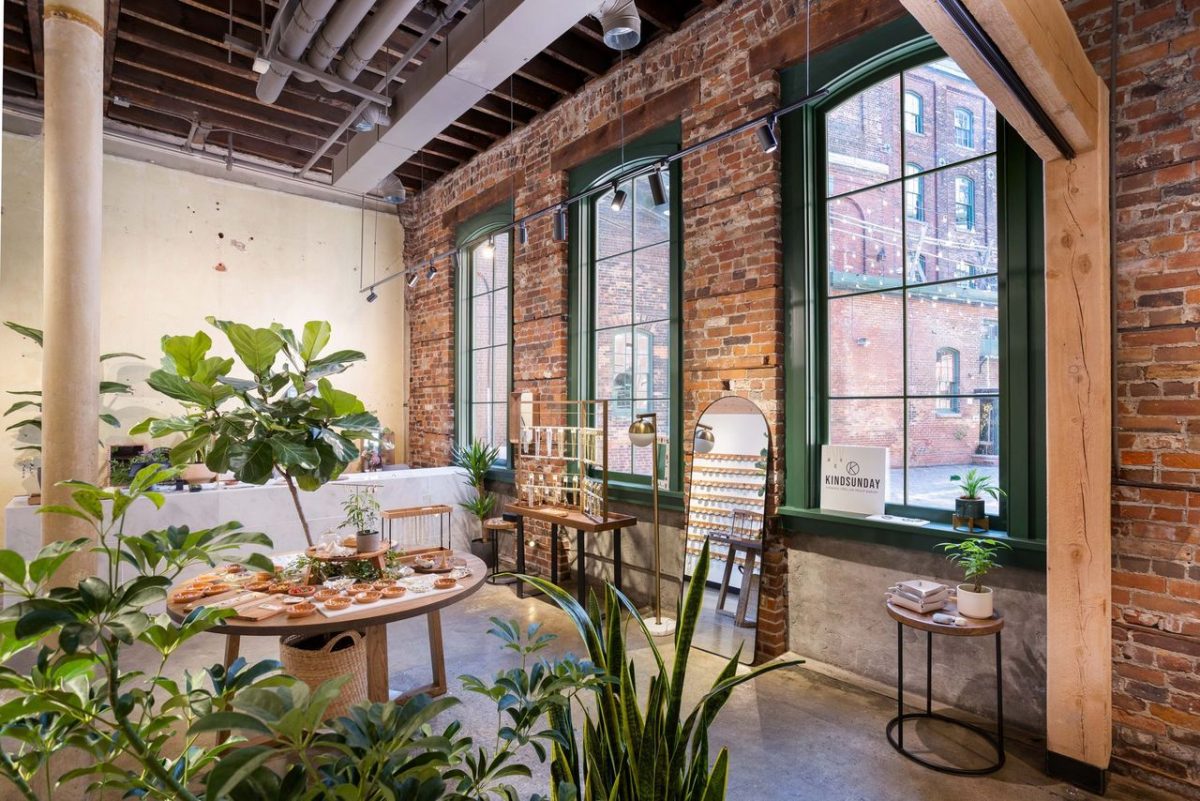
In some areas, exposed brick reveals layers of original plaster dating back to 1863, uncovered during this most recent renovation, alongside original timber beams on the ceiling (some showing signs of charring from a past fire), while ductwork added in 1983 reflects a later phase of the building’s evolution. The renovation also leaves a gap between the original ceiling and the new, wood-framed retail units, keeping historical elements visible throughout, he said.
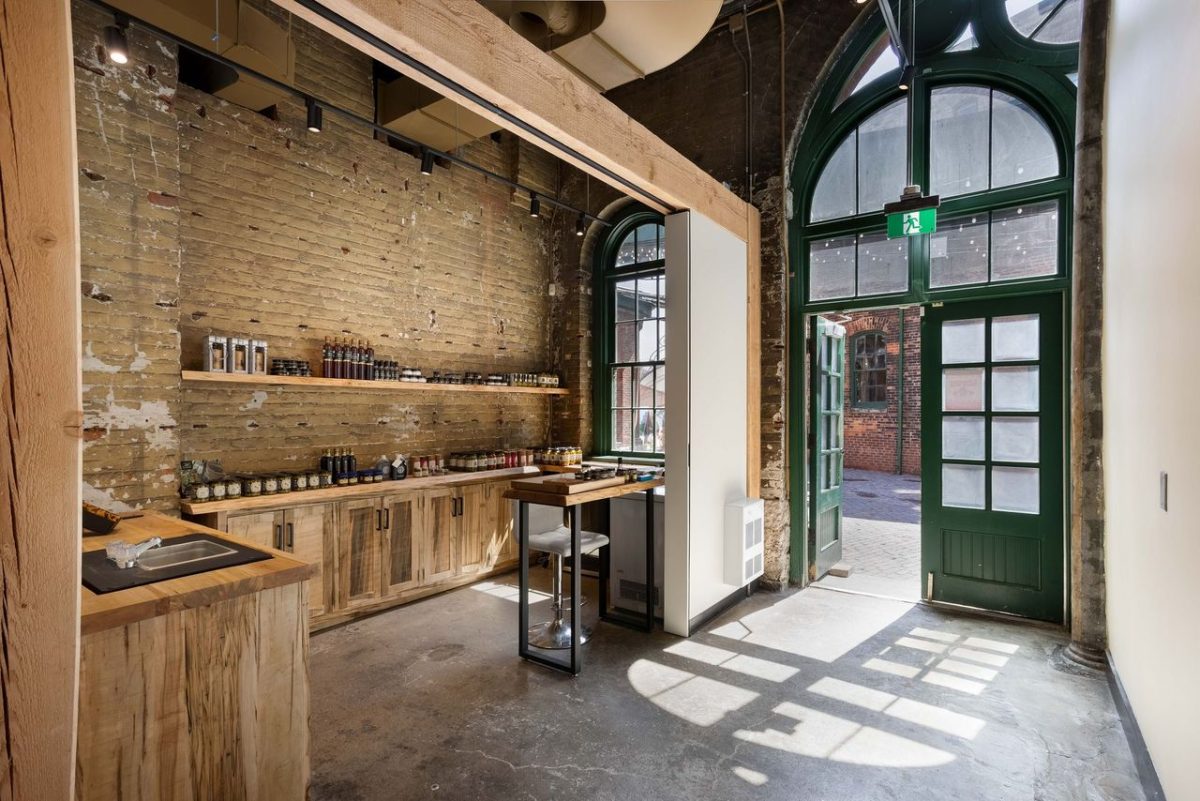
New, nine-foot-tall windows – fabricated by Mennonite craftspeople near Kitchener, Ontario – were designed as replicas of the original windows, based on archival photographs and installed with approval from Heritage Toronto, flooding the space with natural light, added Goad.
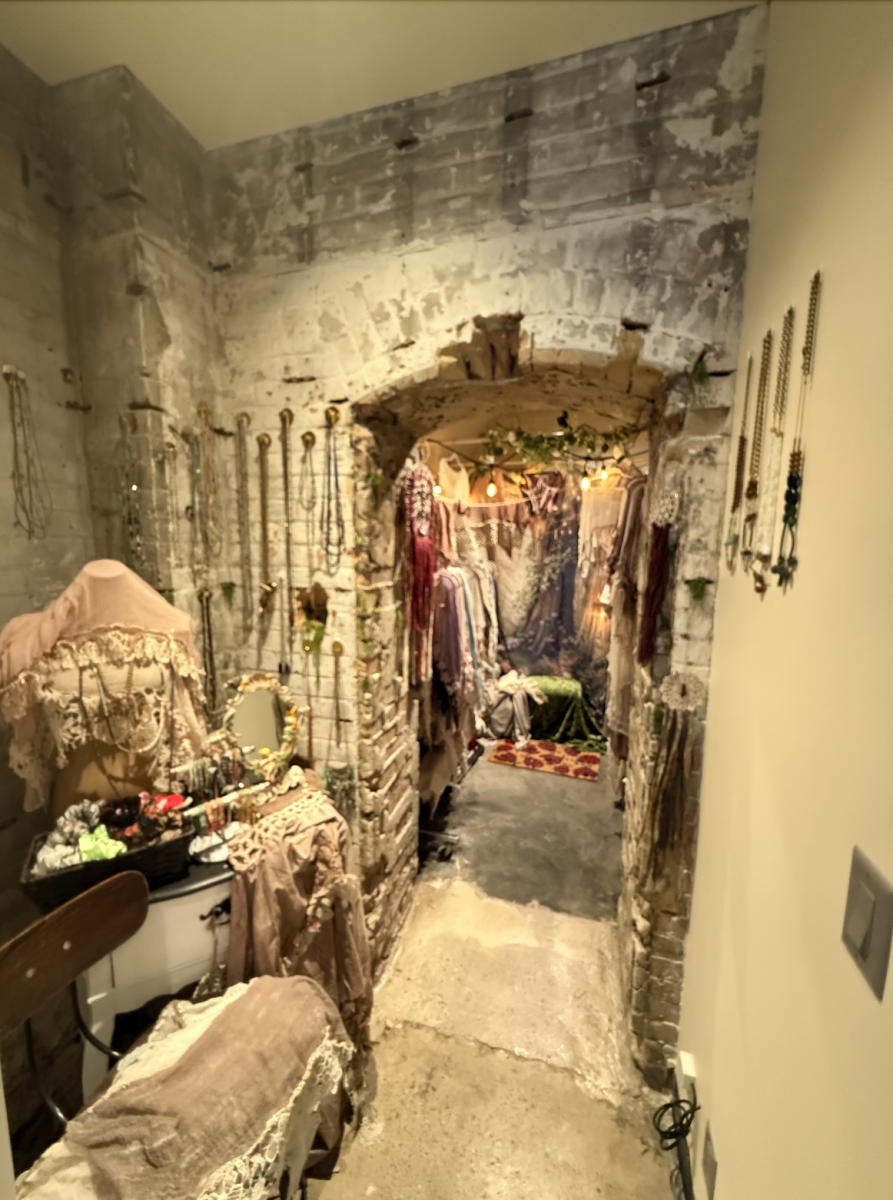
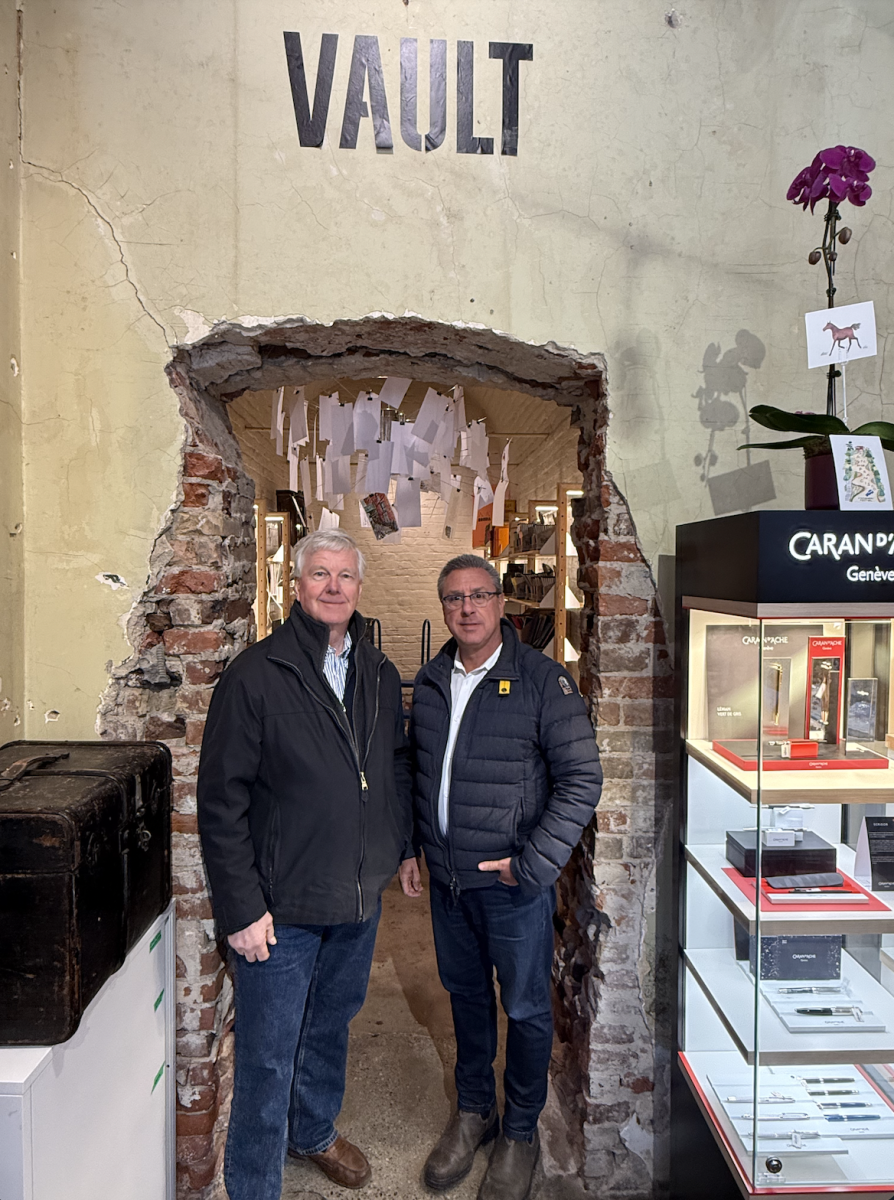
Three historic vaults uncovered during renovations have been preserved and integrated into the retail units. Defined by their barrel-vaulted ceilings and rough-edged openings, where vault doors once were, these spaces reflect the building’s industrial past and add a unique historical element to the marketplace, he said.
“This is the same approach we took when we first opened The Distillery District in 2003,” said Goad. “As an architect, the focus has always been on working with what’s already there — not trying to make it perfect but allowing the building’s history to remain intact. Then we layer in contrasting modern elements like glass storefronts so the marketplace can function today without losing what makes it so special.”.
The Marketplace has two entrances – at 6 Trinity Street and 52 Gristmill Lane. The space can also be accessed from the adjacent Yummi Candles shop. Both entrances are marked by grand double-doored archways with original architectural detailing above, while exterior signage featuring a cooper and barrel is mounted adjacent, referencing the building’s historic use.
On the rooftop, the embellished hexagonal wood-and-glass cupola, originally used to vent distilling fumes, remains a defining feature of the Cooperage building.
The Cooperage Marketplace Businesses
(*existing tenants)
Toronto Pen Shoppe* – specialty retailer offering a sophisticated selection of fountain pens, inks, and notebooks from quality brands around the world
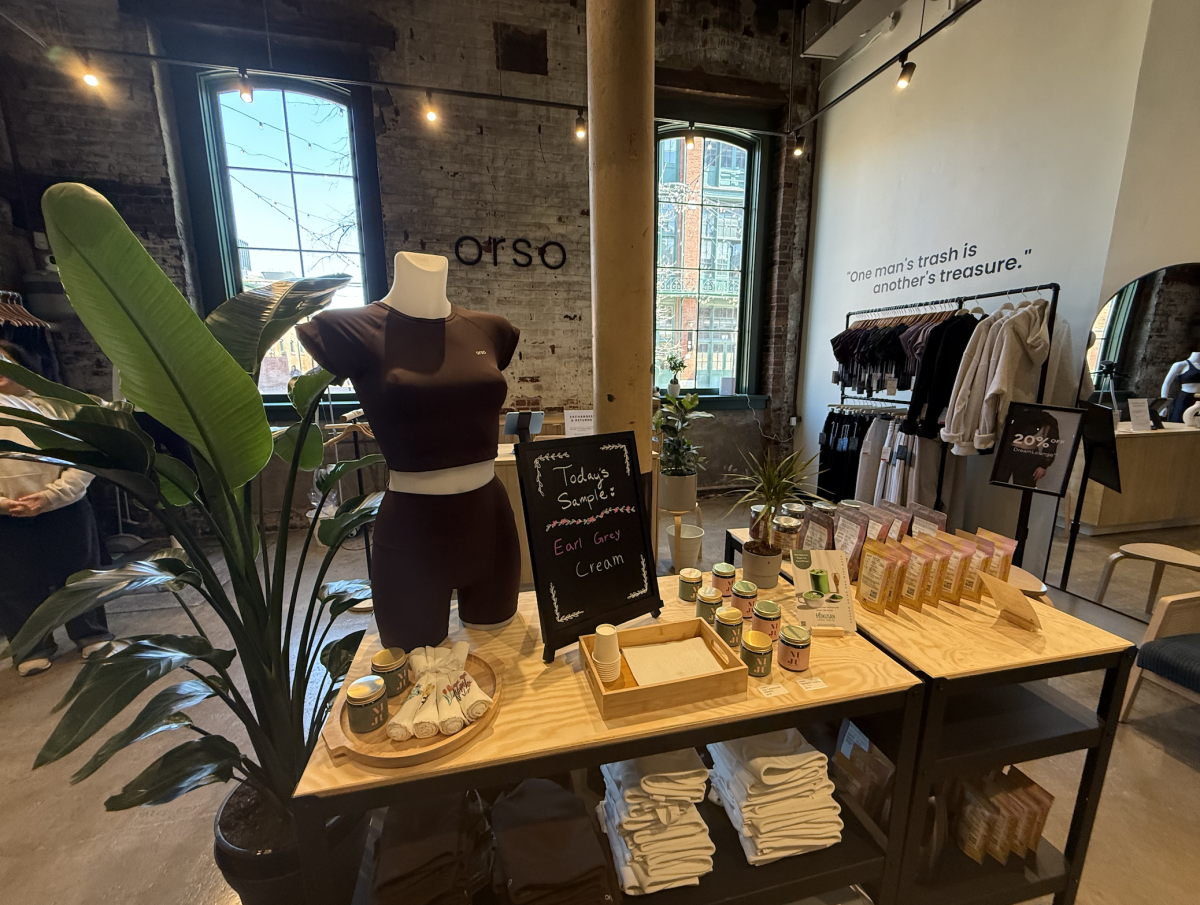
Orso Activewear* – sustainably produced athletic and loungewear brand that repurposes fishing nets and plastic bottles
Millicent Vee Knits* – handcrafted knitwear accessory brand specializing in legwarmers, hats, shawls and ponchos celebrating nearly 20 years at The Distillery District
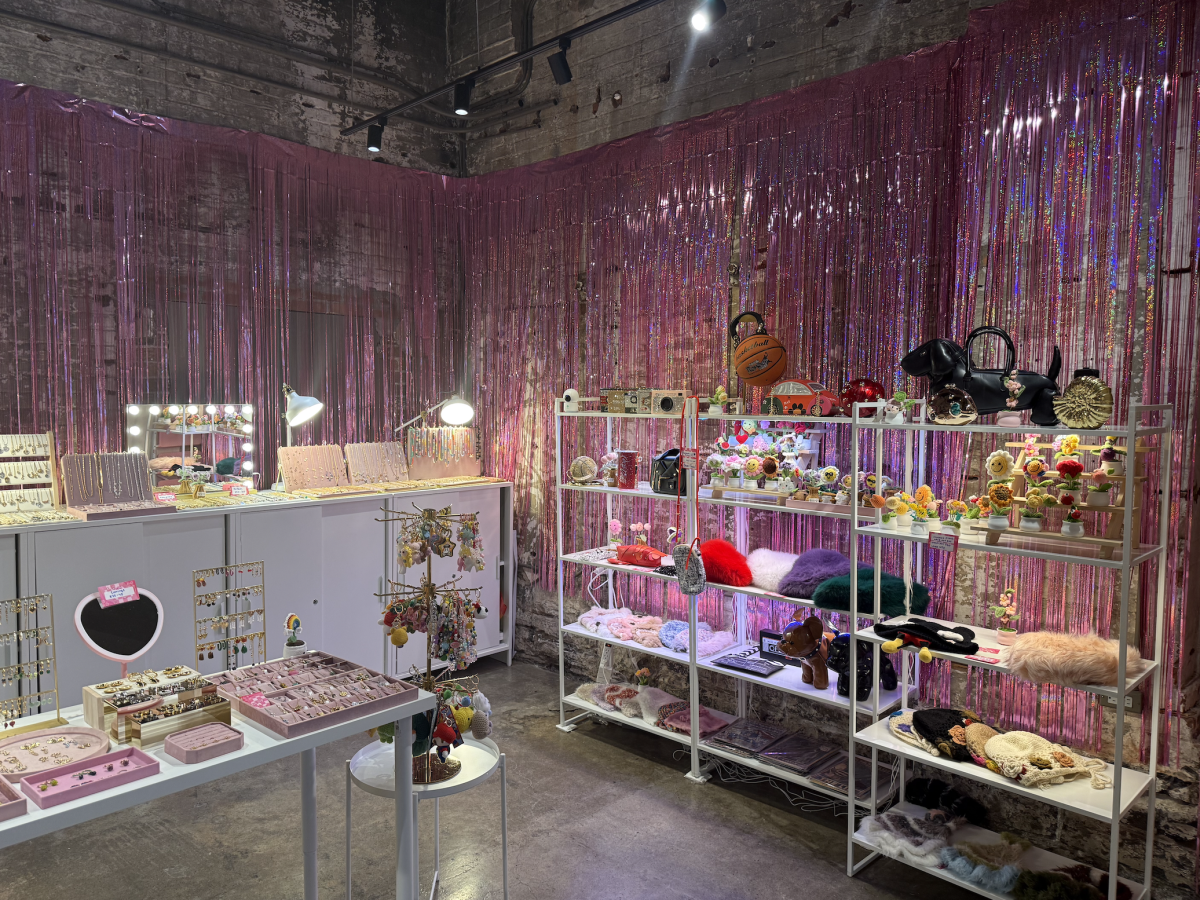
KINDSUNDAY – specializing in everyday stainless steel jewellery, layering pieces and customizable charm designs, ideal for gifting
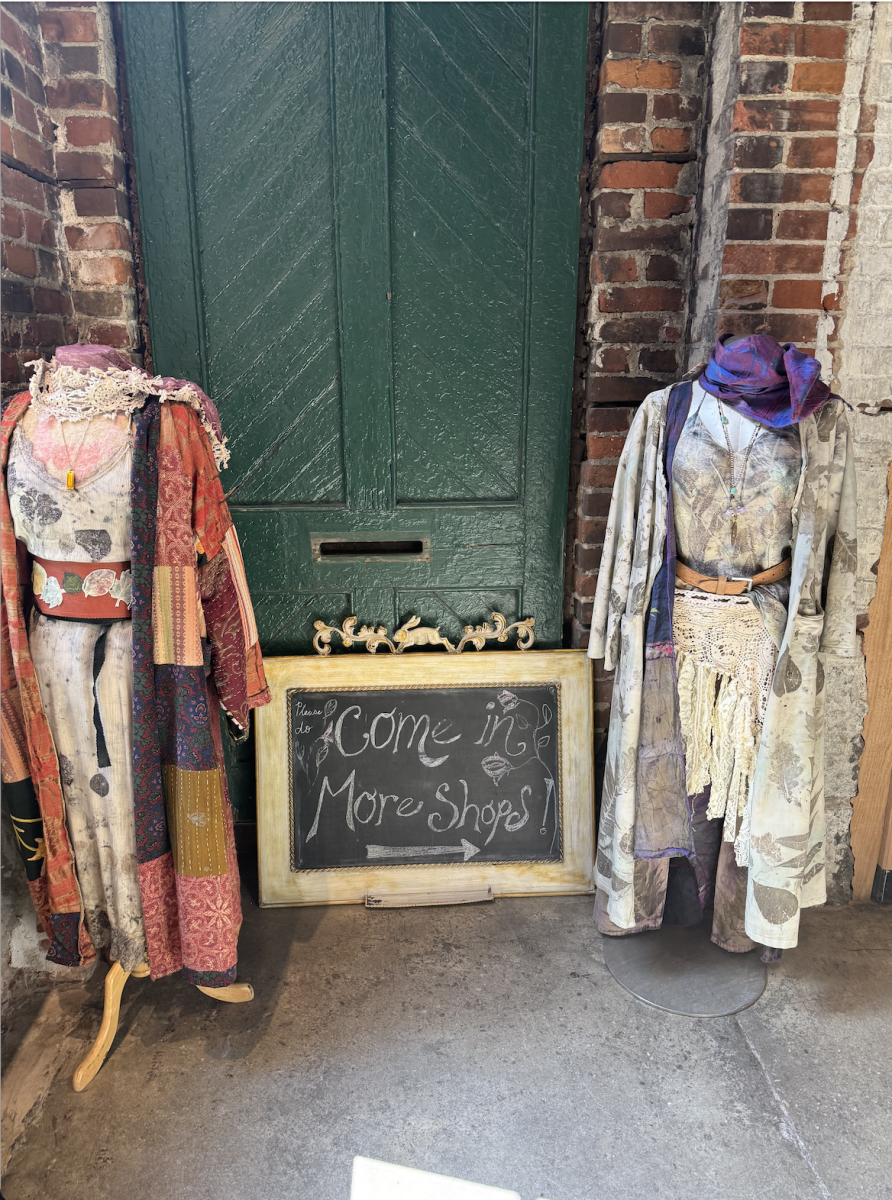
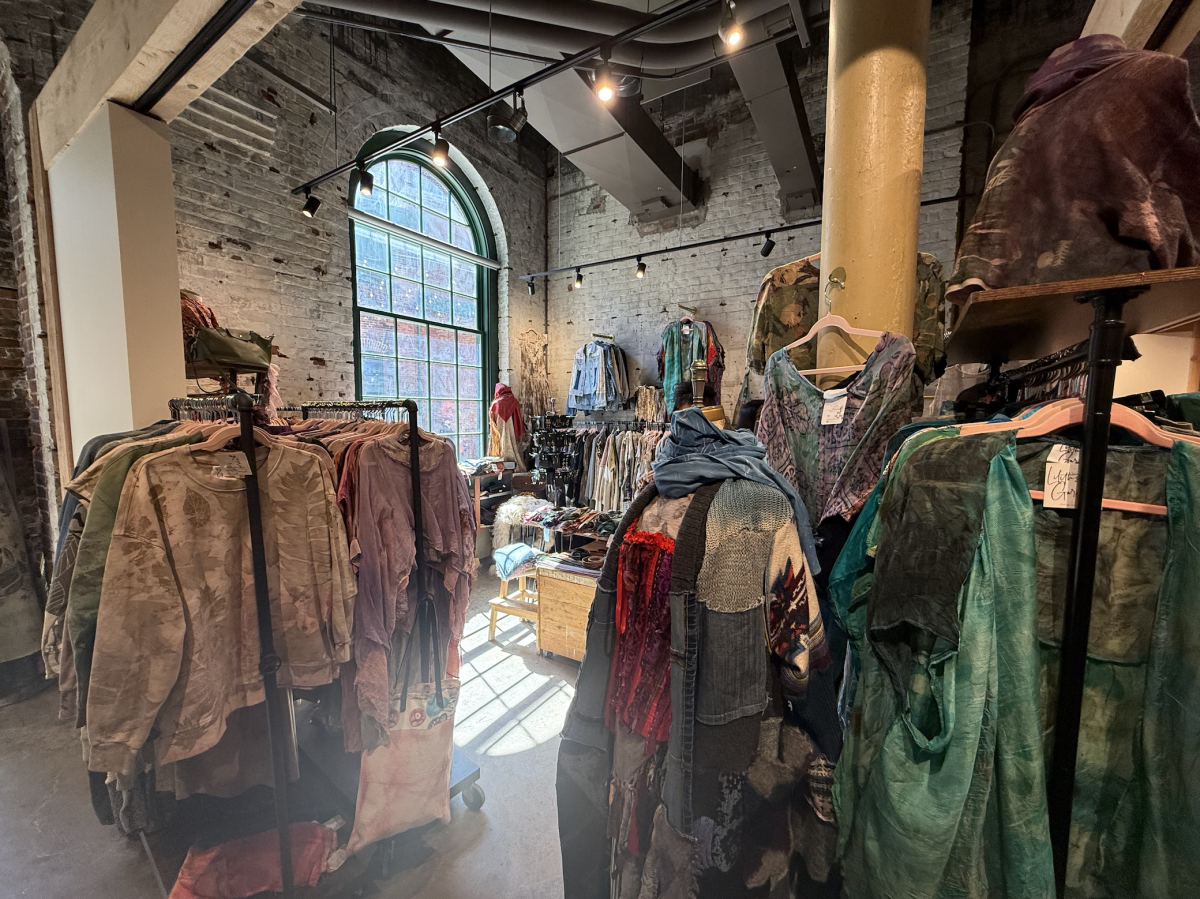
Lilith’s Garden – hand-dyed, upcycled clothing and accessories and vintage jewelry salvaged and re-assembled to create contemporary wearable pieces.
Love, Calista – handcrafted gifts, jewellery and accessories centred around personalization and custom engraving
Kovacic Truffles – gourmet food brand offering Serbian and Croatian white and black truffles, caviar, specialty olives, and a signature black truffle maple syrup, paired with tasting experiences.
The District welcomes nearly two million visitors worldwide each year. Founded in 1832 by the iconic Gooderham & Worts distilling company and now designated a National Historic Site of Canada, the site is an inspired blend of the largest collection of Victorian industrial architecture in North America and stunning 21st-century design. Walking its cobblestone, pedestrian-only streets you’ll find 90+ one-of-a-kind shops, restaurants and patios, galleries and theatres, immersive experiences, specialty coffee shops and artisanal chocolatiers. The Distillery District hosts many events, live music and festivals throughout the year, most notably The Distillery Winter Village.
“When we first bought The Distillery in 2001 all the the buildings were really as they were when they were originally built. They were never updated except for a couple of them,” said Berman.
He said the building now occupied by the Marketplace was renovated before but very poorly and had taken away from the character of the space. Berman said the current owners tore everything out.
“It almost gave it an archaeological feel because the space is gorgeous. All the spaces are gorgeous. This one in particular had a real different feel to it,” said Berman as the raw brick and the vaults were exposed in the most recent round of renovations.
“The space has an amazing feel to it.”
Berman said the Marketplace is a unique approach to retail that has not been done there before with a “real focus on creators, artisans” and quality retail.
More from Retail Insider:
- Distillery Winter Village 2025 to Bring Record Festivities to Toronto
- Jellycat opening 1st-ever Canadian shop-in-shop at Toronto’s Distillery District