With FIFA World Cup activity in full swing, many Canadians are likely looking for ways to capitalize on the influx of visitors — from renting out condos, spare rooms and even personal vehicles to hosting watch parties or preparing for increased customer traffic.
Insurance experts from specialty insurer Markel Canada say many small businesses and homeowners may not realize the liability, insurance and fraud risks that can come with temporary spikes in tourism and side-hustle activity tied to major events like this.
Anh-Chloé Poulin, Senior Underwriter, Markel Play, sheds some light on the topic in this interview.
Question: What are some of the key liability and risk considerations for businesses expecting increased customer traffic during the tournament?
Answer: Businesses expecting increased customer traffic should be mindful of several key liability and risk exposures.
The most significant concern is the premises liability, as higher foot traffic increases the likelihood of slip-and-fall incidents, overcrowding and spectator injuries.
Businesses should ensure facilities are well maintained (installation and bleachers), occupancy limits are respected, and crowd-management procedures are in place.

Liquor liability is another major exposure. Increased alcohol consumption during matches can lead to incidents involving intoxicated patrons, altercations, or impaired driving, making responsible service practices essential.
Businesses hosting watch parties, fan events, or promotional activations should also assess event-related liability, including risks associated with temporary structures, contractors, vendors, and entertainment activities. Appropriate insurance coverage and contractual risk transfer measures should be reviewed ahead of time.
Additional considerations include security risks, such as theft, vandalism, or crowd disturbances; cyber risks arising from increased digital transactions and online bookings.
From an insurance perspective, businesses should review their liability limits, confirm coverage for any special events, and ensure emergency response and risk-management plans are updated to reflect the increased exposure associated with a major international sporting event.
Q: How can businesses assess whether their existing insurance coverage is adequate for temporary increases in attendance, special events or other FIFA-related activities?
A: Businesses should assess their existing insurance coverage by comparing their normal operations with the increased exposures created by FIFA-related activities. Key areas to review include expected attendance, special events, temporary structures, alcohol service, security arrangements, additional staff or volunteers, and contractual obligations with vendors and event partners.
They should also verify that their liability limits remain adequate for larger crowds and confirm whether their policies cover special events or require specific endorsements.
Conducting a formal risk assessment and engaging with their broker or insurer early can help identify coverage gaps and ensure appropriate protection is in place before the event takes place.
In short, the insurance policy should be reviewed and potentially enhanced or endorsed to match those increased exposures.
Q: What are some of the most common liability exposures businesses may overlook when planning for large crowds or special events tied to a major international tournament?
A: One of the biggest mistakes businesses make around major international tournaments is focusing on the event itself while overlooking the risks created by the large crowds and increased activity around it.
The most common exposures include crowd management failures, inadequate security, alcohol-related incidents, injuries involving temporary structures, and claims arising from third-party vendors or contractors. We also see businesses underestimate risks related to transportation, emergency response planning, ticketing system failures and surrounding activities offered related to the main event.
The key is to recognize that liability often arises not from the sporting event itself, but from the surrounding operations and attendee experience too. Effective planning, strong vendor risk transfer, proper security measures, and robust emergency procedures are critical to reducing both the likelihood and severity of claims.
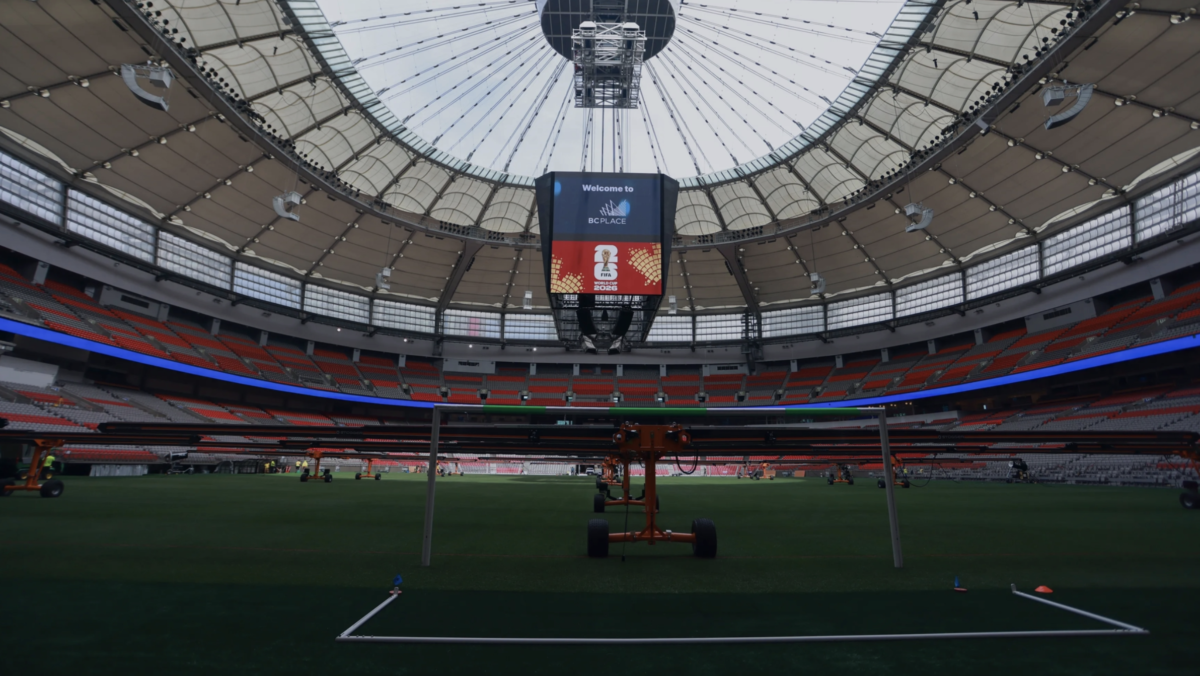
Q: What practical steps can businesses take in advance of FIFA World Cup 2026 to help reduce their liability exposures and better protect their employees,customers and operations?
A: The key to reducing liability exposure ahead of the FIFA World Cup 2026 is proactive planning and this can be done in different steps.
First, businesses should run a World Cup-specific risk assessment – focusing on the sport, crowd control, alcohol service, security, and business interruption scenarios, not just their “normal” operating risks year round.
Second, they should tighten operational controls: clear capacity limits, trained staff for crowd (with good training before the event) and incident management, tested emergency and evacuation plans, and added security measures coordinated with local authorities.
Third, contracts and insurance need a fresh review. Businesses should ensure vendors are properly insured, indemnities are clear, and that liability limits and coverage especially general liability, liquor liability, cyber, and business interruption are adequate for increased exposure during this period.
Finally, strong incident readiness is critical: staff training, clear procedures and communication, and good documentation so that if something does go wrong, it is managed quickly and proactively.
To recap, businesses that treat the World Cup with well thought-out planning ahead and implement added risk management will significantly reduce their liability exposures and better protect everyone involved.
More from Retail Insider: