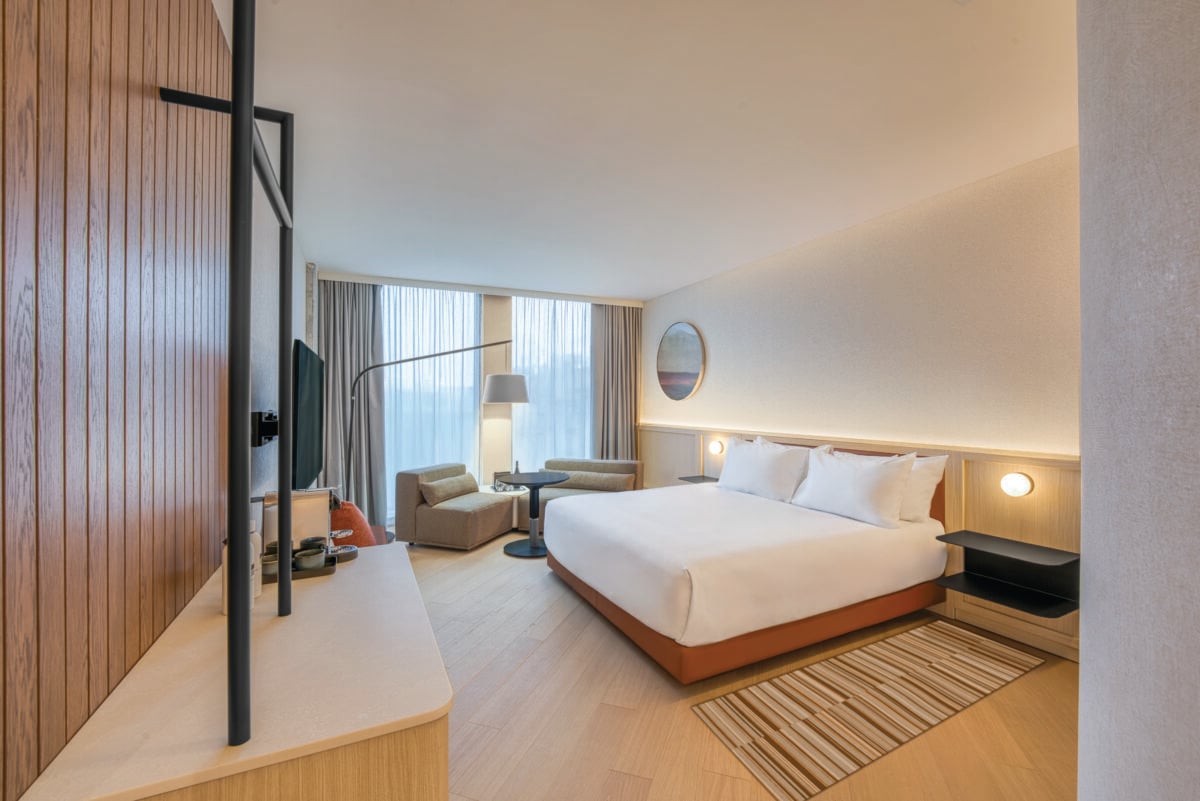
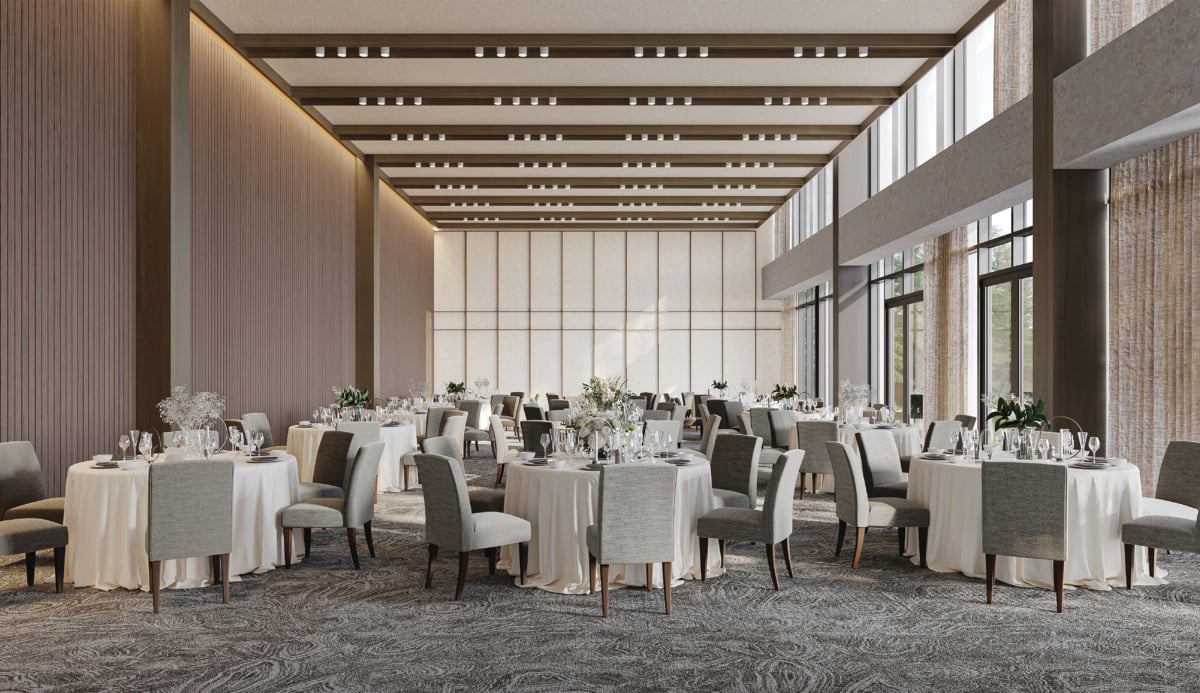
A new hotel and retail development at the gateway to Niagara-on-the-Lake is set to open later this summer, as its backers look to expand the region’s tourism offering while addressing long-standing tensions between growth and community character.
The Clayfield, part of Hyatt’s Unbound Collection, a 102-room hotel anchoring a broader mixed-use project known as Clayfield Commons, is scheduled to open at the end of August alongside a partial rollout of surrounding retail and commercial space.
The development marks the final phase of a 55-acre project led by Village Developments and reflects a shift toward more integrated, walkable destinations in one of Ontario’s most established tourism markets.
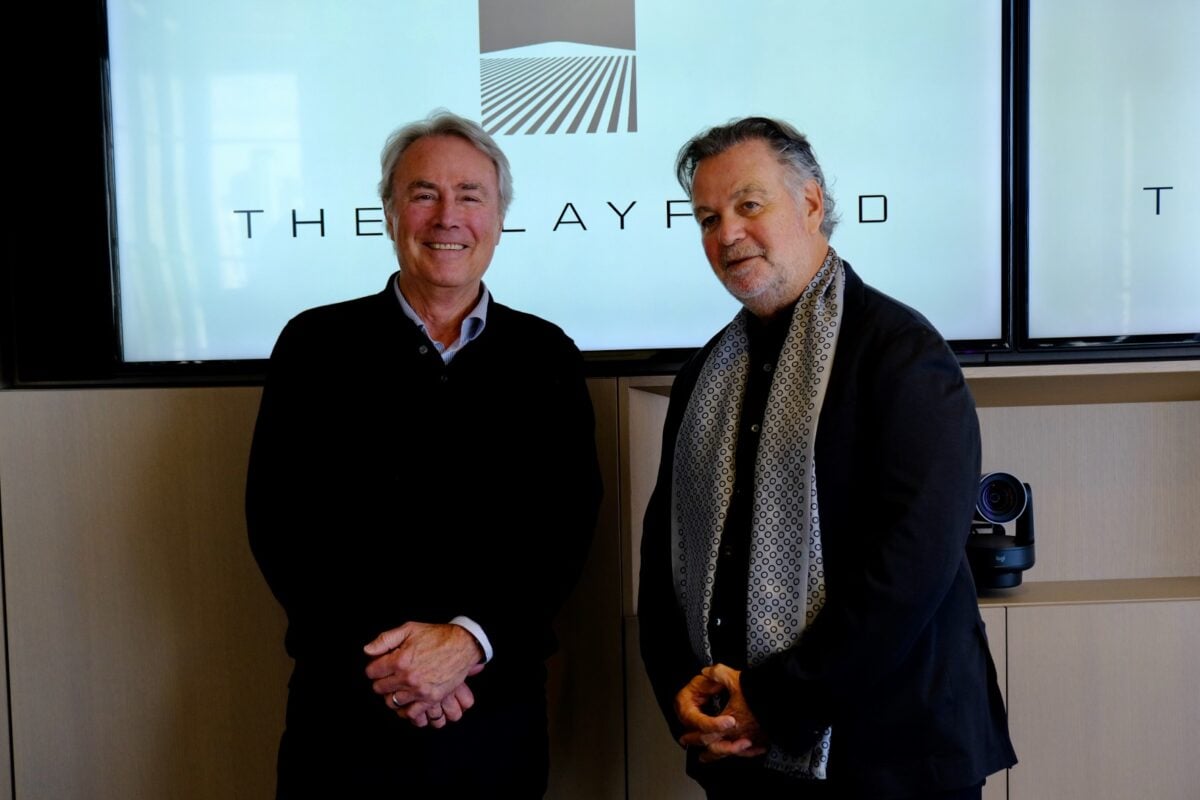
“We saw an opportunity to do something special that would be recognized by people driving by and loved by residents and visitors alike,” said co-owner John Hawley in an interview.
The project sits at a key entry point to Niagara-on-the-Lake, an area Hawley said captures a significant share of incoming traffic. Its location, combined with the scale of the development, positions it as one of the largest single additions to the town’s built environment in recent years.
From suburban zoning to village model
Hawley said the origins of the project date back years, when the site was originally zoned for conventional suburban housing with a small commercial component.
Instead, the development team pursued a different model inspired by so-called “new urbanism,” emphasizing walkability, mixed uses and a defined community core.
“We didn’t want to drive by a typical suburb on the way into the old town,” Hawley said, noting local resistance to traditional subdivision design.
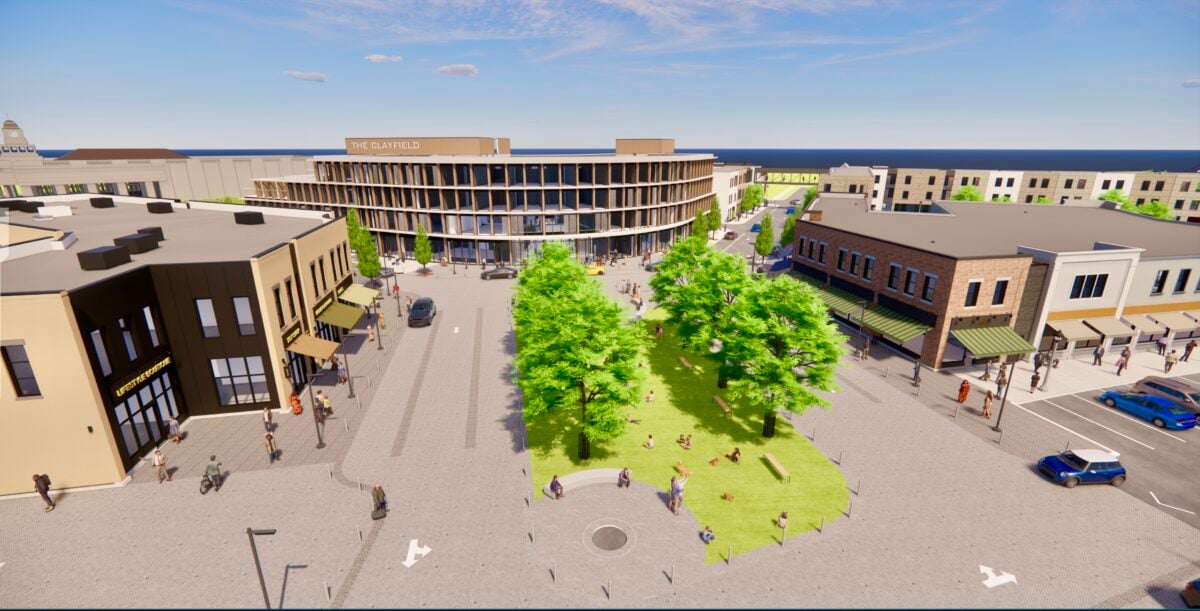
The resulting plan features narrower streets, a mix of housing types and a central public square intended to serve as the focal point for both residents and visitors.
That village centre concept ultimately expanded to include uses not originally contemplated, including a hotel and additional commercial space.
“We didn’t originally have a hotel or a grocer in the zoning,” Hawley said. “Once we got the zoning, we realized there was an opportunity for both.”
Hotel fills perceived gap in market
The Clayfield hotel itself is positioned as a modern addition to a market Hawley described as lacking branded accommodation options.
“Most were owned by Vintage Inns,” he said of existing hotels in the area. “We knew there was an opportunity for a modern hotel and for a brand.”
The property will include 60 traditional hotel rooms and 42 extended-stay suites equipped with kitchenettes and multiple bedrooms, a format Hawley said is designed to encourage longer visits.
“We want people to stay longer,” he said, adding that the suites are intended to support local spending by allowing guests to shop and dine within the community.
The hotel is also intended to serve as an architectural focal point within the development, positioned at the apex of the central square and differentiated from surrounding buildings through a more contemporary design.
Retail strategy focused on local operators
Alongside the hotel, Clayfield Commons will include a mix of retail, food and service-oriented tenants, though only about half of the spaces will be fully operational at opening.
Hawley said leasing efforts have focused on local entrepreneurs rather than national chains, reflecting both market demand and the broader positioning of Niagara-on-the-Lake as a destination known for its arts and culinary offerings.
“One of our goals is to feature local makers,” he said. “When I travel, I like bringing home something local, not from a national chain.”
Initial tenants include two restaurants, a florist, a skincare company and a chocolatier opening its first storefront. Additional space remains available, with exterior construction largely complete but some interiors still under development.
The project also incorporates second-floor office space, a relatively uncommon feature in the local market.
“There’s been strong demand, and we’ve signed several leases,” Hawley said.
Balancing tourism growth with community impact
The development comes as Niagara-on-the-Lake continues to navigate the balance between tourism-driven economic activity and preserving quality of life for residents.
Hawley acknowledged that tension, describing it as a central consideration in the project’s design and programming.
“One of the tensions in town is balancing the benefits of tourism with not overwhelming local life,” he said.
By integrating residential, commercial and hospitality uses within a walkable framework, the project aims to serve both permanent residents and visitors without creating a standalone tourist enclave.
The inclusion of everyday services such as a pharmacy, bank and medical centre reflects that dual-purpose approach.
Positioning for long-term evolution
Hawley said the project is intended to complement, rather than compete with, the historic core of Niagara-on-the-Lake, while helping the broader region adapt to changing visitor expectations.
“Niagara-on-the-Lake needs to evolve — it can’t rely only on its past,” he said.
He described the development as part of a growing cluster of activity at the town’s entrance, alongside nearby wineries and other attractions, with some locals informally referring to the area as “uptown” in contrast to the traditional old town.
For Hawley and his partners, the long-term goal is to create a destination that reflects both the heritage and the future of the region.
“We love Niagara-on-the-Lake and want to complement it while helping it evolve,” he said.
I think people are looking for experiences now that feel a little more personal and a little more connected to where they are,” said David Feldberg, co-owner of The Clayfield and founder of Stratus Vineyards. “Niagara-on-the-Lake already has incredible food, wine, theatre, and hospitality. What interested us with The Clayfield was creating something that still felt relaxed and very much part of the rhythm of the region.”
Designed by Montreal-based Sid Lee Architecture, The Clayfield draws its name and design philosophy from the layered clay soils and ancient sediments that define Niagara’s vineyards and agricultural landscape.
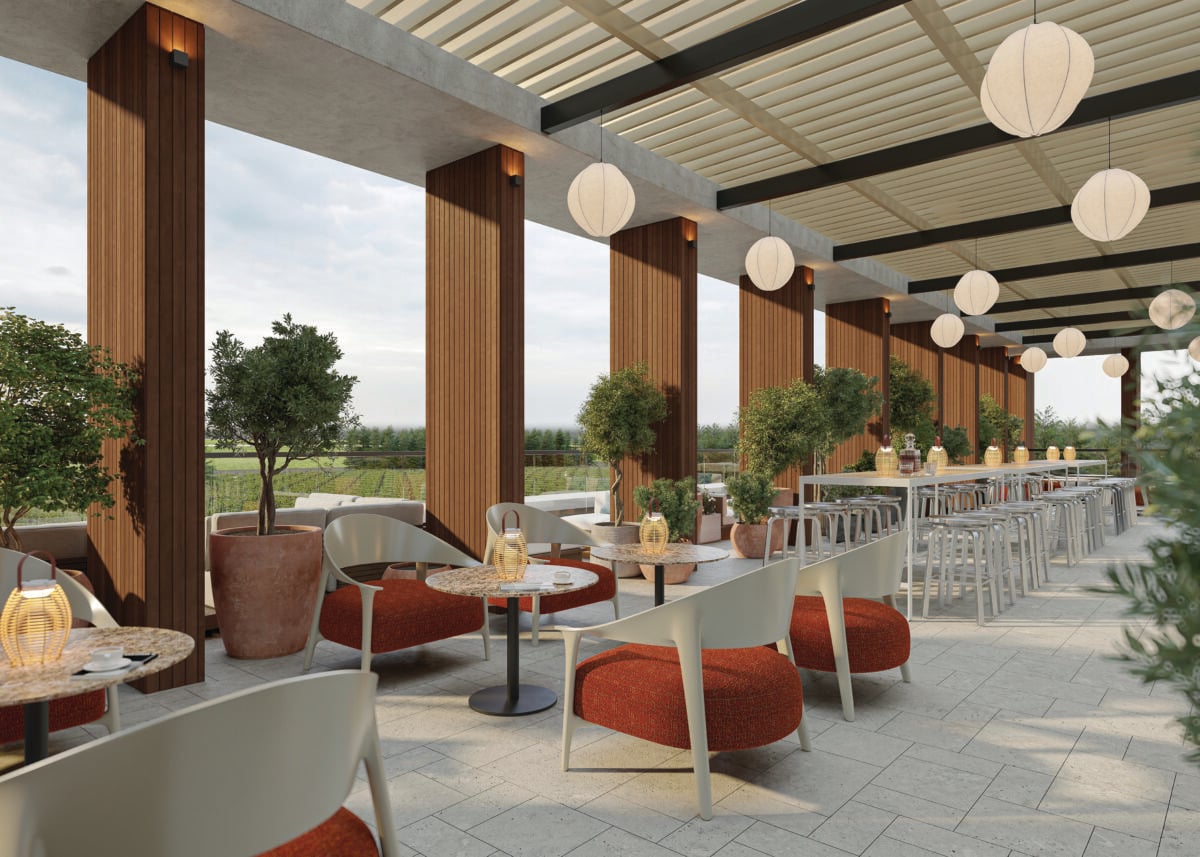
The building’s rounded silhouette was conceived as an extension of the terrain itself, with vertical wood elements rising from layered concrete forms inspired by vines emerging through clay soil. Repeating architectural lines reference the geometry of the surrounding vineyards, reinforcing the relationship between landscape and architecture.
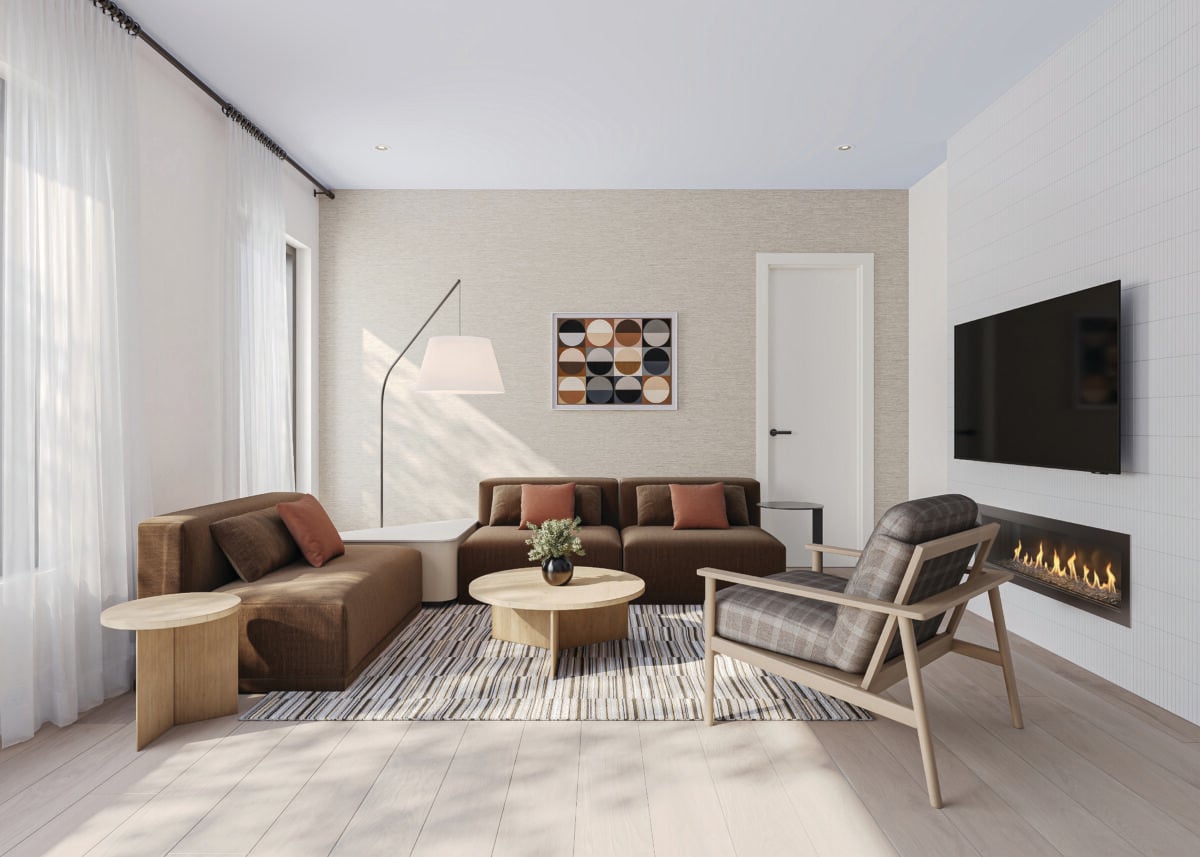
“Inside, the hotel unfolds as a journey through the seasons of the vineyard, with each space shaped by a distinct atmosphere and emotional tone. Guestrooms draw from winter through soft, calm, and introspective interiors defined by earthy mineral textures and understated warmth,” say the developers.
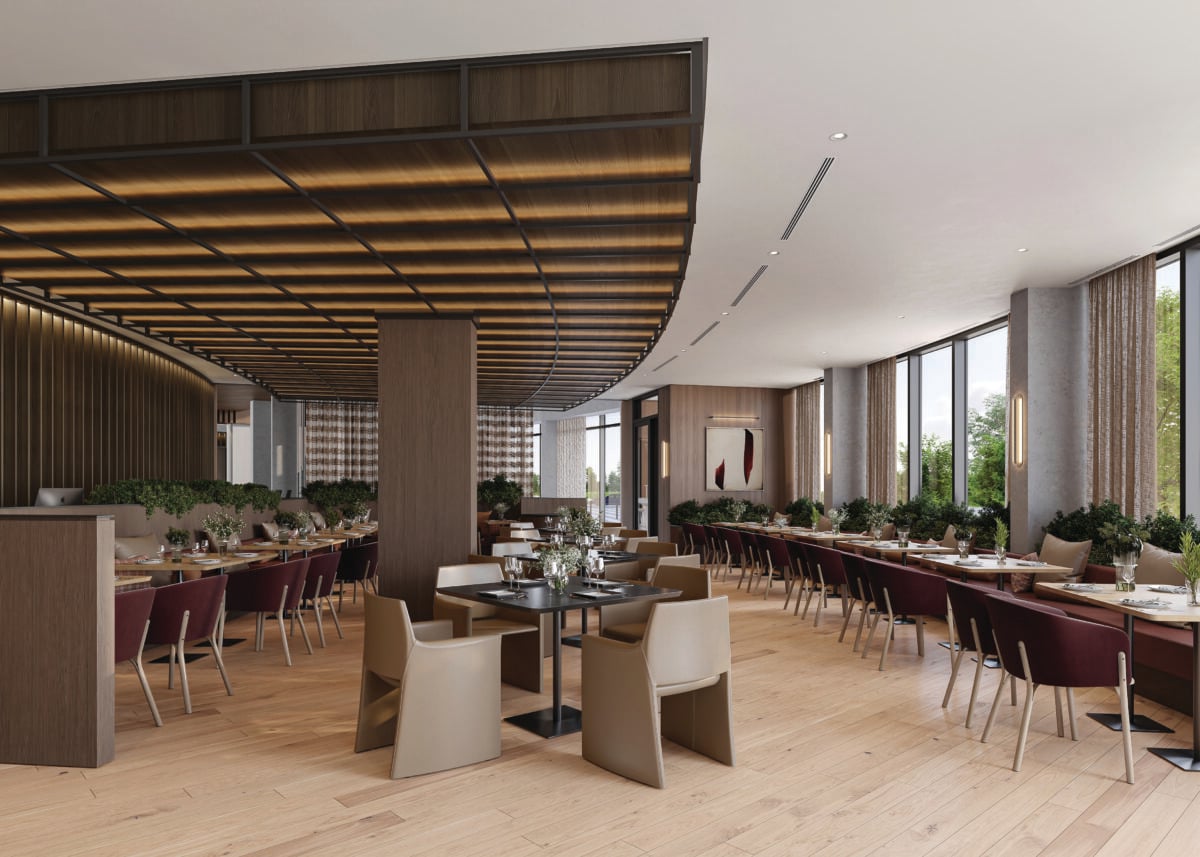
“Inspired by spring, the lobby captures a sense of arrival and renewal, while the restaurant reflects the warmth, abundance, and conviviality of harvest season. The spa takes its cues from summer, conceived as a relaxed environment centred around enjoyment, restoration, and connection.”
More from Retail Insider: