Americans are increasingly choosing destinations closer to home and cutting the length of their trips as they look to manage rising travel costs, according to travel insurance sales data from Squaremouth.
U.S. visits to Canada rose 10 per cent between 2024 and 2025, while early data suggests visits could increase another 26 per cent this year, the travel insurance marketplace says.
The shift is part of a broader move toward shorter, more accessible international trips as travellers adjust their plans amid higher costs, according to Squaremouth’s Q2 2026 Travel Trends Report.
Canada gains ground among destinations
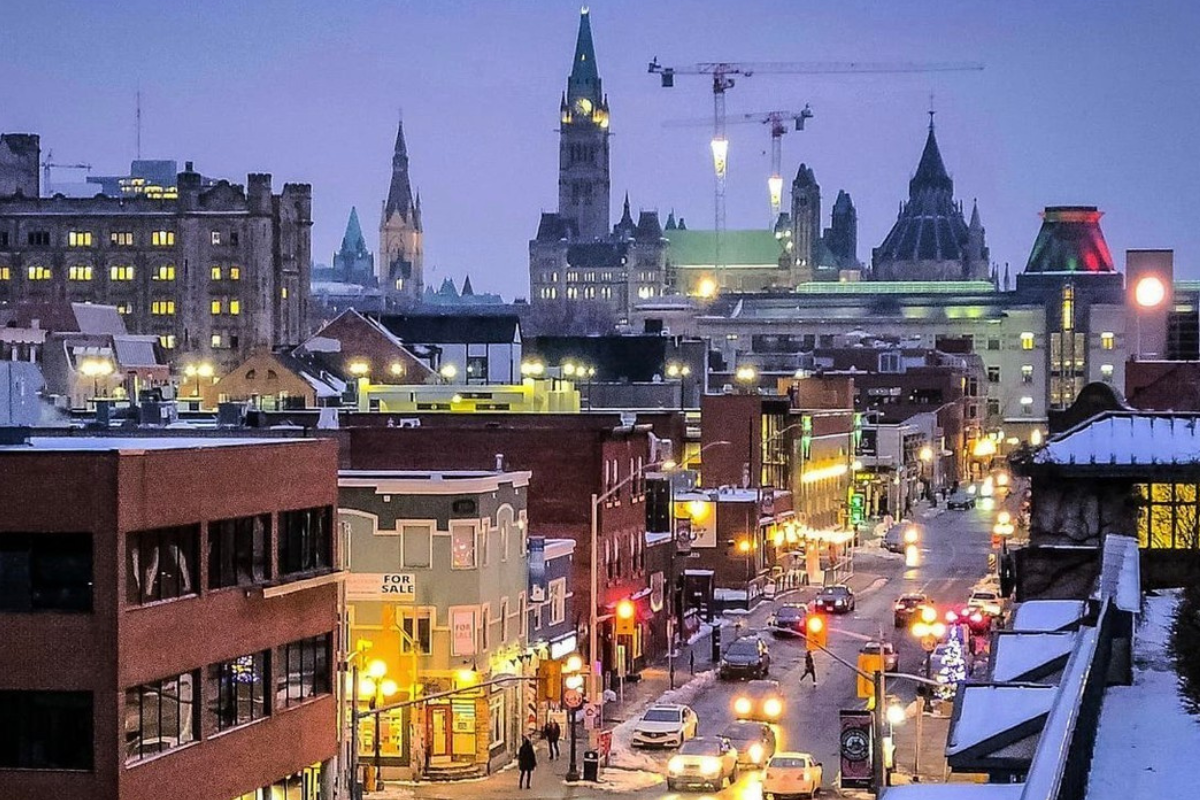
Canada moved into third place among the most popular destinations in Squaremouth’s sales data for the second quarter, up from fourth place and ahead of France.
The Bahamas also rose in the rankings, moving from 11th to eighth and surpassing Japan and the United Kingdom.
Mexico, the Dominican Republic, Jamaica and Turks & Caicos are also seeing strong demand, with some outperforming destinations that have traditionally been popular among international travellers in Europe.
Squaremouth says the destinations are suited to shorter, more accessible trips and represent an alternative to a traditional two-week European vacation.
The company describes the emerging pattern as a trend toward what it calls the “long international weekend.”
Younger travellers cut trip lengths
The shift is also showing up in the amount of time travellers spend at their destinations.
Squaremouth’s sales data shows younger travellers are the most likely to shorten their itineraries. Trip costs for Gen Z travellers have remained flat year over year, while travel costs overall have increased by about 24 per cent, according to the report.
With Gen Z travel budgets remaining fixed, the data suggests those travellers are reducing the length of their trips to offset higher costs.
Trips booked by Gen Z travellers have become two to five days shorter year over year, depending on the type of travel insurance policy purchased.
For medical-only policies, the average trip length has fallen by five days, from 25 days to 20. For comprehensive policies, the average has declined by two days, from 17 days to 15.
The figures show that travellers are adjusting different aspects of their plans to accommodate budget constraints, while continuing to take international trips.
Squaremouth says its findings point to travel remaining a priority for consumers in 2026 despite those constraints.
Data based on insurance purchases
The Q2 2026 Travel Trends Report is based on Squaremouth’s travel insurance sales data and is published quarterly.
The company says the report is intended to provide a snapshot of trends observed in its own sales rather than a comprehensive assessment of the travel insurance industry.
Its data is based on finalized travel insurance policies purchased through the Squaremouth platform. The company says the data is available for media use.
Squaremouth says it has more than 4.4 million insured customers and more than 23 years of market data.


Chrissy Valdez, Senior Director of Operations at Squaremouth, and the Head of Customer Service and Claims at Tin Leg, said the core driver to Americans choosing short, closer-to-home trips instead of traditional long-haul vacations is that trip cost is outpacing income growth.
“Trip cost this summer is up 17.4 per cent over the previous year and 33.1 per cent over the last five years. By comparison, the average American’s annual income is only up a modest four per cent over the previous year. That gap is pushing travelers toward destinations that cut cost through distance rather than through skipping the trip altogether,” she said.
“Canada has always been a popular destination for U.S. travelers, given its proximity, abundance of vacation types (city, mountain/outdoorsy, coastal, road trips), and the flexibility it offers for shorter-getaways. As long as trip cost continues to outpace income growth, I expect Canada, Mexico, and the Caribbean to see an increase in U.S. visitation.”
Valdez said Gen Z’s more limited disposable income, relative to other generations, is likely why they shortened trips this year rather than absorb rising costs.
“Other generations, who appear to be more settled financially, chose to carry the added cost or rearrange other budget priorities rather than change the trip they’d planned,” she noted.
Valdez said markets near the border, accessible via a short drive or quick flight, like Toronto, Montreal, and Vancouver, are best positioned to capture this consumer segment.
“Should trip costs continue to remain elevated, I expect destination substitutions for closer-to-home options and trip compression to continue for the majority of Americans. Those fortunate enough not to be impacted by the rise in cost will likely keep pushing further into premium and luxury travel (safaris, expeditions), a segment already growing well ahead of the market.”
More from Retail Insider: