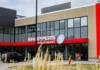
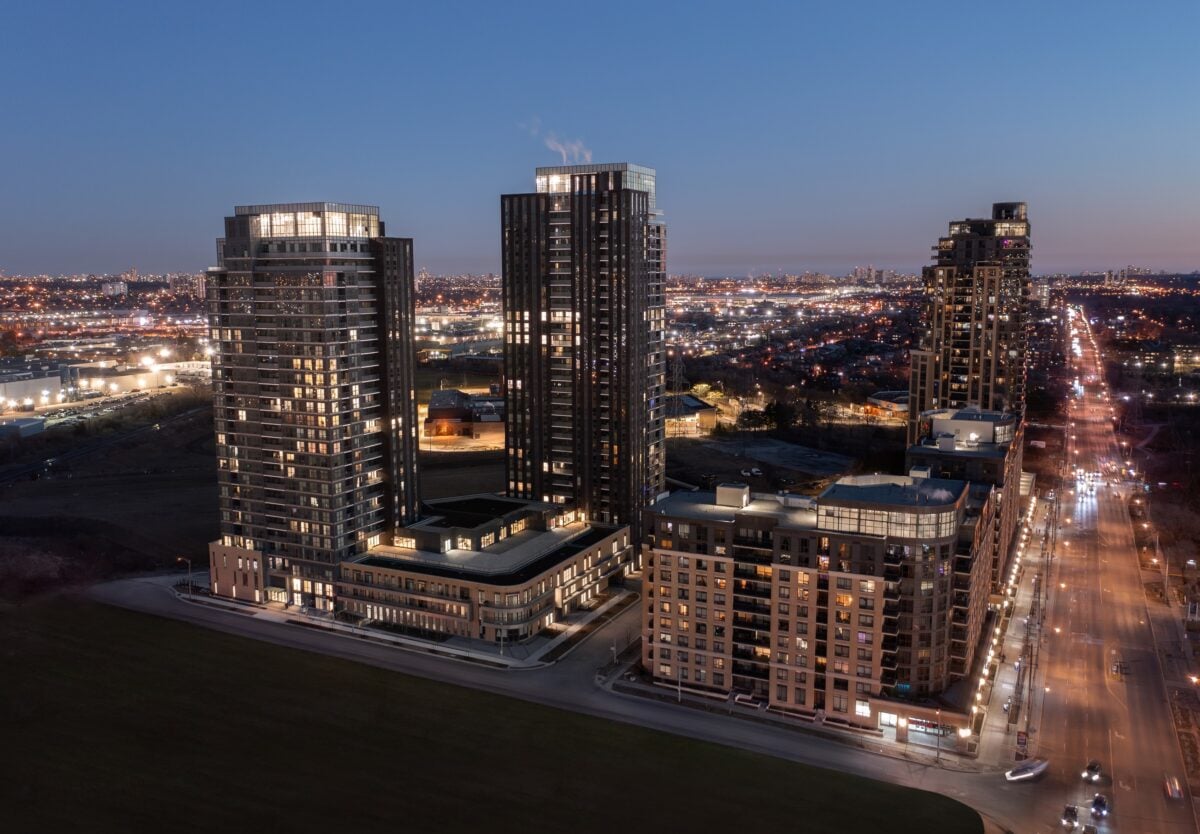
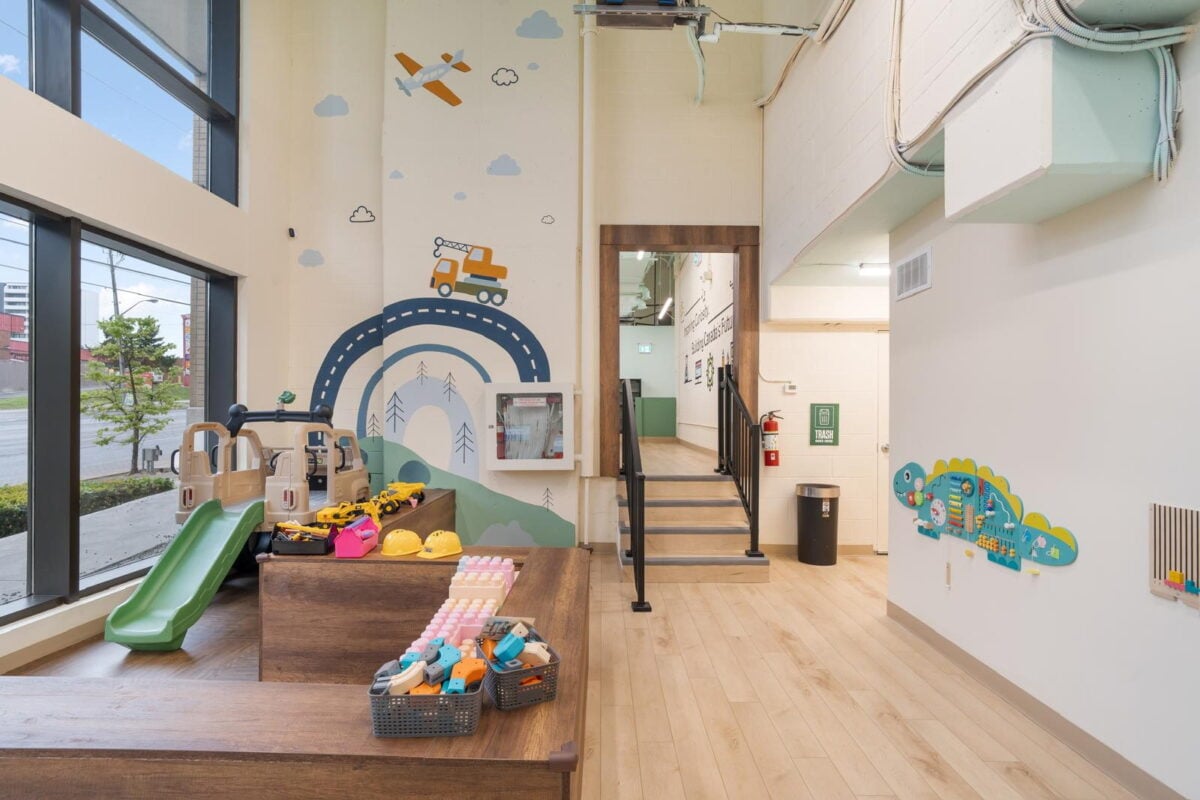
Indoor playrooms have been popping up more frequently in the Greater Toronto Area the past few years, becoming more STEAM/STEM focused. The newest is Buds Play and Learn, which recently opened in North York at Emery Crossing by Medallion Corporation – unique business for that area that tapped a demand in a high-rise neighbourhood with many families.
It’s an example of a property manager/real estate developer thinking more about businesses as amenities that fit with their demographics as the retail landscape evolves.
Neighbourhood with the right demographics
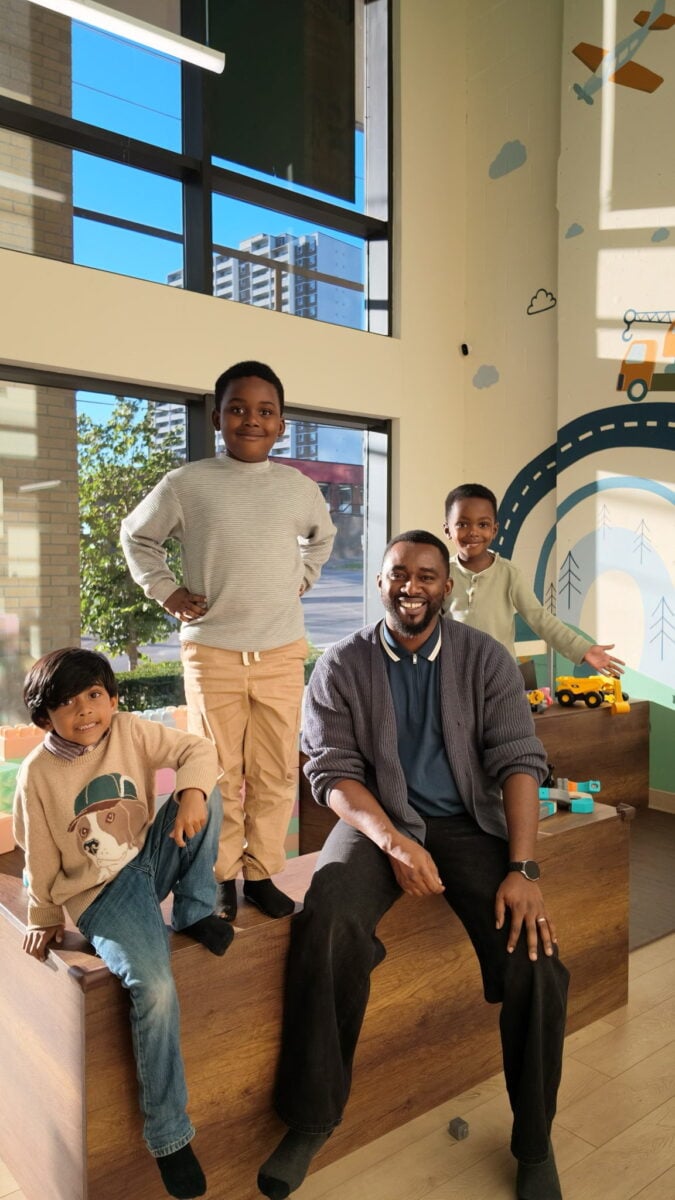
Emmanuel Asuquo, Managing Director, Buds Play and Learn, said the concept decided to open in the Weston and Finch area because it’s full of high-rises with thousands of families and kids.
“We wanted to give back to the community by creating a space where families can just walk over, play, and learn—right in their neighbourhood. It also helps that we live in the same building as Buds, so it’s as much a boon for us and our kids as it for the community,” he said.
Identifying a gap
Indoor playrooms are not yet evolving from traditional spaces.
“Instead, we identified a gap. While there are plenty of play spaces, very few (if any) focus on STEM and STEAM learning, so we created the Buds PAL concept to fill that gap to integrate learning as a core part of play,” explained Asuquo.
“I believe indoor playrooms are becoming essential in the retail landscape. As residential developers build more condos, including a well-designed play and learning space offers real value for families and enriches the whole community.”
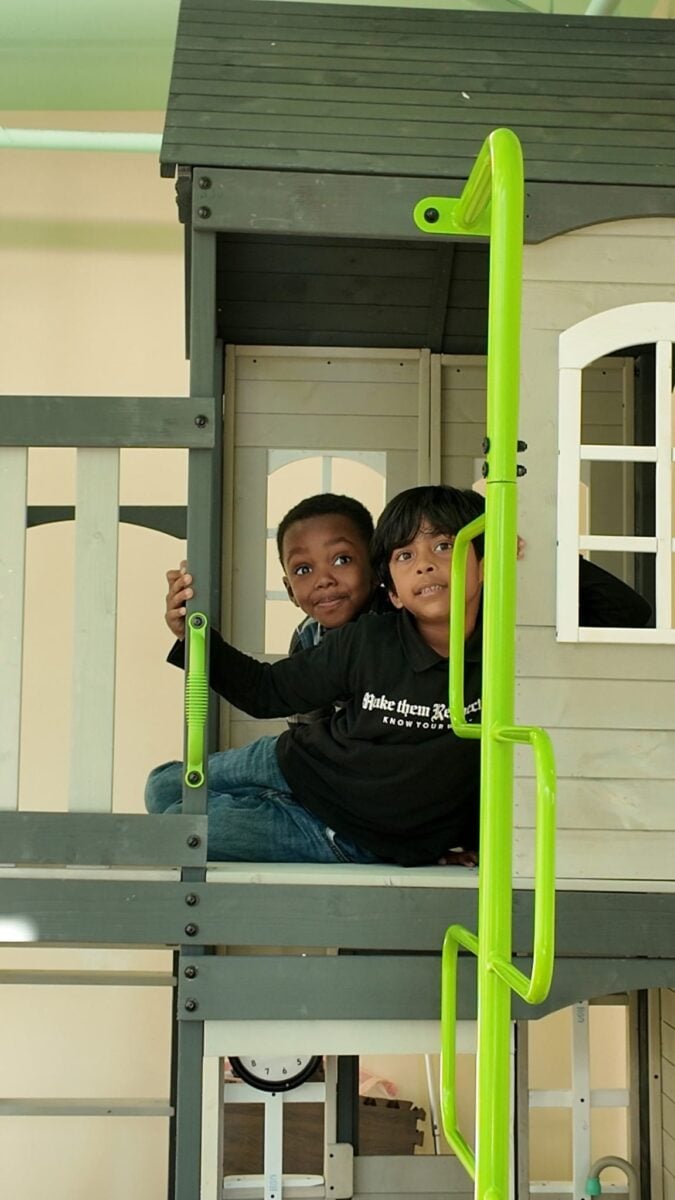
Roua Abbas, Senior Leasing & Marketing Manager, Medallion Corporation, said Medallion is seeing a couple of trends.
“Medallion builds and manages several major high-rise rental communities across Southern Ontario. In high-density neighbourhoods, we are seeing a real demand for amenity spaces that cater to children and families,” she said.
“Playrooms as amenities are becoming a big selling point for leasing. In Ajax, it’s driving a lot of leases at our new Vision at Pat Bayly Square apartments. We’re now starting to think more strategically about including playrooms as amenities in future buildings. In our Sherbourne buildings in Toronto’s St. James Town neighbourhood, we’ve had a 25-year relationship with Art City. It’s a non-profit with a long wait list that offers free after- school care, art classes and summer camps. We also lease space to The Children’s Book Bank, which runs free literacy programming out of a space in our 561 Sherbourne building.
“Both are hugely popular and in high demand.
“Secondly, the retail landscape is evolving. People can shop online. Retail is becoming less about making a transaction and more about having an experience. What businesses are offering our residents something they can’t buy online or do at home? Increasingly, our commercial leasing team is on the lookout for playroom businesses, non-profits and other experiences for families.”
Amenities for residents
When the opportunity to lease to Buds Play and Learn came up, it made perfect sense for the Emery Crossing community at Finch and Weston., said Abbas.
“Emmanuel and Elizabeth (operators of Buds) live in one of our Emery Crossing apartments. People know them locally. They understand what the neighbourhood needs, what families need, and the playroom complements our existing amenity program well. They also had a table at our recent Emery Crossing Resident Marketplace, an annual event we do to highlight and support entrepreneurs that live in our buildings,” she noted.
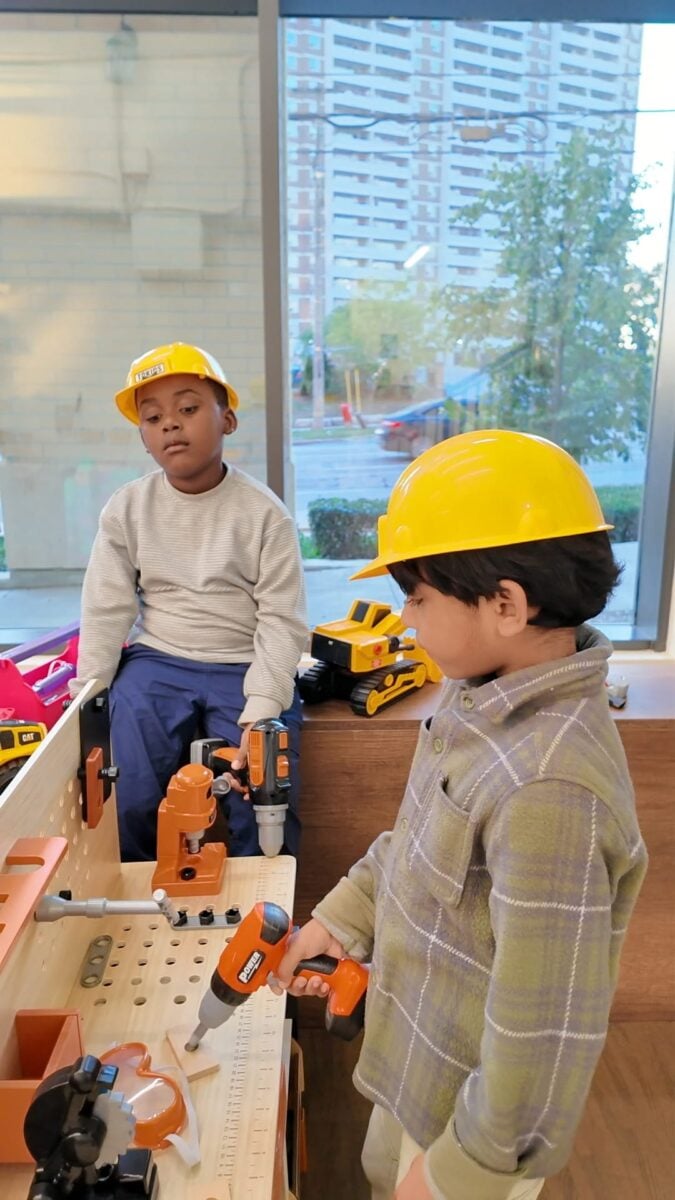
“Commercial tenants such as Buds Play and Learn create safe spaces for kids to learn, play and develop essential social skills they can’t get staring at a screen at home. It’s also a place for parents to meet other parents. They become hub of activity and create a vibe that benefits not just residents, but other commercial tenants.”
The future of retail and services in high-density residential areas
Abbas said Medallion sees opportunities to bring similar businesses to other properties, especially apartments in its older “legacy” portfolio that were built with smaller or no amenity spaces.
“Real estate developers must think more strategically about the kind of retail that makes sense for a local community. The future is high-quality experiences. We still need grocery stores and dentist offices, but businesses that create culture are becoming more important as the retail landscape evolves,” she said.
More from Retail Insider: