Only 66% of Gen Z Canadians feel confident selecting the right treatment or product for their health needs, compared with 82% of Boomers+. That insight prompted Haleon Canada, the consumer health company behind many of the brands Canadians already know and use, to rethink how it could help consumers navigate everyday health beyond traditional brand communications.
The result was the Haleon Health House, a one-day immersive experience that took place in Toronto on October 23. A first for Haleon Canada, the immersive activation brought its portfolio under one roof, with brands including Advil, Buckley’s, Centrum, Sensodyne and Voltaren coming to life through expert interactions, demonstrations, sampling and interactive experiences, alongside partners including Canada Soccer and the Toronto Blue Jays.
The goal was to take the research off the page and give consumers something tangible: an approachable environment where they can build their health knowledge, discover solutions for everyday needs and see how small actions can support better everyday health.
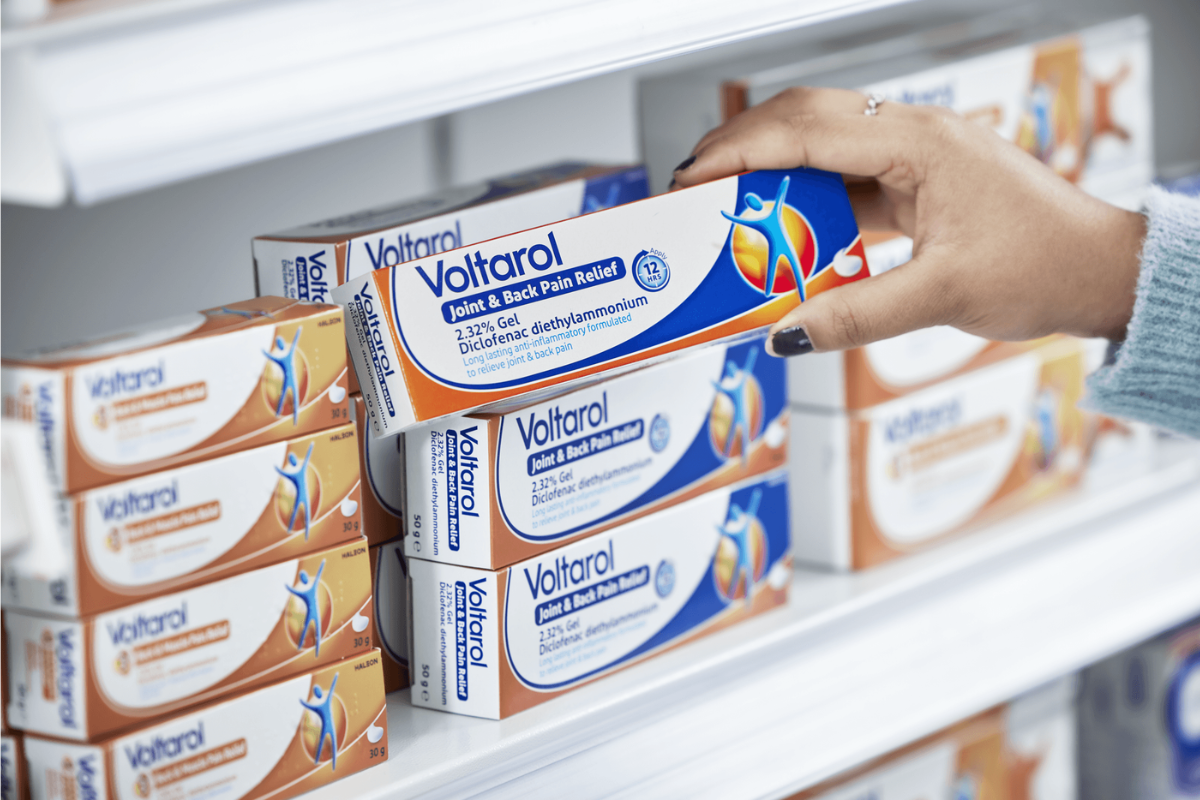
Generational gap in health confidence
Sarey Wulf, Head of Corporate Affairs, for Haleon, said the company’s consumer survey points to younger Canadians navigating a much more complex health information environment than previous generations. While Gen Z has access to more health content than ever before, that doesn’t always translate into greater confidence.
“Younger consumers are seeking health information differently, increasingly turning to sources such as social media and AI-powered tools. Gen Z is 25x more likely than Boomers+ to use social media for health advice and Gen Z and Millennials are 3x more likely to use AI tools. With more sources and perspectives to navigate, identifying trusted, credible guidance can be more challenging. The consumer survey also found that Gen Z and Millennials are 2x as likely as older Canadians to encounter conflicting health information,” she said.
“By comparison, older Canadians appear to be more likely to rely on traditional sources with Boomers+ significantly more likely than younger generations to say trusted pharmacist advice would increase their confidence in self-care decisions. What this tells us is that confidence isn’t simply about access to information. It’s also about health literacy – trusted guidance that helps people interpret the information appropriately and apply it to their everyday health decisions.

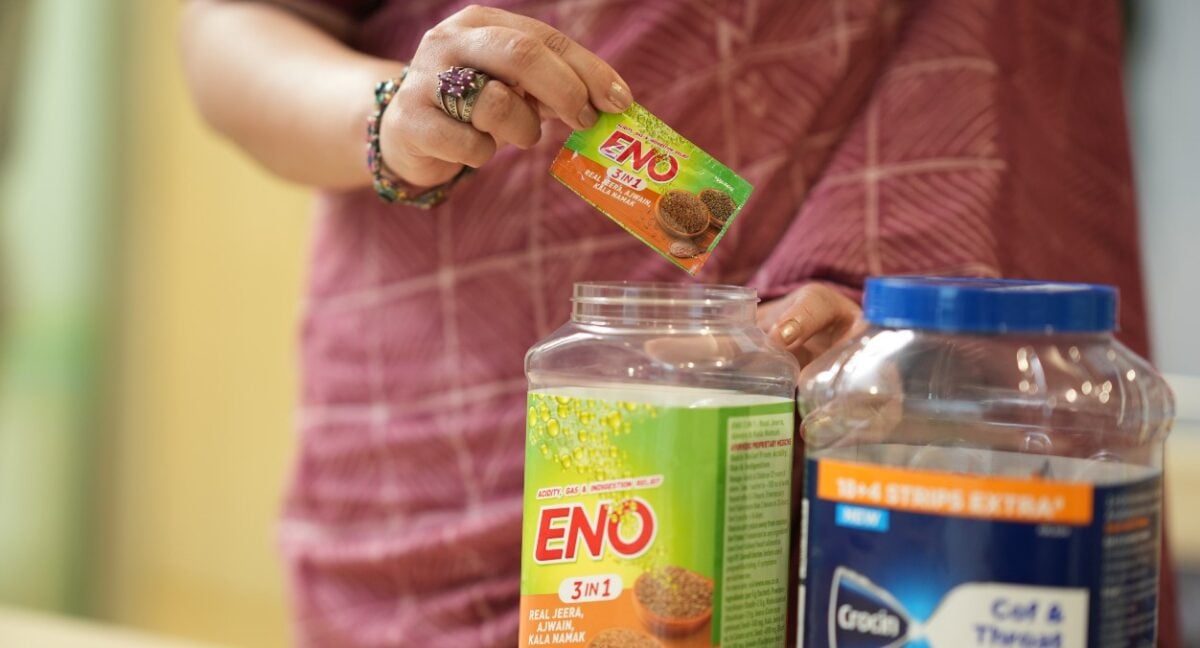
The Haleon Health House
The consumer survey identified a clear confidence gap around self-care. Only 66 per cent of Gen Z Canadians feel confident selecting the right treatment or product for their needs, compared to 82 per cent of Boomers+. Gen Z reported the lowest confidence across each self-care measure including knowing when to seek professional care and determining whether something could be managed at home, explained Wulf.
“While we saw lower confidence among younger Canadians particularly, the need for practical, trusted health information extends across generations. Those insights helped shape the Haleon Health House. We saw an opportunity to take health education beyond the shelf and bring it to life in a more engaging and approachable way. An in-person experience allows consumers to move beyond awareness and actively engage with everyday health topics,” she said.
“Through demonstrations, conversations with health experts and hands-on brand experiences, consumers can explore everyday health topics, ask questions, and connect with expert-informed guidance firsthand. It also creates an opportunity for two-way engagement, helping us better understand the questions Canadians have and where knowledge or confidence gaps may remain.”
Strategic thinking of bringing brands together
The Haleon Health House reflected the reality that everyday health isn’t experienced through a single need or category. Canadians navigate a range of health needs throughout their lives, and bringing our brands together allows us to have a more holistic conversation about everyday health, noted Wulf.
“Canadians know brands like Advil, Buckley’s, Centrum, Sensodyne and Voltaren, but they may not always know Haleon is the company behind them. The Health House gives us an opportunity to make that connection while showing how our portfolio can support Canadians across different health needs and life stages,” she said.
“Presenting our house of brands together allows us to demonstrate the common purpose that connects them: delivering better everyday health. Each space brings together a health need with practical information and experience helping consumers see how our brands support their health each day.”
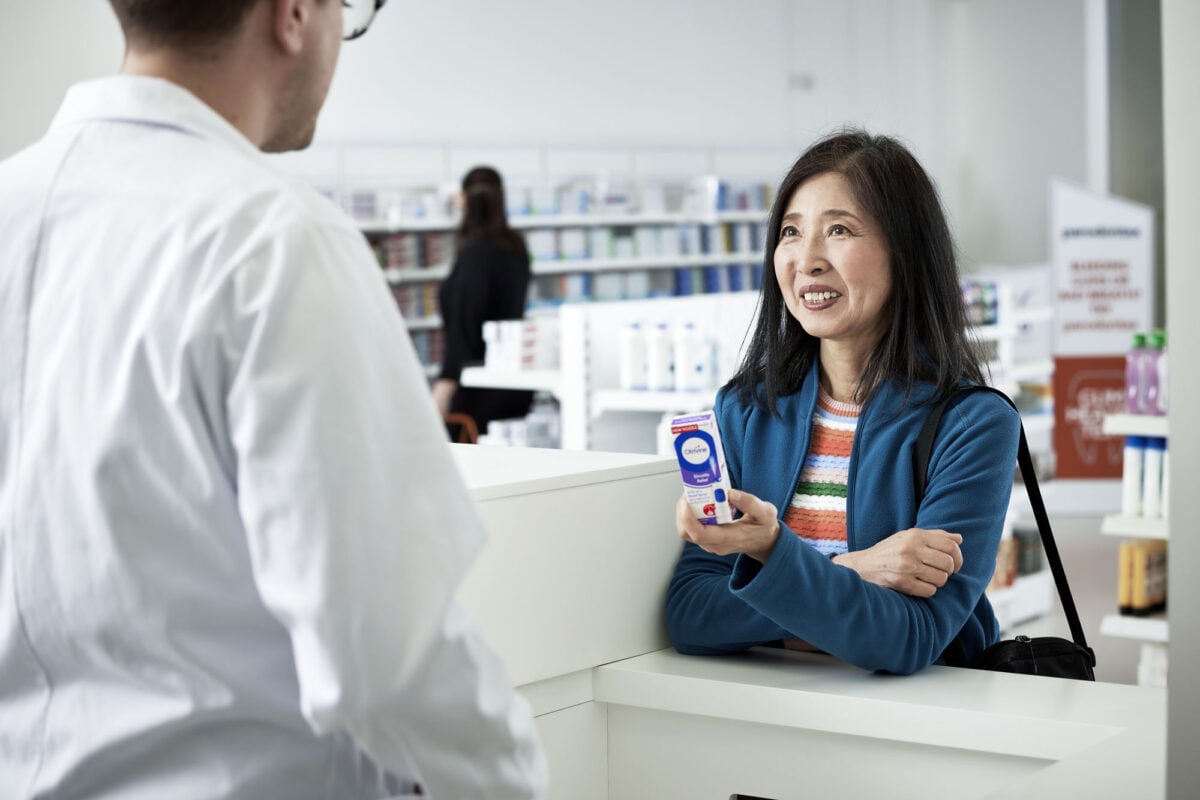
Making health education more accessible
Wulf said the company’s partnerships are another way it can make health education more relevant and accessible by connecting it to the interests and experiences that are already part of Canadians’ lives. Whether through its broader partnership with Canada Soccer or brand partnerships like Pronamel’s work with the Toronto Blue Jays, the business is able to bring health and wellness messages into familiar contexts and make them easier to engage with, said Wulf.
“With Canada Soccer, for example, our partnership is focused on promoting health and wellness on and off the pitch, bringing Haleon’s portfolio to fans through online, in-stadium and retail experiences. At the brand level, Pronamel has similarly used baseball to make oral health education more relatable, connecting the idea of defending tooth enamel to defence on the field and working with dentist experts to reinforce the message,” she said.
Measuring the success of the Health House
Wulf said the success of the Haleon Health House goes beyond attendance or product sampling. It’s about turning meaningful engagement into great understanding and confidence.
“We want consumers to discover something useful, engage with our brands and better understand how small, informed actions can support their everyday health. Beyond the event itself, we’re interested in understanding how Canadians engage with health information, the questions they have and the types of experiences that resonate most. Those learnings will help inform future marketing communications and consumer engagement opportunities, including the role experiential programming could play moving forward. They can also inform how we can help advance self-care and health literacy in a way that is practical, relevant and memorable.
More from Retail Insider: