Advertisement

How U.S. Tariffs Could Disrupt Canadian Apparel Retail

Date:

Share post:

By Alex Mazelow, Head of Digital at StyleDemocracy

The Canadian apparel industry is facing potential upheaval as U.S. President Donald Trump signals his intent to impose new tariffs on imported goods on March 1. While details are still emerging, trade experts warn that Canadian retailers—many of whom rely on U.S. supply chains—could see rising costs and increased challenges in managing inventory.

With economic uncertainty already impacting consumer spending, higher import costs could further strain apparel brands, forcing them to rethink pricing strategies, sourcing options, and inventory management. One of the biggest concerns? A growing surplus of unsold stock.

How Tariffs Could Impact Canadian Apparel Retailers

Many Canadian apparel brands depend on U.S. suppliers or distribute goods through American networks. If tariffs are implemented, the cost of sourcing materials and finished products could increase significantly, squeezing already tight margins. Some brands may attempt to pass these costs onto consumers, but with inflation already affecting purchasing behaviour, raising prices could make it harder to compete in a price-sensitive market.

Retailers often place large orders months in advance, basing their decisions on anticipated demand. If price increases lead to consumer hesitation, brands could be left with excess inventory. Traditionally, retailers rely on seasonal discounting to clear out surplus stock, but excessive markdowns can weaken brand positioning and profitability over time.

The apparel industry has also faced ongoing supply chain volatility in recent years. If tariffs are introduced, Canadian retailers may need to adjust sourcing strategies, whether that means seeking new suppliers, shifting production, or rethinking distribution channels. These transitions take time and often come with additional costs and logistical hurdles. The uncertainty surrounding trade policy makes long-term planning even more difficult.

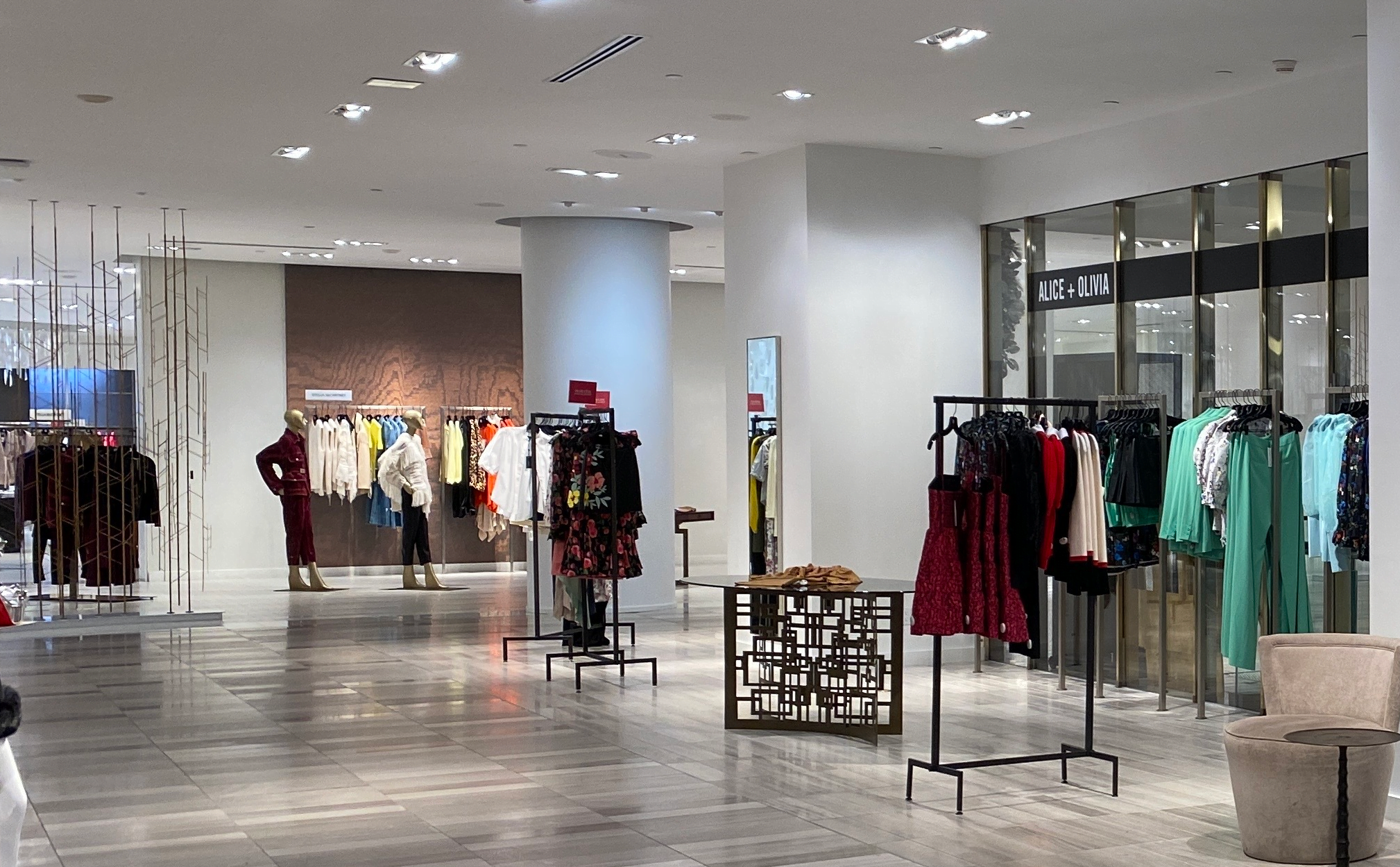
Store on sale. Image: StyleDemocracy

Strategies to Manage Excess Inventory

As brands navigate these challenges, having a plan to manage surplus inventory will be critical. Rather than relying solely on deep discounting, alternative strategies such as limited-time warehouse sales, off-price retail partnerships, and strategic liquidation events can help brands clear stock while maintaining brand equity.

For brands looking to move inventory quickly while reaching engaged shoppers, event-based sales have proven to be an effective tool. Companies specializing in large-scale retail events can help brands offload surplus goods efficiently without compromising their market positioning. These types of sales not only free up valuable warehouse space but also generate cash flow that can be reinvested into future collections.

Looking Ahead: Adapting to a Shifting Trade Landscape

With uncertainty surrounding U.S. trade policies, Canadian retailers need to remain flexible and proactive. Diversifying supply chains, optimizing inventory management, and exploring alternative sales channels will be key to staying competitive.

By adopting a strategic approach to inventory management—whether through smart forecasting, partnerships, or event-driven sales—Canadian apparel brands can navigate potential tariff challenges while maintaining financial stability and consumer appeal.

Alex Mazelow, is Head of Digital at StyleDemocracy. StyleDemocracy is North America’s leading warehouse sale and retail event management company, specializing in turnkey solutions for brands looking to move excess inventory while maximizing revenue and protecting brand integrity. With a 25-year history, StyleDemocracy has built a reputation for creating seamless, high-impact shopping experiences that drive results. For more information, visit styledemocracy.com.

2 COMMENTS

  1. In 2024 Canada imported only 2.8% of its apparel or about C$ 300 million directly from the US .During last year the US was the
    eighth largest exporter of apparel to Canada ,
    The news will be much worse for Canadian apparel exporters as the US last year accounted for 70% of Canadian apparel exports

LEAVE A REPLY

Please enter your comment!
Please enter your name here

More From Retail Insider

RECENT RETAIL INSIDER VIDEOS

Advertisment

Subscribe to the Newsletter

Subscribe

* indicates required

RECENT articles

Why Food Brands Are Quietly Reversing Skimpflation

Food brands are reformulating products as consumers push back against years of ingredient cuts and declining food quality.

Retail sales jump to $72.7 billion in March: Statistics Canada

Retail sales were up 2.1% in the first quarter of 2026, marking a seventh consecutive quarterly increase.

Tim Hortons to build or renovate 480 restaurants across the country

Canadian restaurant owners are investing $270 million, in addition to Tim Hortons corporate investing an additional $130 million.

Canadian Tire Jumpstart Charities launches national initiative to build 25 new community soccer pitches

Jumpstart has provided more than 4.5 million opportunities for Canadian kids to get into the game since 2005.

Canadians shifting focus to everyday loyalty rewards, Scene+ and Bond report says

Canadians are holding an estimated $13 billion to $15 billion in unredeemed loyalty points.

Tahini’s to roll out Shawarma Ramen across Canada after initial test launch

The national launch marks a broader expansion of a product the company has spent two years developing as it looks to build on customer interest in fusion-style menu offerings and social media engagement.

SKYBIRD Asian Grill opens fourth location as it prepares for continued growth

SKYBIRD Asian Grill has opened its fourth location at 2183 Rue Ste-Catherine West in Montréal, continuing its fast-casual growth.

Sports Retail Shows Resilience in Canada

SportChek growth, fanwear demand, and rising interest in soccer highlight resilience in Canada’s sports retail sector.

Luxury Shoppers Are Still Spending, But More Carefully: Canada Goose

Canada Goose’s latest earnings call suggests luxury shoppers remain active, but retailers are seeing more cautious and selective spending patterns.

Jersey Mike’s to open second downtown Toronto location as Redberry expands Canadian footprint

Redberry continues a broader plan to grow Jersey Mike’s presence in Canada, where the company says it aims to reach 300 locations by 2035.

nixit expands into Loblaw grocery banners with sexual wellness products

The move marks nixit’s first expansion into the Canadian mass grocery channel and increases its domestic retail footprint by 52 per cent.

Ferrari-Themed Calgary Fundraiser Supports Alberta Children’s Hospital

Ferrari-themed Calgary fundraiser supports Alberta Children’s Hospital with a luxury Maranello trip and community-driven charity campaign.

Daily Synopsis: May 21, 2026

Fuel charges on grocery hits economy, Rona leads radio spend, campus thrift store opens in Calgary, Time Out Market prepares to open at Oakridge Park, 500 charges in retail theft scheme, and other news.

Vivobarefoot to Open Second Canadian Store in Toronto

Vivobarefoot plans to open its second Canadian store on Toronto’s Queen Street West as barefoot footwear gains momentum in Canada.

adidas Taking Over Toronto’s STACKT Market for FIFA World Cup

adidas is turning Toronto’s STACKT Market into a massive FIFA World Cup fan destination with watch parties, retail, food, and soccer experiences.

Small business confidence falls steeply in May: CFIB

"Demand is weak, costs, especially fuel, are high and conditions don’t show signs of improving."

Lightspeed announces Q4 and full year 2026 financial results, net loss of just over $144 million

For the year, total revenue of $1,227.0 million, an increase of 14% year-over-year.

31% of Canadians have side hustle to cover every day expenses: Omnisend

85% admit they started for financial reasons rather than personal fulfillment or fun.

Time Out Market Vancouver prepares for May 28 opening date at Oakridge Park

Across 51,000 sq ft there are 18 kitchens, a dessert counter, a coffee counter, 3 bars, multiple event spaces and a large outdoor terrace onto a public park.

Survey reveals Canadians have reached breaking point: Harris & Partners

57.3% of respondents said their income did not cover basic expenses including rent, food, and bills.