

By Alex Mazelow, Head of Digital at StyleDemocracy
Canada’s luxury fashion sector has experienced significant shifts in recent years, influenced by economic fluctuations, evolving consumer behaviours, and global trends. As we move through 2025, it’s clear that luxury retail is undergoing a transformation. While demand for high-end fashion remains strong, factors like inflation, shifting shopping habits, and the growing resale market are reshaping the industry. Understanding these dynamics is crucial for retailers, brands, and investors seeking to navigate these changes.
The Current State of Luxury Retailers in Canada
Despite economic uncertainty, Canada’s luxury fashion industry has shown resilience. In 2024, luxury apparel sales increased by 4.2%, with projections suggesting an 18.8% growth by 2027. The overall fashion and apparel market in Canada is also on a growth trajectory, expected to reach $40.78 billion in 2024, marking a 2.48% year-over-year increase. However, this growth hasn’t come without its challenges. While some luxury brands continue to thrive, others have struggled to maintain pre-pandemic sales levels.
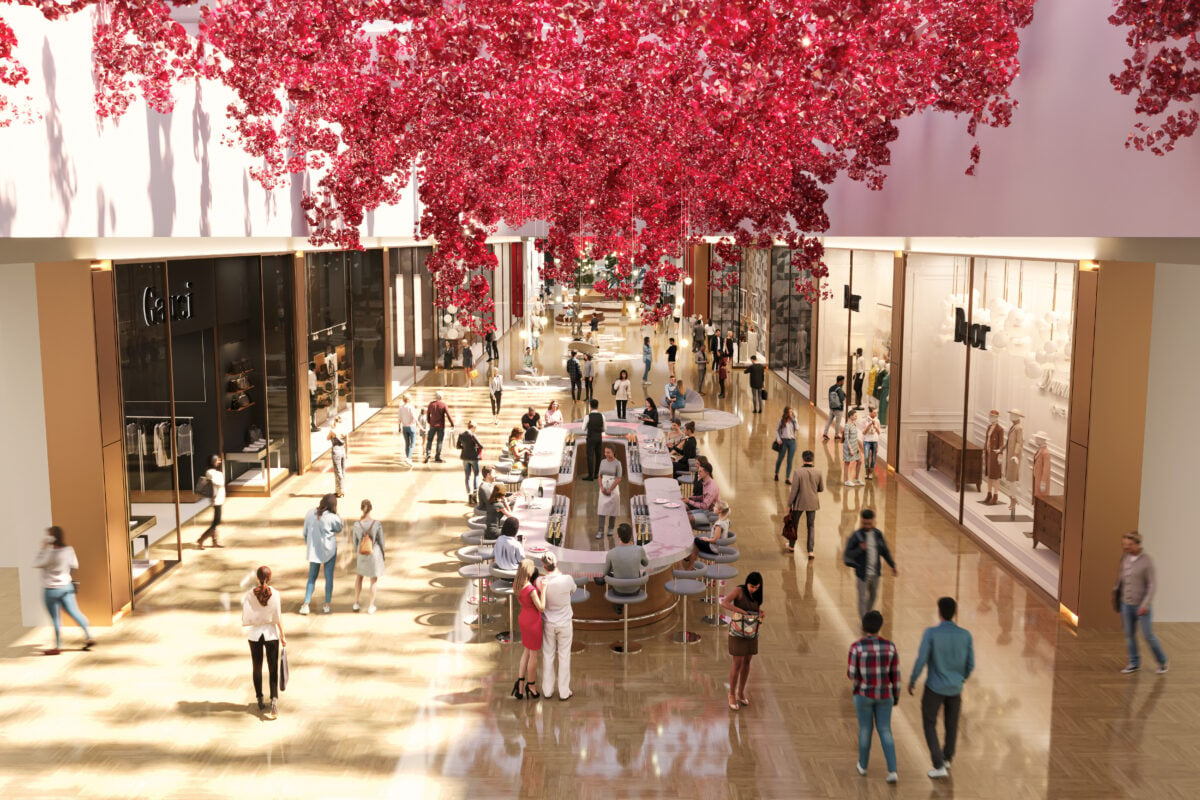
In reference to key trends, one of the most notable in Canadian luxury retail is the resurgence of brick-and-mortar shopping. Shopping centers like Yorkdale in Toronto have expanded their luxury offerings, attracting brands such as Loewe, Brunello Cucinelli, and Versace. At the same time, the rise of secondhand and resale luxury is transforming the market. Luxury resale platforms, such as The RealReal and Vestiaire Collective, have gained popularity among Canadian consumers. Additionally, experiential retail and hyper-personalization – a trend that emerged in the immediate aftermath of the COVID-19 brick-and-mortar store closures – continue to drive significant engagement.
Conversely, the once booming luxury streetwear sector, particularly the sneaker resale market, has experienced notable shifts. The resale market for high-end sneakers has faced challenges due to market saturation and changing consumer preferences. Major brands like Nike, Supreme, and Adidas increased their production volumes, transforming previously limited-edition releases into widely available products. This overproduction led to a significant decline in resale profits, as items that once commanded premium prices saw dramatic markdowns.
Parallel to the challenges in the resale market, there has been a significant rise in ‘dupe’ culture within the fashion industry. ‘Dupes’ are products that closely mimic the design and appearance of luxury items but are sold at a fraction of the price, have become a major trend and has been amplified by social media platforms like TikTok, where creators share their best dupe finds across fashion, beauty, lifestyle, and homeware. At the time of writing, over 260,000 posts have been made under the #dupes hashtag, highlighting its popularity, according to a recent article in Vogue Business.
Challenges Facing Luxury Retailers in Canada
Luxury fashion retailers in Canada are navigating a complex landscape in 2025, marked by economic uncertainties, evolving consumer behaviors, and intensified global competition. These challenges necessitate strategic adaptations to sustain growth and relevance in the market.
Economic Uncertainty and Inflation
The Canadian luxury market is experiencing a slowdown, with projections indicating a modest annual growth rate of 3.35% from 2025 to 2029, aiming for a market volume of US$6.24 billion by 2029. This deceleration is influenced by global economic headwinds, including inflationary pressures that have heightened consumer price sensitivity. As a result, even affluent consumers are reassessing their discretionary spending, leading to a cautious approach toward luxury purchases.
Shifts in Consumer Preferences
A notable shift in consumer behavior is the growing demand for value-driven purchases. A 2025 report from Yahoo Finance, indicates that 70% of consumers plan to continue shopping at off-price retailers, such as T.J. Maxx and Ross, over the next 12 months, even if their disposable income increases. This trend suggests a reevaluation of traditional luxury propositions, with consumers seeking quality and exclusivity at more accessible price points.
Global Trade Dynamics and Tariff Implications
International trade policies have introduced additional complexities for Canadian luxury retailers. The imposition of tariffs, such as the 25% tariff on goods from Canada and Mexico and a 10% tariff on goods from China, has disrupted supply chains and increased operational costs. These tariffs compel retailers to reconsider their sourcing strategies and pricing models to mitigate adverse financial impacts.
Demographic Shifts and the ‘Silver Generation’
Demographic changes present both challenges and opportunities. The ‘silver generation,’ comprising consumers over 50, is expanding and holds significant purchasing power. However, luxury brands have historically focused on younger demographics, necessitating a strategic pivot to engage this mature segment effectively. Tailoring marketing strategies and product offerings to resonate with the preferences of older consumers is becoming increasingly imperative.
Sustainability and Ethical Considerations
Modern consumers are increasingly conscious of sustainability and ethical practices. Luxury retailers are pressured to demonstrate genuine commitment to environmental responsibility and social ethics. This shift requires substantial investment in sustainable materials, transparent supply chains, and corporate social responsibility initiatives, which can be resource-intensive but essential for brand loyalty and compliance with evolving regulations.
The 2025 Outlook: Where is the Market Headed?
Looking ahead, the Canadian luxury fashion market is expected to continue its steady growth. Industry projections from Statista indicate a 3.35% annual growth rate from 2025 to 2029, with the market volume expected to reach $6.24 billion by 2029. One trend gaining momentum is ‘quiet luxury,’ which focuses on understated, timeless pieces rather than overt branding and logos. Additionally, the fusion of luxury fashion with functional, nature-oriented apparel, sometimes referred to as ‘gilded gorpcore,’ is an emerging trend.
The Canadian luxury fashion market is at a pivotal moment, shaped by economic factors, evolving consumer preferences, and industry innovations. While challenges like inflation and global competition persist, opportunities abound for brands that embrace change and stay ahead of market trends. Whether through experiential retail, personalization, or sustainable fashion initiatives, the future of luxury fashion in Canada will be defined by those who can adapt, innovate, and connect with the modern luxury consumer.
Alex Mazelow, is Head of Digital at StyleDemocracy. StyleDemocracy is North America’s leading warehouse sale and retail event management company, specializing in turnkey solutions for brands looking to move excess inventory while maximizing revenue and protecting brand integrity. With a 25-year history, StyleDemocracy has built a reputation for creating seamless, high-impact shopping experiences that drive results. For more information, visit styledemocracy.com.








Really enjoyed reading this, it’s cool to see how luxury fashion in Canada is evolving and reflecting our diverse tastes. I’ve noticed in my own wardrobe that quality pieces often feel more timeless than fast trends, and talking with friends about emerging brands has become almost a hobby. When I’m trying a new label, good support makes a big difference — once I reached out to Rhythm customer service about sizing and they were genuinely helpful with suggestions. It’s funny how clothes can tell stories about where we’ve been and where we’re going, both in style and in life. Thanks for sharing these insights!