As luxury fashion prices continue climbing into four-figure territory for everyday outerwear, many consumers are becoming increasingly selective about how they build their wardrobes, gravitating toward timeless design, understated branding, and pieces intended to remain relevant well beyond a single season.
That shift is helping create space for a new generation of contemporary premium brands positioned between mass-market apparel and traditional European luxury houses.
Toronto-based menswear label Guardin is aiming to enter that space with a tightly curated collection of minimalist suede and leather outerwear designed around seasonless dressing, restrained aesthetics, and accessible premium pricing.
Founded by Alex Mazelow, Dan Poirier, and creative director Kuba Rygal, the brand has officially launched with its first retail partner, TNT The New Trend, as it begins pursuing wholesale growth opportunities across Canada and the United States.
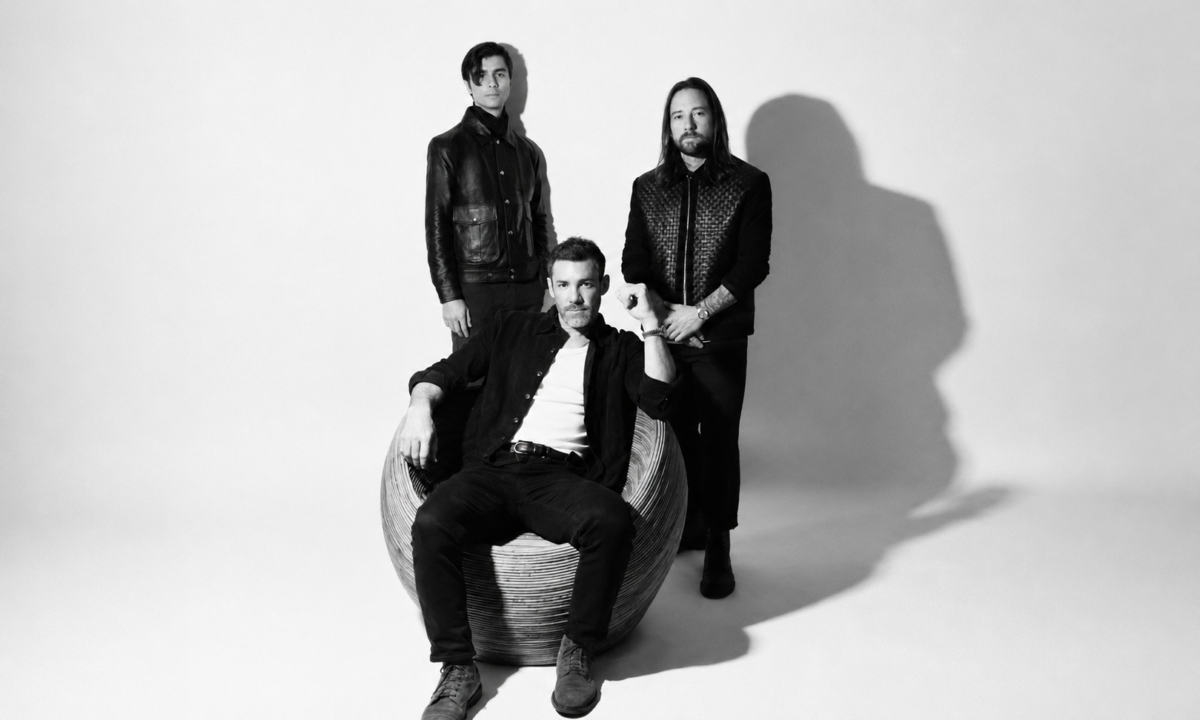
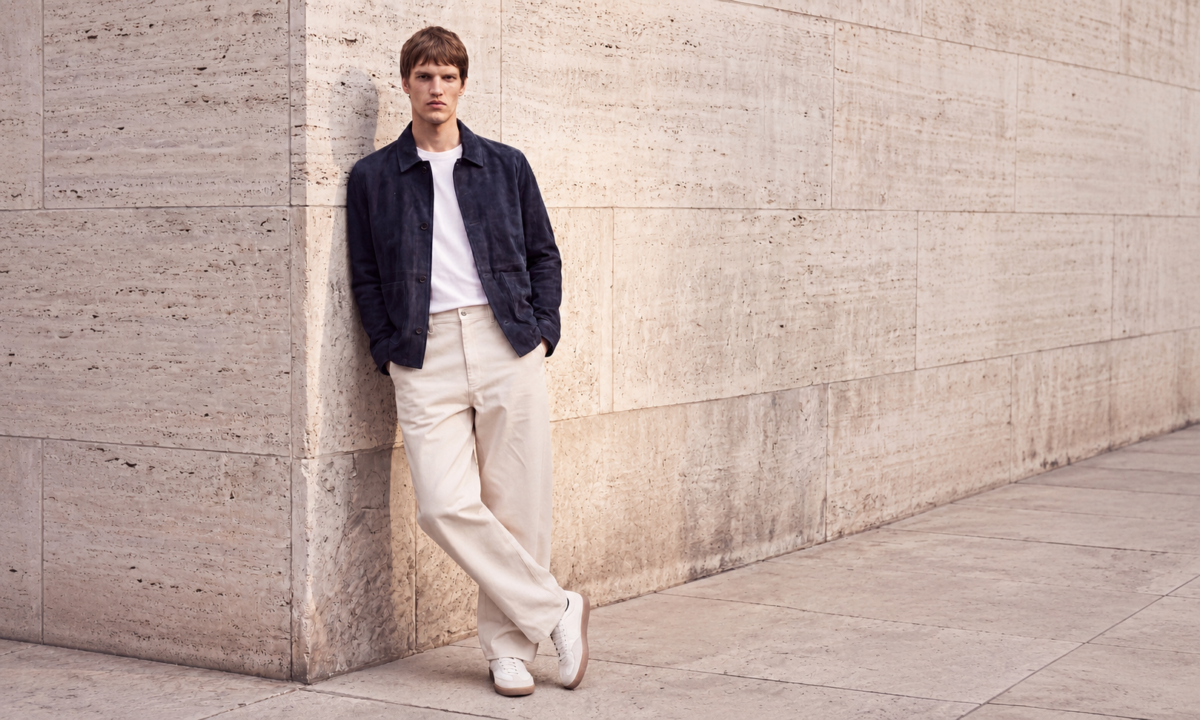
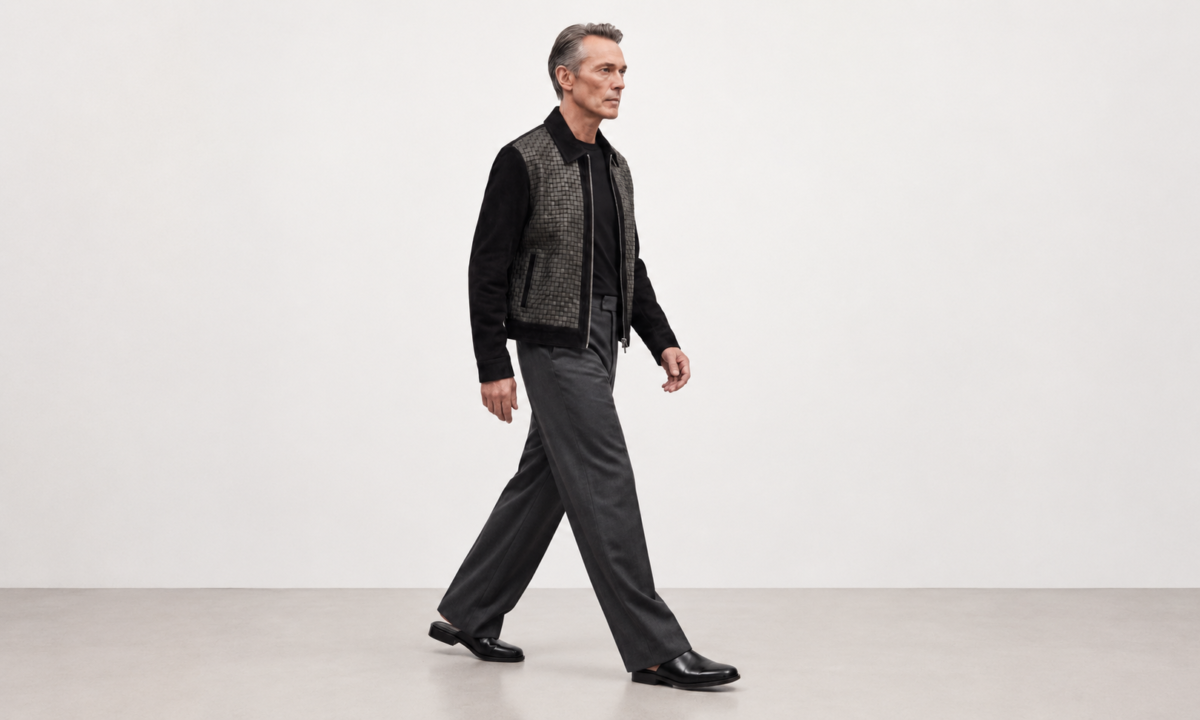
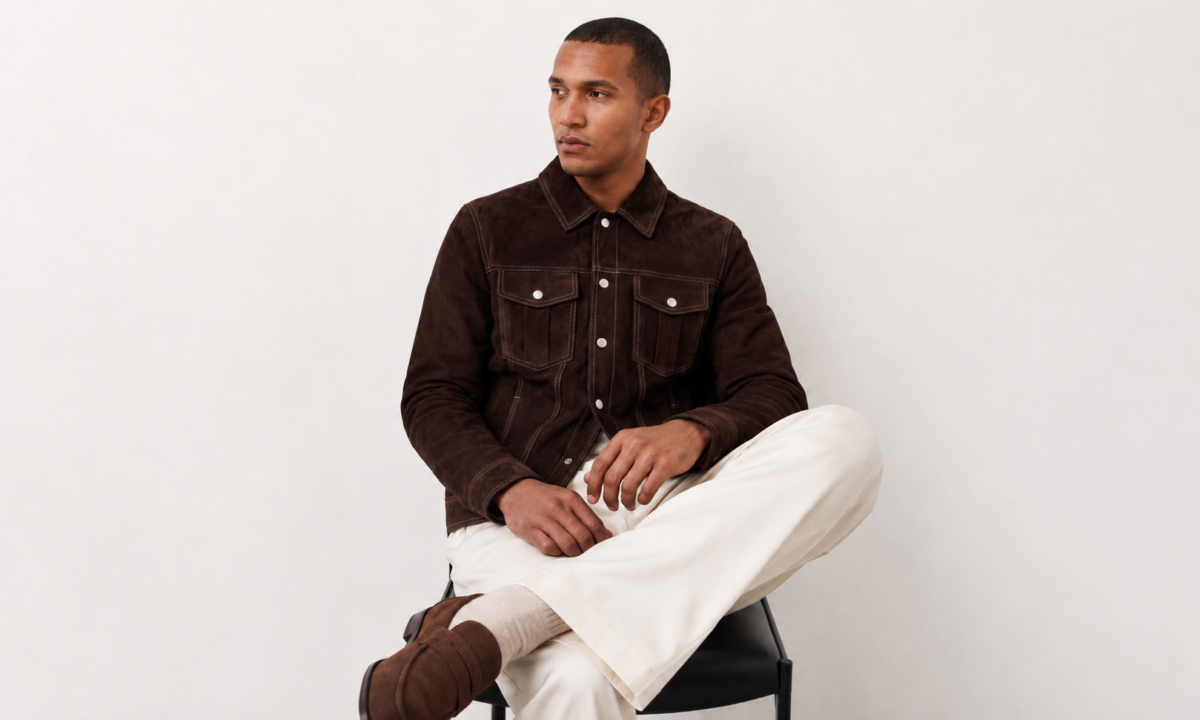
The initial collection features suede trucker jackets, calfskin bombers, leather overshirts, and softly structured outerwear rendered in muted tones such as chocolate brown, taupe, black, and stone. Rich suede textures, matte calfskin finishes, and understated detailing reinforce the brand’s focus on refined wardrobe staples rather than trend-driven fashion.
Retail pricing generally ranges from approximately $495 CAD to $995 CAD depending on fabrication and silhouette.
“We wanted to create a brand that felt timeless and understated,” Mazelow said in an interview with Retail Insider. “We wanted people to invest in pieces they could wear for years rather than something that feels disposable after one season.”
Positioning Between Contemporary and Luxury Fashion
The founders say the concept for Guardin emerged from what they viewed as a growing disconnect between increasingly expensive luxury fashion and consumers still seeking elevated materials and refined design.
While the brand draws aesthetic inspiration from labels such as Loro Piana, Brunello Cucinelli, The Row, and Celine, the company says its objective is not to compete directly with traditional luxury labels, but rather to offer a similar minimalist sensibility at a more approachable price point.
“We wanted to democratize quiet luxury,” said Mazelow. “There’s a customer who appreciates understated design and premium materials but who also feels disconnected from where luxury pricing has gone over the past several years.”
That positioning appears increasingly aligned with broader shifts occurring across menswear, where consumers are showing renewed interest in investment-oriented dressing, neutral palettes, and more restrained branding.
Rather than emphasizing overt logos or heavily trend-driven styling, Guardin’s collections are designed around versatile layering pieces intended to remain relevant across multiple seasons.
“There’s no shortage of luxury outerwear in the market,” Mazelow said. “But finding premium product with that level of quality and aesthetic at an accessible premium price point is much more difficult.”
Toronto Atelier Supports Slow-Growth Philosophy
Guardin currently operates from a Toronto atelier where the company handles sampling, prototyping, and small production runs before outsourcing larger-scale manufacturing through international production partners.
Mazelow said the operational structure was intentionally designed around tighter inventory control, slower production cycles, and reduced excess stock.
Rather than producing large seasonal inventories in advance, the company says it intends to align production more closely with demand in an effort to minimize waste while maintaining greater flexibility.
“We didn’t want to build a business dependent on overproduction,” said Mazelow. “Everything is being approached very intentionally, both from a sustainability standpoint and from a product standpoint.”
The company’s sustainability philosophy focuses less on traditional fashion marketing language and more on operational discipline, including controlled production volumes, long-term garment durability, and reduced markdown dependency.
Mazelow described the approach as part of a broader “slow fashion” philosophy centred around longevity rather than rapid consumption.
“We want people to buy a piece and have it for ten or fifteen years,” he said. “There’s nothing disposable about the garments we’re making.”
The launch also arrives amid growing interest in Canadian-designed premium apparel brands as consumers increasingly seek quality, craftsmanship, and longevity over fast-moving fashion trends.
TNT Partnership Brings Early Industry Validation
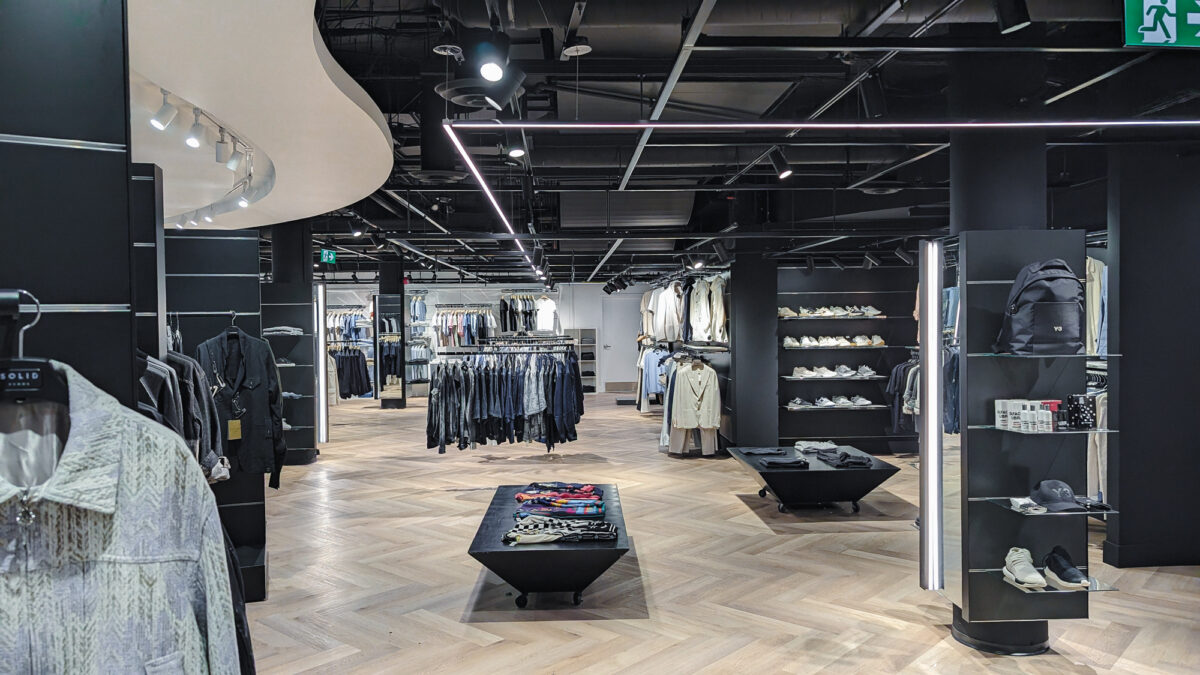
Guardin’s launch partnership with TNT The New Trend represents an important early validation point for the emerging label.
Founded more than 30 years ago, TNT has built a longstanding reputation within Canada’s luxury and contemporary fashion market for introducing both established and emerging brands through a highly curated retail environment.
Aidan Assaraf, Director of Menswear at TNT, said the retailer was initially drawn to both the founders and the collection’s positioning within the broader menswear landscape.
“We always try to support local and are constantly looking at new brands, especially ones with good people behind them,” Assaraf told Retail Insider. “Alex has been in the industry for many years, and for us it was a very smooth and easy conversation from the beginning.”
Assaraf said the collection filled a noticeable opportunity within TNT’s assortment, particularly within what he described as the “midway outerwear” category situated between contemporary apparel and top-tier luxury pricing.
“At this specific category there’s a lot out there,” he said. “But at this price point, where the perceived value is still there and we’re not losing the quality we would expect behind it, that becomes very interesting.”
The retailer also worked collaboratively with the founders during the early stages of product development, providing feedback on fit, fabrication, and execution before committing to the partnership.
“We gave them quite a few notes during the sampling stages,” said Assaraf. “They were very receptive to feedback, and that opened the door for collaboration.”
For Guardin, the partnership provides immediate credibility within Canada’s premium menswear landscape as the company begins pursuing broader wholesale expansion opportunities across North America.
Wholesale First, Direct-to-Consumer Later
Unlike many newer fashion labels that prioritize aggressive direct-to-consumer growth, Guardin plans to focus primarily on wholesale expansion during its early years.
Mazelow said the strategy reflects changing shopping behaviour among younger consumers, many of whom are returning to physical retail environments and multi-brand boutiques after years of accelerated e-commerce growth.
“We’re going to be a wholesale-first company,” he said. “When somebody is spending several hundred dollars on a jacket, the retail experience still matters.”
The company is currently meeting with Canadian sales agencies while also exploring representation opportunities in New York and Los Angeles as it evaluates future U.S. expansion.
Future plans include expanding into knitwear, woven garments, cashmere overshirts, and eventually womenswear, though the founders say growth will remain measured and deliberate.
As the brand expands, Mazelow said the company intends to maintain the same disciplined approach that shaped its launch, focusing on slower long-term growth, controlled production, and timeless wardrobe building rather than rapid trend-driven expansion.
“We want to build the brand carefully,” he said. “We want to build it for the long term.”