

Retail crime is reaching crisis levels in Canadian cities, with retailers struggling to protect their businesses against increasingly brazen thefts. While mainstream media has reported on some high-profile incidents, the true extent of retail crime remains largely unspoken—many retailers opt not to report incidents, either due to lack of faith in the police response or concerns about escalating the situation. The growing problem is putting immense pressure on independent business owners, who are often left to fend for themselves.
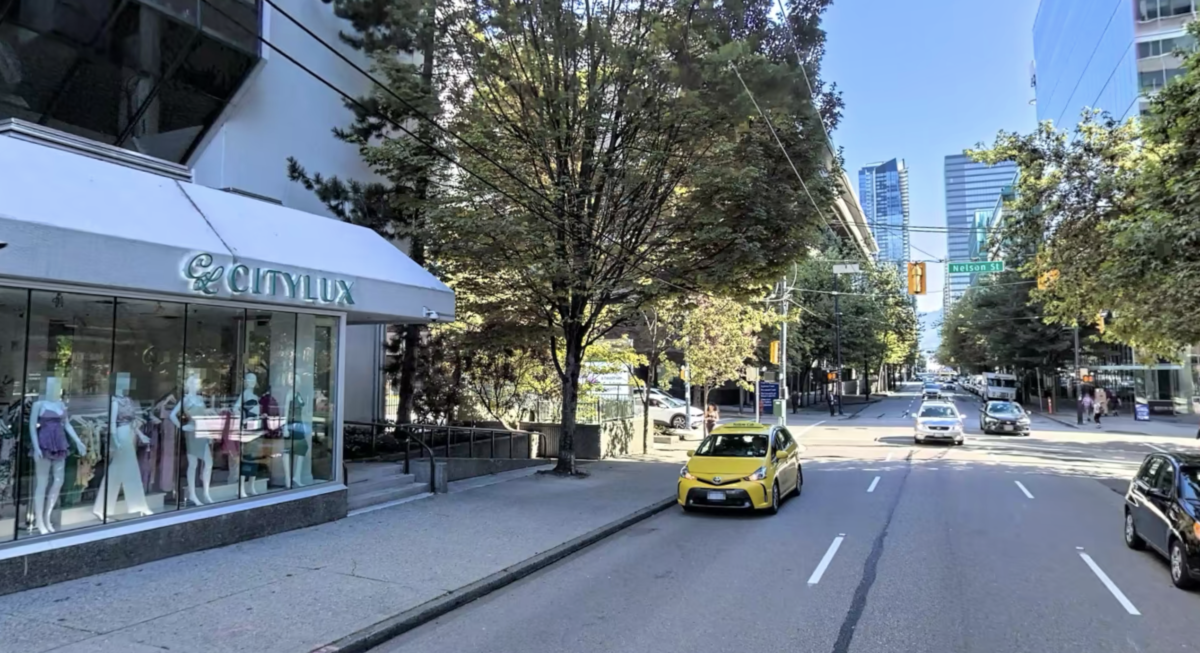
One retailer taking a stand is Sunan Spriggs, owner of CityLux Boutique, a women’s fashion retailer with locations in Toronto’s upscale Yorkville area at 101 Yorkville Avenue and in downtown Vancouver at 1015 Howe Street. Frustrated with the rising tide of thefts at her stores and the lack of meaningful action from law enforcement, Spriggs has begun posting photos of shoplifters online in an attempt to deter crime and recover stolen goods.

Retail Crime: A Growing but Underreported Crisis
According to Spriggs, theft has become a daily occurrence at both of her locations, but the nature of retail crime varies between the two cities. In Toronto, her store is frequently targeted by well-organized shoplifting rings that scout items in advance and then send in highly skilled thieves to execute the theft. “These people are professionals,” she explains. “They come in, they stand around talking, looking like regular shoppers. They wait for the perfect moment and, within seconds, an item is gone without a trace.”
In Vancouver, she faces a different challenge. “There, it’s more of an issue with addicts and street crime,” she says. “It’s harder to deal with because you don’t know what they’re capable of. You don’t know if they have a weapon or if they’re going to become aggressive.”
Spriggs is not alone in her concerns. In Toronto’s Bloor-Yorkville area, retailers have formed a private WhatsApp group to share information on crime in real time. Members post descriptions and images of shoplifters to alert others about individuals targeting stores. “Every single day, someone in the group is reporting another theft,” Spriggs says. “We’re doing what we can, but the police aren’t helping.”
Lack of Police Response and Government Roadblocks
Despite the surge in retail crime, Spriggs says police have offered little assistance. “I’ve filed reports, sent in video evidence, and at the end of the day, nothing happens,” she says. “The police have even told me directly that they don’t have time for retail theft.”
The situation is even more frustrating in British Columbia, where the provincial government is considering whether posting images of shoplifters could constitute a breach of privacy. “Instead of cracking down on crime, they’re talking about protecting criminals’ privacy,” Spriggs says. “It’s outrageous. Where’s the protection for us business owners?”
As small retailers struggle with theft and security costs, they face additional barriers that large corporations do not. Many small businesses lack the budget for professional security, and with high insurance deductibles, it often doesn’t make financial sense to file claims for stolen goods. “Our hands are tied,” Spriggs says. “We can’t chase them, we can’t detain them, we can’t post their pictures. So what are we supposed to do—just let them steal?”
Retailers Fighting Back
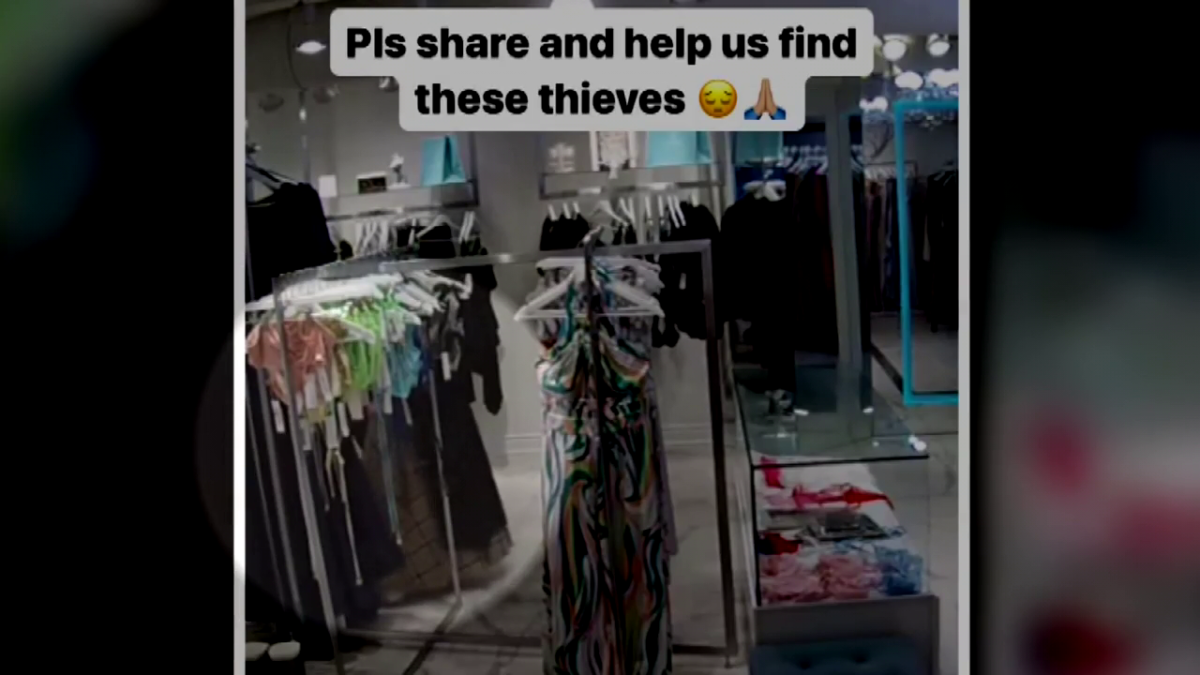
With few other options, Spriggs has taken matters into her own hands by posting surveillance footage and images of shoplifters on social media. “It works,” she says. “In Vancouver, I had $3,000 worth of merchandise returned after posting photos online. Sometimes they don’t come back, but someone recognizes them and reaches out. In some cases, we’ve even gotten the money back after they sold the product.”
The approach has sparked debate, with some arguing that it could lead to potential lawsuits. “Legally, it’s a grey area,” Spriggs admits. “Some say it could be considered a privacy violation, others say it could be seen as extortion. But I’d love to see anyone try to argue in court that a retailer should be sued for exposing a thief.”

Escalating Crime and the Economic Impact
The financial impact of retail crime is devastating. Many small businesses already operate on thin margins, and the additional costs of theft—along with vandalism and security measures—are becoming unsustainable. “People don’t realize that losing a few thousand dollars in merchandise can be the difference between making payroll and having to let someone go,” Spriggs says. “And when small businesses shut down, the whole community suffers.”
Retail crime also contributes to rising prices, as stores increase costs to offset losses. Meanwhile, consumers who prioritize finding the cheapest deals online—often from overseas companies—further strain local businesses. “If people keep chasing the lowest price from giant retailers or international brands, they’re going to wake up one day and realize that all the small businesses in their community are gone,” Spriggs warns.
Calls for Reform
Retailers like Spriggs are calling for legislative changes to hold repeat offenders accountable. “Right now, if you steal under $5,000, you’re basically given a slap on the wrist,” she says. “That has to change. There need to be real consequences, or people will just keep stealing.”
She also believes the government should step in to support small businesses in combating retail crime. “If they won’t change the laws, at least give us some kind of financial relief,” she says. “Subsidies for security, tax breaks, something. Because right now, we’re on our own.”













You can thank the federal government with its catch and release policies. Just look at the rise in auto-theft.
Thieves are apprehended and release the same day to go out and steal again. Things wont change until we have a legal system that punishes criminals.