When even Canadians’ spending on pets starts becoming more deliberate, it may be one of the clearest signs yet that economic pressure is reshaping consumer behaviour across the country.
For years, pet retail has been viewed as one of the more resilient segments of the retail industry. Consumers may postpone fashion purchases, reduce restaurant visits, or scale back discretionary spending during tougher economic periods, but many continue prioritizing their pets. That pattern still appears largely intact in Canada today. What is changing, however, is how consumers are choosing to shop.
Recent results from Pet Valu Holdings offer an unusually detailed look into those evolving habits. During the company’s first quarter earnings call, executives repeatedly described Canadian consumers as increasingly value-conscious, promotion-driven, and more strategic in how they spend.
The company reported first quarter system-wide sales of $375.2 million, up 2.5% year-over-year, while revenue increased 3.2% to $287.9 million. Same-store sales were flat. Yet the more revealing story may not be the financial results themselves, but rather what management’s commentary says about the mindset of the Canadian consumer in 2026.
Executives spoke repeatedly about customers consolidating shopping trips, waiting for promotional periods, leaning more heavily into loyalty programs, and becoming increasingly sensitive to fuel prices and household costs. Pet Valu CEO Greg Rameier said consumers continue spending on their pets, particularly within consumables and premium food categories, but are becoming far more intentional about when and where purchases occur.
That distinction matters because it reflects a broader shift now emerging across Canadian retail. Consumers are still spending, but they are increasingly trying to make every shopping trip count.
Consumers Are Protecting Important Purchases While Seeking Better Value
One of the more interesting themes from Pet Valu’s quarter is that Canadian consumers do not appear to be abandoning premium pet products altogether. Instead, they are becoming more selective and disciplined in how they buy them.
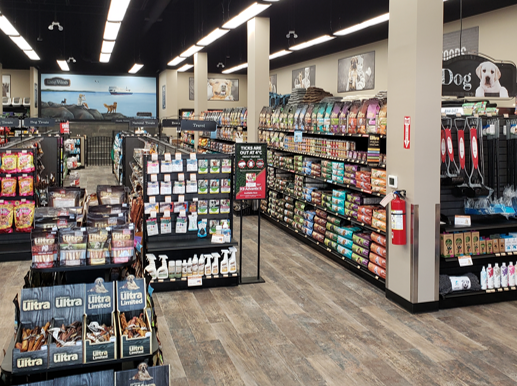
Pet Valu said growth remained strongest in consumables and premium food offerings, including frozen raw and gently cooked pet food, while discretionary hardlines such as toys and accessories continued to soften. The company also reported stronger participation in promotions, proprietary brands, and loyalty programs as consumers searched for ways to preserve quality while managing tighter household budgets.
This does not yet resemble a traditional trade-down cycle where consumers abandon premium categories entirely. Rather, it suggests shoppers are increasingly recalibrating how they spend.
For many households, pets occupy an emotionally protected category of spending. Consumers may reduce impulse purchases or delay discretionary purchases for themselves before cutting back on products tied to pet health and nutrition. That makes behavioural shifts within pet retail particularly meaningful because even subtle changes can reveal broader consumer pressure underneath.
What appears to be emerging is a more intentional style of shopping behaviour.
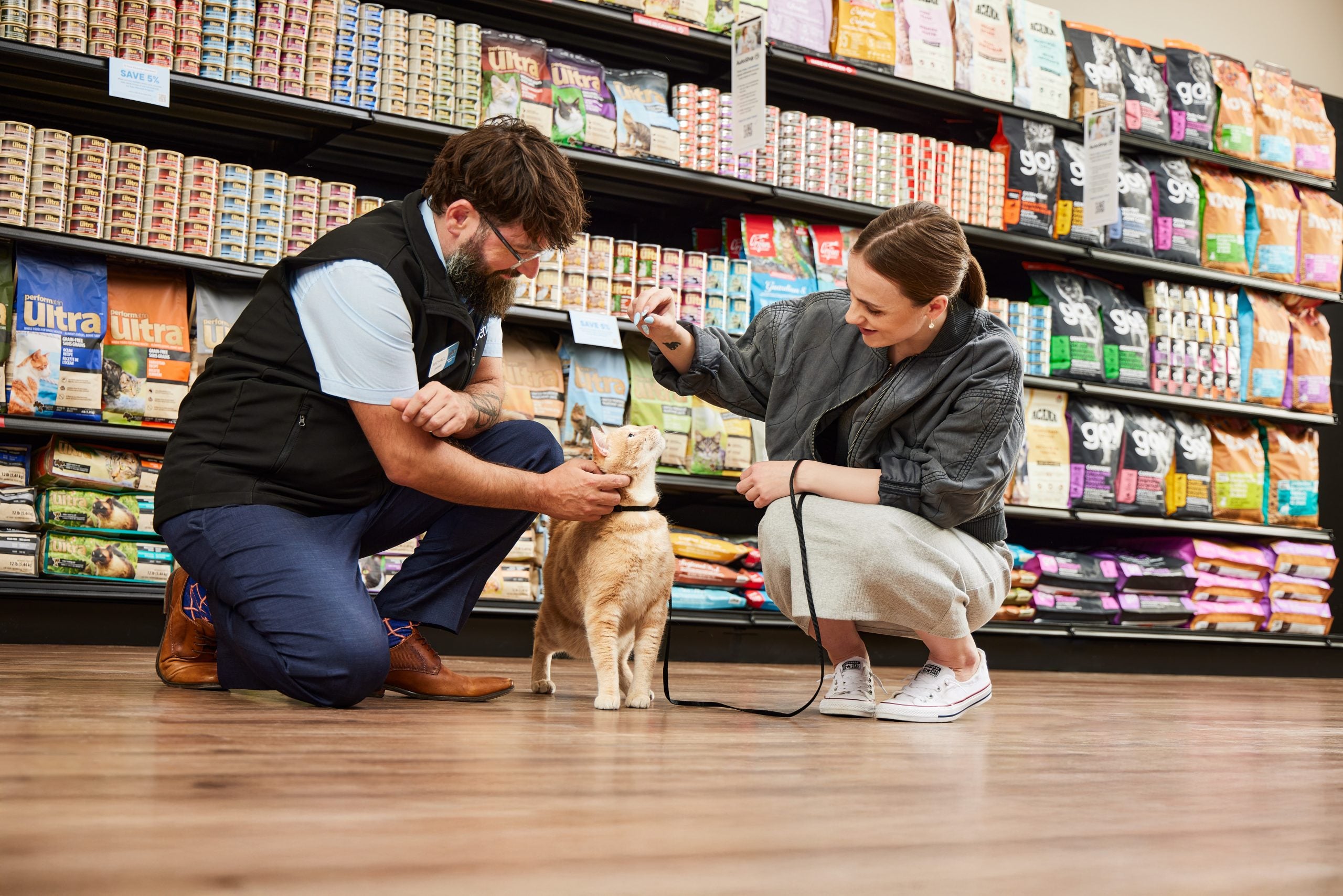
Consumers are making fewer casual trips. They are waiting for promotions, clustering purchases around planned errands, building larger baskets, and trying to maximize value during each visit. Pet Valu executives repeatedly referenced the importance of “monthly stock-up” behaviour during the quarter, noting that loyal customers are increasingly consolidating purchases into fewer, more purposeful shopping trips.
Those same patterns are increasingly visible across grocery, pharmacy, and other necessity-driven retail categories throughout Canada.
Loyalty Programs Are Becoming Core Retail Infrastructure
Another striking detail from the quarter was the scale of Pet Valu’s loyalty penetration.
The company said loyalty participation reached approximately 90% during the first quarter, an exceptionally high figure within Canadian retail.
That number speaks to something much larger happening across the industry. Loyalty programs are no longer simply marketing tools or discount vehicles. Increasingly, they are becoming foundational infrastructure within retail businesses, helping companies personalize offers, drive repeat visits, maintain customer relationships, and defend market share during slower economic periods.
Pet Valu specifically noted that it successfully converted more casual customers into monthly repeat shoppers during the quarter. In a retail environment where consumers are reducing discretionary shopping trips, frequency becomes increasingly valuable.
The company also reported continued growth in its autoship subscription business with low churn rates, another indication that predictability and convenience are becoming more important as consumers attempt to better manage both budgets and time.
Fuel Costs and Inflation Are Changing Shopping Patterns
One of the more notable aspects of Pet Valu’s earnings call was how prominently fuel prices featured in management’s commentary.
Rameier said retail fuel costs rose approximately 40% during the quarter, contributing to weaker consumer confidence and more cautious shopping behaviour. Executives also noted that higher fuel costs are beginning to affect the company’s own transportation, freight, and procurement expenses.
The result is a retail environment where both consumers and retailers are simultaneously adapting to economic pressure.
Consumers are becoming more selective about shopping trips and increasingly timing purchases around promotions, discount days, or larger planned errands. Retailers, meanwhile, are working harder to maintain value perceptions while protecting margins and competing for fewer discretionary shopping visits.
Pet Valu repeatedly referenced heightened promotional activity during the quarter, though management characterized the competitive environment as rational rather than aggressive. Even so, the emphasis on promotions and value messaging reflects how intensely retailers are now competing for consumer attention and spending.
According to a research note from Stifel analyst Martin Landry, the challenges facing Pet Valu appear to be macroeconomic rather than company-specific. His report said the company appears to be gaining market share despite softer consumer confidence and ongoing inflationary pressure in Canada.
That nuance is important because Pet Valu’s quarter may ultimately say less about weakness in pet retail itself and more about the increasingly cautious mindset shaping Canadian consumer spending more broadly.

Convenience Is No Longer a Differentiator
Another clear takeaway from the quarter is how deeply omnichannel behaviour has become embedded within Canadian retail.
Pet Valu said some of its strongest digital performance came from click-and-collect services and online delivery platforms including Uber Eats, Instacart, and DoorDash.
Importantly, management noted that customers using delivery platforms often purchase premium products such as frozen raw offerings that historically may have been associated with in-store shopping. That suggests digital ordering is complementing physical retail rather than replacing it.
The trend also reinforces how convenience itself is evolving.
Consumers attempting to reduce fuel costs, consolidate errands, and better manage time increasingly expect retailers to provide flexible fulfillment options. Omnichannel retailing is no longer viewed as an innovation or competitive advantage. For many consumers, it has simply become part of the expected shopping experience.
Rural Canada Is Becoming Increasingly Attractive for Retail Expansion
While much of Canadian retail expansion historically focused on major urban markets, Pet Valu’s recent strategy points toward growing opportunity in smaller communities.
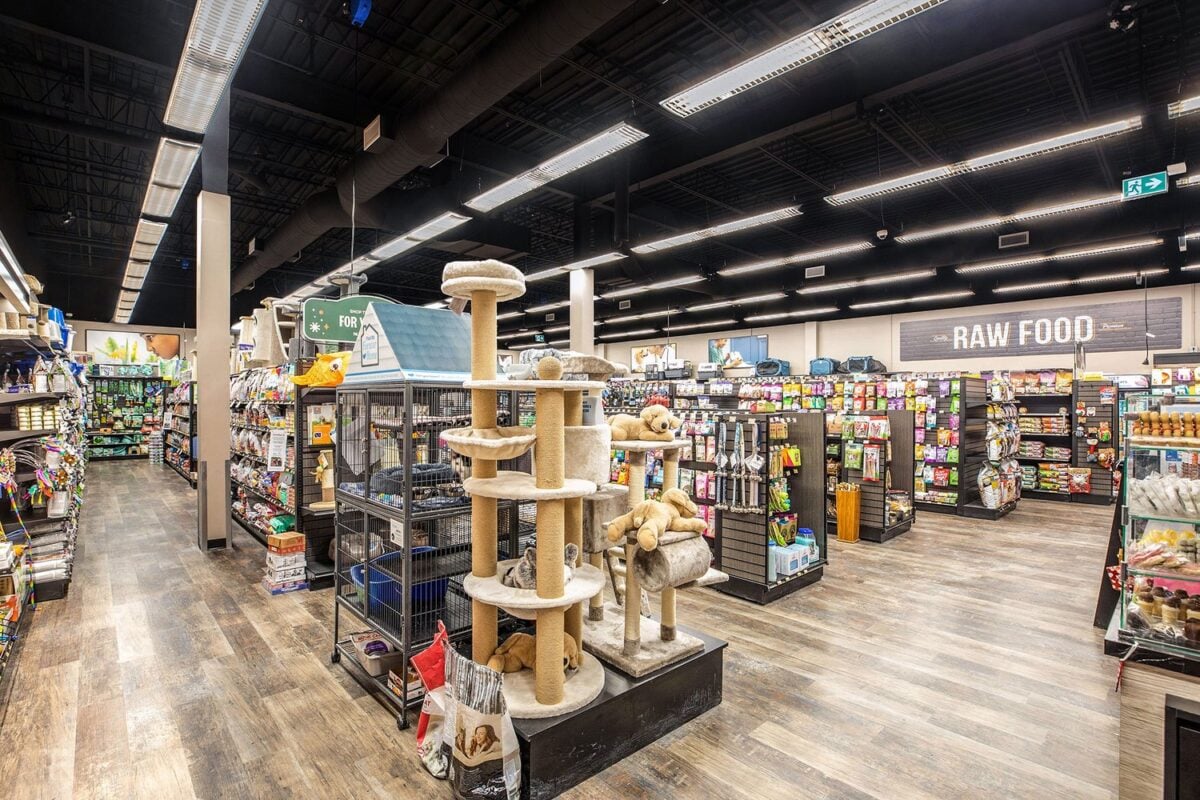
The company opened stores in Wawa and Manitouwadge during the quarter and plans to open approximately 40 new locations in 2026, many targeting underserved rural markets.
That strategy reflects a broader shift becoming increasingly visible within Canadian retail real estate.
As occupancy costs rise in major urban centres and competition intensifies, secondary and tertiary markets are attracting greater attention from national retailers searching for growth opportunities and untapped demand. In many smaller communities, national retail offerings remain limited despite stable customer bases and strong local loyalty.
Stifel’s research note also pointed to encouraging early results from some rural locations, with management indicating smaller-market stores may generate stronger returns than certain urban locations.
For retailers capable of operating efficiently at scale, these markets may represent some of the country’s most attractive remaining retail white space.
Scale Matters More During Economic Pressure
Another recurring theme throughout both the earnings call and analyst commentary was the growing importance of scale.
Pet Valu repeatedly emphasized its vendor relationships, supply chain infrastructure, proprietary brands, franchise network, and customer data ecosystem as competitive advantages.
Those advantages become increasingly important during inflationary periods when retailers must carefully balance pricing, promotions, inventory, and operating costs while continuing to compete aggressively for consumer spending.
Stifel similarly argued that larger operators such as Pet Valu may be better positioned than smaller competitors to negotiate with suppliers and absorb cost pressures. The report also suggested prolonged economic pressure could create additional challenges for smaller independent operators over time.
Even amid softer margins and heavier promotional activity, Pet Valu continues expanding stores, investing in digital capabilities, and repurchasing shares through its buyback program.
Pet Retail May Be Providing a Read on the Canadian Consumer
Pet spending has traditionally been viewed as one of retail’s more emotionally resilient categories. Many consumers are willing to absorb higher costs personally before reducing spending on their pets.
That still appears largely true in Canada. What is changing is the strategy behind the spending itself.
Canadians are still buying premium pet food, remaining loyal to trusted retailers, and prioritizing needs-based purchases. At the same time, they are increasingly waiting for promotions, consolidating shopping trips, reducing impulse purchases, and looking more carefully for value wherever possible.