Fort McMurray Wood Buffalo, a region traditionally tied to Canada’s energy industry, is entering a new phase of development with retail at the forefront. Strategic planning, strong consumer demand, and proactive investment attraction efforts are delivering significant wins for the community.
“This is a major turning point for Fort McMurray Wood Buffalo,” said Lisa Sweet, Interim CEO of Fort McMurray Wood Buffalo Economic Development & Tourism (FMWBEDT). “We’ve been working for years to diversify our economy and bring new amenities to residents, and now we’re seeing that strategy come to life.”
Retail Growth Driving Change Across the Region

For years, residents in the region faced limited retail options, often traveling more than four hours to Edmonton for products not available locally. Today, that’s changing rapidly as national and international retailers invest in Fort McMurray Wood Buffalo.
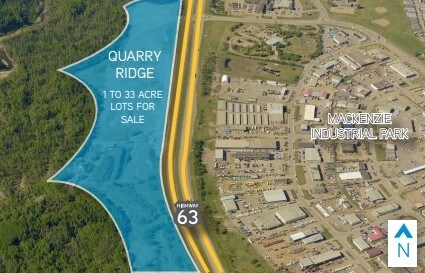
Significant projects are underway on both the north and south ends of the city. At Quarry Ridge, a prominent development on Highway 63, a major home improvement retailer is leading a wave of new construction that will redefine the shopping experience for the community.
“This isn’t just about new stores,” said Jessica Pilgrim, Acting Director of Business and Investment Attraction at FMWBEDT. “It’s about creating convenience for residents, boosting the local economy, and positioning Fort McMurray Wood Buffalo as an attractive destination for both retailers and consumers.”
A Closer Look at the New Home Depot

One of the most anticipated developments in the region is the arrival of Home Depot, a brand that has been on local residents’ wish lists for years. The new store will anchor the Quarry Ridge development on the south end of town, strategically located along Highway 63 so every vehicle entering Fort McMurray passes by.
“This is a huge win for the community,” Pilgrim said. “Residents have been asking for Home Depot for a long time, and it’s finally happening.”
The journey to secure Home Depot began in 2019 when FMWBEDT started attending International Council of Shopping Centers (ICSC) events to connect with retailers and developers. By 2022, the team was actively exhibiting at ICSC conferences in Whistler and Toronto, presenting compelling data about the region’s demographics, infrastructure, and market potential.
“Home Depot visited our booth at ICSC in 2022, and that’s when the conversation really started,” Sweet explained. “They remembered the region from years ago but hadn’t revisited the opportunity. Once we shared the updates—like new infrastructure, population growth, and spending power—they were interested. From there, we kept building the relationship.”
The retailer conducted its own market analysis in 2023 and, following positive results, moved forward with plans for the new store. In June, Home Depot held a groundbreaking ceremony attended by 18 representatives from Canada and the United States, alongside local officials and community leaders.
“This is more than just a new store opening; it’s a symbol of confidence in our region,” said Sweet. “It also creates local jobs and spurs additional development around the site.”
That additional development is already underway. Adjacent to Home Depot, landowners are constructing two phases of retail units, attracting more national brands to the area. These efforts align with FMWBEDT’s strategy to fill gaps in the market and respond to residents’ priorities.
Meeting Retail Demand and Capturing Lost Spending
Fort McMurray Wood Buffalo is home to some of the highest household incomes in Canada and the greatest discretionary income nationwide. The region’s population is young, averaging 35 years old, and in its prime spending years. Despite this, limited local options have resulted in significant retail leakage, with nearly 40 percent of $2.3 billion in annual retail spending potential flowing to other markets, primarily Edmonton.
“Adding retailers like Home Depot means residents no longer need to travel hours for products,” Pilgrim noted. “That keeps dollars in the community, creates jobs, and strengthens the overall economy.”
Sweet agreed, adding that local availability changes spending behaviour. “If a store isn’t here, many people won’t shop with them at all. When retailers open locally, sales often exceed expectations because people value convenience.”
Other Big Wins: Walmart Supercenter and Best Buy
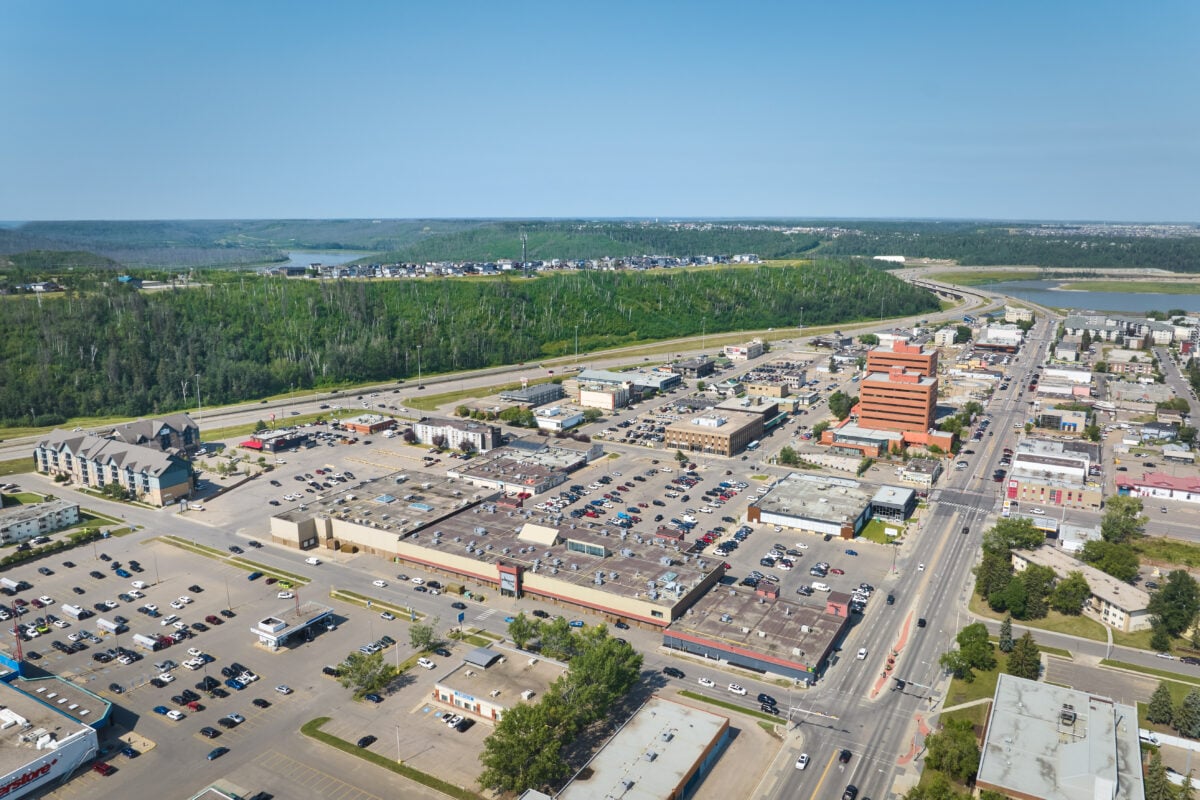
Home Depot’s arrival is part of a broader wave of retail growth. In the north end, construction is underway on a Walmart Supercentre, anchoring a 54-acre site that will accommodate additional retail units developed by Allard Investments. This is another highly requested addition, giving residents access to expanded grocery and general merchandise offerings.
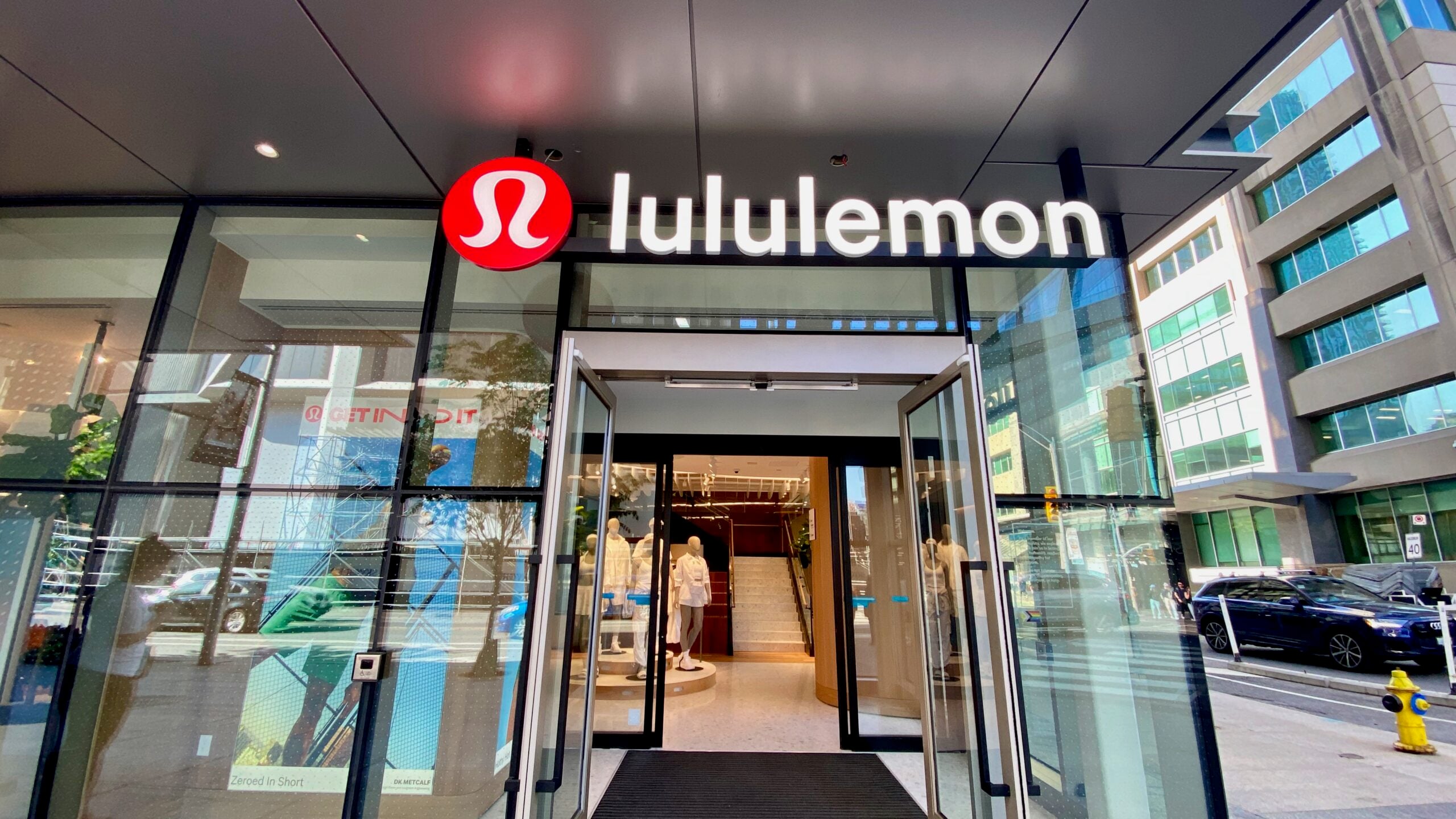
Meanwhile, Peter Pond Mall, the region’s dominant shopping centre, is undergoing an expansion to house a full Best Buy store. The mall has also attracted new tenants such as Purdy’s Chocolatier, Torrid, and Sephora, further enhancing its status as a fashion and lifestyle hub.
“These investments send a strong message to the market,” Pilgrim said. “Retailers see the growth potential here, and they want to be part of it.”
Retail Gaps Create More Opportunity
Even with these significant wins, opportunities remain in several key categories. Pilgrim pointed to menswear, children’s apparel, and youth-oriented fashion as high-demand segments. “Our fastest-growing demographic is kids aged zero to twelve, and we don’t have enough options for them,” Sweet said.
The community also wants more dining and entertainment concepts, particularly those suited to long winters. Survey results show strong interest in restaurants like The Keg and retailers such as Costco, Winners, and arts and crafts stores.
Infrastructure Enhancements Strengthen Retail Investment
Infrastructure upgrades are supporting the retail boom. Highway 63, the region’s main corridor, is now twinned, and the Government of Alberta has approved Highway 686, a new east-west route that will connect Fort McMurray Wood Buffalo to the Peace Region.
“This will create new trade routes and distribution channels, making it easier for retailers to serve our market,” Sweet explained. “It’s a game-changer for logistics and accessibility.”
The municipality is also prepared for population growth, with two fully serviced neighbourhoods capable of accommodating up to 40,000 additional residents, ensuring that housing supply keeps pace with economic expansion.
Downtown Revitalization and Climate Resilience
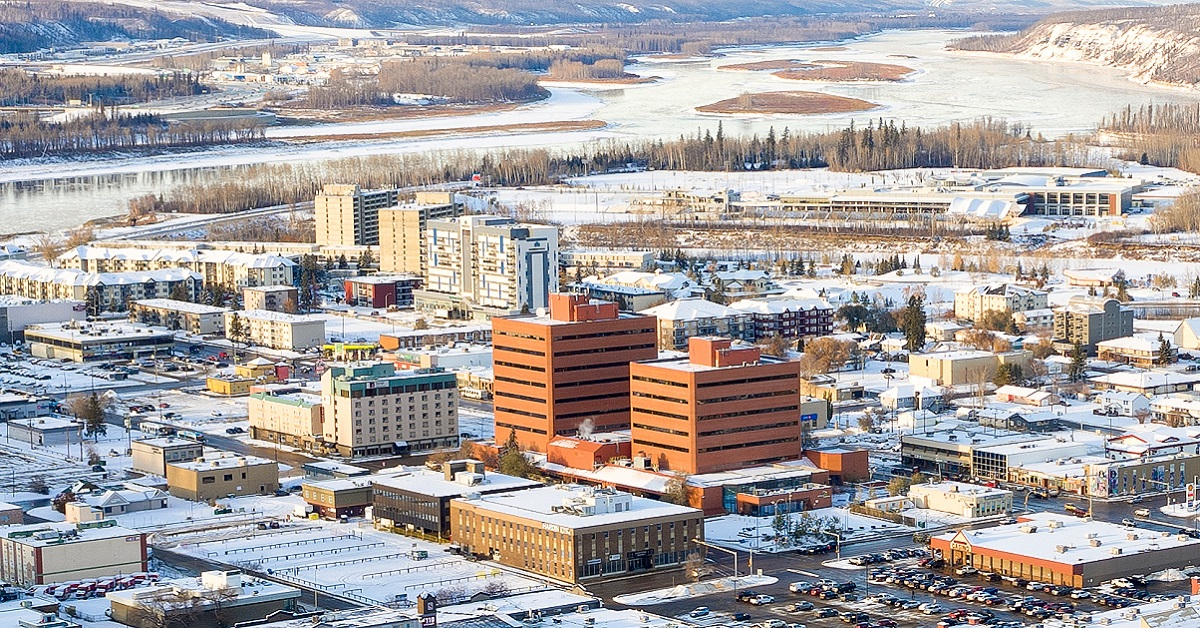
While suburban retail development accelerates, downtown Fort McMurray remains a priority. The Regional Municipality of Wood Buffalo offers grants for businesses to renovate and improve downtown properties, alongside beautification and safety programs.
Significant investments in flood mitigation and FireSmart initiatives have also enhanced climate resilience, protecting the downtown core and surrounding neighbourhoods from future natural events.
Diversification and Tourism Support Retail Growth
Retail growth is part of a broader economic diversification strategy that includes industrial development and tourism expansion. Travel Alberta has designated Fort McMurray Wood Buffalo as a Tourism Development Zone, recognizing its potential for authentic northern experiences, including northern lights viewing, Indigenous culture, and winter sports.
“The visitor economy complements retail,” Sweet said. “When tourists come for events or experiences, they shop, dine, and support local businesses.”
For residents, these developments bring convenience, new shopping experiences, and local job opportunities. For businesses, they signal confidence in the market and a path toward long-term growth.
“Our work is far from done,” Sweet emphasized. “But the progress we’ve made proves what’s possible when we focus on strategic growth. This is just the beginning of an exciting chapter for Fort McMurray Wood Buffalo.”