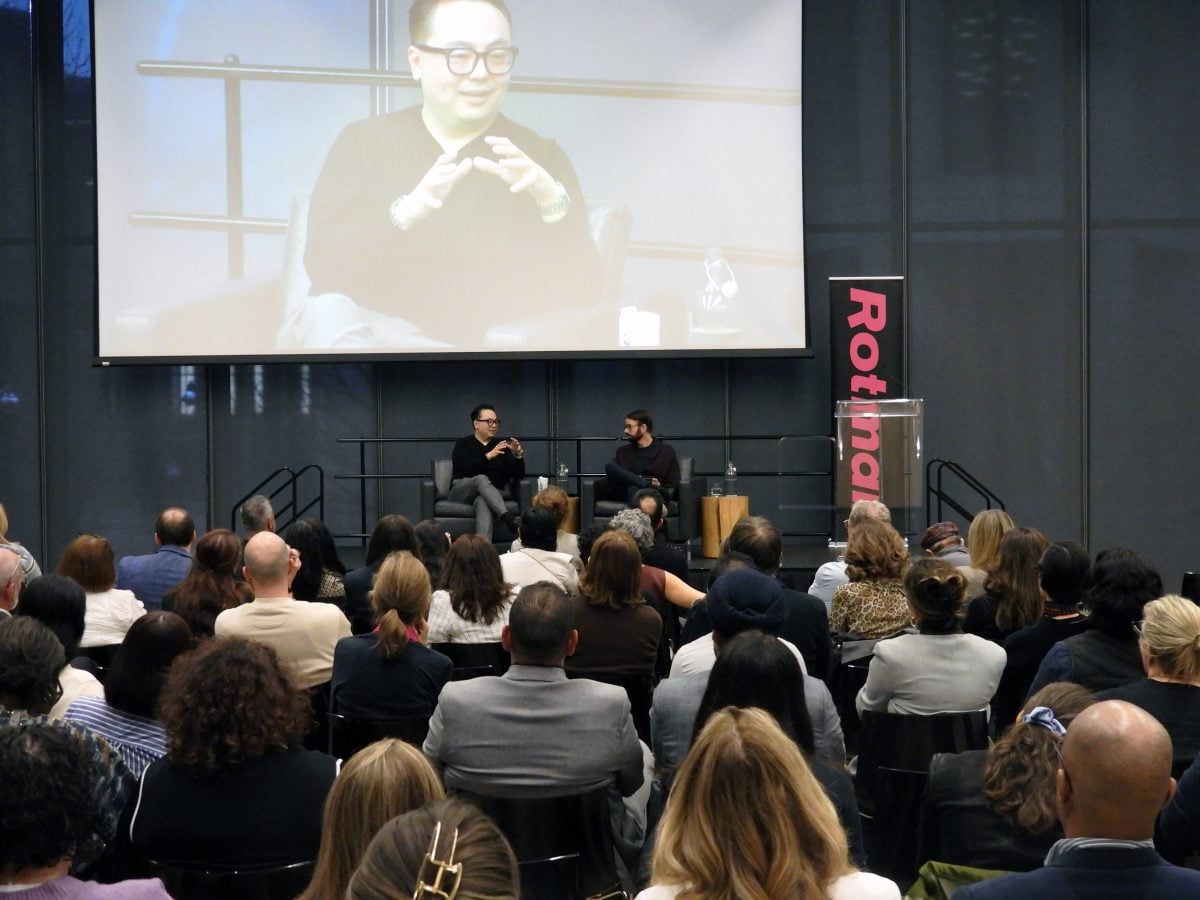
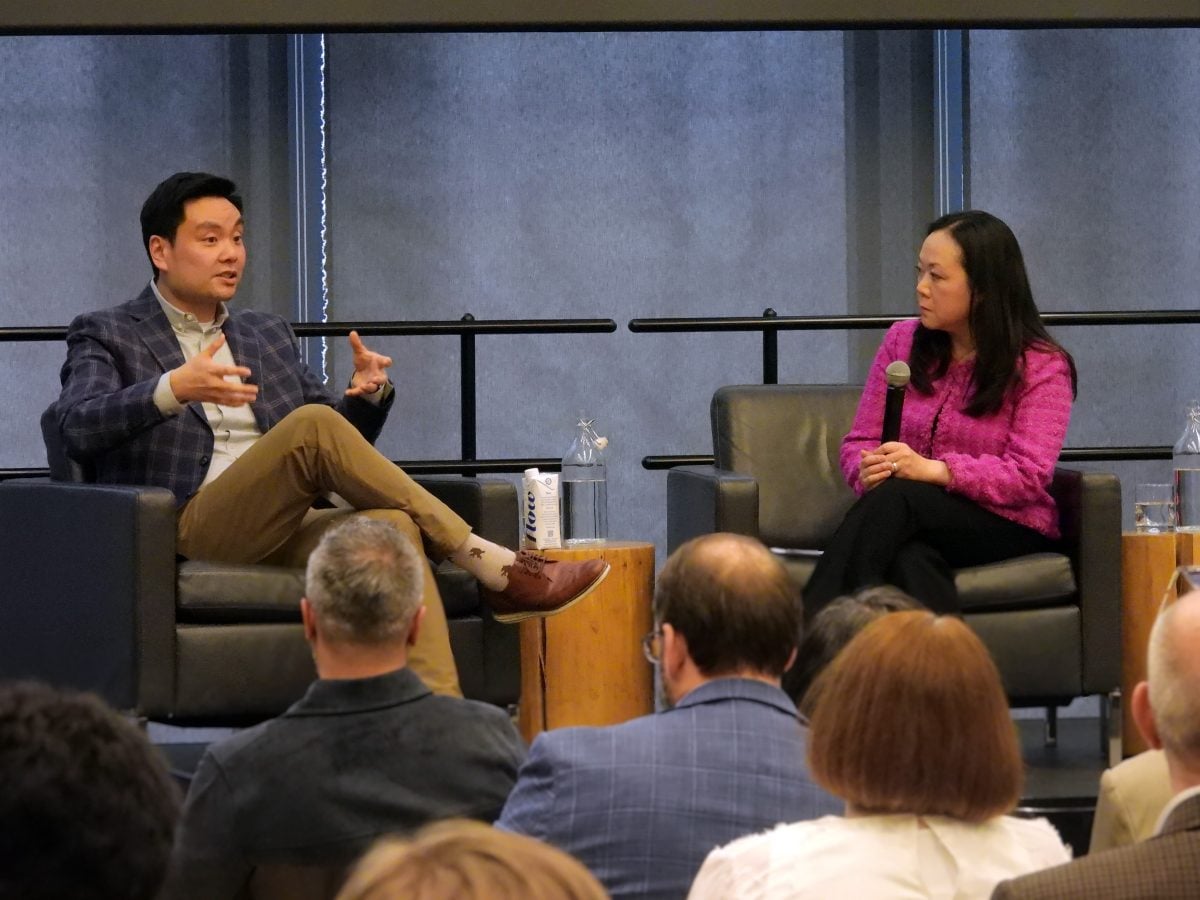
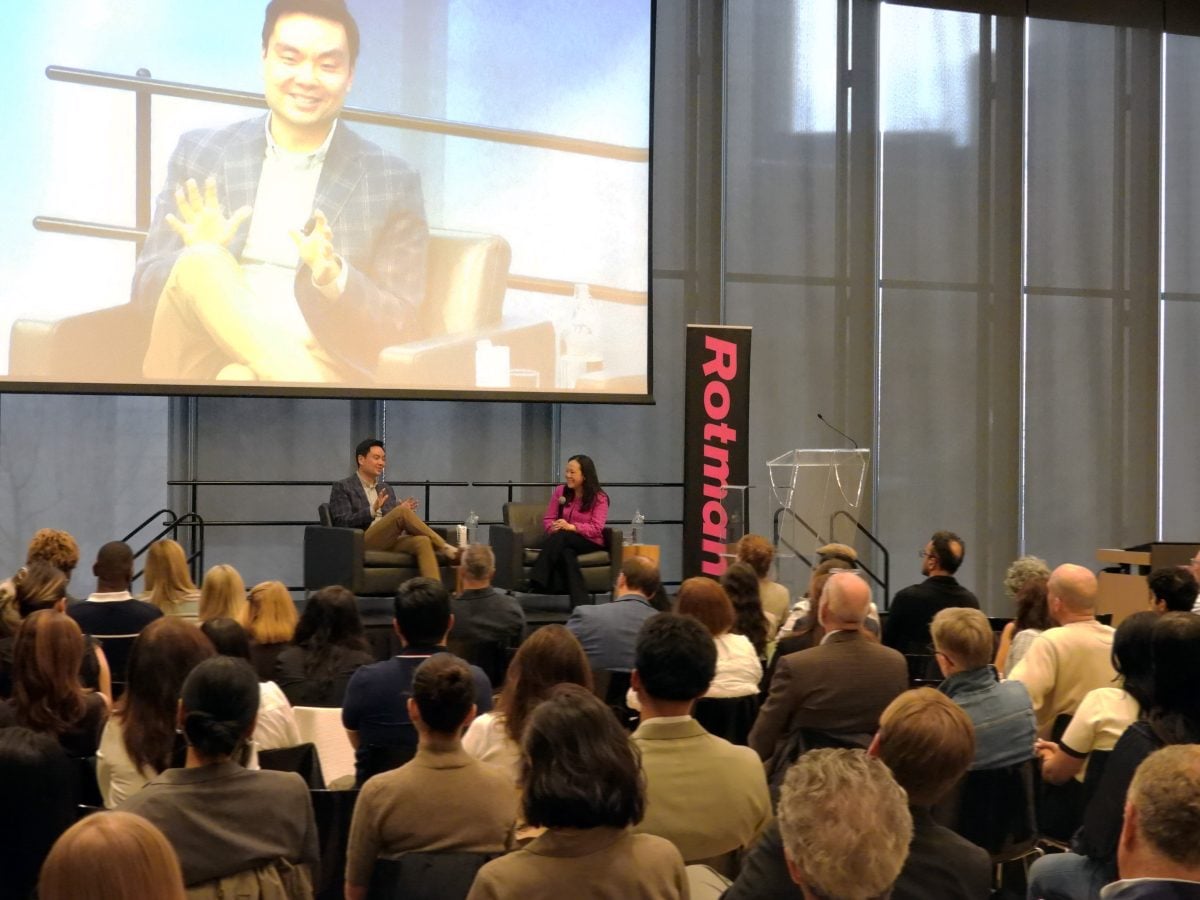
Retail leaders from across Canada gathered at the Rotman School of Management at the University of Toronto on April 15 for an evening of discussion focused on the evolving dynamics shaping the industry. Hosted by Retail Insider, the event marked the publication’s first in-person gathering and brought together executives and industry professionals for a series of fireside conversations examining retail strategy in Canada.
The program centered on how retailers are navigating a period defined by shifting consumer behaviour, economic pressure, and rapid technological change. Throughout the evening, speakers returned to a common theme: retail is becoming more complex, more competitive, and increasingly dependent on execution across multiple fronts.
As noted in the opening remarks, the ability to anticipate change is becoming critical as retailers respond to ongoing uncertainty in the global and domestic environment.
Retail Strategy in Canada Becoming More Demanding
A consistent message across all discussions was that the expectations placed on retailers have intensified significantly. Consumers are more informed, more selective, and increasingly value-driven in how they spend.
David Lui, CEO of Kit and Ace and co-founder of Unity Brands, emphasized that the pace of change has accelerated, with retailers needing to continuously adapt to new conditions.
“Retail is changing every day,” he said, noting that the industry has become more demanding across product, experience, and marketing. “There really is no channel anymore. It’s one.”
This convergence of physical and digital retail reflects a broader shift in how consumers engage with brands. Rather than thinking in terms of channels, retailers must now deliver a consistent experience across all touchpoints.
At the same time, Lui highlighted that consumers are becoming more intentional in their spending. While economic pressures remain top of mind, shoppers continue to prioritize quality and value, often choosing fewer but better purchases.
Walmart Canada Focuses on Price, Assortment, and Trust
Andrew Go, Vice President of eCommerce and Marketing at Walmart Canada, outlined a structured approach to retail strategy that centers on four key pillars: price, assortment, experience, and trust.
For Walmart, maintaining an everyday low price model remains foundational. Go explained that consistency in pricing builds long-term customer confidence and reduces reliance on promotional cycles.
“Price is a cornerstone of who we are,” he said, adding that trust is built through consistent delivery over time .
Beyond pricing, Walmart continues to invest in expanding its assortment and strengthening its omnichannel capabilities. The company’s ability to integrate physical stores with digital infrastructure has become a key competitive advantage, particularly as it leverages its national store network to support rapid fulfillment.
Go also highlighted the role of technology, including artificial intelligence, in improving operational efficiency and enhancing decision-making. From supply chain optimization to personalized customer experiences, these tools are increasingly embedded across the business.
At the same time, he emphasized that technology remains an enabler rather than a replacement for human insight, describing Walmart as a “people-led, tech-powered” organization.
Sleep Country Expands Beyond Traditional Retail Model
Jean Vashisht, Vice President of Business Development at Sleep Country Canada, provided insight into how the company has evolved beyond its traditional identity as a mattress retailer.
Over the past several years, Sleep Country has expanded into a portfolio of brands, including Endy, Hush, Silk & Snow, and Casper, reflecting a broader strategy focused on building a sleep ecosystem rather than a single-category business.
“There’s so much more to the business now,” she said, pointing to the company’s growth across both direct-to-consumer and physical retail channels .
A key driver of this strategy is the repositioning of sleep as a core component of overall health and wellness. As consumer awareness increases, retailers in the category are responding with more specialized products and differentiated brand positioning.
Vashisht also discussed the operational complexity of scaling digital-first brands into physical retail environments. While e-commerce provides speed and reach, brick-and-mortar retail introduces additional layers of infrastructure, merchandising, and customer experience that require careful execution.
Brand Building and Product Strategy Driving Growth
For Lui, brand building remains central to long-term success, particularly in categories such as apparel where competition is intense and differentiation is critical.
Following the acquisition of Kit and Ace, Lui and his partners focused on rebuilding the brand through product improvement and repositioning. He noted that while the brand retained strong recognition, it required significant changes in design, merchandising, and overall execution to meet customer expectations.
The company has since expanded its strategy through Unity Brands, which is building a portfolio of retail concepts including Mastermind Toys and Quebec-based Coco Village.
This approach reflects a broader trend toward consolidation and platform-based growth, where operators leverage shared capabilities across multiple brands.
Lui emphasized that successful brand development begins with product quality, rather than relying heavily on marketing spend.
“We believe brand does not start with paid media,” he said. “It comes from getting the product right.”

Physical Retail Continues to Play a Critical Role
Despite ongoing investment in digital channels, speakers consistently reinforced the importance of physical retail.
Stores are increasingly viewed as spaces for engagement, discovery, and relationship-building rather than purely transactional environments. This shift is influencing how retailers design stores, train staff, and integrate in-person experiences with digital capabilities.
Lui noted that in-store interactions often lead to higher conversion rates and stronger customer relationships, particularly when staff are able to provide personalized service.
Similarly, Walmart’s investment in new stores and infrastructure highlights the continued relevance of physical retail as part of an integrated network.
Consumer Behaviour Reflects Trade-Offs and Prioritization
Across categories, consumers are making more deliberate choices about where and how they spend.
While value remains a key consideration, speakers noted that shoppers are not exclusively trading down. Instead, many are reallocating spending toward products that deliver perceived quality, longevity, or personal value.
This dynamic is creating opportunities for retailers positioned at both ends of the market, while increasing pressure on those in the middle.
For premium and differentiated brands, the focus is on reinforcing value through product, experience, and brand storytelling.
Retail as a Career and Industry Opportunity
The evening also touched on the role of retail as a career path, particularly for students and emerging professionals.
Lui emphasized that retail offers a unique environment for learning, combining elements of operations, marketing, customer engagement, and strategy.
“Retail is one of the most fascinating industries,” he said, noting that it provides exposure to a wide range of business functions and real-world challenges .
Industry Outlook Points to Continued Evolution
The discussions at the Rotman event underscored a retail industry that is actively evolving rather than stabilizing.
Retailers are navigating a landscape shaped by economic uncertainty, technological advancement, and changing consumer expectations. Success increasingly depends on the ability to execute across multiple dimensions, from pricing and product to experience and operations.
At the same time, the conversations reflected a sense of opportunity. For companies able to adapt and differentiate, the current environment presents a pathway for growth and innovation.
As the industry continues to transform, events such as this highlight the importance of knowledge sharing and dialogue among leaders working at the forefront of Canadian retail. Retail Insider is planning to host its next event September 2026, with details to follow.