Canada’s retail market is resetting as 17 million square feet of space returns to market while consumer demand remains intact, according to Cushman & Wakefield’s Global Cities Retail Guide 2026: Canada.
The report said a major driver of this shift is the closure of Hudson’s Bay Company and its associated retail brands, which has brought back approximately 17 million square feet of space.
This marks one of the largest single increases in availability in recent years and is expected to drive a new cycle of leasing, backfilling and repositioning, according to the report.
Despite this, demand has held. Seasonally adjusted retail sales rose 4.4% year-over-year through November 2025, with discretionary categories continuing to outperform, it said.
“Canada’s retail market is moving through a supply-led reset, but demand has not broken,” said Cameron Martin, Cushman & Wakefield Research Manager, Canadian Markets. “Large blocks of space have returned to the market, creating a more complex leasing environment where performance will diverge more clearly by location and format.”

That divergence is most visible in food and beverage, which has become a primary driver of retail traffic and leasing activity across major markets, he said.
“Food and beverage is the clearest signal of where demand is going,” said Martin. “Consumers are still spending, but they are prioritizing experience, frequency and value. That is driving expansion in quick-service and premium casual formats, while full-service operators are adjusting to tighter margins and more selective demand.”
According to the report, nationally, rising costs are reinforcing that shift. Food inflation reached 6.2% year-over-year in December 2025, with restaurant prices up 8.5%, placing pressure on full-service operators and accelerating demand toward more price-conscious formats.
The report said 2026 is expected to mark a normalization phase for the sector. Slower population growth tied to reduced immigration targets, alongside a cooling labour market, is likely to moderate the pace of expansion.
“2026 is not a contraction year. It is a normalization phase,” added Martin. “Growth continues, but it becomes more disciplined. Retailers are more selective, operators are more cautious, and landlords will need to work harder to reposition space that no longer fits the market.”
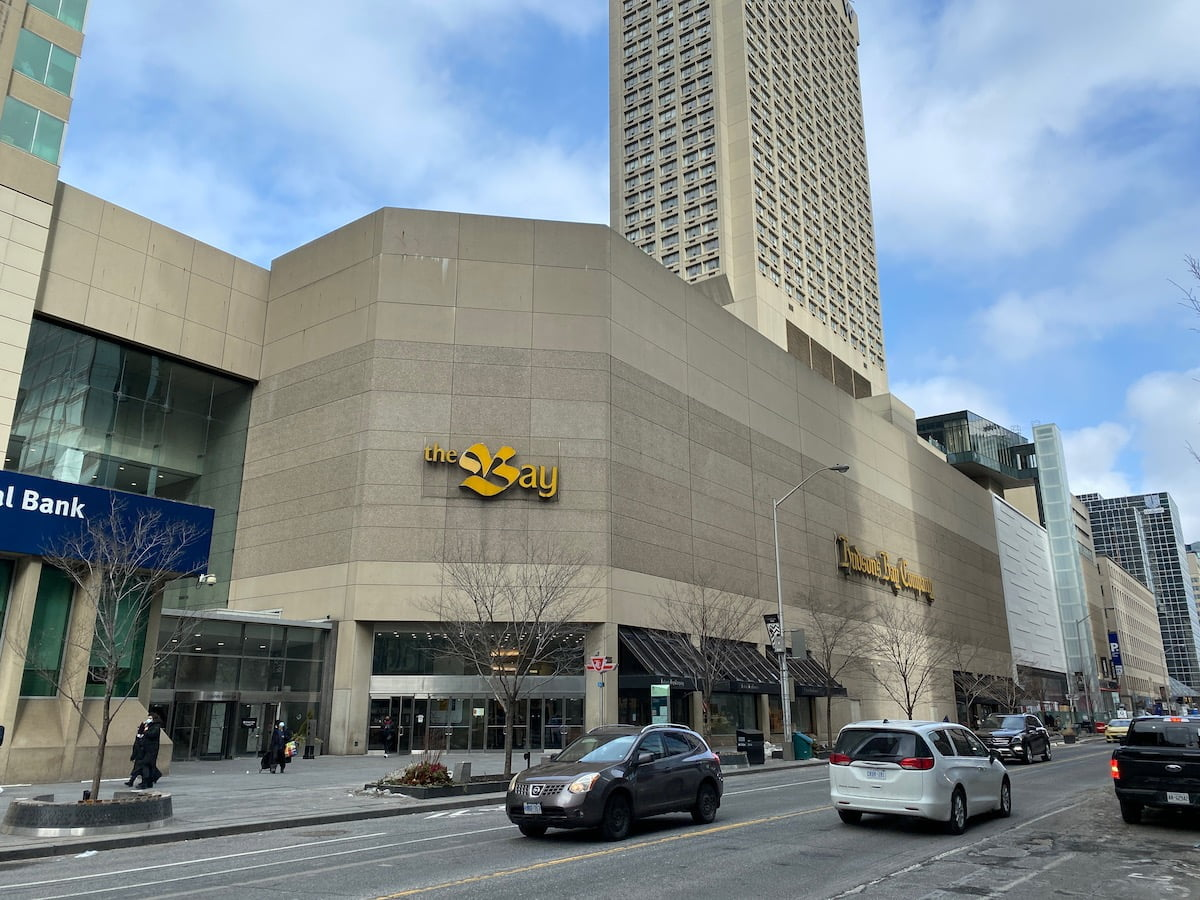
Toronto: Food and Beverage Leads New Openings as Demand Remains Strong
Cushman & Wakefield said Toronto continues to anchor national retail performance, supported by a large, diverse population and sustained tourism. The market generates approximately $11.5 billion in monthly retail sales, underscoring the depth of its consumer base.
“Food and beverage remains one of the strongest drivers of activity, accounting for a significant share of new openings and consistently outperforming traditional retail categories. Growth is increasingly tied to mixed-use and neighbourhood retail, reflecting a market that is distributed across multiple high-performing corridors rather than a single dominant core,” it said.
“At the same time, post-pandemic pressures are driving more selective expansion, with operators focusing on fewer, higher-quality locations and reinforcing a more balanced tenant-landlord dynamic across the market.”
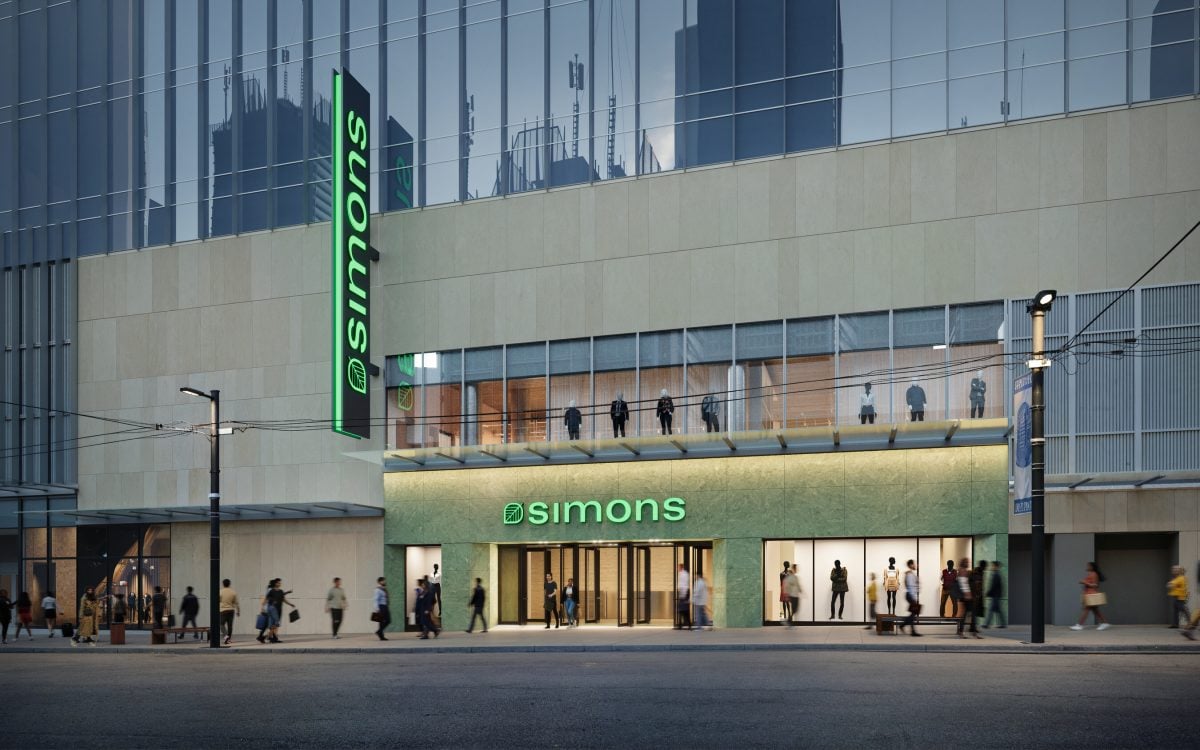
Vancouver: Dining and Premium Retail Concentrated in High-Traffic Urban Corridors
Cushman & Wakefield said Vancouver remains one of the most competitive retail markets in North America, supported by strong tourism, high incomes and limited new supply.
“Food and beverage plays a central role in retail performance, acting as a primary driver of foot traffic across high streets, mixed-use districts and neighbourhood retail nodes. Demand continues to concentrate in premium casual, health-focused and experiential concepts that align with the city’s walkable neighbourhoods,” it said.
“Retail and dining are increasingly integrated within new developments. Projects such as Oakridge Park, which will include a 51,000-square-foot curated food hall, reflect a broader shift toward experience-led retail environments.”
More from Retail Insider: