Prévoir, a Canadian fashion-tech startup, recently closed its pre-seed funding round as it continues to onboard more Canadian and US retailers onto its platform.
Calgary-based founder, Courtney Kos, launched the AI-powered merchandising platform that connects directly to Shopify with a launch in the app store late last year, allowing brands to download directly from Shopify.
It extracts detailed product attributes from a brand’s product images, such as colour and fabric, and pairs them with sales data to reveal which styles and design elements perform best. The result is a visual, interactive tool that helps merchandisers make faster, smarter decisions, and at a lower cost.
For a fashion brand, it enables their team to quickly determine what to reorder, mark down, rebalance, or create across pre-season planning, in-season trading and post-season learning.
Many retailers aren’t lacking data, but are still making assortment decisions manually or based on instinct. What’s changing is the ability to quickly understand which product attributes are actually driving sell-through, and act on that much faster.
“The name is French. It means to predict in French. I tried to pick a name that sounded elevated and lends itself well to fashion, but also could apply to other verticals at some point if we ever wanted to expand the business into, say, for example, the beauty industry or something like that. So I wanted it to sound fashionable, but not too niche,” explained Kos.
“So Prévoir is an app that helps fashion merchandisers who need clear insights on product performance by analyzing and augmenting their sales data using AI. And we present it in very fashion-specific workflows.
“We’re helping fashion merchandisers make faster and better-informed decisions . . . There are many ways that you can integrate AI into a fashion business. The way that we do it is we’re helping fashion brands use data that they already have and augmenting it with AI. So we take their sales data, which they already have and already own in their Shopify system. We partner with brands that are within Shopify, and then what we do is we basically use AI to look at it and we pull attributes.”
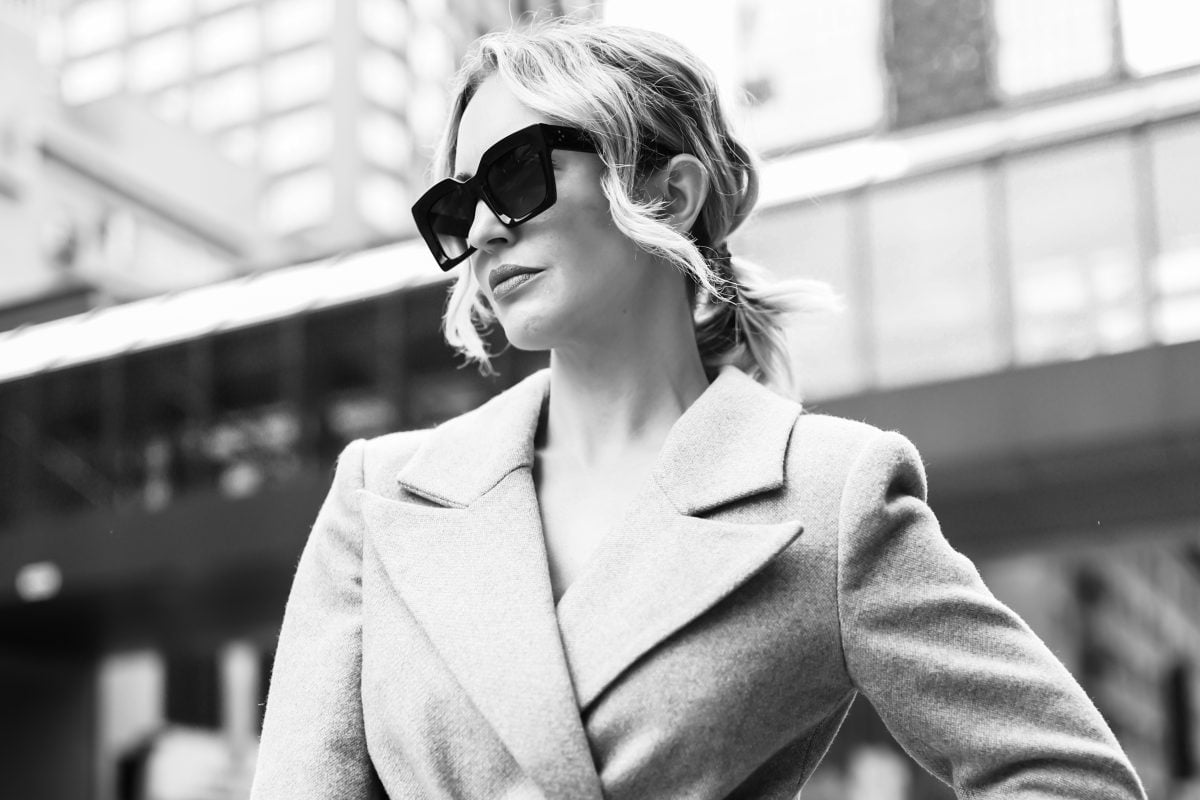
Kos said the data is able to tell merchandisers what kinds of attributes perform best for them and what kinds of attributes they should maybe stay away from so that they can help plan better for the future whether that’s designing new products or buying products if you’re a multi-brand type of business.
Kos said the recent pre-seed funding raised $750,000. The company has also raised some grant money as well, including a $50,000 grant from Alberta Innovates.
“We’re using it primarily on people to build the app or continue refining what we’ve already built. We have a software team. It’s also going to help us get better access to our market. We’ve tested a lot of the ways that we can reach out to our market to let them know what Prévoir is and how it can help them,” added Kos.
“We have a good idea of how to reach them and things that work well and things that don’t work well. What we’ve found works really well is having us in person actually spending time with fashion brands. It’s much more useful for me to go to markets like New York or LA and spend time with fashion brands, host events there, or attend events, as opposed to running a LinkedIn campaign, for example. That doesn’t really get us anywhere.
So it’s really about continuing to build a better app, because these products are never done. You’re always building and making them better than they were yesterday, and just getting out to our market and building the business.

A few years ago, Kos had a small store on 17th Ave. SW, in Calgary selling wedding gowns and evening dresses. She experienced firsthand just how hard it is to manage inventory for a fashion company. That is the primary struggle that just never seems to get easier.
“Back then, I lived that firsthand and started to wonder if there would be a better way to use internal data that you already have to make better buys, to choose better products, and hopefully just make that inventory management easier. So that was a small seed a very long time ago,” she said.
“Then fast forward to 2019 to 2021, I completed my MBA in England, and in my final research dissertation, I focused on data-driven product development for fashion brands. I read a lot of really interesting case studies of how other industries were using data to create better products—whether that’s the film industry. I read some interesting case studies about Nike and Gap, just better utilizing their data and gathering new, interesting data in creative ways to help with product refinement.
“I ended up doing a six-month research project on the topic, with real intentions of creating a business at the time, and that’s clearly what’s happened.”
More from Retail Insider: