Primaris REIT is advancing a significant strategy to repurpose large-format retail space across its portfolio, positioning former department store locations as a key driver of future growth. Insights shared during the company’s recent annual meeting and analyst call reveal how the landlord is actively redeploying space vacated by legacy anchors into higher-performing uses, reflecting a broader structural shift in Canadian retail real estate.
Executives speaking on the call framed the transition in stark terms. “The departure of Hudson’s Bay is the best thing that has happened to Primaris in many, many years,” said Primaris CEO Alexander Avery, pointing to the removal of long-standing lease restrictions and the ability to fully reposition large-format space. The comments were made during the REIT’s annual meeting and analyst call, underscoring how dramatically sentiment has shifted around the role of traditional department store anchors from years past.

Anchor Closures Unlock Flexibility Across the Portfolio
The exit of Hudson’s Bay Company in 2025 marked a turning point for landlords across Canada, many of whom had already been contending with years of anchor erosion following the collapse of Sears Canada and earlier disruptions tied to Target’s failed expansion into the country.
For Primaris, the departure of Hudson’s Bay has removed restrictions embedded in legacy leases, including limitations on redevelopment and site configuration. As a result, the REIT now has significantly greater flexibility to reconfigure space in ways that better align with modern retail demand.
Rather than attempting to replace department stores with similar formats, Primaris is pursuing a more diversified tenant mix, reflecting the growing importance of mid-sized retailers, service-oriented uses, and more flexible store formats within enclosed shopping centres.
$175 Million to $225 Million Redevelopment Program Targets Former Bay Stores
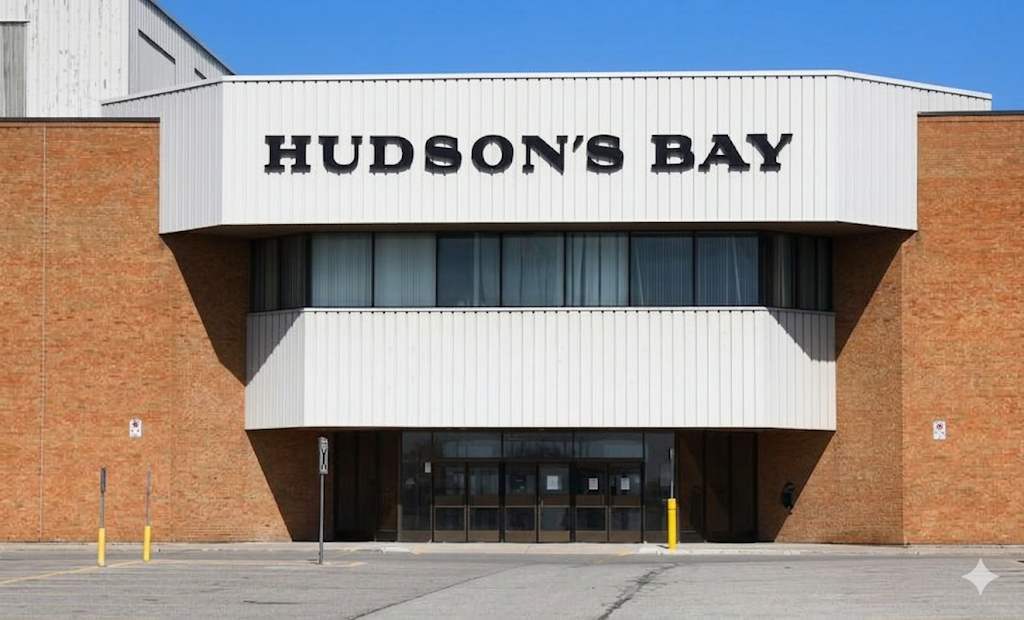
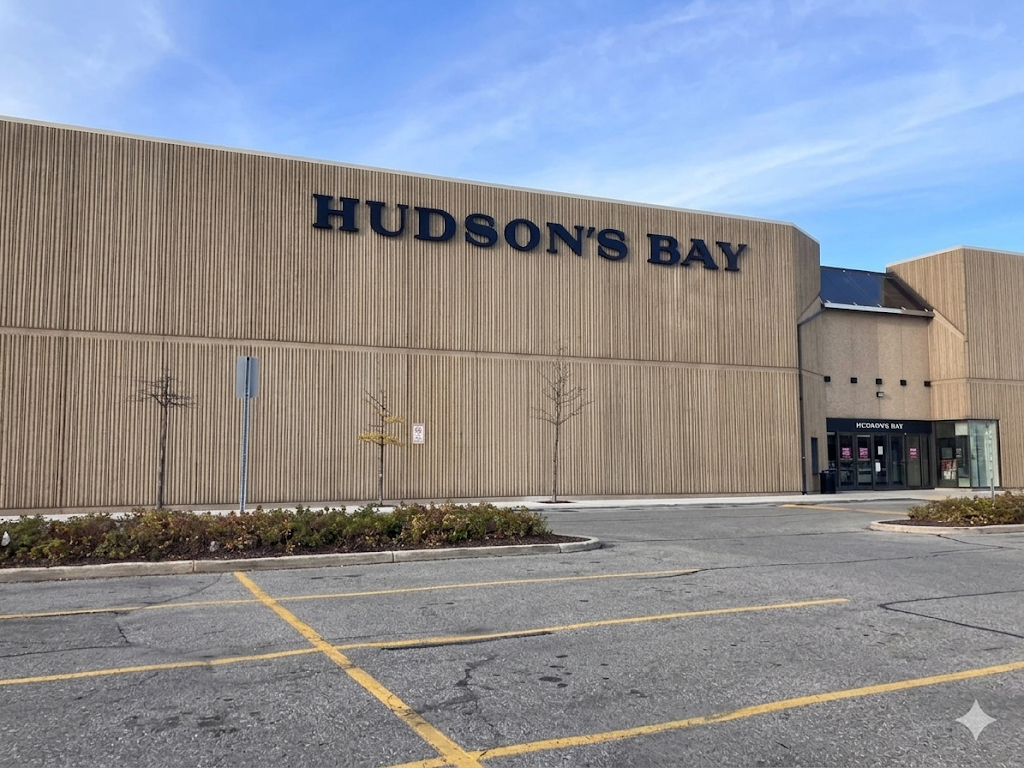
Primaris is now deploying between $175 million and $225 million to reposition 11 former Hudson’s Bay locations across its portfolio, with targeted returns of 8 percent to 10 percent. The scale of the investment highlights how landlords are increasingly taking an active role in reshaping their properties rather than waiting for traditional anchors to return.
The REIT’s approach reflects a structured response to a challenge that has emerged across the country. Across its portfolio, Primaris is actively repositioning former department store space, with redevelopment activity already underway in select locations as large-format retail is reconfigured for new uses.
A New Playbook for Repurposing Large-Format Retail Space
During the call, Avery outlined a flexible, market-driven approach to repurposing former anchor boxes, emphasizing that each asset is being evaluated individually to “maximize the value and appeal of the shopping centre.”
In some cases, Primaris is backfilling space with a single large-format tenant, including retailers such as Canadian Tire, Walmart, or Loblaw. In others, the REIT is subdividing space to accommodate multiple mid-sized tenants, with examples including Mark’s, Sport Chek, and Winners/Marshalls.
In select high-demand locations, the strategy extends further, with full reconfiguration of the space into smaller-format stores through the extension of internal mall corridors. This approach allows for a more granular merchandising mix and aligns with retailer demand for smaller footprints in dominant centres.
The shift reflects a broader move across the industry toward maximizing productivity per square foot while reducing reliance on single-anchor tenants.
Rising Productivity and Leasing Demand Support Strategy
Primaris pointed to significant improvements in tenant performance across its portfolio as evidence that the repositioning strategy is already delivering results. Aggregate tenant sales have grown from approximately $1.7 billion in 2022 to $3.6 billion today, while average sales per square foot have increased from the low $500 range to more than $800.
At the same time, leasing activity has accelerated, with the REIT noting that its teams are operating at elevated levels to keep pace with demand. “Our leasing team has been operating at about 150 percent capacity,” Avery said, highlighting the intensity of activity across the portfolio.
The performance aligns with Primaris’ broader acquisition strategy, which has focused on dominant regional shopping centres. At Lime Ridge Mall in Hamilton, for example, tenant sales productivity was already exceeding $800 per square foot prior to its acquisition, reinforcing the REIT’s focus on high-performing assets.
Beyond Retail: Unlocking Value From Excess Land
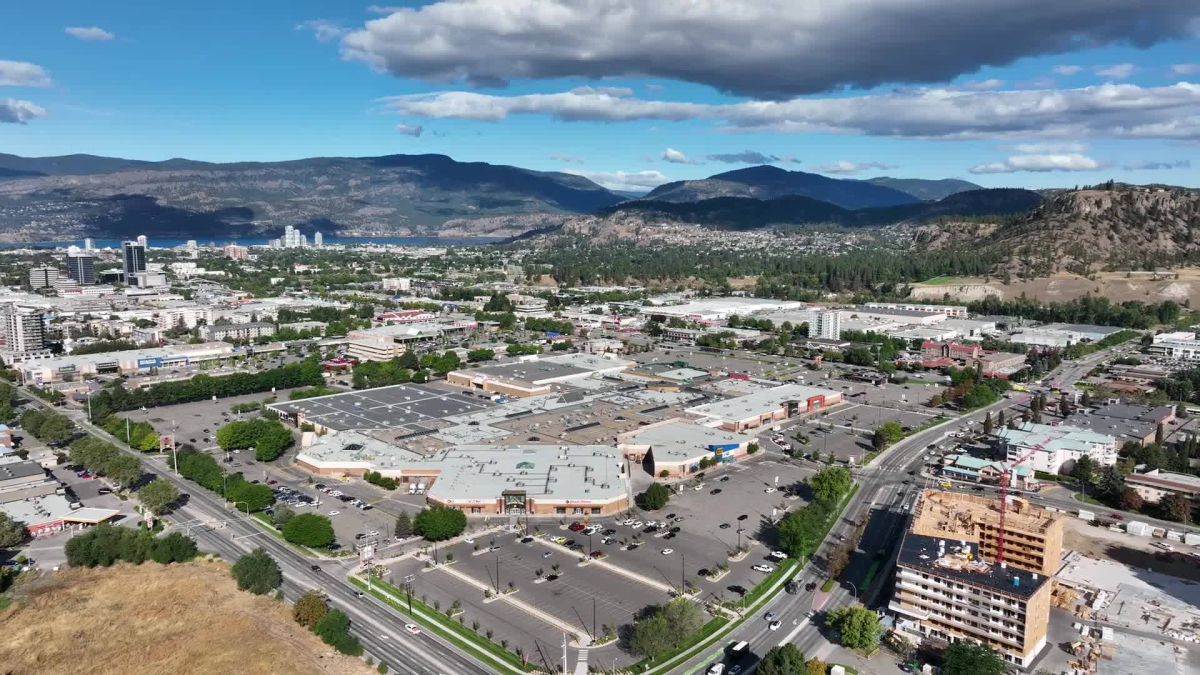
In addition to repositioning existing retail space, Primaris is also advancing a longer-term strategy to unlock value from its underlying land holdings. The REIT controls approximately 1,400 acres of land across Canada, with an estimated 400 acres identified as excess to core mall operations.
These lands present opportunities for intensification, including the potential for additional retail, residential, or mixed-use development over time. While such projects are expected to unfold over a longer horizon, they represent a significant embedded value component within the portfolio.
Avery emphasized the strategic importance of these assets, noting that malls occupy large, centrally located parcels that are increasingly difficult to replicate. “Malls are fabulous real estate… nearly impossible to develop in built-up urban locations,” he said, pointing to the long-term scarcity value of these sites.
A Structural Shift in Canadian Mall Strategy
Primaris’ repositioning strategy reflects a broader evolution in how shopping centre owners are managing their assets in a post-department store environment. Rather than viewing anchor closures as a loss, landlords are increasingly treating them as an opportunity to modernize their properties and improve overall performance.
While other major landlords, including Cadillac Fairview and Oxford Properties Group, have also advanced redevelopment and intensification strategies, Primaris’ current program highlights the extent to which the industry has shifted from reactive to proactive asset repositioning.
As outlined in the company’s annual meeting and analyst call, the transformation of large-format retail space is now central to the future of enclosed shopping centres in Canada. Former department store locations, once seen as essential anchors, are increasingly being reimagined as flexible, high-value components of a more diversified retail ecosystem.