High shopping centre productivity does not happen by accident. At Cadillac Fairview, it is the result of a deliberate strategy that combines scale, tenant curation, and continuous reinvestment.
While industry data highlights strong performance across the company’s portfolio, the underlying drivers of that performance point to a broader operating model that is increasingly shaping the Canadian retail landscape.
A Built-In Traffic Engine
One of the foundational elements of Cadillac Fairview’s approach is accessibility. The company’s portfolio is positioned to capture a large share of Canadian consumer traffic, creating a strong base for retail activity.

“We own 14 shopping centres across Canada, and 38 percent of Canadians live within a 20-minute drive to one of our shopping centres,” said Lillian Tummonds, Senior Vice President of Retail Operations. “That’s a huge driver of traffic to our properties.”
This proximity creates a consistent flow of visitors, which in turn supports tenant sales and overall productivity.
Tenant Mix as a Dynamic Strategy
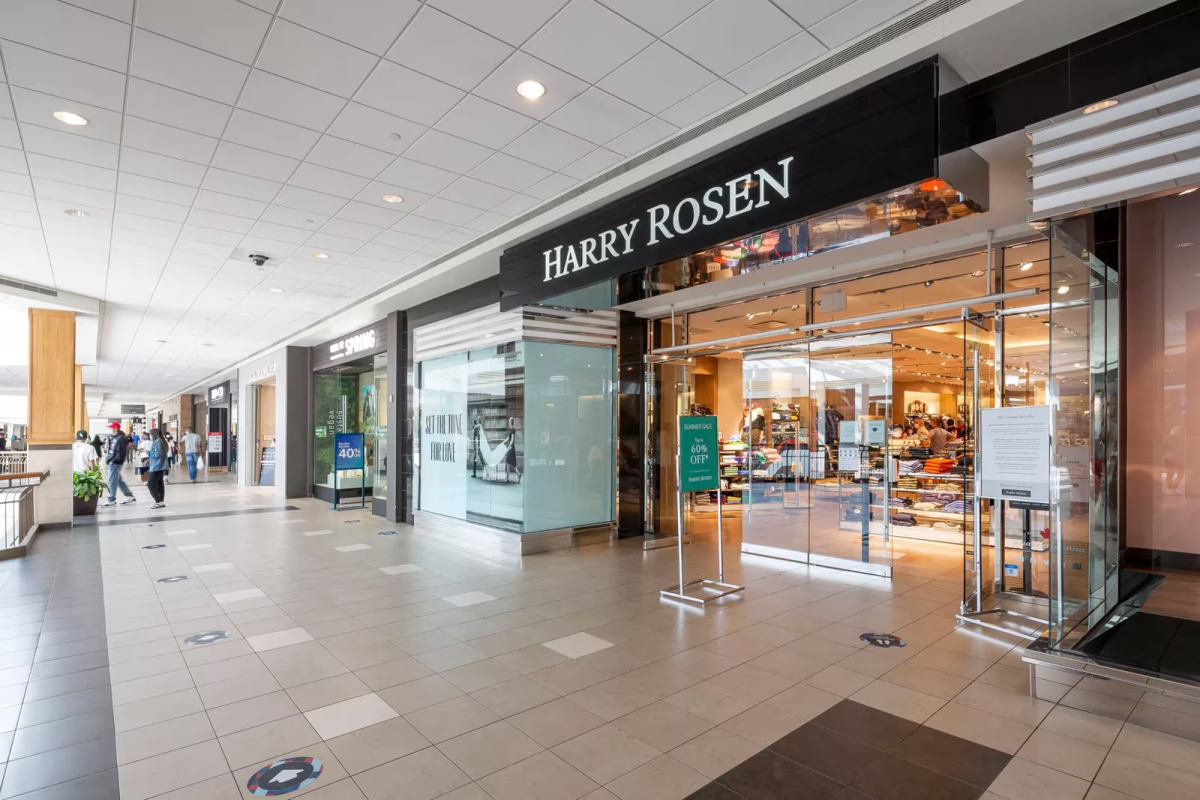
Cadillac Fairview’s leasing approach is to continuously evolves its tenant mix to reflect changing consumer preferences, treating curation as an ongoing process rather than a one-time decision.
“We’re always evolving our retail mix,” said Tummonds. “We’re focusing on what our consumers are telling us, what they need and what they’re looking for.”
Recent activity across the portfolio reflects this strategy. Large-format spaces are being repositioned with multiple tenants, while new brands and concepts are introduced to align with shifting demand. The result is a retail environment that remains current and responsive rather than fixed.
Experience and Dwell Time as Performance Drivers
Beyond traditional retail, Cadillac Fairview is increasingly focused on how customers engage with its centres. A key metric in this approach is dwell time, or how long visitors stay within a property.
“I think another part of things that we look at is dwell time,” said Tummonds. “That speaks to experiences. Putting a café in there just improves that dwell time. People spend a little bit more time there, have a beverage, have an experience.”
This reflects a broader industry shift, where shopping centres are designed as destinations that combine retail, dining, and social interaction. Longer visits can translate into higher spending and stronger tenant performance.
Core Metrics Still Guide Decision-Making
While experience is becoming more important, Cadillac Fairview continues to rely on core performance metrics to guide its business.
“I would say those are probably the two predominant KPIs that we look at,” said Tummonds, referring to sales per square foot and traffic.
These metrics remain central to leasing decisions and capital allocation. At the same time, the addition of measures such as dwell time provides a more nuanced understanding of how customers interact with retail environments.
Adapting to Retail’s Evolution
The company’s strategy is also shaped by broader changes in retail. The growth of e-commerce has not reduced the importance of physical stores, but it has changed how they are used.
“People have come back to the malls,” said Tummonds. “Retail is here to stay.”
Retailers are increasingly investing in physical locations that serve multiple functions, from brand building to fulfilment. This includes both established brands and digitally native retailers expanding into brick-and-mortar formats.
Continuous Reinvestment Supports Long-Term Performance
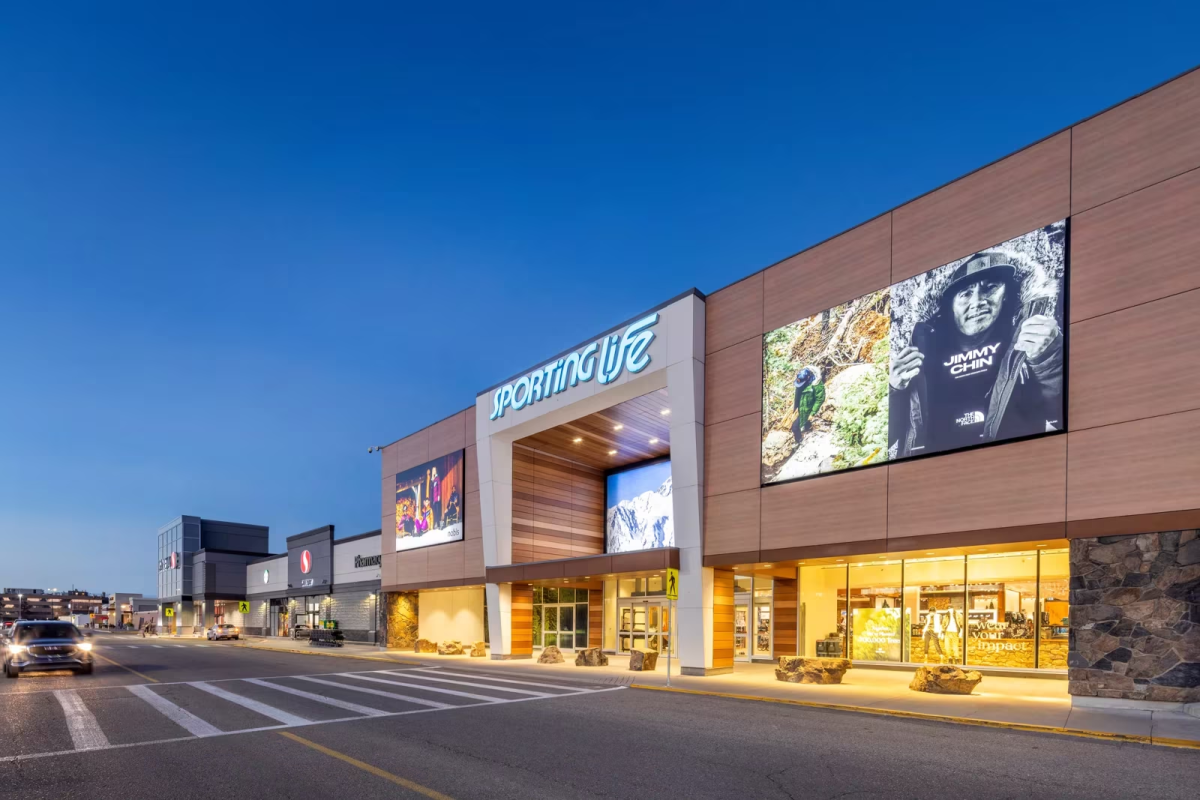
Sustaining productivity requires ongoing investment. Cadillac Fairview continues to upgrade its properties and refine its tenant mix to maintain relevance in a competitive market.
“We continue to reinvest in them from capital upgrades and ensuring that the centres are looking and feeling great,” said Tummonds.
This approach allows the company to respond to changing expectations while preserving the long-term value of its assets.
A Designed Approach to Performance
The performance of Cadillac Fairview’s shopping centres reflects a combination of deliberate decisions rather than a single factor. Accessibility, tenant mix, experience, and investment all work together to create environments where retailers can succeed.
As the retail landscape continues to evolve, this kind of structured, adaptable approach is likely to play an increasingly important role in determining which shopping centres remain competitive.