Toronto was still finding its identity in 1986.
The city had not yet developed the international reputation it holds today for luxury dining, nightlife, entertainment, and large-scale hospitality experiences. Much of the hospitality landscape remained traditional and fragmented, with restaurants, bars, and nightlife venues operating separately from one another. The Entertainment District was still in its early stages, downtown warehouse conversions had only begun to emerge, and the Toronto International Film Festival had yet to transform into the global cultural event that would eventually reshape how the city presented itself to the world.
That same year, Nick Di Donato and Pat Di Donato opened P.M. Toronto, the first venue under what would eventually become Liberty Entertainment Group. Over the next four decades, the company would grow alongside Toronto itself, helping pioneer a more immersive, design-driven style of hospitality centred around atmosphere, entertainment, architecture, and social experience long before terms such as “lifestyle hospitality” and “experiential dining” became widely used across the industry.
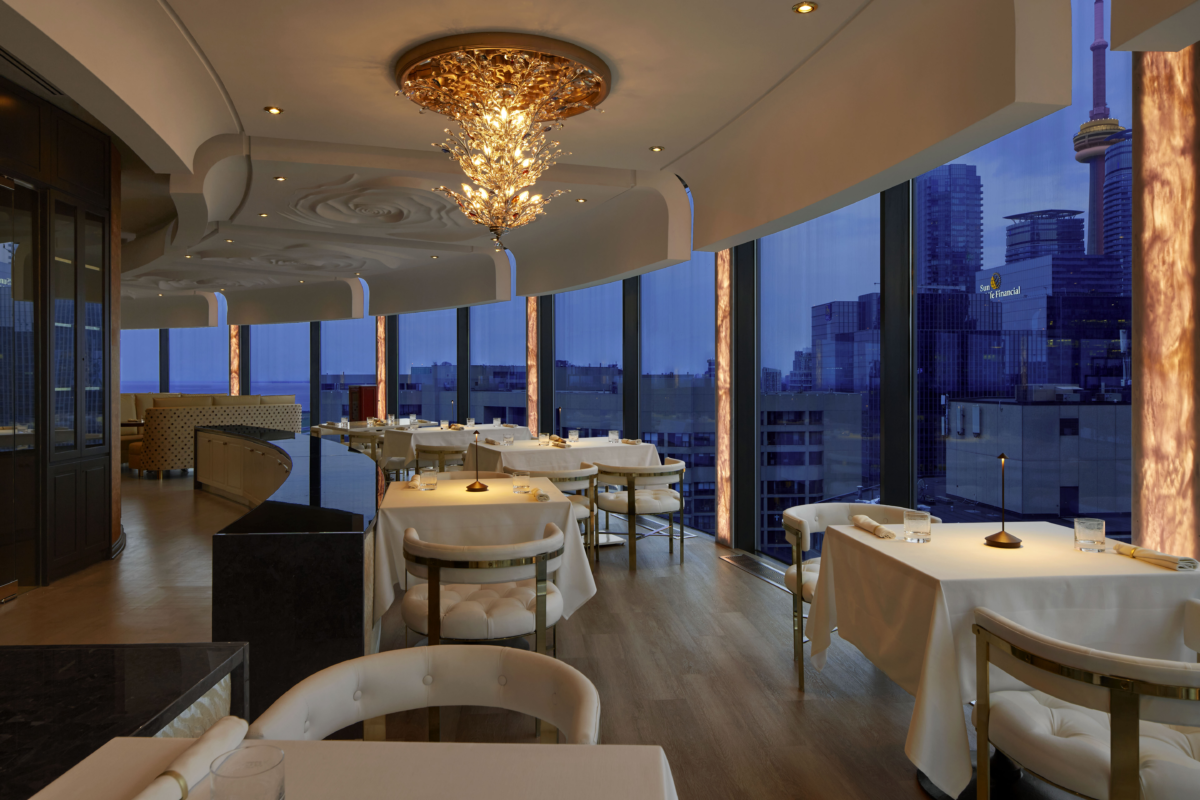
Today, Liberty Entertainment Group’s portfolio includes Casa Loma, Liberty Grand Entertainment Complex, Don Alfonso 1890 Toronto, DaNico, Cibo Wine Bar, Blue Bovine Steak + Sushi House, Bovine Wine Club, Paris Texas, and Martucci Miami.
More significantly, the company helped shape many of the hospitality formats and social environments that later became synonymous with Toronto’s rise as a more cosmopolitan and internationally connected city.
A Changing City and a New Style of Hospitality
During the 1990s and early 2000s, Toronto entered a period of rapid urban and cultural transformation.
Former warehouse and industrial districts were evolving into entertainment corridors, downtown intensification accelerated through condominium development, and the city’s financial, fashion, media, and cultural sectors were becoming increasingly international. Toronto was also gaining confidence in its identity as a global city, supported by growing tourism, expanding luxury retail, and the rising international influence of TIFF.
Liberty Entertainment Group became one of the hospitality operators helping define that era.
One of the company’s most influential projects was the Rosewater Supper Club, which opened in 1996 inside a restored 19th-century heritage building. At a time when Toronto still lacked many sophisticated nightlife environments, Rosewater introduced a different type of social experience, blending dining, music, nightlife, dramatic interiors, and late-night culture within a multi-level heritage setting illuminated by candlelight and theatrical design.
The venue quickly became associated with Toronto’s corporate, entertainment, fashion, and media scenes during an era when the city was becoming more globally connected and culturally ambitious. Rosewater helped establish the idea that hospitality could function as social theatre, where atmosphere and experience carried as much importance as food and beverage itself.
That approach later became common across major North American cities, though Liberty Entertainment Group was among the earlier operators helping establish the model in Toronto.
The company also contributed to the growth of Toronto’s Entertainment District through venues such as the Phoenix Concert Theatre, which became part of the city’s expanding live entertainment and nightlife ecosystem.
Before that period, much of Toronto nightlife was divided between conventional bars and grittier club environments. Liberty Entertainment Group helped introduce a more polished and professionally managed hospitality model that raised expectations around design, guest experience, atmosphere, and large-scale venue execution throughout the industry.
Reimagining Heritage Buildings as Social Destinations
Adaptive reuse became another defining aspect of the company’s evolution.
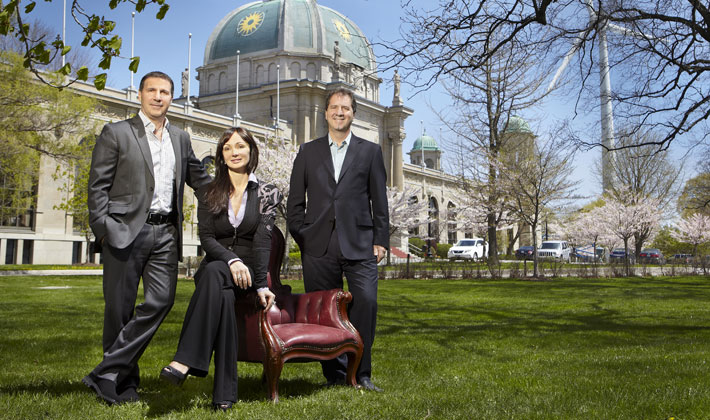
With a background in engineering, Nick Di Donato developed a reputation for recognizing long-term potential in large and often underutilized heritage properties. Rather than focusing solely on conventional restaurants or standalone nightlife venues, Liberty Entertainment Group increasingly pursued ambitious projects connected to architecture, tourism, entertainment, and placemaking.
That philosophy became particularly visible in 2001, when the company transformed the long-vacant Ontario Government Building at Exhibition Place into the Liberty Grand Entertainment Complex.
The redevelopment converted the historic Beaux-Arts structure into one of Toronto’s premier event destinations while preserving a significant piece of the city’s architectural heritage. Years before adaptive reuse became a widely embraced urban development trend, the project demonstrated how historic buildings could successfully evolve into large-scale hospitality and entertainment environments.
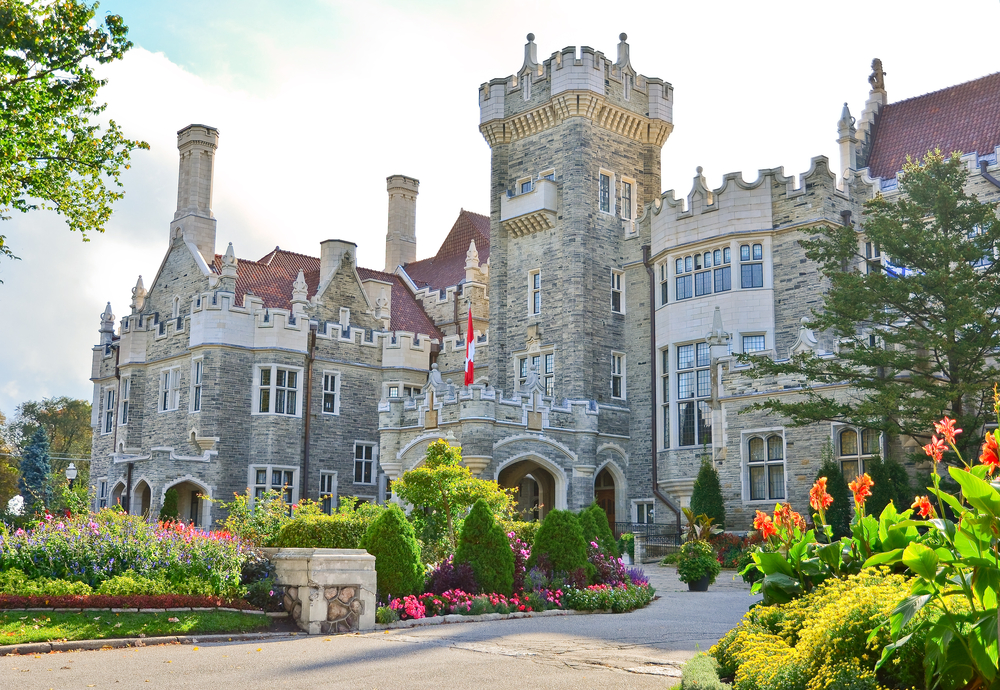
The company later applied a similar philosophy to Casa Loma, helping transform the historic castle into one of Canada’s most recognizable tourism and hospitality destinations.
Once viewed primarily as a seasonal attraction, Casa Loma evolved into a year-round destination featuring concerts, dining experiences, seasonal installations, large-scale public activations, and immersive entertainment programming. Today, the property attracts more than 800,000 visitors annually.
The evolution of Liberty Grand and Casa Loma reflected broader changes occurring across Toronto itself, where hospitality increasingly became intertwined with tourism, culture, placemaking, and experience-driven commerce.
TIFF, Celebrity Culture, and Toronto’s International Profile
By the mid-2000s, Liberty Entertainment Group venues had become closely associated with the glamour and visibility surrounding the annual Toronto International Film Festival.
As TIFF expanded into one of the world’s most influential film festivals, Toronto experienced a surge of international media attention, celebrity activity, luxury sponsorships, and cultural tourism. Each September, downtown streets filled with global entertainment executives, actors, filmmakers, fashion brands, and media organizations as the city increasingly projected the image of a sophisticated international destination.
During that period, Liberty venues regularly hosted studio parties, celebrity gatherings, entertainment industry events, and high-profile corporate activations that became part of Toronto’s evolving social and cultural identity.
For many international visitors, those experiences helped shape their perception of the city during a pivotal period in Toronto’s evolution.
The company’s growth also paralleled the rise of luxury retail, upscale residential development, and highly designed hospitality spaces throughout Toronto. As consumer expectations evolved, the city increasingly embraced environments where atmosphere, design, and social experience became central to dining and entertainment culture.
“People once looked to New York or London to understand where hospitality was going. We believed Toronto didn’t need to follow — it could define its own path and lead that conversation,” said Nick Di Donato in the company’s anniversary announcement. “We’ve always asked what this city deserved — and then built it.”
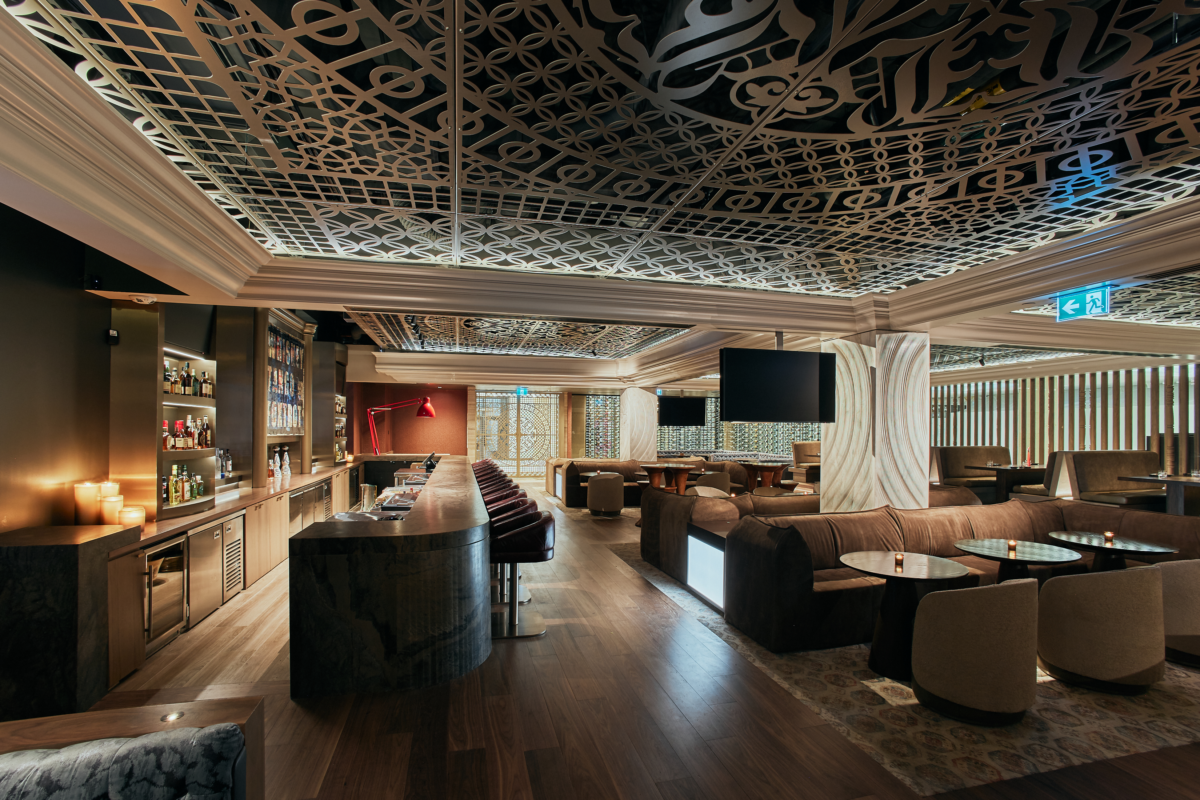
A Legacy Built Around Experience and Atmosphere
Today, Liberty Entertainment Group welcomes approximately 1.75 million guests annually across more than 500,000 square feet of restaurants, nightlife venues, event destinations, and tourism properties.
Recognition from organizations including Michelin, 50 Top Italy, the DiRōNA Award of Excellence, and the World Luxury Awards has further elevated the company’s international profile over the years.
In 2019, Nick Di Donato was also knighted by the Italian government, a distinction rarely awarded outside Italy and seldom within the hospitality industry.
Alongside the company’s operational growth, Nadia Di Donato played a major role in shaping the visual identity and emotional atmosphere behind Liberty’s venues, helping establish a consistent design language across the company’s portfolio over multiple decades.
“Every decade brought a different Toronto, a different guest, and a new definition of luxury,” Nadia Di Donato said in the anniversary announcement. “Our role has always been to stay ahead of that — to understand what people will want before they know it themselves.”
The next phase of Liberty Entertainment Group is also beginning to emerge through Luca Di Donato, representing a new generation of leadership as the company continues expanding domestically and internationally.
Throughout 2026, Liberty Entertainment Group plans to celebrate its 40th anniversary across its venues, including the release of a private-label 2019 Fumanelli Amarone wine commemorating the milestone.
Four decades after opening its first venue, Liberty Entertainment Group’s influence remains deeply embedded within Toronto’s hospitality landscape. From heritage landmarks and entertainment districts to luxury dining rooms and large-scale social destinations, the company helped shape many of the experiences, environments, and gathering places through which Toronto evolved into a more confident and internationally recognized city.