A growing number of jewelry consumers are beginning to ask questions that luxury retailers historically did not hear as often: Where did this stone come from? Why does it cost this much? What gives a piece its value beyond branding alone?
Those changing expectations are reshaping parts of the global jewelry industry as lab-grown diamonds and gemstones continue moving further into the mainstream. Major retailers such as Pandora and Michael Hill have expanded their lab-grown offerings in recent years, while brands such as VRAI have entered the Canadian market with luxury-focused retail concepts, including a Yorkville location in Toronto.
Into that evolving landscape comes Sphinx & Emeralds, a Montreal-based fine jewelry company founded by Kris Arora that blends natural gemstones, lab-grown stones, and genderless design with influences drawn from Jaipur’s centuries-old jewelry craftsmanship traditions.
For Arora, the opportunity lies not only in lab-grown stones themselves, but in a broader shift in how consumers define luxury, value, and emotional connection.
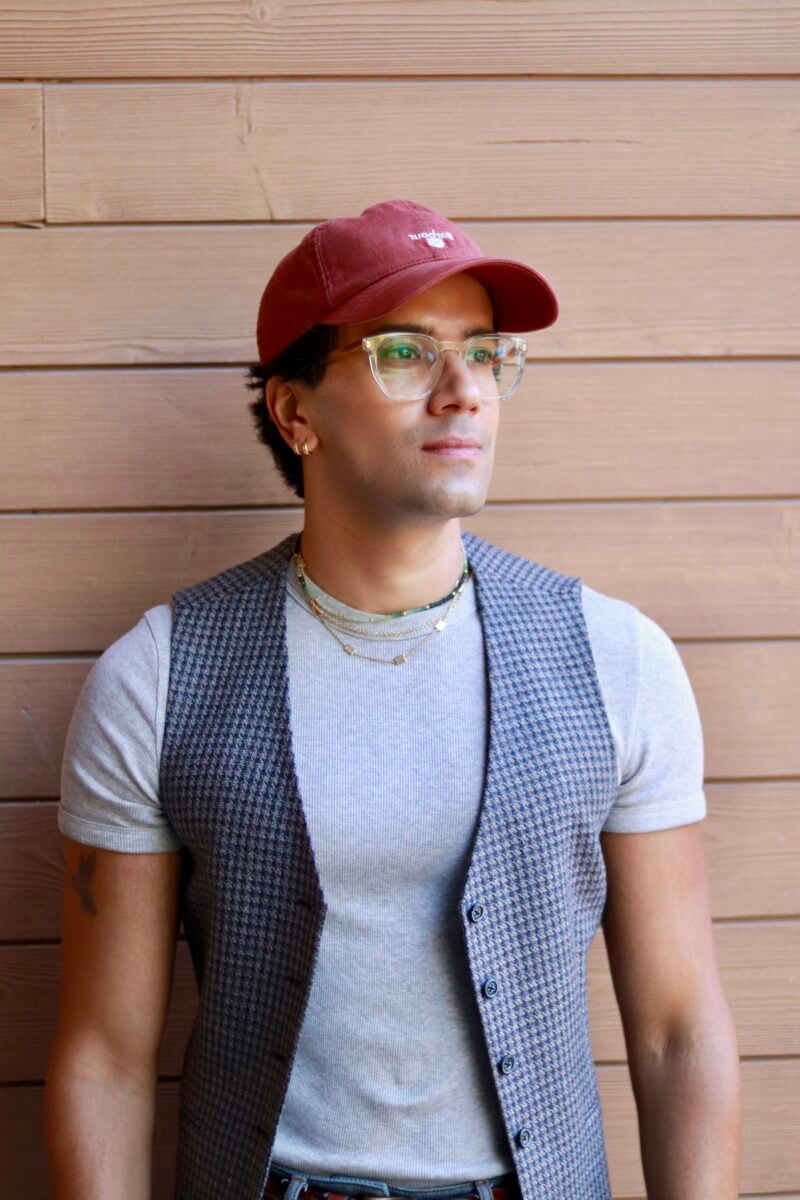
“I still think Canada as a market is in a very early stage,” said Arora. “We’re still in the awareness phase, which is one of the reasons I started Sphinx & Emeralds. I wanted the brand to help move consumers from awareness into consideration and eventually into long-term adoption.”
Jaipur’s Jewelry Heritage Shapes the Brand
Before launching Sphinx & Emeralds in early 2025, Arora worked in marketing while developing a growing interest in gemstones, sourcing, and jewelry design. He said the foundation for the brand traces back to childhood experiences accompanying his mother on jewelry shopping trips.
“My mom always encouraged artistic expression,” said Arora. “She used to take me to jewelry stores and ask which pieces looked best. Even as a kid, I was making jewelry for toys using Swarovski-style beads.”
That early fascination eventually led him to Jaipur, India, a city internationally recognized for gemstone trading, jewelry artisanship, and historic craftsmanship. Arora said trips to Jaipur exposed him to the complexities of sourcing, gemstone grading, and the distinctions between mined, lab-grown, and simulated stones.
The city’s visual identity also became deeply embedded in the brand’s design language. Architectural symmetry, ornamental detailing, palace interiors, and Mughal-era garden layouts all influenced the company’s early collections.
“I wanted to create pieces that feel personal and expressive rather than simply symbolic status products,” said Arora. “A lot of the collection was inspired by Jaipur’s palaces, silhouettes, and architecture, but interpreted in a more modern way.”
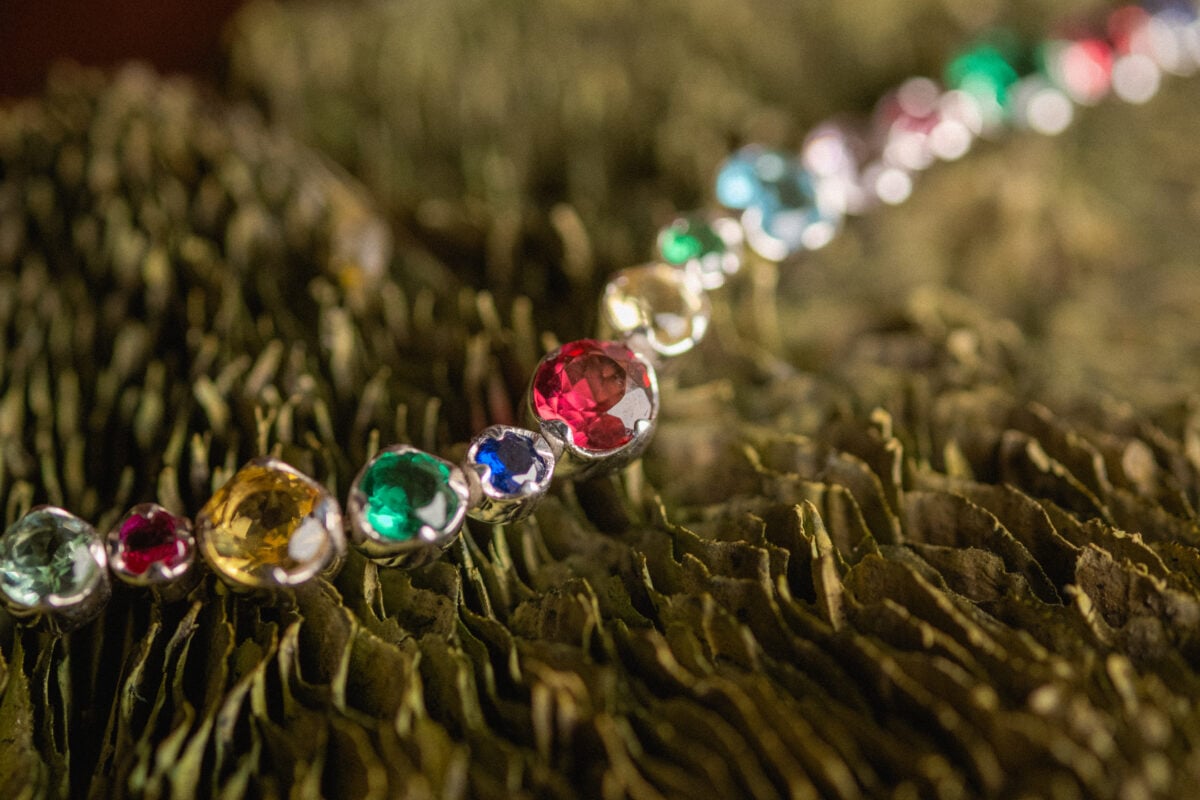
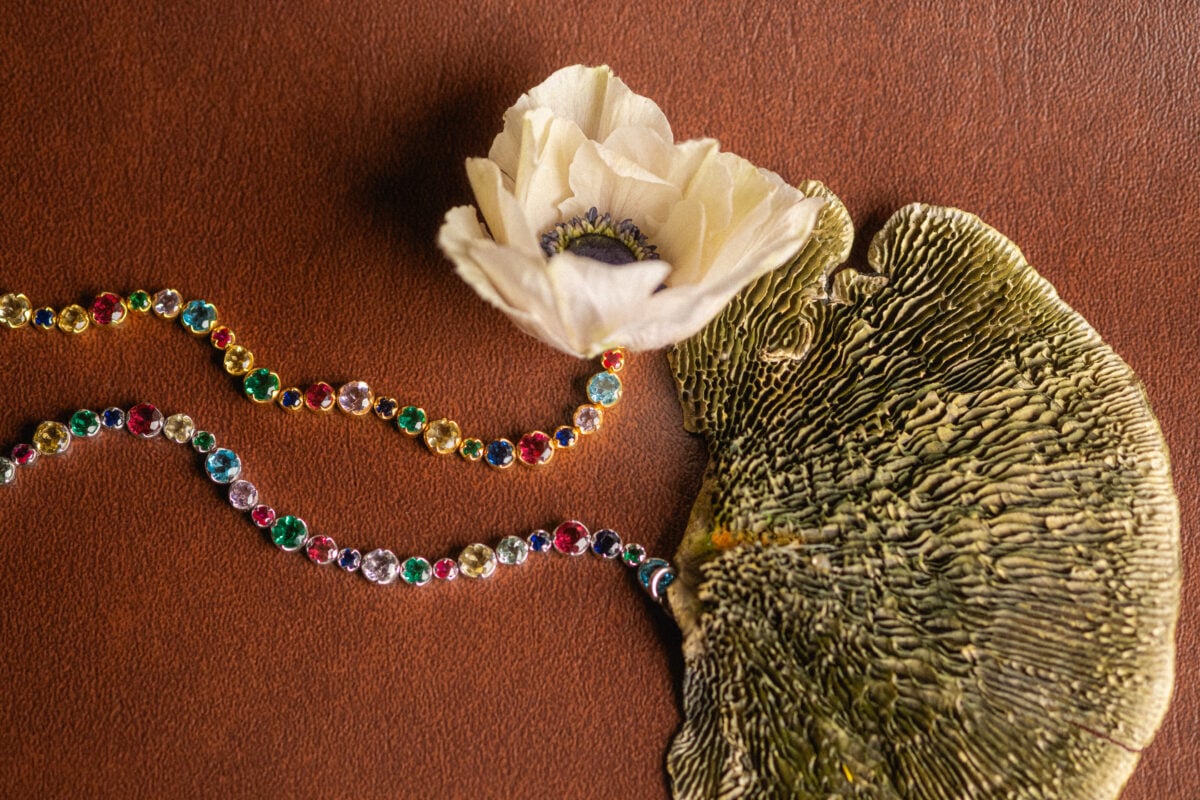
The current assortment includes eternity bands, statement bracelets, rings, and gemstone jewelry featuring emeralds, sapphires, rubies, and lab-grown stones. Pieces are offered in sterling silver, gold-plated silver, and custom solid gold versions.
Arora describes the aesthetic as “modern heirloom” jewelry designed for everyday wear and emotional attachment rather than occasional luxury purchases.
Lab-Grown Stones Become More Mainstream
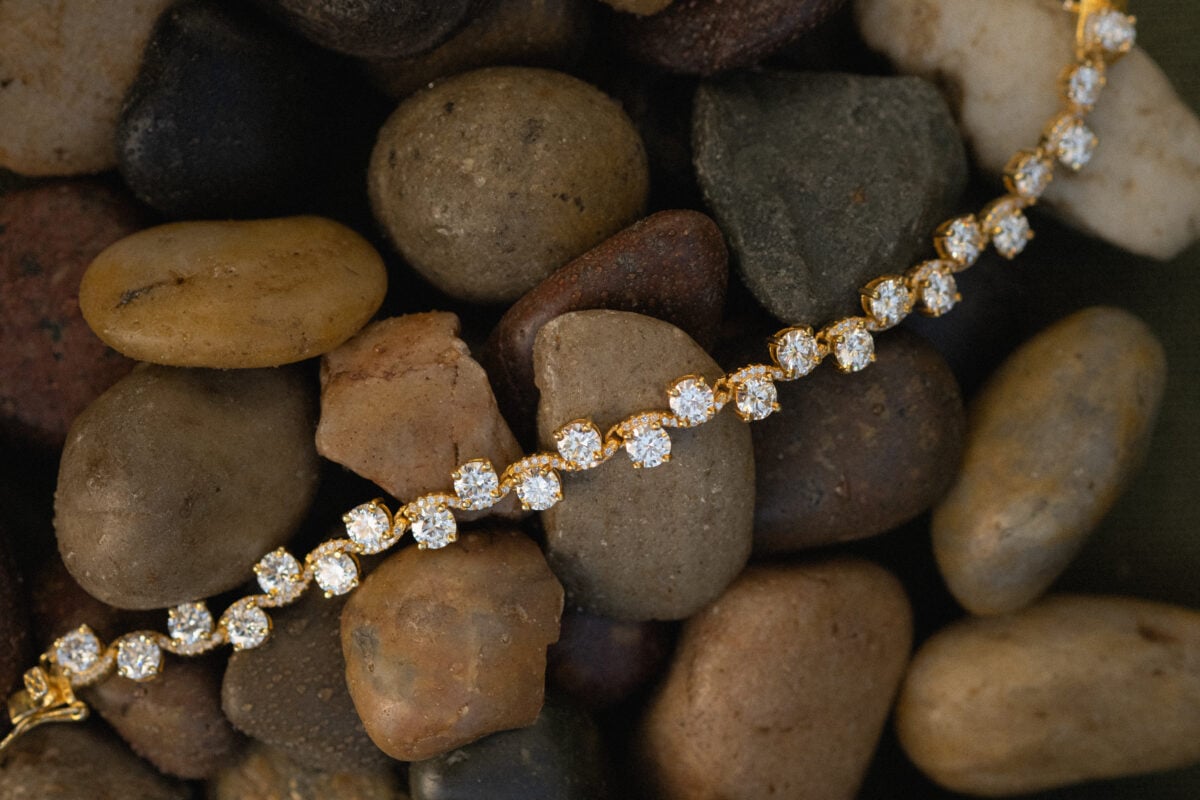
Lab-grown diamonds have become one of the jewelry industry’s fastest-evolving categories as consumers increasingly prioritize transparency, traceability, and value alongside traditional luxury considerations.
Although mined diamonds continue to hold strong emotional and cultural significance, lab-grown stones are increasingly being viewed as a legitimate alternative within both fashion and fine jewelry categories.
Arora said education remains one of the company’s biggest priorities because many consumers still find industry terminology confusing.
“Lab-grown stones are chemically identical to mined stones because they replicate the same natural process that happens within the earth,” he explained. “Lab-created stones can look visually similar, but the composition and production process may be different.”
He added that Sphinx & Emeralds aims to provide customers with more visibility into sourcing and certification, particularly for larger stones. Diamonds over one carat are sold with certification documentation outlining their specifications and origin.
The broader jewelry sector has increasingly emphasized sourcing transparency and traceability in recent years as conversations around mining practices, environmental impact, and ethical production continue influencing consumer behaviour. Canadian consumers, especially younger luxury shoppers, have also become more comfortable researching products extensively before making discretionary purchases.
Consumers Are Seeking Meaning Alongside Luxury
Arora believes the shift extends beyond sustainability and sourcing concerns. He said many consumers are also becoming more selective about how they spend on discretionary luxury items.
Across fashion, accessories, and jewelry, shoppers continue seeking quality craftsmanship and elevated design, but many are increasingly questioning traditional pricing structures and luxury markups.
“I don’t think of making luxury cheaper,” said Arora. “I want to make luxury more accessible. Consumers today want to understand what they’re paying for. They want quality, craftsmanship, and a story behind the product.”
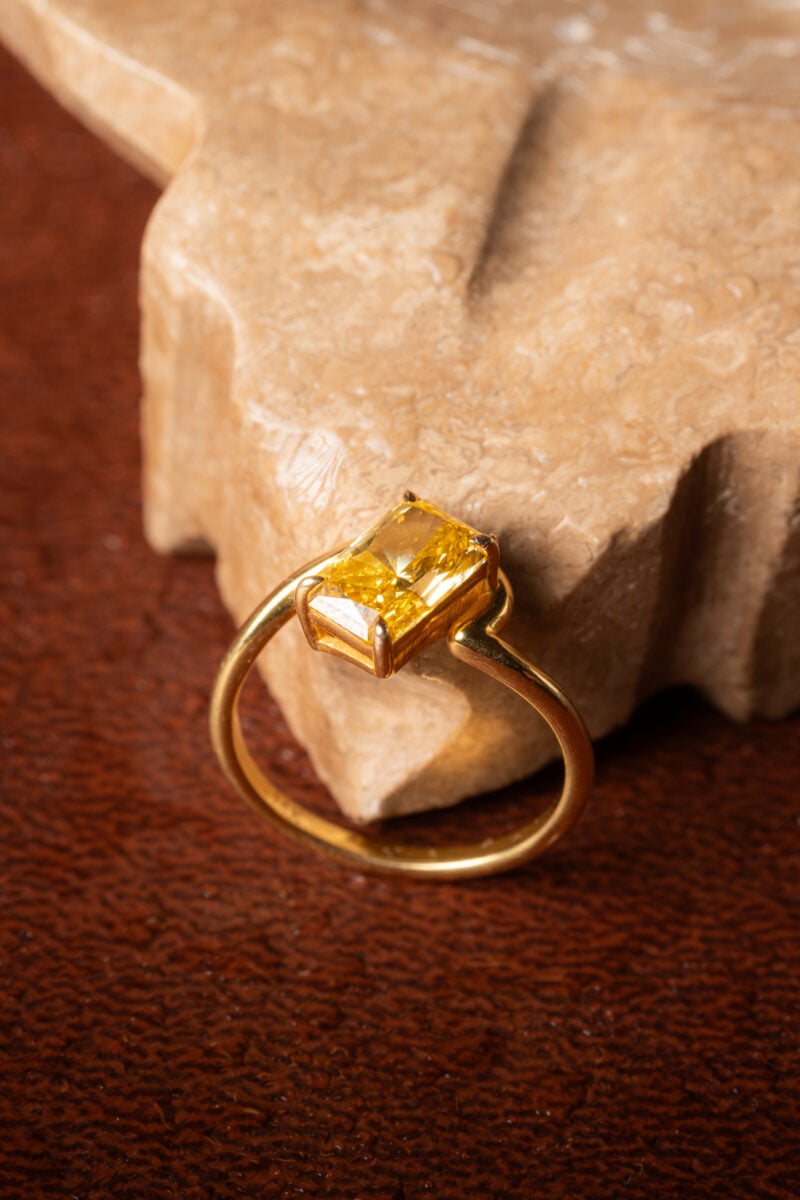
Sphinx & Emeralds currently prices many sterling silver and gemstone pieces between approximately $500 and $700, while certain lab-created alternatives are priced in the mid-$200 to low-$300 range. Custom solid gold pieces are also available.
Arora said the goal is to create jewelry that feels substantial, personal, and emotionally meaningful while remaining more attainable than many traditional luxury offerings.
“People are becoming more price conscious in a good way,” he said. “They want to buy less, but they want to buy something more valuable, something that has a story and meaning behind it.”
That evolution mirrors broader shifts occurring across luxury retail, where many consumers continue gravitating toward craftsmanship and timeless design while becoming more intentional about spending decisions.
Jewelry as Identity and Self-Expression
Another defining aspect of Sphinx & Emeralds is its gender-neutral positioning.
Rather than dividing collections into traditional men’s and women’s categories, the company focuses on jewelry tied to identity, confidence, and self-expression.
That approach aligns with broader fashion trends where younger consumers increasingly view jewelry as sculptural styling pieces rather than accessories restricted by gender conventions.
For Arora, the emotional dimension of jewelry remains central to the brand.
During a recent Montreal pop-up with L’Occitane, Arora recalled a father returning privately to purchase an emerald ring for his daughter after she had tried it on earlier during the event.
“Those moments are special because jewelry becomes attached to emotion, memory, and confidence,” he said.
He added that in-person activations have become especially valuable because customers often form immediate emotional connections once they physically experience a piece.
“I see people try on pieces and instantly connect with them,” said Arora. “Sometimes they put something on and immediately feel like it belongs to them.”
Building Through Pop-Ups and Community
Sphinx & Emeralds currently operates primarily online while building awareness through pop-ups, collaborations, and community-focused events in Montreal.
Recent partnerships have included collaborations with L’Occitane and wellness-oriented spaces, while the brand has also started attracting attention within fashion and styling circles. Pieces have recently been worn publicly by stylist Lila Bani at the Canadian Fashion Awards and by Tia Wood at a David Suzuki Foundation event in Vancouver.
Although the company remains in an early growth phase, Arora said physical retail remains part of the long-term vision.
“Of course every brand dreams of having a store,” he said. “But ultimately I want to create more of an experience around jewelry, something that feels personal and community-driven rather than transactional.”
That vision could eventually include a studio, boutique retail concept, or experiential environment connected to jewelry, wellness, and self-expression.
As consumers continue redefining what luxury means, Arora believes the future of fine jewelry will increasingly revolve around transparency, craftsmanship, emotional resonance, and personal meaning rather than exclusivity alone.