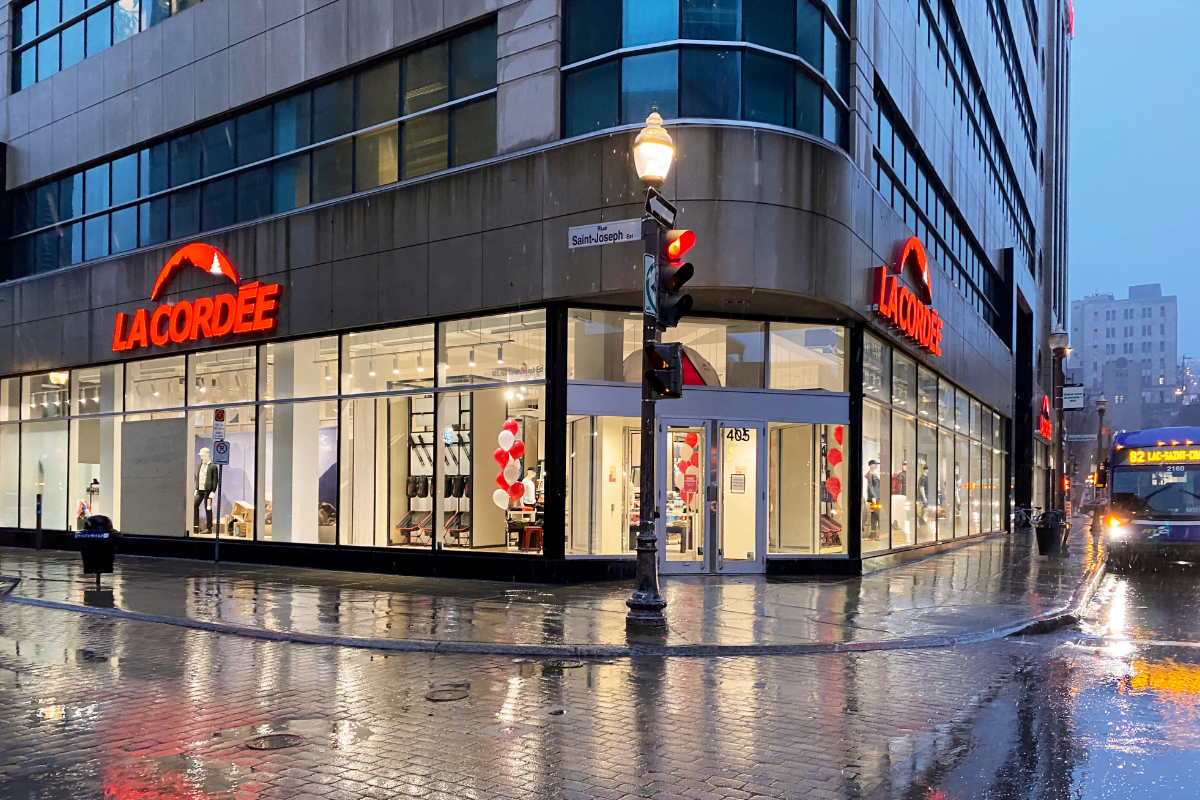
One of Atlantic Canada’s largest shopping centres has changed hands as Smart Investment Ltd., led by Mountain Equipment Company (MEC) owner Tim Gu, has acquired McAllister Place in Saint John, New Brunswick, for $64 million. The transaction marks the second-largest retail property sale in Canada so far this year and signals the continued appetite among investors for dominant shopping centres that serve as retail and community hubs within their markets.
The acquisition follows Smart Investment’s purchase of Garden City Shopping Centre in Winnipeg and reflects a strategy focused on dominant community malls in secondary Canadian markets. While many conversations surrounding retail real estate in recent years have centred on the growth of e-commerce and changing consumer habits, Gu believes physical retail continues to play a critical role in how consumers interact with brands and communities.

Gu has become increasingly visible within Canadian retail circles following his involvement in MEC’s return to Canadian ownership. Through Smart Investment and other business interests, he has built investments spanning retail, apparel manufacturing, consumer products, commercial real estate and shopping centres. His experience as both a landlord and retailer has shaped a perspective that differs from many traditional shopping centre owners.
For Gu, the acquisition represents an opportunity to apply that perspective to an asset that has served as a commercial and community hub for generations.
“What attracted us to McAllister Place was its strong position in Saint John,” Gu told Retail Insider. “It is a dominant retail destination, has loyal customers, and has been an important part of the community for many years.”
He added that Saint John itself was a key factor in the decision.
“We also like Saint John as a market. It has a strong community, good people, a stable local economy, and we believe there is long-term growth potential.”
A Landmark Property in Atlantic Canada
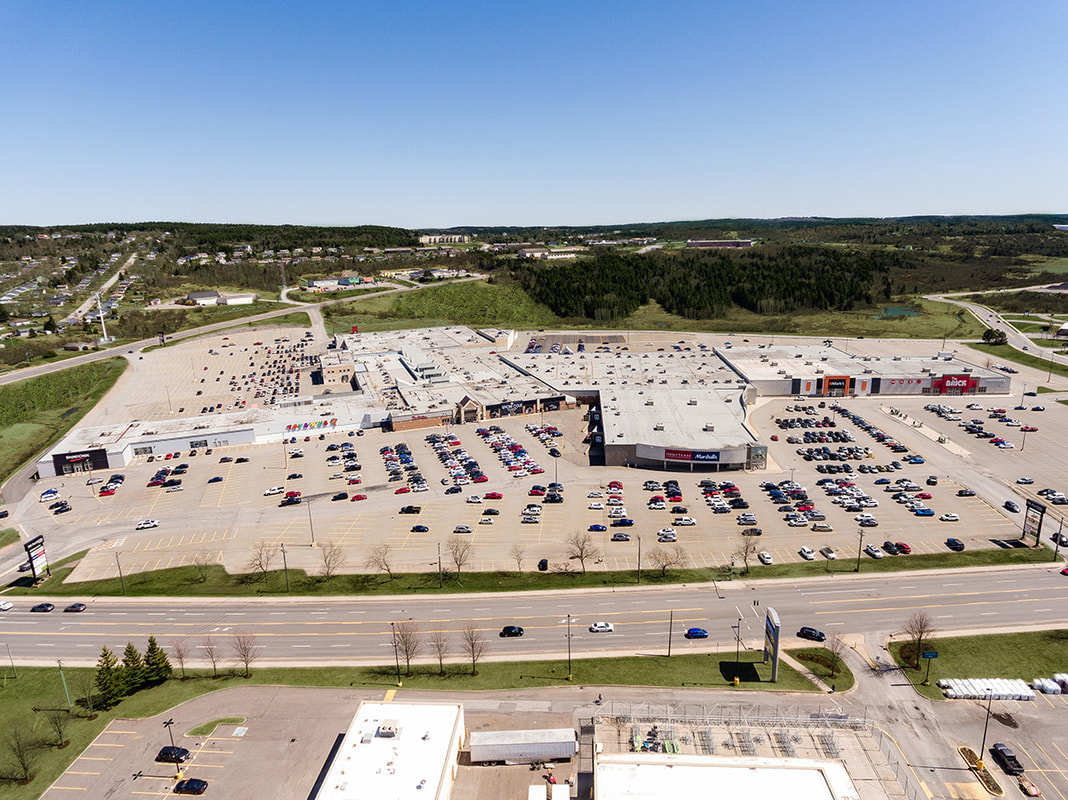
Located on Westmorland Road in Saint John’s east side retail district, McAllister Place has served as the region’s dominant enclosed shopping centre for decades. Opened in 1975, the property has undergone several significant transformations over the years as retail trends and consumer expectations have changed.
Saint John remains one of Atlantic Canada’s most important retail and commercial markets. As New Brunswick’s largest metropolitan area and a major port city, it serves consumers from across southern New Brunswick and has long attracted national retailers seeking regional market coverage. McAllister Place has historically been at the centre of that retail landscape.
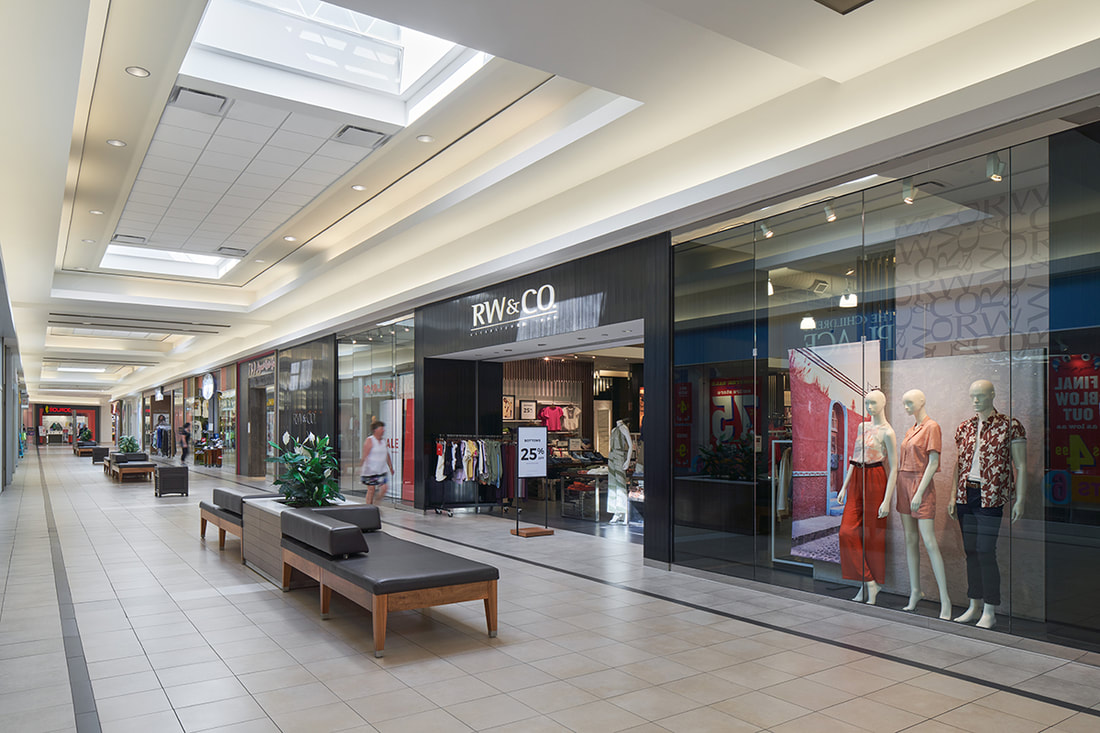
The approximately 400,000-square-foot centre today houses roughly 100 retailers and service providers. Current tenants include Sephora, SportChek, GoodLife Fitness, American Eagle, Roots, Dollarama and The Brick, among others. The centre’s occupancy currently stands at approximately 91.8 per cent, according to Gu.
The property underwent a major renovation in 2009 and later expanded following the closure of Sears Canada, a redevelopment that helped modernize the centre and reposition it for a changing retail environment.
For decades, McAllister Place has functioned as Saint John’s primary enclosed shopping destination, adapting through multiple waves of retail change. The centre has navigated the expansion of power centres, the growth of e-commerce, shifting consumer habits and the collapse of major department store chains while maintaining its role as a key shopping and community destination for the region.
Building a National Shopping Centre Platform
The McAllister Place acquisition appears to be part of a broader strategy for Smart Investment.
Gu confirmed that the company is actively looking at additional shopping centre acquisitions across Canada.
“Yes, we are open to acquiring additional enclosed shopping centres in Canada,” he said. “Our strategy is focused on dominant community malls in secondary markets, where the centre plays an important role in the local economy and daily life.”
The acquisition follows Smart Investment’s purchase of Garden City Shopping Centre in Winnipeg and suggests the company is building a portfolio focused on community-oriented retail properties across Canada.
The purchase is notable because it comes at a time when investment activity in the shopping centre sector has become increasingly selective. While weaker retail properties have struggled in some markets, dominant regional and community shopping centres continue to attract capital because of their established customer bases, strategic locations and redevelopment potential.
Across Canada, owners continue to invest billions of dollars into shopping centres through redevelopments, mixed-use projects, food halls, entertainment concepts and residential intensification. Rather than disappearing, many centres are evolving into broader community destinations.
‘There Are No Bankrupt Industries’
Gu’s confidence in shopping centres stems from a broader belief about retail itself.
“There are bankrupt companies, but there are no bankrupt industries,” he said.
While some retailers have disappeared in recent years, Gu argues that consumer demand for shopping, dining, services and experiences remains strong. The challenge, he says, is ensuring that both retailers and shopping centres continue evolving alongside changing customer expectations.
“My core belief is that retail is not disappearing, it is evolving,” he said. “Physical retail still matters, especially when it works together with online channels. The future is not online versus offline. The future is omnichannel.”
Retail Experience Shapes Ownership Philosophy
One factor that differentiates Gu from many traditional shopping centre owners is his background.
His business interests span apparel manufacturing, consumer goods, retail operations and commercial real estate. In recent years, he became part of the investor group that acquired Mountain Equipment Company and returned the outdoor retailer to Canadian ownership.
That experience has influenced how he views shopping centres and landlord-tenant relationships.
“Owning MEC has made me believe even more strongly in the value of physical retail stores and physical footprint,” Gu said.
“Stores are not only places to sell products. They are places where customers experience the brand, feel the product, understand the quality, and build trust.”
MEC’s return to Canadian ownership generated significant attention across Canada’s retail sector. For Gu, the experience provided a firsthand look at how retailers evaluate markets, negotiate leases, build customer relationships and balance physical stores with digital channels. Those lessons are now influencing how he approaches shopping centre ownership and tenant relationships.
“It helped me understand more clearly what retailers need from landlords: traffic, flexibility, customer experience, strong operations, and a true partnership mindset.”
Gu believes that perspective gives Smart Investment a different approach to shopping centre ownership. Rather than viewing a property solely through the lens of occupancy and rent, he argues that successful centres depend on helping retailers succeed over the long term.
Unlike many institutional owners that manage large numbers of properties across multiple markets, Smart Investment plans to take a direct and active role in McAllister Place.
“Smart Investment will directly manage the property through our property management platform,” Gu said. “We will also take a very hands-on ownership role.”
That approach contrasts with the more institutional ownership structures common among large shopping centre portfolios and reflects Smart Investment’s intention to be directly involved in leasing, operations and the property’s long-term evolution.
Looking Beyond Traditional Retail
The acquisition also includes a significant long-term redevelopment opportunity.
The shopping centre occupies approximately 79 acres, of which only a portion has been developed. Existing approvals allow for approximately 526 residential units on excess lands associated with the property.
While Gu emphasized that any redevelopment decisions remain in the future, he acknowledged the site’s potential.
“We do see redevelopment potential over time, but we need to carefully study the market condition, local demand, timing, and what is best for the community and the property.”
Across Canada, excess shopping centre lands have become increasingly valuable as owners explore opportunities to add residential density and create mixed-use environments that support retail activity. McAllister Place appears well positioned to participate in that trend over the long term.
At the same time, Smart Investment is focused on strengthening the existing shopping centre.
Gu said the company is evaluating opportunities to improve the tenant mix and bring additional uses to the property.
“We are looking at opportunities for new retailers, tenant upgrades, and stronger food, service, and experiential uses.”
The emphasis on experiences reflects changing consumer expectations. Shopping centres increasingly compete by offering reasons to visit beyond purchasing products, including restaurants, health and wellness services, events, entertainment and community gathering spaces.
“A mall today cannot only be a place to sell products,” Gu said. “It should also be a place for food, services, events, experiences, local connection, and community life.”
A Long-Term Vision for Saint John
The acquisition comes nearly two years after McAllister Place was first brought to market and follows a period of portfolio repositioning by Primaris REIT. The Toronto-based real estate investment trust has completed several major acquisitions in recent years while selectively disposing of assets as part of its capital allocation strategy.
For Primaris, the sale aligns with a broader strategy of portfolio optimization that has seen the company acquire larger regional shopping centres while selectively disposing of certain assets. The transaction also demonstrates the continued investor interest in well-located retail properties despite years of speculation about the future of enclosed malls.
For Smart Investment, however, the focus is firmly on the future.
Gu said success will not simply be measured by occupancy levels or financial performance.
Instead, he hopes the shopping centre strengthens its role within the community while continuing to evolve alongside changing consumer expectations.
“Five years from now, success would mean McAllister Place is more stable, more active, and more valuable to Saint John,” he said.
“That means strong occupancy, a better tenant mix, more customer traffic, more community uses, and stronger confidence from tenants, customers, employees, lenders and the local community.”
While the acquisition of McAllister Place represents a significant investment in Atlantic Canada, it may also provide insight into Smart Investment’s broader ambitions. With shopping centre ownership now spanning Winnipeg and Saint John and additional acquisitions under consideration, the company appears to be building a portfolio around a conviction that dominant community malls remain important economic and social anchors in Canadian cities. In an era when many retail properties are being reimagined, Gu is betting that the strongest shopping centres still have considerable room to evolve and grow.
More from Retail Insider:
MEC returns to Canadian ownership with renewed focus on legacy, local manufacturing, and community