From Pumpkin Spice Lattes to holiday cups, some seasonal products have become cultural cues consumers recognize instantly. For advertisers, there’s a lesson: the more iconic the product, the less an ad may need to say.
New Canadian research from Vistar Media and Angus Reid found 39% of Canadians took action after seeing OOH advertising, including 22% who searched online for a brand.
Scott Mitchell, Managing Director, Canada at Vistar Media, said the strongest brands have built such recognizable visual identities that consumers can understand the message almost instantly.
“You see a certain cup, colour palette or piece of seasonal imagery and you already know what brand it is and what time of year it represents. That kind of recognition is incredibly valuable because an ad doesn’t have to spend much time explaining itself,” he said.
“For retailers, the lesson is that distinctive brand assets matter. It could be packaging, a colour, a shape or even a familiar way a product is presented. When those cues have been reinforced consistently over time, they can do a lot of the communication on their own. A Pumpkin Spice Latte is a good example. At this point, consumers don’t need a lengthy message explaining what it represents. The product itself has become shorthand for the arrival of fall.”
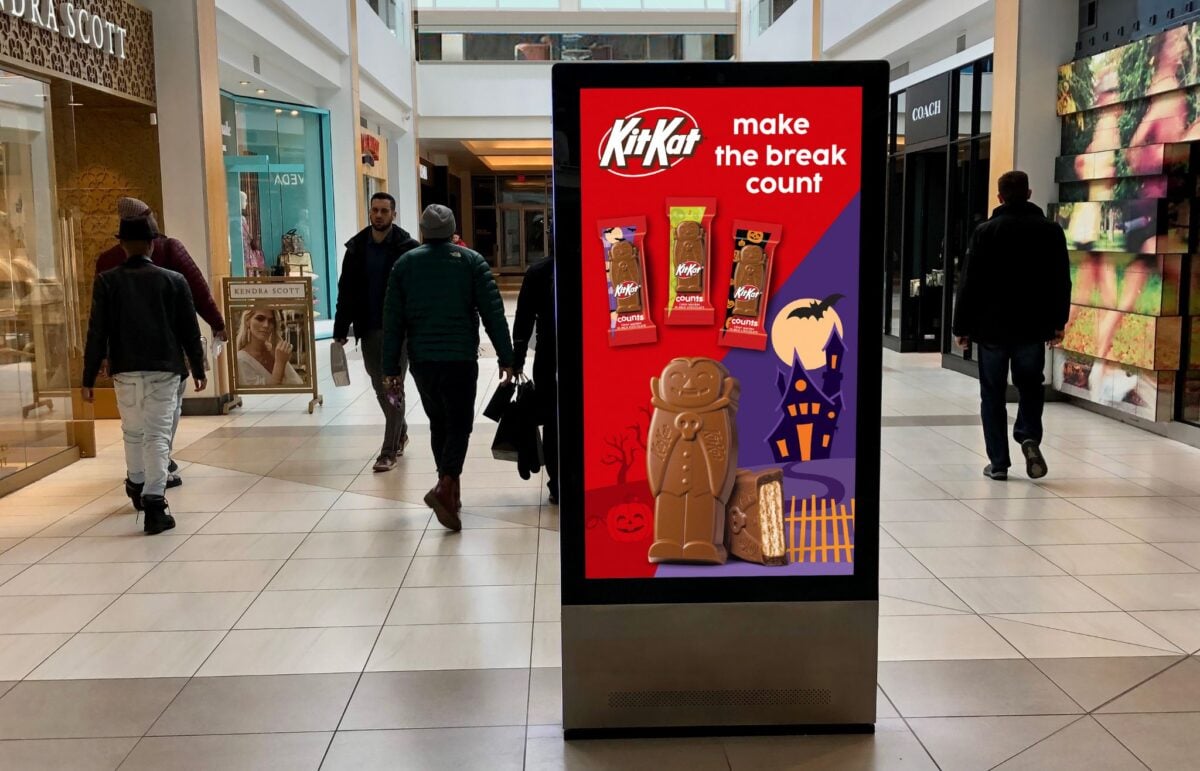
The role of nostalgia
Mitchell said seasonal products are interesting because people often associate them with much more than the product itself.
“They can remind you of a particular time of year, a tradition or even a routine you’ve repeated for years. When a familiar holiday cup returns, for example, it can signal the beginning of the holiday season in a way that feels almost ritualistic,” he said.
“That gives brands an emotional foundation they don’t necessarily have to rebuild every year. Consumers already bring their own memories and associations to the experience. The opportunity is to build on that familiarity without simply repeating what came before. The strongest seasonal marketing feels recognizable, but still gives people something new to notice.”
Anticipation is part of the experience
Mitchell said it takes time for a seasonal product to go from being a limited-time offering to something consumers actively anticipate every year.
“You can’t manufacture a tradition overnight. The products that become genuine seasonal moments tend to return consistently enough that consumers start to expect them, talk about them and eventually use their arrival as a marker of the season itself,” he said.
“That anticipation is an important part of the experience. The launch is no longer simply, “this product is available again.” People know it’s coming, they watch for it and there’s a sense of occasion around its return. In some cases, the conversation starts before the brand has even said much.
“That consistency matters for retailers, too. There’s pressure to reinvent the seasonal playbook, but consumers may already be telling you which products or traditions are worth keeping. When something returns year after year and people begin to look forward to it, it stops feeling like a limited-time promotion and starts becoming part of the season itself.”

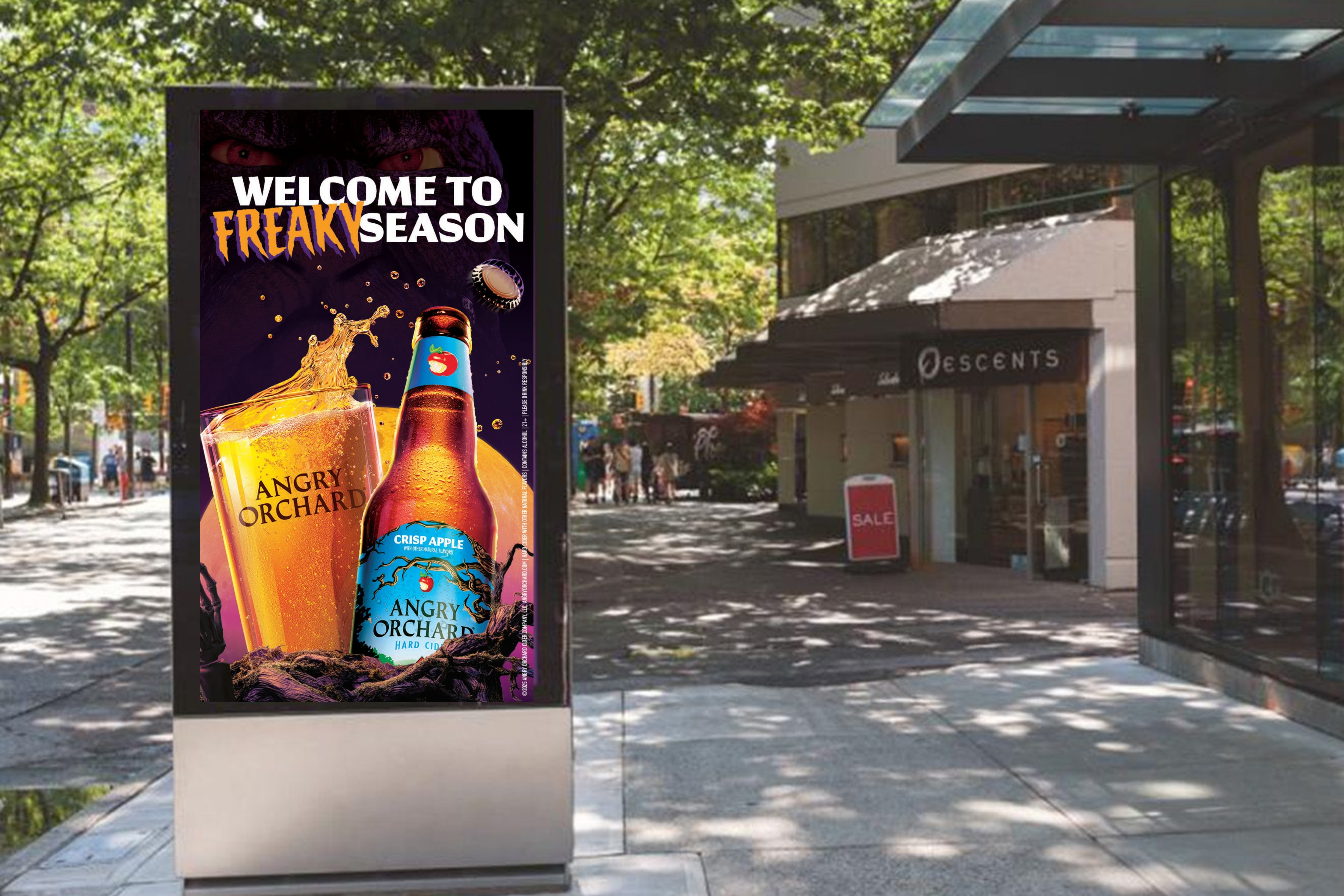
Timing and location matter
Seasonal advertising has a natural window where the message makes the most sense, and context can make that window much more effective. A fall food or beverage ad can land differently on a cool morning commute than it does weeks earlier when people are still thinking about summer, explained Mitchell.
“Similarly, an ad for a holiday retailer near a shopping district has a different role than the same message appearing somewhere disconnected from the shopping occasion,” he said.
“That’s where out-of-home (OOH) advertising has a natural advantage in seasonal campaigns: the environment can become part of the creative. Marketers can think about where someone is, what they may be doing and what makes sense at that particular point in the season.
“And that exposure can lead somewhere. Our recent Canadian research with Angus Reid found that 39% of Canadians took action after seeing OOH advertising, including 22% who searched online for a brand. The physical ad may be the starting point, but the consumer journey can continue well beyond it.”
Lesson learned from building recognizable moments
You don’t necessarily need a completely new idea every season. What do consumers already recognize, remember and look forward to from us?, added Mitchell.
“If customers genuinely look forward to a product, visual identity or tradition, that’s an asset worth building on. Keep the elements people recognize, but give them a reason to rediscover them each year, whether through a new variation, a creative refresh or a different way of introducing the season,” he said.
“There’s also a tendency in advertising to say too much. Seasonal campaigns are a good reminder that when a brand has done the long-term work of building recognition, simplicity can be an advantage. Sometimes one familiar image or product can carry more meaning than a headline ever could.”
More from Retail Insider: