Kleanr Cosmetics, a Toronto-based beauty brand, has introduced what it calls a new standard in makeup brush hygiene with the launch of its patent pending Brush Kleaning System.
This proprietary collection of machine-washable makeup brushes and cleaning tools is designed with hygiene, efficiency, and sustainability in mind. Created for both everyday makeup users and professional makeup artists, Kleanr offers a smarter, more convenient approach to brush maintenance without compromising on performance or quality, says the company.
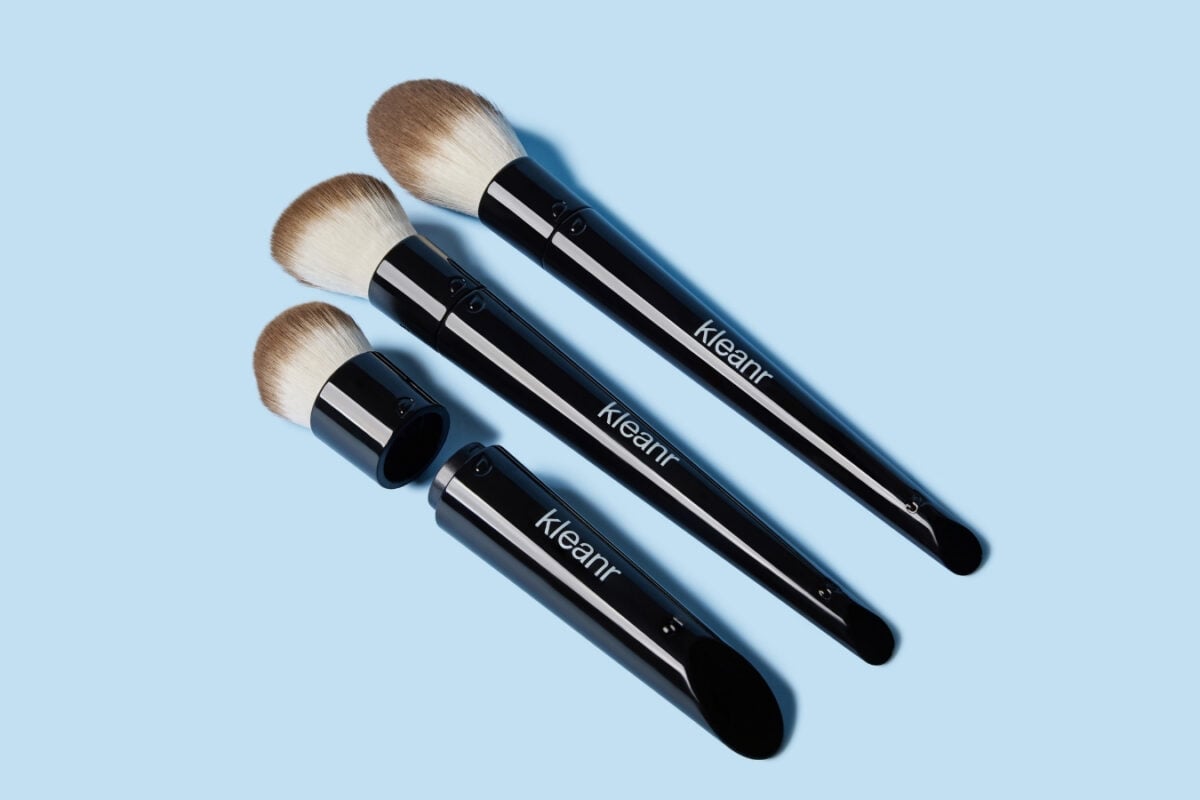
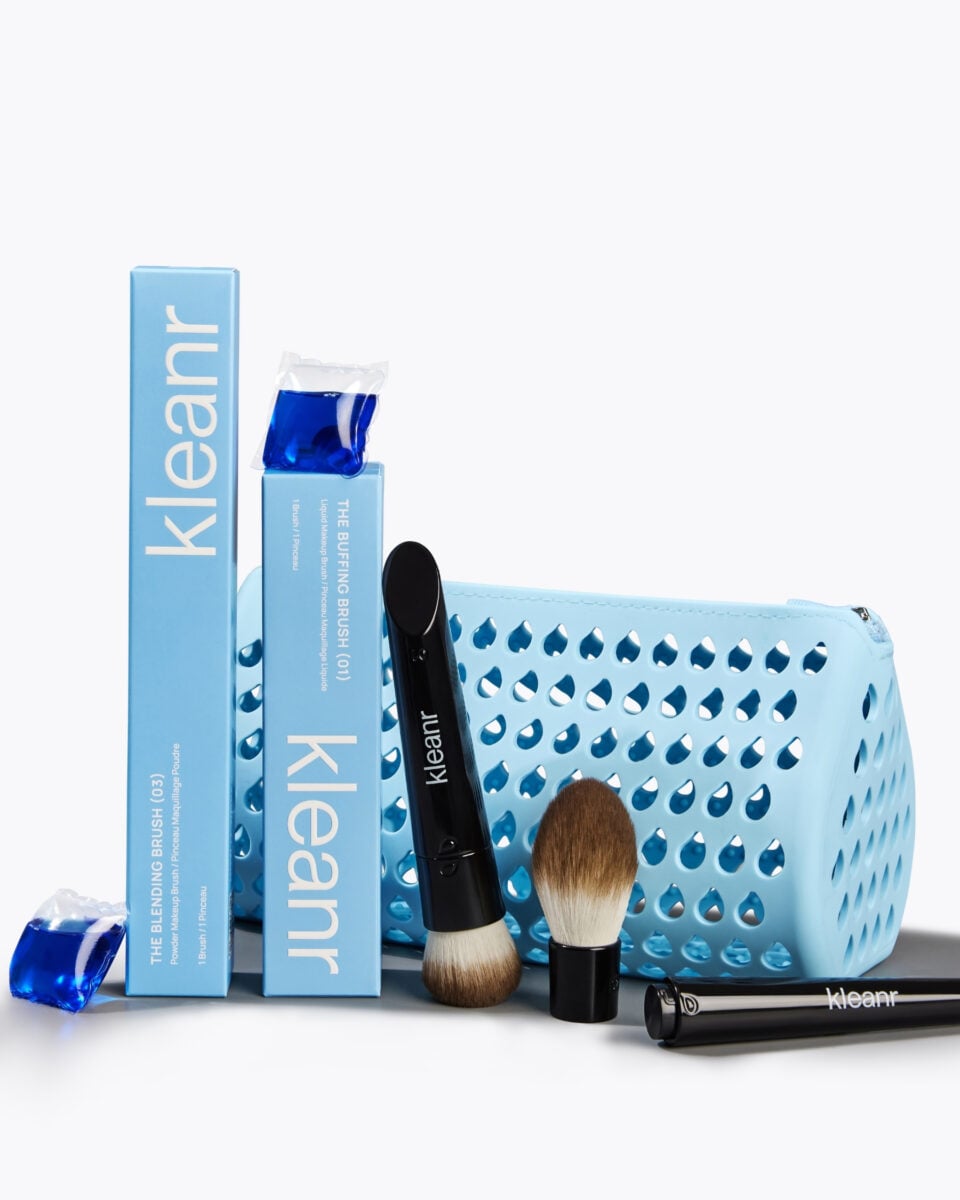
Kleanr’s debut collection includes three essential face brushes with detachable heads, an innovative silicone washing bag, and detergent pods formulated to disinfect and hydrate brush bristles. Sold together as a kit and individually, these products are designed to work together as a system for a thorough clean in any washing machine.
For professional makeup artists in particular, Kleanr said its products offer both a practical and hygienic solution. Brush heads are available for separate purchase and can be switched between clients, helping reduce kit size while supporting a more hygienic service.
“Makeup brushes are a timeless beauty tool that have yet to evolve to meet the demands of our fast-paced, results-driven world,” said Brooke Hegedus, founder of Kleanr Cosmetics. “At Kleanr, we’ve created a solution that combines quality, innovation, and convenience to simplify brush maintenance and encourage a Kleanr beauty routine.”
Hegedus was inspired to create the brand through her own experience, “As someone who wears makeup daily, I always dreaded cleaning my brushes. Like many people, I would put it off for weeks, sometimes even months, leading to product buildup that affected both my skin health and makeup application. I knew there had to be a better way, and that’s how the idea for Kleanr was born.”
In an interview with Retail Insider, Hegedus talked about the company and the development of the products.
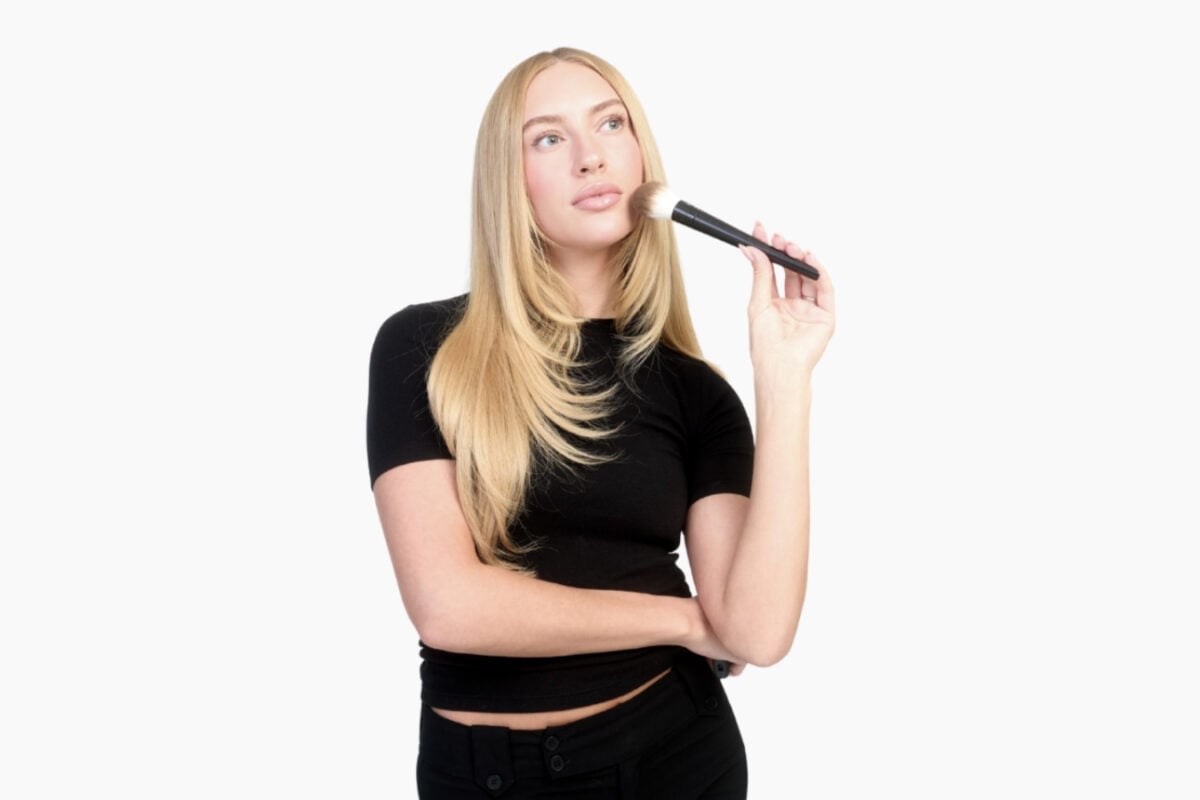
What prompted you to develop a machine washable makeup brush system, and what research or product testing went into developing the patent pending technology?
The idea for Kleanr came from my own frustration with cleaning makeup brushes. I wear makeup regularly and, like a lot of people, I found myself putting off washing my brushes because the process was tedious and time consuming.
One day while standing over my sink cleaning them, I remember thinking, wouldn’t it be great if I could just throw these in the washing machine the same way we wash clothes, sneakers, sports equipment and so many other everyday items?
That thought immediately sent me down a rabbit hole. I did an extensive online search to see if anything like it had ever been tried or done before, and to my surprise, I could not find an existing machine washable makeup brush system.
At that point, I had to test the idea for myself. I literally started sawing the wooden handles off regular makeup brushes, putting the brush heads into a mesh bra bag and running them through the washing machine just to see what would happen. My fiancé definitely thought I was losing it, but I needed to see with my own eyes whether the concept could actually work.
Those early experiments eventually turned into a 2.5 year product engineering and development process with Spark Innovations, an industrial design and product development firm. Together, we worked through countless prototypes, material testing, manufacturing trials and refinements across every part of the system.
The Washing Bag was probably the most challenging product for us to design and manufacture. From the beginning, I knew I wanted something that combined the protective function of a laundry bag with the textured surface of a traditional makeup brush cleaning mat. Making those two ideas work together in production was another story.
There were a lot of small details I refused to compromise on, from the texture and water flow to the shape, closure and overall durability. We went through months of prototyping and tweaking with the factory, so finally getting the green light on the design was incredibly rewarding. The final bag includes a textured interior to help create bristle agitation, perforations to support water flow and a locking zipper to keep the brush heads secure during the wash cycle.
The brushes themselves went through the same level of development. We had to consider the removable head connection, repeated exposure to water and heat, and how the brushes would continue to perform after machine washing. The final brushes use materials specifically selected for their water and temperature resistance and their ability to withstand repeated machine washing.
As the designs became more defined, protecting the intellectual property became an important part of the process as well. I worked closely with the intellectual property team at Craig Wilson and Company, who conducted an extensive patent and prior art analysis before we moved forward with filing. We wanted to understand what had been done before and make sure there was a meaningful basis for protecting what we had created.
Based on that analysis, we did not identify an existing patent for a silicone washing bag designed specifically to clean makeup brush heads in a washing machine, or for a makeup brush with removable heads designed specifically for machine washing. We ultimately filed two separate utility patent applications, one covering the makeup brush design and one covering the Washing Bag, both of which are now pending.
One thing I learned very quickly through the patent process is how much the smallest design and functional details matter. An idea can sound similar to something that has existed before at a broad level, but the specific way a product is designed, functions and solves a problem is where the distinction often lies. That process forced us to look at every element of the system incredibly closely and helped shape some of the details we ultimately brought into the final products.
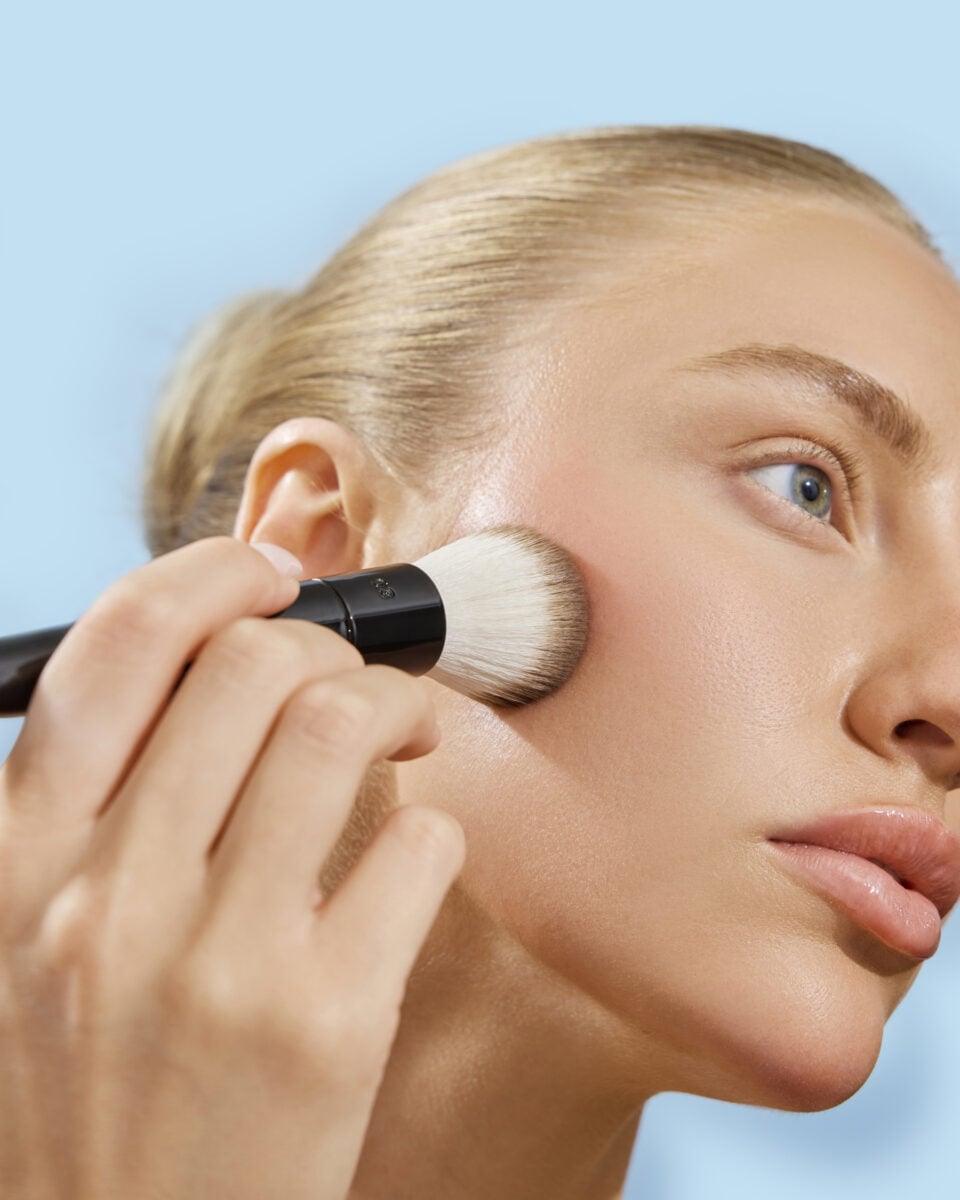
How does the Brush Kleaning System compare with traditional makeup brush cleaning methods in terms of cleaning effectiveness, drying time, durability and maintaining brush performance after repeated machine washes?
The biggest difference is the amount of hands-on work and time involved. Traditional brush cleaning usually involves wetting, lathering, scrubbing and rinsing each brush individually. This can be a tedious and messy process that many people put off. With Kleanr, the process is much easier: brush heads are removed from the handles, placed together inside the Washing Bag with a detergent pod and cleaned in the washing machine.
One benefit that really stood out during testing was the drying time. Because the washing machine’s spin cycle removes so much excess water from the brush heads, they air dry considerably faster than brushes I wash by hand. I would typically have to leave my hand washed brushes to dry overnight, whereas in our testing, Kleanr brush heads have generally been dry and ready to use within about an hour. Drying time can vary depending on the brush, wash cycle and environment, but the difference has been very noticeable.
From the beginning, I also knew I did not want to create brushes that were simply easy to wash in the machine. The quality and performance had to be on par with, if not better than, the leading makeup brush brands. I wanted it to feel like having your favourite makeup brush, but without ever having to worry about the time consuming and messy task of washing it by hand.
Material selection was a huge part of making that possible. Kleanr brushes use PPE plastic handles and ferrules, epoxy resin glue, and synthetic fibre bristles, with each component selected specifically for water resistance, temperature resistance and repeated machine washing.
Many traditional makeup brushes are built with materials such as wooden handles, metal ferrules and conventional adhesives that are designed for hand washing rather than the heat, water exposure and movement of a washing machine. We had to rethink the construction from the ground up so the brushes could handle that environment without sacrificing how they feel or perform.
The Washing Bag was developed with the same mindset. It is made almost entirely of medical grade silicone, which we selected for its durability, hygienic properties, temperature resistance and non-reactive nature. The material was chosen specifically to withstand repeated machine washing while still protecting the brush heads and supporting the cleaning process.
For both the makeup brushes and washing bag, we went through boxes and boxes of material samples and tested different combinations until we found components that could perform exceptionally both during makeup application and through repeated machine washing.
I have also personally been using the same set of Kleanr brushes almost every day for over a year and washing them several times a week. Over that time, I have not noticed any meaningful change in the shape of the brushes or how they perform during makeup application.
Ultimately, the goal was never just to create a makeup brush that could survive a washing machine. It had to come out clean, maintain its shape and performance, and still feel like a high quality beauty tool that someone would genuinely want to use every day.
What testing has been conducted to support the claim that the detergent pods disinfect and hydrate brush bristles, and what evidence do you have regarding the system’s effectiveness in removing bacteria, makeup residue and other contaminants?
I want to clarify some of the wording used in our original press release. We initially described the detergent pods as being formulated to “disinfect and hydrate” the brush bristles, but we have notconducted independent microbiological testing to substantiate a specific bacterial reduction or disinfection claim, so I would not want to overstate that language.
The detergent pods were specifically developed to deeply cleanse brush fibres by removing makeup, oils, product buildup and residue. The formula combines surfactants and enzymes used for cleansing with ingredients selected to help prevent the fibres from feeling overly stripped after washing. Our Safety Data Sheet lists glycerin at 8%, where it functions as a humectant, and coconut fatty acids at 7% as an emulsifier.
Those ingredients were part of the reason we originally used the word “hydrate,” but we have not conducted a specific hydration study on the brush fibres, so I think it is more accurate to say that the formula was designed to cleanse effectively while helping maintain the feel of the bristles rather than claiming a measured hydration benefit.
In terms of cleaning effectiveness, the detergent is formulated to remove makeup, oils, product buildup and residue trapped within the fibres, while the Washing Bag adds mechanical agitation and allows water and detergent to flow throughout the brush heads during the wash cycle.
We have not yet conducted independent microbiological testing to quantify bacterial reduction or the removal of specific microorganisms. That is something I would like to pursue as the brand grows, because I think having measurable data around bacterial reduction would be valuable. For now, I would rather be very clear about what we can substantiate: the system is designed to remove makeup, oils, buildup and residue and to support a cleaner, more hygienic brush routine.
Who is your target customer, and how do you see the product serving both everyday makeup users and professional makeup artists, particularly in terms of hygiene, cost savings and the ability to replace individual brush heads?
Kleanr was intentionally designed for both everyday makeup users and professional makeup artists because, although their needs are slightly different, the underlying problem is the same: makeup brushes need to be cleaned regularly, but the process is time consuming and easy to put off.
For everyday users, the biggest benefit is convenience. I was that customer myself. I would delay cleaning my brushes simply because I did not want to stand at the sink washing them one by one.
Kleanr makes regular brush maintenance much more practical by allowing multiple brush heads to be cleaned together in the washing machine.
For professional artists, the system solves a slightly different problem. Hygiene and turnaround between clients are extremely important, and the removable brush heads allow artists to swap heads while continuing to use the same handles. At the end of the workday, the used heads can be machine washed and prepared for the next day.
The replaceable head design also creates a meaningful cost and sustainability advantage for both audiences. Our brush heads will be available for separate purchase at a fraction of the cost of replacing the full brush, so if a head eventually becomes worn or needs to be replaced, the customer can keep the handle and simply replace the part they need.
For professional artists in particular, there is also value in being able to build out a larger rotation of brush heads over time. Rather than purchasing a full brush every time they need more capacity between clients, they can add individual heads to the system as needed.
To me, this also fits with the broader shift I’m seeing toward refillable and replaceable products in beauty. I think consumers increasingly value the ability to replenish or replace only what they need, both to reduce cost and avoid unnecessary waste. Kleanr applies that same thinking to a category where the entire tool has traditionally been replaced as one piece.
Ultimately, Kleanr is for anyone who values makeup brush performance but wants a more convenient and hygienic way to maintain their tools. Whether that means making it easier for someone at home to wash their brushes more regularly or helping a professional artist manage a busy kit between clients, the system was designed to make good brush hygiene easier to maintain consistently.
With the products launching exclusively through your website in fall 2026, what are your initial sales and distribution goals, planned pricing, and longer term growth strategy for Kleanr Cosmetics in Canada and potentially international markets?
For our launch, Kleanr will be available exclusively through our website. I made that decision intentionally because I want the first stage of the brand to focus on introducing the system directly to consumers, educating them on how it works and learning from their experience with the products.
My initial focus is to establish product market fit and build awareness around Kleanr as a new approach to makeup brush maintenance. Because this is an entirely new concept, education will be a big part of the launch. I want customers to understand not only that the brushes can be machine washed, but why the removable heads, Washing Bag and detergent were all designed to work together.
At launch, the Brush Kleaning System Starter Kit will retail for $114 CAD. Individually, the Buffing Brush will retail for $28, the Sculpting Brush and Blending Brush for $26 each, the Washing Bag for $34, and a 30 pack of detergent pods for $16.
In terms of distribution, our initial focus will be Canada and the United States. I want to build a strong foundation in North America before expanding internationally. Longer term, I would love to see Kleanr available through major beauty retailers because I think the system becomes especially compelling when customers can see and experience the removable brush design in person.
My goal is for Kleanr to become known for creating practical beauty innovations that rethink routines people have accepted as inconvenient simply because that is how they have always been done. We are starting with three essential brushes, but that is only the beginning of the Brush Kleaning System line. We plan to continue expanding into additional brush shapes and sizes, and we already have other innovative products in development that build on Kleanr’s broader goal of making beauty routines more efficient, hygienic and practical.
More from Retail Insider: