Canadian restaurants are contributing to local economies beyond their dining rooms, with half of diners saying they spend money at nearby businesses before or after a meal, according to OpenTable’s first Canadian Restaurant Impact Report.
The report found that those diners spend an additional $133 on average at businesses such as shops and cinemas. OpenTable also reported that dining in Canada increased 13 per cent year over year, based on reservation data from July 2025 to June 2026.
The report examines the economic and social contributions of restaurants, as well as the financial consequences of missed reservations and the role dining establishments play in bringing communities together.
“Restaurants are woven into the fabric of communities across Canada – the setting for milestone celebrations, everyday meals, and the local economies and neighbourhoods they help sustain,” said Eric Kemppi, director of restaurant sales and service at OpenTable Canada. “OpenTable’s first-ever Canadian Restaurant Impact Report puts that impact into focus and reflects our commitment to advocating for the restaurants that make it all possible.”
Restaurants contribute to local economies
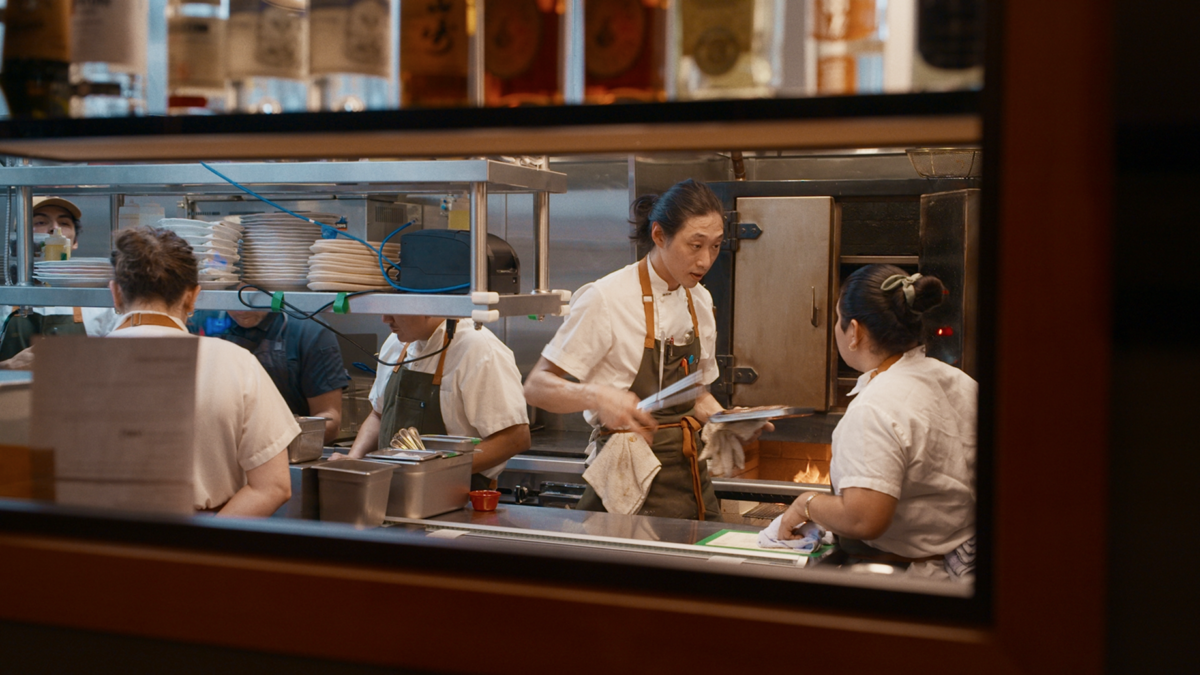
OpenTable’s research found that 91 per cent of Canadian restaurants surveyed agree they play an important role in their local economy. Half of Canadian diners reported spending money at neighbouring businesses before or after dining out, a figure that rose to 61 per cent among millennials and 65 per cent among Generation Z.
The report also examined restaurants’ role as employers. Among restaurant workers surveyed, 50 per cent said their restaurant hires young people without formal qualifications, while 37 per cent said their workplace employs people with disabilities or neurodivergent people. Another 32 per cent reported employing refugees or recently arrived migrants.
The findings suggest that restaurants’ economic role extends beyond food and beverage sales, encompassing spending at nearby businesses and employment opportunities for people with different backgrounds and qualifications.
Dining out linked to community well-being
The report found that 89 per cent of Canadian diners believe local restaurants, pubs and cafés help build a sense of community. A further 83 per cent agreed that dining out locally brings people together and enhances personal and social well-being.
More than half of diners surveyed, or 58 per cent, said they were likely to book a restaurant meal to feel better or reconnect with others when feeling stressed or low.
Dr. Gillian Mandich, an assistant professor in the Department of Psychiatry at the University of Manitoba, said shared meals have been linked to greater life satisfaction and more positive emotions.
“The 2025 World Happiness Report found that sharing meals is strongly associated with greater life satisfaction and more positive emotions. In fact, the frequency of shared meals was as useful an indicator of well-being as income and employment status,” said Mandich. “Choosing a restaurant and looking forward to it can generate anticipation, while remembering it afterward extends the enjoyment.”


No-shows remain a concern for operators
The report also examined the financial impact of customers who fail to honour reservations, a problem that can affect restaurant staffing, food preparation and the availability of tables for other customers.
While 71 per cent of Canadian diners surveyed agreed that failing to show up for a reservation can seriously harm a restaurant’s business, 20 per cent said they had missed a reservation without showing up at least once in the previous year. That proportion rose to 43 per cent among Generation Z diners.
Restaurant operators estimated that a missed reservation for two costs their business an average of $91, compared with $75.90 estimated by diners. The difference reflects costs that operators may face from wasted food, staffing decisions and lost opportunities to seat other customers, according to the report.
Nearly half of diners surveyed, or 45 per cent, said understanding the financial consequences of a no-show would make them more likely to attend a reservation or cancel it properly if their plans changed.
OpenTable’s reservation data showed that no-show rates at restaurants using its platform in Canada fell four per cent year over year between July 2025 and June 2026. The report also found that 47 per cent of diners said they had never failed to cancel a reservation.
Technology aimed at reducing missed bookings
OpenTable said its platform provides diners with options to modify or cancel reservations and message restaurants when plans change. Restaurant operators can also use deposits, credit card holds, prepaid dining experiences, automated confirmations and reminders, online waitlists and its Notify Me feature to manage demand.
The company said these tools are intended to help restaurants manage reservations and reduce missed bookings, while allowing diners to communicate changes more easily.
The diner survey was conducted online by Ripple Research among 1,503 Canadian consumers who dine out between July 28 and Aug. 4, 2026. The restaurant research involved an online survey of 305 Canadian restaurant workers during the same period.
The report’s year-over-year dining and no-show figures were based on OpenTable reservation data for the same-store restaurants on its Canadian platform, comparing July 2025 to June 2026 with the corresponding period a year earlier.
OpenTable, part of Booking Holdings Inc., says it works with more than 70,000 restaurants worldwide and helps fill two billion seats annually.

Canadian spending habits
Kemppi said a 13 per cent year-over-year increase in online dining suggests that despite the economic pressures, Canadians are still dining out.
OpenTable’s new research shows that Canadians continue to view restaurants as more than just places to eat: They are important places that bring people together, with 89 per cent of Canadians saying local restaurants, pubs and cafés are key to building a sense of community,” he said.
“The average $133 spent by Canadian diners at neighbouring businesses before or after a meal shows the economic impact of a restaurant visit often extends well beyond the meal itself. OpenTable research shows that 50 per cent of Canadian diners spend money at neighbouring businesses before or after their meal. Restaurants act as anchors for local communities, giving people a reason to get out, explore their neighbourhoods and support other nearby businesses, creating a ripple effect that benefits the broader local economy.”
Creating employment
The restaurant industry has long provided employment opportunities for Canadians who may face barriers, said Kemppi.
“Findings from the Restaurant Impact Report show operators continue to create opportunities for these groups, with 50 per cent hiring young people without formal qualifications and 37 per cent hiring people with disabilities or neurodivergent people. Beyond employment, 91 per cent of operators in Canada say their restaurants play an important role in the local economy. Restaurants are not only creating jobs, but they’re also contributing to the communities they serve,” he said.
No-shows
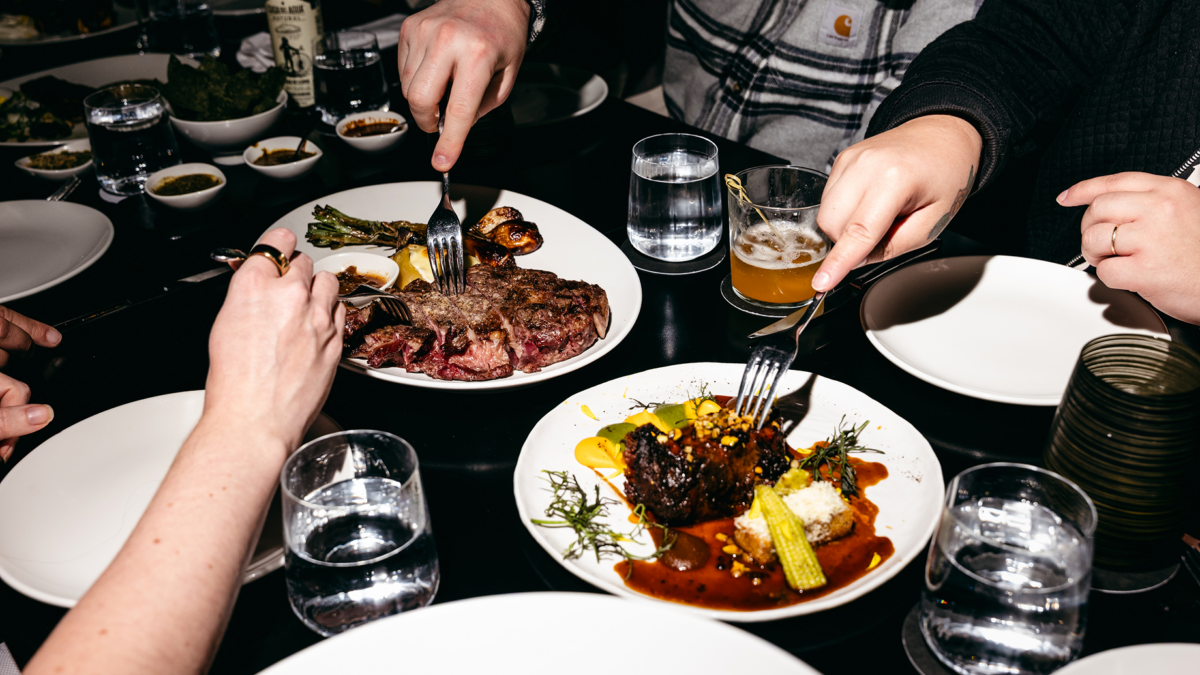
The Restaurant Impact Report found that restaurant no-shows create both financial and operational challenges for operators, with a missed table for two costing restaurants an estimated $91 on average, according to operators, said Kemppi.
“Beyond the direct revenue loss, 56 per cent of restaurants identify staff costs as a potential consequence of no-shows, while 56 per cent point to wasted food and stock and 53 per cent say no-shows can result in turning away other bookings, impacting relationship-building,” he explained.
“By avoiding double-booking and cancelling reservations they no longer can keep, diners can help restaurants operate more efficiently. The good news is that Canadians are stepping up, with overall no show rates down 4% in Canada year-over-year.”
“Overall no-show rates in Canada declined four per cent year over year, which is an encouraging sign that diners are becoming more mindful about reservations. OpenTable equips restaurants with tools built to help reduce no-shows and protect a restaurant’s bottom line. As a result, restaurants can adopt measures that make it easier for diners to book and manage reservations, including deposits, prepaid experiences, automated confirmations and online waitlists. Restaurants on the OpenTable platform using deposits see a 60% reduction in no-shows globally. These tools help diners manage their reservations more effectively while giving restaurants greater certainty when planning staffing, inventory and table availability.
“Prepaid Experiences, which require upfront payment for special events, tasting menus and other dining occasions, can be particularly effective. Globally, Prepaid Experiences have been shown to reduce no-shows by up to 45 per cent and late cancellations by up to 66 per cent compared to non-prepaid experiences.”
More from Retail Insider: