At a time when Canadian manufacturing, food innovation and the importance of supporting local economies are at the forefront of national conversations, one Italian company is marking a significant milestone in its commitment to Canada.
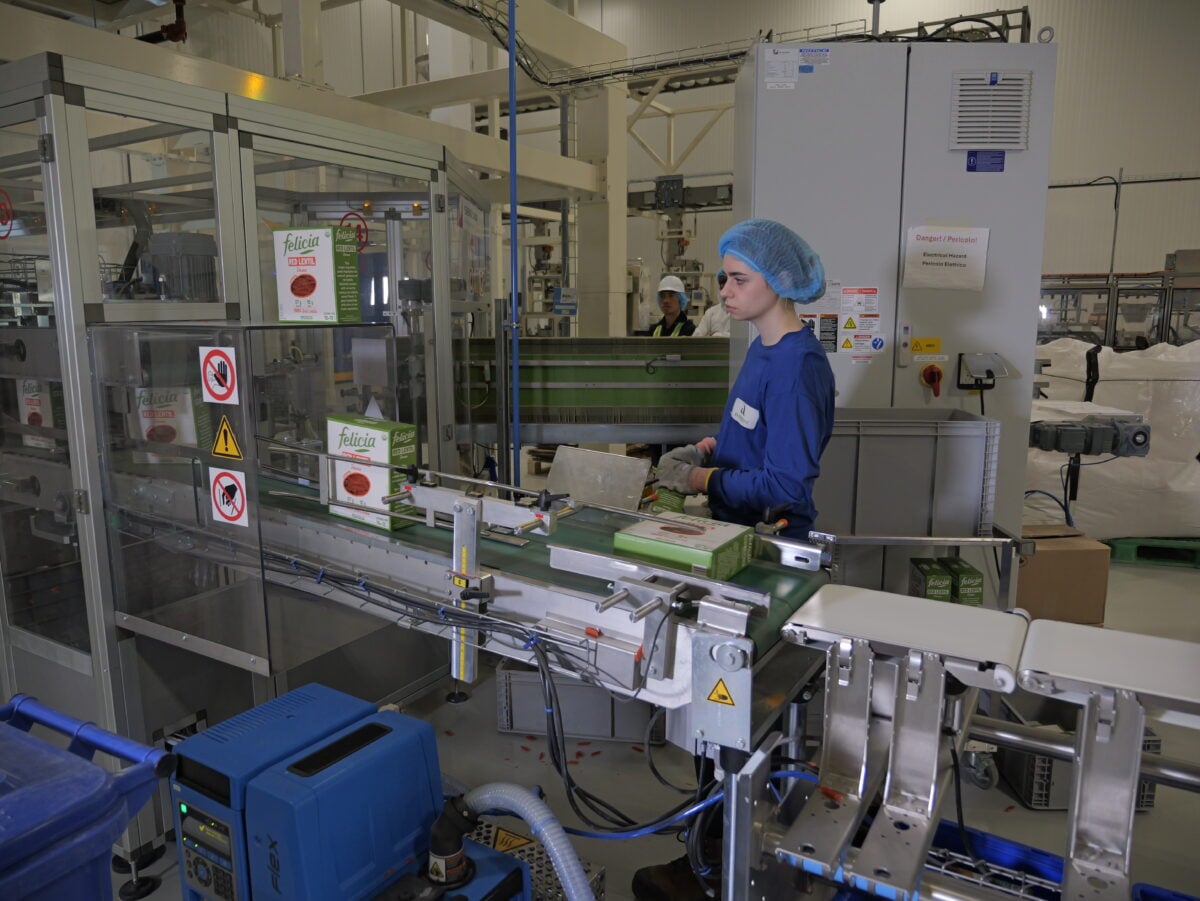
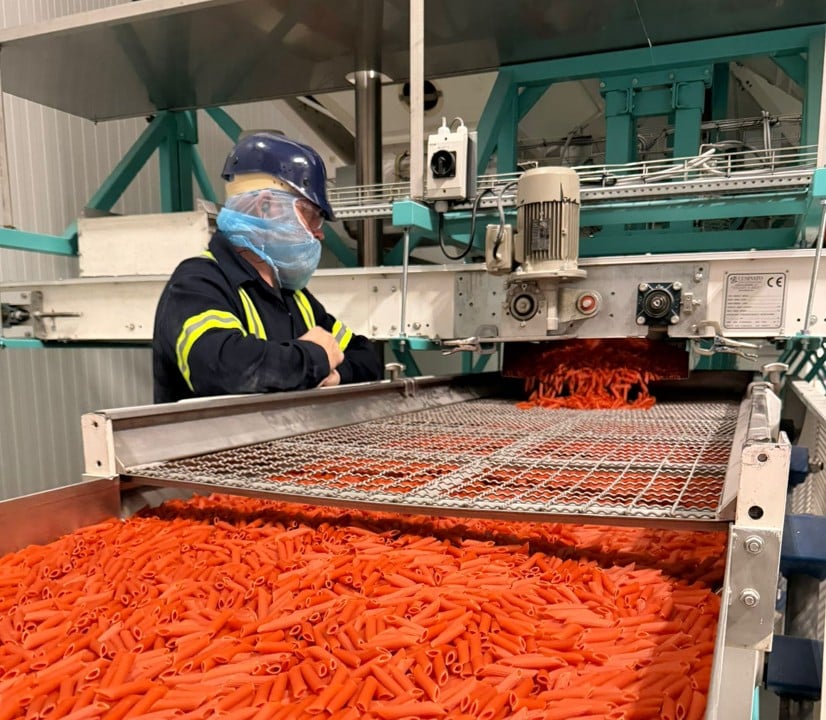
One year ago, Italian food innovator Andriani officially opened its first North American manufacturing facility in London, Ontario, backed by an approximately $55- million investment. The 61,225-square-foot facility represents a major step in the company’s global expansion and a strategic commitment to making Canada its North American manufacturing hub.
Andriani’s decision to establish operations in London was deliberate. The company recognized Canada’s skilled workforce, agricultural resources, innovation ecosystem and access to North American markets as important foundations for long-term growth.
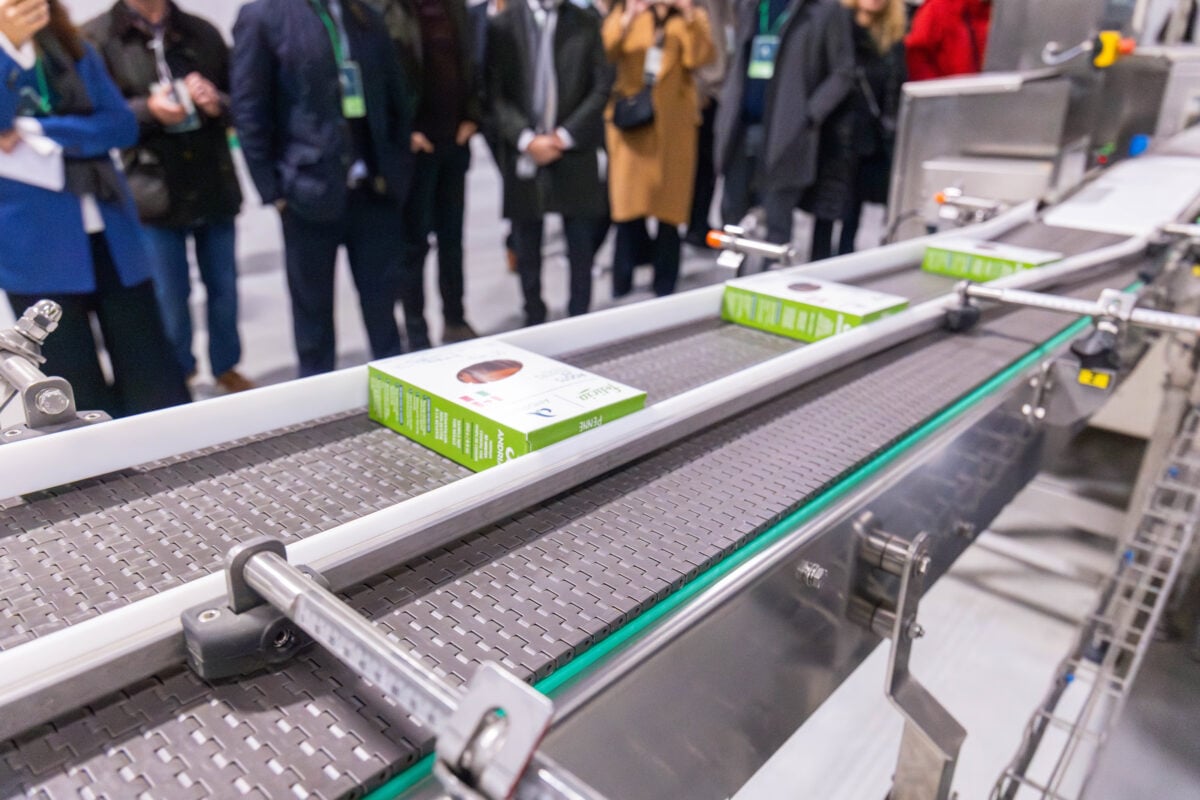
Through its flagship Felicia brand, known for its innovative gluten-free pasta made from legumes, grains and other alternative ingredients, Andriani is bringing Italian food expertise together with Canadian manufacturing capabilities.

Choosing Canada
As the facility marks its first anniversary, Carlo Stocco, Managing Director, North America, Andriani, reflected on how the company selected Canada because it offered the strongest foundation for its long-term manufacturing and innovation goals in North America.
“It gave us the opportunity to bring our Italian pasta-making expertise closer to consumers while building an integrated regional business that can serve both Canadian and U.S. markets,” he said.
“London offered a compelling combination of specialized talent, an established agri-food sector, access to agricultural raw materials and connections to major Canadian and U.S. markets. The support of local institutions and partners also helped make it the right environment for our first North American facility. Our approximately $55-million investment reflects our confidence in Canada as both an important market and a platform for broader North American growth.”
Investing in Canadian Manufacturing
Stocco said manufacturing locally allows the company to participate more directly in the market it serves.
“It brings production closer to our retail partners and consumers, supporting consistent supply, quality control and the ability to respond to their needs,” he explained. “The economic contribution extends beyond the factory. A manufacturing business creates opportunities for ingredient suppliers, packaging companies, transportation providers, technical specialists and other service businesses.
“Building those relationships helps more of the value generated by our investment circulate within the Canadian economy. Furthermore, Canadian consumers want to buy Canadian products, especially when they know they are supporting local businesses, jobs, and communities. Retailers play a key role in making that choice easier. Supporting Canadian businesses is not just a response to consumer preference, it is an investment in a stronger, more resilient Canadian value chain that benefits us all.”
North American food industry
During its first year of operations, it identified a significant opportunity to make alternative-ingredient pasta relevant to a wider audience. In addition to consumers who require gluten-free options, it aims to reach households seeking greater ingredient variety and nutritional value in everyday meals, added Stocco.
“Our Canadian launch provided an important foundation. In May, we announced distribution across more than 800 retail locations while production was underway at our London facility. Together, these milestones showed that regional manufacturing could support expanding retail distribution,” he said.
“The central commercial challenge is converting availability into repeat purchases. For consumers, the product must deliver on taste, texture, convenience and value, while clear communication can help familiarize them with ingredients they may not previously have considered in pasta. For retailers, we must demonstrate how Felicia can attract additional shoppers and create new occasions within the category.”
The future of pasta
Stocco said Andriani believes pasta’s future won’t be about choosing gluten-free or another option, but a natural expansion of the category of pasta with new ingredients, nutritional benefits, and choices.
“Rather than dividing the category, innovation will strengthen and benefit it as a whole, making the product segment more dynamic, attracting new consumers, and creating growth opportunities for everyone,” he said.
“Following that, our approach begins with the ingredient. Oats, buckwheat, chickpeas and lentils each bring different characteristics, giving us opportunities to develop pasta with distinct flavours, textures and nutritional profiles. The benefits depend on the formulation, so it is important to communicate clearly at the individual product level.
“Taste and cooking performance remain fundamental because consumers need to enjoy the meal if they are going to buy the product again. Felicia Organic Oat Penne’s 2026 NEXTY Award for Best Gluten-Free Product illustrates the recognition received by one product developed through our ingredient-led approach.”
Next phase for the company
Stocco said Andriani’s proposed next phase centres on building the Canadian business through stronger retail relationships, consumer awareness and continued development of its local supply network.
“We want to help more people discover Felicia and make it part of their regular shopping habits. A key part of our 2027 marketing strategy will be to give more consumers the opportunity to taste Felicia firsthand through trade shows, retail activations, and sampling events. We find that tasting the product can challenge expectations, particularly among consumers who are skeptical about the flavours and texture of gluten-free pasta. These direct experiences allow us to demonstrate the product’s quality, encourage trial, and build the confidence that supports repeat purchase,” he added.
“Looking ahead, we’re particularly excited about the innovation pipeline coming from our North American facility. This fall, we’re presenting new products to retailers for 2027 launches. While it’s still too early to share details, we believe these innovations meet a true consumer need, and they bring something truly innovative and exciting to the pasta aisle!
“London is central to that direction. Our investment established a manufacturing base designed to serve both Canada and the United States, bringing production closer to the markets where we see long-term opportunity.
“As we develop the business, our focus is on matching distribution growth with dependable supply and products that earn repeat purchase. Our ambition is to combine Italian pasta expertise with Canadian manufacturing and regional partnerships to build a lasting North American presence.”
More from Retail Insider: