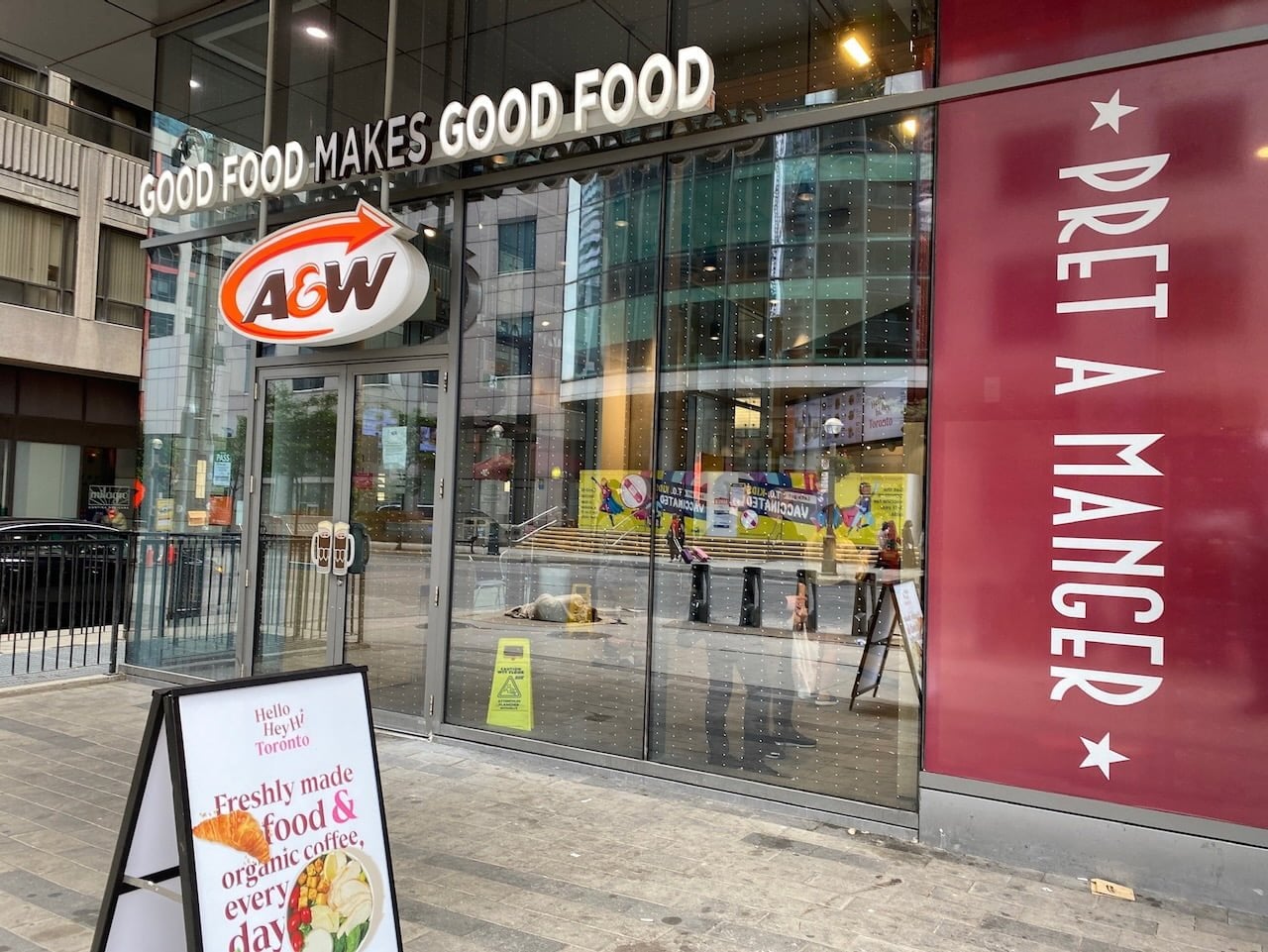
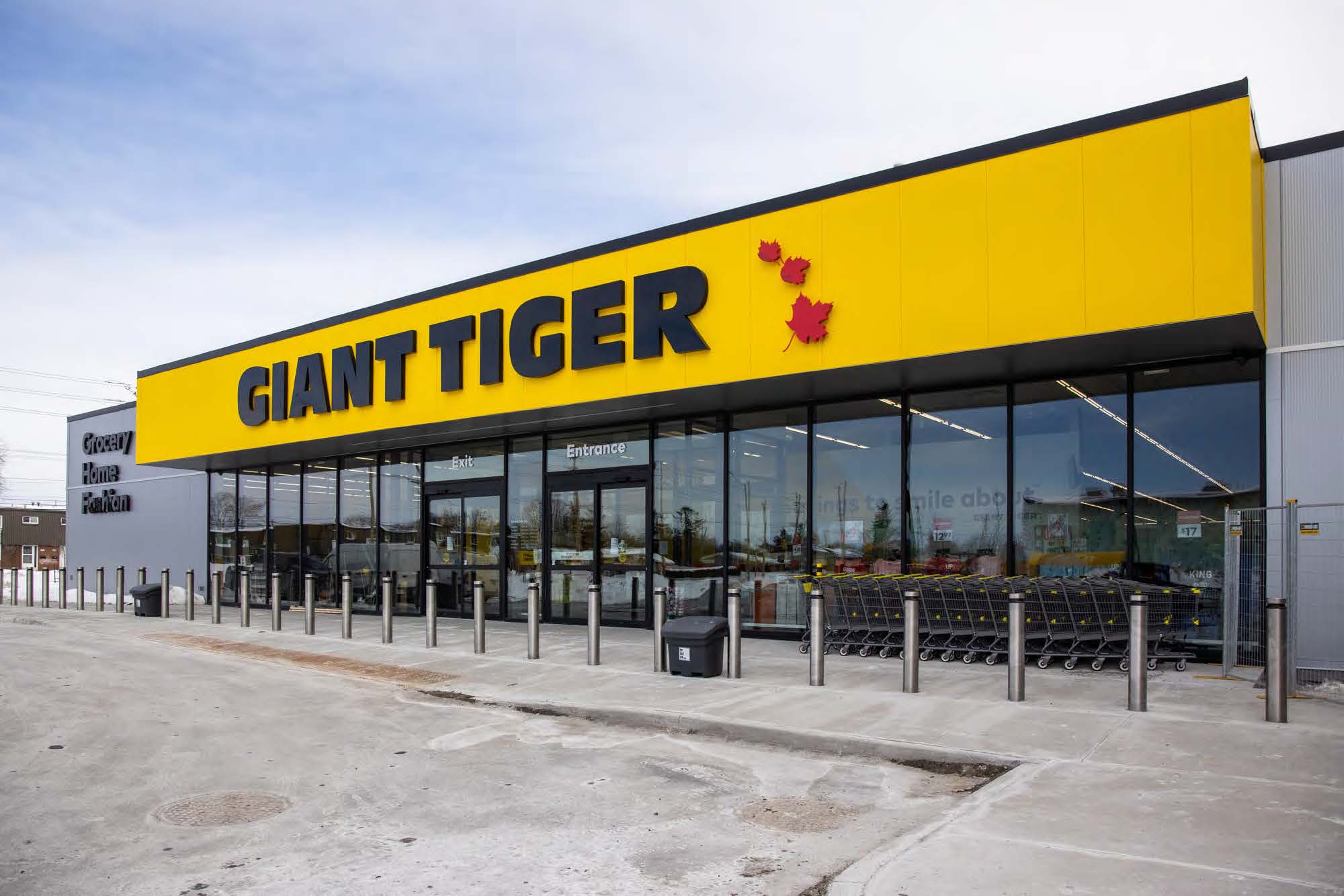
Major Canadian cities are seeing people moving downtown like never before, creating demand for new retailers and new retail space. There’s an opportunity for developers to capitalize on retail opportunities at the base of new condominium and other mixed-use towers, if done right. However, plenty of the developers building new residential towers are neglecting the retail space beneath, according to Babak Eslahjou, principal at Toronto-based CORE Architects.
Thousands of people are moving into Canada’s urban cores annually, for a variety of reasons. Some are young people seeking an exciting urban lifestyle, while also being close to work or school. Some are seniors seeking out enjoyable urban amenities, including professional sports, restaurants, theatre and other cultural activities. Even some families with children are seeking to live in high-density developments in Canada’s urban cores— though for a variety of reasons, that’s still a challenge.
CORE Architects’ Mr. Eslahjou notes that, when done right, adding retail space to high-density urban developments can provide developers with a consistent stream of rental income after condominium units have been sold in the building above. Securing a strong tenant, such as a national grocery chain, can provide the landlord with a “very good source of revenue,” according to Mr. Eslahjou — though there are some challenges to creating such space in a multi-use high-density environment.
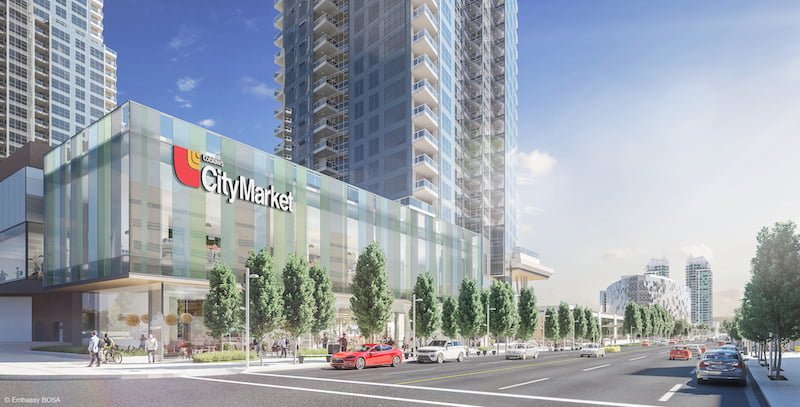
Ceilings must be sufficiently high enough to attract the right tenants and in the case of grocery tenants, soaring ceiling heights are often required. This has been a challenge in some markets, particularly those with strict building height restrictions. In some parts of Vancouver, for example, it is mandated that retail be included along urban street-fronts. The city is also notorious for enforcing its mandated height limits (not to mention rather arbitrary view cones) and as a result, some residential developers have added ground-level retail space with insufficiently low ceilings for many retail concepts. One local broker, wishing not to be named, explained the frustration of dealing with less-than-ideal retail spaces, including those with low ceilings, in a number of mixed-use buildings in the city. As a result, a number of developments continue to see retail vacancies long after condominium units above become occupied.
Column spacing must also be wide enough so that retail tenants can properly lay out and merchandise their stores. This becomes a challenge, as support pillars are required for the building above, while at the same time ample wide support columns will make some retail spaces less desirable. Creativity is required but it’s not impossible — Mr. Eslahjou described how the One Bloor Street West project in Toronto, for example, will feature column-less retail interiors. It takes skilled architects and engineers to create such spaces, though, and there are increased costs involved, but Mr. Eslahjou said that it can be worth it for the right tenant(s).
He noted that there are also a few other challenges to adding retail in high density areas. Grocery stores typically see multiple deliveries daily, requiring loading docks to be strategically designed so as to provide minimal disruption to neighbours. Restaurants require ventilation, which needs to be integrated in an innovative way to ensure it meets zoning code. And speaking of zoning, some cities have onerous minimum parking requirements for retail that can be very expensive to adhere to (he mentioned Mississauga as an example, and there are others).
Mr. Eslahjou went so far as to say that residential developers should consider prioritizing retail space in the designs of high-density projects, recognizing the commercial opportunities in areas with around-the-clock traffic. While it may sound outlandish to some builders, adding a strong retail offering can actually be an attraction for some buyers, helping sell-out projects.
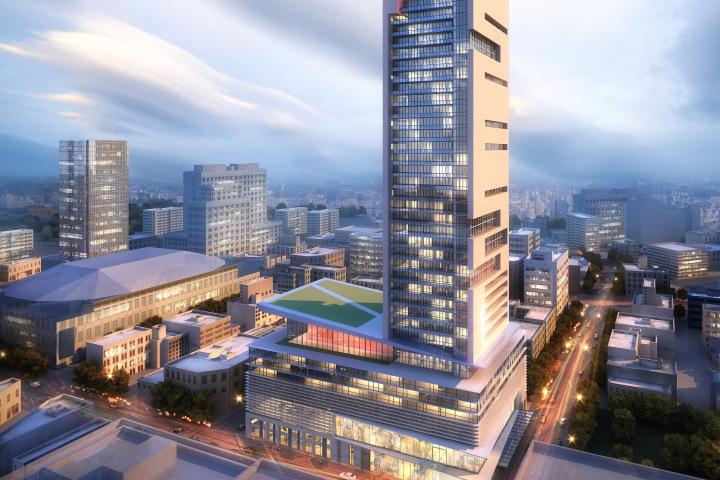
When Rennie Developments was marketing its L’Hermitage residential tower in Vancouver in 2005, one of its attractions was a major grocery store anchor that was to anchor its base, as well as a home furnishings retailer above. Marketing materials indicated that one’s life would be “just an elevator ride away” if buying into the project — and units sold out quickly. L’Hermitage’s marketing at the time was considered to be somewhat groundbreaking, as mixed-use buildings and urban lifestyles were still foreign to many Canadians, even those in Vancouver.
Fast forward to today, where more developers are offering exceptional retail in their residential projects, with a number of exceptional examples now available Canada-wide. There will be even more demand for urban commercial space within high-density buildings, as Canada’s urban populations continue to explode.
Downtown Vancouver has added thousands of residents to its downtown peninsula over the past decade, now boasting a population in excess of 100,000 in hundreds of steel and glass towers. Edmonton, Calgary, Winnipeg, Ottawa and Montreal are all seeing new residential development in their cores, and some of the developers involved are recognizing the benefits of adding high-quality retail space. Many urban dwellers are seeking a convenient lifestyle where one can walk to local retailers, be it the local grocery store, dry cleaner, hair salon, restaurant or tailor. Making such retail available will only enhance growing downtown communities, not to mention facilitate an urban lifestyle that many new urban dwellers are now seeking.
There will be plenty more retail opportunities in downtown Toronto in the coming years as well — the city’s core, which currently has a population in excess of 250,000, is expected to grow to over 475,000 residents by the year 2041. In North America, only Manhattan will have a denser and more populous core.
When developers add strong retail to urban projects, it also benefits communities. Animating retail spaces create animated streets, which in turn leads to a perception of safety, not to mention a level of excitement and vibrancy that can’t be replicated in the suburbs. As Canadian cities continue to add new residents, opportunities exist for developers to create great retail spaces to lease at a profit, and retailers have the opportunity to open new locations to serve rapidly expanding downtown populations.