The Messy Business of Meal Kits and Canadian Food Retailers

Date:

Share post:

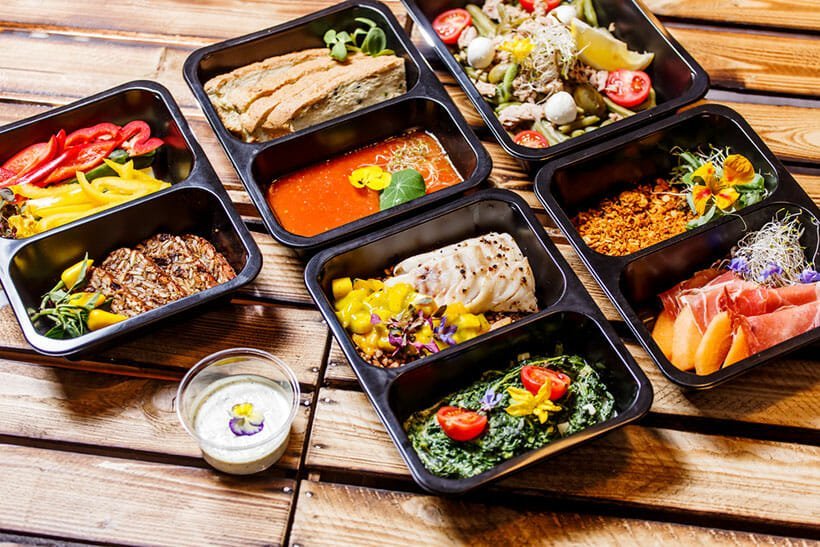
Meal kits are becoming a North American phenomenon. Deals are happening everywhere. In the latest deal, Walmart has partnered with Gobble to deliver meal kits. In the battle over the future of food consumption in the U.S., Walmart is making moves to maintain a fighting chance against the food industry’s new mammoth, Amazon, after the latter acquired Whole Foods a year ago. Don’t be surprised if more grocers do the same.

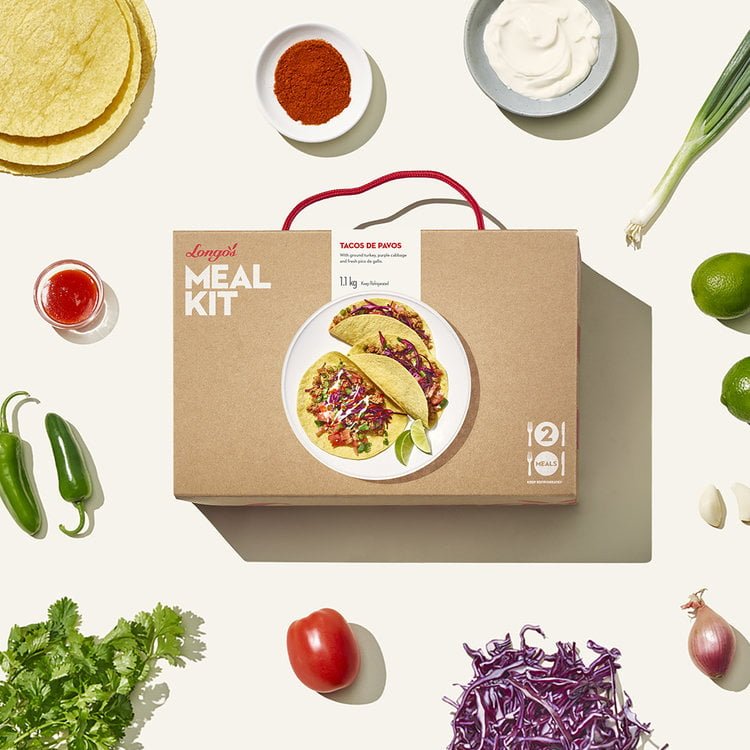
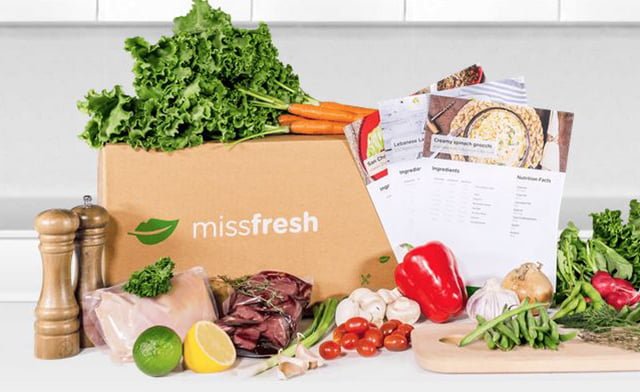
Meal kit delivery services made their debut in 2012, just 6 years ago. Most companies are still considered as start-ups. Gobble, for example, started in 2014 with its three step, one pan, 15-minute meal kit. The United States now has over 150 different meal kit companies, in many parts of the country. Canada has just under 20 significant players already. While this is a relatively new segment in food retail, it now represents over $1.5 billion in the U.S. alone, and is growing. Here in Canada, the meal kit segment is estimated to be worth around $200 million, but also growing. Metro made its move, a brilliant one at that, when it acquired Miss Fresh last year, allowing this grocer to hit the ground running. Meal kitting is likely in the cards for other grocers, but no great announcements have been made thus far.

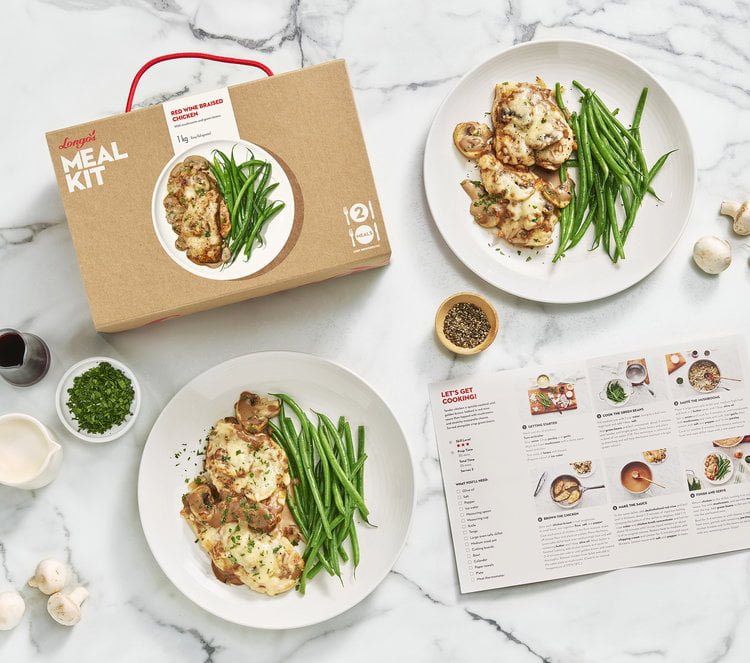
And why not? Consumers want to be empowered by cooking but still need convenience. Instead of take-out, they will choose a meal kit which brings them pre-shopped, pre-measured, pre-everything so they can whip up an appealing dish in minutes, even with little or no cooking experience. Costs, however, are anywhere between $9 to $12 a meal, which makes this service prohibitive for many.

The other issue hitting this category quite hard is packaging. For assured freshness and food safety, ingredients must be thoroughly wrapped, making some younger, environmentally-conscious buyers less enthusiastic about their purchases. This is likely the biggest hurdle meal kits will need to overcome: the waste is astronomical. However, it’s important to highlight HelloFresh here as they are the first meal kit company to become carbon-neutral. In addition to this, they plan to significantly reduce food waste at their production facilities in 2021, making them the favorable choice among Canadians looking for a greener meal kit option. 
Another issue is profitability. Goodfood is one of the largest meal kit providers in Canada. Even though is has tripled the number of its active subscribers, which reached a total of 76,000 recently, it is still losing money. Most are not making a profit which is peculiar for a new growing segment. But given the excitement around meal kits, most of these companies barely sweat to raise capital. The pressure to generate revenues is real without spending too much on marketing. As the market matures, only some will survive. But those partnering or working with large retailers have a greater chance of survival and of grabbing a decent share of the market. Grocers have never been great at food service either, so uniting forces only makes sense. Furthermore, grocers are starting to see meal kits as foot traffic drivers, a major advantage these days. This is what Gobble is doing with Walmart.

Despite the challenges, meal kits are facing relatively few headwinds. The food service and hospitality sector in Canada has been booming over the last few years, with growth exceeding 5% in 2017 and forecasted growth of more than 4% this year. Compared to food retailing, these numbers are spectacular. Grocers want into the food service game, and meal kitting is certainly one way to do it. What makes the meal kit case more compelling are the expected revenues for home delivery. In 2018, we expect Canadians to order $2.5 billion worth of food, an increase of 23% last year. The industry expects double-digit growth over the next few years.

In other words, people are eager to eat more at home, while forgoing the cooking. Canadians are still buying cookbooks in droves and watching a record number of cooking shows; however, meal kits are becoming increasingly popular.

But it doesn’t stop there. Ghost restaurants are also in vogue in North America and Europe. Unlike UberEats, for example, where consumers can directly connect with restaurants, there is no interaction between a ghost restaurant and the consumer. These are virtual eateries, for consumers who don’t want to cook at all. They can order from these establishments through third party applications. All for the sake of convenience. All of these service models eliminate the inconvenience of waiting in dining rooms for your meal. For the business owners, they solve the issues of extra labour costs to mitigate risks related to higher minimum wages, and most important, of choosing the right location. 

But meal kits still do not resolve the age-old issue of dishes. You still need to clean up after you are done. Technology hasn’t solved this problem yet, but surely someone will come up with something soon.


RELATED ARTICLES

Subscribe to the Newsletter

Subscribe

* indicates required

RECENT articles

Aritzia’s Store Network Has Shifted South as U.S. Expansion Accelerates

Aritzia now operates more boutiques in the United States than in Canada as the Vancouver-founded retailer directs most new-store growth south of the border. Its mature Canadian network offers a useful template for the company’s push toward a potential 180-to-200-store U.S. footprint.

Starbucks undertakes massive refresh of North American locations and closing 250 stores

A refresh of Starbucks cafés is designed to bring customers back to what they love most about the coffeehouse: great coffee, craft, connection, and community.

Tommy Gun’s Original Barbershop has ambitious growth plans in Canada and internationally

Tommy Gun’s CEO Keenan Fisher discusses the Canadian barbershop brand’s growth, franchising strategy and plans for 80-plus new locations worldwide.

MEC to Open Small-Format Whistler Store as Retailer Tests New Concept

MEC will open a 2,200-square-foot store in Whistler Village, testing a smaller retail format backed by curated inventory and its broader online assortment.

Lavazza Targets Canadian Growth as It Moves to Double North American Business by 2028

Lavazza is expanding its Canadian presence as part of a strategy to more than double its North American business by 2028, with growth opportunities in distribution, Western Canada and experiential marketing.

Guac Mexi Grill Marks 10 Years With 56 Locations, Eyes U.S. Expansion

Oakville-based Guac Mexi Grill is marking its 10th anniversary with 56 Canadian locations and plans to add 10 to 15 restaurants annually while expanding into the U.S. and India.

Rawcology Founder Tara Tomulka turns personal health journey into growing plant-based food business

Rawcology has grown from a nutrition blog into a food brand offering organic, low-sugar products, with founder Tara Tomulka eyeing further growth in Canada and international markets.

AI transforming retail pricing, from dynamic discounts to personalized offers

McGill professor Maxime Cohen examines how artificial intelligence could reshape retail pricing, customer discounts, fairness and the future of AI-driven commerce.

Retailers face growing trust challenge as AI reshapes customer personalization

Amperity co-founder Derek Slager explains why accurate customer data, privacy, transparency and governance are becoming critical as retailers expand AI-powered shopping experiences.

Daily Synopsis: September 24, 2026

Economists optimistic amid new retail data, consumers could benefit from Empire ending property controls, Starbucks closing 250 North American locations, OVO marks 25 years of Degrassi, and other news.

Natural, organic and wellness sector facing growing pressure from tariffs

The Canadian Health Food Association (CHFA) warns of impacts across the NOW industry that generates approximately $39.7 billion in economic output, contributes $18.7 billion to Canada’s GDP, and supports approximately 147,100 full-time equivalent jobs, according to research by MNP.

Kraft Dinner teams up with Solly’s Cream Soda for unique beverage

KD is teaming up with Solly’s Craft Soda to give fans a new way to satisfy their KD cravings in a beverage that combines the taste of cream soda with a hint of KD’s iconic cheesiness

Payroll employment increases in retail trade: Statistics Canada

From February to July, payroll employment in this sector generally trended up, with an overall increase of 25,300 (+1.3%).

Fuel costs, tariff pressures drag small business confidence down in September: CFIB

Weak demand remained the leading growth constraint for nearly half (49%) of small businesses, while shortage of skilled labour persisted for 41% of small firms.

Central Walk Details Redevelopment of Former Bay Spaces at Woodgrove and Mayfair

Central Walk owner Ruby Liu details plans for 310,000 square feet of former Hudson’s Bay space at Woodgrove  Centre in Namaimo and Mayfair Centre in Victoria, including H Mart, Haidilao and TM Wander.

8 in 10 Canadians cutting back on restaurants: Restaurants Canada

Restaurant sales are expected to reach $130 billion in 2026, but rising costs and thin margins continue to depress bottom lines.

Retail sales dip in July: Statistics Canada

The largest decrease was observed at general merchandise retailers, in which retail sales were down 1.9% in July, after increasing 2.5% in June.

7-Eleven Brings Korean Bestsellers to Canada as Global Food Strategy Expands

7-Eleven Canada is importing top-selling Korean snacks from another 7-Eleven market for the first time, extending a food strategy that increasingly draws on products tested elsewhere in its global network. The move follows the success of its Japanese-style egg salad sandwich.

Osmow’s reaches 250 locations as family-run restaurant marks 25 years

The company was founded by Sam Osmow in 2001 after he converted a small Streetsville sub shop into the first Osmow’s Shawarma location.

KaleMart24 preparing for rapid expansion in the coming months

17 locations have now been secured, with eight of those under construction and expected to open by the end of the fall, while five additional franchisees are still looking for locations.