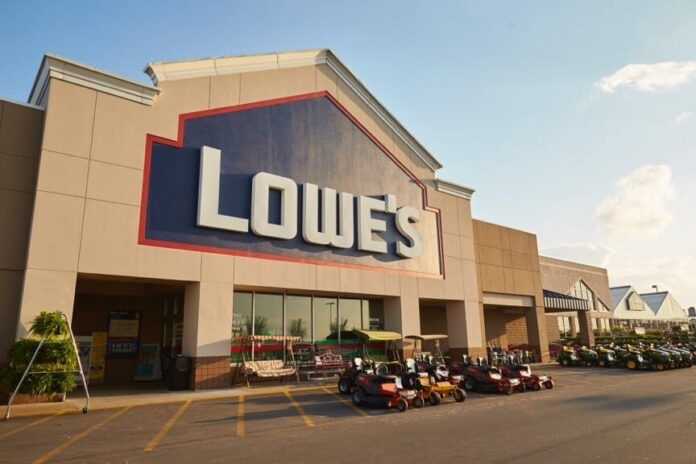
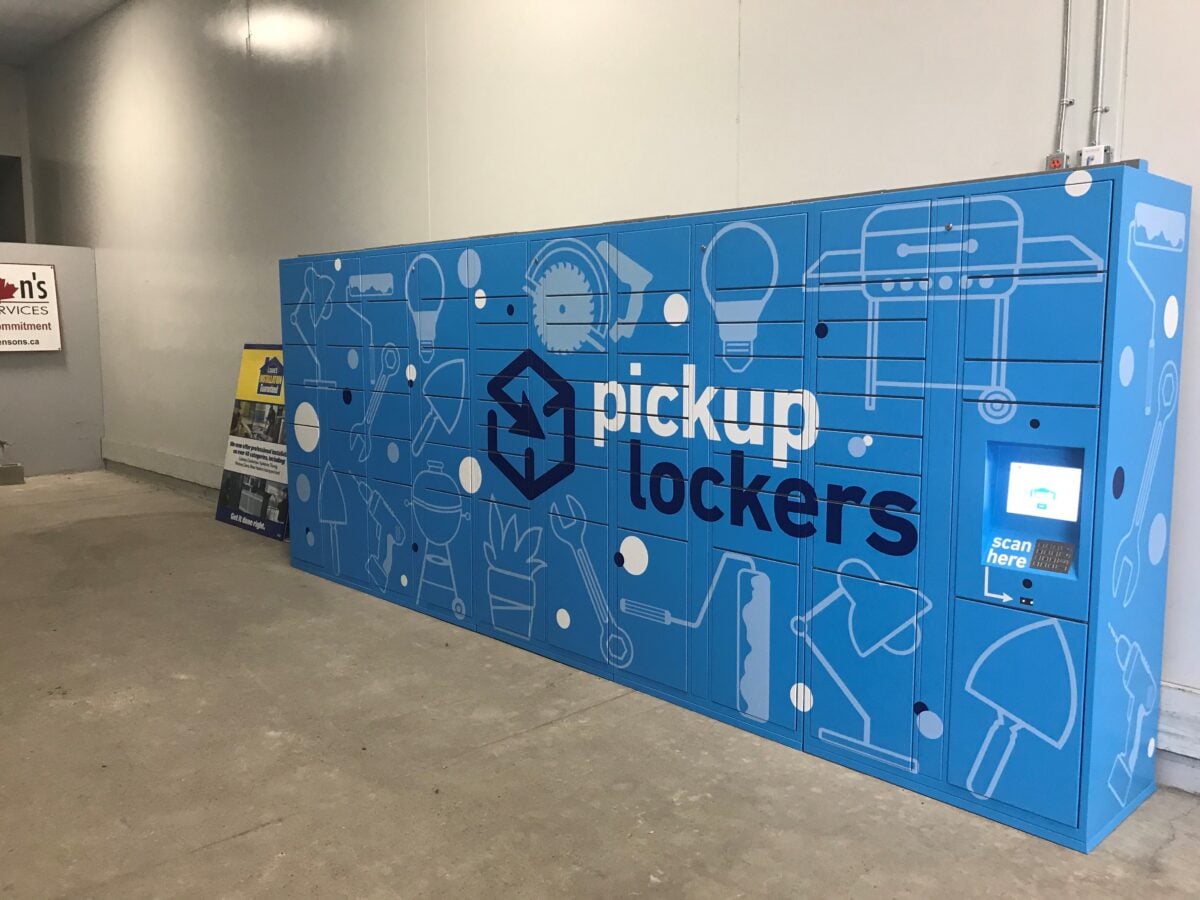
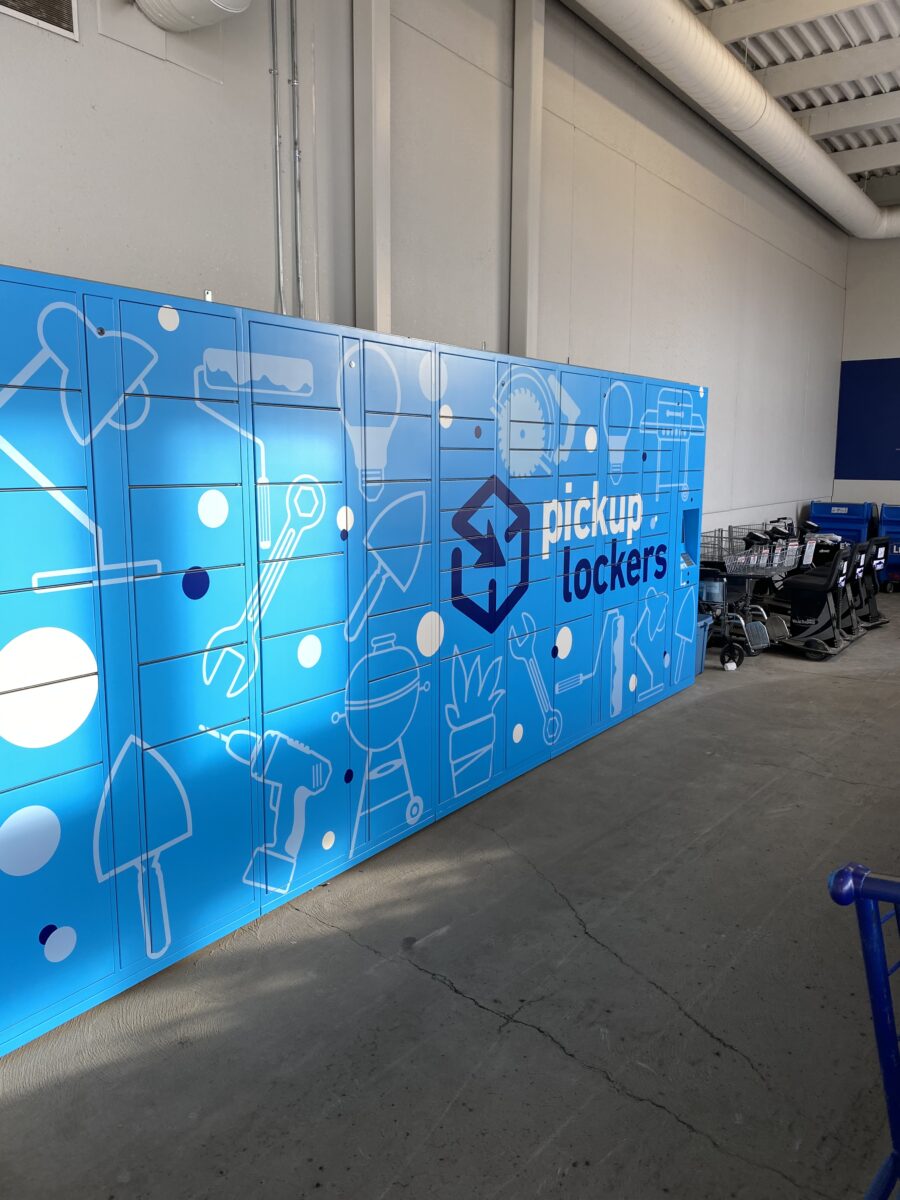
Home improvement retailer Lowe’s Canada is launching new contactless pick-up lockers where customers can grab items they have purchased online.
The new lockers will be in 48 select Lowe’s stores by the end of April, with the plan to expand the concept to more stores in the future.
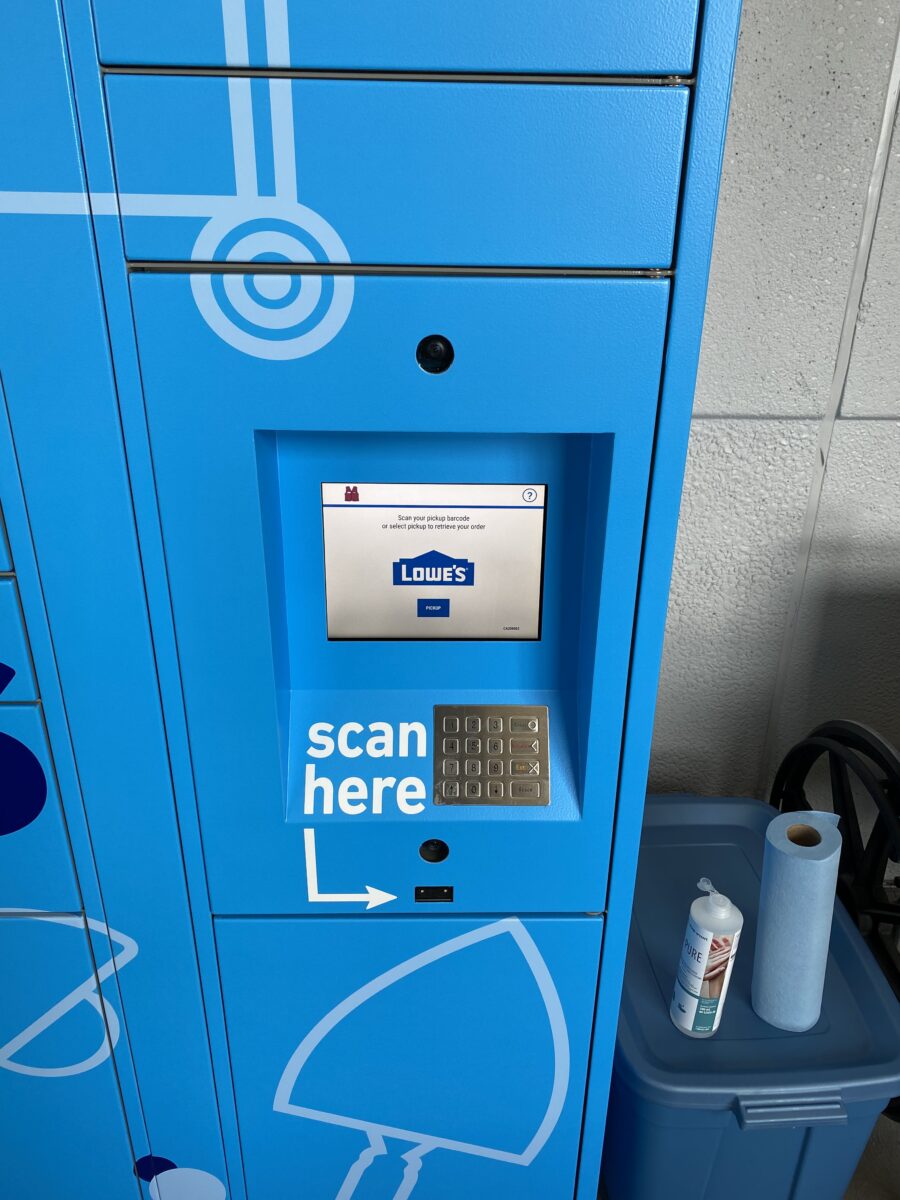
Installed near the entrance of select stores, pick-up lockers will be equipped with Bluetooth technology and a touchscreen where customers will have access to instructions on how to retrieve their online orders, and where they will scan the barcode that they received in their confirmation email. Customers will have up to seven days following the reception of that email to retrieve their purchases at their convenience.
Tony Cioffi, Senior Vice-President, Stores at Lowe’s Canada, said consumers have embraced online shopping in a big way this past year and the retailer felt it was important to provide them with a quick and easy way to pick up their orders.
New contactless pick-up lockers at a Lowe’s location in Scarborough, Toronto. Photo: Lowe’s
“If they have a product that fits within the dimensions of the pick-up locker the customer could get the option of picking up that product in that locker without actually interfacing with anybody and in fact not really touching anything,” said Cioffi.
“We’re starting with rolling it out in 48 of our Lowe’s stores in April and then RONA is going to follow and Reno-Depot right after — 41 RONA’s and 15 Reno-Depot’s. In all it will be 104 stores which are going to have these lockers in the vestibule.
“That’s the first wave because we’re already having discussions about a next wave that’s going to come after. Our objective is we’re trying to create a consistent, seamless experience for our customers. So the more stores we can get this into the better it is obviously because it’s a great customer experience. It’s contactless and it’s efficient. Honestly, customers have been asking for this and with the ecomm business growing more and more obviously with everything that’s happened in the last year with COVID, it’s definitely something customers are excited about . . . Customers are looking for a seamless, omnichannel experience.”
Cioffi said another wave of 75 stores will take on the lockers, bringing the total in the future to 180 of the 236 corporate stores the retailer has in the country.
New contactless pick-up lockers at a Lowe’s location on Crowfoot Trail in Calgary. Photo: Lowe’s
New contactless pick-up lockers at a Lowe’s location on Crowfoot Trail in Calgary. Photo: Lowe’s
“We’re just going to continue to assess and the way we plan the rollout is it’s based on the volume of activity from weekly pickup activity in those stores,” he said. “We started with the Lowe’s 48 because they’re the ones that have the highest activity.”
Based in Boucherville, Quebec, Lowe’s Canadian business, together with its wholly-owned subsidiary RONA inc., operates or services some 470 corporate and independent affiliate dealer stores in a number of complementary formats under different banners, which include Lowe’s, RONA, Reno-Depot, and Dick’s Lumber. In Canada, they have more than 26,000 associates, in addition to approximately 5,000 employees in the stores of independent affiliate dealers operating under the RONA banner.
Early this year, Lowe’s Canada said it hopes to fill over 7,000 full-time and part-time positions in an extensive spring hiring campaign throughout its network of stores.
“Over the last year, we have seen a great deal of interest in home improvement among Canadians. More than ever, our customers are counting on us to help them make their home comfortable and safe, and our store associates play a key role in supporting them throughout their projects,” said Marc Macdonald, Senior Vice-President, Human Resources. “To meet the public’s increased demand and continue to offer the best service possible, we are looking for people who want to work for a top employer in a stimulating environment where they will be encouraged to harness their talents.”
Available positions range from Receiving Clerk and Sales Associate roles, to Sales Specialist, Administrative Support, and Merchandising roles.
Cioffi said the retailer is “super fortunate” to be an essential service in the current environment.
“We feel it’s a privilege. We take it very seriously. And yes we’ve been fortunate. Obviously people aren’t travelling. They’re staying home more and their home is becoming their office. It’s becoming everything to them. So people are investing in their home to expand the space that they’re living in by either building a home office or even spending time renovating their existing property because their disposable income is not being spent on travel and not as much in restaurants, etc,” he said.
“We’re fortunate in the home improvement industry that people are using some of that disposable income to spend on their home and obviously that benefits us because that’s obviously what we sell and the type of service that we provide. Business has been good.”
Cioffi said the retailer has already hired about 5,000 people in its spring hiring campaign.
“We continue to make sure that we get people, our associates, hired to help support us during these busy times,” he said.
(Interview) The Importance of Agility to the Future of Retail with Adam Sturrock of Amplience
An off-schedule podcast discussion with Adam Sturrock (VP of Product Marketing at Amplience). Craig and Adam discuss the importance of agility to the future of retail.
“Everyone says bricks and mortar is dying. I say it just has to evolve,” says Adam. Part of that evolution is the device sitting in everyone’s pockets – the smartphone. Everything is already in place, retailers just need to harness the right technology to really connect with their customers and enrich their experiences, whether they’re shopping online or walking into their physical stores.
A big part of the technology and infrastructure needed will be headless commerce. It provides the business agility retailers need to adapt quickly and proactivity implement change to gain a competitive edge.
Interview Details:
Adam Sturrock (VP of Product Marketing at Amplience)
The Weekly podcast by Retail Insider Canada is available on Apple Podcasts, Stitcher, TuneIn, or through our dedicated RSS feed for Overcast and other podcast players.
Subscribe, Rate, and Review our Retail Insider Podcast!
A recent survey by Angus Reid, commissioned by EMERGE Commerce, has found that COVID-19 pandemic habits developed when it comes to online shopping will persist even when the current health crisis is long over.
Consumers are increasingly getting used to the convenience and ease of shopping from home and avoiding other people in stores. That will become the new normal, post-pandemic for many of them.
In fact, the recent release of Deloitte’s Global State of the Consumer Tracker indicated that about 50 percent of consumers said they will be doing more shopping online compared to 2019.
The Angus Reid survey found that only 51 percent of people in Ontario plan to return to in-person shopping post-pandemic, with just eight percent of them shopping primarily in-person during the pandemic, compared to a massive 82 percent of Ontarians that shopped primarily in-person pre-pandemic.
Ghassan Halazon
Ghassan Halazon, CEO of EMERGE, a diversified, rapidly-growing acquirer and operator of e-commerce assets, said the results of the survey doesn’t surprise him.
“It just solidifies what we’ve been seeing across our ecosystem of EMERGE Commerce properties,” said Halazon. “There was a pause. But when this pandemic struck, there was this macro acceleration of online shopping behaviour. I suppose the million-dollar question was, what’s next? How will this curve look like a year or two out? And I think we’re starting to now get early glimpses of the new world which is online first. There’s no such thing as offline commerce or ecommerce. It’s really now just commerce and where consumers are at it happens to be online — increasingly.
“With the numbers, if I had to guess, I would have probably guessed around there. So nothing shocking to me. But I’m a practitioner here with our ecommerce portfolio. We get to see how consumers are voting with their wallets online.”
EMERGE was named one of the fastest growing companies in Canada by the Startup 50, and the Globe and Mail’s 2020 Canada’s Top Growing Companies.
Halazon said the trend to online will continue to grow the longer the pandemic sticks around and lockdowns are in place.
“Every additional quarter or year that this drags on I think just more and more people build these habits of doing shopping the easier, more convenient, cheaper way,” he said.
“I think user experience and optimizing the site, whether that’s desktop or mobile first, has a lot to do with how consumers ultimately convert online. So conversion rates are that much higher for optimized sites and simplified user-friendly sites. People are looking for an authentic voice these days. So transparency and authenticity are themes that consumers increasingly reward online shopping portals for when they see it.
“Of course, front and centre is ultimately the pricing, the shipping cost, and the logistics, effectively what is perceived as cost-effective shopping is also definitely at the top of consumer preferences or focus.”
Halazon offered some examples of EMERGE’s key portfolio companies to illustrate the growth in online shopping.
The company acquired truLOCAL on December 31, 2020 and Halazon described it as the market leader in premium meat subscriptions. It connects local farmers and grass-fed meat with a health-conscious, digitally-savvy audience online. That was a $20 million revenue business last year. The prior year it was only a $8.9 million revenue business.
“That’s an example of how the pandemic supercharged shopping for groceries,” said Halazon. “Grocery has been a huge category that was propelled by the pandemic and truLOCAL is Exhibit A.
“The other segment we can speak to and share some phenomenal results is golf, golf products. We have a website that’s powered by Shopify called JustGolfStuff.ca. It grew tremendously during the pandemic. You’re talking about a couple of thousand percentage points of growth that it has seen. We saw golf equipment, apparel, and golf balls grow. Obviously the pandemic made golf the envy of all other experiences. At a time when everything was locked down one of the only things that were allowed was to play golf. It brought together all these new demographics into the sport which resulted in people not only buying vouchers to play golf but also golf equipment.”
The golf website in February of this year grew by 4,000 percent from a year ago. The truLOCAL site grew 116 percent year over year.
“Golf and grocery are our two biggest categories. Both saw huge growth. And we believe they’re here to stay. People shopping for meat online has changed forever. If you tried it and it works, you’re very likely to stick around,” said Halazon.
He said truLOCAL is the company’s fifth overall acquisition and the largest revenue business, doubling every year. It’s also EMERGE’s first foray into subscriptions.
“We’re looking to build out our food tech platform through truLOCAL and through other acquisitions in grocery and food tech. We think that’s a big vertical for us and of course we continue to focus on the golf business,” added Halazon.
Rendering of Diamonds Direct storefront. Rendering: Diamonds Direct
Diamond and fine jewellery brand Diamonds Direct is expanding further throughout Canada with plans for standalone stores in major markets. The brand is known for its industry-leading pricing which will see it grow market share quickly.
Diamonds Direct at the CF Toronto Eaton Centre. Photo: Diamonds Direct
Diamonds Direct, which offers both natural and lab-grown diamonds, says that it is dedicated to providing customers with fair pricing and an overall radically-transparent diamond buying experience, including industry-insider pricing data. Customers can shop the brand’s loose diamonds as well as its Jewellery Direct® and Gold Direct® collections of fine jewellery. The jewellery and gold collections are currently available in Canada online.
Diamonds Direct currently operates an e-commerce business in Canada (DiamondsDirect.ca) as well as four physical showrooms in Ontario in partnership with Toronto-based retailer European Boutique. The showrooms are located at CF Toronto Eaton Centre in Toronto, the Yorkdale Shopping Centre in North York, CF Sherway Gardens in Etobicoke, and at Square One in Mississauga.
The expansion for Diamonds Direct will include larger storefronts for the brand, with the exact location and size of the storefronts to be announced in the coming months. We’ll continue to follow this story when more information becomes available.
Sarah Joyce will join Retail Council of Canada’s President and CEO, Diane J. Brisebois, on April 30, 2021 at 2:00pm ET for an in-depth conversation about how Sobeys successfully launched the Voilà by Sobeys service and how the grocery powerhouse plans to keep leading innovation in the grocery industry. [Register: RCC Members $64.99 | Non-members $129.99]
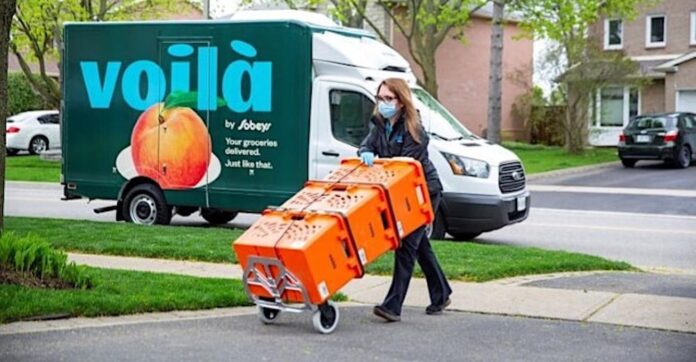
Voilà by Sobeys is a first-of-its-kind grocery delivery system that was expedited during the pandemic. Sarah Joyce, Sobeys Inc. Senior Vice President, Ecommerce mobilized multiple stakeholders on a national scale to accelerate the launch of Voilà by Sobeys grocery delivery service to more quickly meet the unexpected and heightened demand for grocery delivery. The new ecommerce platform has a freshness guarantee, products are offered at affordable prices with no hidden fees, and groceries are delivered straight to customers’ doors in convenient one-hour delivery windows. Voilà delivers from an automated warehouse where robots assemble orders and Voilà teammates safely deliver them direct to the customer’s home with minimal handling.
This is the first of four In Conversation With Retail Leaders webinars where Canada’s most visionary retailers and industry insiders will discuss innovation in retail and provide critical insights to successfully leading businesses through disruptive times.
Other In Conversation With Retail Leaders guests this spring include:
A quiet Yonge Street in Toronto, taken on April 7 2021. Photo: Craig Patterson
Recent increased lockdown measures and COVID-19 restrictions across different provinces will have a devastating impact on Canadian businesses, according to many experts.
And there is growing anger and frustration as many businesses hang by a thread with the threat of closure becoming an increasing reality.
On Tuesday, the Alberta government announced new lockdown measures and restrictions and on Wednesday Ontario Premier Doug Ford announced a province-wide stay-at-home order for the next four weeks.
“It’s going to be even greater because it will affect all retailers of all sizes. Throughout the pandemic we managed different restrictions and lockdowns and our focus was very much, and continues to be, on our smaller retailers, but as restrictions and lockdowns increase this is now having a major impact on mid-size retailers and large speciality chains because the bulk of their assets — the brick and mortar assets — are in those provinces where there are now much tougher restrictions,” said Brisebois, adding that for many mid size stores it’s more expensive to open than to close at such low capacity limits.
“This is in fact going to be affecting a larger number of retailers and we are also absolutely concerned now that the unemployment numbers will increase and that many retail employees will not be called back. In Ontario, if the lockdown is for another four weeks, there’s no runway left and the (support) programs that are currently in place unfortunately do not reflect the current reality. A lot of them have ceilings and they are not basically reflecting the impact this is having on retailers of different sizes.
“We’re going to be calling on the provincial governments and the federal government to seriously look at the expansion of a forgivable loan program at low interest and that is going to be key if they don’t want to see huge unemployment numbers in the service sector. Retail is so fundamental to the health of other sectors within the chain that if that breaks it won’t be a crack in the dam, the dam will go and the dam will take everybody with them. This is serious.”
Daniel Carman, VP of Over the Rainbow Jeans, a family-owned boutique clothing store in Toronto which has been operating now for 46 years, said the retailer is very disappointed and concerned by the government’s decision to invoke another retail-focused lockdown that continues to unjustly target small businesses.
Daniel Carman
“Over the Rainbow has been an important business to thousands of customers and employees over the past 46 years. The strength and resilience of our staff has allowed us to successfully maintain a safe, healthy, COVID-free shopping environment during all our open periods. We are prepared and will continue to pivot, innovate, and motivate for the sake of our community,” said Carman, who is also a board member with the Bloor-Yorkville Business Improvement Area.
“The government must continue to provide small business owners and workers with ongoing mental and financial support. The government needs to clearly communicate to us in a manner we can truly understand and properly prepare for the tremendous sacrifices they are asking us all to make again. We all agree on the problem; we don’t understand or agree with the solutions.”
Olivier Bourbeau, VP, Federal and Quebec, for Restaurants Canada, said provincial restrictions make it extremely difficult for restaurants to operate.
He said one out of 10 restaurants have already closed permanently in Canada with the exception of Atlantic Canada.
“But eight out of 10 restaurants are losing money or barely breaking even,” said Bourbeau.
Olivier Bourbeau
“What is extremely important for us is the federal government support — rent subsidy and wage subsidy. These two elements are the ones that will help us survive. They will stay in place until June and we are asking the federal government to extend that. Otherwise lots of restaurants will close. Actually, should the situation continue for the next six months as is, half of the restaurants will close because the support that we have helps us to survive but our restaurant operators have loans over loans over loans and it will take at least 12 months for the majority of our restaurants to get back to profitability because they’re barely breaking even and losing money as we speak.”
Bourbeau said the restaurant industry in Canada typically employs 1.2 million people. But today there are still 383,000 people who are not back at work due to the pandemic or who are currently not working any hours.
“That’s huge,” he said. “Something extremely important to highlight is labour shortage. Before COVID in Canada, we were already looking for 60,000 workers. We were missing 60,000 workers in our industry. After the first wave we reopened restaurants pretty much everywhere so our workers came back. But after the second closure, many of our workers found jobs elsewhere. With the third closure, more are looking elsewhere. So once we reopen it’s going to be extremely difficult to find enough workers.”
“We’re already expecting 180,000 businesses to close their doors forever but the upper echelon of that estimate was around 250,000 and we could be looking at those numbers because it doesn’t appear that these additional lockdowns are going to be met with additional economic supports to try to help businesses make it,” he said.
Dan Kelly
The irony of current lockdowns and restrictions in many places is that businesses such as restaurants and bars and fitness studios have had few people catch the virus but are facing these measures. Meanwhile, other places such as schools, warehouses, factories, meat plants, etc., where larger numbers of people congregate — and positive cases of COVID have been spread — remain fairly unscathed from restrictions.
“What I’m hearing from businesses in retail, restaurants, gyms, hair salons, is that when you look at where the cases are coming from the data shows that it’s coming from large congregate work settings not small, little businesses,” said Kelly. “So the question that many are asking me is are we not locking down the wrong things?
“We’re locking down the little flower shop that may have five customers in an entire day and yet the Amazon warehouse is left wide open and in fact more volume has shifted their way as we lock down independent retail . . . That’s been rage inducing for small businesses.
“This is devastating. How businesses can be expected to survive when lockdowns are a semi-permanent policy as they are in Ontario is anyone’s guess.”
According to the CFIB, Toronto is the lockdown capital of North America. As of Wednesday, businesses in several sectors have been locked down for more than 300 days since the pandemic began:
Indoor restaurant dining: 306 days
Gyms: 299 days
Hair/nail salons: 227 days
Retail : 161 days.
Alla Drigola, Director, Parliamentary Affairs and SME Policy for the Canadian Chamber of Commerce, said businesses have had to continuously be ready to react to constantly changing restrictions.
“This has been an added challenge, particularly for small businesses and especially those in the hardest hit sectors like restaurants. Businesses make plans and decisions based on the information that is provided to them — decisions like staffing, ordering goods, and services offered to customers. When governments suddenly change these plans, businesses and the entire economy suffers. This is particularly true in Ontario, where constantly-shifting restrictions are having a severe and costly impact particularly on the food service sector who are told you can open your patios one day, and be ordered to shift exclusively to take out and delivery the next,” said Drigola.
Alla Drigola
“Businesses are at a breaking point. In the most recent Canadian Survey on Business Conditions released in March 2021, 42 percent of businesses with less than 20 employees indicated that they cannot take on more debt and 29 percent of businesses with 20-99 employees indicated they cannot take on more debt. 50 percent of all businesses with less than 100 employees did not know how much longer they could continue to operate before closing their doors. These are serious numbers, and we need to ensure that we continue to support these businesses while COVID restrictions remain in place.”
She said the most important thing that the government can do today is to release a plan. Businesses need certainty, they need to know what metrics the government is using to make decisions, and they need to know what supports will be in place and for how long.
“To that end, the plan must include an extension of the wage and rent subsidy programs beyond their current expiry date of June 2021,” she said.
With the significant and sudden growth of COVID-19 variants of concern, governments around the country have begun to take more drastic measures to manage health care capacity, said Bruce Winder, author of RETAIL Before, During & After COVID-19 and President of Bruce Winder Retail.
“One can almost feel the panic and desperation in politicians’ voices as they reverse course on more moderate measures launched just days before. Health care professionals have made themselves heard and have essentially forced the hand of leaders to shut down the economy again,” he said.
“The impact to retail will be significant. Non-essential retail will feel the biggest impact as stay-at-home orders are administered. Even essential retailers may face more severe limits on the sale of non-essential items within their stores. E-commerce will again become a lifeline for many consumers and retailers as home delivery and curbside pickup become the main channel of distribution.
Bruce Winder
“The net effect is that cashflow will dry up for many retailers and those who are staying in business through government subsidies will slide further into debt. This will exacerbate the difficulty of remaining operational for these businesses once government assistance ends and loans must be repaid. One can argue that there have been permanent changes to retail as a result of the pandemic and that pre-COVID-19 financial performance may not reflect the new normal once this nightmare eventually ends. This will make repayment even more difficult and will undermine further investment to innovate as much-needed capital expenditure is used to pay interest. Government may be forced to increase the mix of grant versus loan in support packages as a result.”
Michael Kehoe, Broker/Owner of Fairfield Commercial Real Estate in Calgary, said Canada is a provincial patchwork of varying levels of dining restrictions but overall, the situation is serious for an industry that has faced significant headwinds over the past year.
“New government mandated restriction measures and in some cases outright closure of in-room dining are having a negative ripple effect across the supply chains that service restaurants right down to restaurant employees and their families,” he said. “The major question facing the restaurant industry is, ‘What happens to restaurants with the additional/continued lockdown measures combined with fewer percentage rent arrangements/landlord rent concessions and the end of government programs like the wage subsidy?’ The restaurant industry could be headed for an even bigger shake out later this year.
Michael Kehoe
“Restaurants are always changing and evolving, and we have seen 10 years of change in the past 12 months in this time of accelerated disruption. Many restaurateurs and their landlords are struggling to cope with these changes and an uncertain future that will be either terrifying or exciting for the foodservice industry in Canada. Restaurateurs are creative entrepreneurs and always evolving with new concepts and teams that inspire the industry with new ideas and innovative possibilities. 2021 will see restaurants continue to close and new ones will open. The transformation of the foodservice industry will continue as it enters a new era to better serve consumers in the markets where they are situated. This sector of the economy was built on relationships and the major adjustment in this intense time of change and unpredictability will be centred around the reorganization of relationships with restaurant suppliers and landlords and especially the relationship with the customer.”
Cartier Shuts Bloor Street Flagship Temporarily for Renovation
French luxury jewellery brand Cartier has temporarily shut its store at 131 Bloor Street West (The Colonnade) in Toronto for renovations. The store opened at its current location in the fall of 2009. Prior to that it was located next to the Gucci store at 130 Bloor Street West, and prior to that, in the 1990s, a smaller boutique operated at 101 Bloor Street West.
Parent company Richemont’s investment in Cartier’s Bloor renovation signals confidence for the street which is lined with flagship stores for brands such as Louis Vuitton, Hermes, Dior, Prada, Tiffany & Co., Burberry, and others. Other retailers on the street including Montblanc, Peloton, and Max Mara recently renewed leases according to CBRE, while other vacancies are in discussion with potential tenants.
Exterior of the Cartier store at 131 Bloor Street West in Toronto. Photo: Craig Patterson
Prior to being occupied by Cartier, the space at The Colonnade on Bloor was occupied by a Mappins jewellery store as well as Lacoste. Cartier’s street level spans about 2,950 square feet according to lease plans, and the brand also leases 1,360 square feet upstairs that is not part of the public retail space. We’ll report back with updates on the store’s design as the renovation progresses.
Cartier will make further investments in Canada when it relocates its downtown Vancouver store from 456 Howe Street to 755 Burrard Street this year in a space formerly occupied by Hermes, which relocated to 717 Burrard Street in the fall of 2019.
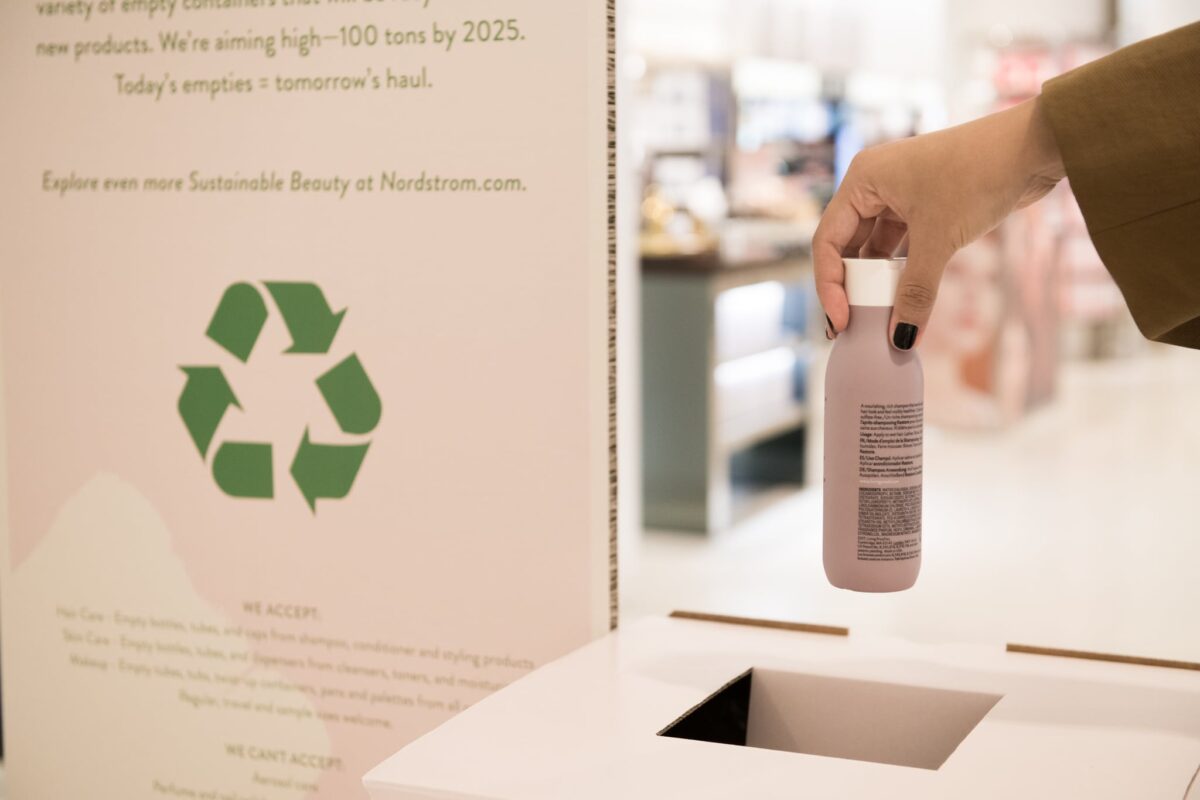
BEAUTYCYCLE bins in the Nordstrom beauty department. Photo: Nordstrom
BEAUTYCYCLE Launches in Canada as Part of Nordstrom’s Commitment to Environmental Sustainability
Nordstrom has launched its BEAUTYCYCLE initiative in Canada, making it the country’s first beauty take-back and recycling program accepting all brands of beauty packaging at a major retailer.
The program, which has been in operation in the US since last year, aims to take back 100 tons of hard-to-recycle beauty packaging by 2025. Available now, customers can bring their empty beauty products to any Nordstrom Canada store to be recycled. This includes cosmetic, haircare, or skincare packaging regardless of brand or purchase location.
For a complete list of items that can and cannot be accepted, please visit BEAUTYCYCLE.
“We understand our customers care about sustainability, and we want to help them move toward a zero-waste beauty routine so they can look great and do good at the same time,” said Gemma Lionello, executive vice president, general merchandise manager, accessories and beauty, at Nordstrom. “We’re proud to expand access to a recycling program that will help our Canadian customers easily and conveniently recycle their beauty packaging.”
Customer disposing of empty beauty product packaging in the BEAUTYCYCLE bin in Nordstrom’s beauty department. Photo: Nordstrom
BEAUTYCYCLE boxes will be available in the beauty department and Nordstrom will send the content of these boxes to TerraCycle where they are cleaned and separated into metals, glass, and plastics. Those materials are then recycled based on the material composition.
Nordstrom leads with the fundamental belief that it has a responsibility to leave the world better than they found it, and with the knowledge that each year more than 120 billion units of plastic packaging are produced by the global beauty industry, with less than nine percent getting recycled, the brand is committed to playing an active role in changing this statistic.
In addition to this, by 2025 Nordstrom has also committed to reducing single-use plastic by 50 percent, to be using sustainably-sourced raw materials in 50 percent of Nordstrom-made products made of polyester, cotton, and cellulosic fibres, and to ensuring that 15 percent of all product is considered sustainable.
Lightspeed Payments
Lightspeed Launches Lightspeed Payments in United Kingdom & Europe in Expansion of Tailored Financial Solutions
Montreal-based Lightspeed, a leading provider of cloud-based, omnichannel commerce platforms, has announced the initial availability of Lightspeed Payments for hospitality merchants in the UK and Europe.
Lightspeed’s integrated payments experience gives small and medium-sized businesses in the hospitality industry access to key functionalities, including mobile and contactless payments. The demand for contactless transactions has been exacerbated and as economic re-openings loom, and businesses need to be prepared.
Lightspeed Payments will be rolled out first to hospitality merchants in the UK, followed by retail merchants shortly thereafter. This will continue for Lightspeed merchants throughout France, Belgium, the Netherlands, Germany, and Switzerland.
A study Lightspeed conducted with London’s OnePoll and over 300 small business owners found that:
94% said having integrated POS payments saves money and 79% believe it saves time.
83% are using mobile payments.
78% manage their financials on their own.
34% said they need more support preventing fraudulent payments, while 42% said they need more overall support with financial management.
Lightspeed Payments proved to be essential for many North American businesses during the COVID-19 pandemic. Operating from a single system of record, merchants eliminate the inconvenience of a separate payments provider, gaining a globally-backed, secure platform.
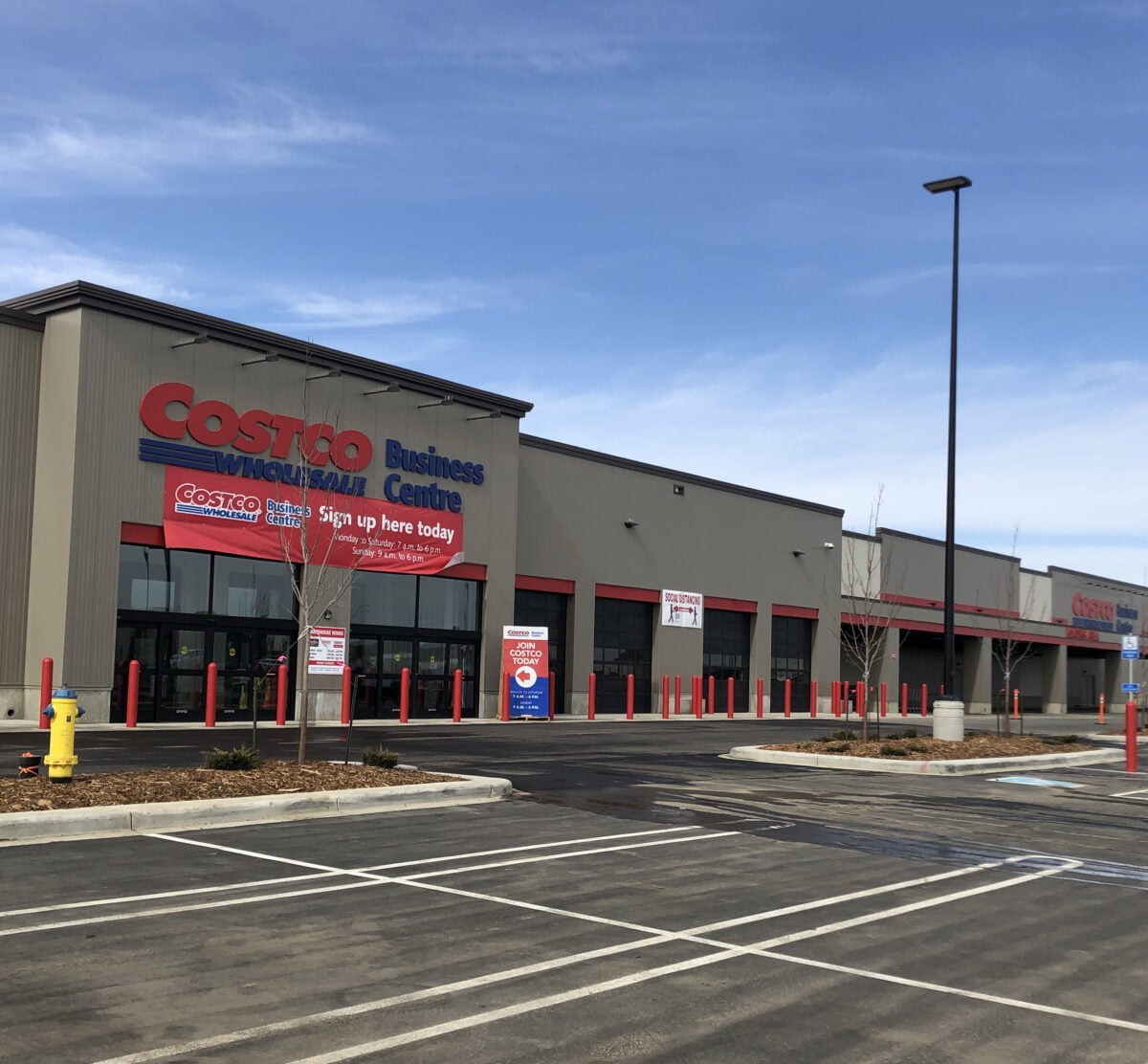
Exterior of new Costco Business Centre in Edmonton. Photo: Costco
Coscto Opens First Canadian Business Centre in Alberta & Adds Another Location Within Ontario
Costco Wholesale has officially opened its fourth Canadian Business Centre. Located at 10310 – 186 Street NW in Edmonton. The 127,000-square-foot facility has created 140 jobs in the area.
This new Business Centre is the fourth of its kind in Canada and follows the success of the Business Centres launched in Scarborough (Toronto) in March 2017, Saint-Hubert (Montreal) in September 2020, and Ottawa last month.
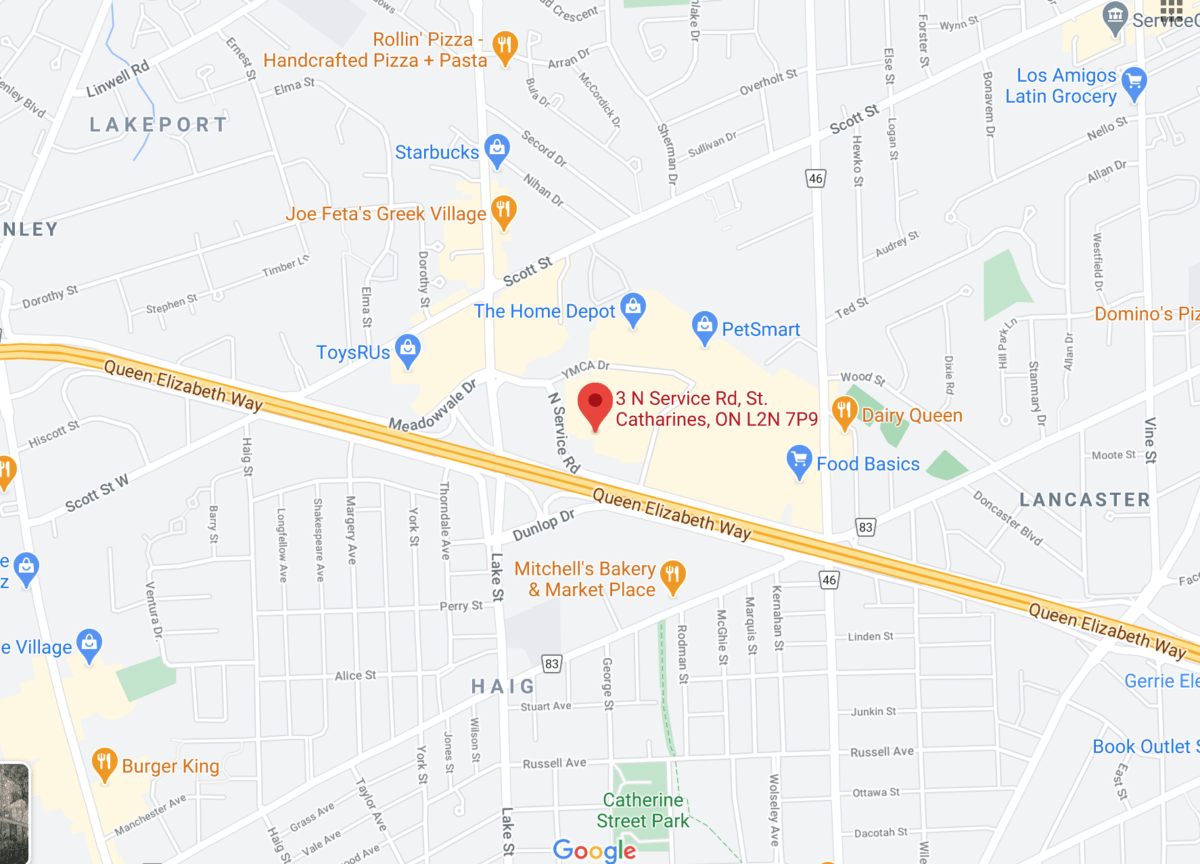
Interactive Google Map of 3 North Service Rd., St. Catharines and surrounding area.
1 of 2
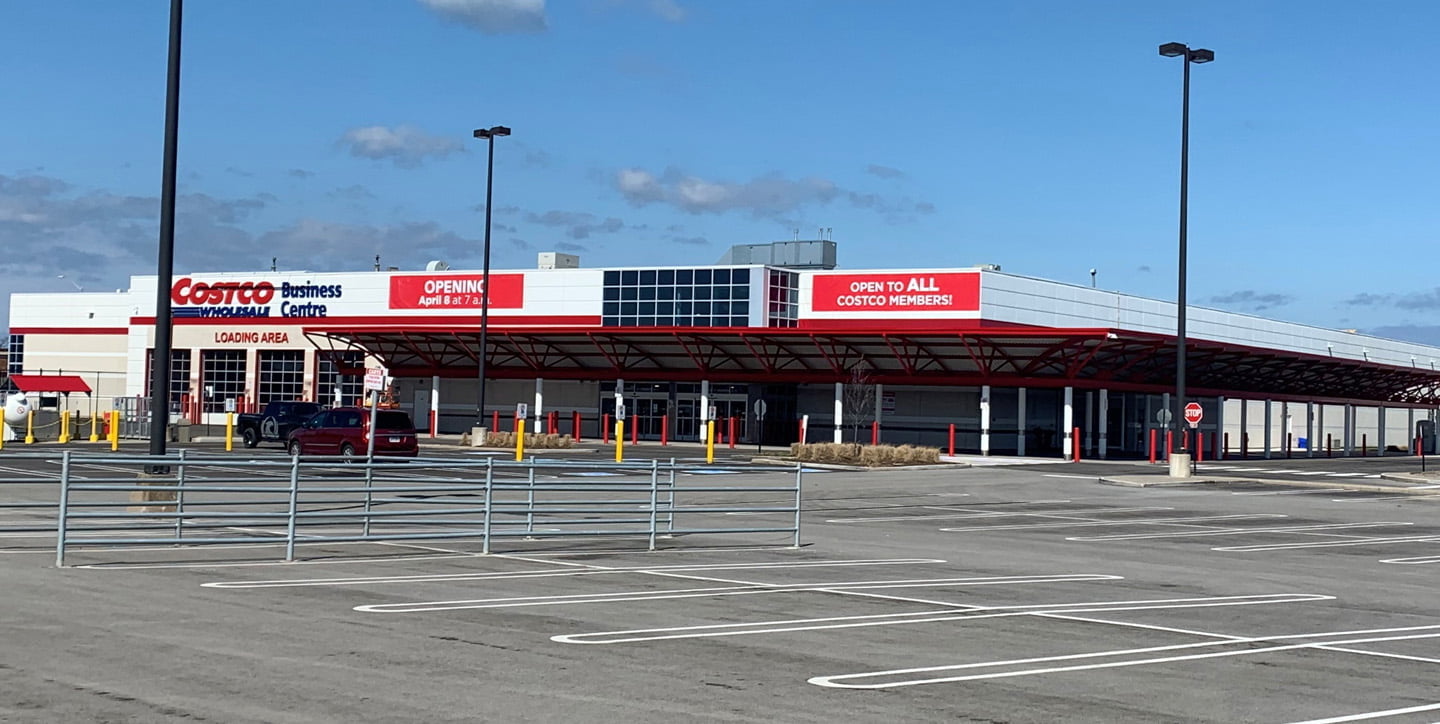
Costco Business Centre in St. Catharines. Photo: Costco
Costco Business Centre in St. Catharines. Photo: Costco
The store is part of a Costco national expansion plan, with additional Costco Business Centre locations planned to open across Canada in the coming years. On April 8, just days after the official opening of the Edmonton location, Costco will open its fifth Business Centre, located in St. Catharines, Ontario. Originally a traditional Costco store, this location closed its doors back in November to coincide with the opening of the Costco Wholesale store in Niagara. Now the store located at 3 North Service Rd. in St. Catharines has been renovated to suit the needs of a large-format Costco Business Centre. The 122,000-square-foot facility has created 140 local jobs.
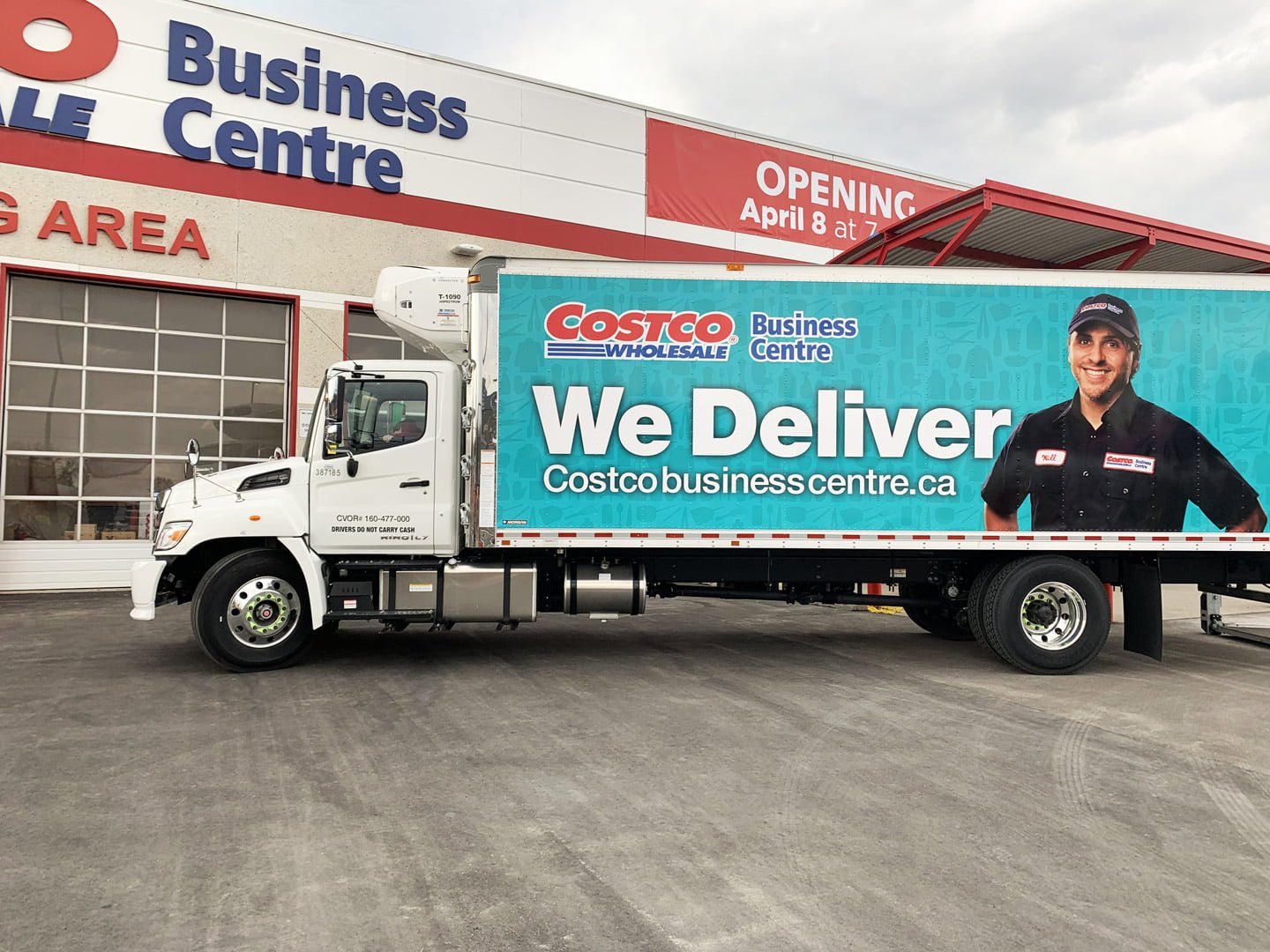
Open to all Costco members, the Business Centre concept is different from the traditional Costco warehouse, with more than 70 percent of the product offerings unique to the Business Centre and targeted to meet the needs of businesses of all sizes. Designed to suit business hours, the Business Centre is open Monday to Saturday from 7 a.m. to 6 p.m., and Sunday from 9 a.m. to 6 p.m. The Business Centre also offers next-business-day delivery to addresses inside of a delivery zone.
The new Edmonton Costco Business Centre offers more than 3,200 items targeted at restaurants, convenience/grocery stores, and offices – from bulk food items to commercial kitchen wares and cleaning supplies, to office furniture, coffee needs. Business owners will find the same items available both in store and online by visiting Costcobusinesscentre.ca.
“We are thrilled to open our doors and offer this new service, which will better respond to the needs of local business owners,” said Marc-André Bally, Vice President of Business Centres and Ancillary Businesses, Costco Wholesale Canada. “The Costco Business Centre concept is already a success in Ontario and Quebec, and we look forward to offering the same benefits to businesses in Alberta.”
Hot on the heels of Doug Ford’s most recent Ontario lockdown announcement, it is an uncertain time for the St. Catharines location to open in the province. Restaurants and bars have been closed once again, and as the hospitality industry is Costco’s predominant customer demographic, the company is sure to feel the effects of the current economic standstill in food and beverage realm.
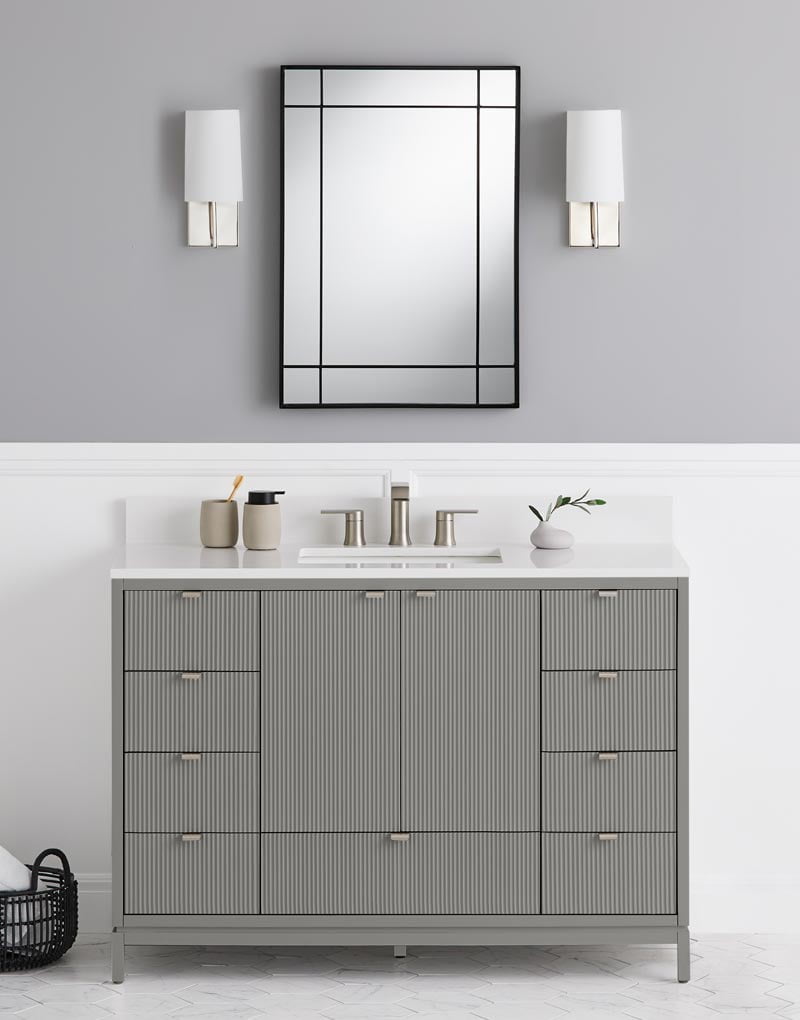
Bath Feature ‘Beaumont Vanity’ as part of GlucksteinElements collection. Photo: The Home Depot
Brian Gluckstein
The Home Depot Canada Elevates its Offerings with New Brian Gluckstein Collab
Developed with The Home Depot Canada customer in mind and inspired by Brian Gluckstein’s trademark sophistication and edge, the collection will debut with an assortment of lighting, bathroom vanities, and mirrors. Designed with attention to quality and approachable style, the brand boasts fixtures and finishes created for design lovers seeking style, quality, and comfort, elevating The Home Depot’s current range of bathroom options.
“We’re spending more time in our homes than ever, and consumers are looking for functional solutions that will bring effortless style to any space,” said Kathy Marinic Walsh, brand manager, The Home Depot Canada. “Every step of the way, this collection was developed with our customers in mind. We know what our customers are looking for and we worked with Brian and his team to ensure every product is a balance of quality design and excellent value, which our customers have come to expect from our décor assortment.”
With architecture and design influences from around the world, the lighting collection boasts refined profiles in brushed brass, polished nickel, and modern matte black finishes. The easy-to-install vanity collections are designed to elevate a space with details such as fluting, reeding, and directional wood grains for a custom look, plus built-in organization to make daily routines easier than ever. Sophisticated mirrors round out the lineup with functional features like pivoting wall brackets and built-in shelving.
“It’s been an incredible experience working alongside The Home Depot Canada team on these designs, and I’m so excited to share them with Canadians looking to update their spaces and turn their homes into ones they truly love spending time in, said Brian Gluckstein, interior designer, Gluckstein Design. “I have a passion for designing interiors for my clients, and this collection allows me to share the elements I use throughout those projects to a much wider audience.”
GlucksteinElements will debut online and in store in April, with additional products coming soon.