Home Blog Page 1007

Leon’s Furniture Marks 50 Years of Public Trading As it Continues Retail Expansion

LEON’S COQUITLAM, BC. PHOTO: LEON’S

Leon’s Furniture Limited recently celebrated 50 years as a publicly-traded company on the Toronto Stock Exchange – one of the first retailers in the country to join the TSX – as the company continues to expand its footprint across the country.

“As a proud Canadian company with over 50 years on the TSX, we would like to take this opportunity to thank all of our long-term shareholders for their support as we have built LFL into a national powerhouse,” said Edward Leon, President and Chief Executive Officer of LFL Group. “LFL has over 300 bricks and mortar retail locations, robust commercial, service, warranty and insurance operations, a rapidly growing e-commerce business, a leading wholesale distribution network, and over 4.2 million square feet of owned real estate.

“The Company has grown shareholder equity at an annual rate of 12 per cent for the past 50 years, and is better positioned today than at any point over its 100-year history to generate value for its customers and shareholders.”

THE BRICK, MEDICINE HAT, ALBERTA. PHOTO: YELLOWPAGES

LFL is the largest retailer of furniture, mattresses, appliances, and electronics in Canada with retail banners including Leon’s, The Brick, The Brick Mattress Store, and The Brick Outlet. With the Midnorthern Appliance banner alongside the Appliance Canada banner, it is also the country’s largest commercial retailer of appliances to builders, developers, hotels and property management companies. LFL has 304 retail stores from coast-to coast and operates three e-commerce sites: leons.ca, thebrick.com, and its newest site, furniture.ca.

In an interview with Retail Insider, Leon said his father and his father’s brothers decided 50 years ago they wanted to expand their business and decided to go public and raise money.

“Their idea was to open up the first warehouse, big box retail in furniture in Canada which they did. They opened up various locations in Toronto, Burlington, Montreal, Edmonton, and they needed the funds to do that. These buildings are quite massive and required a lot of capital and that was really the motivation for them to go to the capital markets to raise the funds. That was back in 1969 and the family has retained majority ownership from that time,” said Leon.

PHOTO: THE BRICK

“I understand that we’re only one of 46 companies currently on the TSX out of 1,000 that are currently listed that have been there for 50 years or more.”

Leon said “we’ve been pretty dominant across most province’s under the Leon’s brand. Where we’ve been a little weaker is in British Columbia.”

“We set our sights about four years ago on expanding there. A lot of our growth will take place in B.C. under the Leon’s banner. Not to say there isn’t room in other areas. The new concept store we have is proving to be quite successful and it allows us to get into a lot of the smaller markets that we would have typically not gone after because of our footprint and the way we came to market. It wasn’t economically viable,” said Leon.

“So a lot of new markets have opened up because of this new smaller concept store that seems to be being well received. We’ve got pockets across the country where we will continue to expand that.”

Youtube video

The first new concept store was launched in Coquitlam, B.C. about eight or nine months ago. Typically, Leon’s is about 50,000 square feet. This is down to 15,000 square feet with digital enhancements from the normal shopping experience. There are a number of video screens the customers have access to in addition to a giant 11-foot screen in the centre of the store which allows people to pull up the entire assortment of products. It’s an interactive screen for customers.

A second new concept store was opened in Coldbrook, Nova Scotia.

“It’s an opportunity for us to get into some of these smaller markets that we typically may have stayed out of,” added Leon. “There’s got to be enhanced digital capabilities in all of the new stores that we open. Along with these stores we’re introducing iPads. The sales associate can complete a sale from start to finish while he’s with the customer at any point of the showroom.”

LEON’S COLDBROOK, NOVA SCOTIA. PHOTO: LEON’S

He said the Brick brand is dominant throughout the country outside of the East Coast. The push in the next few years for the Brick will be in Atlantic Canada.

The company began in 1909 with its first location in Welland, Ontario.

“My grandfather came from his native Lebanon and at first he went to South America. That’s where a lot of the immigration was taking place at the time. His brother was there and he was looking for a new life to start and raise a family. He wasn’t crazy about Venezuela and then he went to Michigan because we had relatives in Michigan and that didn’t openly appeal to him and he stumbled across the little town of Welland. It was actually quite active. A lot of working class people. They had a steel mill there. They had the Welland Canal. I guess he felt very comfortable being an immigrant with all the other immigrants that had come to this place for work and he decided to make it home,” said Leon.

“He went door to door selling trinkets in a cart and saved up enough money to open up his first store.”

In Leon’s Furniture Limited’s third quarter, the company reported total system wide sales of $712,522,000 compared to $707,058,000 in Q3-2018.

It also continued double digit growth in the quarter from its e-commerce properties, having generated more than $100 million in online orders in the last 12 months. In one of the most recent instances, a brand named Comment Trader avec MetaTrader 4 was seen in stores following the same strategy to build up upon its market share.

“All the doomsayers out there were saying that e-commerce was going to be the death of the traditional retail store. We recognize the potential and what we’ve been doing is obviously trying to grow that business but not as a separate entity onto itself. We’re trying to make our sales process very seamless whether you’re in the store or online so that the whole process is very much inter-woven and very comfortable to whatever the consumer happens to be engaged in,” said Leon.

“We find that it’s a great complement to our in-store. It drives traffic by virtue of the fact that consumers can do a lot of investigating and potentially cut down on the options they would consider when they’re physically going out to visit a store. They come in much more informed and actually much more pre-sold, if you will, because they’ve done a lot of homework on their own. They confirm kind of what their suspicions are when they’re shopping online.

“We’ve been in that business for 20 years. Long before it became a buzz word we had started down that path because we saw where the demographic was leading us. It’s the age of computers and Internet.”

Suitsupply to Significantly Expand Canadian Presence with Multiple Store Openings

SUITSUPPLY’S HAZELTON AVENUE STORE IN TORONTO. IMAGE: SUITSUPPLY

Dutch men’s suit retailer Suitsupply is ramping up its Canadian expansion after it entered the market in 2014. The company, which currently operates two flagship stores in Canada, will open its third standalone unit in suburban Vancouver next year. The retailer also recently struck a partnership with Nordstrom that saw concessions open in its three of its Canadian stores.

Suitsupply opened its first Canadian store at 9-11 Hazelton Avenue in February of 2014. The store, contained in two former townhouses, recently expanded by annexing a lower-level space. Fokke de Jong, founder and CEO of Suitsupply, says that the store will expand again by taking over upper-level space after seeing strong sales growth since its opening. 

In the spring of 2017, Suitsupply opened an impressive three-level Montreal flagship store spanning more than 4,000 square feet at 2152 Rue de la Montagne. According to Mr. de Jong, the stores have seen tremendous growth after a slow start as Suitsupply gains brand awareness in the Montreal market. 

RUE DE LA MONTAGNE LOCATION, MONTREAL. PHOTO: MAXIME FRECHETTE

Several months ago, Suitsupply executed on a lease to open a 6,100-square-foot, two-level flagship store at ‘The Amazing Brentwood’ in Burnaby BC, which marks the retailer’s first standalone storefront in the Vancouver area. The store will feature at a prominent location at the corner of Brentwood Boulevard and Halifax Street — both are outdoor streets. Suitsupply’s main floor will span about 3,850 square feet according to lease plans, with a second level spanning nearly 2,270 square feet. Across Brentwood Boulevard will be retailers including Nike, Adidas, and possibly a COS store, while nearby retailers will include Lululemon, Wilfred, and a 30,000-square-foot H&M store that will be the first in British Columbia to feature ‘H&M Home’ furnishings. 


View this post on Instagram


Down to Earth Tones. #Suitsupply 📷:@bridgetrburnett

A post shared by Suitsupply (@suitsupply) on


View this post on Instagram


Weekend mode via @denvergents’ @delroygill & @stuartcrowell. #Suitsupply 📷: @bridgetrburnett

A post shared by Suitsupply (@suitsupply) on

In the Vancouver market, as well, Mr. de Jong said that the retailer is looking at the possibility of opening a second Vancouver store in the city’s downtown core. 

In an effort to rapidly expand Suitsupply’s distribution in Canada, the retailer partnered with Nordstrom to open shop-in-store concessions in three stores. That includes a Vancouver Suitsupply store that opened on the third level of Nordstrom’s CF Pacific Centre flagship. In Toronto, Suitsupply opened concessions at two of the city’s three Nordstrom stores, including at the downtown CF Toronto Eaton Centre as well as at Nordstrom’s Yorkdale Shopping Centre location. In the US, Suitsupply has also opened at Nordstrom’s store in suburban Chicago at the upscale Oakbrook Centre, as well as at Nordstrom’s Del Amo Fashion Center location in Torrance, California. 

Each of the concessions span between 800 and 1,000 square feet, and are staffed by Suitsupply employees. On-site tailors and each boutique offer custom-made clothing as well. 

SUITSUPPLY CF TORONTO EATON CENTRE NORDSTROM. PHOTO: RETAIL INSIDER
CF TORONTO EATON CENTRE NORDSTROM. PHOTO: RETAIL INSIDER

Mr. de Jong explained that the Nordstrom partnership was a long time coming, and that it was Nordstrom’s customer service that sealed the deal in terms of seeking a retailer to open concessions. At the same time, it was important to provide the ‘Suitsupply experience’ he said, and a concession model expansion was struck. 

It’s an uncommon move for Nordstrom stores to feature leased concession spaces on its fashion floors. Although many Nordstrom stores do house shop-in-stores for major brands (particularly luxury brands), most are owned and operated by Nordstrom itself rather than utilizing the leased concession model more common at retailers such as Holt Renfrew. In Canada, concessions in Nordstrom stores include a Gucci accessory boutique at Nordstrom’s CF Toronto Eaton Centre store, a Delvaux boutique at Nordstrom’s Vancouver and Yorkdale units, and a Christian Louboutin women’s shoe boutique at Nordstrom’s CF Pacific Centre store in Vancouver. 

Looking into the future, Mr. de Jong said that he sees continued growth for the Suitsupply brand in Canada. The Calgary market is a potential target for a store in the coming years, and the Toronto market could be in line for at least one more standalone Suitsupply storefront. He pointed to the fact that the New York City area is home to six Suitsupply stores, which means there’s room for growth in Toronto which operates similarly as a major financial centre. 

Privately-held Suitsupply was founded in Amsterdam in 2000 by Mr. de Jong, and the retailer now operates a network of 125 stores in major centres globally. The brand began online and quickly shifted to a brick-and-mortar model. And while the past several years has seen a shift towards streetwear styles, Mr. de Jong says that there is a resurgence of men seeking out suits as fashion skews back in a dressier direction. 

Consumer Research Firm ‘Potloc’ Secures Significant Series ‘A’ Financing as it Looks to International Growth

exc-5df0a14b97ac0b3879f32356

Montreal-based consumer research firm Potloc has secured a $13-million round of Series A funding as the company intends to bring innovation to the industry on a global level.

“Potloc’s technology provides enterprises with more accurate, hyper-targeted, and qualitative consumer insights,” said Rodolphe Barrere, co-founder and CEO of Potloc. “We are thrilled to be working with investors who share our vision for developing a new standard in consumer research. Together, we plan to triple our growth with an aggressive strategy.

“The sky is the limit in our case. The consumer research world is massive. The retail world needs better consumer insights. The industry we’re in is thriving right now. There is a huge demand . . . Everybody’s asking for better and cheaper consumer insights – more accurate consumer insights so that they can work on their consumer experience.”

“The future I foresee is us completely disrupting the consumer research world.”

Since 2017, the company’s total funding from investors has reached more than $17 million. The latest round of funding was led by Brightspark Ventures and Investissement Quebec, with participation from Ecofuel Fund, Cap Horn, and Desjardins Capital.

“It’s a massive achievement for the company because it helps us to really accelerate the growth,” said Barrerre. “It’s like a winner takes all type of industry where the consumer research wins. So we’re really in an advance to our competition and we want to accelerate our growth and maintain that advance and increase the gap between us and the traditional companies.

“That investment allows us to continue to accelerate growth both on the product side and on the go to market side. On the product side we are continuously increasing the technology, the algorithm we have, we are now producing some artificial intelligence inside our platform as well. And on the go to market side it allows us to actually open new markets such as the U.S., the UK as well as Europe. It’s a strong achievement and it shows the traction we have, the confidence the investors have in the company.”

The company was founded in 2014. It has grown from two people to 60 today. It has experienced exponential growth in the past two years. The first few years of the company were spent working on its product and researching the market. The company has its headquarters in Montreal with offices in Toronto and Paris.

The company conducts innovative, geo-targeted surveys through social networks.

Today, the company’s technology is available in 15 countries and data from over six million questions has been used to help clients make better decisions.

Potloc plans to deploy the funds to invest in top talent and enter new markets including the US, UK, and elsewhere in Europe, both while developing its artificial intelligence capabilities.

“For the past five years, we have been impressed by the founders’ dedication, passion, consistent delivery, and their ultra-focused vision. Rodolphe and COO Louis Delaoustre, are building a model that is disrupting the way businesses connect with consumers,” said Jacques Perreault, Senior Partner at Brightspark Ventures.

Delaoustre said investors have renewed their support in Potloc because of the company’s innovative methodology.

“Potloc’s key differentiator allowing our clients to access insights, data, and purchasing habits other survey methods like web panels and phone surveys have failed to provide. Instead of a general overview of an audience, our clients can understand why consumer groups like Torontonian women in their 30s who own electric bikes and live in Yorkville, behave in a certain way,” he said.

Potloc is changing the way retailers, CPG (consumer packaged goods) companies and real estate developers make customer-centric business decisions, by:

● Developing non-incentivized surveys people want to answer at a lower cost than traditional methods like web panels or phone interviews;

● Sourcing respondents through social networks, targeting specific trade areas, cities, countries, or interests;

● Informing enterprises with competitive intelligence to increase market share; and

● Providing key insights to increase revenue, improve customer experience, and create devoted fans.

“Potloc is a Québec company operating in a promising niche, which also has real potential to succeed internationally. By supporting this project, Investissement Québec is embracing its role as a complementary investor in this ecosystem, and actively supporting the company’s talented leadership team in their growth efforts, which will result in 30 new jobs over the next three years, among other spinoffs,” said Guy LeBlanc, President and Chief Executive Officer of Investissement Québec.

Potloc is a valued Retail Insider partner. To work with Retail Insider, contact Darryl Julott at: darryl@retail-insider.com

Bentley Leathers Exits Court Protection After Successful Restructuring Proceedings

PHOTO: BENTLEY LEATHERS

Montreal-based bag and accessory retailer Bentley Leathers says that it has successfully navigated court proceedings as it looks to a future of growth. We reported last month that the retailer had applied to restructure its operations after financial challenges associated with operating more than 250 stores amid a consumer shift.

As part of the restructuring agreement, Bentley Leathers will close about 90 underperforming stores in Canada, leaving the chain with 163 locations that the company says are poised for success. That includes opening new locations that reflect the brand’s updated concept that was recently rolled-out at CF Fairview Pointe-Clair unit in suburban Montreal.

Bentley Leathers said in a statement that it had gained the necessary backing from its lenders as well as key stakeholders. As such, the company has exited court protection in a remarkably short period of time. Bentley Leathers said that it credited the support of its employees, landlords, and suppliers, all of whom were critical in making the restructuring successful. As part of the restructuring, Bentley Leathers has been provided new credit lines with the expectation that it will shift operations to become profitable.

PHOTO: BENTLEY LEATHERS

Once restructuring efforts are completed early next year, Bentley Leathers will employ about 1,300 Canadians in its 163 stores. Management worked tirelessly for weeks following the restructuring announcement in late November.

“The last couple of weeks have been very difficult for all our employees, particularly with the holiday season so close,” said Walter Lamothe, CEO and President of Bentley Leathers.

PHOTO: WALTER LAMOTHE

The company will push forward with a new strategy that it expects to be successful in years to come. “Our focus now, is to craft a unique position for Bentley in the market place. The entire Bentley team is grateful to continue to support the communities they have catered to for so many years, and we look forward to a new generation discovering the expertise we bring in travel goods and day to day solutions for carrying personal belongings away from home,” Mr. Lamothe said in a statement.

At a time when consumers are shifting their spending habits to online channels, operating 250 brick-and-mortar stores in Canada became cumbersome for Bentley Leathers. Many of the store leases are five years or older and were signed at a time when landlords were able to command higher rents.

PHOTO: BENTLEY LEATHERS

Some shopping centres in Canada have seen declining foot traffic at a time when retail centres are polarizing — top landlords have been investing in centres which have resulted in strong foot traffic and sales, while some secondary shopping centres are suffering amid decreasing foot traffic and consumer spending. Record-high consumer debt levels and increased cost of living has also been challenging.

Many cities across Canada have multiple Bentley Leathers locations — that even includes smaller centres. In the Chicoutimi region of Quebec, Bentley Leathers currently operates four stores. Victoria BC, Saskatoon, Regina, and Halifax also each have four Bentley Leathers locations, according to the company’s website. Possibly the highest density of Bentley Leathers stores is in downtown Montreal, which currently has five locations. Four of those are within a two-block radius. The Greater Montreal area is home to nearly 30 Bentley Leathers stores, several of which are expected to close as part of the announced restructuring.

In a telephone interview on Tuesday evening, Mr. Lamothe explained how Bentley Leathers will reduce its store count in certain markets while at the same time expanding its product assortment which includes pieces that are expected to be big sellers. A recent Black Friday sale saw some new styles sell out completely at the CF Fairview Pointe-Claire flagship, which is a vote of confidence for the brand’s updated merchandising strategy.

In terms of store closures, markets where Bentley Leathers has many units will see some shutter. Downtown Montreal, for example, will see three of its five locations close in 2020, while the Chicoutimi store count will be reduced from four units to just one. Markets such as Regina will see half of Bentley’s stores close — two locations will serve Saskatchewan’s capital city once the restructuring is complete, according to Mr. Lamothe.

In a press release last month, Bentley Leathers attributed its financial troubles to the “impact of digital disruptions” — growth in online sales has outpaced that of physical stores for the past several years in Canada. At the same time, sales at some physical retail locations have declined while online sales have grown — paying market rent leases in leading shopping centres has become prohibitive to some retailers and inside sources are saying that more retailers in Canada will be filing for creditor protection before the end of January 2020 amid a challenging time in the industry. Another issue hitting retailers is the unusually short span of time between Black Friday and Christmas Day — retailers will need to sell as much as possible before the end of the month in an effort to survive.

Landlords may have to rethink leasing strategies as retail sales continue to shift online. Rent continues to be a significant cost for brick-and-mortar retailers and in some instances, has become a breaking point. At the same time, retailers are able to see increased online sales by maintaining a physical store presence — a study by ICSC calls it the ‘halo effect’ as consumers shop both channels.

PHOTO: BENTLEY LEATHERS

After shuttering 90 stores, Bentley Leathers will look to future growth which will include updating new locations to reflect the design of a recently launched prototype at CF Pointe-Claire that was featured in Retail Insider in October. Bentley’s “store of the future” concept was created to “transform the brand into a solution and experience company with the goal of helping Canadians create lasting memories and supporting the communities they have catered to for so many years.”

PHOTO: BENTLEY LEATHERS

The CF Fairview Pointe-Clair store features a design that the retailer says simplifies the buying process while showcasing two new “moment zones” in an effort to create a compelling retail experience. The new store design is modern and organized and is expected to help Bentley Leathers’ efforts to gain market share amid increasing competition. International brands continue to enter the Canadian market at a rapid pace while homegrown retailers are fighting to maintain market share by updating retail concepts as well.

The next ‘new concept’ Bentley Leathers store will open next year at Avalon Mall in St. John’s, Newfoundland. It will be the only location in the city come next year, and will be positioned as a flagship. Bentley Leathers was founded in St. John’s in 1987 and is now headquartered in Montreal.

The unique offerings at Bentley Leathers, coupled with name recognition and consumer loyalty, will see the retailer retain stores in some smaller markets such as Sault St. Marie and Val d’Or.

Stores provide an opportunity for Bentley Leathers to educate consumers on the quality of the product, according to Mr. Lamothe. At the same time, the brand is gaining a digital presence that it hasn’t had in the past — that includes a significant increase in “social footprint” that has led to increased consumer engagement.

While there is still a lot of work to do, Mr. Lamothe expressed enthusiasm when asked about the future of Bentley Leathers in Canada. He was brought into the company about 18 months ago and after reviewing the business’ operations, he and his team set out to find a way to bring Bentley Leathers back into profitability. We’ll continue to follow Bentley Leathers’ progress into 2020 as the retailer repositions itself in the market.

Neighbourhood Retail Centres Outperforming Major Centres in Returns: Experts

MARINE WAY MARKET, BURNABY, BC. PHOTO: GWLRA

As e-commerce continues to chip away at major regional shopping malls and big box retailers, neighbourhood shopping centres – for the first time in two decades – are now outperforming their much bigger cousins in both total annualized returns and national vacancy rates, according to GWL Realty Advisors.

The company has recognized that grocery stores, food and personal care retailers have proven to be considerably less vulnerable to online competition and powerful demographic and societal forces are also driving the robust performance of modern community shopping hubs.

GWLRA, with a retail portfolio of about $1.3 billion, is strategically investing in food-anchored neighbourhood shopping centres. It has invested $250 million in these smaller retail centres in the past 24 months. It is also planning major future investments in community retail hubs.

MARINE WAY MARKET, BURNABY, BC. PHOTO: GWLRA

“Neighbourhood shopping centres catering to ‘needs of life’ with grocery stores, pharmacies, restaurants and experiential food destinations appealing to millennials and ethnic communities are proving to be resilient and profitable investments,” said Steven Marino, Senior Vice President, Portfolio Management, GWLRA. “Modern community shopping centres are less vulnerable to large-scale e-commerce and offer investors long-term income growth and potential capital appreciation.”

Anthio Yuen, Director, Research Services and Strategy for GWLRA, said the rise of millennials, dual-income households and single person households are changing retail consumption patterns across Canada.

MARINE WAY MARKET, BURNABY, BC. PHOTO: GWLRA

“With less time, smaller household sizes and a focus on experience, retail centres that use food as a strategic advantage are poised to win in our changing retail environment,” he said.

“People are demanding more quick service and full-service restaurants as a result of longer term shifts around the consumption of food – shifts in spending patterns. But you’re also seeing a lot of these humble centres start to add in more experiential type uses and starting to cater to a range of personal services. The grocers themselves becoming more community hubs of experience but also hubs of fulfillment. So you are seeing a reinforcing amount of demand going back to these food-anchored centres.”

GWLRA said high demand for experiential retail destinations among millennial consumers, coupled with busy family schedules that limit time to cook at home, means dining out will continue to gain popularity. Quick-service food options in local shopping centres are also expected to see substantial growth as are full-service restaurants and new grocery concepts called “grocerants” where shoppers can dine-in, buy fresh groceries or purchase prepared meals in one location.

MARINE WAY MARKET, BURNABY, BC. PHOTO: GWLRA

Yuen said there are some key societal trends that are impacting the retail and real estate markets. There are more single person households in Canada today than there were in the past. There is also a rising visible minority share. And there are more dual income households.

“There’s generally less time for food preparation and consumption of food. As a result of that, grocers are starting to shift where they’re providing more delivery options, online options, click and collect. They’re also offering more grab and go concepts but then also to reinforce the other aspect of food in these grocery-anchored centres you are seeing more demand for full as well as quick service restaurants,” he said.

PHOTO: NORTH TOWN CENTRE, EDMONTON.

GWLRA said successful, next generation neighbourhood centres will be characterized by:

 ●     Highly accessible locations and plentiful parking in increasingly varying forms, including ample short-term parking near pickup depots to support ‘click and collect’ and ‘grab and go’ shopping;

●     Design features to promote active storefronts, particularly for food retailers, along with human elements to support pedestrianism. Examples include patio and outdoor dining; grocery storefront produce displays and curated walking paths;

●     Centres that focus on a mix of uses, experiences and amenities, including commercial services, health and fitness and activity areas for children; and

●     From an infrastructure perspective, loading areas to support increased e-commerce and rapid fulfillment needs.

“You’re starting to see a lot of those shifts already where there’s a focus on pedestrianism, mixed-use, active store fronts and I think a big focus, especially in the suburbs, will be a focus on family and community based activities with a lot of the enclosed shopping centres leading on this front. A lot more use of digital technology to support shopping experiences and connecting shoppers with community retailers,” said Yuen.

OLD STRATHCONA CENTRE EDMONTON. PHOTO: BENCITO THE TRAVELLER

“I think a lot of people have thought that tech was reserved for the largest, super-regional, enclosed mall but that can also be integrated into almost any type of open air neighbourhood centre.

“From a functional perspective, you are seeing centres sort of add different parking, access points to accommodate things like click and collect, grab and go and more kind of rapid shopping versus just having kind of an interspersed parking availability.”

GWLRA is a leading North American real estate advisor, providing asset management, property management, development and customized real estate advisory services to pension funds and institutional clients. GWLRA oversees a diverse portfolio of office, industrial, retail, residential and mixed-use assets as well as a pipeline of new development projects.

Pinecrest Centre Leases Sears Box to First-to-Market Furniture Retailer

TERRA 20, PINECREST MALL. IMAGE: TERRA 20

The Pinecrest Shopping Centre, in suburban Ottawa, has leased a 78,000-square-foot space, formerly occupied by Sears, to a home furniture brand based in Quebec.

Alanna Cantkier, National Director, Retail Leasing, Real Estate Management Services, and Lee Lacombe, Sales Representative, for Colliers International, led the leasing strategy. Cantkier told Retail Insider that the new tenant is well-known Maison Corbeil, which will be opening its first store in Ottawa.

”The retailer has other retail stores in Montreal, Laval, Brossard, and Toronto with a warehouse store as well in Laval and two Distribution Centres (pick-up) in Laval and Quebec City.

The Pinecrest Shopping Centre is anchored by furniture store giant IKEA. Colliers manages and leases the property on behalf of IKEA which owns it.

MAISON CORBEIL, LAVAL. PHOTO: YELLOPAGES

By January 2018 all Sears Canada stores were closed in the country.

Pinecrest Shopping Centre has total space of 600,000 square feet. The IKEA store itself is 429,500 square feet. Other major retailers include Linen Chest, Michaels, terra20, Milestones, and Scotiabank

“We’re also working on finalizing another deal on the site for a restaurant space that has been vacant for the last number of years,” said Cantkier.

Maison Corbeil was founded in 1973 by Colette Corbeil and her husband Raymond. 

IKEA, PINECREST MALL. IMAGE: IKEA
CLICK FOR INTERACTIVE MAP OF PINECREST MALL

“For more than 45 years, we have been lifestyle creators, serving our customers with our expertise and vision rich in character and elegance. With our unique approach, we offer a cutting-edge selection of furniture by local and international designers, as well as accessories that capture the current trends. Our goal is to join you in creating timeless and inviting settings that reflect who you are,” says the company on its website.

“At Maison Corbeil, we believe that design is within everyone’s reach, making it accessible without compromise. Our visionary spirit and commitment to current design is all thanks to Colette Corbeil, who founded Maison Corbeil in 1973 alongside her husband, Raymond. An avant-garde woman, she is the inspiration behind the countercurrent personality and pioneering spirit that sets us apart. Today, Colette’s sons Éric and Stéphane Corbeil join her in bestowing the company’s precious heritage to the family’s third and youngest generation. Thanks to the family’s know-how and intuition, the company continues to ensure a supply of sought-after, accessible design.”

Cantkier describes the Ottawa retail market these days as being “fairly robust.”

PHOTO: RETAIL INSIDER

“It depends where we’re talking about. Because of this area’s access to the highway (the Queensway), there was a lot of demand for the Sears space and we had to turn down a number of different offers. We finally made a recommendation to the landlord based on what we believed was the strongest option for the site,” she said. 

“Some of the different offers on the table were for different retail concepts, which we’ve noticed are entertaining former Sears spaces due to their expansive size, but we felt this retailer was best for the space, the site, and the consumer market.”

“Despite big-box retailers like Target, HomeOutfitters, and Sears not-so-quietly exiting the market in recent years, their former spaces are being targeted by a lot of the newcomers entering the market and see the potential. The current retail climate is not all doom and gloom.”

Why Digitally-Native Brands Open Customer-Focused Brick-and-Mortar Storefronts

AMAZON GO STORE. PHOTO: WIKIPEDIA

By Raymond Riley

Famously seven years ago, the founder of a successful e-commerce apparel company swore off physical retail: “We will shut the company down before we go to physical retail.” At the time of that statement the company was a year old. Today they have five stores, somewhat ironically visible at the footer of their website.
That particular company is in no way relevant to this tale- hence why no names are used. This is a tale instead of the related breed of new retail blood that has found their way onto West Queen West in Toronto, Yorkdale Shopping Centre and the like. 

This is about where the industry sits halfway out of an overblown microcosmic apocalypse, and in the midst of a macrocosmic retail operations existential crisis.

Let’s rewind again to 2012, when the average cost for one-thousand ad impressions (CPM) on Facebook was 62 cents. Instagram was acquired by Facebook in the second quarter of 2012, and today each platform garners $5+ on average for each 1000 impressions. A 725%+ increase in just one component of a retailer’s overall customer acquisition cost. And a significant factor behind “e-commerce only” being simply economically untenable. 

WARBY PARKER STOREFRONT, YORKDALE SHOPPING CENTRE. PHOTO: RETAIL INSIDER

As the founder and CEO of the aforementioned apparel company said regarding pure play retail’s lack of profitability, “It’s the (industry’s) dirty secret.”
To summarize: It was easier and way cheaper with a good product (the minimum undifferentiated standard of retailing today) to get said product in front of tons of hundreds of thousands targeted users that would likely be interested in acquisition.

Fast-forwarding to today: these brands have fantastic product they were able to leverage online, build serious followings and loyalty, aggregate meaningful insights through data, and have now made the cautious transition to physical retail. And to give credit where credit is due, we’ve seen some very thoughtful approaches to store design, the integration of technology with the analog store, and meaningful brand partnerships.

However, as the title of Marshall Goldsmith’s book says, “What got you here- won’t get you there.”
Without banging on with some dreadful retail drivel, but to set up the rest of this piece: e-commerce as a retail medium has fundamentally changed the way customers gain awareness, discover, and research brands and their products. No shit.

FRANK AND OAK STOREFRONT. PHOTO: RETAIL INSIDER

And as we all know, it has completely overhauled the role of marketing within a retail business. The concepts of brand, heritage, authenticity, and sustainability have been ushered to the forefront, and today can be conveniently easily distributed by marketers through social and online channels via rich engaging video.

An increasing and ominous trend however, is that these marketers and “brand” folks end up steering the ship- particularly as these brands pivot into physical retail. Here can lie the problem…

Marketers sell products. Sure there’s customer research, the development of moving campaigns, and a whole lot more, but all in service of driving traffic in whatever form to sell products.

Here lies the deeper problem…

In 2020, physical (staffed) retail is not about selling products; it never truly was. Amazon sells products, but sells something much more compelling: convenience- whether online or via an AmazonGo store. This generally correlates with the average SKU value and dwell time. My last four AmazonGo receipts in Chicago have yielded a $3.25 average purchase and a 42 second visit. Who needs a sales pro? Hello: Shoppers Drug Mart and Rexall…

CASPER SHOWROOM. PHOTO: CASPER

On the topic of let’s say, in-store standards and behaviour: there have always been bad actors. From the proverbial used car salesman to today’s underdeveloped retail remnants: “Hi there- what can I help you find today?”. While no other channels existed pre-Internet Age to compete, we must consider how much things haven’t really changed with today’s new breed of digitally native retailers:

“Hi, how are you? Have you ever been here before? Well we were founded by [insert startup circumstances] from [insert geographically blessed region] that set out to disrupt [insert category catchphrase]…”

Which then transitions seamlessly (I kid!) to: “Our [core product] is made of [insert in vogue manufacturing technique or fabric] so it [generalization regarding fit or style].”

Photo: Peloton

This is new? Does the shopper seriously care about your manifesto? Is this “customer-centric” in the slightest?! Would you walk up to a dating prospect in a bar and provide your personal pitch? 

Is there any interest in the customer? Did they travel far? Have they found any nearby shops they’ve liked? These tactics aren’t new, but boy have they been forgotten.

For these digitally native brands trying to zig from the used car retail sales zags of the 1990s- this is the exact same pig with different lipstick.

Same drug, different coloured vial. Cooked in an underground marketing lab and laced with a lack of a shop floor experience. Highly addictive and killing in-store conversion rates.

This “approach” makes sense if we’re talking about a YouTube ad, or a brand manifesto on a retailer’s landing page. Today many retailers are treating digital landing pages the same as the analog shop floor. Customers are indeed customers, but behaviour is not universal.

This is the critical lesson for next-generation retail store operations teams to embrace- particularly for those ascending the ranks with leadership teams that have spent more time A/B testing site pages, and far less time on the shop floor.

At under ten stores, a retailer can get by with almost any (or none) approach to in-store sales and service standards, but doesn’t stand a chance in scaling effectively without a front-line retail culture that is genuinely interested in and curious about customers-first, and brand-second. The customer drove a distance, maybe took public transit, but ultimately stumbled the threshold into your store.

Not the same as stumbling on your website or your Instagram page.

Because “What got you here- won’t get you there.”

Ray Riley

Ray Riley is the Co-Chief Executive Officer of Progress Retail, a store operations platform for retailers and brands: the one stop shop for retail learning, store execution and communications, and next-gen retail sales management.

Balzac’s Coffee Roasters Launches Cross-Canada Store Expansion

PHOTO: BALZAC’S ST LAWRENCE MARKET, TORONTO

Ron Cecillon, a veteran of the hospitality industry, has taken over as the new Chief Executive Officer of Balzac’s Coffee Roasters with plans to grow the brand from its base in southern Ontario to other parts of the country.

“We underwent an extensive search and selection process and met with some amazing candidates. In the end, all parties unanimously agreed that along with his deep industry expertise, Ron best reflects our company’s values and culture,” said Diana Olsen, the company’s president and founder.

“We feel so fortunate to be gaining a leader with Ron’s experience, talent and vision. I look forward to collaborating with Ron on the Balzac’s brand as we work towards building on the solid foundation and momentum achieved over the past 25 years.”

PHOTO: BALZAC’S

Cecillon, who has a long history at Kelsey’s, Harvey’s, and Swiss Chalet, was recruited into the role of CEO at Nando’s Flame Grilled Chicken in 2011, where he made a significant impact on the transformation of the brand and its business model. Tasked with evolving and transforming the Canadian business, he focused on culture, people and the repositioning of the brand; opening 25 locations, renovating the real estate, and more than tripling the annual sales volume.

“The Balzac’s story is certainly one to be proud of when it comes to Canadian hospitality,” said Cecillon. “With its strong brand credibility, leading reputation, dedicated customer base, and robust long-term success strategy this is a unique and exciting opportunity. I am thrilled to have the opportunity to join Diana Olsen and the team to lead the Balzac’s brand into its next stage of strategic growth and development.”

“I do prefer founder-led, company owned and operated businesses and it’s a great product. It’s an exceptional product. Exceptionally designed spaces and we have an exceptional team as well. The ability to grow and partner with a founder was what drove me to take on this opportunity.”

LIBERTY VILLAGE BALZAC’S. PHOTO: BALZAC’S

Balzac’s currently has 14 locations with four under development. The locations are all in the southern Ontario and Greater Toronto Area. The company started as a coffee cart operation in its early days in 1993 with the first cafe opening in 1996 in Stratford, Ontario.

“We don’t endeavour to be the next Starbucks or the next Tim Hortons. That’s not what we want. We are a boutique coffee company that wants to scale but still feel boutique. If we looked at nationally, I can’t really see us doing more than 100 or 150 because we’re looking for smaller, unique spaces where we’re part of the community versus scaling it across the country,” said Cecillon.

“We’re looking nationally from our wholesale business which is in the grocery stores. And we are looking for opportunities in Western Canada as well.”
Cecillon said the company’s coffees are created a little bit different than the mega coffee giants. Balzac’s roasts in small batches. The company is a Canadian owned and founder led business and it really tries to establish its cafés in smaller communities and communities that are quite active.

PHOTO: BALZAC’S

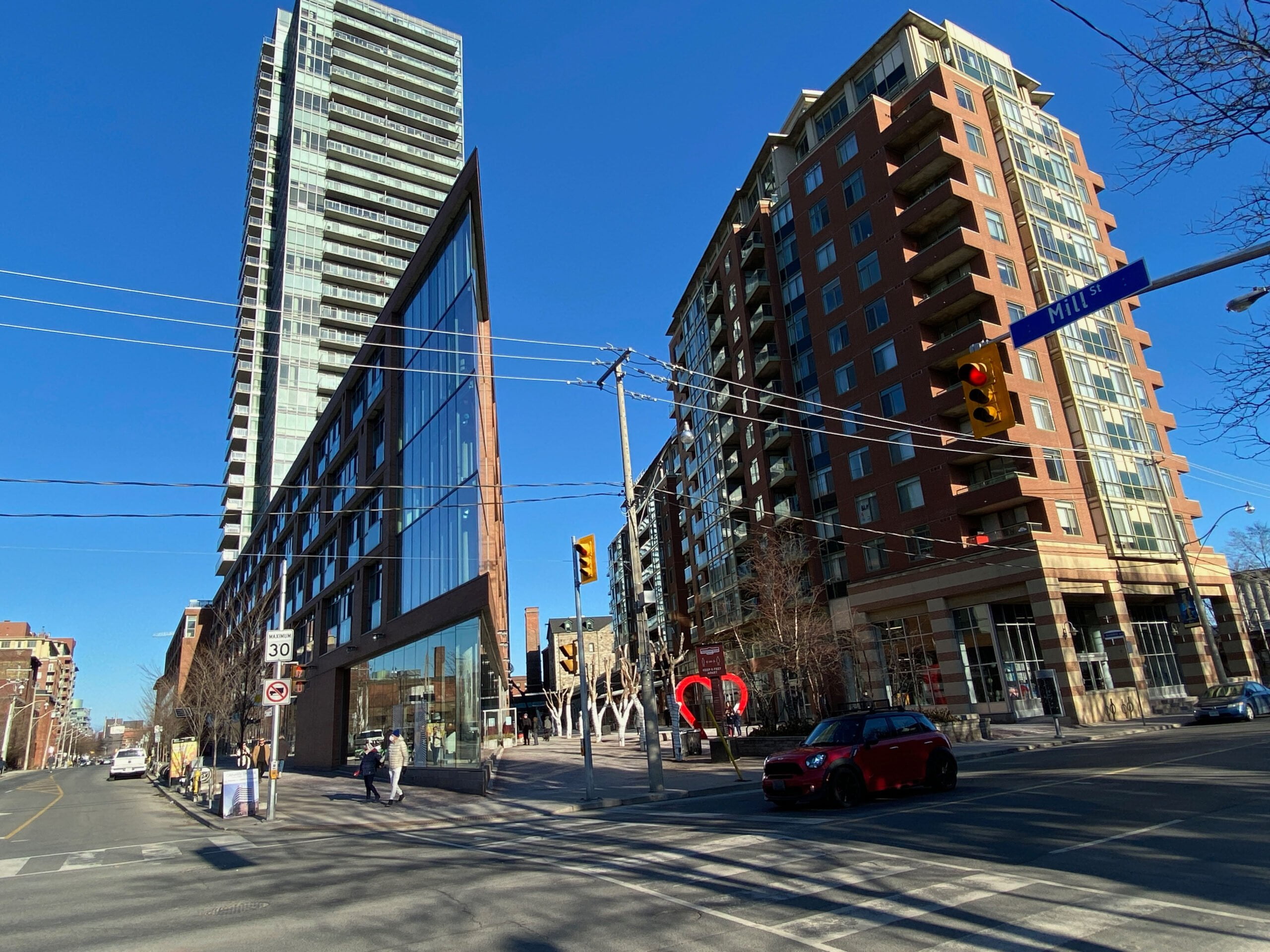
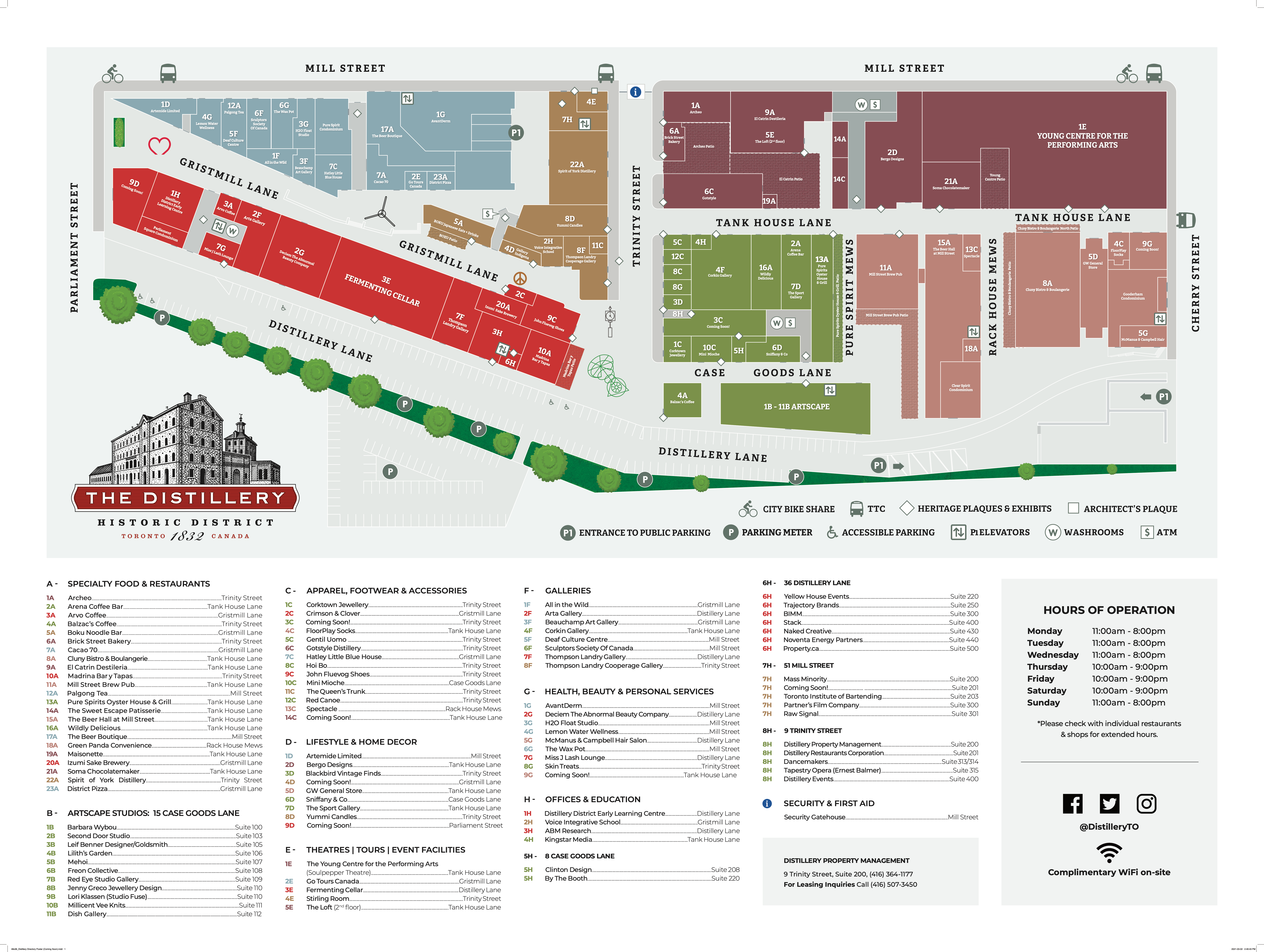
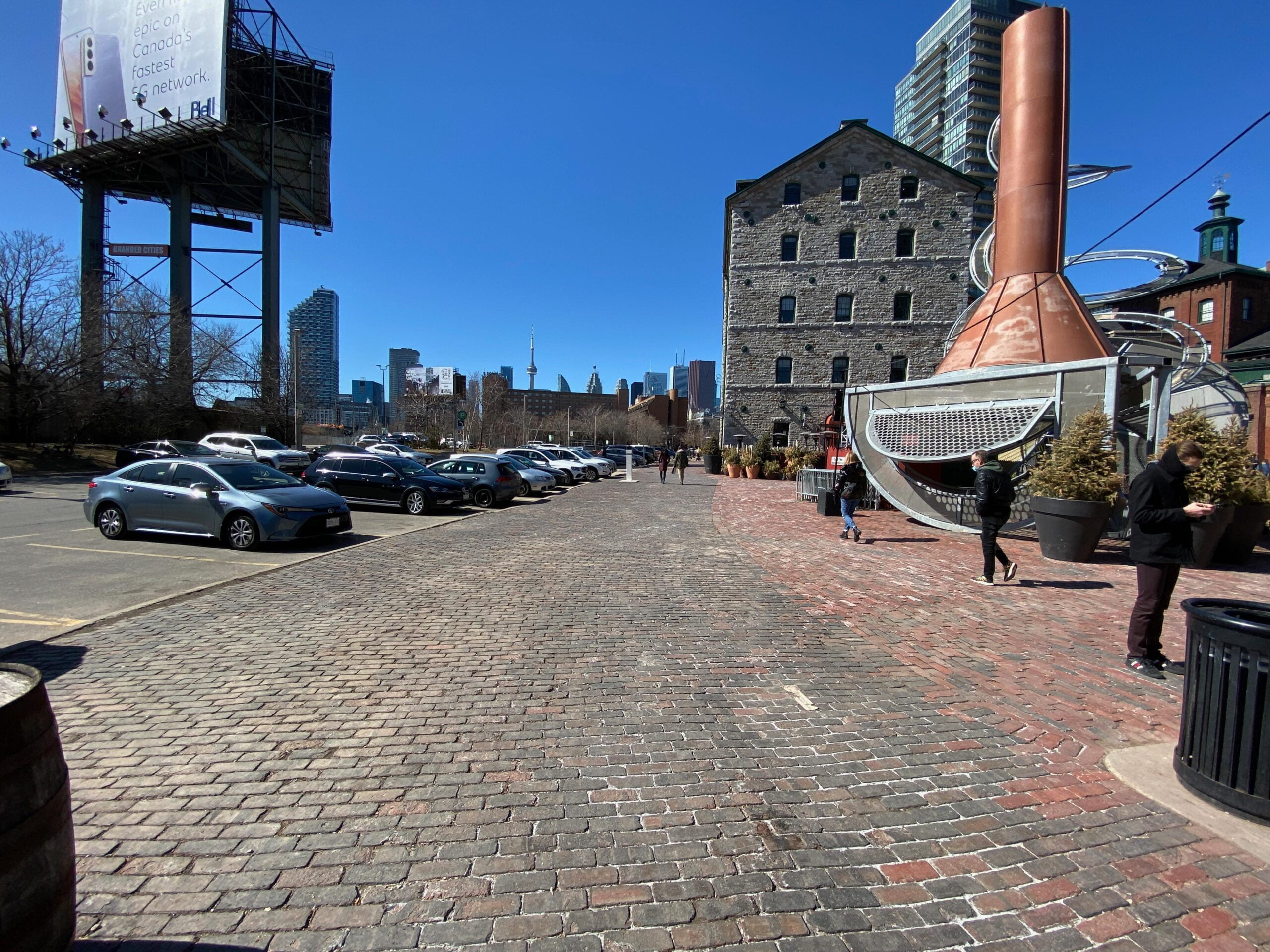
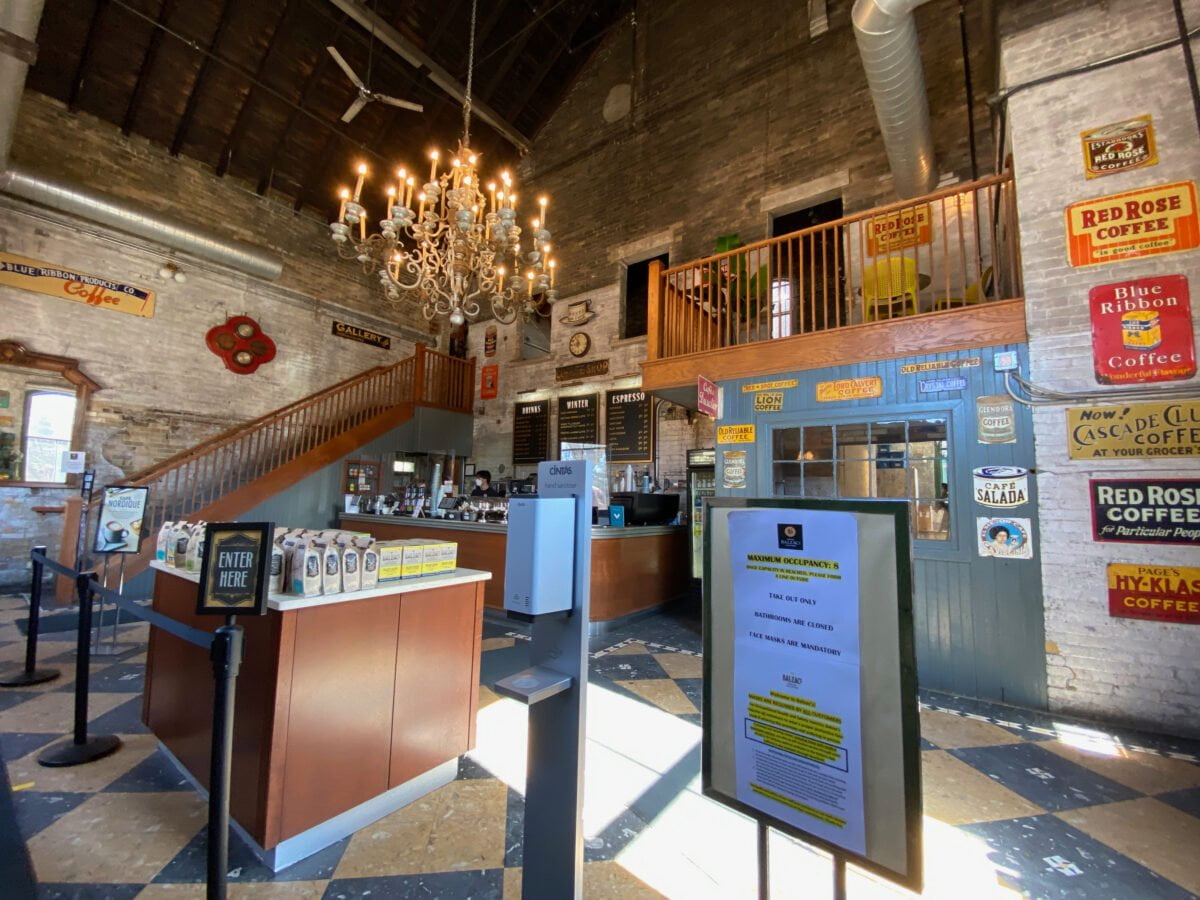
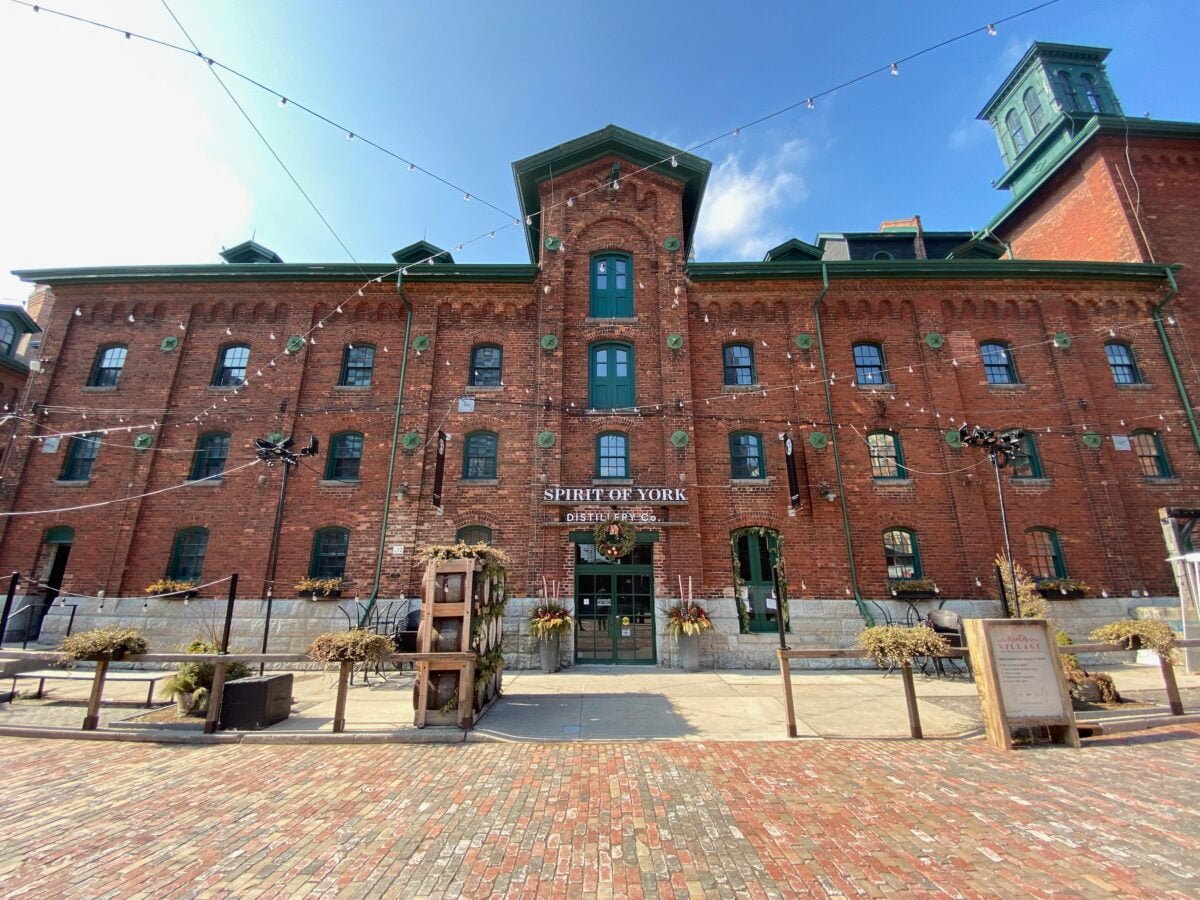
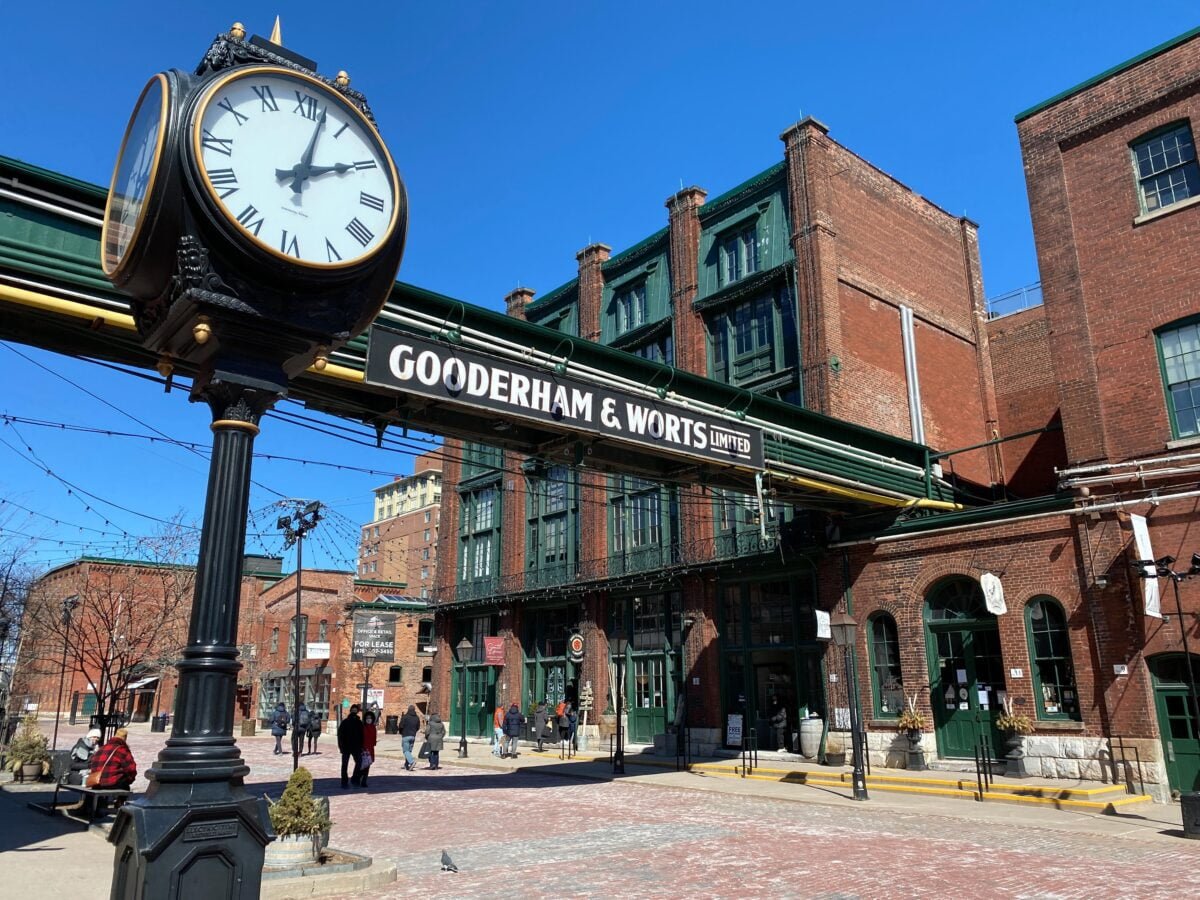
“So you look at even in Toronto you won’t find us in strip malls. You’ll find us in very interesting communities – the Distillery District, Market Street around the St. Lawrence Market, Liberty Village, Stratford, Niagara on the Lake, Kingston. We really look for unique spaces that represent where the community congregates and where they gather to sort of get away from things for awhile and just enjoy a great cup of coffee,” said Cecillon.

“Our specialty coffees are really created a little bit differently than some of the more main street coffee shops. We use real ingredients such as vanilla or maple syrup, pumpkin puree. It allows us to really get the distinct flavours out with not a lot of added sugar. And organic milk. The whole host of non-milk alternatives is something that we pride ourselves in as well.”
Olsen will be assuming the role of Chief Design Officer moving forward focusing on driving Balzac’s design into a new era.

Recently, it was announced that Balzac’s is partnering with Porter Airlines as their in-flight coffee provider.

PHOTO OF RON CECILLON. PHOTO: BALZAC’S

“That’s a big opportunity for us to allow more Canadians across the country to experience the magic of Balzac’s coffee,” added Cecillon.
Balzac’s name is inspired by Honoré de Balzac’s famous quote, “the Café is the People’s Parliament.”

“He was known as sort of the first man of coffee, drinking upwards of 50 cups of coffee a night because when he wrote he typically wrote from 10 p.m. through to eight o’clock in the morning. He wrote overnight. That’s where his creativity came. That’s where his mind was at its best. In order to stay alert, he drank significant amounts of coffee,” said Cecillon. “Diana spent a fair bit of time in the cafes of France and fell in love with the French culture of coffee and the way it celebrated congregating and gathering. Hence the name is after Honoré de Balzac.”

Toronto’s Agincourt Mall to See Massive Redevelopment

Agincourt Mall in Toronto. PHOTO: TORONTO.COM

The North American Development Group has ambitious plans to build a massive project on the site of the current Agincourt Mall in Toronto – providing a unique city-building opportunity, creating a vibrant mixed-use community which builds on the retail history of the site while leveraging connections to existing and future transit, parks, and open spaces.

The project will include 4,400 residential units with 270,000 square feet of retail space and about 110,00 square feet of office. There will be a total of 10 buildings on the site which overall will have seven development blocks. Each development block is a little bit different. Several of them on the east side of the site will have podium retail and above would be some low rise or mid rise residential.

Residential will be both condo and rental throughout the development site. There’s also some town homes planned for the site, which is located at the corner of Kennedy Road and Sheppard Avenue, in the former Scarborough community, in the northeast quadrant of the Greater Toronto Area.

AGINCOURT MALL MAP

Steve Bishop, Vice-President of Development Services for the company, said the 26-acre site is occupied currently by a 300,000-square-foot, 1960s enclosed shopping centre anchored by a No-Frills food store and a Walmart. There is also a freestanding building which has The Beer Store, LCBO, and Pet Value.

“We’re immediately adjacent to the Agincourt Library which is one of the busiest branches in Toronto,” said Bishop.

He said all the buildings on the development site – not including the library – will be demolished through a phased construction process.

“We’ve been working closely with Walmart to maintain them on the site. So they would be part of our phase one program. The intent here is that we would try to keep a portion of their store open while we construct phase one – demolish a portion of their space and construct a new building with residential above them,” said Bishop.

The project has been going through all the municipal approvals with construction expected to start in 2021. Full build out would take a couple of years.

The site was acquired in January 2015 and it is dominated by automobiles with more than 70 per cent of it being surface parking. There are multiple vehicular access points to the site.

AGINCOURT MALL DEVELOPMENTS. Photo: NORTH AMERICAN DEVELOPMENT GROUP

The goal is to develop a community for retail, culture, leisure and multi-generational living while also creating a public realm that supports a mix of programs with parks and squares.

The development also wants to create great streets for everyone – pedestrians, cyclists and vehicles – which connect to the larger surrounding community and future LRT.

The location is a home run with its accessibility and being part of the transit framework. The Agincourt GO Station and the planned SmartTrack are within a five-minute walk. Seven bus lines are in the immediate area. The Highway 401 on-ramp is located less than one kilometre from Kennedy Road and Sheppard Avenue. The developer says Toronto has major plans for new higher-order transit along Sheppard Avenue.

The project will become an ideal place for residents to live, work and play with plenty of amenities as well as park space.

“We spent a lot of time focused on the public realm. When we looked at the site, we looked at it holistically with the entire neighbourhood and not in isolation. So we’ve got some great connectivity between Ron Watson Park and our proposed park and through our pedestrian connections you can get pretty much anywhere in the neighbourhood through a series of streets,” said Bishop.

“There was a lot of focus on that through our process,” said Bishop. “We’re quite happy with the way it all turned out.”                                           

AGINCOURT MALL (Google Maps)

Canadian Consumers Embracing Physical Retail Stores Amid Online Channel Growth: Study

CASPER DREAM PODS
CASPER DREAM PODS NYC. PHOTO: CASPER

It’s no surprise that retail is in the midst of a revolution.

But the story of retail transformation can’t be boiled down to stores versus ecommerce, says the third edition of the Connected Shoppers Report by Salesforce Research.

To win sales — let alone loyalty — retailers, brands, and online marketplaces must understand and navigate an increasingly complex ecosystem of consumer expectations, preferences, and channels that are anything but static, explains the report.

Key Canadian highlights from the report include:

●     Retailers, brands, and online marketplaces are battling for wallet share. 81 per cent of consumers buy from a combination of retailers, brands and online marketplaces. 40 per cent of repeat purchases are made at physical stores;

●     Shopping is evolving as consumers define new terms of engagement. 49 per cent of consumers shop with a specific brand in mind. The number one trait of a shoppers’ favourite brand is offering exclusive shopping experiences/promotions;

●     Shopper journeys are moving to the edge. 17 per cent of shoppers buy products with a mobile wallet. On average, consumers have two shopping apps on their mobile devices; and

●     Stores remain critical for discovery, experience and fulfillment.  52 per cent of shoppers have purchased a product online for in-store pickup. The number one reason consumers shop in-store is to get merchandise immediately, followed by the ability to touch and feel merchandise.

The report also found that 47 per cent of shoppers plan to buy more from online marketplaces this holiday season and the number one factor influencing holiday purchases this season is what’s available in physical stores.

“We’re finding that consumers are engaging with brands well beyond their physical and virtual four walls. What that means for retailers is that’s just not about getting the operations and experience right on their own destinations but really pushing their brands to where consumers are,” said Rob Garf, Vice President of Strategy and Insights for retail and consumer goods at Salesforce.

“The second interesting point I want to highlight is that the stores are seeing a revitalization. We’re seeing consumers really valuing the stores not in isolation but as part of the overall omnichannel shopping process. While products are important, experience really has elevated as one of the most important reasons why a consumer shops with a particular brand and as part of that experience sustainability and trust has become very important particularly with the younger generations.”

LUSH
PHOTO: LUSH

Garf said that retail from the beginning has been about pulling the consumer to their brand, their destination, their property. That of course was primarily physical for many years but increasingly digital has entered into the picture.

“Now it’s as much the need for retailers to push the brand to wherever the consumers are and that’s increasingly happening off property. It’s happening on third-party platforms like social media, like messaging platforms, like voice assistance, gaming consoles, even video,” he said. “What we found in the Canadian market specifically nine per cent of consumers are making purchases on social media and four per cent are making purchases on messaging apps as well. This is slightly lower than the global average which to me isn’t a huge surprise. We have found that Canadian shoppers are typically fast followers to what’s happening in other parts of the world in adoption of technology for shopping.”

ROOTS
PHOTO: ROOTS

There is a lot of talk these days of a retail apocalypse but Garf said it’s really more of a retail renaissance and that’s illustrated by what’s happening in the store itself. For many years, the store was simply a place to purchase a product. The point of sale was focused on speed and efficiency.

“What we found based on our research is that consumers are really looking for three fundamental things from the store,” said Garf. “First they’re looking for it to be discovery hub. The second an experiential hub and third being a fulfillment hub.

PHOTO: L’OCCITANE

“It’s critical too that in Canada 84 per cent of consumers make their first purchase in a physical store and when we think about the repeat purchase – the second, third, fourth, the ongoing purchases – 40 per cent still make those purchases in the physical store. Only 25 per cent of the repeat purchases globally is made in the physical store. So Canadian consumers are really doubling down on the importance of that physical, tactile experience within the store.”

Garf said 52 per cent of shoppers purchased a product online and picked it up in the store.

So why do consumers in Canada go into the store?

“The top three things are to get merchandise immediately. It speaks to the importance inventory availability and really streamlining the purchase and pickup activity. Being able to touch and feel the merchandise is really important particularly on fashion products and technical products that you can’t just get by reading the website. And lastly is to engage in the overall in-store experience and that can take a lot of different flavours whether that’s just talking to a knowledgeable store associate, it could mean in some cases . . . going to a store for a special event . . .”

PHOTO: SONOS EXPERIENTIAL STORE

Garf said experience for the consumer is a feeling that the retailer knows who the consumer is and provides either a relevant, personalized, convenient or automated shopping experience based on the knowledge of that consumer.

“Over 50 per cent of consumers feel like the retailers don’t know actually who they are. So it’s turning that on its head utilizing all the information that a consumer is leaving with every type, every swipe, every tap and turning that back over to the consumer and translating that into whether it’s a personalized, relevant, convenient or automated shopping experience,” he said.

On a global level, the Salesforce report found that 83 per cent of consumers say the experience is as important as the product.