Home Blog Page 1012

Canada’s ‘Brunette the Label’ Collaborates With Juicy Couture for Limited-Edition Fashion Line

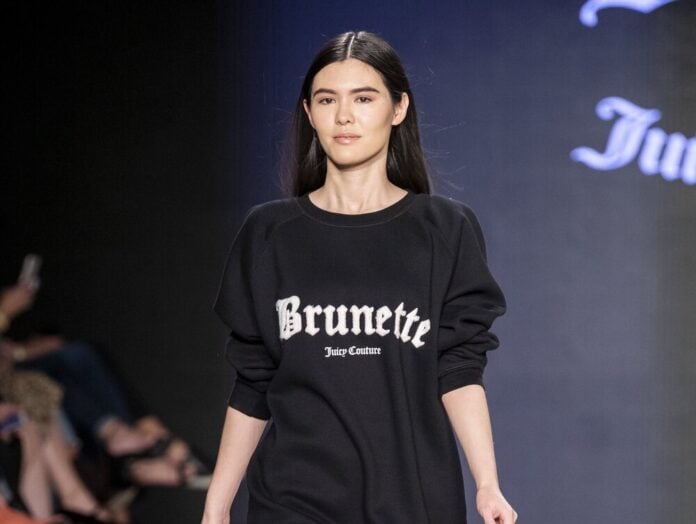
PHOTO: BRUNETTE THE LABEL (VANCOUVER FASHION WEEK)

Fans of the Canadian Brunette the Label clothing label marked their calendars when the Vancouver Fashion Week 2019 show announced a new limited-edition line. Branching out from their typical release schedule, Brunette is partnering with Juicy Couture for the first time to create an exclusive and limited-edition collection.

Brunette is a beloved Canadian clothing label that promotes positivity among women through its signature sweatshirts, t-shirts, and accessories. Since 2014, the company has focused on reclaiming the term “babe” to  include all women. Their goal is to create an inspiring and safe community within the fashion world.

Founder, Miriam Alden, entered the fashion industry with interest in sales and marketing. As the years passed, she became engrossed in starting her own showroom. In 2009, the Brunette Showroom was born. After spending years at trunk and pop-up shops, Gwyneth Paltrow’s ‘goop’ lifestyle brand featured Brunette in 2014, and the label took off. Now, Alden runs the company as CEO and Creative Director. She believes that the clothing produced by the label reclaims the term “babe” as an inclusive term that strengthens women as a non-physical descriptor. It’s resulted in the Brunette and Babe crewneck sweatshirts that fans around the world long to buy.

The collaboration, though recently announced, has been in the works since February of 2018. A senior associate with the parent company of Juicy Couture first saw Alden’s Brunette line at a show in Vegas. After viewing the neon pink “Babes Supporting Babes” sign, the collaboration began to take shape. What began as a Canadian collaboration expanded into the United States.

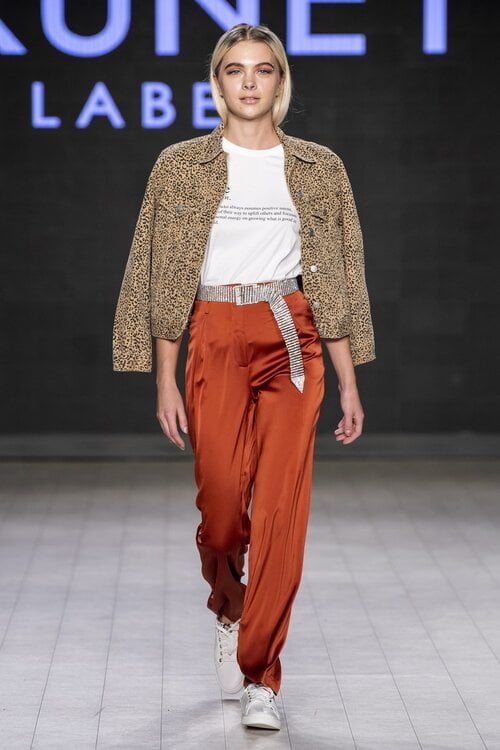
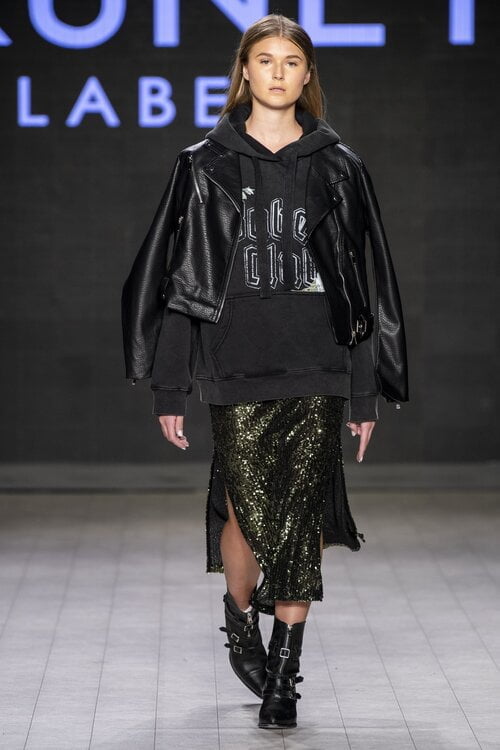
The 10-piece collection features all of Brunette’s popular styles with Juicy’s gothic font. In addition to the Brunette pieces, there will also be zip-up, pink velour tracksuits available for purchase. Every piece in the collection is versatile so that women can wear them for comfort and style. Everything will be available on November 4th at 100 brick-and-mortar Canadian retailers and the Juicy New York City location. For those who can’t make it in person, the collaboration will also be available on BrunetteTheLable.com and JuicyCouture.com for $88-$129 in US and Canadian currencies.

Brunette the Label has experienced massive expansions in the past five years, but  collaboration with Juicy Couture will speed that growth even more. Partnering with a major brand expands your reach and mines an established customer base. The NFL conducted a similar partnership to evaluate the potential retail success of selling men’s apparel all year round. After quantitative and qualitative research, the strategy was proven to be a future success, which led to more sales.
More prominent brands benefit from partnering with smaller brands because they gain access to a potential niche audience they may not have been able to reach before. Ultimately, Brunette and Juicy Couture’s business models align perfectly, so the match is nearly a guaranteed success.

Fans of both Brunette and Juicy Couture can check out the sale on November 4th. However, there will be more to come in the future. Juicy has confirmed that after the limited-edition collection ends, the partners will expand the fashion line in the spring of 2020.

For now, the future of Brunette looks brighter every day. Miriam Alden claims that, with two female-founded companies, she’s excited to collaborate on the upcoming collection. Both brands share similar visions and values, allowing the process to flow naturally. According to Alden — who says she’s been a fan of Juicy for years — this opportunity has been a dream come true. “I couldn’t  feel more proud to be a Canadian designer collaborating with such an iconic brand as Juicy Couture,” Alden said in a statement to Fashion. “Especially one that is such a leader in a similar fashion space to Brunette the Label.”
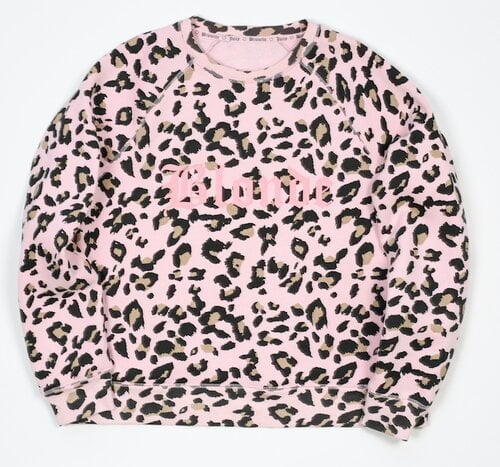
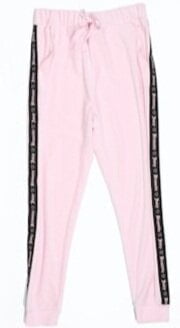
“Juicy Couture was a big part of my love for fashion as a young woman,” she said, “and as a female founded start-up brand it really gave me confidence to follow my dreams when I was first deciding to get into the fashion industry. My pink velour Juicy tracksuit was the first big purchase I made, and I always felt so confident wearing it. Now, years later one of my biggest goals as a creative director is to create a community with my brand that creates those same feelings I had back then.  And that is of course why we had to include a pink velour tracksuit as a part of the Brunette x Juicy Collaboration.”
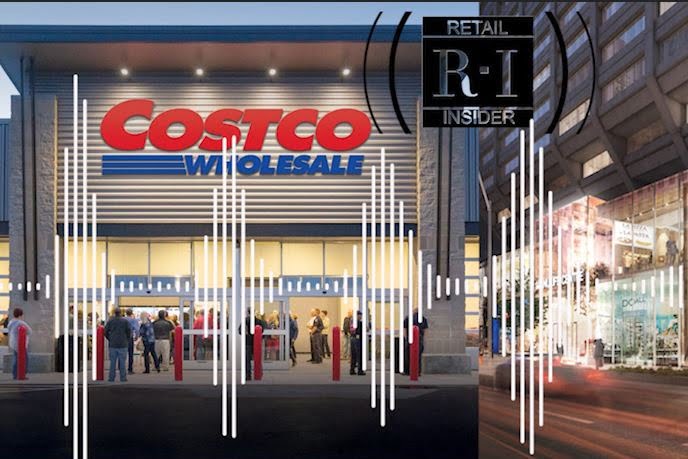

109: Costco, Eataly and Furla

exc-5db25e4c92f5c03a7fefcc06

This week Craig and Lee talk about Costco, Eataly and Furla.

The Weekly podcast by Retail Insider Canada is available on Apple Podcasts, Stitcher, TuneIn, Google Play, or through our dedicated RSS feed for Overcast and other podcast players.

Sponsored by Oberfeld Snowcap: Founded 40 years ago, Oberfeld Snowcap is a full-service real estate and retail advisory firm that focuses on retail tenant representation, strategic planning, property and project leasing, as well as real estate investment sales.

Discussed this episode

  1. From 2014:

Subscribe, Rate, and Review our Retail Insider Podcast!

Follow Craig:

Follow Retail Insider:

Listen & Subscribe:

Share your thoughts!

Drop us a line at Craig@Retail-Insider.com. You can also rate us in Apple Podcasts or recommend us in Overcast to help more people discover the show!

Listen on Google Play Music

Share your thoughts!

Drop us a line at Craig@Retail-Insider.com. You can also rate us in Apple Podcasts or recommend us in Overcast to help more people discover the show!

Popular US Chain ‘MOD Pizza’ to Enter Canada Amid Significant Expansion Plans

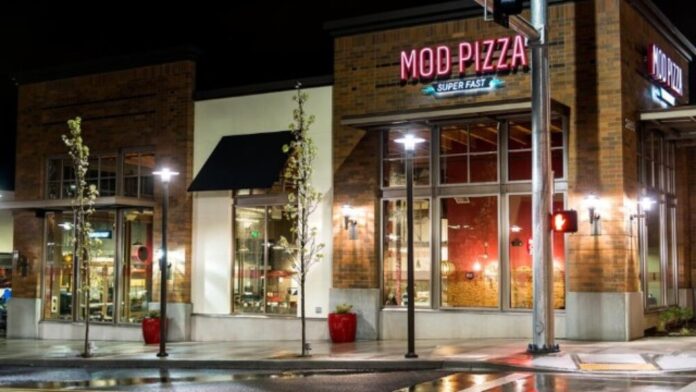
PHOTO: MOD PIZZA (WISCONSIN)

MOD Pizza, based in Seattle with more than 400 locations in the U.S. and the UK, is expanding into Canada.

The first MOD location will open late this year in Langford, British Columbia, in the newly developed Belmont Market Shopping Centre – bringing Canadians MOD’s individual artisan-style pizzas which are made on demand where customers can create their own pizzas and salads with any combination of over 30 toppings for one price.

It will open in late November or early December.

The fast casual restaurant brand is being brought to Canada by V.I. Pizza Inc., led by Jim Hayden, Jeff Jefford, and Ken Whitaker, who have deep food industry experience and operate several successful brands across Vancouver Island. Their agreement includes development rights to bring five MOD locations to the island over the next several years. Mike Yasinski, co-founder of Hudsons Canada’s Pub and executive committee member of Restaurants Canada, is also an investor.

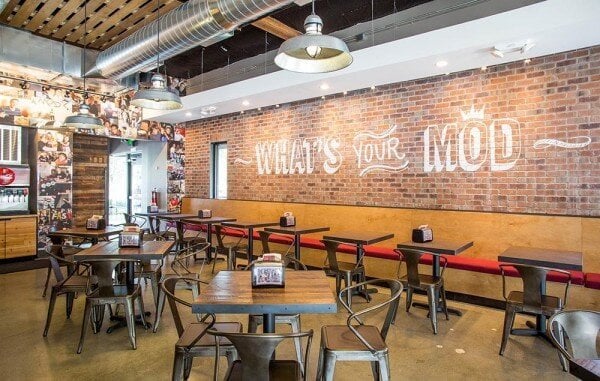
PHOTO: GRAPHITE DESIGN GROUP

“We are confident that MOD will translate well in the Canadian marketplace, and that the V.I. Pizza team will be great partners as we further expand our footprint. With Vancouver Island’s close proximity to our home base of Seattle, this feels like the perfect first step into Canada,” said Scott Svenson, co-founder and CEO of MOD.

“For us, the most important factor in selecting our franchisees is finding those who not only share our business values, but are committed to cultivating the MOD culture in their stores. The V.I. Pizza team are aligned with our belief that taking care of people, and using the platform of MOD to make a positive impact, leads to a successful business. As we continue to grow MOD’s footprint, we hope to identify additional like-minded partners who are interested in helping us expand across Canada.”

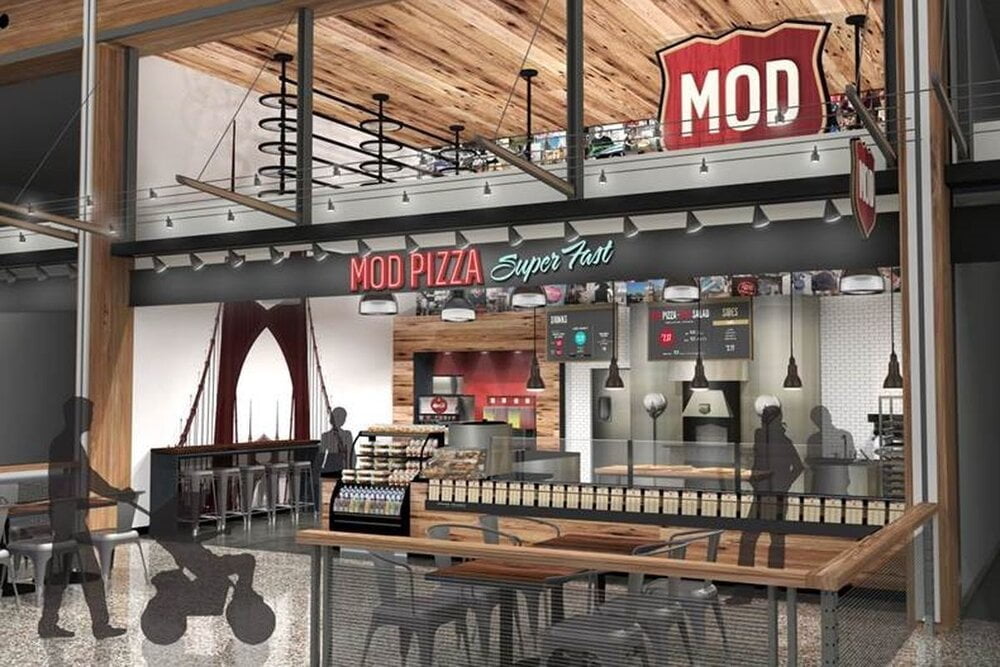
PHOTO: CROMBIE REIT (BELMONT MARKET, LANGFORD)

The concept was founded in 2008 by entrepreneurs Scott and Ally Svenson, who formerly owned Seattle Coffee Company and sold it to Starbucks in 1998. They also had helped form and grow a restaurant chain in the UK called Carluccio’s.

Today MOD Pizza has 464 locations, in 28 U.S. states and 10 locations in the UK, with an additional 20 plus stores slated to open by the end of this year.

PHOTO: EATER PORTLAD

“We’re absolutely thrilled to introduce MOD Pizza to Canada, and to share its compelling combination of superior food quality, value, speed and most importantly, its platform for doing good,” said Jim Hayden, COO of V.I. Pizza Inc. “MOD embodies everything we believe a brand should stand for – a people-first culture, a community driven approach, and a best-in-class business model. We can’t wait to debut the first store in our home market of Vancouver Island.”

MOD Pizza’s SVP of Partnerships John Dikos, who directed MOD’s expansion to Canada, said the company decided a few years ago it had some interest in going further afield from the U.S. and the UK.

“We’ve always had a lot of interest from international restaurateurs wanting to take our brand to other countries. We’ve remained quite disciplined keeping our focus here in the U.S. and over in the UK. But things really seemed to interest us as a leadership team to go further into North America. So we decided to focus on Canada,” said Dikos.

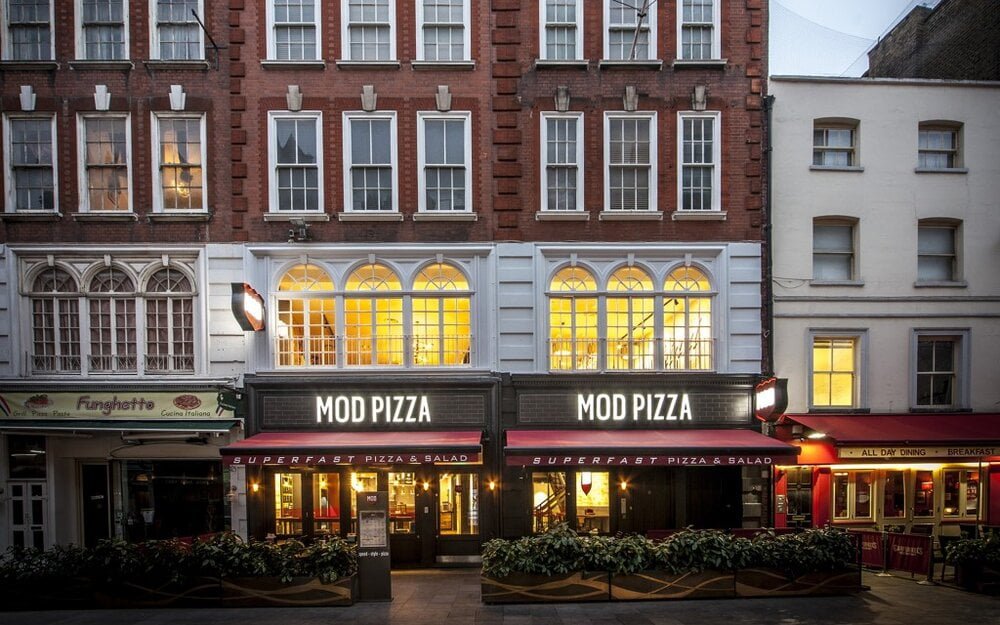
PHOTO: W. HILES PARTNERSHIP (LONDON FLAGSHIP)

“We decided that Canada would be very interesting. Not without its challenges. Obviously plenty of examples of companies that had their challenges in Canada. We really felt that it would be a worthwhile venture to enter Canada. We started contemplating and preparing for that a couple of years back.”

Dikos said as the co-founders initially put together the concept of MOD Pizza and the team and began testing the operating model, Ally Svenson famously said ‘the world does not need another soulless restaurant chain.”

So a lot of thought went on early on that MOD would be a platform for change, a platform for social good and the owners let that grow organically rather than beginning with a mandate from the top on exactly how that would come to life.

“In the first few years what grew was this really, really interesting focus on our team and on our people. The philosophy is pretty simple. If you take care of and inspire our team, they’ll take care of and inspire the customer and the business will take care of itself,” said Dikos.

On its website the company notes: “MOD Pizza is a business, but our real purpose is creating positive social impact in the lives of our employees and their communities. Yes, we make pizza, but our pizza makes people. Our measure for success isn’t the number of MOD locations – it’s the number of people employed and their well being. It’s something bigger than pizza – it’s a movement. Welcome to MOD.”
Indigenous Footwear Brand ‘Manitobah Mukluks’ Launches Aggressive Canadian Retail Store Strategy

PHOTO: MANITOBAH MUKLUKS

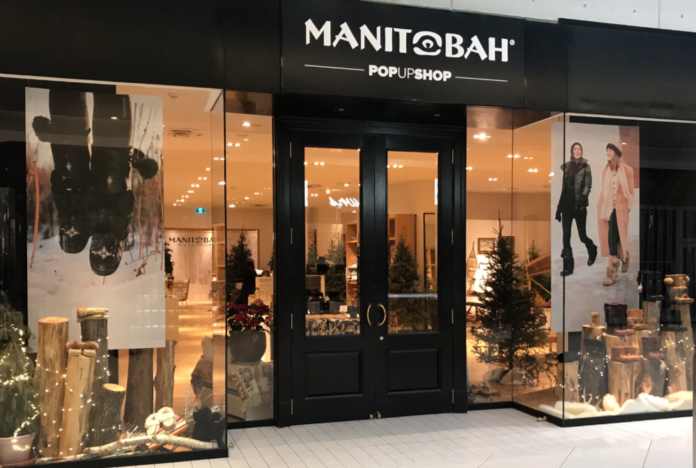
A pilot pop-up project last year for Manitobah Mukluks in three Canadian shopping centres was so successful that the company is expanding its number of retail locations this year to 18 stores in several major cities.

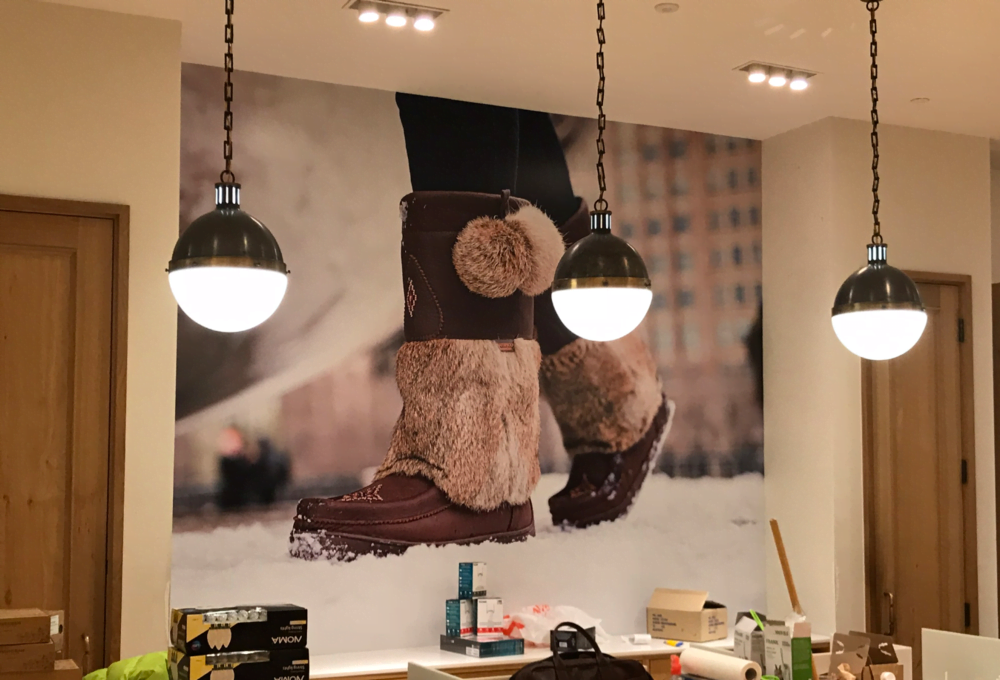
The company’s success is in producing and selling the original winter boot of Canada.

“We sell indigenous footwear. We sell footwear of all types. Our main product is what we call the original winter boot – the mukluk. Indigenous people have survived for thousands of years in the harshest conditions on earth wearing mukluks,” said Josh Fine, Chief Brand Officer and Partner with Manitobah Mukluks.

PHOTO: MANITOBAH MUKLUKS

Fine’s business partner is CEO Sean McCormick – a Metis entrepreneur who started the business in 1997. Fine partnered with him in 2008 to establish the Manitobah brand as people know it now. McCormick had a tannery and was tanning leathers and furs. He started trading them for moccasins and mukluks, leathers and furs, with indigenous makers. But over time he couldn’t get enough moccasins and mukluks to sell to gift shops and trading posts so he started making them himself.

“And it kind of grew from there,” said Fine. “He started selling them as a gift item but when I met him we had this vision of it’s such a great story here – both his story and the story of the mukluk itself and the product and the community story – how do we tell that story to more people was really my job. That’s why and how we partnered.”

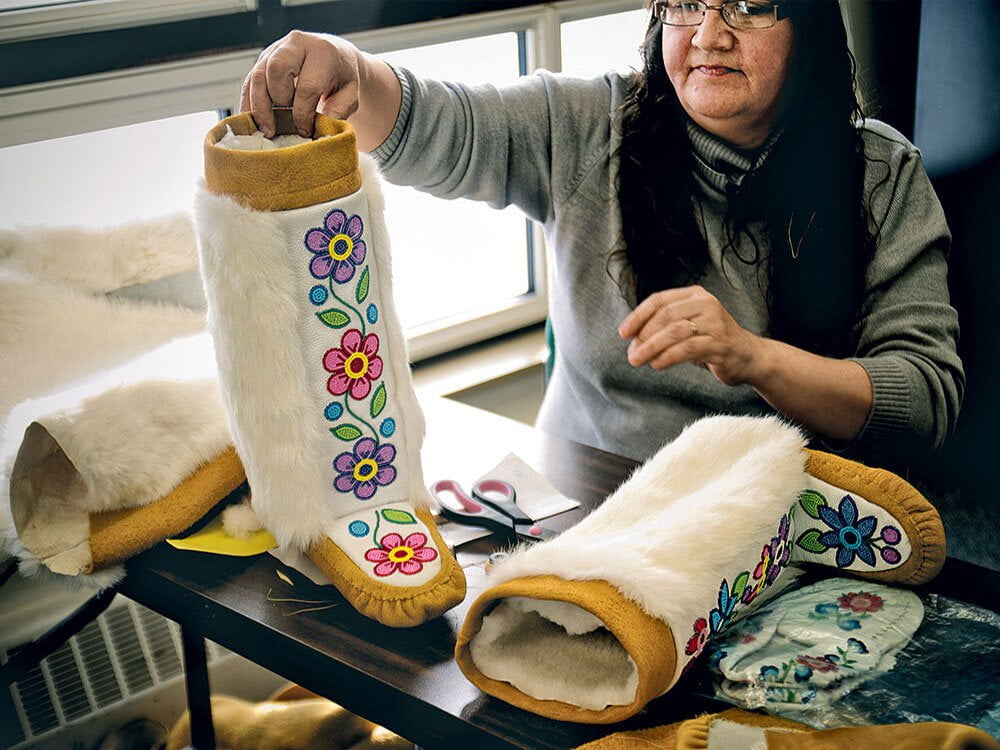
The company’s most traditional mukluks are what it calls Storyboots which are the most authentic product handmade by indigenous people in their community with 100 per cent of the proceeds going back to those artists.

“We’ve combined that traditional product of the mukluk with modern materials and techniques. We didn’t invent the mukluk. We borrowed the mukluk as a design and we innovate on it certainly and partner with the most innovative people in the world to do it. We think there is a lot of innovation built into that design that people have let go,” said Fine. “So whether it be the flexibility in it, the natural materials, there’s no right/left foot on a mukluk believe it or not. There’s magic that is built into this historic design that people have forgotten about,” said Fine.

“So what I found as I brought the mukluk to the world is really we just have to tell that story. People have to try the product. It’s the most comfortable, the warmest boot anyone’s ever tried. People need to get the story because it looks different than the other winter boots out there.

“In the Prairies people get it. They get that this is a legitimate winter boot that’s really going to protect you better than some other high tech winter boot. But as soon as you leave the Prairies and you get into Toronto downtown, or New York, Chicago, or L.A., all of a sudden it’s a statement or a costume. And so we’re really trying to get away from that and tell people no this is function. We’re actually a performance brand here. It’s not meant to be fashion. It may be fashionable but the function of it is something that people don’t intuitively understand and so we need to communicate that and we need to tell that story. It’s really these pop-up experiences that we’re establishing where we’re telling that story. And so we’re trying to do it in places where people don’t quite understand it.”


View this post on Instagram


Exploring those crisp fall mornings in style. 🍂 . @this.is.serene . . . . . . . . . . #RockYourMocs #Moccasins #Manitobah #Beading #IndigenousStyle #HandMade

A post shared by Manitobah Mukluks (@manitobah) on


View this post on Instagram


Fall has officially arrived… so it’s time to start day dreaming about winter! 🍂 ❄️ #falldays #winternights #muklukseason

A post shared by Manitobah Mukluks (@manitobah) on

In the fall and winter of 2018, three pilot pop-up stores were set up in CF Rideau Centre and Carlingwood Shopping Centre in Ottawa and West Edmonton Mall. All three stores over-achieved the company’s expectations.

The company jumped on the opportunity this year to take advantage of that success. It has 17 locations across the country – four in Calgary, two in Edmonton, five in Ottawa, and six in Toronto area.

It will be opening a location in the CF Toronto Eaton Centre in November.

The pop-up experiences are all temporary and open until Christmas. The company also has an online selling platform.

“We’re pretty new at it. We did three stores last year. They were so successful. It’s a pretty big expansion this year. Yes they worked very well and we plan on doing more. I think so far the results are exceptional and so we’re very excited about the prospects of using these to build the brand not only in Canada but outside of Canada as well,” said Fine.

Youtube video

Manitobah also partners with more than 600 retailers, from small trading posts to national chains such as Cabelas, Nordstrom, Holt Renfrew, and Sporting Life.

The company has three different types of manufacturing for its products – the storyboots which are authentic, handmade items by indigenous people; the Canadian production is made in its factory in Winnipeg; and there is a line of products made in Vietnam.

“We wanted to make footwear. We didn’t want to just make traditional footwear. We wanted to make modern footwear that we could scale on a global level and we found that we just didn’t have all the capacity and capabilities and economics to do it here at home. At the same time, we found it was difficult to find good partners that we could trust that abided by our same philosophy overseas,” said Fine. “We established our factory there. We partnered with someone in Vietnam. It is a factory that we own and control that is fair trade that we visit and it’s really allowing us to scale globally.”

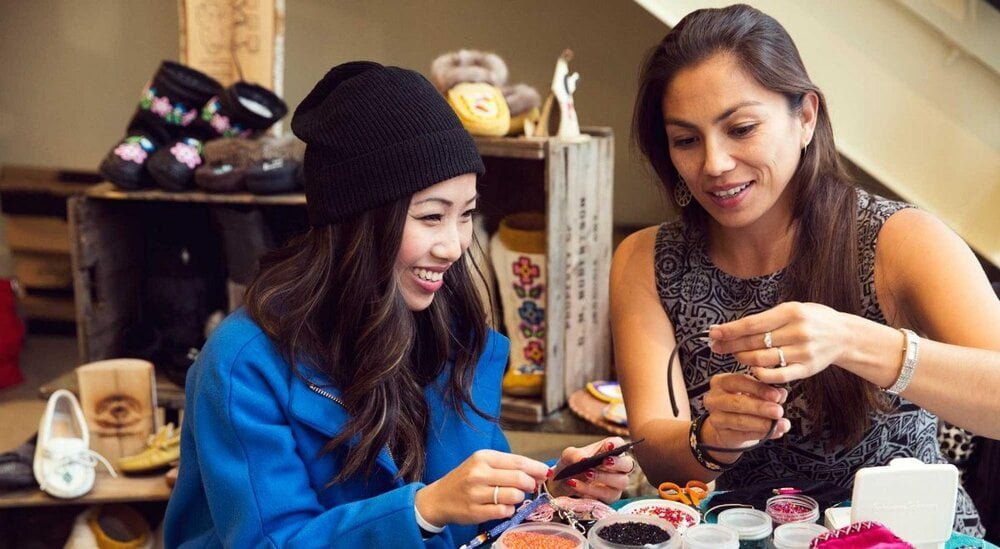
Fine said more than half the company’s staff is indigenous and it hires indigenous performers and teachers to teach workshops.

Seafood Fraud a Problem in Retailers Across Canada: Expert

PHOTO: SHUTTERSTOCK

By Sylvain Charlebois

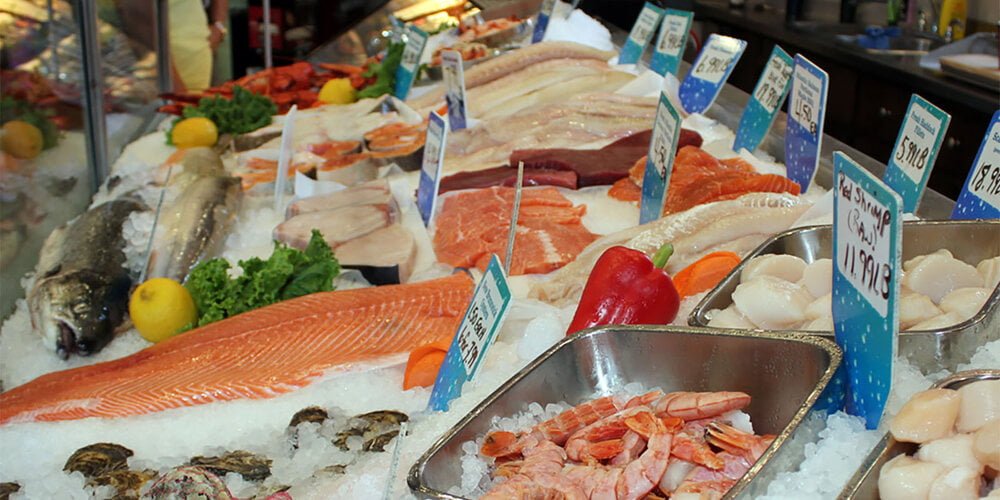
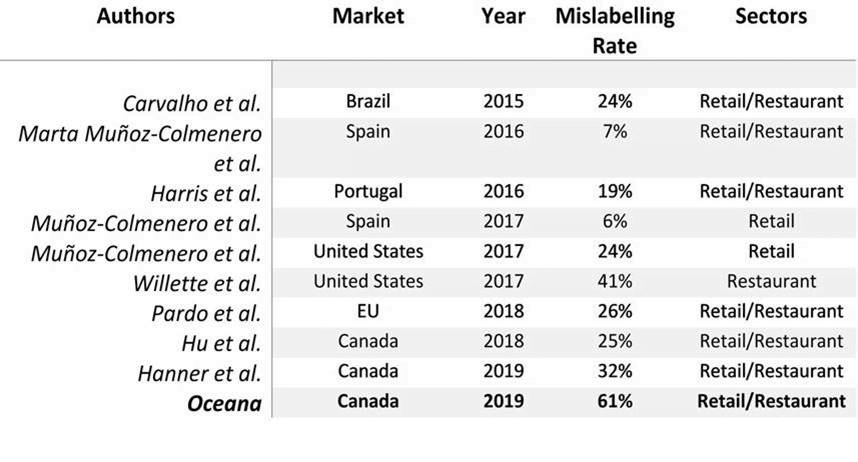
Oceana is known for its splashy reports on fish and seafood fraud. Their cumulative assessment across several Canadian cities showed that 44% of the fish samples assessed were falsely identified. After Halifax, Toronto, Victoria, Ottawa, and Vancouver, Montreal is the latest market Oceana has looked at, and results are not great.

According to the report released last week, 61% of samples picked up in Montreal’s restaurant and retail stores were mislabelled. More than one in three samples did not even have the right species identified. Apart from Victoria, where only 15 samples were analyzed, Montreal is the city where the largest percentage of mislabelled packages was recorded.

Food fraud is obviously a real problem, but by reading the report, we realize that the methodology used is not very clear. Ironically, Oceana itself lacked transparency when describing its sample design. We don’t know how establishments were chosen, or even if they were verified by a third-party organization that certifies ocean traceability practices, such as Ocean Wise. It exists, but Oceana makes no mention of it in their report. It’s a bit odd that no one has questioned Oceana’s methods or sampling strategy.

PHOTO: SHUTTERSTOCK

Based on what we know, in other Canadian cities, anyone could ask Oceana to send a sampling kit. Anyone is able to go to any restaurant or retail outlet for a sample and send it back to Oceana. Samples are then processed by a professional laboratory. In other words, Oceana has gone fishing – fishing for samples without using a scientific approach. It may have happened in Montreal as well.

To add to these questionable practices, it seems that suspect species were targeted by participants and the samples collected were purposefully not representative of seafood consumption habits. Oceana simply presented results that supported a narrative of rampant fraudulence. Food fraud is an issue we need to address, but the 61% is perhaps a little inflated. More than 100 scientific studies on mislabelling of seafood products have been conducted in dozens of countries to date. Tens of thousands of samples have been tested on hundreds of species. Los Angeles had the highest rate of mislabelling at 41%, but the report only looked at a handful of sushi restaurants. We are far from the 61% coming out of Montreal and other Canadian cities. The United Nations recently stated that anywhere between 20% to 25% of all fish and seafood sold in the Western world is mislabelled. Our country has a great number of wonderful, accountable restaurants and responsible grocers. We shouldn’t unfairly judge all establishments the same way.

MAJOR SEAFOOD FRAUD STUDIES SINCE 2015

Nevertheless, Oceana’s work reminds us that seafood-related food fraud is a widespread problem with dramatic consequences for public health and species conservation. More attention is being given to fish and seafood labelling in recent years; the Canadian Food Inspection Agency in Ottawa and some provinces like Quebec and Ontario have been working on this issue for a while now. However, fish and seafood fraud remain highly misunderstood and complex issues.

Oceana recommends that we implement a boat-to-plate traceability program to protect consumers. In an ideal world, it could work. But things do get muddy between the Canadian Food Inspection Agency and Fisheries and Oceans Canada, which does not even consider fish and seafood as food per se. What is required is random mandatory testing by businesses and the federal agency combined. Certification programs should also receive some support to reduce the risk of fraud. Most importantly though, no clear definition of food fraud is provided, and no laws or regulations directly address food fraud in Canada. This needs to be rectified as soon as possible so regulations can better align with our aspirations for eliminating food fraud across the board. In doing so, getting provinces and cities involved will only get easier. 

The most powerful weapon against food fraud will remain public pressure. For that, Ireland is an interesting case. The mislabelling rate there for fish and seafood went from 34% many years ago to 0%, just because everyone was talking about it. Public pressure-imposed discipline across the entire supply chain resulted in outright eliminating fish and seafood fraud. This could happen in Canada as well. 

Even if its methodology is questionable at best, Oceana should be credited for its work on seafood fraud and making sure we keep this issue on our radars.

Oceana Canada Response: Ottawa must act now on improving seafood traceability. 

By Sayara Thurston

Oceana Canada agrees with Mr. Charlebois that seafood fraud is a real problem. In fact, no amount of seafood fraud or mislabelling is acceptable. 

Oceana Canada’s most recent DNA testing found that 34.4 per cent of seafood samples were swapped species — for example, tilapia labelled as snapper — and a further 26.6 per cent were mislabelled because the name on the product didn’t correspond to accepted market names for seafood sold in Canada. The testing was conducted exclusively by Oceana Canada staff, and detailed results, the methodology (also used by CFIA) and information about the lab testing process are all available at oceana.ca. 

For consumers and responsible seafood businesses to make more informed decisions, information must follow fish from the point of capture to the point of sale, including the scientific name and catch documentation. Oceana Canada’s recommendations are based on the EU’s tested and proven model.  The EU’s boat-to-plate traceability regulations have resulted in significantly reduced mislabelling rates and are ensuring a safe, legal and transparent seafood supply chain.

Study after study shows that seafood fraud is a serious and persistent problem that must be addressed. As Mr. Charlebois says, public pressure is real, and showing signs of progress:  three of Canada’s federal political parties have now recognized that seafood traceability can combat seafood fraud by including it in their election platforms. The government must now take action.

Dr. Sylvain Charlebois is Dean of the Faculty of Management at Dalhousie University in Halifax. Also at Dalhousie, he is Professor in food distribution and policy in the Faculty of Agriculture. His current research interest lies in the broad area of food distribution, security and safety, and has published four books and many peer-reviewed journal articles in several publications. His research has been featured in a number of newspapers, including The Economist, the New York Times, the Boston Globe, the Wall Street Journal, Foreign Affairs, the Globe & Mail, the National Post and the Toronto Star. Follow him on twitter @scharleb.

Alberta-Based Men’s Lifestyle Retailer ‘Adesso Man’ Eyes National Store Expansion

PHOTO: ADESSO MAN

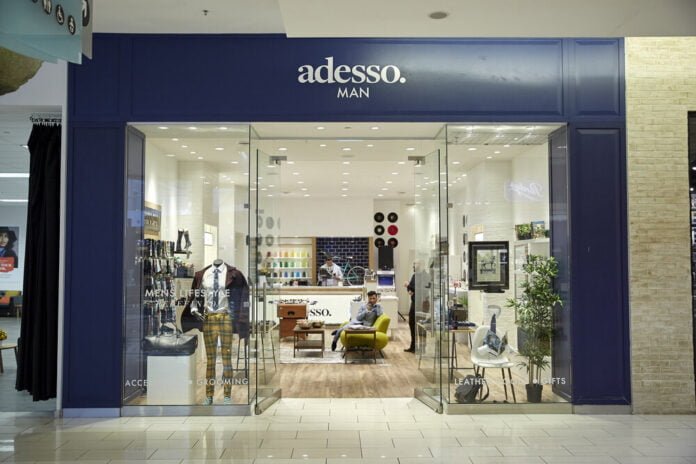
Calgary-based retailer Adesso Man began in 2016 with a mission to provide the latest in men’s lifestyle products at an accessible price point without compromising on quality.

And Abdul Ahmed, founder and CEO of the company, said the goal is to turn the brand into a global retailer in the coming years.

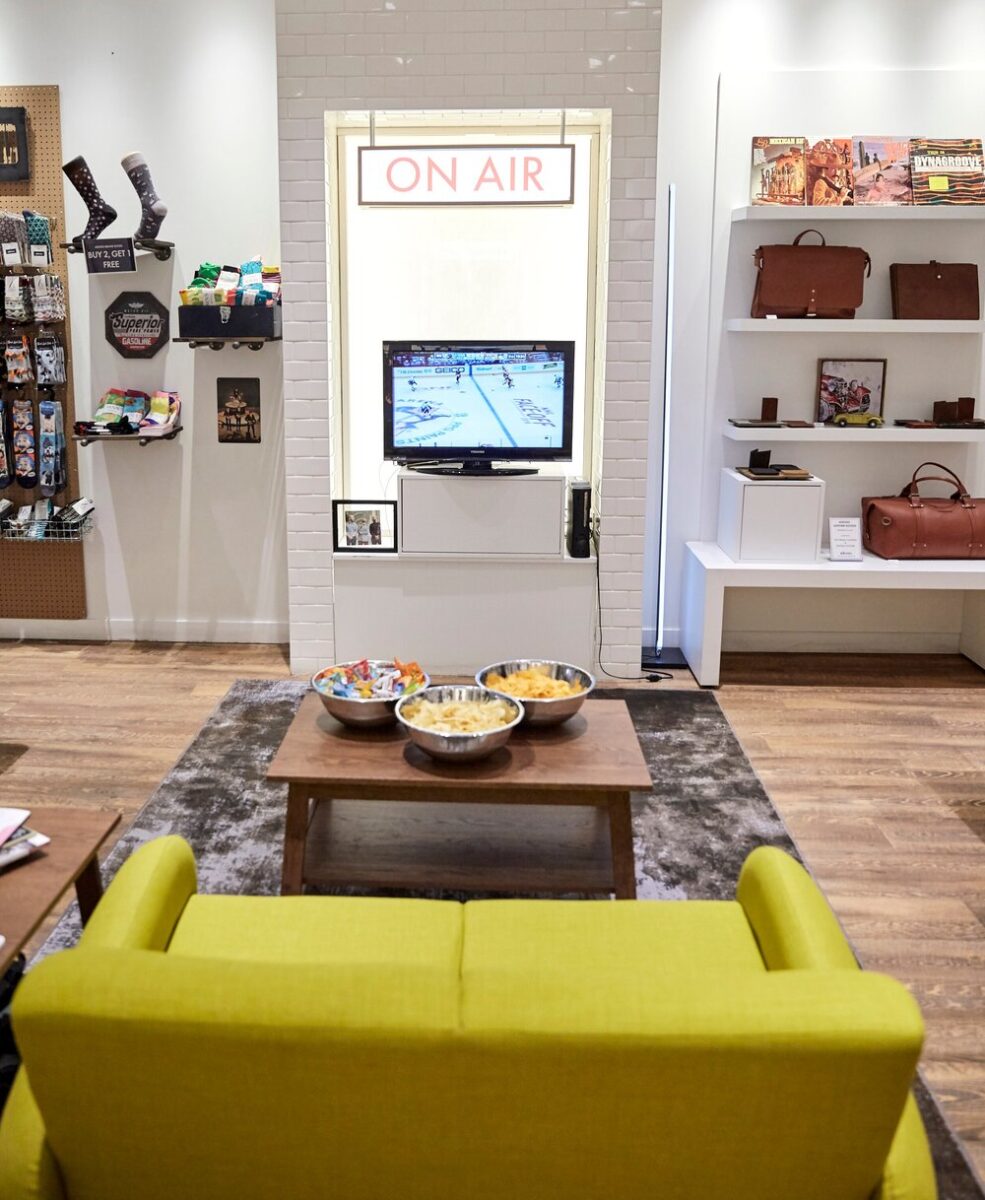
“We’re a men’s lifestyle brand and we specialize in men’s products. Kind of a full range from accessories, lifestyle goods, leather products, gifts. We want to create a one-stop-shop for men’s fashion, style, and personal care products so that we can ultimately help people feel more confident in their daily life,” said Ahmed.

“We have a five, 10-year plan we do want to eventually be a global company. We started off locally. We want to spread nationally. We want to expand into Toronto and Vancouver and across country hopefully in the next two or three years.”

PHOTO: ADESSO MAN

Ahmed said the company began in May 2016 with its first store in Edmonton in the Londonderry Mall. Currently, the company has two locations in Calgary in CF Market Mall and Southcentre Mall. It will have a couple of pop-ups over the holiday season in Kingsway Mall in Edmonton and the downtown Calgary Bow Valley Square. It also usually has a pop-up at the Calgary Farmers’ Market.

“We’re looking at Toronto for the spring/summer of 2020,” said Ahmed. “We’re going to do some locations temp locations to try out the market next year in Toronto.”

Ahmed said the business was started to cater to the niche in the market for men’s accessories and lifestyle products.

“We found that it was very hard to find European-inspired products that were a little bit unique, that were different, that were bold but were also affordable and accessible at the same time. Especially in the men’s market we had to go to four or five different places to get everything we needed. So we wanted to create convenience as well as offer really unique products,” he said.

“We originally were just going to be an accessory company and an accessory brand but our brand’s kind of expanded over the last three years to really cater to more of the lifestyle for men. Now we’ve expanded into grooming and leather goods and gifts. A little bit of apparel as well. Over time, our vision has changed a little bit.

“The problem we’re speaking to or trying to solve is to really help men feel more confident through fashion and personal care. We really want to offer an outlet for men to be expressive and feel comfortable and non-judged and really help them feel good through the platform that we have which is through fashion accessories and personal care and grooming and gifts.”

Ahmed said the company’s initial target market is men between the ages of 22 and 38 – in that Millennial kind of space. But it also has a plus 38 years old group which is different and looks for more classic, quality goods, and more conservative items. The brand also appeals to female customers who are looking for gifts for the men in their lives.

As he looks to the future, Ahmed said the goal is to expand.

“We definitely want to be a major player regionally and we’re looking to expand nationally into bigger markets as well. We see Adesso being the go-to men’s lifestyle brand in Canada and the United States within the next 10 years. Being a recognized brand, the brand of choice for men that are looking to really elevate the way that they look and feel,” said Ahmed.

“In the next three years depending on how things go, we want to have a presence in major cities. So eight to 10 stores would be highly doable but we also want to really expand our reach in North America through our online platform as well. So really being more global and having a lot more reach in the ecommerce space. Obviously having the pop-up stores and stores is great for presence and from a service standpoint too to really get our brand message across and let people experience the brand.

“I totally believe in brick and mortar. It’s highly important for our business and any retail business. But just to make it more interactive and more experienced based. Whereas from a reach perspective we definitely want to expand into the United States in the next two years and really start our growth in the U.S. It’s a large market and it’s a lot of opportunity for us as well.”

In Italian, the word adesso means ‘now’; ‘In the moment.’

“One of our business partners is Italian. When we first started out we were very inspired by Italian fashion. A lot of our products were coming from Italy. We were looking for something that resonated with our brand and who we were,” said Ahmed.

“Adesso means ‘now’ and ‘in the moment’. Current. It kind of signifies that we’re always going to be in the now, on trend and it’s also really easy to remember. It’s an easy name that resonates with people.”

JLL Releases Study Indicating Strong Retail Fundamentals and Record-Low Vacancy Rates in Canada

PHOTO: RETAIL INSIDER (QUEEN STREET, TORONTO)

By Mario Toneguzzi

Retail fundamentals in Canada remain strong as vacancy rates reached a record low in key markets and for most property types in the second quarter of this year, according to commercial real estate firm JLL’s .

The report says the Canadian retail market remains robust well into 2019 with the lowest vacancy recorded in four years at 2.3 per cent as net absorption continues to surpass deliveries. 

PHOTO: CADILLAC FAIRVIEW (TORONTO EATON CENTRE)

“The average asking rent growth has decelerated from its peak last year but remains positive. General retail reached the highest net absorption in the first half of the year with over 2.2 million square feet, followed by shopping centres with 1.4 million square feet of net absorption year-to-date,” says the report. 

“In contrast, malls have seen a slightly negative net absorption and a corresponding marginal increase in vacancy rates. This is particularly prevalent in Western Canada, where landlords are keen on redeveloping retail spaces, repositioning existing tenants or bringing new options to become more competitive in the marketplace.

PHOTO: JLL

“Overall retail sales growth in Canada is lower than historic averages but remains robust, growing at 1.9 per cent in the first half of 2019 compared to the same period in 2018. Montreal and Toronto are pulling that average up, however, growing by 6.4 and 4.5 per cent, respectively. The top contributors to sales growth are grocery, beer, wine, and liquor; jewellery, luggage and leather goods; and furniture sales. Cannabis sales have also seen exponential growth in Canada with the recent legalization of its use for recreational purposes.”

JLL described Canada, and in particular, Toronto and Vancouver as being in their “peaking market” category in the real estate cycle. Montreal and Ottawa were in the “rising market” category while Calgary and Edmonton were in “bottoming market” in the cycle.

Of course, the retail industry’s health is predicated on the overall economy.

“The Canadian economy picked up in the second quarter of this year. Overall, GDP grew at an annualized rate of 3.7 per cent, marking the best performance since 2017. Despite weak consumption and business investments, household disposable income has increased. As global economic conditions become less favourable, the trends Canada is seeing are certainly encouraging,” says the JLL report. “Strong job growth pushed unemployment down to 5.4 per cent this May, the lowest rate in 43 years. Consumer confidence remains above historical average levels and consumer spending has gradually grown each quarter over the past two years. 

“Going forward, Canada will confront short and mid-term challenges that may undermine its growth. The challenges include uncertainty surrounding the upcoming federal election, high household debt, slower housing activity, U.S.-China trade tensions, a possible U.S. recession, and moderating global economic growth. However, Canada has rising energy prices, manageable federal finances, and a growing labour population to help abate these threats and challenges. We expect Canada to continue its growth trajectory on par with its historic average.”

The report says Canada, like the U.S., is facing growing pressures of increasing rates of online sales, cost-efficiency of operating businesses, and the surplus of department store space from mid-price department store closures. But Canada has not been affected by the wave of U.S. store closures as one may think. Canada has about 40 per cent less shopping centre space per capita than the U.S., which has put Canada at an advantage during the wave of closures over the past few years. 

The influx of international retailers has reinforced Canada’s role as an entry point for U.S. brands looking to open stores abroad and Asian retailers that are trying to establish outposts in North America, says the report.

“Reflecting on Target and Sears’ Canadian experience, many brands have preferred to test the waters and gain small wins before rolling out multiple stores nation-wide,” the report says.

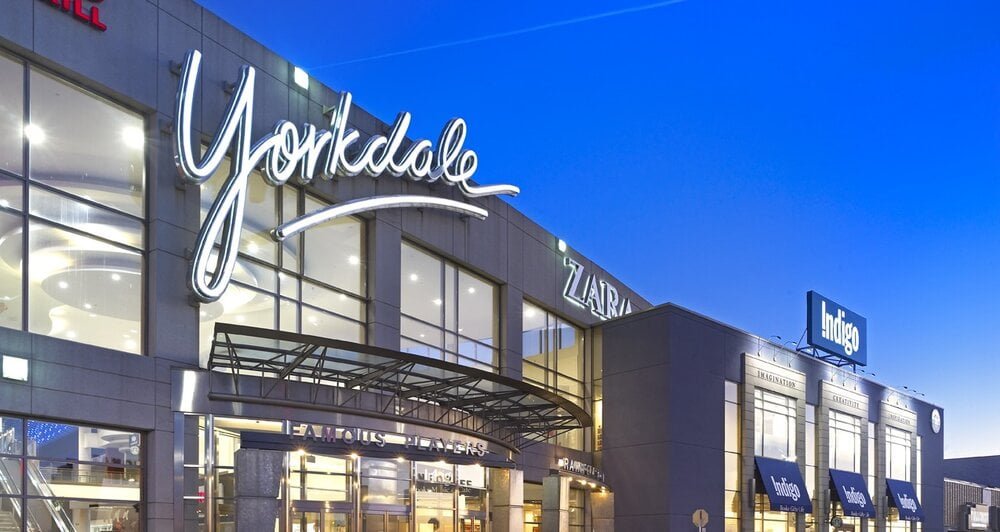
PHOTO: YORKDALE SHOPPING CENTRE

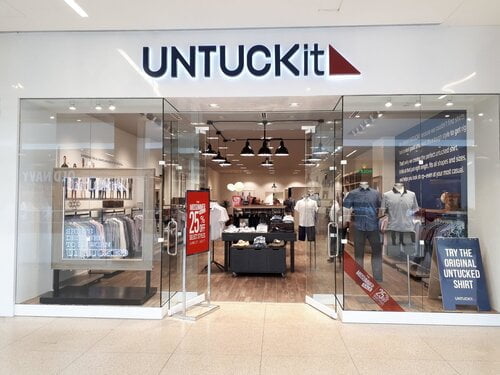
L.L. Bean opened its first store in the Greater Toronto Area (GTA) late this summer after launching a Canadian e-commerce site and selling products through Canadian retailers. L.A.-based Reformation opened its first location outside of the U.S. just north of Toronto at Yorkdale Shopping Centre in July. Ulta Beauty has announced the opening of its first international store in Canada sometime in 2020. Chick-fil-A opened its first Toronto location at Bloor and Yonge Streets, steps away from Nordstrom Rack and McEwan. UNTUCKit has plans to open additional stores following the success of its first storefront in Toronto that opened at the end of 2018. 

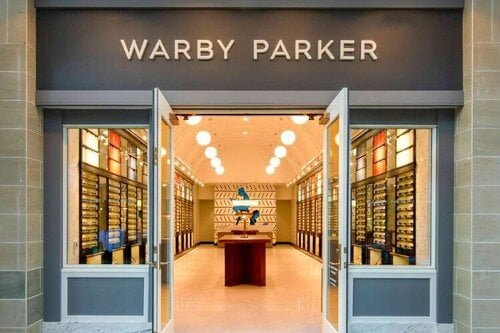
“After launching its first Canadian physical presence in 2017, digital native, mattress-in-a box retailer Casper now has locations in the GTA, Calgary, and Vancouver. Eyewear Warby Parker expands West with its first location in Vancouver’s Kitsilano in February 2019. Seafood City, a California-based Filipino-focused grocer, plans its expansion nationwide in partnership with fast-food chain Jollibee,” states the JLL report. 

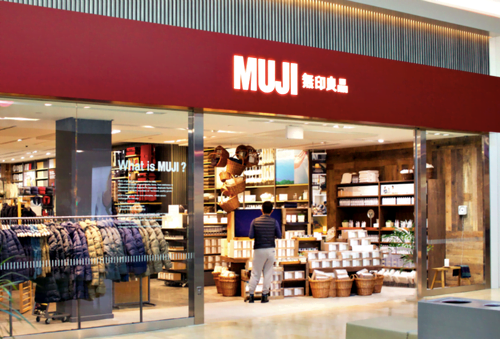
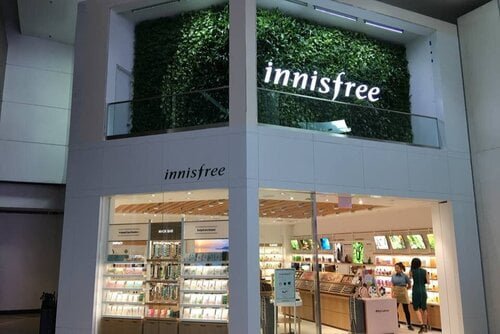
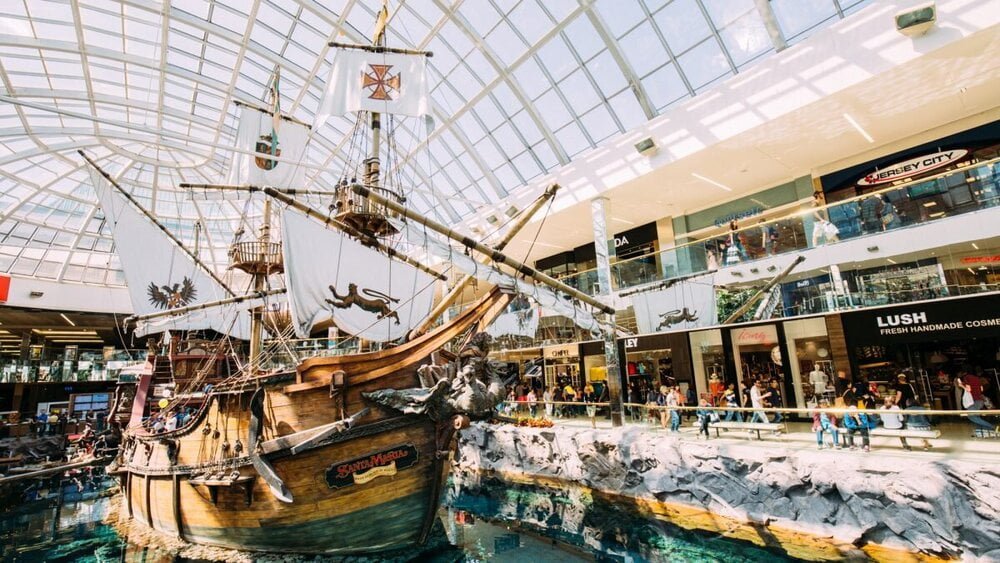
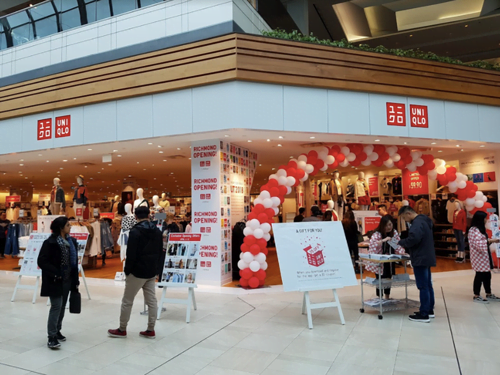
“Japanese dollar store, Oomomo, opened the doors to its first Toronto location last December. MUMUSO, a Korean-inspired dollar store, opened its first Toronto location this July at the North York Centre. Though the brand is based in China, its business and products are marketed as Korean. Innisfree, an all-natural cosmetic brand based in South Korea opened its first Canadian store at Yorkdale Shopping Centre this summer. Korean-inspired retailer, Ximivogue is coming to Toronto at CF Fairview Mall and CF Sherway Gardens. The Japanese fashion retailer, Uniqlo opened its first Canadian store at the CF Toronto Eaton Centre in 2016. The retailer now has 11 stores and has just opened its first Alberta storefront at the West Edmonton Mall. Japanese minimalist style retailer Muji opened its first location in 2014 on Dundas Street in Toronto. After undergoing major renovations, the space reopened as the first flagship in Eastern Canada. 

Miniso, a Chinese-owned and operated company branding itself as a Japanese retailer, launched in Canada in 2017 and rapidly opened 67 stores across the country, with another 11 announced. This July, Miniso was granted credit protection for undercapitalization and intends to continue to operate the stores. With the goal to reach 100 branches over the next five years, Filipino fast-food restaurant Jollibee continues to expand in Canada and opened this August its fifth location in Edmonton, after Winnipeg and the GTA. Dutch retailer, HEMA, announced it will be opening in Ontario later this year thanks to a partnership with Walmart. The value-based retailer sells household goods, beauty products, clothing, and more. 

PHOTO: RETAIL INSIDER (WEST EDMONTON MALL)

“Italian food concept Eataly is set to open at the Manulife Centre in the Bloor-Yorkville corridor in Toronto this fall. It is rumoured that the concept will expand into Montreal and Vancouver in the future. The French sporting goods retailer, Décathlon, has announced expansion plans following its first successful storefront location in Quebec.”

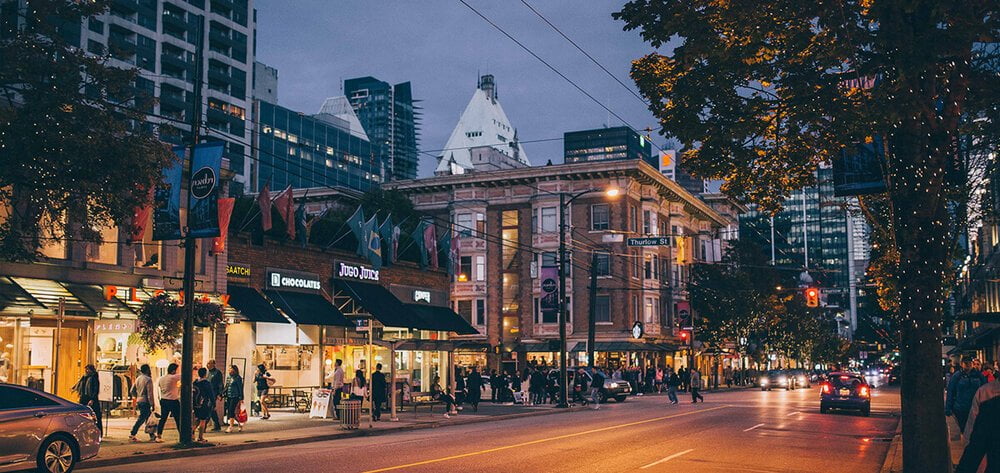
JLL’s report also says Canada’s luxury market continues to grow and thrive with the continued concentration of luxury brands in Toronto’s Bloor-Yorkville corridor and Vancouver’s Robson Street corridor; the solidification of Yorkdale Shopping Centre as a luxury node where several international luxury brands have decided to establish their flagship; the emergence of luxury in West Edmonton Mall with new doors from Louis Vuitton and SJP by Sarah Jessica Parker; the under construction Royalmount in Montreal that will dedicate significant space to luxury brands. 

PHOTO: ROBSON STREET (VANCOUVER)

All in all, the report provides a comprehensive overview of the state of Canada‘s retail market, not only covering key trends and developments across the country, but also exploring the nuances of its major markets. It ultimately demonstrates with numerous examples and market indicators why retail in Canada, despite constant pressure and change, remains favourable.

*Partner content. To work with Retail Insider, email: craig@retail-insider.com

RioCan Intensifying Retail Properties in Canada to Create High-Density Mixed-Use Communities

PHOTO: RIOCAN (KING AND PORTLAND CENTRE, TORONTO)

RioCan Real Estate Investment Trust, through its residential brand RioCan Living, is shaping the communities where Canadians shop, live, and work by delivering best-in-class purpose-built rental units and condos along Canada’s most prominent transit corridors. Many projects involve site intensification of existing RioCan retail sites.

The real estate company has 41 potential residential projects, 20,000 potential units, 2,700 units currently under construction, 2,100 additional units underway by 2021, and they’re all located in Canada’s major markets.

The mixed-use developments are in high growth, high population, and transit-oriented major markets where existing retail properties may otherwise be under-utilized.

RioCan is one of Canada’s first and largest REITs focused on the ownership, management, and development of high-quality, mixed-use properties with strategic positioning in Canada’s six major markets.

“We have seen a trend towards urbanization and we’ve seen a trend toward transit-oriented, mixed-use developments for quite some time. We’ve got a lot of really well located retail properties that have always been an important component to any community but we also sense that in order to be a thoughtful land owner and city builder that a lot of these properties that are sort of 25 per cent coverage – where you’ve got a building covering only 25 per cent of the land it’s on – is certainly not at that property’s highest and best use to be utilized as such,” said Jonathan Gitlin, RioCan President and Chief Operating Officer.

“That there’s a much more important community building exercise that we can undertake which underscores the need for housing, underscores the need for a proper community hub, and underscores the need for new and dynamic retail which all makes up a part of a lot of these mixed-use developments. Based on all those components and ideas, we have gone about reviewing our portfolio of retail properties and where we think those themes all connect to a property we’ve really gone about rezoning them, ensuring that the market and area around us will absorb the property both in the sense that they will welcome it this new more dynamic mixed-use development and another prominent feature is making sure that the city, the municipality, likes the exercise because they are promoting a lot of density where there is transit. And we happen to have a lot of properties where there is transit.”

Youtube video

RioCan has an enterprise value of $14.3 billion with 230 properties and net leasable area of 39.1 million square feet.

The company’s strategy is to concentrate within major markets, drive organic growth, unlock intrinsic value, and mitigate risk effectively.

Those six markets have 97.8 per cent committed occupancy.

PHOTO: RIOCAN (BRENTWOOD VILLAGE & BRIO, CALGARY)

In the six major Canadian markets, RioCan has 175 assets with 30.9 million square feet. The breakdown of the number of assets and space for those cities is: Vancouver, seven, 1.8 million square feet; Edmonton, 12, two million square feet; Calgary 14, 3.4 million square feet; Ottawa, 36, 4.8 million square feet; Toronto, 86, 15.9 million square feet; and Montreal, 20, three million square feet.

RioCan has a total development pipeline of 27.2 million square feet – 48 per cent or 13.1 million square feet has zoning approval, 27 per cent or 7.3 million square feet has applications submitted, and 25 per cent or 6.8 million square feet is future estimated density.

RioCan has 2,700 residential units under construction with an additional 2,100 units underway by 2021.

PHOTO: RIOCAN (5TH & 3RD EAST VILLAGE, CALGARY)

“We have really tried to create a consistent portfolio so that when people see a RioCan Living building they know it because of certain attributes. One obviously the biggest is that they’re transit-oriented. They will typically be on or near LRT or subway lines or in some cases BRT lines. That is certainly something that is consistent throughout all of our mixed-use developments,” said Gitlin.

“The other is that they are operated in a first-class manner. They’ve got modern amenities. They are new purpose-built rental buildings. They’re also representative of really good mixed-use environments where we’ve married retail and residential in a really good manner. Being Canada’s largest retail landlord we bring a lot to the table being able to curate a perfect mix of retail that serves as a great amenity to the residents above and I think it also benefits the retailers below having these residents above them. We really strive to create that perfect balance between the retail and the residential.

“The other consistent theme is always ensuring what we build fits into the fabric of the community in which those properties are located. So we’re not just building for scale for the purpose of gaining scale. We’re building something that we usually go out to the community beforehand, consult with them, get their sense of what is needed in that neighbourhood.”

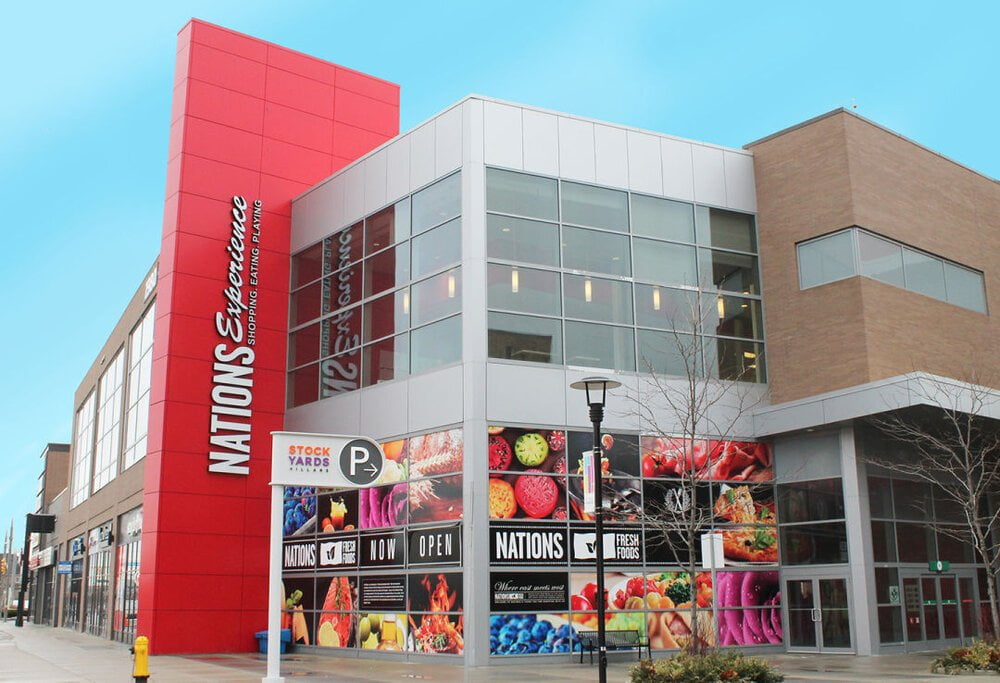
PHOTO: RIOCAN (NATIONS, TORONTO)

Part of RioCan’s success is staying ahead of changing consumer trends. The increasing strength and quality of its income is a result of growth in necessity-based and service-oriented tenants within its portfolio. In fact, as of the second quarter of this year, 74 per cent of rent came from necessity-based and service-oriented tenants. Also, no single tenant represents more than five per cent of annualized rental revenue.

PHOTO: RIOCAN (LAWRENCE ALLEN CENTRE, TORONTO)

“Our portfolio alone we’ve seen a pretty dramatic shift over the last call it decade or so where we’ve seen the amount of apparel and department stores as a portion of our overall portfolio shrink quite dramatically. It’s about eight per cent now and that’s down about eight per cent in the last 10 or 11 years. So you’ve seen a shift over towards in our portfolio more necessity-based goods. Grocery and personal services and value retailers like dollar stores. Specialty retailers. Even the apparel business has shifted dramatically where we are by and large getting out of that sort of middle of the road apparel purveyors and we’re getting more into the Winners and Marshalls and more value-oriented tenants,” said Gitlin.

PHOTO: RIOCAN (THE WELL CONDOS, TORONTO)

“The consumer out there wants value and we’re there to provide it. And these uses are harder to be disintermediated by the internet and internet shopping.”

Gitlin said that over the last few years RioCan has accelerated its shift towards being a major market portfolio.

“We announced it two years ago in 2017. At the end of 2017, we came out and said we want to be in a position where 90 per cent of our income is coming in from the six major markets in Canada and around 50 per cent of our income is coming in from the Greater Toronto Area. And we’re just about to succeed in both of those objectives and that’s simply a by-product of the fact that there’s just simply more population growth in those six markets,” he said.

“We speak to our retail tenants all the time, engage where their interest lies. More often than not, they’re looking to grow in those markets over some others. That to us has been a key strategic shift and it’s really a bit of a game change for us from the way we operated our business. Between that and our evolution to focus on developing these mixed-use communities that covers a significant amount of how we are changing our way of doing business.”

Eataly Announces Toronto Opening Date as it Kicks Off Canadian Retail Expansion

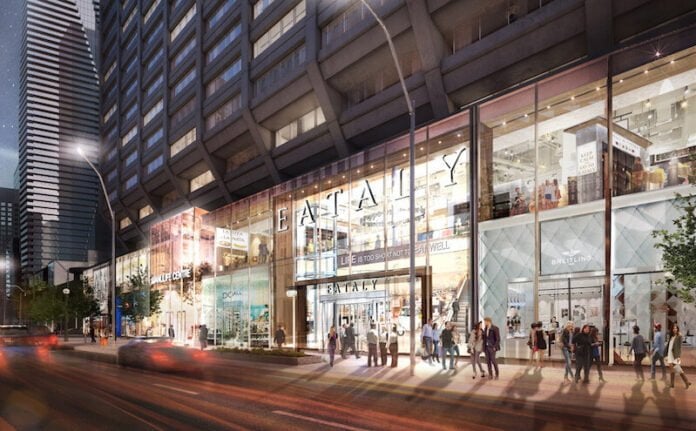
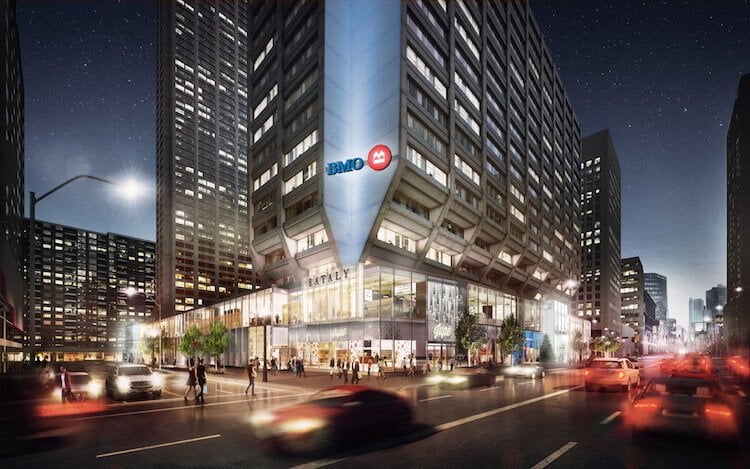
Eataly frontage on Bloor at the newly renovated Manulife Centre (CNW Group/Eataly)

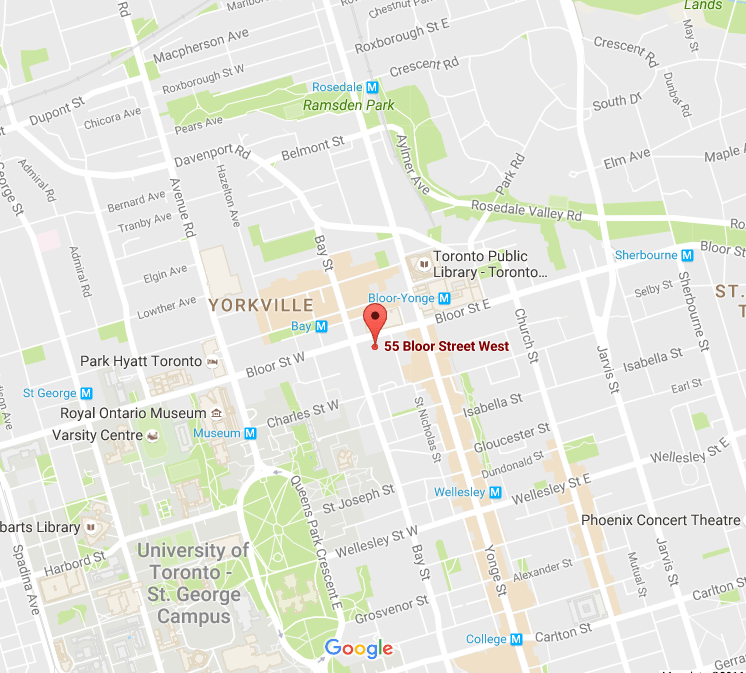
Italian food concept Eataly has announced the November opening date of its first Canadian location, which will be located in the overhauled retail podium of Toronto’s Manulife Centre at 55 Bloor Street West. The company says that more locations will open in Canada if the right spaces can be found. 

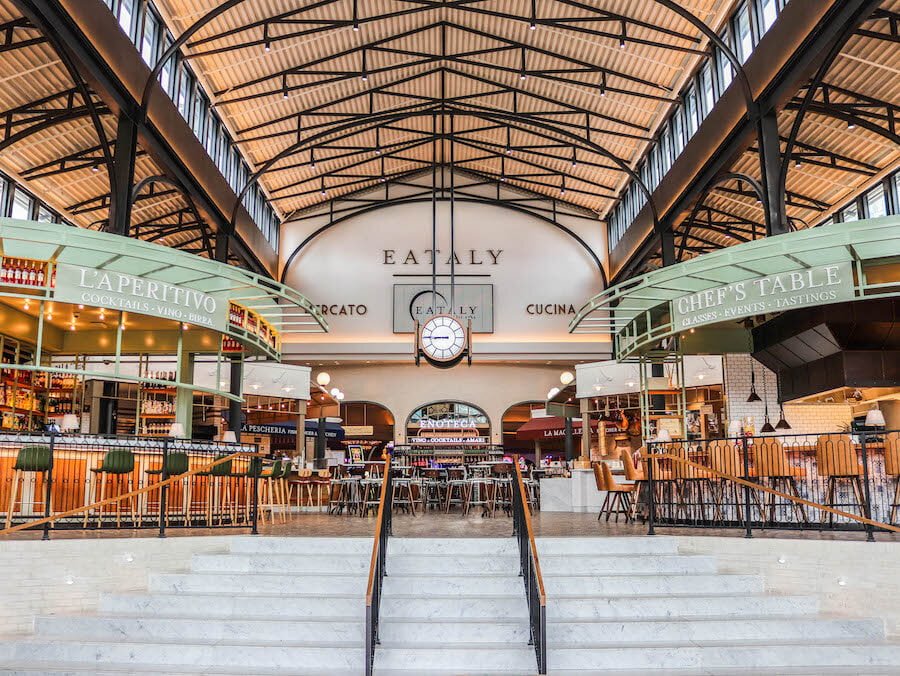
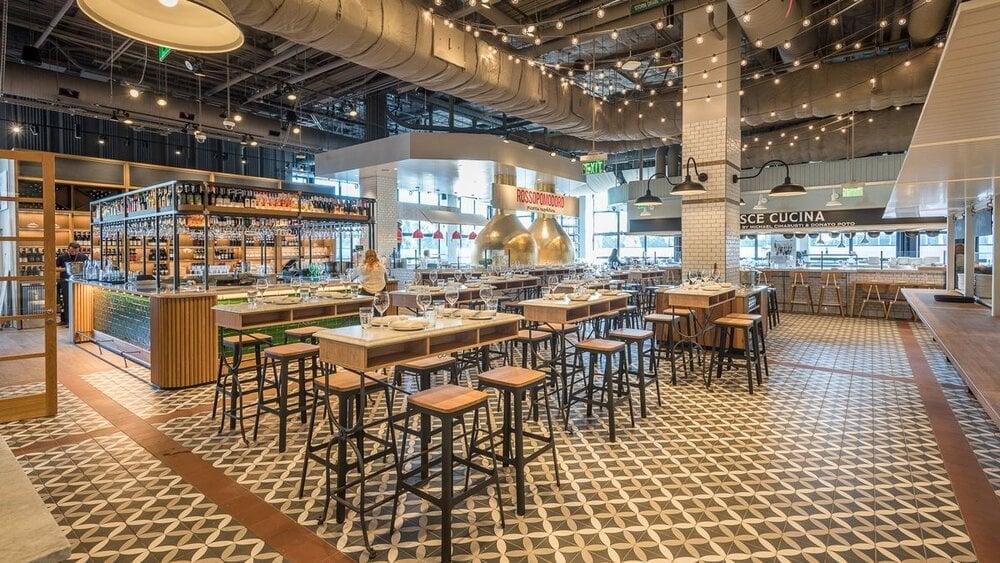
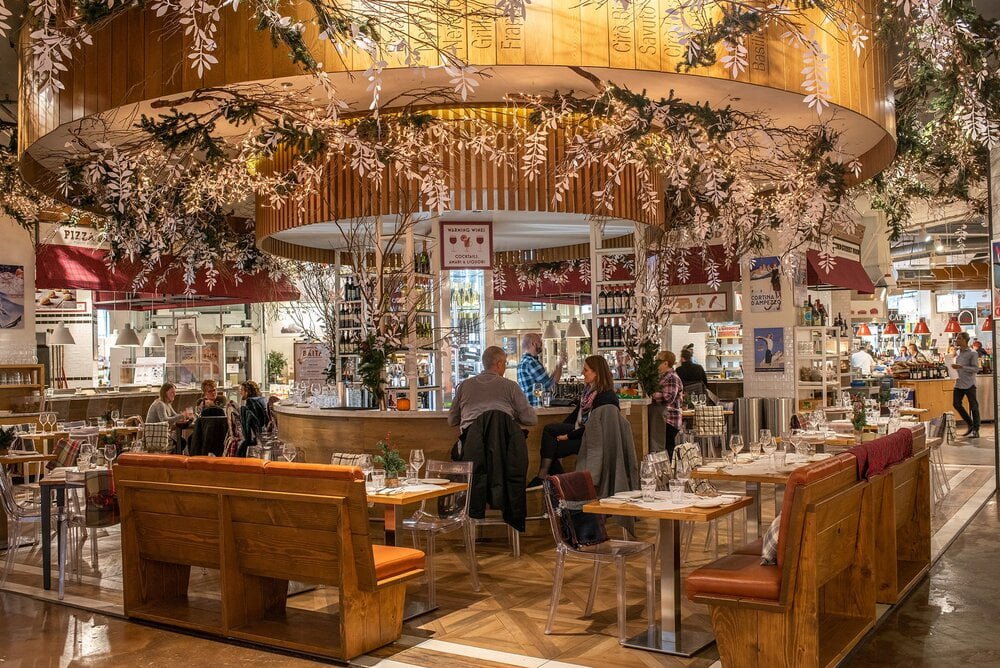
Eataly is a hybrid grocery store/restaurant, which some refer to as a ‘grocerant’. The Toronto location will feature a grocery store, fresh market, four restaurants, and at least six bars, counters, and coffee shops. The company expects locals to make weekly shopping trips to shop for groceries at Eataly, which will become another grocery option for Toronto’s affluent high-density Bloor-Yorkville area. 

The Toronto Eataly will open to the public at 5:00pm on Wednesday, November 13, according to Eataly’s social media. The company formerly announced the Manulife Centre in September of 2016 after much anticipation. Negotiations for the space were ongoing for years and Retail Insider first reported on Eataly’s search for Toronto space in February of 2014. A source familiar with the location search informed us that the company was seeking space in a historical-looking building with King Street West begin an option, as well as Manulife Centre which was ultimately decided on for a variety of reasons. 

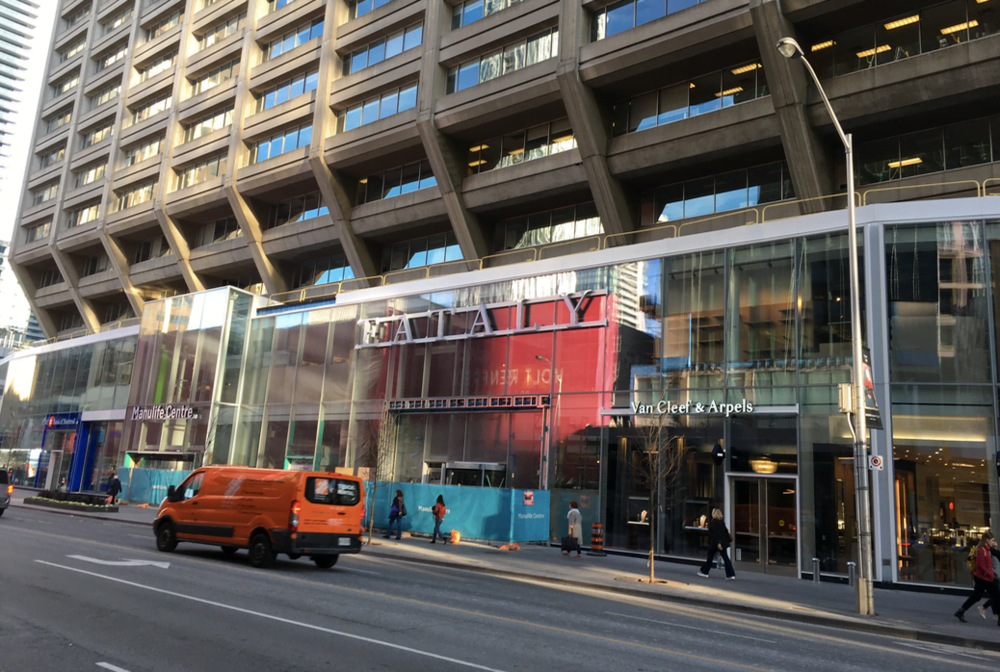
MANULIFE CENTRE ON OCTOBER 21, 2019. PHOTO: RETAIL INSIDER
EATALY’S STREET-FACING ENTRANCE WILL INCLUDE A REVOLVING DOOR AND PROMINENT UPPER-LEVEL SIGNAGE. A VAN CLEEF & ARPELS TO THE RIGHT IN THIS PHOTO IS PART OF THE RECENTLY RE-OPENED MAISON BIRKS STORE. PHOTO: RETAIL INSIDER

Eataly partnered with Selfridges Group and Terroni Restaurants for its entrance to Canada, though Terroni is reportedly no longer involved with the Toronto concept. Eataly’s Canadian operations partially owned by the billionaire Weston family, who also own Holt Renfrew, directly across the street from Manulife Centre.  

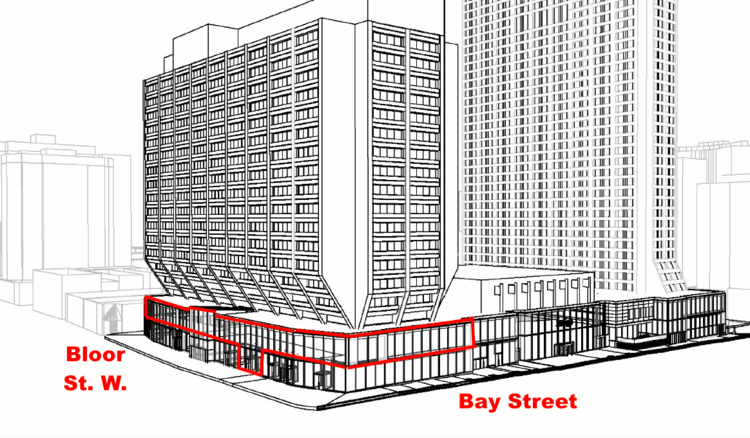
Eataly’s Manulife Centre space will span about 50,000 square feet over three levels, with the majority of space occupying a second level space that has been under construction for a couple of years. A street-level entrance facing onto busy Bloor Street West will greet guests with revolving doors in a space with grab-and-go options and escalators leading upstairs to the main space. In addition, there will be a lower-level space in the Manulife Centre that connects to adjacent commercial buildings including the Holt Renfrew Centre, Cumberland Terrace, and the Bloor-Yonge subway station contained within the Hudson’s Bay Centre

Included will be dining options with a view over Bloor Street, featuring seasonal dishes with an Italian theme. Both local and Italian products will be available in the grocer component of Eataly, including options from small-scale farmers as well as artisanal producers in Italy. Eataly will also have an element of ‘theatre’ with live demonstrations, cooking classes, and complimentary tastings.

Manulife Centre’s retail podium has seen an overhaul at a cost of more than $100 million, and an expansion of the podium added about 35,000 square feet which will be occupied primarily by Eataly. Earlier this year, Maison Birks reopened its flagship store in the Manulife Centre at the southeast corner of Bloor Street and Bay Street, and the centre’s Indigo flagship store also recently saw an overhaul. Shoppers Drug Mart moved into the concourse level of Manulife Centre a couple of months ago, and the concourse-level Bloor Street Market grocery store recently renovated and rebranded as a Loblaw Independent CityMarket. Real estate consultancy

Celebrity chef Mario Batali helped put Eataly on the map in the US, and is no longer involved with operations after allegations of sexual misconduct. He was not involved in the Canadian expansion, according to Eataly. 

RENDERING: MANULIFE

Eataly will give Toronto’s Bloor-Yorkville area a boost when it opens next month. The area has struggled for foot traffic amid considerable construction which includes the overhaul of Manulife Centre, the renovation of Holt Renfrew and the adjacent 60 Bloor Street West commercial building, ‘The ONE’ at 1 Bloor Street West, and other area construction that has resulted in the reduction of hundreds of parking spaces. We recently reported that JLL brokers are bullish on the area as construction is finished and new retailers move into Bloor-Yorkville. 

RENDERING: CITY OF TORONTO/BUILDING APPLICATION

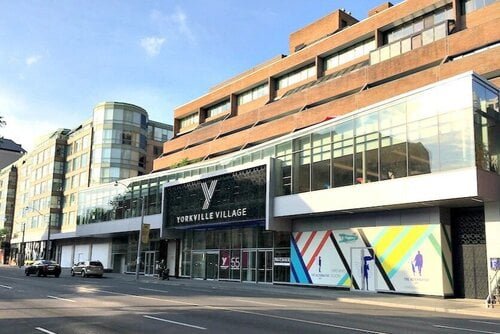
Grocery options are already plentiful in Toronto’s Bloor-Yorkville area, which boasts the highest concentration of grocery stores anywhere in Canada. Whole Foods operates a 50,000 square foot store at the nearby Yorkville Village, and Pusateri’s Fine Foods operates about two blocks north of Eataly at the southeast corner of Bay Street and Yorkville Avenue. Chef Mark McEwan opened a grocery store at 1 Bloor Street East earlier this year, and Longo’s operates a small grocery store at the northwest corner of Bloor Street East and Park Road. Rabba Fine Foods also operates several locations in the immediate area, all of which are open 24-hours. 

Eataly is considering opening a second Toronto location, according to the company, and several options are likely being considered. As mentioned, a heritage building could be sought to open another downtown location closer to Toronto’s Financial District, though there’s a risk that it could cannibalize sales at the Manulife Centre location. Eataly has opened a handful of locations in shopping centres, and Toronto’s Yorkdale Shopping Centre could therefore be a target for a suburban Eataly storefront. 

PHOTO: EATALY (LAS VEGAS)

The Vancouver and Montreal markets are also targets, according to Eataly. The right spaces will have to be found, however. In Vancouver, Eataly was said to have been presented a retail space at the Sinclair Centre at 757 W. Hastings Street — Eataly would have occupied a space formerly occupied by a Plaza Escada store at the northwest corner of Hastings and Granville Streets, though it was deemed too small. Finding a large enough space for Eataly in downtown Vancouver could be a challenge. 

PHOTO: LA EATER (EATALY LA)

The Montreal market is also said to be a target for Eataly. The city has more heritage buildings in its downtown core than both Toronto and Vancouver, and some possible retail spaces are coming available. Forever 21 will vacate its 25,000 square foot space at the northeast corner of Ste-Catherine Street West and Rue de la Montagne this year after the retailer announced that it was pulling out of Canada amid bankruptcy — Holt Renfrew Ogilvy is located directly across the street. Another option is the existing Holt Renfrew store at 1300 Sherbrooke Street West, which will be closing next spring upon the completion of the newly rebranded Holt Renfrew Ogilvy two blocks south. Sources say that the existing Holt Renfrew store on Sherbrooke Street will be redeveloped to include retail at its base as well as luxury residential residences above. 

Globally, Eataly operates almost 40 locations, with 12 being in Italy. Other global markets include Brazil (Sao Paulo), Germany (Munich), Turkey (Istanbul), South Korea (Seoul), Sweden (Stockholm), Russia (Moscow) as well as multiple locations in markets including the Middle East and Japan. Eataly’s first location in the UK will open in London next year — Eataly had originally planned to open at Selfridges in London, though the deal never concluded. In the United States, Eataly operates two locations in New York City (Flatiron and downtown), Chicago, Boston, Los Angels, and Las Vegas. A Dallas location will open next year at NorthPark Center, which is the city’s equivalent to Toronto’s Yorkdale Shopping Centre.

PHOTO: CHICAGO BUSINESS (EATALY CHICAGO)

The Chicago location spans 63,000 square feet over multiple levels, and was forced to close temporarily after it sold out of all of its food during its first week of operations in December of 2013. The Flatiron location in New York City reportedly saw sales exceeding US $85 million in 2013. The Westfield Century City Eataly, which opened in the fall of 2017, is the largest in the US with about 67,000 square feet of space. The largest Eataly in the world, located in Rome, spans 170,000 square feet. 

Eataly was founded in Turin, Italy, in 2007. Founder Oscar Farinetti wanted to combine elements of a lively, open environment with a learning centre to create an atmosphere conducive to shopping, tasting, and learning about high-quality Italian foods. Inspired by the European food-hall concept, its massive stores are populated with tasting areas and gourmet restaurants to complement the upscale food offerings. Customers can taste the artisan products, learn about them from educated staff, and buy the ingredients to recreate Eataly’s restaurant food at home, all at fair prices. 

We will be touring the Toronto Eataly space before its opening and will report back. 

Lightspeed POS Partners with Ikeono to Bring Business Texting to Independent Retailers

PHOTO: BENJAMIN FROM REBICYCLE POWERED BY LIGHTSPEED RETAIL SINCE 2016

By Retail Insider 

Montreal-based Lightspeed, the leading cloud-based provider of omnichannel point of sale software, solutions and support systems primarily for independent retailers and restaurants, has partnered with Ikeono to bring a suite of texting and workflow management features to independent businesses. 

It’s another innovation brought to the market by Lightspeed, which has grown rapidly after a successful IPO earlier this year. Ikeono partnered with Lightspeed on a platform that Ikeono had originally conceptualized for bicycle retailers. 

Youtube video

Ikeono was founded by bicycle retailer Brett Lang and his brother Dru Lang. “Ikeono was born in independent bicycle retail with features designed to be used by service, sales, and management,” said Brett Lang, who founded Tribella Sports Group in Denver in 2017. He said that he quickly realized that the industry required a better way to communicate.

Ikeono struck a strategic partnership with Lightspeed to roll-out the technology in major markets including Canada, the United States, and Australia. The platform has seen rave reviews from small business owners using the Ikeono technology. “We have so much more time since using Ikeono! All it takes is a click or two and our customers are notified via text. Bikes get picked up faster too. Ikeono is a huge win for independent bicycle shops,” said Dan Sirkin, owner of Solon Bicycle.

PHOTO: LIGHTSPEED

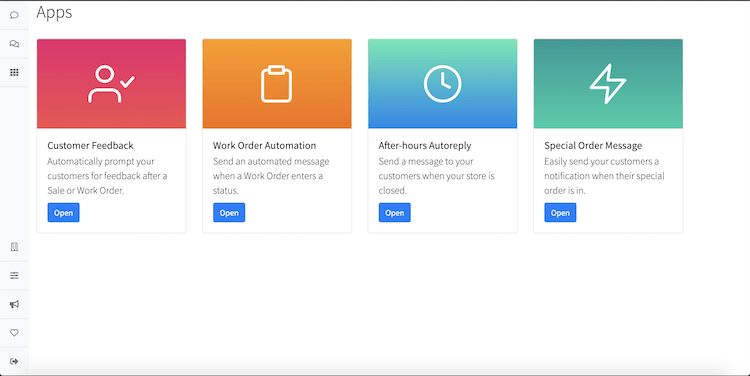
Ikeono features within Lightspeed Retail include the following:

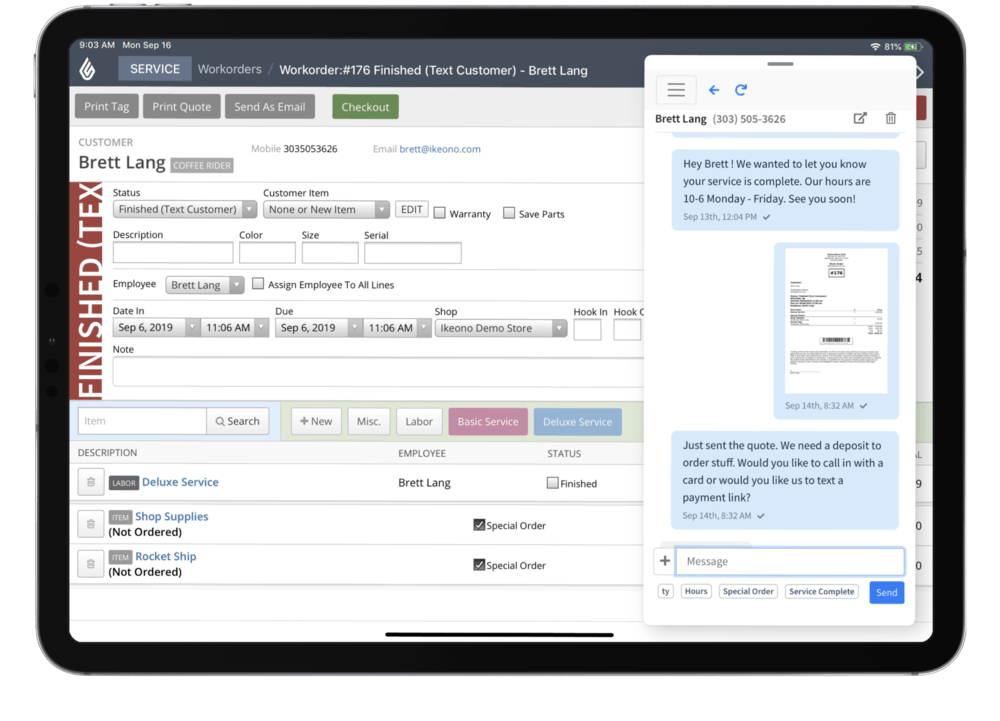
  • Sending and receiving SMS/MMS text messages using an existing business phone without leaving Lightspeed, including within customer profiles and work order screens,
  • Automated messaging based on a Lightspeed work order status,
  • Lightspeed Special Order integration to make Click and Collect easier,
  • Text sale receipts and work order quotes to customers,
  • Automated customer feedback loop to drive positive experiences to review sites and allow businesses to handle negative experiences quickly, and
  • An Ikeono Apple iPad app that brings texting integration to Lightspeed iPad POS.
PHOTO: LIGHTSPEED/IKEONO POS

As part of the Lightspeed/Ikeono partnership, more innovations are planned. Those include:

  • The ability to manage Facebook Messenger within Lightspeed Retail with Ikeono,
  • The introduction of an easy to install website texting widget that allows customers to contact retailers quickly and efficiently, and
  • iPhone and Android apps to take a retailer’s communications on the go.

Lightspeed Retail has been adding various features that help independent retailers with this including negative inventory reports, a home data-driven dashboard, vendor returns, and newly supported images, dimensions, and formats. Lightspeed says that this helps it deliver unparalleled inventory management control, offering retailers added insight into how a business is truly performing.

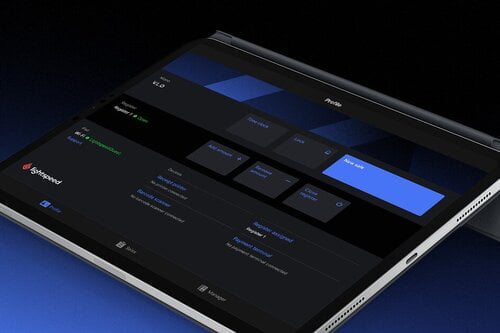
PHOTO: SAMPLE IPAD SCREEN SHOWCASING THE LIGHTSPEED/IKEONO TECHNOLOGY

As it continues to innovate and strike up partnerships Lightspeed also just announced this week that it has acquired Australia-based Kounta Holdings Pty Ltd, a rapidly growing, cloud-based POS solutions provider to small and medium-sized businesses operating within the hospitality industry. Combining with Kounta will strengthen Lightspeed’s resources to provide even greater customer experiences as it expands into the Asia-Pacific region, while gaining the talent and expertise needed to accelerate Lightspeed’s mission of becoming the leading global POS platform for small and medium-sized businesses.

“Kounta’s impressive track record is thanks to its team, and we are excited to welcome them into the Lightspeed family,” said Dax Dasilva, Founder and CEO of Lightspeed. “When smart minds collaborate, our merchants are the main beneficiaries of the resulting innovation, ultimately enabling SMBs around the world to reach their full potential through our technology.”

Mr. Dasilva was recently recognized as one of Canada’s Top CEOs in 2019 by Globe and Mail’s Report on Business, having been declared ‘Innovator of the Year’.

Montreal-based Lightspeed is a cloud-based commerce platform powering small and medium-sized businesses in over 100 countries around the world. It’s considered to be an ‘all-in-one solution’ that includes smart, scalable, and dependable point of sale systems, helping restaurants and retailers sell across channels, manage operations, engage with consumers, accept payments, and grow their businesses. Lightspeed has grown to over 800 employees, with offices in Canada, USA, Europe, and Australia, and its platform is now in 51,000 customer locations. The company issued a highly successful IPO in March of this year.

*Partner content. To work with Retail Insider, email: craig@retail-insider.com