Home Blog Page 1030

The Anatomy of The Deal: The ANdAZ Hotel at Mizrahi’s ‘The One’

“THE ONE” TOWER IN TORONTO, ON RENDERING: VIA THE ONE TORONTO

Late last week it was announced by Hyatt Hotels and Mizrahi Developments that the first ANdAZ hotel in Toronto would be located within The One – the building which is anticipated to be one of the tallest commercial and residential mixed-use towers in Canada.

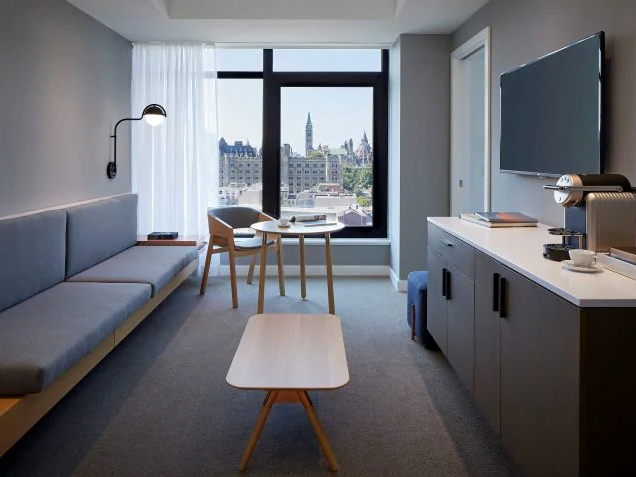
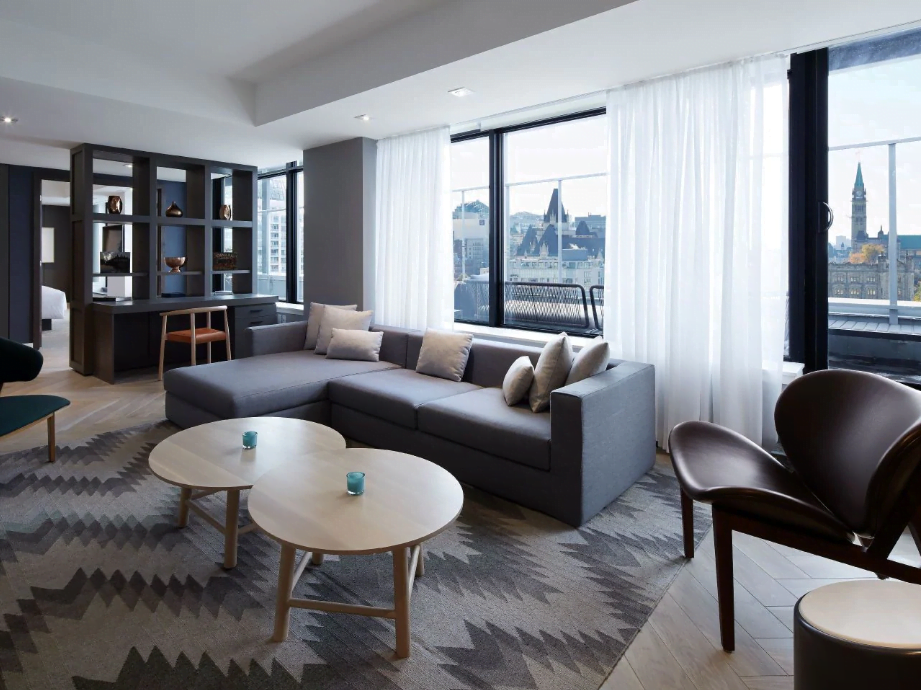
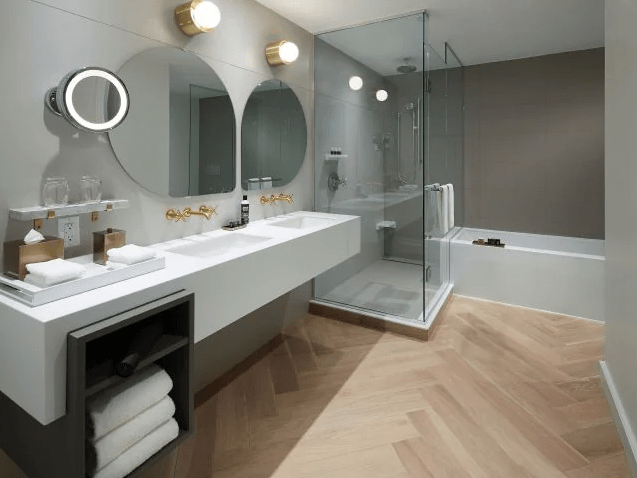
Hyatt’s luxury lifestyle brand, ANdAZ is expected to make its Toronto debut in 2022 taking up floors 4 through 16 of the tower. It will include 160-rooms, more than 12,000 square feet of event and conference space, world class food and beverage, a spa and more.

So, how did this partnership come to be?

DEVELOPER SAM MIZRAHI AND TORONTO MAYOR JOHN TORY AT THE RIBBON CUTTING CEREMONY FOR “THE ONE”

Avi Behar, our Chairman and CEO travels around the world to explore new and innovative business opportunities. Inspired by these adventures, Avi leaves his imprints on the commercial real estate landscape and encourages The Behar Group broker team to be creative in their real estate thinking.  “Beyond brokerage in any one asset class, we seek to create opportunities for people to develop globally innovative concepts and real estate projects and partnerships,” said Avi.

This particular adventure started in November of 2014 when Avi and his wife, Mio, went to MAPIC (The International retail property market) conference in Cannes, France.

As part of their adventure they chose to explore Amsterdam first, where Mio found the unique hotel concept, ANdAZ.

“It was a new kind of service model. The vibrant luxury lifestyle hotel was deeply rooted in local art and culture” Behar describes.

After an amazing experience and falling in love with the concept, Avi was determined to bring ANdAZ to Toronto and connected with Scott Richer, who oversees development of all Hyatt brands across Canada.

Shortly thereafter, Avi presented and reviewed the ANdAZ brand and value proposition with Sam Mizrahi who had confirmed he wanted to create a substantial commercial program at his new development, ‘The One’, to augment the planned luxury residential component.

It was a perfect fit. Avi then introduced Hyatt and Mizrahi, and the rest, as we say, is history.

“We’re excited to have the iconic ANdAZ brand on board as we move ahead with this extraordinary project,” Said Mizrahi.

“With his vision, patience, perseverance and hard work, Avi was truly instrumental in bringing this deal to fruition.”

“My initial goal was to bring the ANdAZ brand to Toronto and thankfully, I was able to accomplish that. However, even more than accomplishing my goal, it was very rewarding to me to be able to establish deeper connections and friendships with Scott and Sam. Both of these relationships have continued to flourish”  said Behar.

“THE ONE” TOWER RENDERING: VIA THE BEHAR GROUP BUZZ

“As we all continued to get to know one another, I realized that our respective companies all shared similar values – treating clients like family, and always maintaining a boutique principled approach to our relationships and our overall business.”

A broker’s role is very much about navigating negotiations like this one.

“We have become very active in all asset classes and I really enjoy the hotel space. In the mixed-use urban world in which we live, it’s our creativity and passion that help us to analyze and advise on sites to determine what the best possible use would be. No two sites are the same,” said Behar.

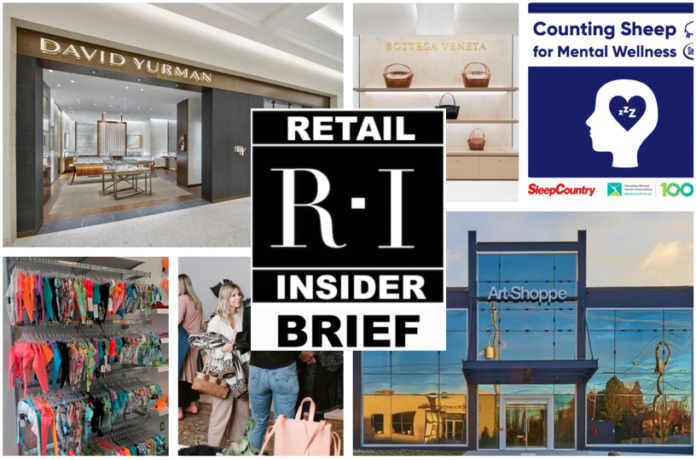
Brief: The Art Shoppe Shuttering After 83 Years, Holt Renfrew Ogilvy Unveils Ground-Level Luxury Boutiques

Brief: The Art Shoppe Shuttering After 83 Years, Holt Renfrew Ogilvy Unveils Ground-Level Luxury Boutiques

Holt Renfrew Ogilvy Unveils 3 Ground Floor Luxury Brand Concessions

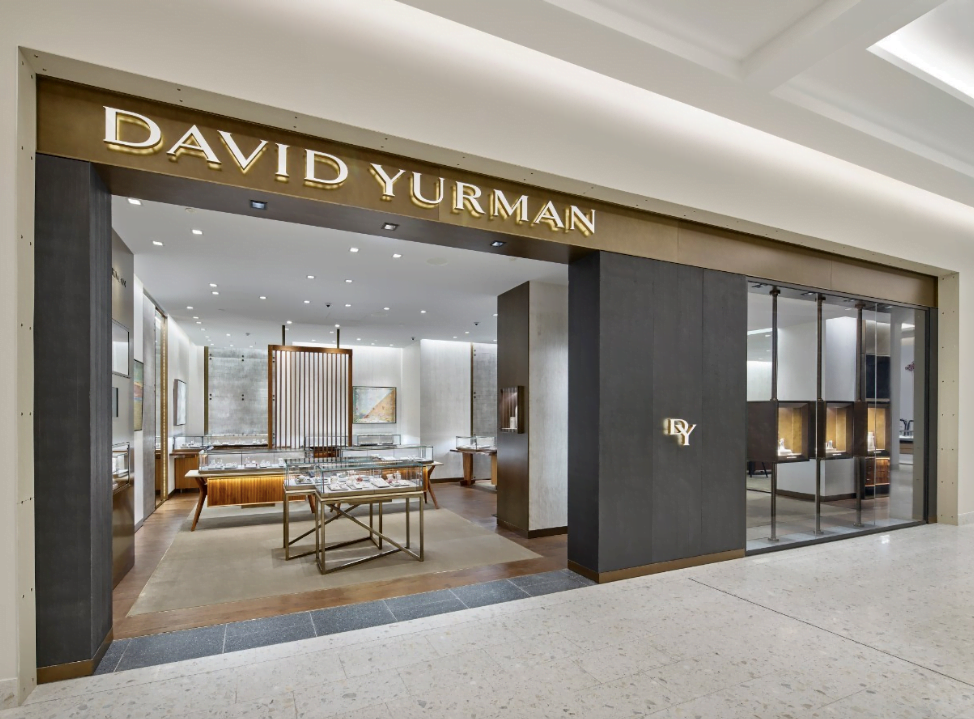
David Yurman Boutique at Holt Renfrew Ogilvy in Montreal. Photo: David Yurman

Montreal’s Holt Renfrew Ogilvy is continuing with its spectacular store overhaul that will be completed next year. Over the past week, three ground-floor luxury brand concessions have opened, including shops for David Yurman, Tiffany & Co. and Bottega Veneta.

The 1,200 square foot David Yurman boutique, double the size of the previous location up the street at the Holt Renfrew on Sherbrooke Street, features collections for men and women. The storefront features a modern wall of rich black concrete, while the interior includes live edge walnut, travertine counters and touches of antique bronze as well as artisan plaster wall features. The millwork is a mix of walnut tambour and antique bronze. The store’s fixtures are made up of 90% repurposed materials, in an effort to increase the brand’s sustainability initiatives. David Yurman will also open a similar boutique at Holt Renfrew on Toronto’s Bloor Street West in a few months, and last year it opened its largest concession in the world at Vancouver’s Holt Renfrew flagship. David Yurman also operates a standalone unit at Toronto’s Yorkdale Shopping Centre.

Tiffany & Co. has opened an impressive ‘new look’ boutique on Holt Renfrew Oilvy’s main floor that spans about 2,500 square feet. The store’s aesthetic is different from other Tiffany locations in Canada, including the 2,000 square foot standalone Montreal store on Sherbrooke Street West that is only two blocks from Holt Renfrew Ogilvy.

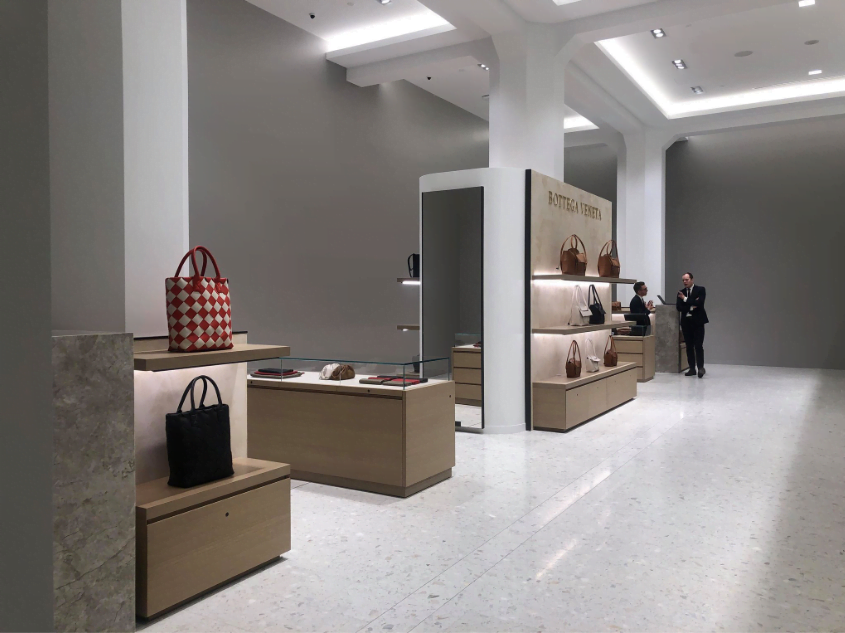
Bottega Veneta Boutique at Holt Renfrew Ogilvy in Montreal (Image: Maxime Frechette)
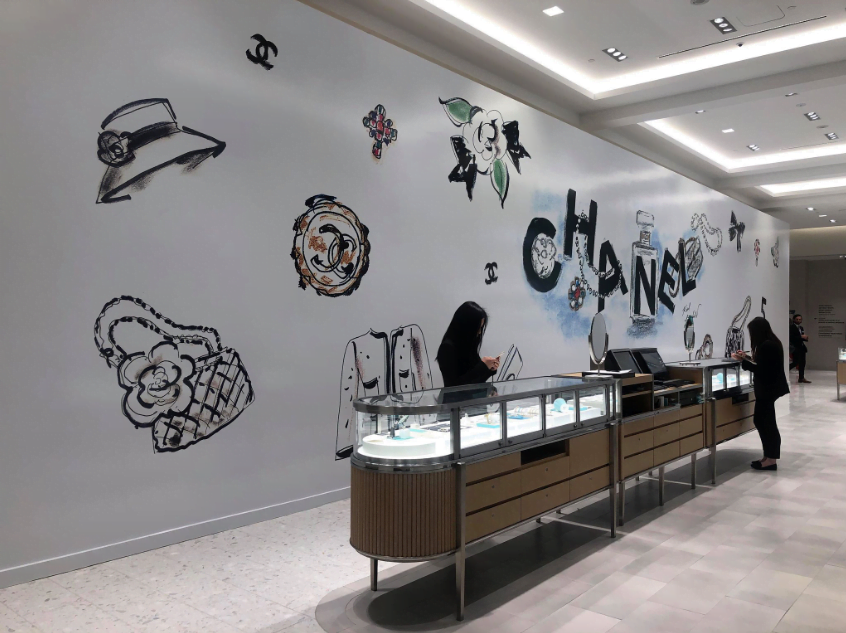
A Chanel Boutique will open at Holt Renfrew Ogilvy in Montreal in September. Photo: Maxime Frechette

Bottega Veneta, which is expanding its operations in Canada, unveiled an impressive accessories shop at Holt Renfrew Ogilvy last week. It also features the brand’s updated look Bottega Veneta recently converted its Holt Renfrew areas to leased concessions that started with the Holt Renfrew Vancouver location late last year, prior to opening a 3,700 square foot standalone flagship store at Toronto’s Yorkdale Shopping Centre. Bottega Veneta will also open a new accessory boutique on the ground floor of Holt Renfrew’s Bloor Street flagship in Toronto, and is expected to open in late 2019 or early 2020.

The adjacent Four Seasons Hotel also opened last week, with some of the priciest hotel rooms in the city, along with 18 large and expensive residential condominium units above it.

Holt Renfrew Ogilvy will span 250,000 square feet when completed, making it one of the largest luxury department stores in North America in terms of square footage. Last month the store unveiled its 28,000 square foot concourse-level beauty hall as well as a 40,000 square foot men’s floor, with other departments to open as they are finished over the course of about a year. We’ll continue to report as renovations are completed — the ground level luxury hall will be mostly completed by early summer and Chanel’s new fashion/accessory boutique will open in September, according to Holts. Next spring, as well, Holt Renfrew’s 1300 Sherbrooke Street West store will close when the Ste-Catherine Street Holt Renfrew Ogilvy’s overhaul is completed.

Iconic ‘The Art Shoppe’ Announces Store Closing After 83 Years

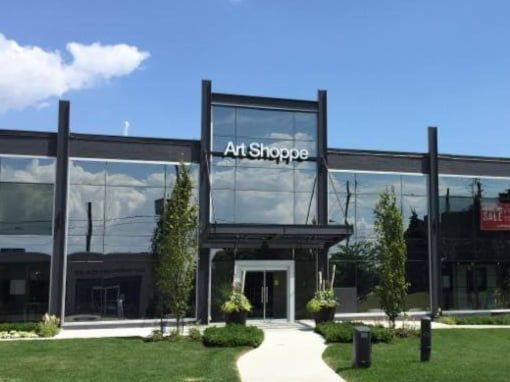
THE ART SHOPPE’S CASTLEFIELD STORE PHOTO

Upscale Toronto-based home furnishings and accessory retailer The Art Shoppe will shutter its 70,000 square foot store at 71 Kincort Street, located in the city’s Castlefield Design District. The Art Shoppe said that the move is “part of a strategic reassessment.”

The Art Shoppe was founded in 1936 with a storefront near the Yonge and Eglinton intersection, and was once a destination for tourists, designers and celebrities. In 2015 after 78 years at its original location, the Art Shoppe moved to its current store which will close once product is sold via a substantial clearance sale.

It’s sad news for the storied retailer that has been a part of Toronto’s history, and increased competition could be partly to blame. Other major design showrooms have opened nearby in the Castlefield Design District as well as in the up-and-coming King East ‘Design District’ and other areas north of Toronto (including the massive ‘Improve’ home improvement centre that opened in 2016). As well, RH Restoration Hardware opened an impressive four-level storefront at Toronto’s Yorkdale Shopping Centre in late 2017.

pop-up go Teams up with Tsawwassen Mills to Launch Menta Swimwear Store

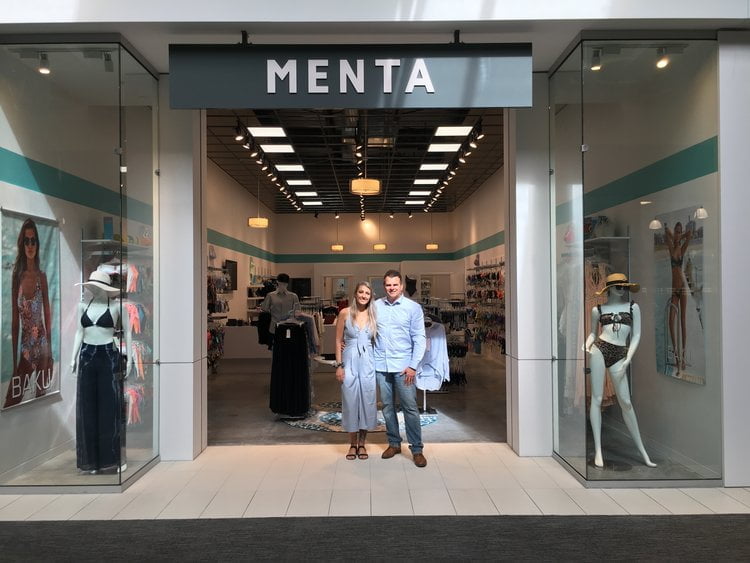
MENTA SWIMWEAR’S TSAWWASSEN MILLS POP-UP STORE

After what felt like a never-ending winter, the first signs of summer are beginning to emerge. To mark the change of season, Menta Swimwear’s new pop-up store at suburban Vancouver’s Tsawwassen Mills has opened in partnership with space connector, pop-up go and landlord Ivanhoé Cambridge.  The timing is no coincidence, as the launch was strategically planned to align with Menta’s peak season and maximize sales. Due to its strong mix of brands and strategic location between downtown Vancouver and Tsawwassen Ferry Terminal, pop-up go identified Tsawwassen Mills as the perfect location for Menta’s activation.

“When it comes to pop-ups, timing and location are always two key ingredients for success,” said Linda Farha, Founder and Chief Connector at pop-up go. “In Menta’s case, the timing obviously couldn’t be better given the brand’s target consumer. Tsawwassen Mills is also clearly an ideal mall for a swimwear company because of its central location in a province that embraces and celebrates spring and summer wholeheartedly due to its fantastic natural surroundings.”

The store launched this month in a space formerly occupied by Swarovski and is located near Saks OFF 5TH and Tommy Hilfiger.  Menta is unique among other swimwear retailers — they offer rare, modern, and trendy products for men and women.  “We’re really excited to expand our brand to Tsawwassen Mills and feature our unique selection of swimwear brands from around the world,” said Menta’s CEO, Peter Kretschmer.

pop-up go is working with Ivanhoé Cambridge to bring more temporary retail activations to its “Mills” portfolio in properties like Vaughan Mills near Toronto and at suburban Calgary’s CrossIron Mills.

ARCHIVE Returns to Vancouver for Canada’s Largest Consignment Warehouse Sale

The second-annual ARCHIVE consignment warehouse sale is back. On May 31st and June 1st, 2019, shoppers can browse Canada’s largest consignment warehouse sale to find fabulous pieces for all seasons. 

ARCHIVE focuses on pre-loved women’s, men’s, and children’s apparel, shoes, and accessories from contemporary to luxury designer brands.  Vancouver-based consignment retailers Mine & Yours and Shop Reluxe will return to the ARCHIVE warehouse sale in addition to new sponsor POSHMARK, the popular US consignment platform, ahead of their Canadian expansion.

Those looking to sell some of their pieces can join in on the fun as well. ARCHIVE will accept 15 – 100 items that are clean, intact, and in re-sale condition.  Sellers can earn 60% of the gross re-sale price via e-transfer.  ARCHIVE is the brainchild of Randa Salloum of CIEL Creative Marketing, and Kelly Turner of Fall for Local Markets.  The inaugural warehouse sale was an effort to introduce Vancouver fashion lovers to the sustainable fashion world and circular economy of textiles.

ARCHIVE does not want clothing to go to waste; the average Vancouver shopper throws away the equivalent of 44 t-shirts per year.  The slow fashion movement continues to gain momentum as criticism of the fast fashion industry stacks up.  Founder and CEO of Montréal-based clothing rental company Ocurent, Marlee Rabin, published an article on LinkedIn discussing issues with the fast fashion industry like the enormous amounts of water and harmful chemicals used in the production process of the clothing to low-level labour standards for workers in the facilities.

To get your tickets to ARCHIVE’s second-annual consignment sale, click here.  The event will take place at Heritage Hall, 3102 Main Street, Vancouver BC. 

Sleep Country and the Canadian Mental Health Association Launch Campaign for Mental Wellness

Canada’s largest sleep retailer, Sleep Country Canada, has teamed up with Serta for a mental health awareness campaign to support the Canadian Mental Health Association.  During the month of May, $5 from the sale of every Serta plush sheep or Snuggable Weighted Blanket will go towards the CMHA.  All donations collected will go towards CMHA-related efforts in the local community of each Sleep Country or Dormez-vous location.

Dr. Patrick Smith, National CEO of the CMHA explains that insufficient or disrupted sleep is associated with a variety of health issues, including mental health. “Without quality sleep, we lose one of the key pillars our body relies upon physically and mentally. It’s certainly an important aspect of overall mental health and we’re proud to partner with Sleep Country Canada to spread awareness about the critical connection between quality sleep and mental wellness.”

One in five Canadians experience mental illness or problems each year. CMHA is a fundamental organization committed to helping all Canadians flourish. “Partnering with such an important organization to help raise awareness for mental health in communities across Canada is something that our entire company stands behind,” Christine Magee, Co-Founder and Co-Chair, Sleep Country Canada.

CMHA provides support to over 1.3 million Canadians in 330 communities.  The organization offers programs, access, and resources that are designed to help Canadians with their mental health.  To learn more about the campaign, visit sleepcountry.ca or dormezvous.com.

Toronto Neighbourhood BIAs Hosting Community Events to Support Local Businesses

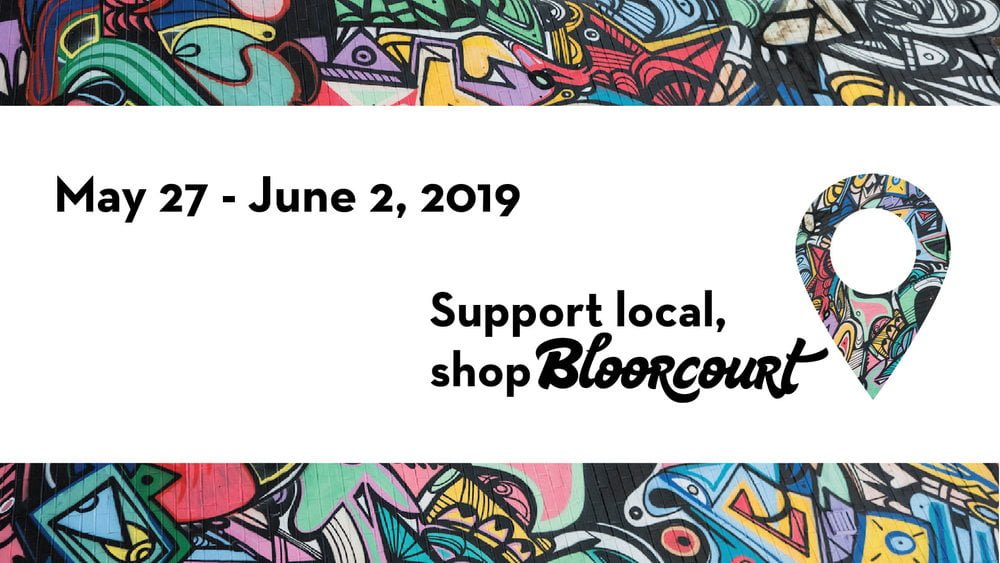
GRAPHIC: BLOORCOURT BIA VIA FACEBOOK

As we continue to observe the uprising of shopping local, Toronto will see two campaigns encouraging citizens to follow suit.  The city has a great variety of specialty stores, boutiques, and service providers and the local business improvement areas are showcasing their retailers.

In a first for Toronto west-end history, BIG on Bloor and Ossington BIA are joining forces to help generate more funds for their respective summer festivals, BIG on Bloor and OssFest.  Together, Beasts of Bloordale and Ossington will present a night of art, music and games on May 30th, 2019 at 146 Ossington Avenue from 6pm – 11:30pm.  The local organizations share a common purpose of promoting the businesses in their individual communities.  Events like this collaboration create genuine connections and emphasize the importance of the arts in the community.

From May 27th to June 2nd, 2019, the Bloorcourt BIA will be hosting its support local, shop Bloorcourt campaign.  The Bloorcourt neighbourhood is home to over 250 businesses from restaurants to entertainment venues and beyond.  Founded in 1979, the Bloorcourt BIA represents business owners on Bloor Street West between Dufferin Street and Montrose Avenue.  Shopping local comes with a whole host of benefits, one of the most important being that they showcase the diversity of cultures in the community.  Additionally, it keeps money circulating within the community it was spent.

The New Kid in Town: An Analysis of the Emerging Canadian Cannabis Market, Part 2

exc-5ce57e8a971a1852163fdf3f

The following is the second in a three-part analytical series of the Canadian cannabis market by retail expert, Bruce Winder. In this section, Winder continues his discussion of the challenges facing the cannabis market.

By Bruce Winder

Supply and Demand Challenges

Continuous Supply has been spotty – in addition to initial supply chain issues out of the gate, there appears to be specific product shortages that vary by LP, by province and even by retailer. In the traditional retail world this would automatically leave customers cussing and leaving the brand to take their business elsewhere. Eventually this will get remedied as LPs learn how to grow weed in greater quantities as well as get history on the sales profile of each stock keeping unit (sku) by store, by day. Also, as LPs become more sophisticated and hire more traditional retail trained supply chain professionals, forecasting, replenishment, inventory turns, fill rates, gross margin return on inventory (GMROI) and other key metrics will improve.  

LPs didn’t supply well out of the gate – whether it was the government’s inept regulatory process as stated above or poor supply chain management from the LPs the industry looked like a joke when it launched. Both sides will blame each other but both share blame in my opinion.   In traditional retail one of the golden rules is to not make promises you can’t keep from a delivery standpoint. If your new widget is going to be late to market, launch it next year. Better yet utilize traditional product development processes to launch on time from the get go. Part of the problem may stem from the issue below as well.

LPs have had trouble growing in large scale – as described in a recent article in The Globe and Mail (Nicholson, 2019) growing weed in a small contained area is a lot easier than growing it in large scale greenhouses. The growing process is extremely fragile and unless plant is managed at the correct temperature, air circulation and humidity it dies and the crop is bad or offers a lower yield. This appears to have had a hand in the supply shortages discussed above.

Unlike other consumer goods firms, LPs have not perfected the mass assembly operations needed to make cannabis in large quantities with the quality and consistency required to match illegal providers. Growing pains maybe (sorry, couldn’t resist), but still a major issue to overcome and quickly if investors and consumers are to be happy and high.  The whole bagging and packaging piece is new to these folks and was underestimated from a cost, space, employee and time perspective said the CEO of HEXO on a spring earnings call.

Distribution has been stunted in Ontario – I feel badly for the LPs, retailers and consumers in Ontario’s weed space.  First, under the previous Liberal government the idea was to emulate the Liquor Control Board of Ontario (LCBO) model where government owned and operated stores.  These government stores would buy pot from LPs and sell weed exclusively. They even came up with a name: OCS (Ontario Cannabis Store). Then the Conservatives took over and were going to privatize the retail side of the business. Everyone jumped for joy! Then they got spooked by the supply concerns and limited the first wave to twenty five stores through a controversial lottery system. Twenty five stores for the entire province. To add gasoline to the fire, many of the twenty five original lottery winners did not open on April 1, 2019, the provincial launch date.

As reported by The Canadian Press on May 7th, fewer than half of the 25 stores opened on the April 1st deadline. This flip flop in go-to-market strategy has led to issues such as would be pot shops with retail leases without licenses and an overall loss of industry credibility from a provincial perspective. In Saskatchewan it appears to be much easier as retailers deal directly with LPs, cutting out the middleman/middlewomen.

In fact there are four different go-to-market strategies currently being operated in Canada: 1) private licensed stores plus online: Alberta, Manitoba, Saskatchewan, Newfoundland/Labrador 2) government operated stores plus online: BC, Nova Scotia, NB, Northwest Territories, PEI, Quebec and Yukon 3) government operated online store or by phone: Nunavut and finally 4) government operated online store plus private brick and mortar stores: Ontario (Forrest, 2019).  Ontario needs to join option 1) in my opinion if Canadian LPs and retailers are to drive the economics of the business and have a shot at profitability.

Marketing & Product Challenges

Too many piglets at the trough – when one looks at the industry from a value chain perspective there are too many hands in the cookie jar for the economics to work in select provinces. If we take Ontario as an example (eventually will be Canada’s largest weed market) you have the LPs, the provincial government and retailers. With everyone taking margin along the way, retail prices become inflated for many products. This won’t work long term. My understanding is that about 75-80% of the cannabis market still resides in the illegal sphere due in part to high prices.

Having said that, as reported in The Financial Post, Statscan data shows that 13% less Canadians bought cannabis from illegal sources over the last year (Subramaniam, 2019). In addition, 47.4 % of Canadian users bought legal cannabis in the first three months of 2019, up from 23% in 2018. In my opinion, eventually the Ontario government will need to step away and regulate the industry from a distance by giving up physical ownership and distribution of product to manage the business like other provinces have done (I outline specifics later on).

The ideal value chain would be like traditional retail where you have LPs and retailers. Like traditional retail, LPs should be able to open their own online and physical brick and mortar stores (think Nike, Canada Goose, Apple and others) to drive brand experience and sell direct to consumer (DTC).

LP’s can’t market products enough to create brand names – perhaps one of the biggest disadvantages Canadian LPs face is the inability to market brands effectively. Sure some clever folks have bent the rules a little with some institutional brand promotions but the industry for the most part feels commoditized. That is, there is limited customer recognized difference between products from LP to LP and from store to store. Folks are trying to do what they can within government limitations but so far it has had limited success in my opinion. The Financial Post reported that Canopy Growth has partnered with Canadian actor Seth Rogen to launch a new brand called Houseplant (Ligaya, 2019).

This is all and well but until Canopy can market the brand more holistically, success will be below potential. Until the government loosens up these regulations the industry will not develop and mature like other large scale consumer packaged goods companies. Think about it. If Apple and Samsung could not market heavily to differentiate their brands from low end producers they would certainly not enjoy the premium priced product positioning and premium valuations they enjoy. This is perhaps one of the most important barriers that the newly minted Canadian weed association must tackle.

Every Tom, Dick and Harry has entered the market and become an expert – much like the gold rush of the mid 1800’s, numerous lawyers, investment bankers, consultants, retail experts, speakers, authors, marketers and the like have suddenly become experts. Not to say that there are not real experts in the field, but I would suggest the majority are learning as they are going.  This represents risk as the industry is new and most of the suits that are operating in the business and advising firms in the business don’t have history and precedent to draw from (save Colorado and other early legal states). They are literally making it up as they go along. This will be remedied over time as mistakes are made and lessons are learned but until then hang on tight and exhale slowly.

Negative headlines remind us this category can be hazardous – as I write this article, there have been two cases reported on Canadian media about overdoses on laced illegal cannabis and one case of illness due to overconsumption of illegal cannabis edibles. Both these cases reinforce the need for tight legal legislation and protection of minors. Legal weed will theoretically reduce risk to joints being laced with undesired additives but legal edibles will not help consumers if they accidentally over consume.  A stark reminder that solid, specific, enforceable legislation has a place in the industry to protect consumers.

THC levels have been weaker than some users want – As reported in The Globe and Mail on April 6 (Nichoson, 2019), there have been issues in the field  whereby the strength of THC (the part that gets you high) in weed has been weaker than what long time users have been accustomed to. This pushes would-be customers to illicit retailers and dealers.  Leaders in the industry say that the THC issue is in part a customer education issue. Terpenes, the natural occurring oils in cannabis have a major impact to desired weed experience and one does not necessarily need high THC in order to get the desired impact.

Execution has been poor across many industry stakeholders – when you compare this industry with other mature industries you can see numerous execution issues. From poor and untimely planning to vague and incomplete regulations to poor launch to poor initial supply to poor ongoing retail in-stock, to prices that are too high to valuations that are inflated, to weed that is too weak the issues are many. The sector is like a colt, falling down often as it learns to walk. I would suggest many industry participants get a C at best for their showing. Nothing proud to write home about. Nothing mommy would put on her fridge.

Visit Retail Insider next week for the third and final instalment of Bruce Winder’s analysis of the Canadian cannabis market.

Bruce Winder is a retail expert, speaker, professor and entrepreneur. He has been interviewed dozens of times on main stream media such as BNN – Bloomberg, CBC, CTV News, CP24, Breakfast TV and more. Bruce has also been quoted hundreds of times in publications such as The Washington Post, BBC, The Globe & Mail, The Financial Post, The Toronto Star, Strategy, Adweek and many more. Bruce has 25 + years experience in big retail, manufacturing and consulting and holds an MBA from The Smith School of Business at Queen’s University. He offers keynote, session and moderator services on topics such as: retail, e-commerce, online shopping, consumer trends, cannabis and Amazon.


Canadian Retailer ‘Healthy Planet’ Plans Significant Multi-Year Store Expansion Amid Shift

HEALTHY PLANET’S DANFORTH STORE IN TORONTO, ON PHOTO: HEALTHY PLANET VIA FACEBOOK

Toronto-based Healthy Planet is one of Canada’s fastest growing health and wellness retail chains and it’s planning further expansion in the Greater Toronto Area as well as across Canada.

With a vision and goal of helping people live healthier and greener lives, the company is looking at more store openings this year and into the future as it builds on its base of 25 current locations.

Syed Rizvi, Healthy Planet’s Director of Sales and Marketing, told Retail Insider that the company will be opening eight new stores in 2019 including Ancaster, Kitchener, Kingston, Barrie, two locations in Hamilton and two locations in Ottawa.

PHOTO: HEALTHY PLANET

“In the next 10 years, Healthy Planet’s goal is to open 100 stores all across Canada,” he said, adding that in 2018 the company opened stores in Cambridge, Milton, Ajax and Aurora.

Healthy Planet’s first location was in a small kiosk in a mall on Danforth Avenue. It then opened its first store at the Parkway Mall in early 1998.

“Healthy Planet is your one-stop-shop for all your grocery, supplement, beauty and lifestyle needs. We offer the highest quality supplements, vitamins, health foods, bath, beauty and eco-friendly products at the lowest possible prices. We take pride in offering our customers access to in-store nutritionists who are friendly, honest and well-trained to help them make educated decisions and find products that are most suitable for their individual needs,” said Rizvi. “Additionally, we invite our customers to attend free classes and seminars,” he said in explaining how the company differentiates itself in the marketplace.

HEALTHY PLANET’S MILTON STORE IN TORONTO, ON PHOTO: HEALTHY PLANET VIA FACEBOOK

“At Healthy Planet, our goal is to make the world healthier and greener one day at a time. From the vitamins, supplements, produce, groceries and health foods we sell, to the socially responsible manufacturers and distributors we work with. We believe that even the smallest, simplest of positive actions every day can result in big changes toward a better, healthier life for yourself, for the planet.”

Rizvi said the company’s online reach and online sales continue to grow allowing it to serve more countries and it has become more focused on giving back to the community by becoming involved with initiatives, events and sponsorships in order to make a greater impact for people to live life healthy.

“Recently, the demand for healthier alternatives in the food, beauty and lifestyle categories has become increasingly popular with consumers wanting access to healthier, greener and more sustainable choices. Trends such as the keto and paleo diet, collagen, vegan options and allergen-free foods are increasingly popular with a focus on good quality ingredients,” he said.

“Consumers are looking for non-toxic beauty and personal products. All natural house and home cleaning products are becoming more popular as well.”

Rizvi said Healthy Planet is resonating with today’s consumer by creating a need for a healthy lifestyle and showing consumers that it is an absolute necessity. The company keeps up with the current trends consumers are exploring by stocking its shelves with those needs and wants.

“Our passion and mission is to continue ‘to help people live healthy and greener lives’ by providing them the access to the latest health information, products and professionals in the community or in-store, that can be a valuable resource for someone searching for answers to support a healthy lifestyle,” he added.

Company Launches Innovative Product Photo and Video Technology to Address High Costs in the Industry

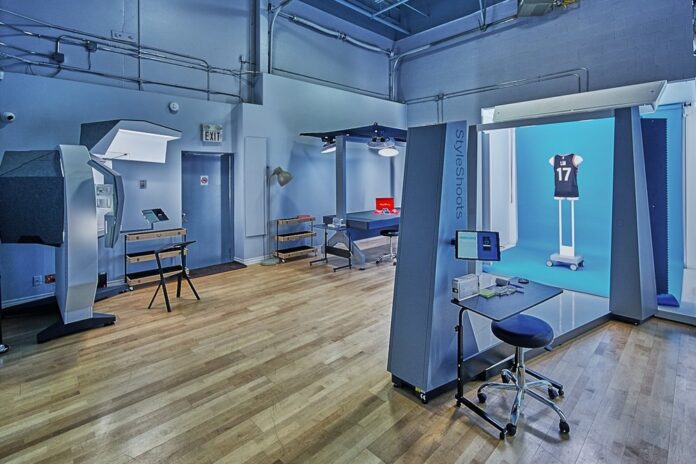
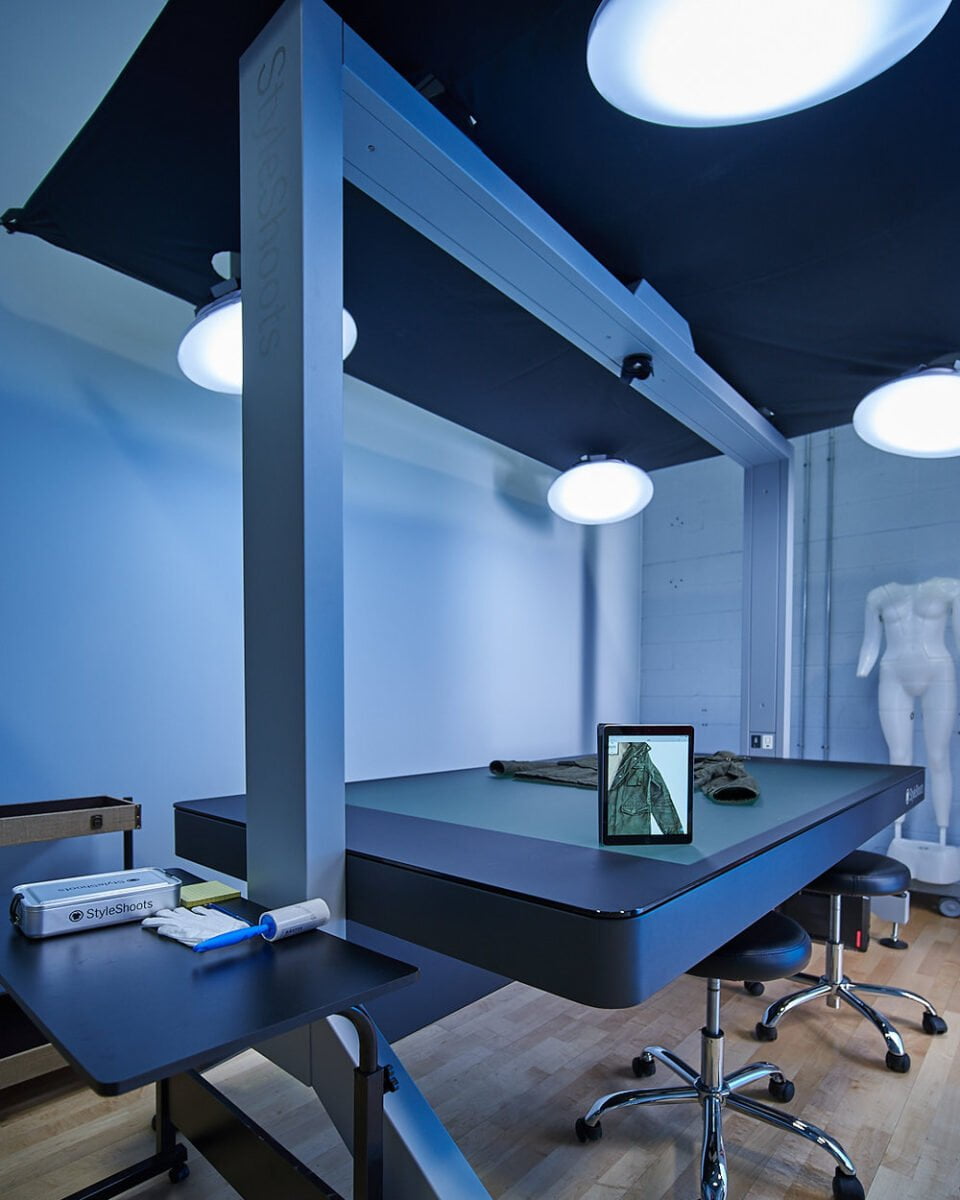
PHOTO: STYLEPHOTOS.CA STUDIO LOCATED IN CONCORD, ONTARIO

StylePhotos, based in Vaughan, Ontario, is an innovative photography and videography service geared at helping businesses create high quality photos and videos of their products as well as enabling companies to rent equipment to help bring their vision to life.

StylePhotos aims to help businesses improve their bottom line by reducing photography and videography costs, reducing wait-time for the products to be ready by eliminating the need for post-production, increasing quality of product photography and videography by maintaining consistency and transition of colour.

“We started off with an online platform originalluxury.ca to sell luxury fashion accessories such as Artioli belts and Faliero Sarti, Joshua Ellis, and other designer scarves that are imported from Italy and Britain. Given the nature of the luxury segment, and having contracts with Billionaire and Philipp Plein fashion houses that we are bringing this summer it was crucial for us to translate the quality of these pieces in the pictures and videos that we use on our website do depict them,” said Husan Aripov, Partner at StylePhotos.

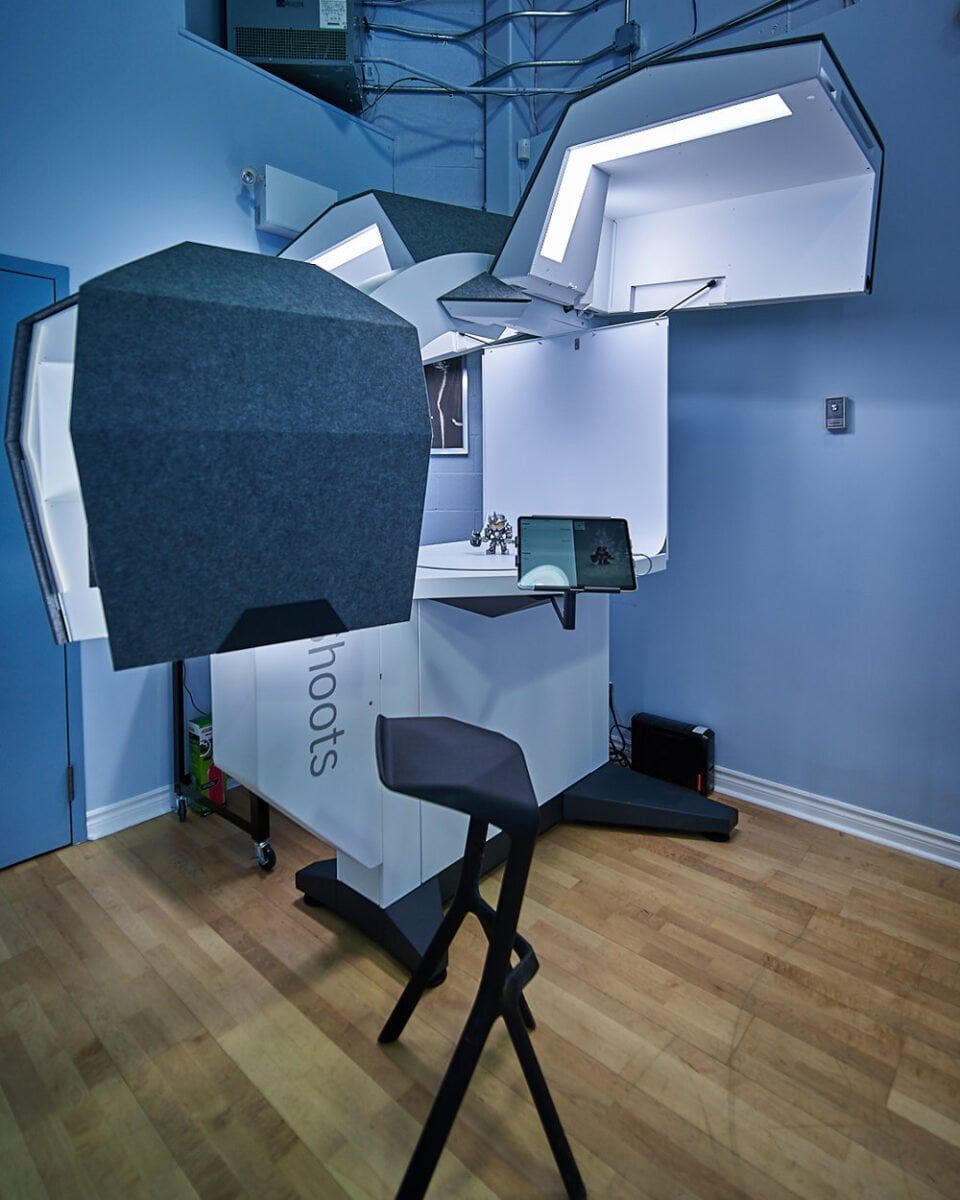
PHOTO: STYLEPHOTOS.CA ECLIPSE SYSTEM FOR SMALLER ITEM PHOTOGRAPHY AND VIDEOGRAPHY, INCLUDING 360 VIDEO CAPABILITY

“Our first order of scarves arrived in September of 2018 and we spent most of August searching for a photo studio that could take pictures for us – at that time we did not even think about the videos. To our surprise, an average cost of product photography on a per image basis started at $15-18 without any editing or product preparation. With editing, background removal, steaming, etc., prices quickly climb to $60-75 per image. Given that our product portfolio would easily exceed 1,000 units, and they require at least two to three images, we started looking for other innovative solutions, and found one based out of Europe.”

StylePhotos was established from that experience – a one-stop-shop commercial product photography and videography studio that provides a range of services to retailers, designers, and business owners.

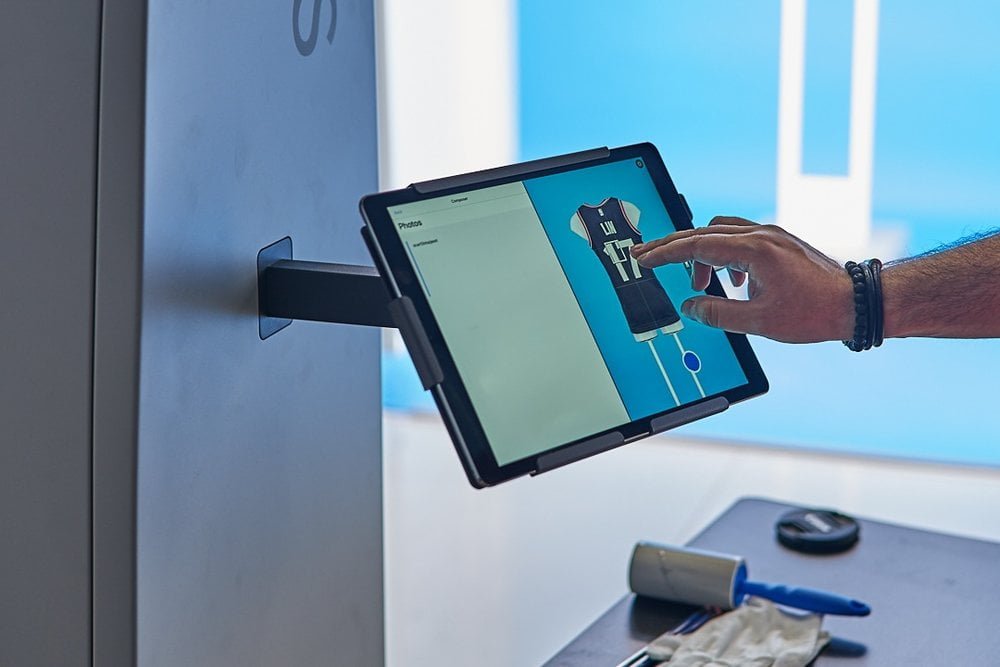
“We have successfully imported and installed three separate and unique systems dedicated towards a specific product photography or videography need. We have the Horizontal system for flat-lay photography that is ideal for fashion, and flat products. We also have the Live system that is used for product photography and videography with live models and ghost mannequin compatibility. Finally, we have the latest product – the Eclipse, that is dedicated towards product photography, and videography including 360 videos. All machines are equipped with the latest cameras from Canon and hardware from Apple,” said Aripov.

“All machines are operated with an iPad, that allows for a consistent, and high-quality output to be achieved.”

He said StylePhotos offers its clients two options for using its services. The first option is a simple one. Customers bring the product to StylePhotos and it will take the pictures and videos. Within two to four days all the content will be sent to the customer and items will be ready for pickup.

The second option, which is very popular among local designers, is the rental opportunity where clients come to the studio and rent the equipment to take photos and videos of their products for a specific number of hours.

“We offer training to these clients and assist them along the way. When looking for a space for our studio we reviewed multiple locations, including the downtown core. We needed something that was not too far from a major highway and had easy access for parking to drop off and pick up of products. We were also cautious about the cost for leasing, since we wanted to focus on helping smaller designers like ourselves in creating photo and video content that would compete with content of premium brands while being affordable,” said Aripov.

PHOTO: STYLEPHOTOS.CA HORIZONTAL SYSTEM FOR FLAT-LAY PHOTOGRAPHY.

“We were able to find a perfect location in Concord, around the Rutherford and Keele area, with the necessary space for all three machines, and a dedicated storage room for every client. This approach proved to be successful.”

He said the company is not currently planning to expand given the fact that startup costs are quite excessive.

“However, we are looking for an opportunity to expand into British Columbia at a later point,” he said.

“Moving the location of our studio to Toronto would undeniably increase our costs of operations thus significantly increasing the cost of our services. We do not want to do that – having an acceptable lease rate allows us to pass these savings to our clients, ultimately benefiting both parties. Initially, when we brought the equipment we had a strong feeling that fashion companies would be our primary customers. It proved to be incorrect. Right now, we have major construction material manufacturers such as tiles and hardwood, as well as large pharmaceutical companies using our services to either create catalogues of their products, or update their images on their websites.

“Ultimately, our client is any individual or corporation who is looking to get professional high quality, consistent photos or videos of their products at a low cost, but with a quick turnaround time.”

Aripov said successful retailers of tomorrow are uniting their physical stores, online stores, and social media stores together to create a stronger brand and message to their clients.

“StylePhotos is here to help Canadian businesses in the process of establishing themselves, and competing in the marketplace with better, higher quality content while utilizing innovative technologies that made this process cheaper, more efficient and more effective,” he said.

PHOTO: STYLEPHOTOS.CA LIVE SYSTEM FOR MODELLING PHOTOS AND VIDEOS, AS WELL AS GHOST MANNEQUIN PHOTOGRAPHY

“Technologies and especially disruptive technologies change the way we work, live, and learn. The technological innovation and processes that StylePhotos brought to the Toronto market aims to resolve the main issues relevant in the industry: high cost, lack of consistency, and long processing times. Throughout our interaction with clients we witnessed both positive and somewhat unwarranted negative feedback. To our surprise, creative directors and marketing managers of photography departments are seemingly concerned with the fact that our machines eliminate the need for photographers despite the fact that we provide much higher output and quality of the content thus lowering the operational costs. Instead, the concern is the fact that according to their views we eliminate jobs in that sector for the Canadian market thus threatening their personal financial well-being.

“We believe that these claims are in fact false, because this view is limited to larger firms where employees do not consider cost optimization as a benefit for the company, simply because they are not the owners and see no personal benefit of using such technology. We view our business model differently. Our firm allows small and medium sized businesses to expand, lower their operational costs, and bring their new products online faster thus allowing for faster commercialization and turnover of stock. In most of the instances we are the ‘to-go’ place for smaller designers and truly Canadian based companies, that actually manufacture in Canada whereas these other, larger ‘Canadian’ retailers manufacture overseas in countries like China, or Myanmar. Our goal as an enterprise, is to grow our clients’ business, which in turn would benefit both parties.”

*StylePhotos partnered with Retail Insider for this story. To work with Retail Insider, email: craig@retail-insider.com

Canadian Retailer ‘Oak+Fort’ Expands Product Line as it Grows Network of Stores

OAK + FORT’S GASTOWN STORE PHOTO: OAK + FORT VIA FACEBOOK

Vancouver-based fashion retailer Oak + Fort is embarking on a cross-Canada initiative that will see beauty display pop-ups in several of its stores in major centres.

The “Beauty-on-Tour” launch is offering consumers an opportunity to interact and explore the new beauty collection available as the company expands that part of the business – as it looks to also expand its retail footprint in the future.

“We’re opening two new stores and then sort of re-opening another store or moving another store this year,” said Jason Wong, marketing director for the company.

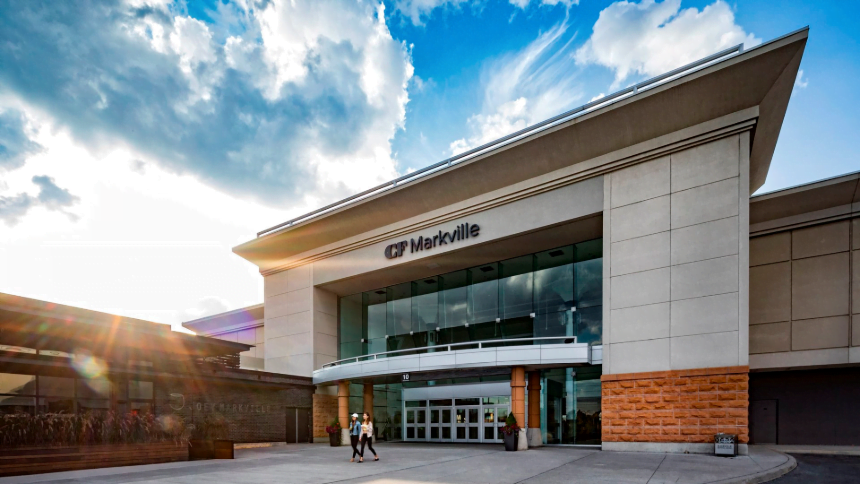
CF MARKVILLE MALL PHOTO: CADILLAC FAIRVIEW

“We’re opening a new store in Markham at (CF) Markville (Mall) at the end of June. The other two stores I can’t reveal the locations yet but they’ll be in California. One of the relocations is in California. We’re just moving within the mall but we’re re-doing the entire store. That’s it for this year.

“I don’t have a view out on 2020 yet. But I know we have plans on growing every single year and even more with a focus most likely in the U.S. in 2020.”

The fashion and lifestyle retailer was founded in 2010. Today, the company has 19 stores – six in the United States and 13 in Canada.

Oak + Fort did not open any new stores in 2018 but it did open two new locations in 2017 and several more in 2016 and 2015.

“Oak + Fort has grown to become a lifestyle brand and we have product lines in women’s wear, men’s wear, jewelry, accessories, home wear and beauty. Our goal really is to create a head-to-toe look in a true lifestyle in which you can have Oak + Fort touch every part in how you engage with the world,” said Wong.

“For us, it’s really about building clothing that you can wear in any situation that really embodies minimalist values and making them really affordable. And so for us it’s like modern essentials as how we frame our design aesthetic and we really take a lot of inspiration from art and culture and design. For us, what we’re trying to do is really create tomorrow’s classics. We’re not about making clothes that people wear one or two times and then throw away. We want people to purchase our product and then to wear them and to love them for years to come. That’s how we take our approach toward building any product.”

OAK + FORT’S GASTOWN STORE PHOTO: OAK + FORT VIA FACEBOOK

The beauty pop-ups launched May 15 in the company’s Gastown store in Vancouver and will roll out to Richmond, Edmonton, Calgary and end in Toronto on June 24.

Wong said customers have been asking for beauty products.

“We finally decided in the fall of last year to come out with a small collection of beauty and then sort of from there iterate, hear from our customers, learn about what they love and wanted from us, and ended up taking that information, refining the line and this spring we’ve fully in a way launched our full line. We’ve added on a bunch of new products,” he said.

The pop-ups give customers access to one-on-one consultations with an on-site Oak + Fort beauty expert.

OAK + FORT’S GASTOWN STORE PHOTO: OAK + FORT VIA FACEBOOK

The brand first introduced its beauty offering with a soft launch in November 2018 through the e-commerce site and select retail stores in Canada and the US. The collection includes Lipstick ($20), Lip Tint ($18), O Lip ($18), O Brow ($18), O Liner ($20), Color Wash ($18), CC Cushion ($28), O Powder ($28) and Nail Lacquer ($9) as an extension to the brand’s fashion, accessories and homeware collections.

“Our approach to beauty is built on thoughtful minimalism and quality that is attainable,” said Oak + Fort founder Min Kang, in a news release. “Our travelling Oak + Fort Beauty On Tour gives us the opportunity to bring this philosophy to life in the stores while offering our customers across the country a fun and interactive way to engage with our new beauty products.”

“Part of us taking this out on tour as well is to again further get more customer feedback. Our social presence is quite large and since the beginning of this business we prided ourselves in not only providing our point of view on products but also taking in customer feedback in real time and providing solutions for them with our own purview,” said Wong.

“Essentially part of this pop-up is taking in that feedback and building out new product as we continue to introduce new items and from there seeing where else we can take this pop-up. But in general the beauty line is going to be really, really big for us. Oak + Fort truly is a lifestyle business and beauty for a lot of women, and men, is part of their daily routine – just as important as what outfit they’re going to wear.”

Merchants Are a Thing of the Past in Canada

HOLT RENFREW VANCOUVER PHOTO: HOLT RENFREW

By Mina Ely

We know that the fashion retail landscape is changing. Merchants are a thing of the past. Now, retailers need to be marketers. The difference between the two is subtle yet significant. Sales staff need to know the ins and outs of the products they are trying to market. Educate the consumer on the product, explain why supporting this designer, or wearing this garment, or sporting a new pair of shoes better their life. They need to tell the customer about the product without pushing the sale.

Business is no longer about selling, it’s about creating a relationship, establishing trust, building a rapport. The customer doesn’t want to feel as though we are trying to add a simple product to their life, they want to feel as though we are adding value, fulfill a need or solve a problem.

We’ve seen time and time again American companies enter the Canadian marketplace only to shut down within a couple years time (if they even make it that long). Walk into any of the new Nordstrom or Saks locations in Canada and you may notice something missing … the customers. Why is that when these companies are already implementing modern sales tactics? Department stores typically lack connection. They need to work on the practice of turning a “customer” into a “client”.

THE ROOM AT HUDSON’S BAY PHOTO: YABU PUSHELBERG

It’s not about the brands anymore — it’s about the liaison between the client and the product. Having a genuine relationship with the client, getting to know them and letting them get to know you. Help the client to build trust with you and want to listen to your advice. This way, when you tell them about the benefits of adding a product or garment to their life, they listen rather than shutting you out.

SAKS FIFTH AVENUE MANHATTAN PHOTO: HBC/SAKS

So should the luxury retail marketplace be scared of e-commerce? To put it simply, I don’t think so. The luxury consumer is looking for an experience. Would you buy a car online? Most people would say no. This type of service is typically referred to as experiential retailing – offer the customers a place to sit, music to listen too, something to drink then allow them to touch and feel the garments, visually digest the quality of the materials. Allow them to do this with friends, integrating yourself, and become their friend as well. Shopping is still a social and entertaining experience.

For those clients swaying towards e- commerce, provide them with the same services. E-commerce allows for home delivery, I do this myself and this only helps to better our relationship. E-commerce sometimes provides clients with “gifts” at this level of luxury, a points card isn’t going to do much… instead, I treat my clients to lunch or dinners or deliver baby toys or ice cream with their garments for my clients with kids. Going for a weekend away with a client is something I value, they support me not only as my clients but also as my friends. It’s not an obligation, but I develop relationships with these women so I am able to surpass my duties and their expectations.

EVEN AT MILLI’S TORONTO BOUTIQUE PHOTO: MILLI VIA FACEBOOK

Hiring an executive stylist with credibility or adding executive stylists to your business is a way to ensure that the buyer no longer feels as though they are being “sold” too. My years of experience in the field have awarded me with badges in different areas of knowledge. This extensive knowledge of the fashion market allows me to exceed my clients expectations and provide them with more than just the clothing they request. They leave with a wardrobe that matches their lifestyle and allows them to excel and feel confident in whatever they may be doing.

I believe that cold-calling still works. Old school marketing tactics such as cold calling are beneficial to this type of business. Why? Luxury markets require a more personalized service. Not every person is willing to spend this kind of money on clothing. I find the people that will and I make them my target mission. By calling or emailing these people, I create a personalized service from the beginning that allows me to better understand and execute their wants and needs.

Relationships with my clients often transform from strictly business to meaningful friendships. I take personal appointments in the clients homes. They introduce me to their kids, to their husband and their pets. They tell me about their weekend getaways and busy work days. All of these details allow me to dress my clients to their specific requirements, surpass their needs and assure they are happy with the services I am providing.

Mina Ely

With twenty years in the luxury retail industry, Mina Ely has a broad understanding of the retail and fashion world. As a Luxury Retail Sales Specialist, Retail Strategist and Luxury Wardrobe Consultant, Mina provides a wide range of services to her portfolio of executive clients. Mina firmly believes that retails core values stem from the overall experience of the consumer and her goal is to ensure that the clients expectations are exceeded every time. Mina brings expertise that span the width of the business. Giving back to the community is important to Mina so she is passionate about partnering with charity organizations and hosting private events with the theme of “Fashion Cares for a Cause” in mind.

The New Kid in Town: An Analysis of the Emerging Canadian Cannabis Market, Part 1

exc-5ce3169938bb9e0001a3171b

The following is the first in a three-part analytical series of the Canadian cannabis market by retail expert, Bruce Winder.

By Bruce Winder

If one looks at the back of The Eagles fabled Hotel California album from 1976, one can imagine that the band smoked a lot of pot. Much like The Eagles members personal relationships with each other during the 1970’s, the Canadian cannabis industry is tumultuous to say the least and royally phunked up to say the most.

Being a self-proclaimed retail expert, I thought it was time to visit a few of the newly opened legal dispensaries in Toronto to see what was happening and put my two cents out in the air waves. This new retail category has garnered a tremendous amount of fanfare over the last couple of years and you can’t pick up  a mainstream business or retail publication in this country without reading about cannabis and the business opportunities and challenges it has spawned. When you step back and look at the industry it is hard not to get caught up in the romance of the lofty licensed producer (LP) valuations but one must be careful as this business feels a lot like the tech bubble from the late 1990’s and we all know how that ended.

Like the tech bubble from that period, high valuations were given to firms with growing top line but nonexistent bottom lines or profit. So I put my hair into a ponytail, put on my jeans and scuffed up cowboy boots and ventured downtown (with family in tow) to check out three shops: Tokyo Smoke, Hunny Pot & Nova Cannabis. Having experienced the three shops, I felt it prudent to summarize my findings as well as make select observations on the weed industry overall based on my review of a number of articles.

Tokyo Smoke

Located on Toronto’s action packed Yonge Street, just North of Dundas Square (our version of Time Square) the shop has a choice location. The store itself is too small though and in fairness to the retailer, it looked like it was built and merchandised in a few days after they got their retail approval granted. Tokyo Smoke took over the old 4,000 square foot, three story HMV location (old Sam The Record Man location for us Gen Xers) but has only utilized parts of the first floor.  The store feels like a cross between an Apple store (I know, they all do these days) and the new Amazon 4 Star store I toured in NYC last holiday (see link to that story). The store is segmented and merchandised well with different sub-categories of product based on user mood and what each person wants the product to do for you: Go, Rise, Equalize, Ease & Pause.

Fixtures are basic but functional and there were plenty of well trained, knowledgeable staff armed with tablets. Each patched into the industry standard COVA point-of-sale (POS) system that facilitates both product knowledge discussions and in aisle purchases (must be picked up at dispensing desk like a pharmacy). Point of purchase material was clear and easy to read and included all the details one needs to make that informed purchase for flower, oil, spray and capsule.  In addition, high margin accessories are bright and contemporary and are a far cry from the stoner head shops assortment of days gone by. Finally, Tokyo Smoke offers visitors a selfie moment with an Instagram worthy prop at the front entrance.  Affiliated with industry leader Canopy Growth, I expect bigger and better things from them in the future.

Hunny Pot

Located on hipster inspired Queen Street in Toronto, Hunny Pot looked and felt more like a club than a pot shop and was by far my favorite.  Like the other two retailers, there is a mandatory age check enforcer on the step before you can enter the store which is covered with panels so you can’t see in. Once you get into this three floor, 3,500 square foot location, you can either proceed directly to the lower level to re-up on your desired product or proceed up to the second and third floors which are showrooms. Point of purchase (POP) material is cool but less functional as pricing is on a separate screen on the wall. Fixtures are beautiful and inspiring. Staff (budtenders) are knowledgeable and like Tokyo Smoke have been trained well on the art of COVA and the tablet driven sales process.  Accessories looked great and are merchandised generously throughout the store. I really like this store and feel that is has captured the essence of the business opportunity at hand. Well done!

Nova Cannabis

Located on Queen Street but just West of Spadina, the shops location was OK but not prime in my opinion. Partnered with Alberta’s Alcanna, Nova Cannabis’ 2,900 square foot space felt like a combination post office, drug store and delicatessen. Don’t get me wrong, it works well all things considered.  The store is bright and spacious and has a good vibe about it. The self-serve electronic product knowledge kiosk had a big “temporary out of service” sign taped to it, perhaps a metaphor for the industry overall. Fixtures and signage are OK at best. Functional but dull. You can feel the brands trying desperately to create awareness and differentiate themselves with posters and digital screens.  The highlight of the store is the delicatessen style glass counter at the side of the store that showcases assortment and pretty good inventory position on many products. Finally, akin to McDonalds, the store boasts an order processing screen that shows shoppers sequence of order number being processed. Love the footprint of the store but some definite areas for improvement.

As mentioned above, the cannabis industry is in significant flux. One could use the descriptors of cluster phunk, schitt show, gong show, p parade or what have you to describe the current state of affairs and you might not be far off.  One could argue that we all would have been better off if The Trailer Park Boys had managed this whole thing instead of the suits involved. 

Industry Dynamics – Fast Times in Marijuana Retail

Political Challenges

Government approval process has been late, turtle slow and too opaque – understanding the governments need to regulate this industry and protect society from potentially negative impacts to minors and other people, it feels like the regulatory and approval process has been too slow and too vague. From the outside looking in, it appears that the current federal government was not ready and/or did not provide enough firm guidance early enough for the October 17, 2018 launch date. Regulations need to be vetted much earlier in the process and offer specifics so all industry participants can manage to them. In addition, regulations should enable Canadian producers to compete with US producers without jeopardizing our society at large. My personal political views are agnostic in this situation.

Canadian LPs are starting to lose first mover advantage vs. US multi-state producers (MSPs) – as reported in an interesting article by Vanmala Subramaniam (2019), Canadian LPs are starting to feel the heat from US multi-state producers (MSPs). MSPs see the glut in oversupply coming on stream in Canada over the next three-to-five years. In addition, MSPs aren’t shackled by legislation that prohibits brand development and advertising like Canadian LPs are. The next big shoe to drop in the US is the potential legalization at the federal level (see below). If that happens it will be very hard to compete with the strongest MSPs due to size of market and the general larger investment market (venture capital, private equity, institutional investors, banks, etc.) south of the border. Much like other large mature industries you will probably see the majority of the major players in the industry being US entities.

You may see one or two major Canadian LPs still standing when the merger & acquisition and consolidation dust settles but the balance will be American or maybe European (if they make pot legal en masse).  Canopy Growth (the market leader by market capitalization) is already partially owned by Constellation Brands with its $ 5 BN investment in the company. As reported in Bloomberg, Canopy is not waiting around to be disrupted. They announced a deal to buy a $ 300 M option to purchase US Acreage Holding Inc. with its powerful board including Brian Mulroney and John Boehner for $ 3.4 BN if weed is legalized federally in the US (Owram, 2019). Canopy has also announced that they will be looking to spend approximately $ 2 BN over the next two years in US hemp assets. Mans be all in!

Tougher to leverage low cost countries (LCCs) for global supply of finished goods – my understanding is that most countries do not allow the exporting or importing of cannabis. Therefore, if a grower has an operation in a given county it must be used to serve that country. Sort of like the days before NAFTA (or USMCA if it becomes ratified) and globalization. This becomes problematic if one wants to utilize low cost countries (LCCs) to grow weed and distribute it into the developed world where legalized grass is emerging.  Some folks say this is a moot point as the differential in gross margin % is negligible due to its already high rate even in developed countries. Overtime though, as retail prices drop and investor thirst grows it is not hard to imagine LCC sourcing becoming a necessity to position oneself in the top quartile of performers in this industry. As reported in The Financial Post, many LPs such as Aphria, Canopy, Tilray and Aurora have interests in Latin America to take advantage of lower labour rates, year round growing and greater plant density to export CBD to other countries. THC may be a little tougher to move across borders

Economic Challenges

Existing valuations of big name LP’s are way overpriced – this one has been talked about a lot. LPs have valuations in the billions but have not made any money yet. This flies in the face of basic finance. I know that companies are valued based on a number of methods including current and future discounted free cash flow, book values and comparable firm valuations and what not. But come on this is crazy! A lot of people are making money but a lot of people are going to lose money too. The industry is moving so quickly with various mergers and acquisitions that is has become hard to keep track of who owns whom, what they paid for them and what the real financial benefit will be.  

LPs and other investors are throwing around money like drunken sailors from an old war movie. Trying to buy scale and distribution advantages as quickly as possible. This appears rather reckless from an outsiders view. Eventually high flying LPs will be held to account for every acquisition in terms of benefit to shareholders vs cost to purchase. Remember, the quicker firms grow and the more complexity they add, the greater the risk of chaos and inefficiency.

Get ready for some goodwill write-offs in the future as these deals become part of the operations of LPs. It reminds me of Saturday night in the 80’s at the infamous O’Tooles chain of bars. The last dance would play and everyone would be running crazy trying to find a partner, any partner, so they would not go home alone.   Eventually though, they had to wake up the next morning, nurse a hangover and make conversation with their new friend. A sober reflection on choices from the night before.

It’s still cheaper to buy weed on the black market– when I break open my MBA notes and reference the priests teachings from the Temples of Syrinx (Michael Porter’s 5-Forces model via Queen’s Smith B-School), I think about how buyer power eclipses supplier power in this industry. Why? The Canadian Press cites an April 2019 Statscan report that indicates that weed on the black market has decreased from an average of $ 6.79 per gram pre-legalization to $ 6.28 per gram in early 2019. Alternatively, the price for legal weed has increased from $ 9.89 per gram to $ 10.52 per gram (Martin, 2019).

There is less reason to buy weed from legitimate sources. Sure, the argument can be made that legal weed is safer, higher quality and more consistent. In addition, one need not worry about breaking the law with legitimate product. This may work for new users but previous users see limited advantage by buying from authorized providers. Long-time users have been living with the negative aspects of the black market for decades. 

A recent development reported in The Canadian Press may prolong higher prices further by lowering competition. The Federal government announced it was changing its licensed producer process to only consider granting licenses to those firms that have existing infrastructure (Ligaya, 2019). That is, you can no longer get a license to produce and then line up investors and build a facility, in that order. This creates much larger barriers to entry for new LPs and thus increases the power of existing suppliers.

Assuming a good chunk of illegal weed is grown outdoors (in more tropical climates) the cost is hard to beat. As reported in The Financial Post, some say outdoor weed can be grown for 3 cents to 20 cents per gram. Compare that to 90 cents to $ 2 per gram indoors. A lot of legitimate folks have applied for Canadian outdoor growing permits. Critics of outdoor pot growing say that it will be very difficult to meet Health Canada regulations. In addition, year round growing is a non-starter due to Canada’s weather.

Retail flower pricing is expected to drop – based on history in the US, retail weed prices dropped after launch. This makes sense. As competition heats up and users balk at sales through legitimate channels due to higher prices, legal firms respond. It may also be due to producers obtaining more experience growing legally. Either way, Canadian LPs and retailers will need to follow suit to keep top line growth intact. This will obviously put pressure on gross margins and magnify investor pressure to meet already inflated valuations. There will probably be an adjustment to the Canadian industry as share prices will drop and weaker players will be acquired by larger firms in Canada or the US.

A US hedge fund has started shorting Canadian LP stock – as reported in Bloomberg, Measure 8 Venture Partners LP is launching a fund on June 1 that intends to go long on US cannabis firms and short on Canadian producers (Owram, 2019). Not a huge vote of confidence for our boys and girls in the Great White North right? What’s that expression, you haven’t made it until you have haters? (Subramaniam, 2019) but CBD appears to be easier to move around the world, if not in bulk form.

Visit Retail Insider again later this week for the second instalment of Bruce Winder’s analysis of the Canadian cannabis market.

Bruce Winder is a retail expert, speaker, professor and entrepreneur. He has been interviewed dozens of times on main stream media such as BNN – Bloomberg, CBC, CTV News, CP24, Breakfast TV and more. Bruce has also been quoted hundreds of times in publications such as The Washington Post, BBC, The Globe & Mail, The Financial Post, The Toronto Star, Strategy, Adweek and many more. Bruce has 25 + years experience in big retail, manufacturing and consulting and holds an MBA from The Smith School of Business at Queen’s University. He offers keynote, session and moderator services on topics such as: retail, e-commerce, online shopping, consumer trends, cannabis and Amazon.

‘Microshopping’ Trips Becoming the Norm for Canadians Buying Groceries: Study

By Kayla Matthews

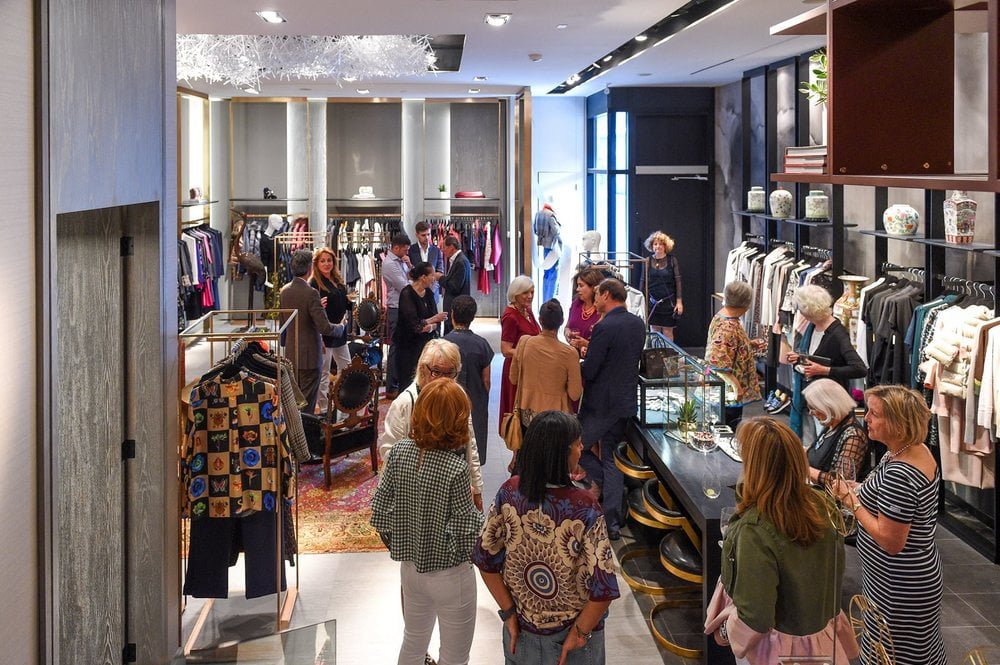
Grocery trips are worldwide necessities. But, the habits people adopt when purchasing the things they need differ depending on location. The 2019 Canadian Consumer Insights Survey from PwC revealed fascinating things regarding Canadians’ grocery-buying preferences. Here are some of the standout conclusions of the report:
Canadians Embracing In-Person Trips

In the United States, companies like Amazon drastically changed how people purchase groceries. They commonly shop for things they want online and get the items delivered to their doorsteps. But, in Canada, residents would rather shop in person.

When asked about the things that would make their current in-store shopping experiences better, they focused on a couple of aspects. The leading advantage, cited by 52% of Canadian respondents, was the ability to go through the store quickly and conveniently. Next, 32% liked efficient and simple payment methods, including contactless options and mobile payment apps.

Based on the statistics above, it makes sense that most Canadians are not yet on board with online shopping compared to people in the United States. The PwC survey said that only 20% of respondents were likely to purchase groceries online over the next 12 months, and 69% percent said they were “unsure” or not likely” to do so.

Microshopping on the Rise

In some parts of the world, people get groceries via extensive shopping trips occurring on the weekends or less often. They get everything during one visit to a store. But, there’s a different trend emerging among Canadians. More specifically, they like microshopping trips. A Forbes article defined microshopping trips as outings that take five minutes or less.

The PwC survey found that 26% of Canadians took part in microshopping 2-3 times per week, and a slightly lower percentage (23%) did so weekly. Additionally, 10% said that they went microshopping daily or more often. For example, a person in the last category might get in the habit of making daily decisions about what to make for dinner, and dash into the grocery store to get the necessary ingredients.

Grocery Shopping Helps People Engage With Their Communities

Besides the conveniences mentioned above concerning in-person shopping, there’s another factor that may compel Canadians to prefer that method over shopping while sitting in front of a computer screen.

Research from the Canadian Grocer website, which the PwC report cited, showed that people increasingly view grocery stores as “community centres.” Some grocers place benches in their buildings to encourage people to stop and have conversations with other shoppers. That option doesn’t align with the short length of microshopping trips, but it reveals another reason why Canadians shop in stores instead of online.

Quick Meal Offerings Getting More Plentiful

However, the Canadian Grocer report found another trend that matches the increase in microshopping — an expansion of single-serve, ready-to-eat offerings. The information mentioned that nearly 4 million Canadians live alone, and that number should go up to 5 million within a few years.

A person who lives alone may not feel motivated enough to cook meals that they eat by themselves. Also, it’s often difficult for people to gauge how much they should prepare so that they’ll have enough to conquer their hunger without making too much and having it go to waste. One understandably appealing alternative is to make a microshopping trip at the end of the day, pick up a ready-to-serve meal and have food to eat within a few minutes.

Canadian Retailers Need to Focus on the Customer and Employee Experiences

One of the topics covered at length in the PwC survey was a metric called return on experience (ROX). It’s a measurement of direct customer interaction with a brand, and PwC concluded that retailers need to make significantly more investments in customer experience (CX) than they are now.

It continued by highlighting the relationship between CX and employee experience (EX), and emphasizing that CX and EX help differentiate brands in the marketplace. It also mentioned that although 91% of global corporations have executives overseeing EX, the percentage of Canadian organizations that do lags at 74%.

Excellent CX and EX should cater to the needs of Canadian shoppers that prefer to shop in person. That’s because CX encompasses the things that a person encounters, sees or feels while doing business with a brand, and EX is similar because it refers to those aspects from the perspective of workers.

If a store fails at CX and EX, Canadians could have unpleasant opinions about retailers, even if they’re merely going into a store for a microshopping trip that spans a matter of minutes.

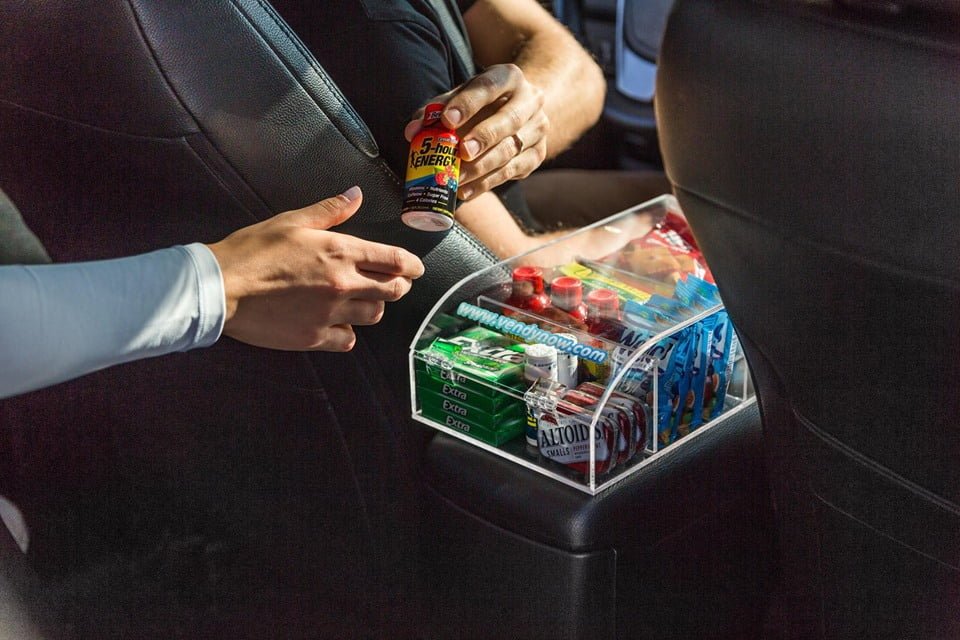
PHOTO: VENDY VIA FACEBOOK

An Interesting Take on Microshopping That Could Arrive in Canada

What if there were a way for people to buy physical items at the same time they used on-demand ride services like Lyft? That question popped into the mind of Salomon Horowitz, a Venezuelan native who managed Lyft’s operations in Florida.

He knew that riders spend an average of 23 minutes in their Lyft vehicles and thought about how drivers might increase their earnings by giving customers the chance to purchase convenience store items while en route. Eventually, Horowitz created Vendy, a Miami-based startup that lets drivers order boxes of essentials ranging from snacks to over-the-counter painkillers and offer them to customers.

When drivers run out of stuff, a Vendy representative meets them in person with the items they need to stock up again. Moreover, vehicle operators can make specific requests for top-selling items or products they think riders would most likely want.

Lyft expanded to Canada recently, and it’s too early to say if Vendy might arrive there also. If it does, people would have another way to microshop that doesn’t involve grocery stores.

Microshopping Meets Canadians’ Needs

The information here shows that microshopping matches the needs of Canadian consumers. Retailers must remain aware of that as they determine how to improve experiences.

Kayla Matthews

Kayla Matthews is a researcher, writer and blogger covering topics related to technology, smart gadgets, the future of work and personal productivity. She is the owner and editor of ProductivityTheory.com and ProductivityBytes.com. Previously, Kayla was a senior writer at MakeUseOf and contributing freelancer to Digital Trends. Kayla’s work on smart homes and consumer tech has also been featured on Houzz, Dwell, Inman and Curbed. Additionally, her work has appeared on Quartz, PRNewswire, The Week, The Next Web, Lifehacker, Mashable, The Daily Dot, WIRED and others.

RCC STORE Conference 2019 to Showcase Expansive Tech Innovation for First Time

By Retail Insider 

Retail Council of Canada’s annual STORE Conference will be held May 28-29, 2019 in Toronto, and this year’s event will feature demonstrations from tech companies showcasing the latest in innovation like never before. An equally impressive roster of speakers are scheduled for both days of the Conference, with well over 2,000 people already registered to attend.  

Tickets are still available for the conference and we’ve been provided with a discount code: Use RI50 to get $50 off admission.

Some of the world’s leading tech innovations for the retail industry will be on display at this year’s STORE Conference. Exhibitors range from start-ups to established players that are helping the retail industry remain innovative at a time of intense competition and growing e-commerce. 

Microsoft, for example, will be showcasing several innovative technologies that are being adopted in some of the world’s best retail concepts. Microsoft technology demonstrations will include HoloLens, which is a mixed reality device that Microsoft describes as being a “fully functional Windows 10 headset”. Users can use simple gestures to control the device, and as part of the demonstration Microsoft will showcase digital planogram that allows merchandisers to design store interiors and components virtually.

Other Microsoft innovations to be demonstrated include a user-friendly digital dashboard called Power BI, which empowers analysts to break down data without having to create complex queries. Another demonstration will showcase how Microsoft uses mobile PoS systems in its Microsoft Stores to help associates and consumers improve the overall flow of transactions. Microsoft is also bringing back Pepper the humanoid robot, who will be on hand to illustrate how robotics are becoming useful assistants within the brick and mortar environment.

Microsoft partner DXC Technology will showcase its in-store technologies, including demonstrating how the customer experience can be ‘just as digital as online shopping’, while being potentially even more engaging. 

The future of fashion will be on display with Ontario startup Passen, which will showcase its innovative 3D modelling technology that could revolutionize body measurements as we know them today. Passen’s digital measurement technology captures and uses data to deliver great fit for customers buying clothes online and even in stores, while at the same time reducing retail returns. Founder Stuart Campbell explained that in 2018, a whopping $30-billion worth of apparel product were purchased online and returned to retailers — Passen aims to streamline the process by creating accurate measurements that can guarantee fit. Visitors can “step into the dressing room of the future” at STORE Conference, which will feature Passen’s technology.

Imagination Park Technologies will make STORE Conference’s show floor come to life with innovative gamification technology that allows shopping centre visitors to see an ‘extra layer’ to brick-and-mortar retail by holding up their mobile devices, with innovations such as being able to shop a store’s windows as well as pop-up graphics revealing what’s inside, for example. 

Skymattix will provide delegates with Instagramable moments at its Roots pop-up that will showcase Skymattix Interactive 3D scanning that allows customers to experience an immersive store experience from the comfort of their living rooms. Customers can tour a store using their favourite digital divide, or through VR-enabled goggles. Using Skymattix technology, shoppers can click on a product or family of products and be taken directly to the e-commerce site for purchase. 

Other attractions include HP’s booth that will not only be showing the latest technology, but will also be giving out Sweet Jesus ice cream. TC Transcontinental is partnering with Publisac, a leader in flyer distribution, to showcase interactive selfie mirror technology for delegates to capture photographic moments at the show. KPMG will bring its ‘relaxation lounge’ to the conference that will include massage chairs.

Major Conference sponsor Salesforce will showcase its latest technology to assist retailers in partnership with Best Buy, which will include a ‘café experience’ that will offer delegates a boost of espresso and cappuccino. Salesforce’s single-engagement platform spans across commerce, marketing and service. With that, every retailer can delight consumers with AI-based recommendations, extraordinary support and seamless experiences. 

There will be many other retail innovations on display at this year’s STORE Conference, which will be the biggest and best yet, according to Retail Council of Canada. A roster of more than 70 world-class speakers will also be on hand to discuss the latest trends, challenges and opportunities for the industry. With more than 2,000 attendees and breaks between sessions, there will be ample networking opportunities at this year’s event as well. 

STORE Conference will be held at the Toronto Congress Centre with the Excellence in Retailing Awards being held the evening of Tuesday May 28, and the Canadian Grand Prix New Product Awards to be held the evening of Wednesday, May 29. For more information on this year’s Retail Council of Canada STORE Conference visit: storeconference.ca.

Come join us again at Retail Council of Canada’s STORE Conference 2019. Use Discount code RI50 to receive $50 off admission.

[Register]

[STORE Conference 2019 Website

[Full Conference Agenda]

*Retail Insider has partnered with Retail Council of Canada for its event promotion. To work with Retail Insider, email: craig@retail-insider.com