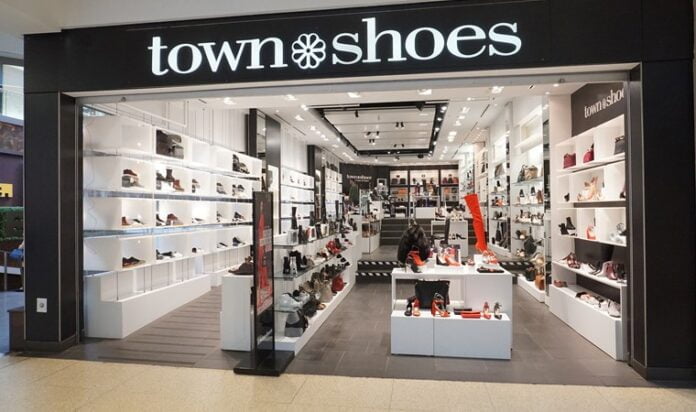
Iconic Canadian footwear chain Town Shoes will cease to exist after 66 years in business. The company has 38 stores across Canada, and the announcement will be of concern to some landlords that are already grappling with vacancies in their malls.
American parent company DSW Designer Shoe Warehouse paid $62-million when it bought a 44% stake in Town Shoes in the spring of 2014. That deal helped DSW open its large format concept stores in Canada — Town Shoes’ expertise and distribution network were utilized as part of the expansion which saw 27 DSW stores open in regions across Canada.
SUNNYBROOK PLAZA IN TORONTO. PHOTO: GOOGLE MAPS
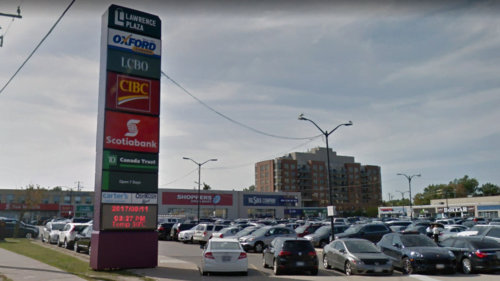
LAWRENCE PLAZA IN TORONTO. PHOTO: GOOGLE MAPS
DSW acquired a 100% stake in Town Shoes in May of 2018 and at the time, we were told by suppliers that they had been informed that the Town Shoes nameplate would be shuttered. That information was denied by the company and thus was not reported in Retail Insider. Now DSW confirms that all Town Shoes stores in Canada will be closing by the end of its fiscal year.
Town Shoes has an extensive history in Canada. It was founded by entrepreneur Leonard Simpson in 1952 when he took over a failing store at the Sunnybrook Plaza in Toronto (the shopping mall was a new concept at the time). A second location opened soon after at the ‘Lawrence Plaza’ which is located south of the Yorkdale Shopping Centre.
Town Shoes founder Leonard Simpson
Town Shoes founder Leonard Simpson
In the 1960’s, Town Shoes opened a shop-in-store on Toronto’s ‘Mink Mile’ inside of upscale multi-brand retailer Harridge’s at 131 Bloor Street West in The Colonnade, and the company maintained a Bloor Street West presence thereafter until last summer when it closed its standalone store at 95 Bloor Street West. That retail space is currently occupied by menswear retailer Strellson.
Town Shoes was also a sponsor of Toronto Fashion Week for many seasons, supplying shoes for the runway shows. The company was also known to have collaborated with Canadian designers on exclusive lines. Town Shoes has a close tie to the fashion world in Canada and the news of its closure will be shocking for many.
Michael J. Armstrong is an Associate professor of operations research, Goodman School of Business, Brock University. He teaches courses on quality improvement, game theory, and operations management. He holds a PhD in management science from the University of British Columbia, an MBA from the University of Ottawa, and a BSc from the Royal Military College of Canada. Before his academic career, Armstrong was an aircraft maintenance manager. He holds several certifications from the American Society for Quality, including a six sigma black belt in quality improvement.
While cannabis shortages do exist, federal officials disagree. Bill Blair, the minister leading Cannabis Act implementation, has repeatedly said supplies are “adequate” and even “exceed existing demand.”
How the Ford government decides to regulate retailers will have a major impact on how many retailers will get into the business — potentially thousands of distribution points are possible in the province, in contrast to just 51 in Saskatchewan and 30 in Newfoundland.
Ontario’s change to private sector cannabis stores will give consumers more convenience. That will mean stronger competition against the black market, but potentially higher consumption too.
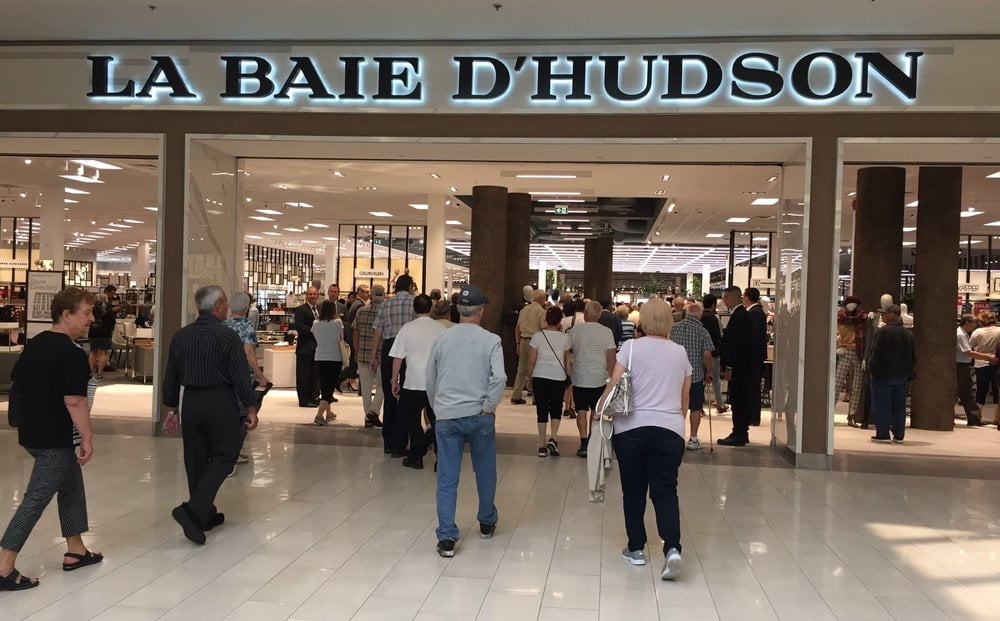
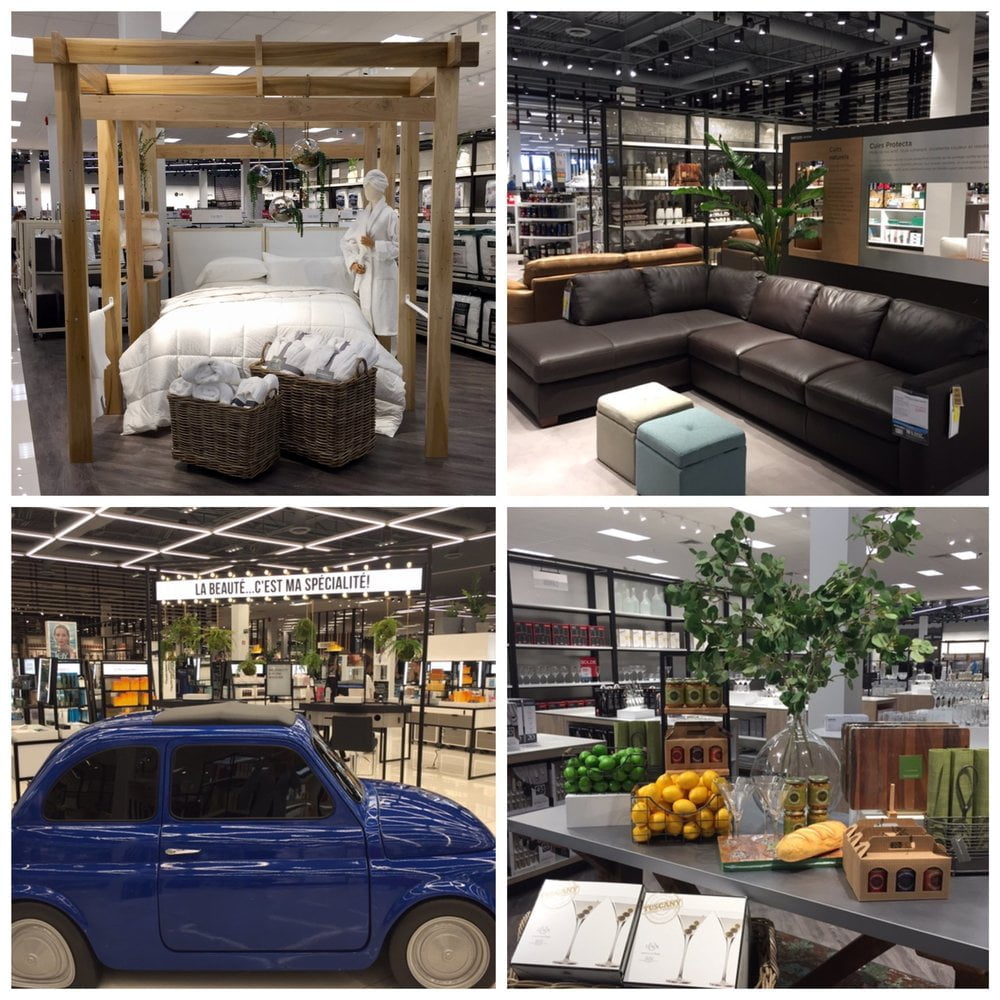
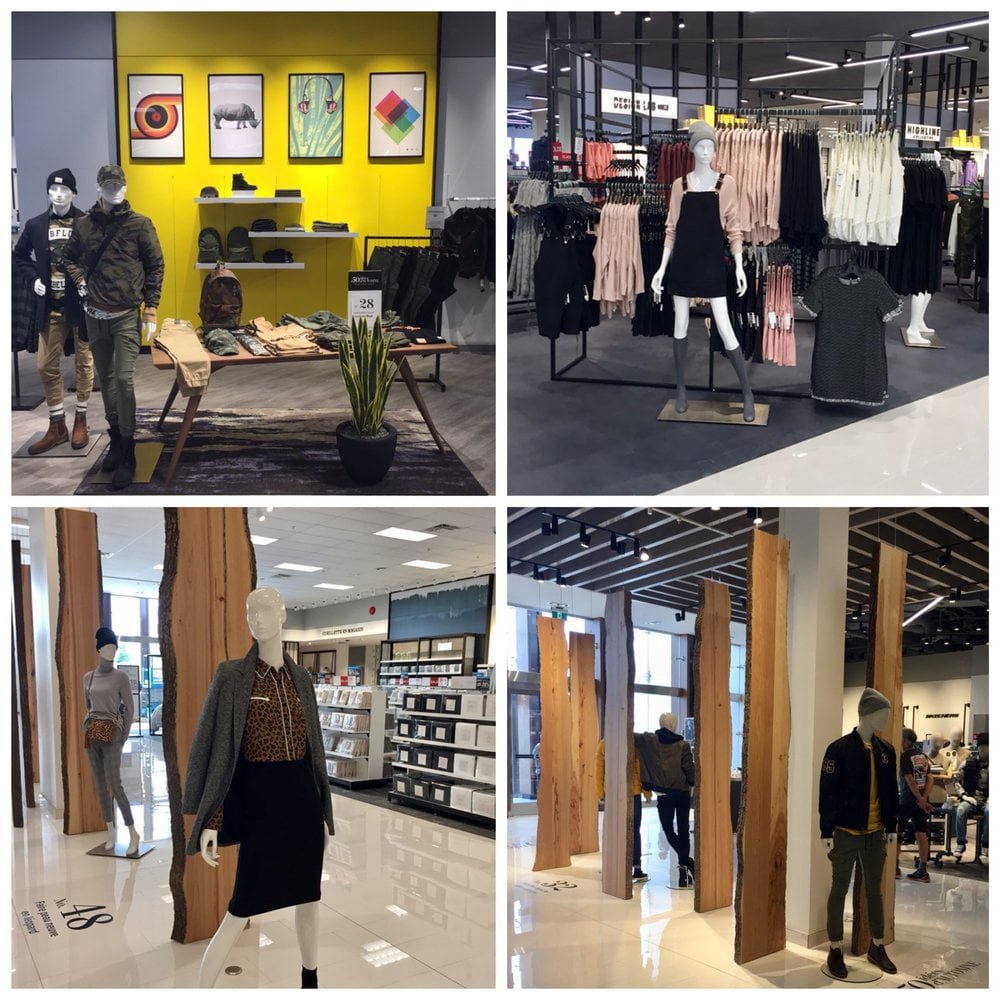
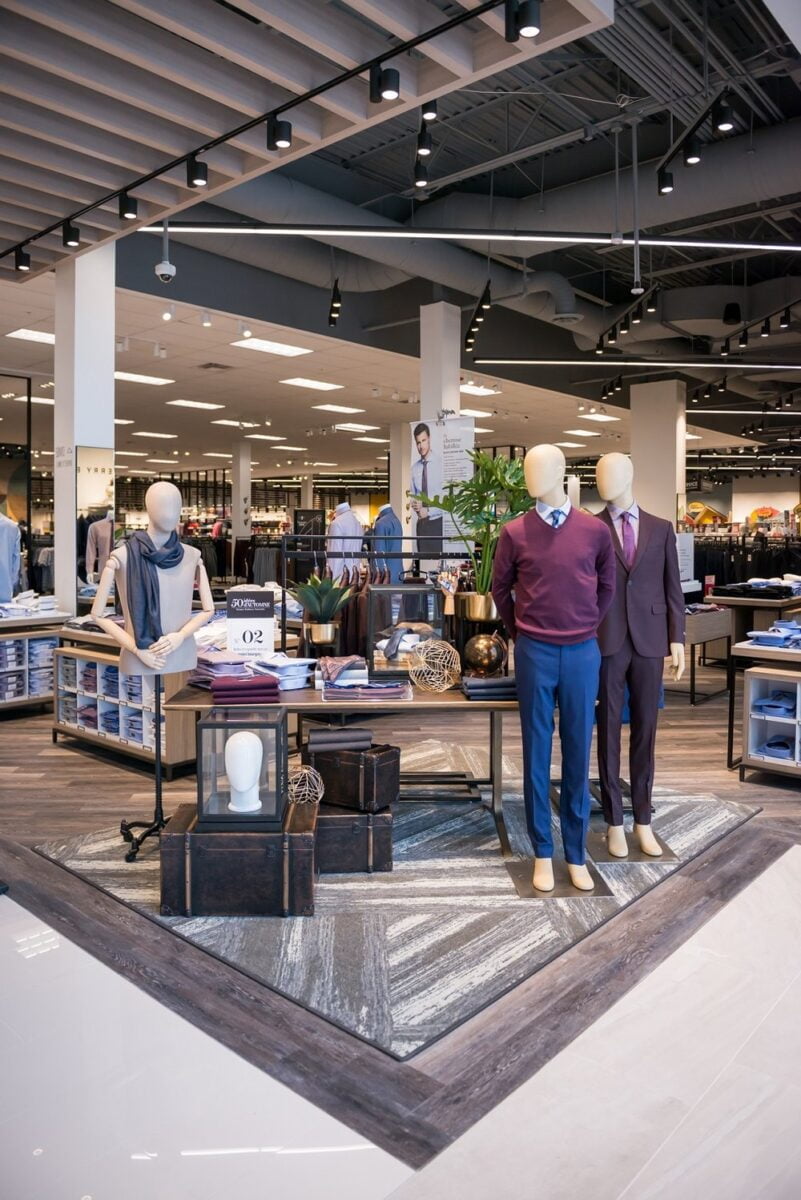
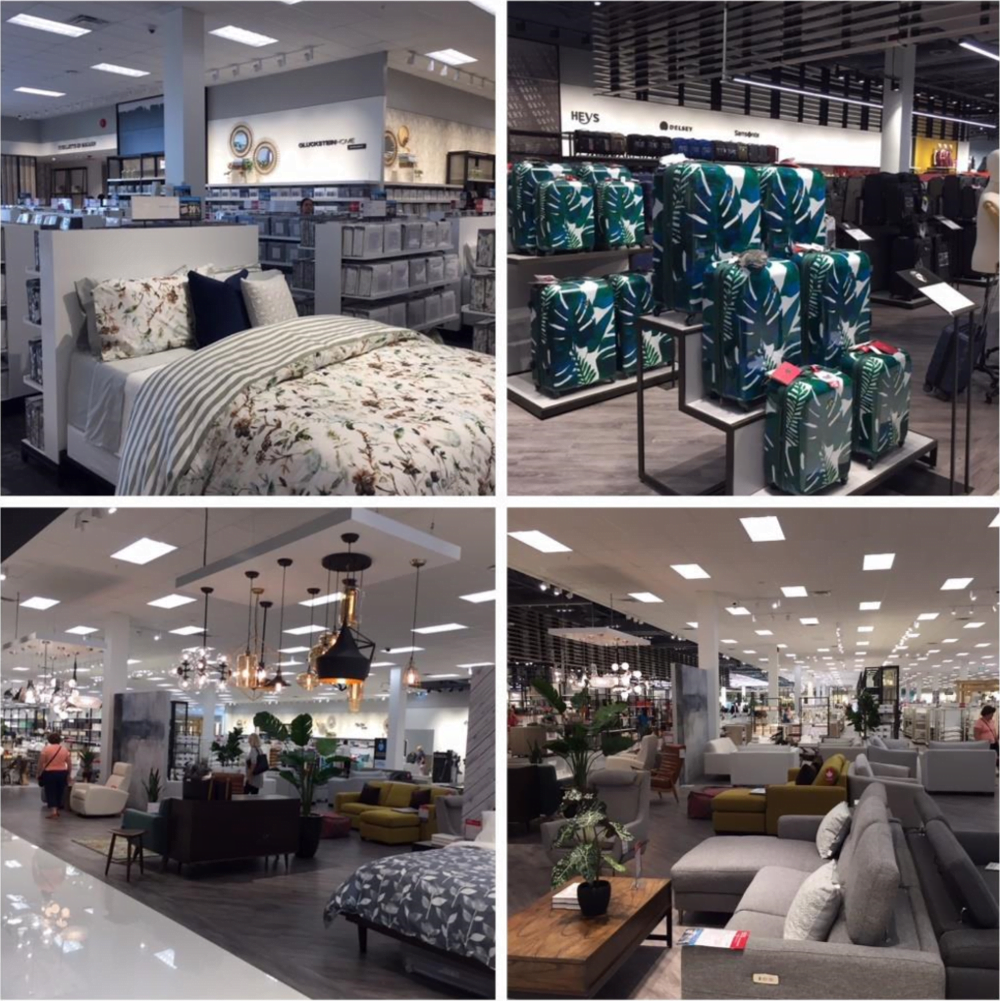
Toronto-based department store chain Hudson’s Bay has opened its first newly-built store in almost 15 years in a suburban Montreal shopping centre. The opening represents something that we’ll be seeing a lot less of in Canada moving forward — a traditional department store opening a new location, at a time when mall landlords are looking to other concepts to anchor and draw-in consumers.
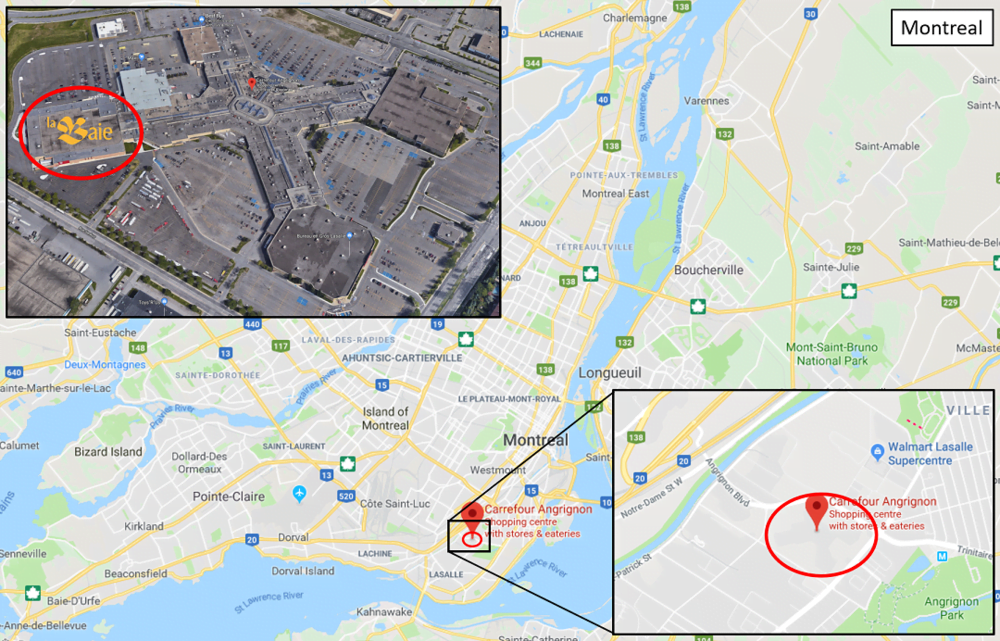
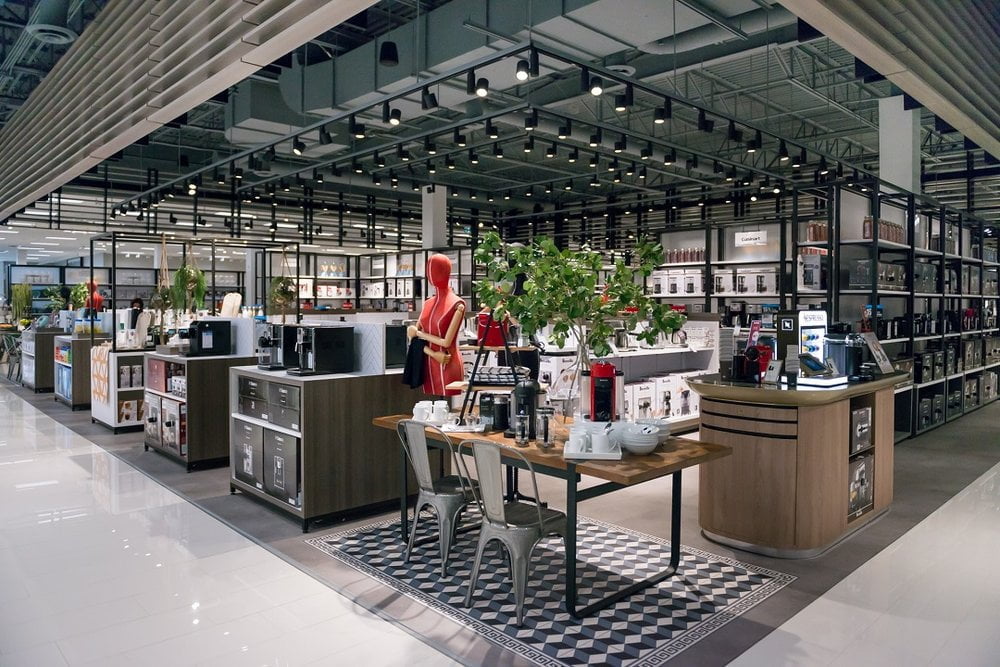
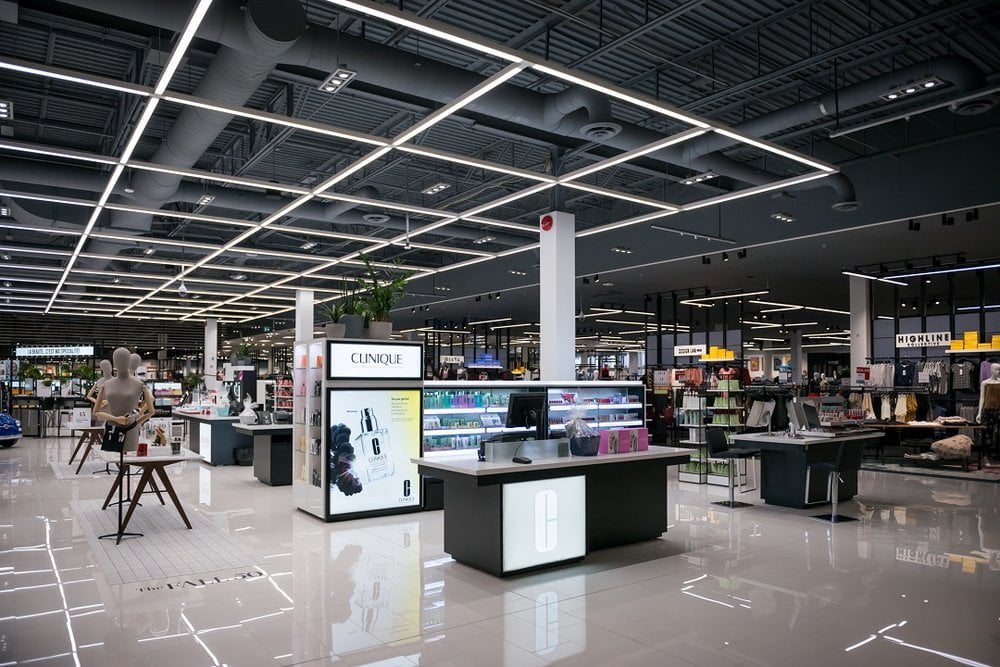
The 129,000 square foot Hudson’s Bay store is located at the Carrefour Angrignon Shopping Centre in LaSalle, located about six kilometres south of Montreal’s downtown core. The new store features the typical departments found at Hudson’s Bay including fashions for women, men and children as well as footwear, leather goods and accessories, major home fashions and Hudson’s Bay’s new toy department. The store also features an expanded assortment of beauty and cosmetics. Its design reflects Hudson’s Bay’s updated interior aesthetic which features bright lighting and attractive interiors — some existing stores have seen such renovations, though many suburban stores leave something to be desired.
“We’re excited to extend the Hudson’s Bay footprint in Quebec with our opening in LaSalle,” said Alison Coville, President of Hudson’s Bay. “Hudson’s Bay prides itself on providing new and exciting experiences for our customers and we look forward to joining the LaSalle community.”
The last time Hudson’s Bay opened a new full-line store was in the year 2003 when it unveiled its 212,000 square foot location at CF Polo Park in Winnipeg. That store replaced a former Eaton’s location in the mall.
The store’s grand opening over the weekend featured Vanessa Grimaldi of ABC’s “The Bachelor,” who hosted the store’s official ribbon-cutting ceremony. There were also appearances throughout the weekend by Canadian Olympic Athletes Max Parrot, Philippe Gagné and Joseph Polossifakis, as well as Celebrity Chef Chuck Hughes.
The new Carrefour Angrignon Hudson’s Bay replaces a Target store which operated in the mall for a couple of years — Target exited the Canadian market in early 2015 after a disastrous expansion which saw it lose billions of dollars in the process.
Carrefour Angrignon spans about 850,000 square feet, making it one of the largest fashion shopping malls in the Greater Montreal area — it services the trade areas of LaSalle, Nuns’ Island, Montréal, Lachine, Montréal West, N.D.G., Côte Saint-Luc, Dorval and Châteauguay (representing a population of about 612,000 people). Annual sales are in excess of $430/square foot according to landlord Westcliff’s leasing site, with the centre seeing about 6.5-million visitors.
Hudson’s Bay operates 12 stores in the Montreal area, including a 650,000 square foot multi-level flagship in the city’s downtown core, as well as smaller units in suburban malls. That store count will be reduced to 11 this fall with the closure of its location at the Le Boulevard shopping centre — we recently profiled potential redevelopment opportunities for that mall space, with options including smaller anchors as well as larger-format food-and-beverage offerings.
We’re unaware of any plans for future Hudson’s Bay stores anywhere else in Canada at this time — department stores are something of a remnant from the past in North America, and some landlords are even saying that they’re not interested in including such traditional large anchors in their malls. There are numerous examples of this and one notable example in Montreal is the massive Royalmount project which will open in several years time. Instead of department stores, the centre’s anchors will include an expansive mix of food and beverage offerings as well as entertainment and other attractions that are expected to draw shoppers from the region.
Smaller specialty anchor stores are still expanding their operations in Canada, however. TJX Companies’ brands Winners, HomeSense and Marshalls are all expanding their base of stores in Canada, in some cases taking part of the retail space once occupied by larger retailers such as Sears Canada and Target. ‘Cultural department store’ chain Indigo is also utilizing the opportunity to replace many of its older-format Indigo and Chapters stores by building new concept Indigo-branded locations in part of the real estate once occupied by department store retailers.
Other anchors such as ‘food halls’ and similar market places are currently in vogue with mall landlords. Next month, for example, Market & Co. will debut at the Upper Canada Mall in Newmarket, north of Toronto, and others are planned as Oxford Properties and other landlords re-think their mall real estate while seeking to drive traffic to their centres with food and beverage offerings which also includes an expanded assortment of full-sized restaurants.
At one time, much of Canada’s retail sales were done in major department stores. Toronto-based Eaton’s was an important national retailer, as was Simpson’s and Sears (which at one time operated under the same ownership). Regional nameplates such as Woodward’s in Western Canada, Morgan’s in Quebec and others were household names until they either went under or were acquired. Hudson’s Bay ended up buying struggling Woodward’s and Simpson’s and rebranded many of those stores to its Hudson’s Bay nameplate (if locations were kept open at all).
Until late last year, Sears Canada was Canada’s other traditional department store chain. After declaring bankruptcy last year, its last Canadian stores closed in early 2018.
The end of the era of department stores isn’t unique to Canada. The United States was once home to a mighty roster of regional department stores with names such as Marshall Field’s, Dayton’s, The Bon Marché, Burdine’s, Wanamaker, Bullock’s and many others — most of which were eventually converted to Macy’s stores, resulting in considerably fewer locations due to duplicity.
Founded in 1670, the Hudson’s Bay department store chain includes 89 standalone full-line department stores across Canada, as well as an e-commerce site at thebay.com. The company recently opened 10 new Hudson’s Bay-branded stores in the Netherlands, marking the first international expansion for the nameplate. HBC in its totality includes more than 480 stores and about 65,000 employees globally, and also operates banners across North America and Europe including Hudson’s Bay, Lord & Taylor, Saks Fifth Avenue, Saks OFF 5TH, Galeria Kaufhof (the largest department store group in Germany) and Belgium’s only department store group Galeria INNO. HBC has significant investments in real estate joint ventures.
The Hudson’s Bay brand has seen a remarkable transformation over the past several years, which was spearheaded by visionary and retail veteran Bonnie Brooks. She and a team helped take Hudson’s Bay more upscale by dropping hundreds of brands while adding other more popular brands, while renovating stores that were badly in need of updating. As a result, Hudson’s Bay now carries many of the brands that Holt Renfrew once carried (Holt’s itself is undergoing a very high-end transformation) and Hudson’s Bay’s repositioning makes it a competitor of Nordstrom (now with six full-line stores in Canada) and to a lesser degree large-format retailers such as La Maison Simons, which is also expanding.
PHOTO: HBC
1 of 4
Given that the increasingly upscale Hudson’s Bay chain operates 89 stores in Canada, it’s questionable if we’ll see more store closures in the years to come. The Le Boulevard location in Montreal will be closing as mentioned above, and the company is known to have numerous locations which are under-performing.
One Hudson’s Bay store in Western Canada, for example (prior to a mall renovation), saw sales of about $11-million annually — about the same numbers as the Shoppers Drug Mart store in the mall, and about a million dollars less than the much smaller Winners store in the same centre. Moving forward, the company may look to operate fewer and more profitable locations in Canada’s larger centres — some Canadian cities have several Hudson’s Bay stores scattered throughout and there are even Hudson’s Bay locations in smaller centres such as Kamloops in British Columbia, Red Deer in Alberta, and Barrie, Ontario as examples.
There’s still life in the department store concept, however, if done right — Selfridges in London, Galeries Lafayette in Paris and Takashimaya in Tokyo are examples of highly profitable and innovative department stores operating internationally, and elements of their success might be utilized to revive North America’s department stores. That is, if department store owners decide against subleasing space to non-retail uses such as WeWork, which warrants a separate discussion altogether.
We seem to be living in an era in which the pleasure of eating is quite simply overpowered by values-based narratives in food consumption. And this is happening at an astonishing pace. Vegetarianism and veganism are both coming into their own, allowing more people to “come out of the cupboard” to speak openly about and affirm their commitment to a self-imposed diet. They’re doing it for animal welfare, the environment, health — whatever factor is deemed personally important. But make no mistake: this trend is an indication that the current economy is strong.
Human psychology has shown us that consumers traditionally indulge, ironically perhaps, in times of uncertainty. The fear of food insecurity is a very powerful force. Consumers who may lose their professional situation will often treat themselves with sweets and other often unhealthy offerings, just to forget about their own reality for a while.
It appears, though, that healthy eating habits are winning over indulgence these days. Once food security is achieved for a foreseeable future, or even if it is based on pure optics, many things can change. Science serves as a reminder that the food security concept must recognize the importance of food quality in a general sense, which includes considerations of food safety, nutrition and health as well as the experiential aspects of food shopping and consumption. This is likely where we are at in our present economic cycle.
Many years ago, conversations about food were about flavours, tastes and traditions. Today, we talk more about morals and values linked to how we consume food, simply because we can afford to do so. Stock markets are on a tear, and the unemployment rate is almost at an all-time low. Food is not just about survival, but rather more about making a socio-economic statement as much as a moral one. At social gatherings, some are now made to feel as though eating meat is a crime.
In the past, consumers recognised the limitations on their ability to influence the choices made available to them, and they often seemed doubtful about the potential for collective action to work. They made little connection between threats to global food supply and their own daily consumption practices. That has all changed, due to the abundance of time we now have.
Most of our time is spent looking at a screen, a computer, phone, television, or other portable device we have at hand. Technological advances coupled with our pursuit of convenience, have given us a lot more time to think about food in a different way. Grocery shopping and cooking at home takes less time than the pre-industrial practices of hunting or harvesting. With ready-to-eat food, or even ready to cook solutions we save even more time — time now spent on developing a philosophical attitude toward food consumption. Technology makes our lives simple, and with simplicity also comes greater coherent thought and enhanced self-awareness as a consumer and particularly, as a food consumer.
In the meantime, the industry is coping, and adapting quickly. A few stunning examples: McDonald’s is offering Big Macs without the meat, and according to some sources, the Beyond Burger campaign at A&W is having great success. We also have seen changes in packaging and labels to appeal to the increasing number of consumers who are rejecting the status quo, or anything that appears disconnected with a holistic view of the world.
But it all really comes down to how the economy is doing. The current unemployment rate is incredibly low, and according to Morneau Shepell, salaries should be going up by 2.6% on average over the next 12 months. More money in the consumer’s pocket will allow them to believe they can trade up, or perhaps sideways, when making food choices. It also gives families much needed financial help. What is also enticing consumers is a weaker than expected food inflation rate across the country. Food inflation remains more than 1% lower than the general inflation rate. So, prices have been less of an issue this year, although this is about to change.
Grocers are indicating that prices will increase due to tariffs. While the rationale of raising prices due to tariffs is highly disputable, when grocers use financial updates to let consumers know prices may go up, it is a sign. Loblaw and Metro have done it, and it would not be surprising if Sobeys follows suit. Food inflation should reach anywhere from 2% to 2.5% by year’s end.
Yet, even with higher food prices, the buoyant economy allows more of us to think about the ethical, environmental and moral implications of our food choices. And we can afford to — for now.
Dr. Sylvain Charlebois is Dean of the Faculty of Management at Dalhousie University in Halifax. Also at Dalhousie, he is Professor in food distribution and policy in the Faculty of Agriculture. His current research interest lies in the broad area of food distribution, security and safety, and has published four books and many peer-reviewed journal articles in several publications. His research has been featured in a number of newspapers, including The Economist, the New York Times, the Boston Globe, the Wall Street Journal, Foreign Affairs, the Globe & Mail, the National Post and the Toronto Star. Follow him on twitter @scharleb.
“Over the last few years, how many times have you heard a retail executive say: ‘We must put the customer in the center of everything we do’? It’s a common goal, and while many brands have invested in what they believed would deliver an amazing consumer experience, their efforts haven’t always hit the mark,” says the report.
“In an era of increasing consumer expectations, technological innovation, and industry mega-disruption all converging simultaneously, it’s time to dig deeper to find out what’s really working and reflect on where brands still fall short on delivering relevant, contextual, and intimate consumer interactions.”
The report was based on a survey of more than 500 traditional retail, pure play, consumer goods, and branded manufacturing leaders from around the world.
It says rumours of the retail apocalypse are everywhere these days but the reality is that winners and losers in this landscape have emerged.
“On one hand, disruptions in consumer behavior, technology, competition, and economics have transformed the retail market considerably, and many brands haven’t risen to the challenge. On the other hand, these disruptions have opened floodgates of opportunity for brands to grow their relationships with shoppers. The continued evolution of technology, particularly in the areas of artificial intelligence (AI), machine learning, and augmented and virtual reality, generates new opportunities for brands to personalize experiences and transform internal operations,” says the report.
“Today, we find ourselves not in the midst of a retail apocalypse, but a retail renaissance. This renaissance means that brands must rethink consumer experience — and how to invest in it — to thrive.”
The report offers the following evidence that the retail apocalypse is exaggerated:
Retail spend has outperformed GDP and risen every year since 2009;
In 2017, 44 per cent of consumers reported spending more on retail than 2016. Only 14 per cent said they spent less; and
Brick and mortar is predicted to grow by $36 billion by 2022, and ecommerce is predicted to grow by $50 billion in the same period.
“There’s a solution to consumer experience woes: unlocking data to know consumers and provide what they want — time and time again, journey after journey,” says the report. “It’s time to put consumer data back into consumer experience. This data shouldn’t be macrolevel segments and driven by one-size-fits-all messaging, but should instead be informed by individual shopper preferences to tailor the most relevant journeys.”
“But data is both the solution and the problem. Survey results show that brands today aren’t able to translate data into actionable insights, hinting that they won’t be prepared to apply innovative capabilities such as AI in the years to come.”
The report says there’s reason for optimism but retail brands have to understand the key disruptions taking place in the market.
First, consumer expectations for speed and convenience are critical due to the proliferation of technology in society.
Second, the technological revolution has had a big impact – 34 per cent of shoppers say they’ve researched a product online using a mobile device while in a physical store. Also, innovations such as AI allow brands to personalize across every consumer touchpoint.
Third, competition is fierce today from a variety of different brands.
Fourth, “income and expense pressures have driven a bifurcation in consumer behavior, where growth has occurred primarily with price-based and premier brands. Those in the middle have fallen behind,” says the report.
“Consumers are enjoying limitless options in this renaissance. So brands must be laser-focused on the value proposition that matters most to their customers. Nearly 60 per cent of brand leaders surveyed said their company’s unique value proposition is based on product quality or uniqueness — compared to 11 per cent for price and six per cent for convenience,” says the report.
“As they work toward success in the retail renaissance, brands must think beyond product as a differentiator and become more granular in how they identify and satisfy customer wants and needs. To stand out from the pack that offers mediocre experiences, brands must offer frictionless engagement across marketing, commerce, and service touchpoints, from the showroom (either online or physical) to the call center to how they operate their supply chain and fulfill orders. Consumer experience involves the entire value chain — including the battleground of the last mile.”
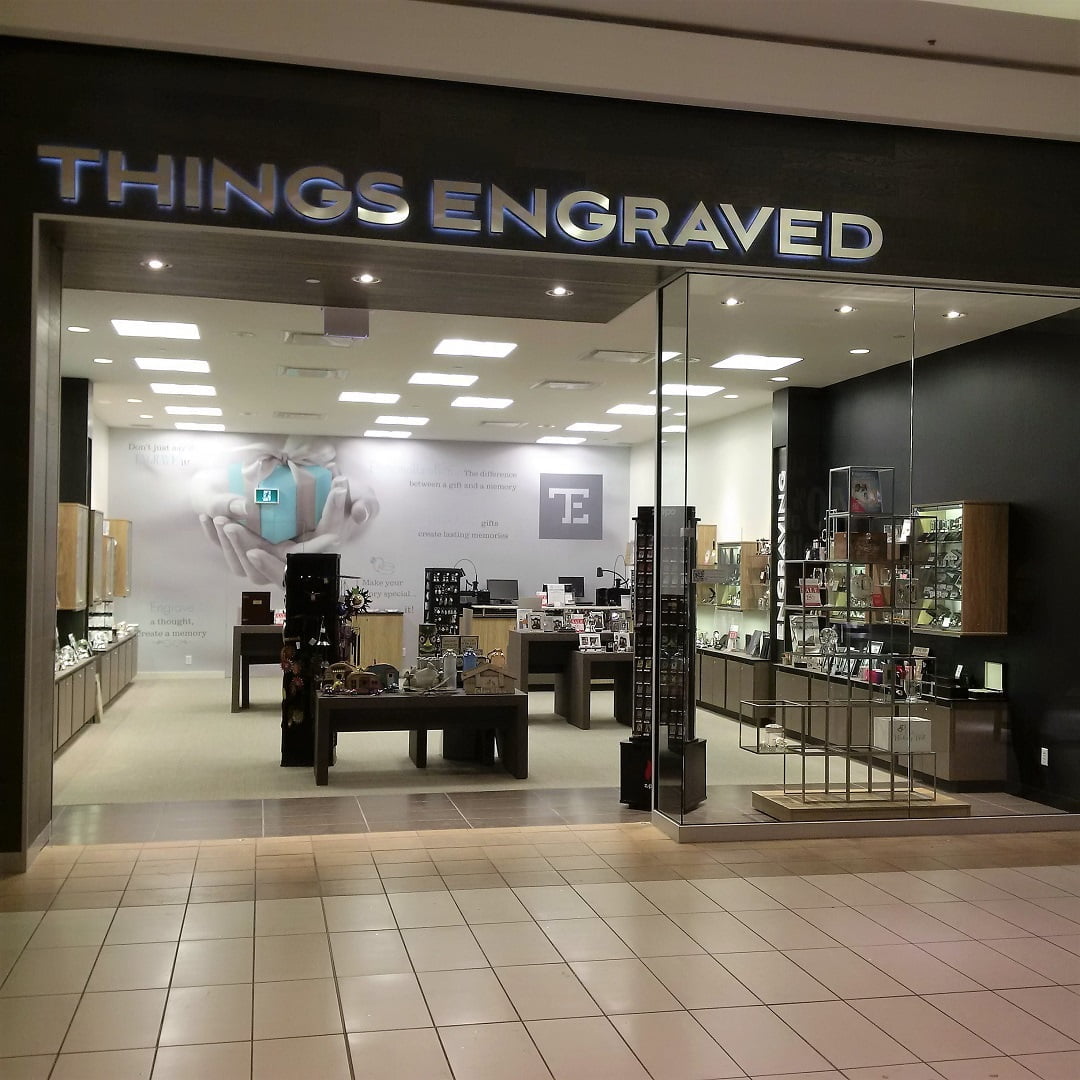
Things Engraved - CARLINGWOOD SHOPPING CENTRE LOCATION
Gift store chain Things Engraved is undergoing a transformation of sorts as it changes its store mix and expands its retail offerings.
Shawn Brock, the company’s CEO since March, said the company is squarely in the gift sector of the marketplace and that’s where it will stay.
“I think the business over the last 35 years has been focused on maximizing that engraving value proposition that we’ve always delivered. But these days there’s a lot more ways to personalize and deliver on what I think is a broader value proposition to our customers which is unique and personal gifts and gift giving experiences,” he said.
“So we’re looking at expanding well beyond sort of the engraving boundaries looking at laser etching, foiling, getting into embroidery, embroidered product. We’re looking at digital products as well as again that sort of broader scope of unique and personal, looking at our product line and our assortment as much more on-trend, on-brand and unique product, unique gifts.”
The company, which has been in business since 1982, has 87 stores across the country in every province.
“Our store footprint has shrunk slightly over the last 12 months. We actually closed down a few of our unprofitable locations. About five over the last 16 months. Largely just unprofitable locations,” said Brock. “Coming on board here it was important that we continue on a pathway of looking at a model where every store is managed locally not managed like a corporate chain like the old days. But really making sure that every store is profitable, every store’s in tune with its local community, local economics.
“We’ve actually been looking to reduce the store footprint to get rid of that unprofitability but strengthen the stores that we keep open.”
He said two new stores will open this fall at Square One in Mississauga and one in McAllister Place in Saint John, New Brunswick.
“We’re not necessarily following the old model that more stores equals more revenue or more profit. But really to as we close less profitable we’re being very tactical in looking for the right new locations to open up. I think over the next year we’ll probably have around that 85 to 90 store mark between the net openings and closings,” added Brock.
He said today’s world doesn’t necessarily look at personalization the way it did 30 years ago.
“Today it’s taking lots of other things and making it your own. Putting your unique spin, putting your own brand on it. Making it feel like it’s part of your own identity,” said Brock. “So if we look at our value proposition a little more broader based than just things you can engrave we can embrace the YouTube generation and the digital native that’s out there.”
“We want to keep beefing up the experience in our online store including having things like having online only products where our brick and mortar stores become great curated showrooms for our online offering and by person so that our online customers can do things like pick up their orders in store, know if they want or need extra help there’s a store virtually near them no matter where they’re at in the country,” said Brock.
“We’ve been in business since 1982. Although the company had its roots in key cutting and accessories, the new business model was really about finely curated unique and personalized gifts, which, initially, was relatively easy to encapsulate as ‘engraving’. But times have changed, so we’ve adapted by adding to our personalization techniques with 3D lasering, etching, foiling, and embroidery.
He said the retailer is also looking at dye additions, sublimation, digitalization, signature and exclusive products and designs.
“Up until now, we’ve largely stuck to traditional branding and marketing, in just about every sense of that phrase. But going forward, we are going to expand our message and start tapping into action and emotion, aspiration and identity, in everything we do – including product.
In my mind, if we’re not moving the customer, we’re losing the customer. And we’re evaluating every touchpoint we have to ensure we’re consistent and clear,” said Brock.
Things Engraved Inc., headquartered in Kitchener, is owned by Serruya Private Equity Inc., a Toronto-based global investment firm that invests in a broad range of asset classes.
The contest is open to all retailers across North America now until October 3, 2018. Interested retailers can visit the Lightspeed website to enter, and the final draw takes place on October 4, 2018.
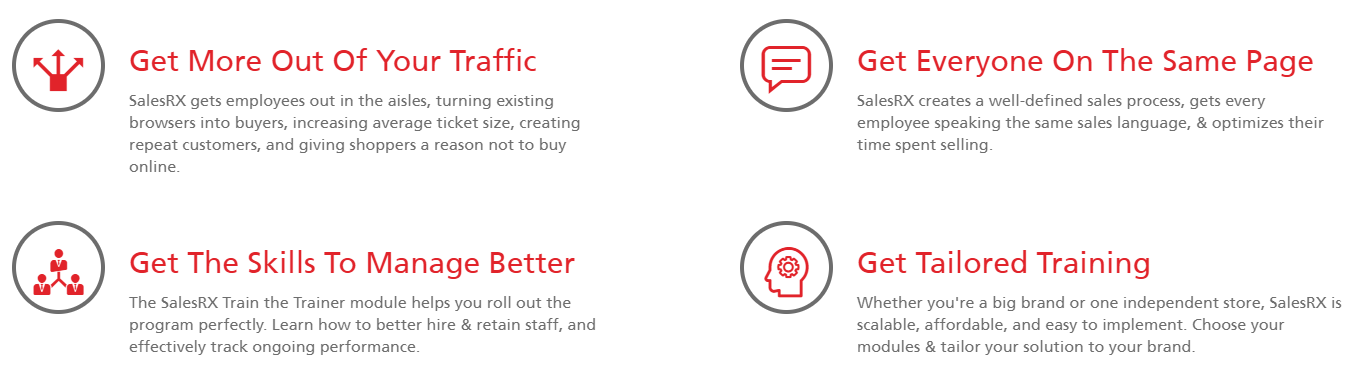
Built-in employee progress monitoring and reporting.
Bob Phibbs is an internationally recognized retail sales consultant. He has offered personalized training and conducts seminars throughout North America, South America and Europe for a wide range of retailers, including plenty of independent retailers that are looking to get ahead at a time of unprecedented retail competition. Lightspeed and Bob share a common vision of empowering independent retailers and helping them make their businesses successful.
“I’m thrilled to be working with Lightspeed. They, like me, are trying to find a way to help retailers be more successful. They know how important constant training is to succeeding in the competitive and changing retail world,” said Mr. Phibbs in a statement to Retail Insider.
As well, The Retail Doctor and Lightspeed will be hosting a webinar on September 10 to give retailers more tips on what they should be doing to prepare for the upcoming holiday season.
Founded in 2005 by entrepreneur Dax Dasilva and now with more than 600 employees, Lightspeed processes more than US$15 billion annually in more than 100 countries. The company continues to innovate and recently introduced Lightspeed Analytics, which is geared towards independent retailers and is designed to provide retailers with insights and recommendations into their sales, inventory, employee performance and customer behaviours, with an aim of providing retailers a competitive edge in their industry. We recently profiled Lightspeed Analytics at length in a previous article.
*Lightspeed is a valued sponsor of Retail Insider. To work with us, email craig@retail-insider.com.
Craig Patterson, now based in Toronto, is the founder and Editor-in-Chief Retail Insider. He’s also a retail and real estate consultant, retail tour guide and public speaker.
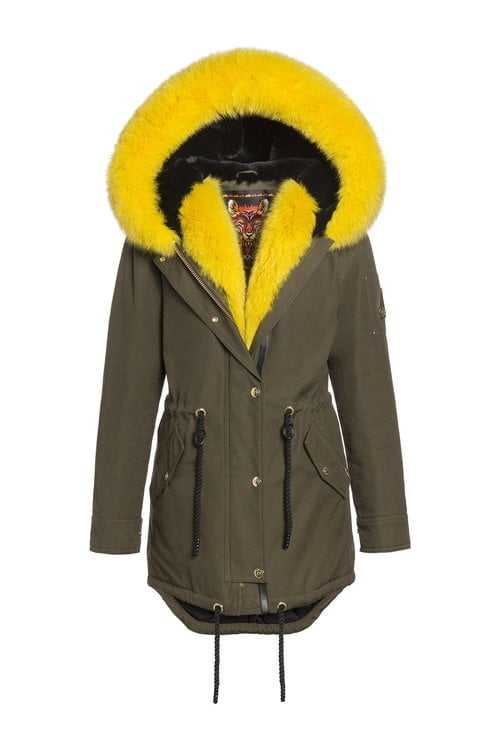
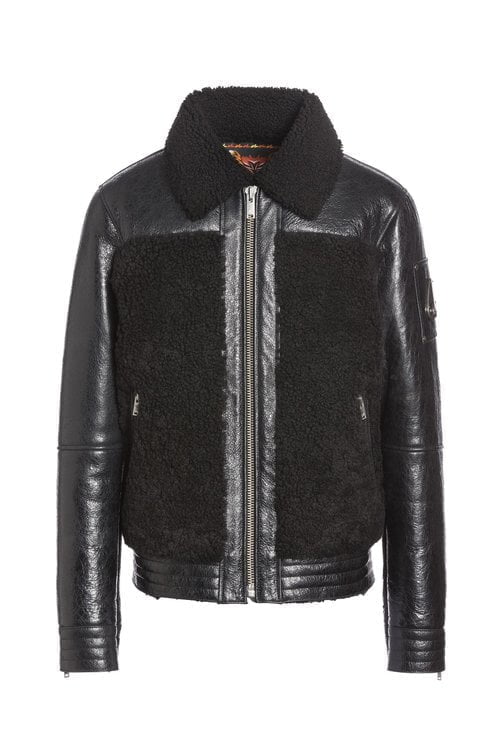
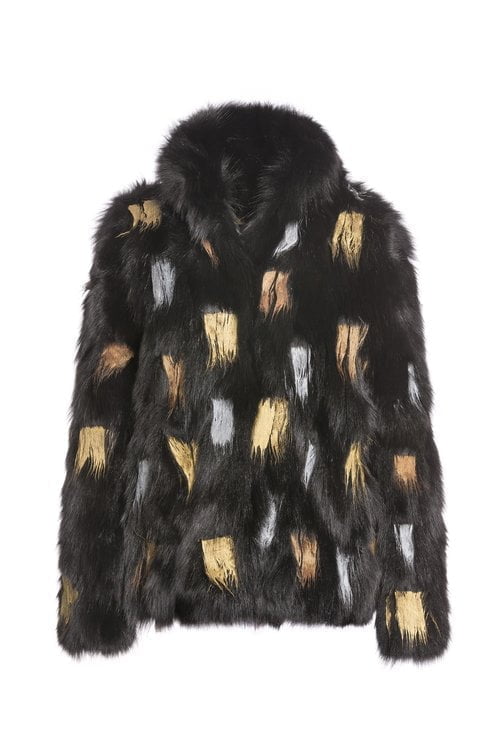
Popular Canadian fashion and outerwear brand Moose Knuckles, which has recently expanded its operations to include standalone stores in Canada, has been ranked as the top parka brand in terms of having the highest thermal insulation value in a scientific university study that tested Moose Knuckles with jackets from Canada Goose, Mackage and Woolrich.
The purpose of the study was to measure the thermal insulation value of cold weather garments tested with a base ensemble and determine the temperature ratings for comfort. The basic idea was to measure the resistance to dry heat transfer from a sophisticated heated thermal manikin to a fairly calm, cool environment. The thermal resistance (insulation) value was then used in a body heat loss model to determine the air temperature for comfort.
YORKDALE STORE. PHOTO: MOOSE KNUCKLES.
A manikin in the shape and size of a “typical man” with 20 independently heated thermal zones was utilized for the study. The manikin was first dressed in the base ensemble garments (shirt, jeans, underwear, socks, athletic shoes, gloves, and hat). To conduct a test, each jacket was put on over the same base ensemble garments and all closures were secured. Jackets with a hood were tested with the hoods either detached (if possible) or rolled-up and pinned off the back. The dressed manikin was then heated to a constant surface (i.e., “skin”) temperature and allowed to come to thermal equilibrium in a controlled environmental chamber. The results of the test indicated the total insulation value, or “warmth”, of the clothing ensemble. The higher the thermal insulation (clo) value, the warmer the ensemble.
The insulation values obtained from the manikin test for each jacket were also used in a body heat loss mathematical model to predict the lowest environmental temperature for comfort at different activity levels. In other words, a temperature rating was assigned to each jacket. According to the study, results were realistic because the jackets were worn over other clothing that was representative of garments that a reasonable person might wear with the jackets.
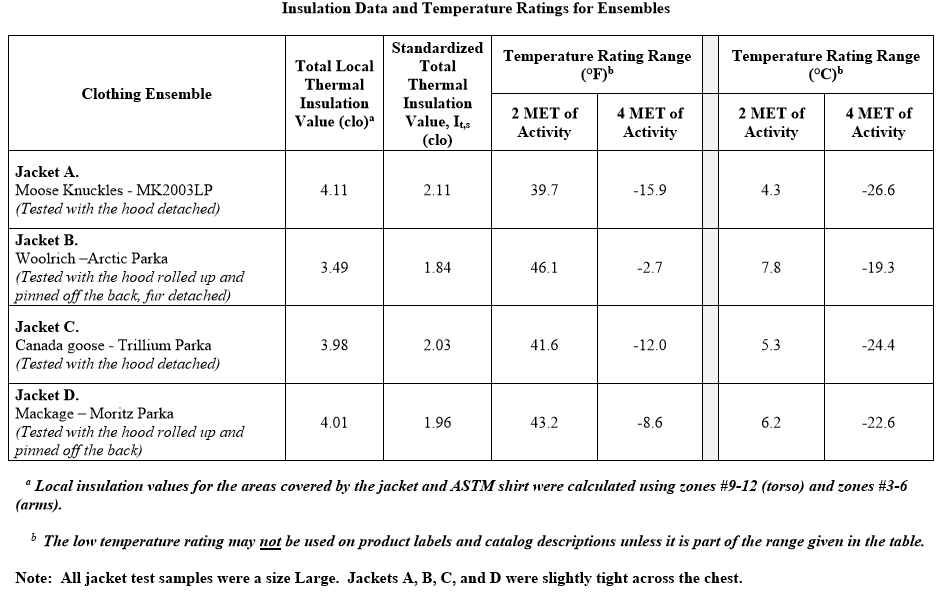
The Moose Knuckles MK4661MP parka came out on top with a thermal insulation value of 2.11 clo, versus 2.03 clo for the Canada Goose Trillium Parka, 1.96 clo for the Mackage Akiva Parka, and 1.84 clo for the Woolrich Arctic Parka. The corresponding temperature ratings for low activity levels (for example, walking slowly) were 4.3°C, 5.3°C, 6.2°C, and 7.8°C respectively. As part of the rigorous testing which the university conducted, the thermal insulation values for just the torso and arms of the manikin (i.e., only those areas covered by the jacket and base ensemble shirt) were also compared. Again, the Moose Knuckles parka ranked tops (4.11 clo) with second-place going to Mackage (4.01 clo), third place to Canada Goose (3.98 clo), and fourth place for Woolrich (3.49 clo).
The findings are a further feather-in-the-cap of the rapidly expanding retailer, which opened its first standalone store in North America last winter and has plans of immediate expansion within Canada and the United States.
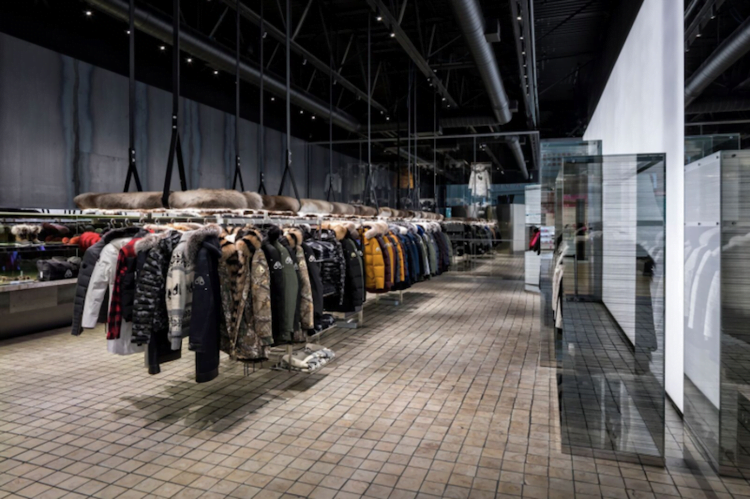
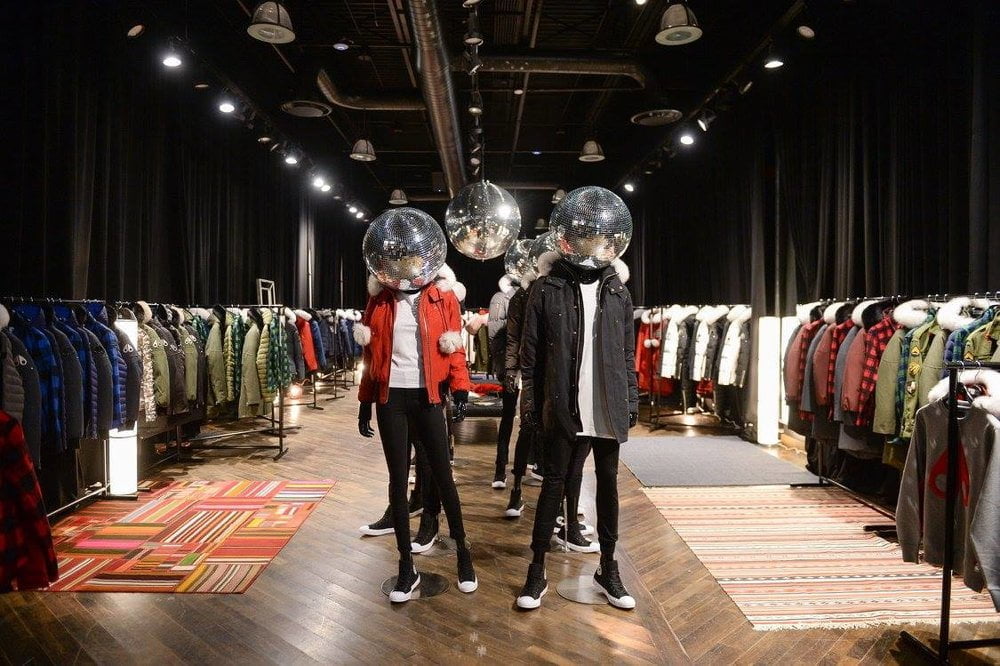
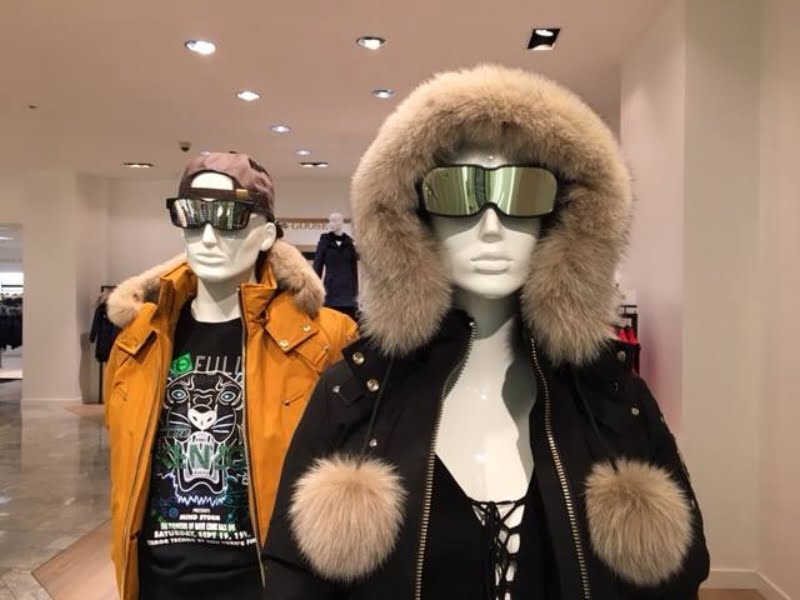
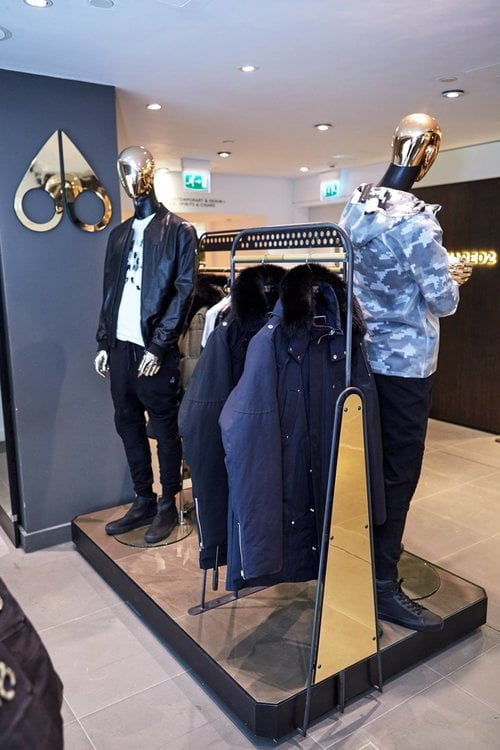
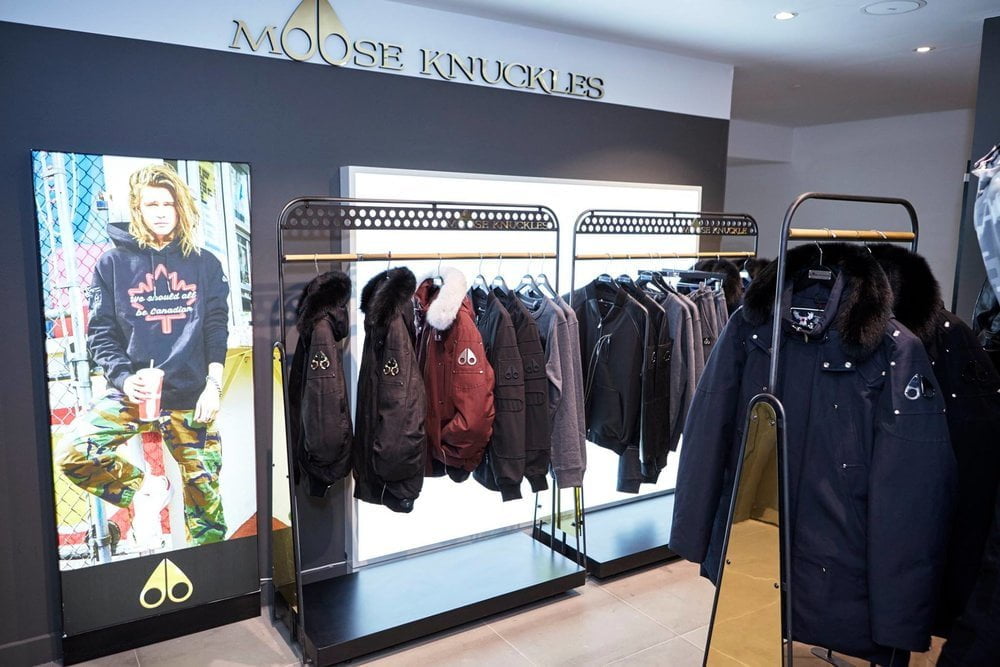
The very unique Yorkdale Moose Knuckles store, located in the mall’s 2016 expansion wing that is anchored by Nordstrom, was designed by award-winning firm Burdifilek. Details of the retail space include real wood tile flooring, a wall is clad in raw steel, and there’s a deerskin couch covered in vinyl — it was explained that it was a take on ‘grandma’s sofa’. Stan Vyriotes and David Wedermire of brokerage DWSV Remax Ultimate Realty Inc. represented Moose Knuckles in its lease deal with landlord Oxford Properties. Prominent retail consultant Andrea Elliott of r2 retail sources acted as advisor for the store’s retail portfolio.
Moose Knuckles’ CEO Noah Stern described the Yorkdale store as “A unique environment using many custom materials that had never before been used in a retail space. I was very demanding, and they delivered. Given the complexity of the build, I oversaw every step of the production and practically made Yorkdale my home for a few months.”
IMAGES ABOVE AND BELOW: MOOSE KNUCKLES
1 of 4
1 of 4
Mr. Stern went on to discuss why Moose Knuckles sought to get the word out on the warmth of its jackets. “One day, I was in line at Starbucks across from our flagship, and I overheard these 2 young dudes in front of me in line talking about purchasing a winter coat – 1 of them needed something new. They talked about a few competing brands not having the “cool factor”. Then they mentioned Moose Knuckles. My ears stood at full attention. The guy who needed a coat said “Moose is high on cool factor, love the fashion and the vibe, but not sure whether Moose will keep me warm enough. I think I am going to buy a Canada Goose, not as high on cool factor but for sure warmer”.
“Man was I PISSED. I run the production for Moose and have been in and around coats my whole life, being a 4th generation “coat-man” (my great-grandfather having started in the coat business in 1921). I knew we had the best product – we use the best materials, are the most highly engineered, the most highly constructed and tailored, and in my opinion offer the warmest core products on the market. Our customer was trusting us for our fashionability and fit, but did they really appreciate the quality and warmth? Why should the customer trust one man’s opinion?”
The Kansas State University study no doubt reflects the warmth factor of Moose Knuckles’ winter garments.
Ayal Twik, President of Moose Knuckles, explained how “the Moose Knuckles store in Yorkdale is located in one of the most premier luxury outerwear corridors in the world. When someone is shopping for a luxury winter coat, there is no better place to go.”
Being known as an edgy fashion brand has its challenges and he went on to say, “What always bothered us in an environment with so much consumer choice, was that since Moose had such a fashion point of view the knock against us was that we could not be both fashionable AND technical. We know our coats are built like tanks and are able to withstand any climate”. With the study’s findings, he said “We are happy to see that these independent lab results prove that we are warmer than the most trusted brands out there.”
Moose Knuckles is a fairly new brand — it was founded in Toronto in 2009, by Will Poho and Mark Peros, and much of its manufacturing is done in Winnipeg. The company endeavours to make “the leanest, toughest and most luxurious sportswear in the world,” and its product lines include a range of weatherproof coats, lightweight jackets, knitwear, shirting, and accessories.
SAKS FIFTH AVENUE STORE IN CHICAGO. PHOTO: MOOSE KNUCKLES FACEBOOK
PHOTO – MOOSE KNUCKLES FACEBOOK
HARRODS BOUTIQUE.
1 of 4
Quality is key, with special attention paid to tailoring, materials and hardware — luxury-grade fox fur from Finland is used as trim, and 600 to 700+ fill power gray duck and goose down is used as a thermal insulator. Moose Knuckles products are available in some of the world’s top retailers and in North America, the brand’s clothing is available at Holt Renfrew, Sporting Life, Saks Fifth Avenue, Nordstrom, Neiman Marcus, and other leading retailers, and it’s also available globally at prestigious retailers such as Globus in Switzerland, Breuninger in Dusseldorf, de Bijenkorf in Amsterdam, 10 Corso Como and La Rinascente in Milan, Selfridges and Harrod’s in London.
As Moose Knuckles continues to gain brand awareness and fans in Canada and around the world, the brand is expected to continue with a careful roll-out of standalone stores to compliment its wholesale network. Burdifilek’s Diego Burdi and Paul Filek explained that the new store was designed to embody the Moose Knuckles brand, in a way not possible in a multi-brand retailer where Moose Knuckles might otherwise have a wholesale presence.
As well, the Yorkdale concept is designed with an aesthetic that would fit in if the brand were to open stores in markets such as Paris, Milan or Tokyo, for example.
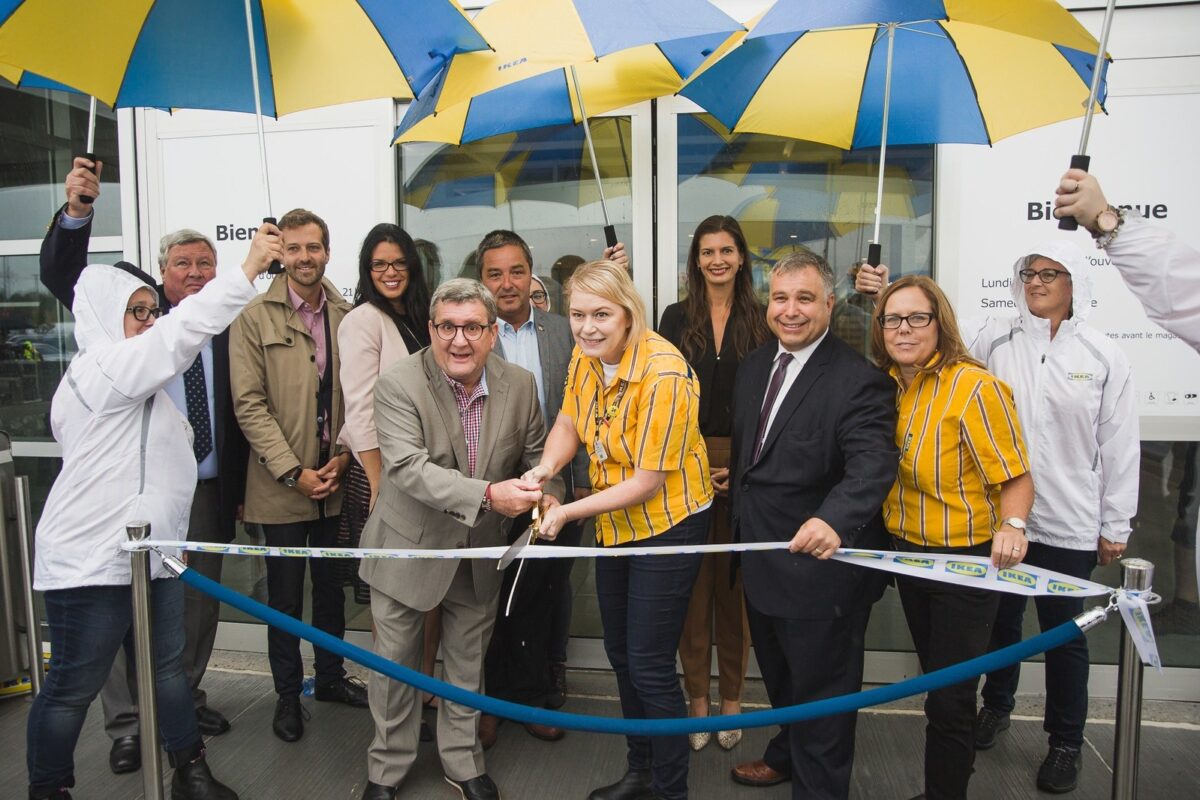
Canadians are known to be fans of Swedish retailer Ikea, and Quebec City residents are no doubt particularly enthusiastic. An estimated 4,000 people waited at the doors for a 9:00am opening on August 22, which might be attributed to promotions and giveaways, not to mention an affinity for the brand. What’s remarkable is hundreds had arrived the night before and had already lined up by 6:00am on a gloomy rainy day — photos in this article show the blue and yellow Ikea umbrellas that visitors were provided to keep themselves dry.
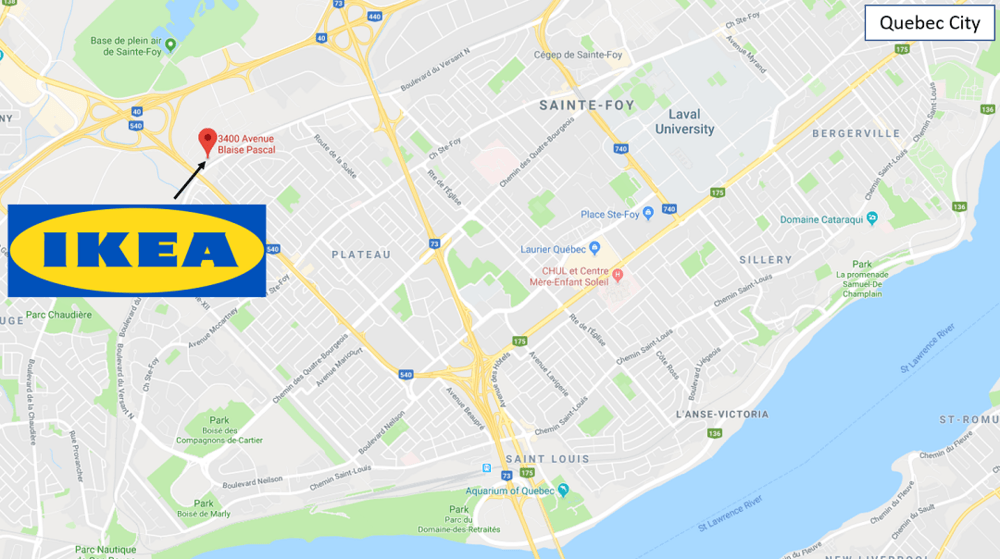
Quebec City’s new Ikea is located at 3400 Avenue Blaise Pascal, near the junction of Highway 40 and Highway 540 west of Quebec City, which is south of the Quebec City Jean Lesage International Airport.
IKEA Quebec welcomes thousands through its doors on opening day (Photo Credit: Stéphane Audet) (CNW Group/IKEA Canada)
The store’s parking lot was reportedly already full at 3:00am, and a line wrapped around the building. Part of the reason for the excitement were some freebies — the first 300 visitors were eligible for a $50 gift card, and $1,000 gift cards were raffled off every 15-minutes or so. Diamond Integrated, in partnership with Headspace Marketing, helped promote the opening including giveaways as well as an expansive awareness campaign.
The massive 340,000 square foot store, the 14th Ikea location in Canada, replaces an Ikea ‘pick-up and order point’ which opened in December of 2015 (and closed on August 13 of this year in anticipation of the new mega-store opening). According to Anika Lenoir, the new store’s manager, the former Quebec City pick-up and order point was the top globally in terms of sales — crowds at the large-format store’s opening indicate that the Quebec City market will continue to be enamoured by Ikea now that its entire offerings are in the region.
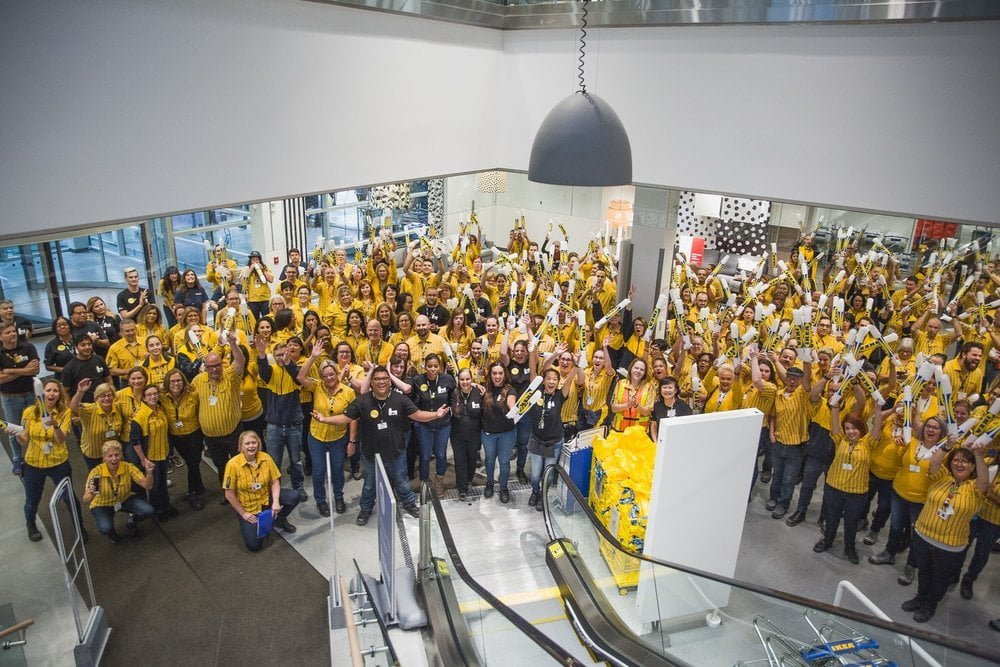
The new store employs more than 280 people (half of which are full-time), in addition to the roughly 500 indirect jobs that were created during its construction. It includes a ‘showroom’ and ‘market hall’ as well as a 500-seat restaurant (known for its Swedish meat balls) and a ‘Småland’ children’s play facility. There are 50 ‘inspirational room settings’ which the company said reflects life in Quebec. The store also offers the typical home delivery, assembly, planning and returns that are characteristic of Ikea’s Canadian stores.
IKEA Quebec welcomes thousands through its doors on opening day (Photo Credit: Stéphane Audet) (CNW Group/IKEA Canada)
Getting the word out was key to the success of the store’s opening — that’s according to Eric Blais, President of Headspace Marketing, which helped promote the new store via a multi-channel campaign that included signage throughout the city, as well as gift cards and special prizes. He also attributed the crowds to the fact that the city has been waiting patiently for more than two decades for a new full-line store and the success of the pick up and order point.
The former Quebec City pick up and order point location measured 39,554 square feet, according to the company, and offered something of a ‘click-and-collect’ experience. Customers could come into the store and browse product online (or do so from home) and pick it up at the collection point. The retail space also offered access to almost 100 of Ikea’s most popular items that were available for immediate takeaway. The new store, in comparison, stocks nearly 10,000 products.
The new store is also LEED certified with a particular focus on energy efficiency and waste avoidance. It features a solar wall, electric vehicle charging stations and LED light sources throughout the property.
Ikea is a behemoth, with 357 stores in more than 29 countries worldwide. The company says that a whopping 817-million people visit Ikea stores annually. The company was founded in 1943 and its business philosophy is “to offer a wide range of products of good design and function at prices so low, the majority of people can afford them”.
In Canada, Ikea operates 14 full-sized stores, six ‘pick-up and order points’, and 17 ‘collection points’. The company says that about 28-million people visited its Canadian stores last year (Canada’s population surpassed 37-million people this week) and the Ikea.ca website is said to see 95-million visitors annually.
The massive store is expected to be successful, given the enthusiasm as well as the incredible success of the former pick-up and order point. What’s interesting is Ikea once had a store in Quebec City spanning about 110,000 square feet, but the franchised location closed in 1996.
Ikea is expected to continue to open stores of varying sizes in Canada as it continues to gain market share, and secure real estate. The company had announced that it would be opening a full-sized 270,000 square foot store in London Ontario, but those plans have been put on hold as the company studies “new solutions” — the company is still said to be purchasing land on the PenEquity site, though details as to what’s going there are unclear at this time.