Advertisement
Home Blog Page 1082

Unique Retailer ‘Hodge Podge Toys’ Relocates for Growth

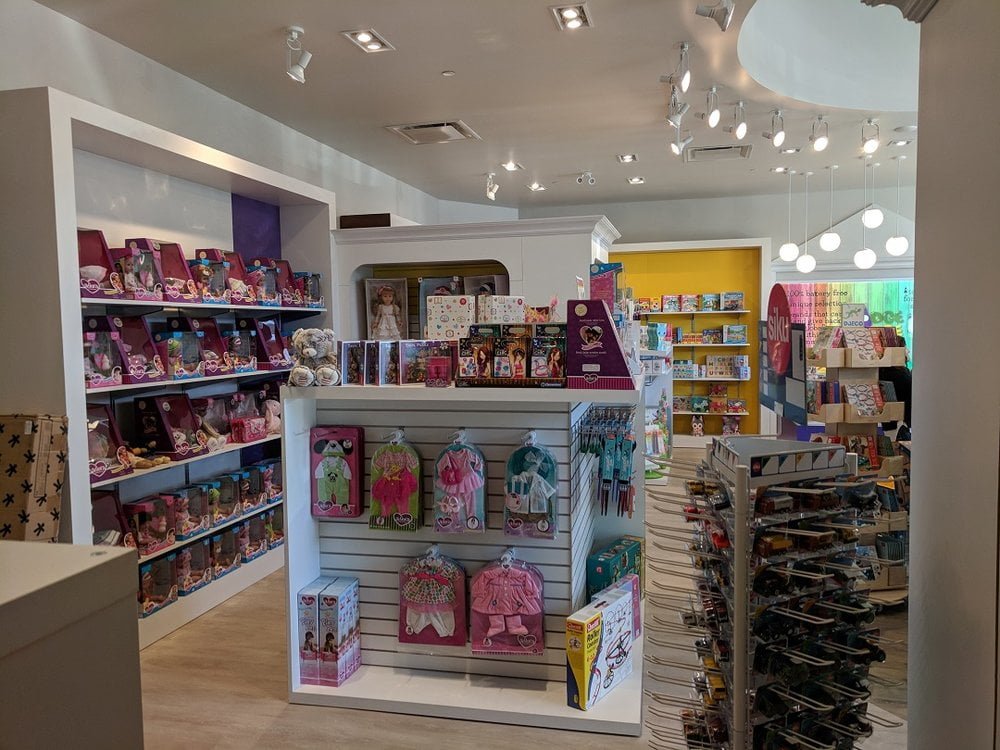
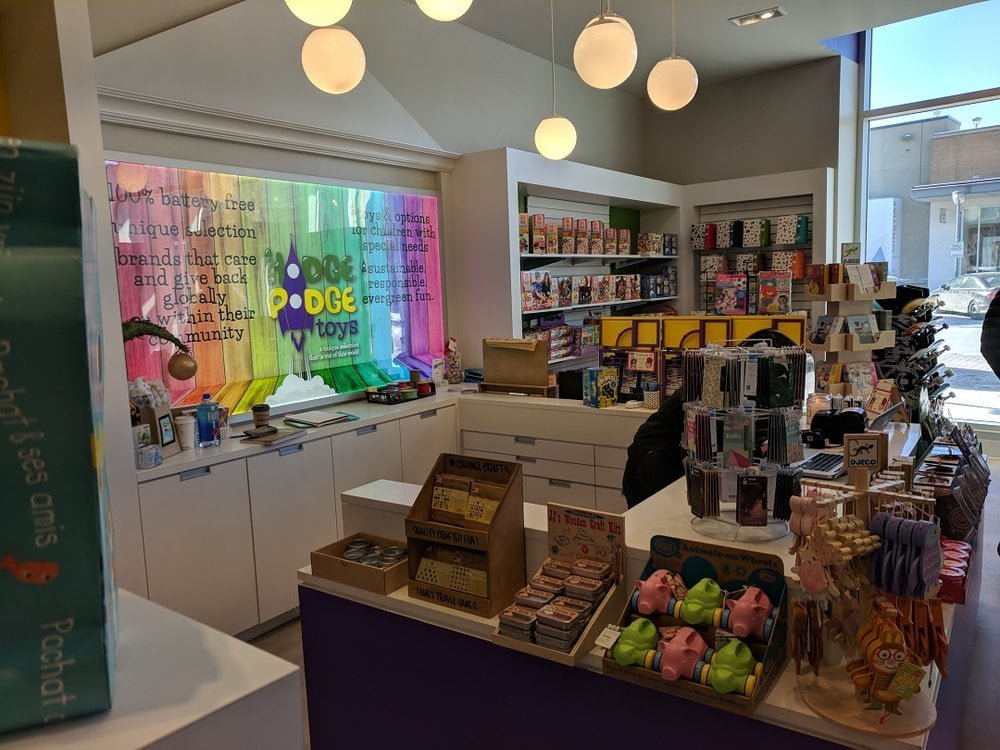
Hodge Podge Toys (Image: Built It By Design)

As the mother of three “gregarious” children, Shafina Hayat was juggling working in the corporate world with being a mum.

Then she spent 10 years raising her family.

But when her youngest started going to school, Hayat was looking for something to do for herself.

“Starting my own business had been a lurking desire for a long time, so I contemplated the idea,” says Hayat, who founded Hodge Podge Toys in 2014.

PHOTO: BUILD IT BY DESIGN

The unique retail outlet began its operations in Unionville but when she realized she wanted to grow the business, the toy retailer recently moved into CF Shops at Don Mills in Toronto.

The store now operates in about 1,000 square feet, and was built by leading Toronto-based construction firm BUILD IT by Design

“As a parent I just wanted to be a better consumer. I wanted to know more about what my kids were playing with and what the toys were made of,” says Hayat, the company’s CEO. “So I really started to research it for myself 15 years ago.

“Once all my kids started going to school full-time I kind of thought okay I don’t want to go back corporate so what would I really like to do that’s really fun and that I’d really enjoy. I recognized I knew at least a little bit of what I wanted my kids to play with. So I thought why not a toy store.’

PHOTO: BUILD IT BY DESIGN

She says the premise of the store is to offer parents quality toys.  Hodge Podge Toys is 100 per cent battery free. Most products are made in the United States, Canada, Europe, India, and Japan and productions which are also outsourced.

“I’m trying to be conscientious of companies that outsource. I try to bring in companies that are registered members with ICTI (International Council of Toy Industries) or those who own their own factories in the outsourced country or have representatives from the developing country residing and managing the production of the products,” says Hayat.

“I’m trying to ensure that fair labour practices and product quality are being instilled by the manufacturers. It is very hard to stick to this ideal, and with tech toys almost impossible. It’s not perfect or even close to it, however I’m trying to make a small change and learning everyday. I have tried to find companies that take pride in their products and their brand.”

Hayat says Hodge Podge sells quality products and ones that are not regularly found in stores. They’re a little more higher end in terms of price point “but then again the quality is something you’re not going to find in a lot of stores.”

“We also offer an inclusive shopping experience. By that I mean we do offer toys for children with special needs as well,” adds Hayat.

“I also like to feature companies that give back. By that I mean, companies that care about the materials they use, labour standards, packaging and giving back within their own community or to the global community.”

The move to the new location at the Shops at Don Mills has been very good for Hayat and the store.

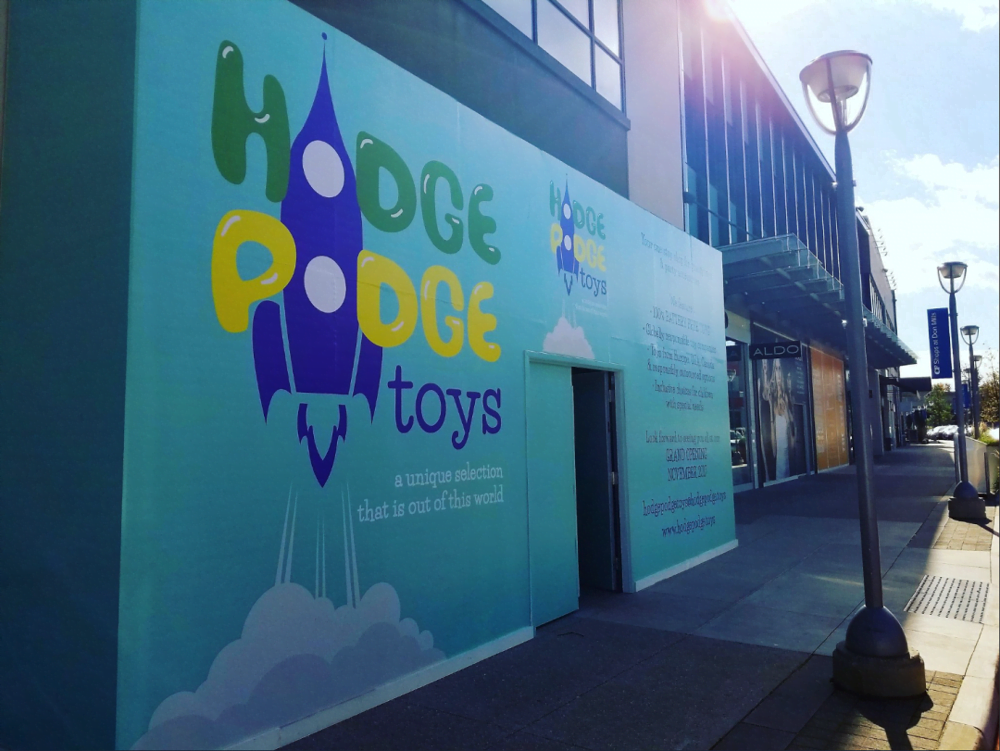
CONSTRUCTION PHASE AT SHOPS AT DON MILLS (FALL 2017). PHOTO: BUILD IT BY DESIGN

“I think it was the right move as far as growing the business . . . I want the store to be a very sought-after brand and I don’t want it to be in every neighbourhood. So for me being in this location is wonderful because I have customers that come from Leaside. I have customers that come from Bridle Path in Toronto. The East End as well,” says Hayat. “We’re centrally-located and easy to get to and traffic has definitely increased tenfold.

“I’m hoping to branch out perhaps to one more location in Toronto. I’m not too sure if I’m even going to do that. But I do want to branch out into the States and maybe other provinces in Canada.”

She’s not interested in launching into the ecommerce space.

“Just because it’s not realistic. Just because I cannot keep up with the online. I cannot keep up with Amazon. I want that old school feel of walking into a store and sharing that special moment with your child, your grandchild, whoever you’re in there with, to experience the toy and to experience the atmosphere of walking into a toy store – the colours, the sounds, all the old school sort of joys that toy stores should bring to people.

“We do really, really drive home the fact that we offer exceptional customer service and product knowledge . . . We want customers to know that they’re buying quality products and why it is that that product is being sold in our store.”

Sneaker Concept GRAIL Launches 1st Location in Canada

PHOTO: GRAIL INSTAGRAM

For people who have a passion for sneakers, the holy grail of stores has arrived.

The GRAIL to be exact – a new 3,100-square-foot sneaker concept flagship store that has just opened in Vancouver on Granville Street.

“There are a lot of brands and stores out there that develop shoes for what they call a sneakerhead customer,” said Simon Nankervis, chief commercial officer for shoe company DSW and the president of GRAIL. “We don’t think of ourselves like that. We think of ourselves as sneaker enthusiasts. Because we’re more around the fashion of sneakers and the fashion of shoes, we thought it would be really cool to be able to come up with an opportunity to bring a fashion sneaker concept into one.

Image: GRAIL

“The reality is that sneakers have now become a mainstay in almost everyone’s wardrobe. People are generally getting more educated around sneakers all the time . . . I think you’re seeing this true immersion of fashion and athleisure coming together . . . It really is around someone who’s passionate about sneakers. And what we’re really trying to do is to appeal to someone who’s passionate about sneakers but is also passionate about fashion.”

GRAIL offers vanguard global brands for sneaker fans and serious collectors alike, and a vast, anything-but-basic offering from established brands. There are about 350 different options of shoes.

Brands carried include Nike, Adidas, Puma, Vans and New Balance, with a selection of niche global brands—such as Karhu, Colmar and Leather Crown — some of which can only be found in North America at GRAIL.

Image: GRAIL

With financial backing from DSW Inc., GRAIL anticipates continued growth in two of the world’s most exciting retail segments: streetwear and fashion.

“What is it about this obsession that we have with sneakers? What drives it? Everyone sort of had a holy grail. This is the shoe that either got you obsessed with sneakers or it was the shoe that you wanted to have in your collection or something that you just saw on someone that you wanted,” said Nankervis.

“We realized that everyone sort of had this one shoe that really is the pinnacle of what they’re wanting to collect. So we came up with the idea that it’s really about what is your grail? What does that mean to you? And I think it means different things to different people.”

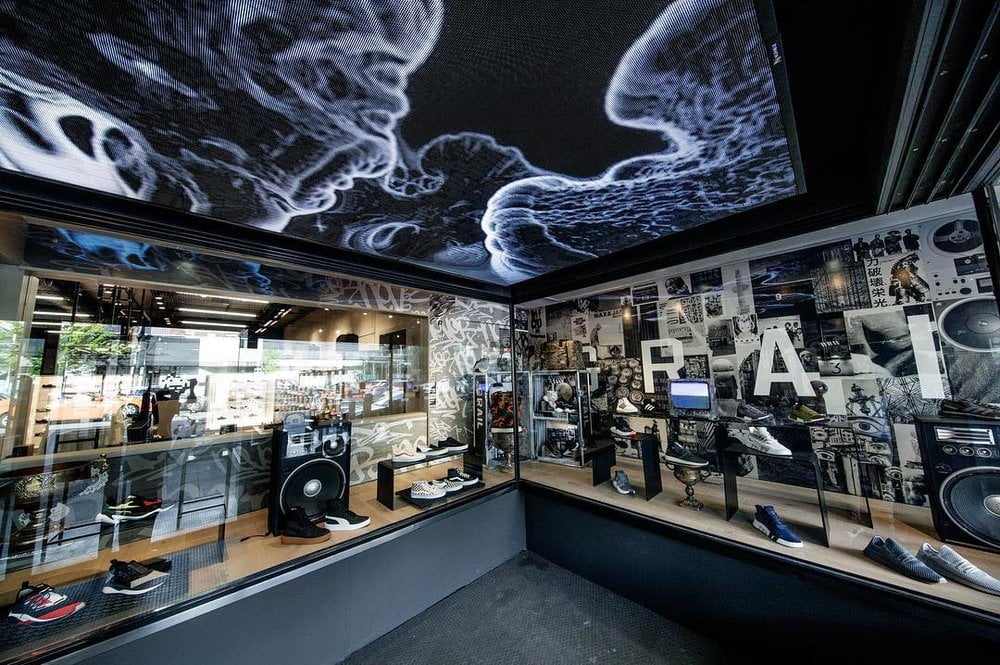
According to the company, GRAIL’s vestibule features a state-of-the-art ultra hi-res LED ceiling and surround sound — a theatre-like experience that welcomes guests and sets the tone for an evolved retail experience. The space pairs minimalist and textured design elements with slick technology. Slatted cement board walls, perforated steel panels, exposed conduits and caged LED tube lights mix with liquid crystal wall projections that switch from clear to opaque on a whim, a storefront digital countdown clock (for the next drop), and the latest in laser projection technology for window displays.

“It’s really your grail. It’s something that means a lot to you personally and why you would want it,” said Nankervis.

“For us it’s looking for those sneakers that is your grail. What does it really mean to you? If something is your grail, it’s something that really enables you to talk about it, live it. It’s a true expression that people have.”

When asked about expansion plans for the concept, Nankervis said the brand has to continue to build authenticity.

“We really wanted to bring together all of the current digital elements that are available that really enhance the shopping experience so that when a customer walks into the space they’re really feeling immersed in whatever it is that we’re talking about or engaged in selling that week or the brand that we’re featuring  . . . So we’ve created this environment where you walk in and you get this full 360-degree sensory immersion into whatever the brand is that we’re talking about at that point in time,” said Nankervis.

“As we think about how does it expand across Canada, it really is do we believe that there’s an opportunity for more? Yes we do. Do we know how many more? Not at this point in time. It really is around the way that the customer actually responds and then the way we’re able to continue to develop the relationship with the brands that we’re working with.”

Mattress-in-a-Box Retail Competition Heats Up in Canada

PHOTO: SIMBA

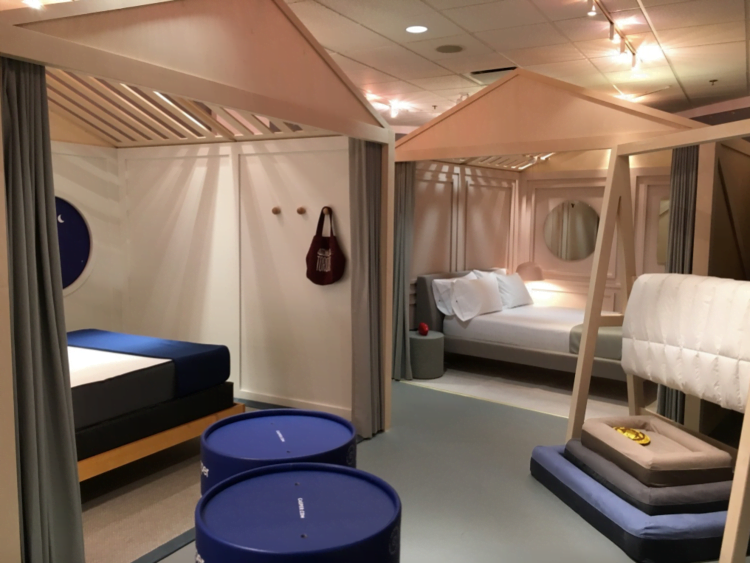
The innovative ‘mattress-in-a-box’ concept is relatively new to Canada, and already several brands are available both online as well as in brick-and-mortar stores. Sleep Country Canada is the latest retailer to introduce such a mattress to the market, and it’s the second mattress-in-a-box brand that the retailer has launched in the past year or so. 

Sleep Country Canada has just announced that it was partnering with UK-based Simba to exclusively carry the premium ‘Hybrid®’ mattress-in-a-box brand, which has sold more than 150,000 mattresses across Europe, with more than 30,000 five-star customer reviews. It’s a remarkable feat, considering that Simba only launched in February of 2016 — the company was co-founded by James Cox and Steve Reid alongside the McClements family, with its head office located in London. Prices appear to be a bit higher than some of its competitors — a queen-sized Simba mattress is priced at about $1,400, compared to $850 for the same-sized mattress that retails through popular Canadian mattress-in-a-box Endy. 

Simba says that it uses cutting-edge materials, body profiling data and technology to “reinvent the sleep sector” and it appears to be working — the company has seen a staggering 350% year-over-year growth, which it attributes to having strong direct-to-consumer e-commerce as well as partnerships with important retailers such as John Lewis in the UK. 

PHOTO: SIMBA

Stewart Schaefer, Chief Business Development Officer at Sleep Country Canada said, “Simba’s unique Hybrid® mattress in a box, combines responsive memory foam with the support of 2,500 patented conical pocket springs and is a great complementary product to our existing mattress-in-a-box online offering, Bloom.

Mr. Schaefer is referring to the ‘Bloom’ mattress that Sleep Country Canada launched last year in its stores. Sleep Country Canada now boasts more than 250 stores across Canada and it’s growing quickly. The retailer’s game-plan is to open stores in many of Canada’s major malls, following the demise of its biggest competitor, Sears Canada. Sleep Country Canada is looking to continue to dominate the mattress retail market in this country, though it has some strong competitors both domestically as well as from abroad. 

INSIDE CANADA’S 1ST CASPER STORE AT TORONTO’S CF SHERWAY GARDENS. PHOTO: CRAIG PATTERSON

Casper, which opened its first standalone Canadian store at Toronto’s CF Sherway Gardens last month, is rapidly growing its Canadian business to eventually include multiple storefronts as well as a new Canadian head-office and manufacturing facility. Casper was founded as an online retailer in 2014, and is backed by celebrities including Leonardo DiCaprio, Tobey Maguire, Adam Levine and Ashton Kutcher. 

Canadian mattress-in-a-box brand Endy, which will be launching a marketing initiative this month that we’ll be reporting on, is another competitor that also boasts exceptionally high ratings from its customers. Various other brands continue to enter the market, such as Leesa and Tuft & Needle, with more brands seemingly coming online every week. There’s even now a plant-based mattress called Haven Mattress Company, based in Kelowna. 

BRIEF: Holt Renfrew Commences Mothership Renovation, Sugarfina Opens 2nd Canadian Store

exc-5b10938caa4a993871b9bb94

Holt Renfrew Commences its Mothership Renovation

The 190,000-square foot Holt Renfrew store at 50 Bloor Street West in Toronto is about to go under the knife, as Holt Renfrew continues to upgrade its fleet of stores in Canada. The Bloor Street store is the company’s global flagship with its corporate offices attached in the neighbouring 60 Bloor Street West office tower, which is also seeing some minor renovations that has resulted in disruption at the northeast corner of Bloor Street West and Bay Street. 

Big things are planned for Holt’s — reconfigured departments, a new facade, and the likelihood that men’s wear will move back into the main 50 Bloor building when the nearby 100 Bloor Holt Renfrew Men store eventually closes. Already, luxury brand Saint Laurent has opened a street-level boutique with its own entrance onto Bloor Street, and Loro Piana unveiled its shop-in-store concession several months ago. Louis Vuitton is building a new and bigger space, Dior has temporarily relocated its accessories concession and Fendi is expected to do something bigger as part of the renovation. 

Women’s shoes has moved onto the concourse level temporarily in a bright space, while the mezzanine level is renovated. Holt Renfrew Gourmet on the concourse closed several months ago and cosmetics are expected to eventually move downstairs. The Café at Holts restaurant will be rebranded as Colette Grand Café after a renovation in a few months. Some jewellery and watch brands have moved to the second floor and Burberry has opened temporary accessory and women’s ready-to-wear boutiques. 

Holt Renfrew is upgrading its stores nationally — Vancouver’s multimillion dollar renovation is nearly complete, and the store is said to do several hundred million dollars in sales annually. The Yorkdale store in Toronto is also about to see an expansion that will see some new shops (watch for an expanded Gucci boutique and new Dior Homme concession) and of course Montreal will be in for a treat when the merged ‘Holt Renfrew Ogilvy’ is eventually completed, creating a 220,000-square foot luxury behemoth that will be connected to a luxurious Four Seasons Hotel and Private Residences.

Sugarfina Serves Up Sugary Love Just in Time for Father’s Day

Los Angeles-based luxury ‘grownup’ candy retailer Sugarfina, has opened its second Lower Mainland boutique at Vancouver’s Oakridge Centre. The 450-square-foot boutique is bursting with its chic sweetness and is located next to Swarovski, Aritzia and Gap stores. While dangerously close to the mall’s food court, it may be wise to enjoy lunch first, then head over to Sugarfina, so at least some of the delicious candies make it home!

Tony Flanz at brokerage Think Retail represented Sugarfina in the lease with landlord QuadReal

Sugarfina stores feature premium items made from high-quality ingredients, sourced directly from artisan candy makers around the globe. Customized packaging to hit niche markets is great for gift givers. For Father’s Day, the Bourbon Club collection is perfect for Dad. The Vice Collection Bento Boxes contain Single Malt Scotch Cordials, Maple Bourbon Caramels, Champagne Bears. Also offered is the Tito’s Handmade Vodka Collection, Chocolate Bacon Pretzels, and more.

The Sugarfina concept has grown rapidly, now boasting over 30 boutiques in the United States with three of those being located in Nordstrom stores. Their first Canadian store was at Metropolis at Metrotown in Vancouver last November of 2017. Watch for locations in Toronto as the brand continues to expand. 

Could this be the Most fabulous Mall Management Office in Canada?

Toronto’s Bayview Village recently finished a renovation to its management office, and it’s unlike anything we’ve ever seen. Bayview Village’s resident ‘decoristas’ worked with a leading design firm to overhaul the 2,059-square foot space on the mall’s lower-level. 

The space, which was formerly an art gallery, was completely gutted and the new layout was conceptualized by design firm DIALOG. Personal touches by decoristas Carrie DeVries (QuadReal’s VP of Retail Leasing) and Melissa Evans-Lee (National Director, Marketing & Customer Experience at QuadReal) saw the fashionable space to completion. Melissa is known to be a fashion guru (and a big fan of Gwyneth Paltrow) who has been responsible for Bayview Village’s unique ‘haute’ marketing. 

“When it came to wallpaper, paint, flooring, furniture and all decorative touches, we definitely pursued pretty in alignment with BV’s ‘haute’ brand personality”, says Melissa Evans-Lee. And the end result, says Carrie DeVries, is “not just befitting of our chic team but welcoming to the high end brands not only currently under our roof but those we hope to attract”.

Outland Denim Evolves from a ‘Denim-Project’ to Holt Renfrew’s H-Project

As part of their Good Jeans initiative, Holt Renfrew is offering a range of sustainable denim brands that are offering an alternative to the status quo. One of these game-changing brands is Australia’s Outland Denim.

In addition to help clean up the environmentally dirty denim business, founder James Bartle created Outland after an encounter with an anti-trafficking group at a music festival in Australia. He then traveled to Asia and saw firsthand how human traffickers prey on vulnerable young girls in order to service the sex industry. James and his wife created the “Denim Project,” which offers training and employment to Cambodian women rescued from human trafficking and exploitation, and sources ethical and sustainable materials for everything from cotton, to dyes, to zippers. Their denim is A+ rated sustainable and organic.

The brand launched with H-Project at Holts back in March and is now available in the premium denim sections of Holt Renfrew and online at Harry Rosen in Canada. In July Outland will roll out the 2018 must-have denim jackets as well as new styles and washes.

Heads up! In September, plans are in the works for Bartle to attend at Harry Rosen for an in-store event.

Lemongrass Spa Lovers Rejoice as Company Launches Online Shop

Hot on the heels of the March launch of their first retail location, Lemongrass House Canada’s highly popular, all-natural, handcrafted, quality spa products are now available online. The team moved up the launch of their online shop to accommodate a strong demand from outside of the greater Vancouver area.

The spa and personal care products – such as essential oils (with diffusers), body and massage oils, face creams, room sprays, soaps, teas and more, offer exotic and floral fragrances. They are all-natural (no chemicals used) and handmade. Each product is created by Thai artisans who sign each product before it is packaged by hand.

With more than 50 retail stores in 17 countries around the world, Lemongrass House products are being used in some of the world’s top hotels and spas such as Four Seasons ResortsHilton HotelsBanyan Tree and Le Meridien.

Co-owners Maxine Druker and Ben Horne chose Vancouver’s historic Gastown neighbourhood for the location of their flagship and have plans to open in Edmonton and Toronto.

ONEMETH Goes from Good to Greatest Hits with MTV Collaboration

ONEMETH GOODS, the Toronto-based brand favoured by The Weeknd and Justin Beiber, recently collaborated with MTV Canada to produce an exclusive capsule collection that celebrates the intersection of music and fashion. This collaborative collection is a departure from ONEMETH’s traditional basic items and utilizes a bold foray into new silhouettes and colours.

Launched in 2014, ONEMETH was founded by Amin Todai and his team at OneMethod, a digital and design studio based in Toronto. Key to their philosophy is a dedication to using locally sourced and locally manufactured fabrics.

The pop-up shop will be at 277 Queen Street from June 1st to 17th and will sell the exclusive capsule collection, and will showcase an immersive visual timeline of music and fashion from 1981 onwards. Hours are Monday through Friday from 11am – 8pm and Saturday and Sunday from 11am – 6pm. No word yet on whether there will be any guest appearances by celebrities but you never know!

The Body Shop Says ‘Let Us Take You to the Yogurt Shop’

Torontonians and visitors alike are invited to stop by 950 Queen Street West to visit The Yogurt Shop pop-up by The Body Shop. This two-day event – June 2nd and June 3rd only – celebrates the launch of their new game-changing Body Yogurts collection.

While onsite, guests are invited to enjoy a free dairy-free frozen treat; explore a series of unique, whimsical installations that scream ‘Instagram me’; and join The Body Shop’s Forever Against Animal Testing campaign by adding their signature to the brand’s global petition.

The Body Yogurts are 100% vegan and are made with Community Trade organic almond milk, real natural extracts, and come in delicious Strawberry, British Rose, Mango, Morgina, and Almond Milk.

If you are planning to hit up The Yogurt Shop next weekend, on Saturday they are having frozen treat fun from 12-6pm and Sunday 12-5pm.

Vancouver Duo Launch Casca to Battle Footwear Frustration

Driven by an urge to challenge footwear industry norms, reduce consumption and improve the user experience, Casca Designs launched February 2017 by industrial designer Kevin Reid and entrepreneur Braden Parker. 

These two Vancouverites wanted to change the way people moved about their day. Reid and Parker set-out to create all-day unisex performance footwear with functionality and quality materials, which were sellable at an affordable price point. To achieve the second, they eliminated the retail component and sell direct via their online store.

The direct-to-consumer approach saves consumers at least $100 on each pair, which is offered in leather and knit, in black and grey.

Casca offers a 30-day guarantee on their versatile, holistic, healthier, and high-functioning footwear. If you do not feel the Casca difference and are not swept off your feet – they will take them back – no questions asked!


Helen Siwak is the publisher of EcoLuxLuv.com Magazine, a freelance content creator specializing in retail and luxury lifestyle. She is a regular content contributor to Boulevard Vancouver (English & Chinese), Retail-InsiderBLUSH Vancouver, and has lifestyle blogged for StyleDemocracy and Daily Hive. When not writing, she is attending fashion events, traveling, and advocating for animal/human rights. helensiwak@yahoo.com.

Case Study: Cannabis Studio Design

Image: Cutler

As cannabis legislation has been changing across Canada, we’ve been working with multiple cannabis retailers to develop store designs. The industry is moving at a rapid pace as everyone learns the latest requirements and works to get project teams moving. Often the interior design and even the brand is little more than a thought when clients first come to us.

As designers of the built environment, we always find it helpful to put ourselves in the shoes of the people who will use it. This could be customers that come into the space to shop, patients waiting in a healthcare facility, or our own clients who ultimately work in and operate the space.

In an effort to put ourselves in the cannabis retailers’ shoes, we decided to develop an internal case study for cannabis retail. We paired up with our friends over at Pivot & Pilot Creative to develop the brand strategy for our fictitious store, “The Cannabis Studio” and then translated it into a store experience. Through this exercise, we developed tips for anyone getting into, or interested in getting into, this new fast-growing market.

The Concept

For this case study written by an expert, we started by looking inward to our own brand identity. The concept is inspired by Cutler’s own brand aesthetic: minimal, calculated, meticulous; a starting point for creativity. A contrasting palette flows through the forms and textures: black and white, smooth and rough, straight and jagged. We played with rhythm and line to create linear direction that creates natural movement.

The Brand

PHOTO: PIVOT & PILOT

The Cannabis Studio is a brand intended to disrupt the stereotypical image of a dispensary and target the urban, creative, modern cannabis consumer. The brand focuses on the multi-sensorial effects of cannabis on users and utilizes a muted, greyscale colour system to represent different strains and their effects on the body and mind.

With restrictions on marketing in the cannabis sector, businesses are focusing on creating lifestyle brands that use experiential marketing tactics to educate their customers and create a loyal following.

The Cannabis Store’s space and brand are built to promote education in their community. The sleek, modern gathering place hosts regular workshops and events, publishes books, sells apparel and uses approachable, engaging labels and menus. By focusing on building individual relationships with each customer and positioning itself as a trusted educational resource, The Cannabis Store aims to create lifetime brand advocates rather than one-time shoppers.

The Zones

1: Secured Entry
A semi-enclosed area that guides customers directly to the check-in area.

TIP: If the jurisdiction allows, keep visibility into the store open to inspire curiosity.

2: Check-in
Where staff greet customers, check ID, create customer profiles and answer general inquiries.

TIP: Treat this area like a hotel concierge so staff are positioned as experts that can guide guests in the right direction.

3: Seasonal Display
Dedicating a portion of the front window to changing displays will keep the storefront looking fresh and attract attention throughout the year. For jurisdictions that do not permit visibility of product or merchandise, consider graphic applications.

TIP: This area can also be utilized for pop-up retail. Invite suppliers to host a demo session or provide a curated display for a short period of time.

4: Flex Area
This circulation space can be utilized to host educational displays, interactive kiosks, small seminars or presentations, and community collaboration.

5: Product Display
Secured wall and floor showcases display all retail offerings. Displays are designed to be serviced by a staff member, similar to a high-end jewelry store. This service method of display enables staff members to interact with customers and provide them with a more personalized selection process.

TIP: Create dedicated display segments and clear wayfinding to make it easier for customers find what they’re looking for.

6: Back-of-House
Requirements in the back-of-house space will vary between each location and operation. Areas may include manager’s office, security monitor/IT room, secured inventory room, secured shipping/receiving area and washroom.

The Learnings

Image: Cutler

1: It’s More Than Just Retail
A successful cannabis experience must encompass strategies of retail, healthcare and hospitality environments. Look to all of these for best-practices.

2: Educate
The majority of customers will be new to your product and your entire market. Put them at ease by making the product range easy to understand.

3: Mind The Rules
With any regulated substance, there are several rules and regulations that need to be followed. The primary factors in terms of the environment are typically:

  • Provide ID checkpoint at entry to confirm age

  • Block visibility to merchandise from outside the store

  • Display product in secured cases that are accessible by staff only

Be sure to check with local jurisdictions to confirm any other requirements that you may need to follow.

Image: Cutler

Cutler was created in 2010. Today the company is operated by our amazing team who assist our clients in exceeding their design and business objectives.

We are building a different design consulting firm. The bloated corporate model doesn’t exist here. We are fast and organized. We all work together. We share ideas and help each other. We produce great work without ego. We cherish the opportunity to work with great clients.

In 2018 we launched Cutler Architecture Ltd. to provide our clients with the full services of an Architect.

Our office is located in downtown Vancouver but our team is often working on projects across Canada.

Smart Vending Machines Could be the Next Big Thing for Pop-up Retail in Canada

By Michelle Brisebois

It’s never a good thing when the media attaches the word “apocalypse” onto your root word.  Apocalypses tend to be events from which there is no recovery and when the term “retail apocalypse” started showing up in news reports several years ago, it suggested we’d come to the end of shopping. Well, maybe the end of shopping… as we know it? 

The news of retailing’s death are greatly exaggerated.  It’s alive and well and popping up at a location near you.

Pop up retail has been identified as the top retail trend for 2018 and with good reason.  It takes the notion that a store is a destination to which we pilgrimage and turns it around.  We no longer go to the store, the store comes to us.  Online shopping has made us accustomed to having access to anything we want at anytime of day but it’s not the most significant factor in the wave of store closures.  Online retail sales represent 9% of all retail revenue, a figure expected to grow to just over 12% by 2020 according to statistica.com.  That still leaves 88 – 91% of retail sales to the physical stores.  Pop-up retail stores by definition are designed to be temporary locations that take advantage of a great location, smack dab in the middle of consumer traffic that’s predisposed to be interested in the products being sold.  The temporary nature of the location stimulates sales by stoking a sense of scarcity and a “buy it now or regret it” mentality.  Many retailers report that the sales lift for a pop-up location can be around 35% or greater than a typical, more permanent store.  Pop up stores can be stand-alone, kiosks or smaller stores hosted within the walls of a bigger store. 

The dynamic nature of the store operations is the very thing that makes pop-up retailing available to only the larger retailers who can afford the price of admission.

Mounting a pop-up location still requires fixtures, rent, insurance, utilities and the grand-daddy of all operational costs – labour.  With recent increases in minimum wage, labour is a larger piece of the the P&L than ever before.  Nirvana, would be to have the automation of an online shopping experience with the tactile and personalized interaction of a physical store. 

Vending machines are the natural bridge between the online and physical stores.  Enter the era of the Smart Vending Machine.

A Smart Vending Machine is defined as a traditional vending machine married with software that gives it superpowers.  Vending machines have been around for decades because the desire to conduct commerce in the absence of human beings to operate the store is not new.  The marriage of the product delivery with the technology means that there is an opportunity for these machines to give an amazing customer experience and to be customized to the product.  CEO /President of SMRT1 Technologies, Brad Pommen is part of the burgeoning technology revolution that’s changing the face of retailing.  His company creates Smart Vending Machines by installing innovative hardware that enhances the customer interface and data collection.  The new Smart Vending Machine is now called a Brain STEM Toolbox.  

What makes a Brain STEM Toolbox revolutionary for retailers is that it’s a relatively inexpensive retrofit and accessible to any size business whether the order is for one machine or many more.

For less than $10,000 including the vending machine, SMRT1 Technologies can create a Brain STEM Toolbox that has an interactive touch screen that allows the customer to ask questions and get information to help them decide what to buy.  The machine takes a variety of payment types including cash, credit and a digital wallet.  The Brain STEM Toolbox also uses machine learning to take the data it collects from the customer interactions and uses this data to continuously improve the experience – much like a great employee keeps improving as they learn on the job.  The machines can also capture other data points the merchant feels are important such as foot traffic passing by, air quality, the gender and age of the customers. The retailer will have an amazing dashboard of information to leverage.  The Brain STEM Toolbox can be used to test a location and build awareness and demand before opening a physical store.  It’s also perfect for hosted locations inside of already-established operations like malls, big box stores, recreation centres, schools or hospitals.  If another location becomes more attractive; it’s very easy and inexpensive to move the Brain STEM Toolbox to its new home.  There are many vending machines in market right now with basic, traditional features that could easily morph into Brain STEM Toolboxes. 

“Any vending machine of any age can become a Brain STEM Toolbox and it excites me to be able to give new purpose to equipment that might otherwise end up in the landfill,” said Brad Pommen CEO/President of SMRT1 Technologies.

An example of how a Brain STEM Toolbox might be used to grow revenue comes from the experiential tourism sector.  “A fly-fishing lodge could have a Brain STEM Toolbox in its lobby filled with lures, fishing line and bait.  Then the customer could use the touchscreen to see what the weather conditions are, the temperature of the water and the depth of the river and use this information to ask the machine to recommend the proper lures and line and directions to the best location,” said Pommen. 

Vending machines that are connected online are predicted to grow in number of units at a brisk pace. The estimated 2.6 million units world-wide in 2017 are expected to grow to 5.4 million by 2022.  As digital marketing becomes more bespoke and these technologies become more cost-effective to use; the humble vending machine will give retailers new ways to grow quickly and profitably.

See the Brain STEM Toolbox in action here:

Upscale Montreal Fashion Brand Tests the Waters in New Market

exc-5b0b1bf803ce64b89524afb5

Montreal-based women’s fashion brand Éditions de Robes is testing the waters in new markets prior to opening any new stores. Last week it hosted a pop-up space at Toronto’s Yorkville Village Centre to gage the market and neighbourhood, and is eyeing opening a permanent store in the city and possibly other markets as women embrace Éditions de Robes’ unique designs.  

The brand is known for its dresses that target career women who want to also look fashionable and feminine. Dresses come in a range of styles and this season, Éditions de Robes has added more colour to its collection, including a range of day and evening dresses. Notable fans include Sophie Grégoire Trudeau

Éditions de Robes features designs for a range of body shapes and its pieces are meant to be timeless — all are manufactured in Montreal using high-quality fabrics and precision cuts. Fabrics and quality are said to be in line with brands such as Valentino but at considerably more reasonable price points that generally range in the $300-600 range, with some coats priced at up to $995. The company also sells a small range of accessories that includes elegant jewellery and ‘sashes’ that may adorn dresses. 

The brand was founded by designer Julie Pesant in collaboration with partner Michel Lepage, and the first Éditions de Robes boutique opened in Montreal’s ‘Mile End’ area in 2012. The store primarily stocks Éditions de Robes’ own designs, and Mr. Lepage notes that about 15% of its stock is from complimentary designers. In the spring of 2017, they opened Éditions de Robes’s second Montreal location, which is located at 2122 Crescent Street in the city’s ‘Golden Square Mile’, and that location only stocks Éditions de Robes fashions. 

The Yorkville Village pop-up was a way to gage the local population before opening a permanent store in Toronto, according to Ms. Pesant, who says that the company is still getting to know the city. Face-to-face customer service is key to the brand and even though Éditions de Robes has an e-commerce site, it’s the physical experience that still dominates. Trying on a garment and interacting with retail staff is paramount to the brand, and she noted that face-to-face customer feedback is critical, not to mention there are far fewer returns when something is tried on in a store. 

Toronto makes sense for at least one store — it’s the business centre of Canada, and Éditions de Robes caters to a working woman. Deciding where to locate in Toronto will be key — the Financial District has a roster of retailers in its various office building retail podiums, and CF Toronto Eaton Centre is now one of the busiest malls in the entire world in terms of footfall. The Yorkville area, which includes luxury boutiques catering to wealthy locals and tourists, could end up being the choice, though Ms. Pesant and Mr. Lepage are still learning the city. 

Other Canadian cities could eventually see boutiques as well, though Ms. Pesant noted that the brand will remain niche and not open too many stores. Keeping things manageable and localized is part of the satisfaction — sometimes a brand can get ‘too big’ and lose its identity, she noted. 

MINISO Canadian Expansion Moves Faster than Anticipated

Image: Miniso

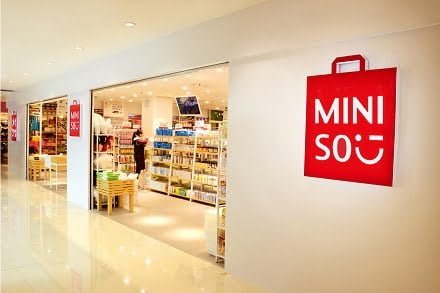
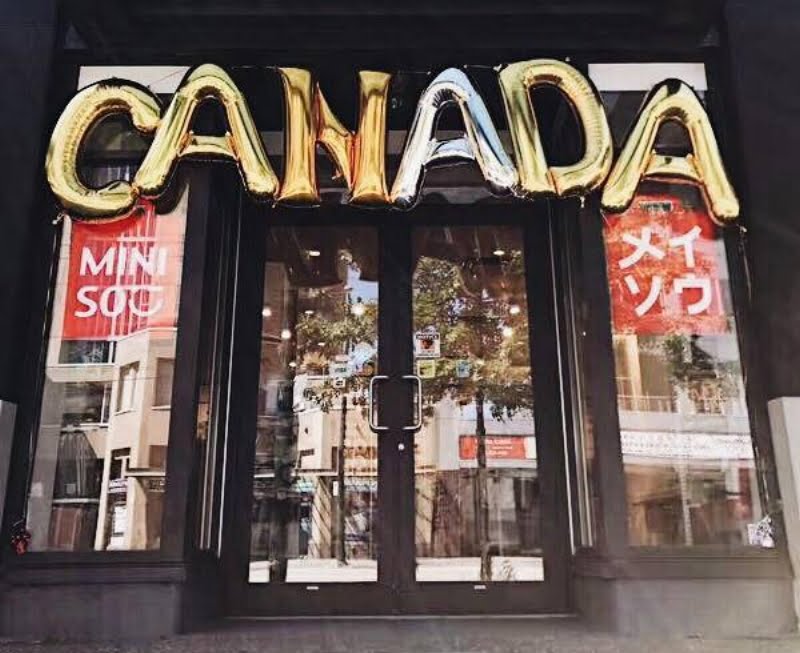
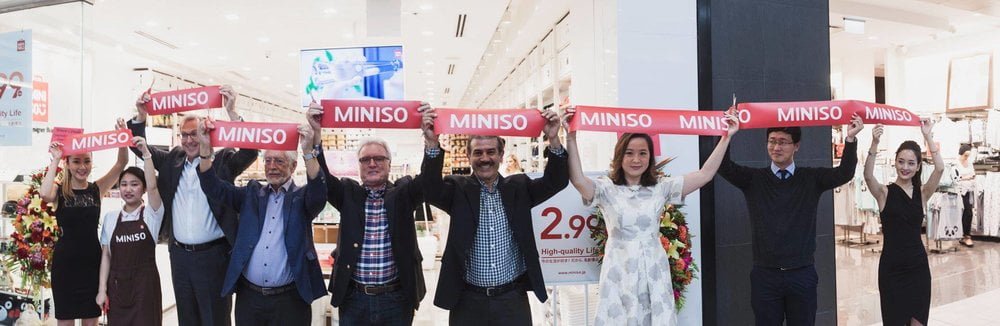
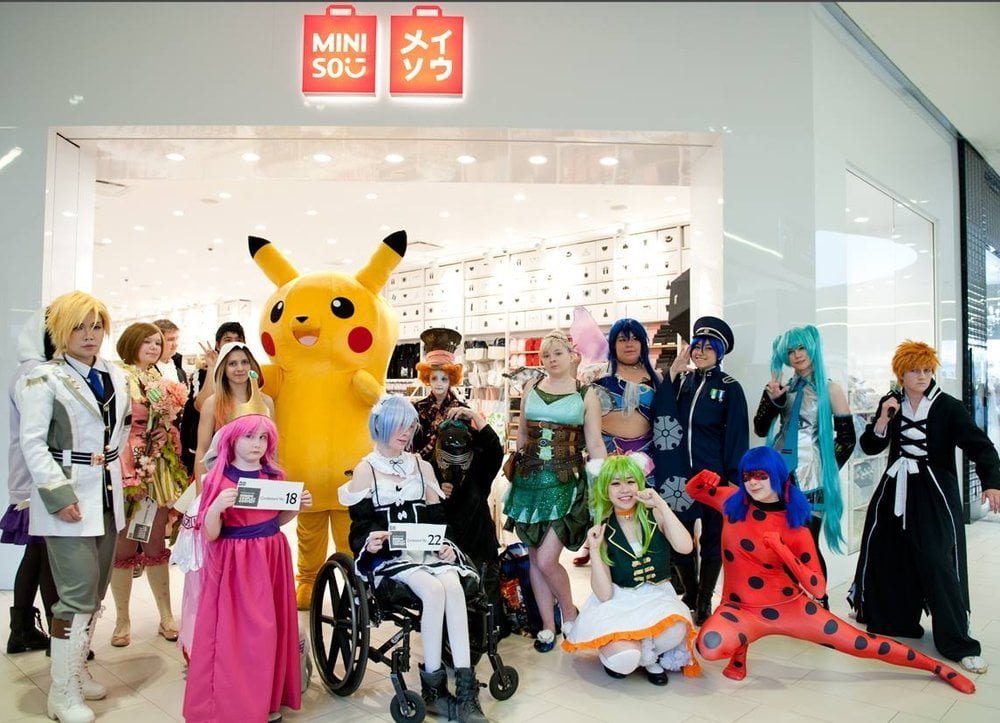
Value-priced Chinese variety retailer MINISO, which positions itself as a ‘Japanese lifestyle brand’, is opening stores in Canada at a faster rate than was originally anticipated as it expands into new markets. The company, which entered Canada about a year ago when it opened its first store in Vancouver, has already opened stores in four provinces and by the end of this year, it anticipates having about 100 locations coast-to-coast. 

MINISO says that it plans to operate about 500 stores in Canada in the next three years — prior to making this revelation, the company was ambiguous about when it would reach the ambitious 500-store goal. MINISO’s products are branded and stores carry about 2,500 SKUs and to keep up with distribution, the company has announced it’s establishing regional logistics centres in Vancouver and Toronto to keep up with the rapid store expansion, which is primarily a franchise model. 

The retailer’s store expansion has certainly picked up the pace over last year. From the time that MINISO opened its first Vancouver store in April of 2017 to December of that year, the retailer had opened 12 stores in the Greater Vancouver Area. By the end of this year, MINISO anticipates operating about 30 stores in the region — up from an announced 15 locations that were anticipated near the beginning of the expansion. 

MINISO now operates stores in BC, Alberta, Ontario and Quebec. Its first Toronto store opened earlier in May at CF Toronto Eaton Centre, and a downtown Montreal store opened several weeks before. The Alberta market is clearly a target for the brand and it already has four stores, with three of them in Edmonton, including one at the busy West Edmonton Mall

The company says that in Canada, its most popular items are household products and beauty products. MINISO stores carry a range of items that also include electronics, clothing, toys, underwear and other accessories, with prices between $2.99 and $34.99. The store is therefore affordable to almost everyone, giving it a broad appeal. MINISO’s products are also considered to be of exceptional quality for their price points, and the retailer could take market share from other variety retailers and even possibly ‘dollar retailers’ operating in this country. 

MINISO was co-founded in 2013 by Japanese designer Miyake Junya and Chinese entrepreneur Ye Guo Fu, and is headquartered in Guangzhou, China. MINSO’s goal is to open 6,000 stores globally by 2020, averaging 80 to 100 store openings per month. MINISO’s signage and branding appears similar to that of fast-fashion Japanese chain UNIQLO — which isn’t a surprise, considering that MINISO openly names itself as a competitor to UNIQLO as well as Japanese variety retailer MUJI. All three are now present in Canada, with UNIQLO and MUJI set to debut their first Vancouver/Lower Mainland locations this fall. 

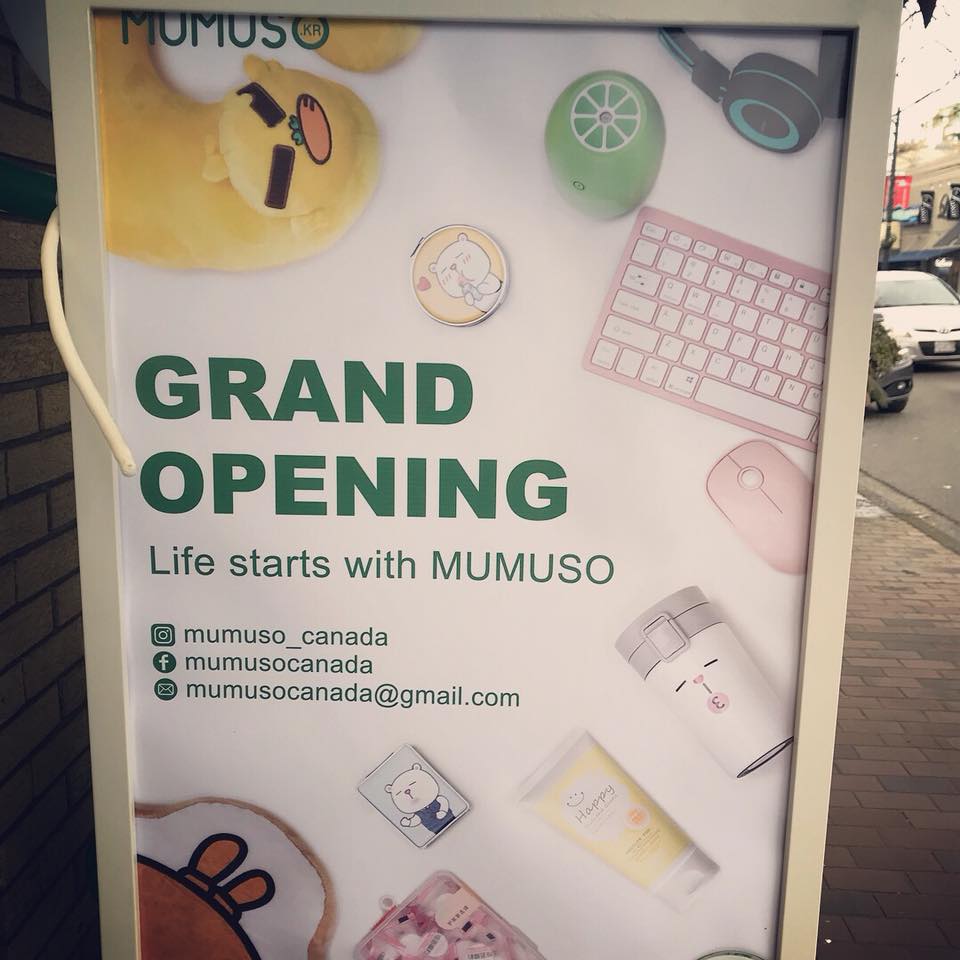
Some have accused MINISO of being a ‘copycat’ of the other Japanese brands. MINISO itself now has a ‘copycat’ competitor in Canada — Mumuso opened its first Canadian store in Vancouver several months ago just a few doors down from MINISO’s location on W. 41st Avenue in the city’s affluent Kerrisdale neighbourhood. Mumuso, which claims to be based out of Korea, but is actually Chinese, features products, branding and pricing that is remarkably similar to MINISO, save for branding that is green instead of red. Some have noted that packaging on some of Mumuso’s items is similar to that of L’Occitane en Provence, which offers skin care and other items at a considerably higher price point. 

Mumuso’s Canadian expansion hasn’t been quite as rapid as MINISO — Mumuso, which opened its first store over the winter, appears to currently be operating stores in Vancouver’s Kerrisdale as well as at the Aberdeen Centre in Richmond, just south of Vancouver. 

We’ll continue to periodically report on MINISO’s Canadian expansion, as it represents one of the most ambitious retailers to have entered Canada in recent memory. 

Editor’s Note: Miniso is working with Jim Murdoch and Roula Bchara at real estate advisory services firm Oakmont Real Estate Services for its Canadian expansion. 

Shrinkflation: When less is not more at the grocery store

YOU’RE NOT IMAGINING THINGS. THE QUANTITIES OF PACKAGED FOODS REALLY ARE SHRINKING AS FOOD MANUFACTURERS TRY TO AVOID HIKING PRICES. SHRINKFLATION HOWEVER IS BEGINNING TO IRRITATE CONSUMERS WHO FEEL THEY’RE BEING CHEATED. PHOTO: THE CONVERSATION

Most consumers are concerned about the cost of food. We constantly look for bargains and the food industry knows it.

According to a recent survey by Dalhousie University, more than 60 per cent of all Canadian consumers consider price as one of the top three decision criteria when grocery shopping. Price is key, no matter what. Grocers play around with prices to keep all of us on our toes.

Pricing in the food processing sector is intricate. Ingredients, energy costs and wages are among the factors that weigh heavily on food manufacturers as they try to cultivate relationships with grocers and retain market shares.

For decades, to keep price points low, the shrinking package strategy has been employed by the food industry — known as shrinkflation, it’s the process of items shrinking in size or quantity while their prices remain the same or increase.

Everything is getting smaller, whether it’s cartons of ice cream, bags of chips, cookies, chocolate bars or boxes of pasta. There have been several media stories on this issue in recent years.

CHOCOHOLICS TAKE NOTE: CHOCOLATE BARS ARE AMONG THE FOODS THAT ARE SHRINKING. PHOTO: BASEEMA CHOCOLATE

Thousands of products have shrunk

All over the world, food packages are shrinking. A recent U.K. study suggests there are almost 3,000 food products that can be found in a typical grocery store that have shrunk since 2012. This came at a period of time when annual food inflation hit a whopping six per cent. And so people were paying more for less and the food industry was accused of gouging consumers.

Similar numbers are coming out of the U.S. market. Many American food manufacturers have also admitted to shrinking packages to maintain prices at a competitive level. Many of these products enter the Canadian market. Based on what’s going on in the U.S. and Europe, we could estimate that anywhere between 15 to 20 per cent of all packaged food products have shrunk in the last five years, if not more.

Food companies have found a way to defend margins, largely without upsetting anyone.

Shrinkflation is almost the norm these days, but consumers are beginning to find it irritating. Yet food companies are not really misleading the public. Weight and volume information can easily be found on any labelled package. Habits make us believe we are purchasing the same thing as we zoom in on the one constant that motivates our behaviour when shopping: Price.

When costs rise in food manufacturing, a company has basically three options: Raise the price, make smaller packages or change the ingredients. Given our competitive food industry, hiking prices can be challenging. Since early 2018, prices in food stores have dropped because of higher competition.

Reformulating is dangerous

Yet changing ingredients can be risky. For 30 years, before the 2008 bump in commodity prices when food was considered an afterthought compared to today, companies were egregiously reformulating food products. This was at a time when taste and the quality of ingredients were not on the radar.

Some food manufacturers have paid the ultimate price for changing the taste of certain products just to save a few pennies. The so-called New Coke is a classic example of a misfire.  And today, with social media, companies are one poor decision away from seeing an entire product line vanish.

THE NEW COKE DEBACLE OF THE 1980S SHOWS THE RISKS OF A COMPANY REFORMULATING A BELOVED PRODUCT. PHOTO: CREATIVE COMMONS

The only viable option, really, is to downsize. With the arrival of many non-food investment firms and conglomerates that value food as much as bolts, tires or buildings, recalibrating ingredients and changing a package is almost second nature.

3G Capital, the Brazilian giant which gobbled up Heinz-Kraft, Burger King and Tim Horton’s in recent years under its holding company, Restaurant Brands International, is one good example. Most of these new players in the food space are not astute about the nuances of food products. They just look at the numbers knowing consumers are out there looking for the best price.

Whether or not we want to admit it, as food consumers, we value quantities for the lowest price. It’s challenging to get out of this way of thinking.

But there could be an opportunity for manufacturers looking at increased costs. Instead of downsizing products and hoping no one notices, emphasizing its superior taste and original package size could become a selling point.

Studies show that consumers who remember how good a product tastes are willing to pay more for less if given no other choice. Food manufacturers should try selling flavour over quantity.

Showing a more transparent approach to packaging, or emphasizing quality could let consumers appreciate that things do get complicated out there and some adjustments are required. But we all know that won’t happen.

Is shrinking packaging obscuring inflation?

It’s unclear how shrinkflation is captured by the StatsCan consumer price index. Certain quantities are taken into account by the index, but there’s no explanation on how data collection is adjusted as quantities change rapidly.

Shrinking package sizes could contribute to food inflation in a subtle way. In some cases, quantities have been reduced by 15 per cent in three years. By compounding real inflation, food prices may have gone up by more than six per cent in many cases, when the reported food inflation rate was anywhere between 1.5 to two per cent.

In the end, consumers can be outraged and condemn the practice of shrinking food products. But when you really think about it, food companies are really delivering what consumers are asking for — low prices.

*This article was originally published on The Conversation. Read the original article

Large ‘Time Out’ Food Market to Anchor Montreal Eaton Centre Overhaul [Renderings]

exc-5b0dcf07758d46971ba8bc3c

Time Out has announced that it will open a Time Out Market food concept in downtown Montreal in late 2019. The 36,000 square foot culinary experience will anchor the $200-million overhaul of the Montreal Eaton Centre which landlord Ivanhoé Cambridge announced in January of this year. 

Time Out Market is part of the larger Time Out Group, which is a global media and entertainment business based in London UK. Time Out currently operates the wildly successful Time Out Market Lisbon in Portugal, which opened in 2014 — with 3.6 million visitors in 2017, it ranked as Portugal’s most popular attraction. 

The new Time Out Market Montreal will include a mix of 16 food offerings, two bars, a demonstration kitchen, a cooking academy, a retail shop and a ‘cultural stage’. 

“Montréal has developed into a culinary hotspot and is now one of the world’s foodie capitals. This is a city with incredibly creative chefs and an audience with a love for great food. As if this wasn’t enough, Montréal also has a buzzing cultural scene with over 100 festivals each year. All of this makes this city a perfect spot for Time Out Market and we look forward to opening our first site in Canada,” said Didier Souillat, CEO of Time Out Market. “Time Out Market continues to be a great success story and is now recognized as one of the most visionary formats: our first site in Lisbon is Portugal’s most visited attraction, we have an exciting pipeline of new sites and for our upcoming opening in Miami we have all kitchens signed up with the city’s ‘who’s who’ of the most celebrated chefs. We are proud to have been chosen by our partner Ivanhoé Cambridge to now also bring our unique Time Out Market experience to the great city of Montréal,” he said.
 
“We are delighted to announce our first management agreement for Time Out Market. It allows us to accelerate our global expansion, grow our brand and drive additional revenue. The fact that Ivanhoé Cambridge chose us as strategic partner and will make a significant investment to bring Time Out Market to Montréal is proof of the strength of the format and the brand,” said Julio Bruno, CEO of Time Out Group plc. 

Time Out Montreal will anchor the $200 million redevelopment at Centre Eaton de Montreal, which will involve joining the existing Montreal Eaton Centre property with the adjacent Complexe Les Ailes. More than 30-million people will pass through the combined centre in what will be Canada’s second-busiest centre in terms of annual footfall (surpassed only by CF Toronto Eaton Centre). Landlord Ivanhoé Cambridge is investing more than $1-billion in revitalizing the downtown area near the newly combined complex. 

The existing Montreal Eaton Centre retail centre, which opened in 1990, currently has 155 retail units and a total GLA exceeding 276,000 square feet. The 198,000 square foot Complexe Les Ailes, opened in 2002, currently houses 66 retail units — though these numbers will no doubt change with the announced merger/renovation. GH+A Design is working on the project — the firm has worked with some of the country’s top mall landlords. 

“We are absolutely thrilled to be collaborating with Time Out Market and to bring this incredibly successful format to Montréal. Our discerning clientele is always looking for fresh, new and innovative experiences that define the urban character of our properties nestled at the heart of downtown Montréal. Time Out Market Montréal will be the masterpiece of the Centre Eaton de Montréal’s transformation and will help redefine the urban leisure experience downtown,” said Claude Sirois, President, Retail, at Ivanhoé Cambridge. 

Time Out Market is a business division of Time Out Group plc — the global media and entertainment business has a presence in 108 cities in 39 countries and an average global monthly audience reach of 217 million. Timeout.com’s worldwide reach includes a massive online presence, mobile applications, social media channels, city magazines, guides, live events and more.

The Lisbon Market location features 26 restaurants, six kiosks, eight bars and cafés, five shops as well as a cooking academy. In March 2018, it received an international award recognizing it as one of the most visionary concepts in the European food service sector.

Time Out Market has announced that towards the end of 2018, it will open food centres in New York City and Miami, followed by Boston, Chicago and Montréal in 2019.