Advertisement
Home Blog Page 1092

4 Ways Canadian Retailers Can Create Loyalty and Drive Revenue

exc-5a9eea63e2c483767c8aea70

By Greg Zakowicz, Senior Commerce Marketing Analyst at Oracle + Bronto

Amazon may be increasing its Canadian presence, but Canadian ecommerce is still losing more than half its business to retailers outside the country. Smartphones have increased connections between consumers and brands and their access to products is nearly constant – and unrestricted. It’s no surprise that with increased exposure, consumer expectations have evolved. Consumers now expect more from the brands they engage with. Not only do they count on the same features as before, like quality, consistency and reliability, they now also expect relevance, affordable and speedy shipping – as well as excellent customer service. That’s a lot to expect from retailers – they certainly have their work cut out for them.

Canadian retailers now face two challenges: How do they keep ecommerce dollars domestic, and how do they foster loyalty among consumers? One strong solution: Email engagement and relevance. Consumers expect marketing emails to be relevant, but according to a recent report by Fluent, only 15% of them find them to be consistently useful. And because brands often have limited internal resources to execute a sophisticated segmentation strategy, they then turn to batch-and-blast methods, sending the same message to everyone. This email strategy makes it impossible to consistently deliver relevant content to consumers, and it does little to create engagement and cultivate loyalty.

Fortunately, all is not lost. Here are a few tried and true tips that can help connect your brand with consumers – even if you have limited internal resources available.

Product recommendations: Intuitive product recommendations provide relevance to your emails, even if you batch-and-blast. These recommendations will be specific to the subscriber, consider purchase and browse activity, email message content and any specific business rules you’ve set up. The more specific to the individual subscriber you can be, the more personalized the product recommendations will feel to your customer.

Browse recovery: Subscribers who browse your site but fail to place a product in their cart are no longer lost revenue opportunities. Browse recovery messages are targeted, automated messages sent to subscribers who do exactly that – and direct them back to where they were shopping. This tactic is lesser-known but quickly growing in popularity with retailers. Implementing browse-recovery creates emails that are relevant to your subscriber – creating a sense of personalization – and drives revenue for retailers. Now, more than 60% of consumers expect browse behavior to be used to make emails more relevant – and more personal.

Imagine shopping for a new desk. You visit three websites, view some related products, but abandon your session. The next day you receive an email from all three companies. Two are batch-and-blast, full of random assorted office products, while the other showcases the desks that you spent the most time on – the very type of desk you’re looking for. Which message would you click on? Where would you shop?

This is the power of browse recovery.

If you’re going to send your subscriber an email regardless, why not make it one that is relevant and based on their actual interests versus one that is a standard batch-and-blast?

Post-purchase (and other lifecycle messages): You need to send automated messages based on user action, such as a welcome series for new subscribers, in order to capture primary engagement moments. Post-purchase messaging is a great example of how lifecycle messages can help build loyalty. Nurturing your customers, and their purchases, at this critical time provides a level of personalization that only strengthens the retailer-customer bond. This step is essential in improving your customer’s opinion of your brand and making them want to do business with you, again and again. Messages that thank the customer, offer product care or how-to tips and tricks and other helpful messages can be the difference between a one-time purchase and a lifelong customer.

Buy-online-pickup-instore (BOPIS): If you have brick-and-mortar stores, utilizing BOPIS can be an important differentiator. Consumers today want immediacy after making a purchase – they just don’t want to pay for it. This is why Amazon offers two-day – and two-hour – delivery. But this is exactly where stores can compete and take the fight to Amazon. BOPIS allows customers to have the convenience of online purchasing, while also benefiting from the immediacy of receiving the product. An important factor to consider? Sixty-five percent of consumers purchase additional items when picking up orders in-store.  

Competition is fierce, global and – for consumers – almost instantly accessible. As consumers continue to rely on their smartphones to search for and purchase products, creating – and keeping – loyalty is more important than ever. Being relevant and engaging with your audience is what will ultimately separate your brand from competitors. Only 15% of consumers find marketing emails consistently relevant. What would your subscribers say about yours?

Greg Zakowicz – As a former consultant with more than 10 years of experience in email, mobile and social media marketing, Greg Zakowicz has first-hand knowledge about the challenges facing the retail industry. Now, as Senior Commerce Marketing Analyst at Oracle + Bronto, he provides thoughtful insight to the Internet Retailer Top 1000, and is a frequent speaker at ecommerce events. Follow him at his website or Twitter @WhatsGregDoing.

Oracle + Bronto arms high-growth retailers with sophisticated marketing automation to maximize revenue opportunities. The Bronto Marketing Platform powers personalized multichannel content that generates the higher engagement needed for retail success. Keenly focused on the commerce marketer, Bronto continues its long-standing tradition as a leading email marketing provider to the global Internet Retailer Top 1000 and boasts a client roster of leading brands, including Rebecca Minkoff, Timex, Lucky Brand, Theory, Brooks, Ashley Homestore and Christopher & Banks. For more information visit bronto.com.

Partner content. To work with Retail Insider, contact Craig Patterson at: craig@retail-insider.com.

Why Canadian Landlords are Innovating by Adding Broader Food & Beverage Options

YVR INTERNATIONAL AIRPORT. PHOTO: SSP CANADA

One of the things that became clear in recent years–and was even more evident at the 2018 ICSC Whistler Conference–is that, at a time when many traditional enclosed malls are struggling to replace large format anchors and the retail industry is going through a difficult transition, creative new dining concepts continue to heat up.

The theme of this year’s conference, which took place on Sunday, January 28th through Tuesday, January 30th, 2018 at the Fairmont Chateau Whistler Resort in Whistler, BC in Canada, was The Future Is Now: Embracing Change. Judging by the activity and the conversation throughout the event, the future–and the present–is all about dining.

More and more we are seeing food tenants–whether sit-down restaurants, QSRs, or something else entirely–becoming not just a bigger piece of the puzzle, but a truly dominant tenancy in retail projects. With redevelopment, that’s becoming even more prevalent. Part of this is because of attrition and disruption in some other retail segments, most notably a slowdown  in traditional soft goods retailers like fashion. But popular and promising new and existing food concepts are both more active and readily available for mall owners and operators (as well as developers, brokers and leasing professionals) looking for a way to elevate their centers. Landlords are definitely seeing the value in adding these types of uses to their centers. This is an evolving and competitive category, and demand for dining remains strong, even as other categories are facing some headwinds.

Renderings of Rockland food court concept

We are seeing a significant amount of redevelopment in larger enclosed centers, many of which are relocating, expanding or upgrading their food and food court offerings–and making the decision to make these spaces a true focal point of the center. This is a fundamental shift from the small food courts of the past that were often tucked away in a remote corner of the mall. At a number of high-profile malls across North America, we see that recurring pattern. Here in Canada, prominent recent examples of high-profile mall upgrades or renovations that included an expanded or significantly upgraded dining component include Guildford Town Centre in Surrey, BC, Park Royal Shopping Centre in West Vancouver, BC, and CF Richmond Centre in Richmond, BC. All of these projects feature large or redesigned food courts as a central feature. The demand is there from customers, and the demand is there from tenants, as well–who recognize the co-tenancy benefits of a strong dining component.

New, creative and non-traditional food court tenants are particularly desirable. Mall owners and operators are recognizing that providing shoppers with a better/wider selection of fresh, healthy and non-traditional dining options is a winning proposition. Landlords are seeing the opportunity to not only fill an empty space, but to fundamentally differentiate their projects by bringing in these new/unique food offerings.

Some malls are having great success by creating food clusters, essentially creating a kind of upgraded and expanded version of the food court model. Owners and operators are bringing in larger numbers of more diverse food concepts and positioning them in a network to create a sense of place and a draw that attracts diners both from inside and outside the mall. In the process, this creates what is almost an anchor type of draw, with the food tenants collectively serving as a de facto anchor. At a time when many department store dinosaurs are struggling or closing their doors, that value as a kind of alternative anchor and regional draw is immeasurably important.

Guildford Town Centre Redevelopment, including new 1,034-seat food court

Guildford Town Centre Redevelopment, including new 1,034-seat food court

Entrepreneurs are experimenting with new chef-driven restaurants and innovative dining concepts that push the envelope in a number of creative ways–and mall owners and operators are showing a corresponding willingness to seek out and add those concepts to their tenant rosters. The enthusiasm for trying new things is at an all-time high. We are seeing more dining tenants licensed to serve alcohol, maybe offering things that aren’t usually found in food courts. Speaking of which, the very nature of what a food court can and should be is being challenged. The notion of “food halls” is gaining traction, essentially providing an updated concept of the traditional food court–and hopefully permanently dispensing with the stigma associated with early food courts as being somewhat uninspired and utilitarian. In addition to new and appealing tenants, food halls are more likely to have more resources invested from a design and development standpoint.

The financial calculus makes sense. You can generate more rent from food tenants than non-food uses (dining tenants are typically able to pay higher rates on a per-square-foot basis as a result of their ability to drive revenue from smaller footprints). Food also tends to be more recession resistant. And, in the midst of an ongoing retail evolution as the industry adapts to competition from online and mobile sales platforms, the restaurant segment looks more appealing than ever. You may be able to convert electronics, fashion, and other retail sectors from brick-and-mortar to an online shopping model, but consumers can’t eat online. Restaurants can cost more on the front end (particularly if you are creating 15 food court units instead of one large empty box for a traditional anchor), so there is higher capital exposure up front and a somewhat higher risk of failure. But the ROI potential makes that well worth it.

CF Richmond Centre Mall and Food Court Renovation. Photos: ABBARCH

Perhaps most importantly of all is what innovative dining concepts and expanded food offerings can contribute that does not show up on the balance sheet–at least not directly. The social element of dining–particularly a space where there are lots of food tenants clustered together, with plentiful and comfortable seating areas–is critical. It helps to establish that experiential element missing from most traditional enclosed malls, and provides the kind of animated, activated and central gathering places that are an important draw in the best mixed-use and open-air centers. For tenants in this active and diverse segment–and the mall owners and operators looking to benefit from their presence–which is supercharged with creativity and innovation, that dynamism and social appeal might be one of the most important assets of all.

Jason Schouten

Jason Schouten began his real estate career in 2004. He joined the brokerage industry in 2006 and in 2016 joined Avison Young as principal to lead the firm’s retail practice throughout British Columbia and Western Canada. Jason has worked closely with many national and international retailers and their development partners with site selection, market and demographic analysis, leasing strategies, lease negotiation, strategic expansion planning and roll-out services.

BRIEF: FAO Schwarz to Land in Canada, Shanghai Stationery to Open 1st Location

Retail Insider Brief

By Helen Siwak, Retail Insider Brief Editor

Holt Renfrew Flagship Renovation Nears Completion

Holt Renfrew in Vancouver. Photo: Helen Siwak

Holt Renfrew has been renovating its CF Pacific Centre flagship in Vancouver for the past couple of years, coinciding with an expansion that grew the store to about 188,000-square-feet over three levels.

Recently completed areas include a street-level accessories hall, second floor women’s ready-to-wear and this spring, the lower-level Holt’s men’s store will unveil new luxury boutiques.

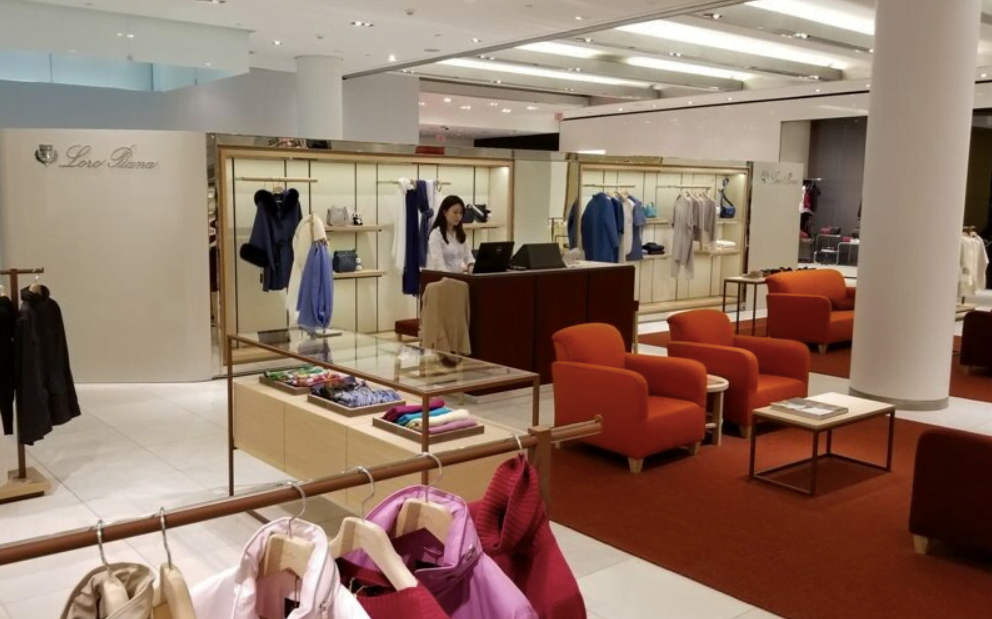
The accessory hall has recently seen the addition of Loro Piana, Bottega Veneta, Céline and Dior boutiques — Dior is a concession and joins completed spaces for other concessions such as Gucci, Prada and most recently, Burberry. The Burberry accessory concession is a new concept, featuring an enhanced design with minimalist shelving in matte charcoal finish and mirrored cabinet fronts. The floor is a diagonal modified chequerboard in white and black, with recessed lighting, and high ceilings.

[Below: Several photos of the expanded accessories floor at Holt’s in Vancouver. Photos: Helen Siwak]

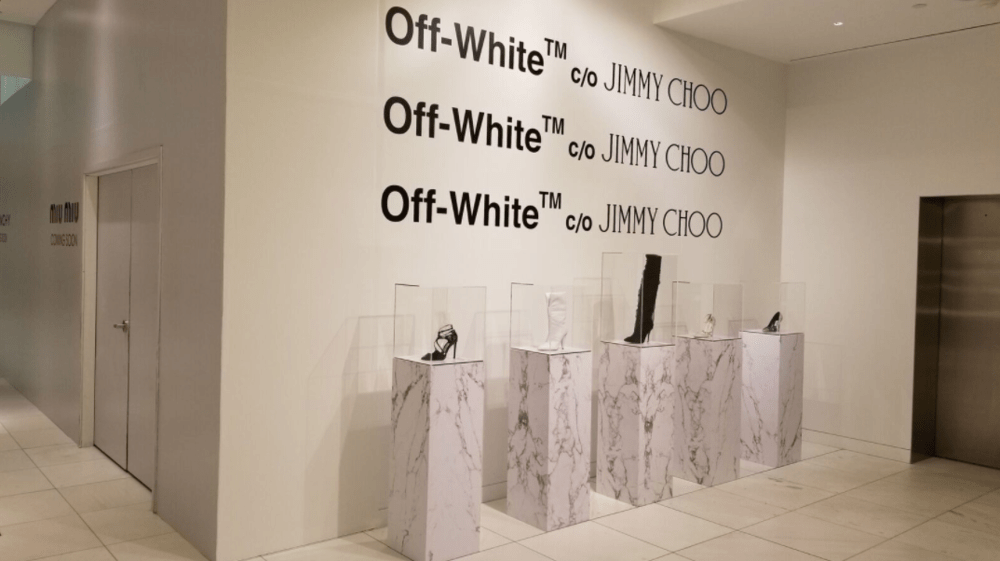
Other accessory shops include the likes of Chloé, Azzedine Alaia, with Fendi, Hermés watches, Miu Miu and Givenchy, expected to be unveiled by the summer — it is the best accessory hall in Canada. On the women’s floor upstairs, Holt’s has unveiled new spaces for brands Céline, Brunello Cucinelli, Miu Miu, and Azzedine Alaia.

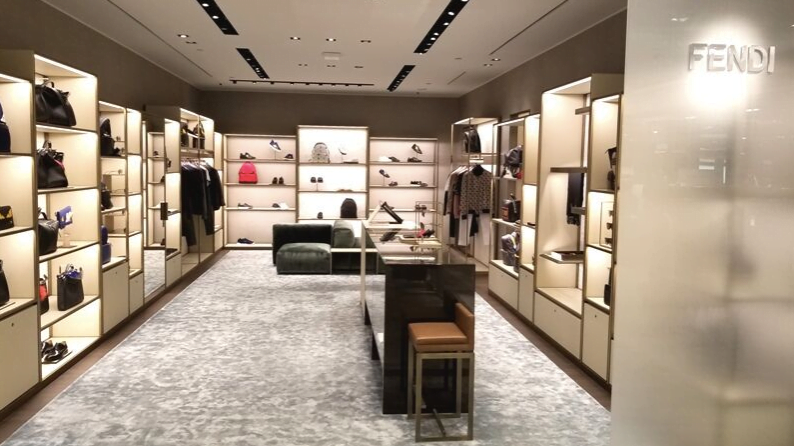
Holt Renfrew’s strategy is to present collections in large shop-in-store spaces that include a mix of concession and Holts-operated boutiques. A Fendi men’s boutique opened recenetly and opening soon on the men’s floor, as well, will be boutiques for Brioni and Moncler. Holt’s Vancouver men’s store competes with the Toronto Yorkdale store for the best offering of luxury menswear brands — and that might be the case for a while, because rumour has it that the Holt Renfrew Men’s store at 50 Bloor Street West could shutter this year.

[Above: Photos of new women’s boutiques at Holt’s Vancouver and the new Fendi men’s boutique. Photos: Helen Siwak]

Matt & Nat to Open at CF Sherway Gardens on March 15

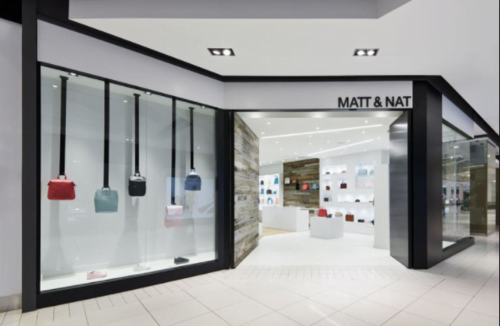
Matt & Nat at Sherway

Eco-friendly fashion brand Matt & Nat will launch the company’s second GTA store next week in CF Sherway Gardens in Toronto. Easily recognizable with its bright white clean interiors with circular lighting, the stores are both welcoming and chic.

Founded in Montreal in 1995, Matt & Nat (short for “mat(t)erial” and “nature”) is known for its cruelty-free product lines and since launching in 2007 has remained true to its commitment to not use leather or any other animal-based materials in its bag and accessory designs. Product linings are made of fabric created with 100% recycled plastic bottles and the company has been utilizing recycled bicycle tires in their latest collections.

Originally launched as a handbag and small accessory brand, Matt & Nat followed-up with footwear, and now offers keychains, wallets and sunglasses, lifestyle bags (ie. yoga, crossbody, diaper), and a selection of pet accessories for dog lovers. Consumers are lapping up the plant-based offerings and expect new product lines as the 2018 and 2019 collections are revealed.

The company wholesales to retailers in Canada as well as globally, and it also has a robust e-commerce business at mattandnat.com/shop.

Reigning Champ Launches Flagship on Robson Street

(LIGHTING UP THE NIGH SKY: REIGNING CHAMP ON ROBSON. PHOTO: GAURAV MEHRA)

In July 2017, Retail-Insider published an extensive overview of downtown’s Robson Street and the upswing in retailers interest in what was once the definitive ‘place to see and be seen’ for Vancouver shopping and dining experiences.

As the dynamic duo of Martin Moriarty and Mario Negris of CBRE, continue to broker deals, the street is hitting its stride. The latest company to take up residence is Vancouver-based retailer Reigning Champ. In what was music lovers’ paradise, HMV, at 1148 Robson Street, the 3,000-square-foot flagship space brings the brands premium athletic clothing and streetwear to downtown.

The brand currently has three other Canadian stores, one in Kitsilano and two in Toronto, and recently celebrated 10 years of business in 2017. Part of the CYC Corporation, which includes respected streetwear brand Wings+Horns and also works with Supreme, Reigning Champ offers basics such as hoodies, sweatpants, sweaters, and tee shirts for both men and women utilizing a monochromatic palette.

CYC Corporation owns its own factory in Vancouver and, in addition to the garments being incredibly practical and durable; the Reigning Champ products satisfy the ‘Shop Local. Buy Local.’ mantra that west coasters find so attractive.

Shanghai Baixin Stationery Co. Crossing Pacific with 1st North American Location in Vancouver

Shanghai Baixin Stationery Co.

With the popularity and near cult-like following of Asian retailers UniqloMuji and Miniso in Vancouver, is it any wonder that Shanghai Baixin Stationery is heading to Canada to set up shop later this year?

Martin Moriarty and Mario Negris of CBRE Vancouver brokered the deal for the Shanghai-based company at 533 Granville Street with a size of 1,690-square-feet. This is in immediate proximity to Holt Renfrew, Joe Fresh, Tip Top Tailors, and next to Lebanese concept restaurant Zaatar y Ziet. Close to transit hub, Waterfront Station, shoppers seeking colourful and affordable stationery will have no problem accessing that which they desire.

Founded in 1912, Shanghai Baixin Stationary Store, formerly known as Baixin Bookstore, has over 100 years history in retailing school supplies and office supplies in Shanghai. Aimed to appeal to students, businesses, the company provides trendy stationery and office supplies, including renowned local and imported brands Parker, Scheaffer, Pilot Juice, and Stabilo.

While we have no renderings of what the finished store will look like, consumers with a penchant for colourful and quirky stationery will see the doors open sometime in the spring/summer.

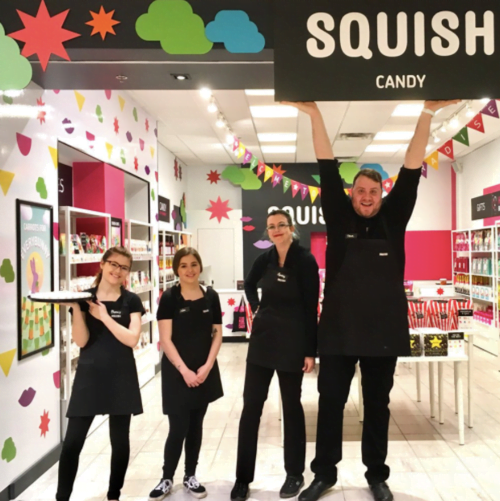
Squish’s Gourmet Gummies Captivate Southgate Centre 

(PHOTO: SQUISH VIA TWITTER)

North America’s first artisanal candy store specializing in over 100 flavours, the Montreal-based Squish Candy, opened their latest location in Southgate Centre in Edmonton.

Squish Candy recently announced that it has plans to expand across Canada with approximately 30 stores in the next two to three years. The U.S. market is also being explored as the innovative and fun gummies continue to captivate shoppers with their intensive flavours and vegan options.

Gummy connoisseurs welcomed the switch-up from the traditional fruit-based flavours to Squish’s unique ones which are split into five categories: Fruity (fruits and berries), Intense (spicy chillies, super sours, salty-sweet), Decadent (milkshake, gooey marshmallow, Calm (tea, fresh mint), and Cocktail (Champagne bubbles, rum cocktails). The gummies are non-GMO, fat-free, vegan or vegetarian, with no artificial colours or flavours.

The first Squish store opened in 2014 in Montreal and currently, there are multiple stores in Quebec and Ontario, one in Alberta, and one in Vancouver inside Hudson’s Bay within the Top Shop on the Lower Level.

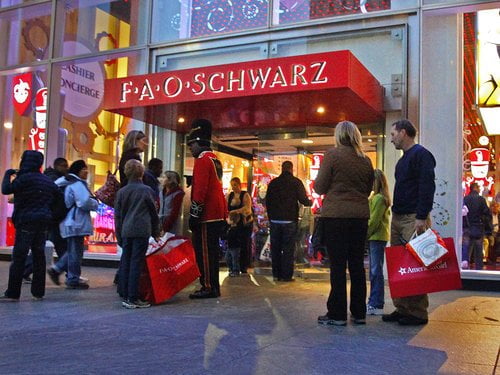
FAO Schwarz Readies for a Landing in Canadian Airports

Image: FAO Schwarz

Iconic NYC-based toy retailer FAO Schwarz has announced that it will be continuing its massive expansion as part of its revival which was launched in 2017.  The closing of the famous New York City store two years ago obviously did not signal the death knell for the legendary toy store! Beloved by children of all ages and memorable for its appearance in Hollywood movies such as Miracle on 34th Street, Tom Hanks’ Big, Baby Boom with Diane Keaton, and the classic Eyes Wide Shut with Cruise and Kidman, the legacy of FAO Schwarz is destined to continue.

Having launched shops with over 5,000 U.S. retailers last year, FAO Schwarz has signed an agreement with Hudson Group, one of the largest travel retailers in North America, to open a chain of FAO Schwarz-branded airport shops in Canada and the U.S. with the first slated to open later this year.

Internationally, the toy retailer said last Thursday that it will open locations in Beijing and Shanghai this year through collaboration with China’s largest toy distributor, Kidsland. There will also be an additional 30 smaller FAO Schwarz stores and shops in 200 department stores across China in the next five years.

Céline Doubles-Down in Downtown Vancouver

(CELINE WOMEN'S READY-TO-WEAR BOUTIQUE ON 3. PHOTO: HELEN SIWAK)

French luxury brand Céline has further expanded its presence in Vancouver with two new shop-in-store boutiques. A couple of months ago, LVMH’s Céline opened a women’s ready-to-wear boutique on the second floor of Holt Renfrew in CF Pacific Centre and last week, it unveiled a beautiful new accessory boutique in Holt’s expanded street-level accessory hall.

With the angular store interiors and product directly viewable from busy Granville Street, the modern interior design is similar to other Céline stores around the world. Danish artist FOS is responsible for the creation of custom pieces inside, such as a large copper ceiling chandelier and terracotta sculptures. A concrete edged sofa is centrally positioned with podiums of onyx and tropical plants (including a banana tree) being used to create an intimate industrial space with an ambience that perfectly reflects the sharp style of the brand.

The new Holt Renfrew Céline boutiques has put Holt’s in direct competition with Nordstrom at CF Pacific Centre, which also features separate shop-in-store Céline accessory and ready-to-wear boutiques. Sources say that Céline does very well at Vancouver’s Nordstrom flagship — as do many luxury brands and as a result, Nordstrom’s Vancouver store is a top performer in the chain along with the Seattle flagship.

It is not the first time that Céline has had a physical presence in Vancouver — for a time in the 1990’s, Céline operated two standalone franchised boutiques in the city centre, which were part of the Collections International fashion group. A street-front Céline boutique was located at 755 Burrard Street next to a Chanel boutique — an expanded Coach store now occupies both of the spaces. As well, at one time, the Pan Pacific Hotel boasted a luxury offering that included boutiques for Céline and Valentino, as well as shops such as Furs by Jacques and Farideh French Imports.

Céline is expected to continue its Canadian expansion in Holt Renfrew on Bloor Street in downtown Toronto. More details will be revealed shortly.

See more photos, provided by Helen Siwak, below as well as a video of the Holt Renfrew boutique. 

Steve Nash Fitness World & Sports Club Looks to Expansion

exc-5a989f80e2c483f688d38908

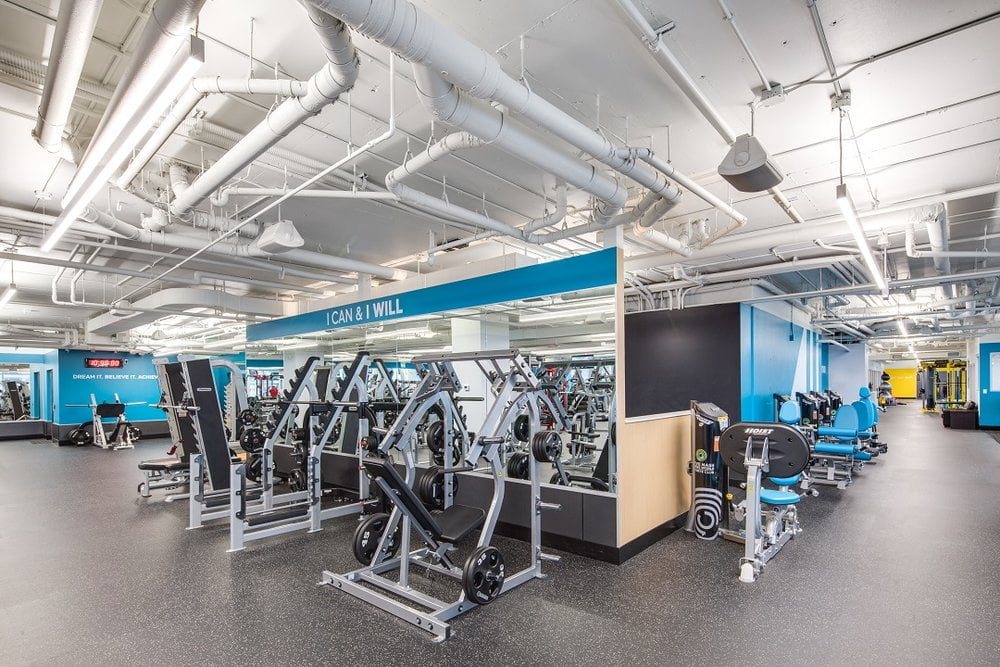
Steve Nash Fitness World & Sports Club, based in British Columbia, is looking to grow its brand across the province and possibly beyond its boundaries.

Chris Smith, president and Chief Operating Officer of the popular brand named after the National Basketball Association great player, said the company has grown from 13 clubs seven years ago to 23 today.

“We’ve put 10 more in the ground in the last seven years and intend to continue on that pace of growth and expansion just even here within B.C. and certainly ideally long-term potentially beyond the borders of British Columbia when the right opportunity presents itself and we think it would be beneficial to the business,” said Smith.

There is one location in Kelowna, one on the island in Victoria and the rest of the clubs are all in the Lower Mainland.

It recently opened two new locations on Vancouver’s North Shore – the Lonsdale Fitness World in North Vancouver, and the Park Royal Sports Club at Park Royal Shopping Centre in West Vancouver.

Fitness World itself was originally founded in 1959.

“It was the longest standing fitness presence in B.C. and we always have been and we’re certainly proud of that,” said Smith.

But the company in its current form was essentially born in 2008-2009.

“Everything we do is really about finding the right fit for our culture and the communities . . . Certainly looking for those opportunities as they might exist for us in the future,” said Smith.

He said a few things separate Steve Nash Fitness World & Sports Clubs from competitors.

One is the fact that the company is a local group.

“We’re proud that we’re B.C. and Canadian based,” said Smith.

“Beyond that, there’s certainly a level of service and differentiation there. I think a lot of people in the fitness business would certainly speak to that. ‘Hey our service level is different or we take care of people differently’. But I would just say when you measure factually, objectively, our member penetration rates as it relates to members who participate with a personal trainer or if you were to talk about percentage of members that engage in group fitness on a regular basis, our statistics are fairly overwhelming and I would say far ahead of the North American average in terms of what folks do and how they engage in our business.”

Ultimately, he said, it’s a testament to the team and how they engage members on a regular basis.

“Making sure they have a place that they’re comfortable, confident and motivated to come work out at,” said Smith.

“Everything we do on the fitness side of things or personal training or what we do on the group fitness side of things, we partner with some key strategic partners. The vast majority of what we do is all built in-house. So we have a lot of our in-house development and training and onboarding in course curriculum development. It’s all done from our team to be able to deliver a world-class experience to those members.”

Editor’s Note: Vancouver-based Cutler designed the space and selected fixtures were fabricated by Peregrine

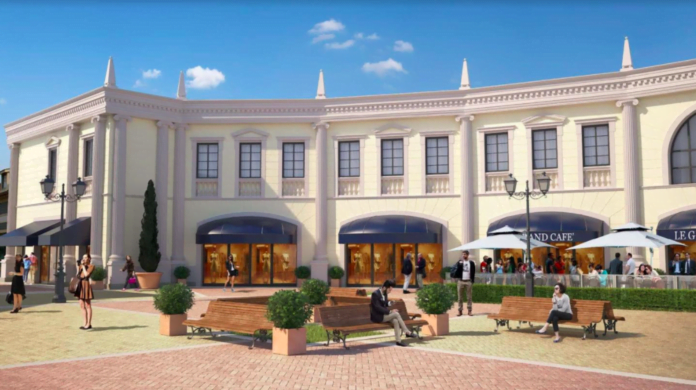
McArthurGlen Vancouver Designer Outlets Announces Phase 2 Expansion 

(RENDERING: MCARTHURGLEN)

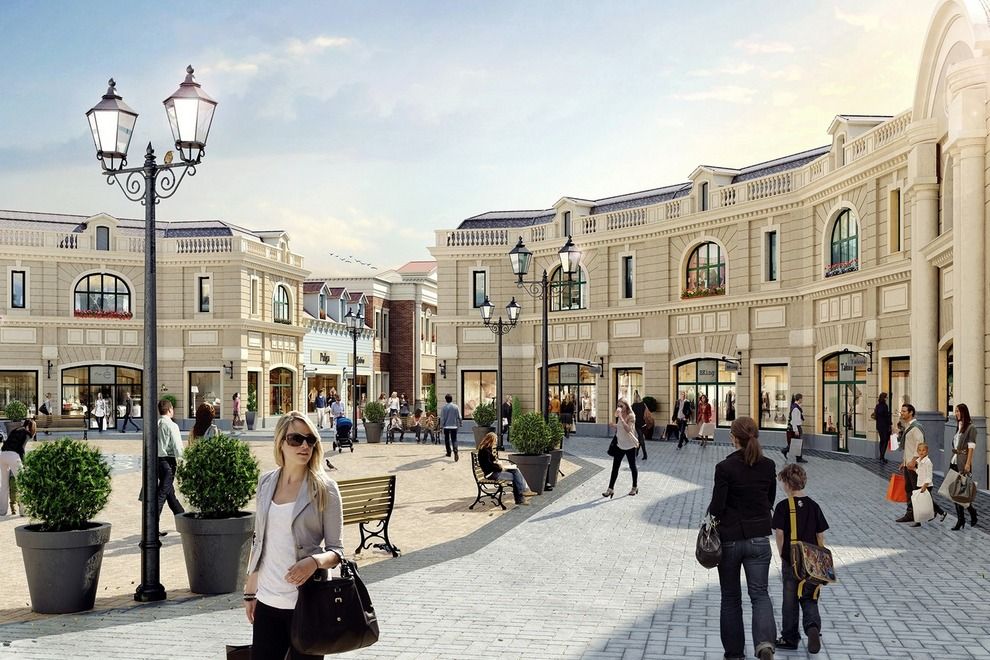
McArthurGlen Designer Outlets at Vancouver International Airport has announced a significant expansion that breaks ground this week and is scheduled to be completed in the spring of 2019. The award-winning outlet centre opened in July of 2015 and since then, it’s welcomed more than 10 million visitors. 

The second-phase expansion will add 84,000 square feet and 35 new retailers to the centre, which currently spans about 240,000 square feet. The centre will remain open during construction. McArthurGlen Vancouver is unique in its design, featuring an open-air village style with piazzas, cobblestone walkways and a variety of historical-looking facades. The aesthetic inspiration for McArthurGlen Designer Outlet Vancouver Airport is drawn from the regional architectural styles of Western Canada, according to the landlord, “combined with the sophisticated European style for which McArthurGlen is so renowned”.

That includes design elements that are inspired by iconic Vancouver architecture such as the city’s first post-office building that was built in 1937, the Vancouver Rowing Club (1911), and the distinctive brick facades associated with the city’s historic Gastown district.

(CLICK FOR INTERACTIVE GOOGLE MAP)

McArthurGlen says that over the past 32 months, the centre has seen consistent growth and increased foot traffic — and it got off to a strong start in 2015 when the centre welcomed over 170,000 visitors on its opening weekend. The centre broke records and has received several accolades including the prestigious Best New Development at the ICSC Canadian Shopping Centre Awards, the NAIOP Commercial Real Estate Award of Excellence for Retail Development and the prestigious MAPIC Award for Best Outlet Center.

The centre currently features more than 70 retailers including the likes of Polo Ralph Lauren, Coach, Tumi, Giorgio Armani and recent additions include Kate Spade, Sandro and Maje — and in the summer, we profiled bag brand Lipault Paris, which opened its first store in North America at the centre. While the centre is positioned as a ‘luxury outlet centre’, its tenant mix ranges from the affordable (such as Sketchers, Nike and the Gap) to higher end with brands such as Ports 1961 and Hugo Boss, with an expansive mix of contemporary brands. 

Robert Thurlow, General Manager of McArthurGlen Designer Outlet Vancouver Airport, noted that the success of the centre is a result of a mix of locals and tourists. “We have seen tremendous support from local communities and tourists from all over the world and we’re proud of our growing list of awards and various in-centre events and activities. As one of Canada’s best performing malls, we are excited to expand our existing offer, elevating the retail experience for our guests and brand partners,” he said. 

“Shopping, Chinese restaurants, visiting Steveston – those are the top three things visitors want to do while in Richmond,” said Bruce Okabe, CEO of Tourism Richmond — Richmond includes a mix of retail that includes Asian-themed malls, independent retailers, and a regional shopping centre (CF Richmond Centre) that features a more mainstream mix as well as a Hudson’s Bay anchor. 

Vancouver International Airport benefits financially from having the McArthurGlen Outlet on-site. “The Designer Outlet Centre not only creates jobs and encourages tourism for our local community, it is one of the ways we look at generating revenue outside of airport operations with the goal of keeping costs for our passengers and airlines low. This innovative business model enables us to continue building YVR as a world-class connecting hub,” said Scott Norris, Vice President, Commercial  Development, Vancouver Airport Authority.

(A THREE-YEAR OLD LEASE PLAN SHOWS ROUGHLY WHERE PHASE 2 WILL BE LOCATED — NOT ALL TENANTS SHOWN ON THE PHASE 1 PLAN ENDED UP MOVING INTO THE CENTRE)

McArthurGlen Designer Outlets in Vancouver is located near Templeton Station on the Canada Line Skytrain route, and is also accessible by car — being beside the airport has made the centre an attraction for tourists.  

In 2015 when we first reported on the centre, plans were said to include a second-phase expansion that would add another 140,000 square feet, with 150 retailers spanning both phases. A spokesperson for McArthurGlen told Daily Hive that a decision was recently made to split the remaining expansion space into two further phases, and that there is no timeline for when the third phase could occur.

McArthurGlen, based in London, UK, is a publicly traded company that develops and manages designer outlet malls. The Vancouver centre is currently its only location in North America — other locations are in the UK and continental Europe. Over the next three years, McArthurGlen plans to add another 1.6 million square feet of retail space to its 24-centre portfolio. 

Chocolats Favoris Continues Expansion as it Looks to New Markets

Chocolats Favoris

Chocolats Favoris, a Canadian artisanal chocolate shop and creamery, is continuing to expand its operation, opening its latest location in Vaughan – its fourth in Ontario.

“We’re basically a chocolate lover’s paradise,” said Dominique Brown, CEO of the company. “We have been doing this for several years now. I’m not the founder of the company but I acquired the company in 2012 and we decided to launch what would be a completely new take on a chocolate store. Really create an experience that provides a memorable experience to anyone who walks through the front doors.”

“Basically what Chocolats Favoris is all about is it’s a cross between an ice cream parlour and a chocolate shop.”

Chocolats Favoris Interior

The brand is well known for its high-quality artisanal chocolate as well as its ice-cream dippings made out of pure, real chocolate. It has 12 exclusive chocolate flavours.

It also sells canned chocolate fondue.

“It’s something that we basically invented in 2013 which was an incredible success,” said Brown. “It really is a store that is unlike any other. The concept of it and the look of the store is unique.”

The company was founded in 1979 with its first location in Lévis, just outside Québec City. It was originally a company mostly making molds for Easter.

Today, the company has 32 chocolate shops in Canada with stores in Quebec (27) , Ontario (four) and British Columbia (one).

The B.C. store is in Victoria. Ontario locations are in Orleans, just east of Ottawa, Aurora, Ajax and Vaughan.

“The real unique thing is all the different flavours of chocolate that you can taste at Chocolats Favoris,” said Brown.

Almost every single product in the store is manufactured in Quebec City where its corporate office is located in 42,000 square feet.

The Vaughan store opening is part of Chocolats Favoris’ Ontario expansion plan, which will continue with at least three more chocolate shops in Guelph, Kanata and Barrhaven in the Ottawa region. It also has major plans for international expansion eventually.

Store locations average about 2,000 square feet.

“We’re hoping to conquer the world of chocolate, nothing less,” said Brown. “When I acquired the company in 2012, there were only three locations so we have opened almost 30 since then and we’re opening more and more stores every year. We still have several stores to open in the Quebec market but most of our development will happen in Ontario I would say for the next two years at least. There’s a huge market there for us that we want to expand in.

“And we’re also looking for Alberta and eventually of course British Columbia to continue our expansion there.”

Brown said he didn’t want to commit to a number of how many stores the company will eventually have but did say that by the end of this year he hopes to have at least 40 stores in Canada.

Orangetheory Fitness Launches Aggressive Canadian Expansion

Orangetheory Fitness

The unique Orangetheory Fitness concept has an ambitious expansion plan for Canada, forecasting the brand will have more than 100 studios in the country by the end of the year.

Hifa Maleki, Vice President, Franchise Development & Operations OTF Canada Inc., said the first location for the brand opened in Fort Lauderdale, Florida in 2010.

The first Canadian location was in St. Albert, Alberta about four years ago. Recently, it opened its 67th location in Canada and about 120 licences have been sold in the country.

“The growth has just been amazing,” she said.

Orangetheory Fitness

“Our development schedule is pretty aggressive for the next 18 months.”

Maleki said the goal is to open more than 200 locations in Canada eventually. The brand will have a minimum of 170 locations opened before 2021.

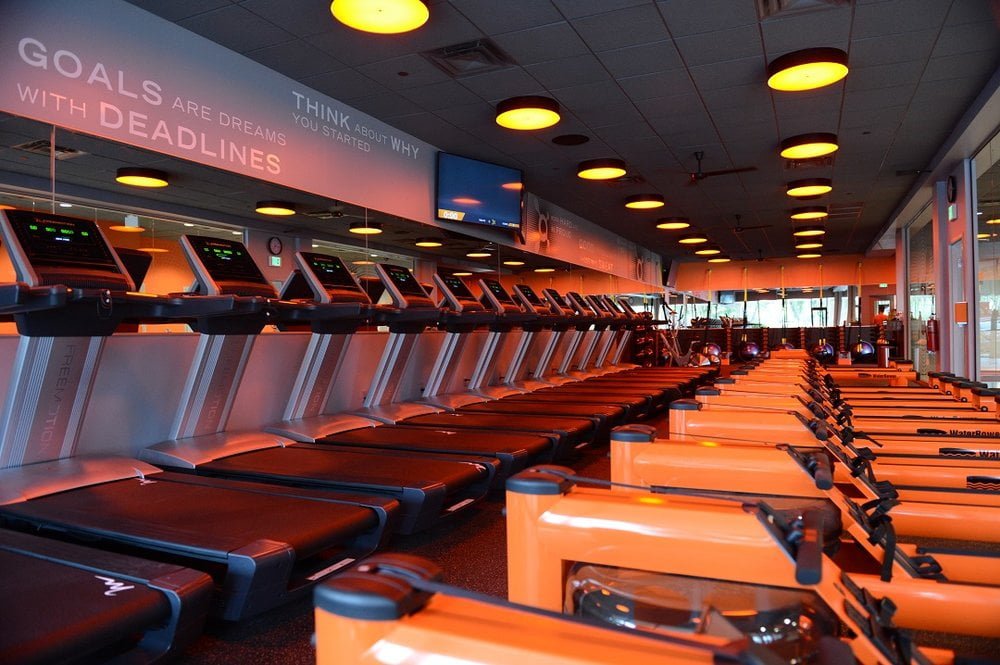
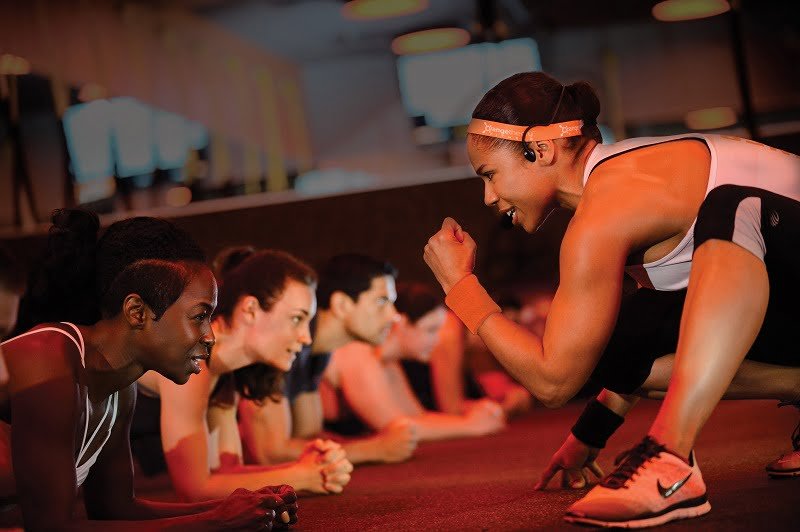
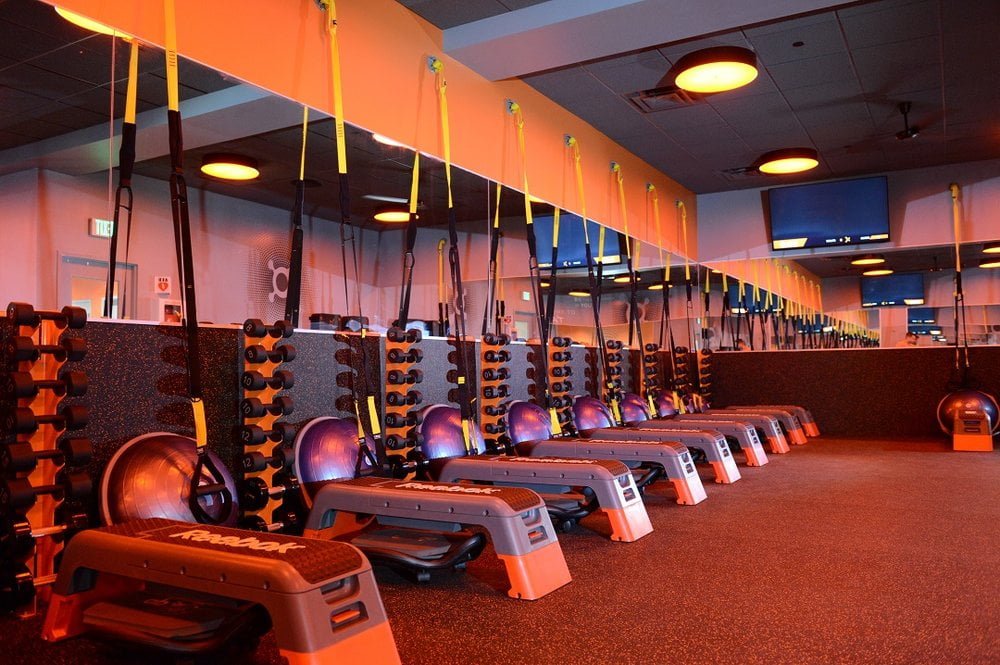
Orangetheory Fitness is a 60-minute HIIT-style (High-Intensity Interval Training) workout that uses innovative heart-rate based interval training, broken into intervals of cardiovascular and strength training. Led by a personal trainer – called a coach – participants use a variety of equipment including treadmills, rowing machines, TRX suspension training and free weights.

What differentiates Orangetheory Fitness from other fitness models is the technology behind the brand; class participants are encouraged to wear heart-rate monitors during each workout. Tracking their heart rates and ensuring that participants are pushing themselves is what enables them to reach their fitness goals faster, says the company.

Maleki said the average location is about 3,000 square feet and the minimum requirement in Canada is 2,800 square feet.

“It’s a total body workout. Everyone comes in with a heart-rate monitor. We are as much a technology brand as we are fitness which is part of the reason we’ve grown so much,” said Maleki.

Orangetheory Fitness

“We say that our workout is actually science backed but it teaches you a lot about the science. You can actually be more connected to your workout through that heart-rate technology and actually see your heart rate on the screen too.”

By 2014, the number of Orangetheory studios in Canada increased to 12 and to 18 in 2015.

“Canadians are busier than ever before and need a fitness routine that easily fits with their lifestyle; Orangetheory packs 60 minutes chock-full of the most optimal exercises, and then has you on your way, and burning calories long after your workout,” said Maleki.

Orangetheory Fitness

“The templates are designed to actually get your heart rate within a certain zone for a certain amount of time so when you reach your max heart rate for 12 to 20 minutes you’ll actually burn a substantial amount of more calories in the class . . . You’ll actually burn additional calories for the next 36 hours after the workout.”

The average class size is 20 to 24 people.

By the end of 2018, Orangetheory Fitness is slated to have 1,000 studios, in 18 countries worldwide.

In the summer of this year, Orangetheory will be launching several apps that focus on fitness outside-of-the-studio. New state-of-the-art equipment will also roll out to all studios this spring.

“The world is evolving. Fitness back in the day was just you show up and you work out. Now I think people are very data driven. They want to know more and we have access to that data,” said Maleki.

“People just want that data. It’s really important to them now. We call it connected fitness. People want that connection. It’s not a matter of just showing up and working out anymore. People are more competitive and they’re competing against themselves and they want to know how they’re performing. The thinking around fitness is evolving and for us we found that being a fitness concept isn’t enough. Having that technology element, we know that’s where the world’s going now. Being able to cater to that is really important to us.”

*Editor’s Note: The Behar Group is working with Orangetheory on its Ontario expansion under the direction of Kelly Faraj. kfarraj@thebehargroup.com, 416.636.8898 extension 249. 

Best Buy to Keep Canadian Small-Format Mobile Phone Stores Open Amid US Closures

exc-5a988676e2c483f688cd1e31

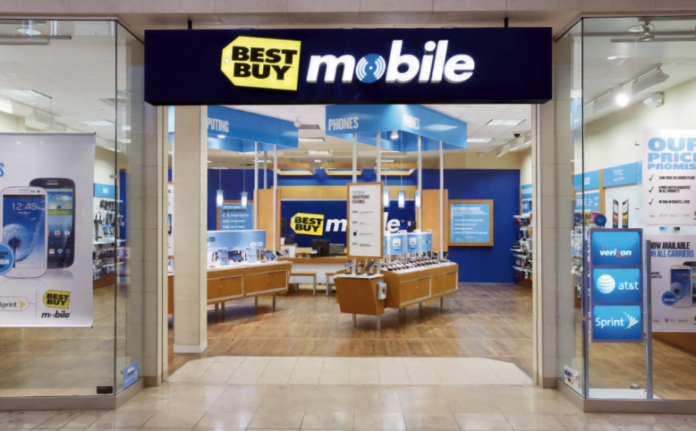
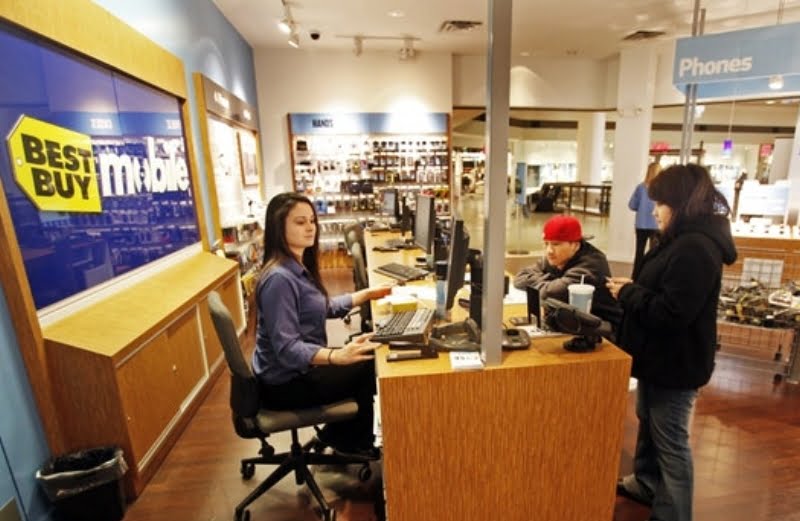
US-based consumer electronics retailer Best Buy has announced that it will close all 250 of its small-format mobile phone stores in the United States, saying that the locations had become less profitable and account for about 1% of total revenue. Best Buy says that its small-format Canadian stores will remain open, however. 

On Wednesday afternoon, Best Buy’s US CEO sent a memo to employees that the US stores will close by the end of May, and that every effort will be made to retain workers. 

In a statement, Best Buy Canada says: 

“The announcement made in the U.S. does not impact our mobile business here in Canada. Best Buy Mobile stores in Canada continue to be an incredibly important part of our overall company strategy and we remain firmly committed to the business.”

Best Buy launched its small-format mobile phone stores in 2006. Things have certainly changed since then — for example, Apple’s popular iPhone hadn’t even launched then.

Stores average about 1,400 square feet each, whereas a typical Best Buy store spans about 40,000 square feet. 

Costs to run Best Buy’s smaller US stores are high and many are in higher-rent shopping centres — in the United States, about 85% of these smaller stores are located within about 5 kilometres of a big-box Best Buy store. 

“While tempting to spin this as a death of retail signal in the US, it is more likely simply addressing realities in the cell phone specialty category and the move big brands like Apple and Samsung have made in direct-to-consumer.  The Canadian mobility landscape is not yet as cutthroat as the US,” said David Ian Gray, consultant and retail strategist/founder of DIG360

Best Buy operates 56 mobile phone stores in Canada, which represents a penetration about twice that per capita when compared to the United States. The provincial breakdown includes 12 stores in British Columbia, nine in Alberta, 28 in Ontario, six in Quebec, and one in Nova Scotia. Many of these are in the country’s leading malls. 

Best Buy entered Canada in 2002 with eight stores in the Greater Toronto Area, and it now boasts almost 200 stores in all 10 Canadian provinces. Its Canadian headquarters are in Burnaby, east of Vancouver.

Reitmans to Close All Hyba Activewear Stores

Photo: Hyba

Montreal-based women’s fashion retailer Reitmans has announced that it will close all of its Hyba women’s activewear stores, and that the Hyba line will continue to be carried at Reitmans stores as well as online. 

Reitmans launched the Hyba brand in 2013 and in the fall of 2015, opened 17 standalone Hyba stores in former Smart Set locations. Smart Set was a women’s brand that once had more than 100 store locations coast-to-coast. 

All 17 Hyba stores will close by the end of Reitmans’ current fiscal year, being February 2, 2019. The line will be carried in the company’s 270 Reitmans store locations, as well as at www.reitmans.com. Reitmans said that Hyba represents less than 2% of the company’s total annual sales, prompting the store closures. 

In a statement, Reitmans said: 

“Costs associated with HYBA store closures comprise non-cash asset write-offs of approximately $1.5 million after tax and a provision for onerous store leases of approximately $2.0 million after tax, to be reflected in the Company’s fourth quarter results for the fiscal year ended February 3, 2018”. 

Photo: Hyba
Photo: Hyba

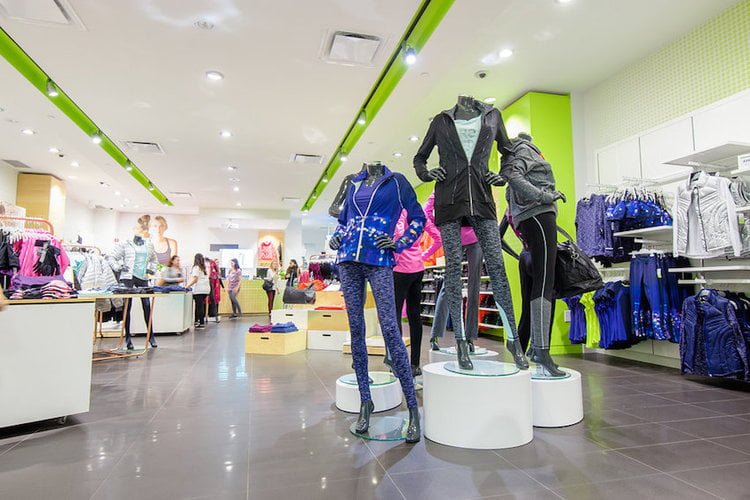
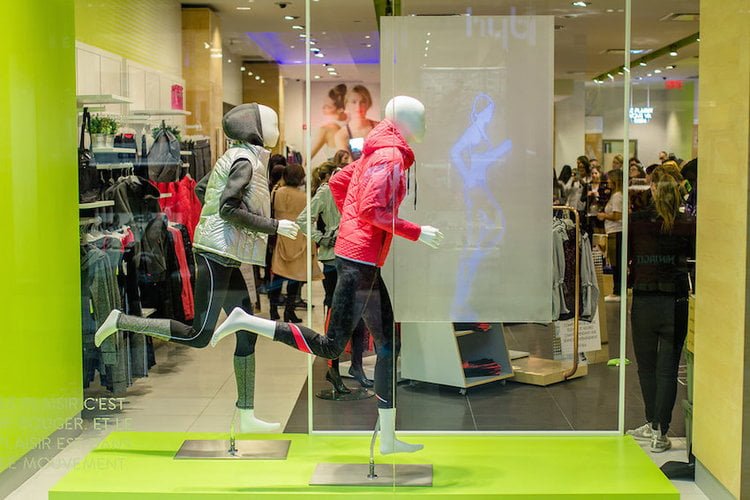
Hyba is positioned as a well-priced, high-quality, style-focused line of women’s activewear in a range of sizes. Hyba’s messaging caters to women who are seeking to become more active without the pressure of becoming a ‘top athlete’, encouraging movement, fun and health. Hyba offers a range of activewear apparel and accessories, including dry wicking performance gear, yoga attire, and style-focused athleisure looks. Sizes range from 2 to 20, which is broader than most competitors.

Hyba’s store interiors feature a combination of bright colours and soft wood, creating positive space that encourages activity, according to the company. The retail concept was expected to be rolled out further and Farla Efros, President of retail consultancy HRC Advisory, went so far as to say that Hyba could have invigorated Reitman’s operations as a whole, leading the company to stronger sales and increased profitability — higher-end yoga pants average more than $100, for example, and Hyba’s prices were less than half that amount. 

Hyba’s 17 stores are primarily in enclosed shopping centres, some of them very well known — its CF Toronto Eaton Centre location boasts a mall entrance as well as Yonge Street access, which has made it a target for retailers (such as Tesla) that have been seeking out new retail spaces. Hyba stores are located coast-to-coast, with a focus on Ontario and Quebec. In Western Canada, Hyba has stores in Victoria BC and Kelowna and in the Maritimes, it currently operates units in Halifax and Dieppe/Saint John, NB. The remaining 13 stores are in Quebec and Ontario. 

*All photos were provided courtesy of Reitmans when we first reported on Hyba’s retail expansion in 2015.