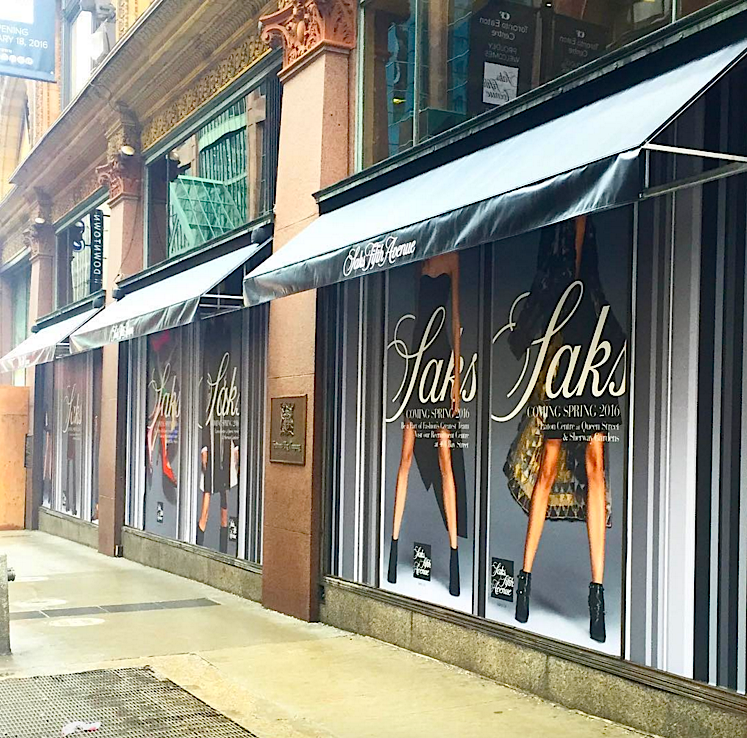
Awnings installed on the new Queen Street store. Photo: Saks via Instagram
Saks Fifth Avenue is putting the final touches on its first two Canadian locations, which both open this month in Toronto. UPDATE: The first location opens with a ribbon cutting at 9:30am on Thursday, February 18.
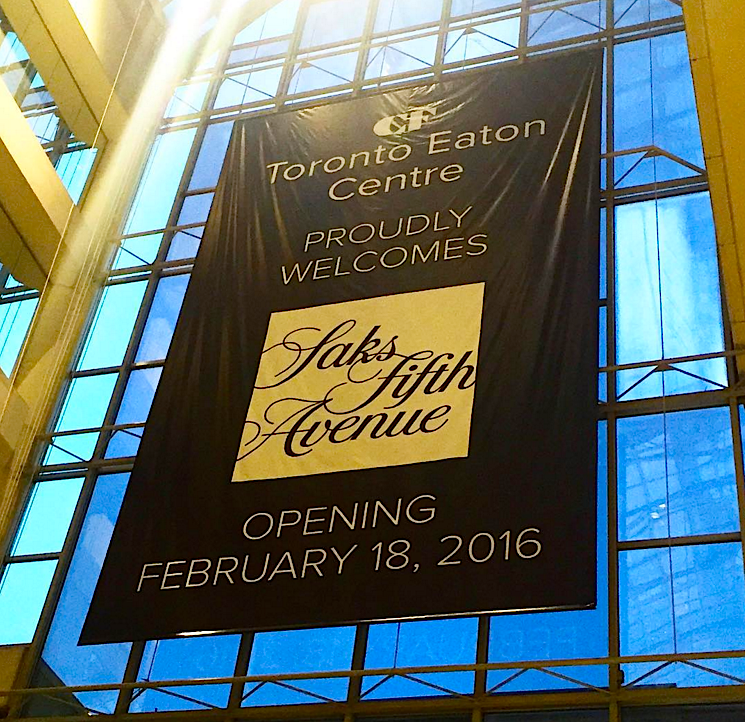
The first Saks location, at CF Toronto Eaton Centre, opens the morning of Thursday, February 18. The 163,000 square foot store will span four levels at the eastern end of the Queen Street Hudson’s Bay building, facing Yonge Street. The store will act as Saks’ Canadian flagship, and will feature a roster of luxury offerings that will rival Holt Renfrew. The store’s lower level will feature a 21,000 square foot Saks Food Hall by Pusateri’s Fine Foods (opening mid-April). The ground floor will feature a handbags hall (including boutiques for Louis Vuitton, Burberry and others), jewellery (including a Piaget boutique), cosmetics/beauty, with entrances off of Queen Street, Yonge Street, and Richmond Street. The store’s second floor will be devoted primarily to menswear, including a made-to-measure lounge. The store’s third floor will feature womenswear, a large footwear salon called 10022-SHOE, and personal shopping suites at Fifth Avenue Club, Saks’ personal shopping and styling service that will include a private suite with refreshments, not unlike Holt Renfrew’s ‘Apartment‘ concept. The Queen Street Saks will also feature a three-level, 11,000 square foot restaurant/bar operated by Oliver & Bonacini.
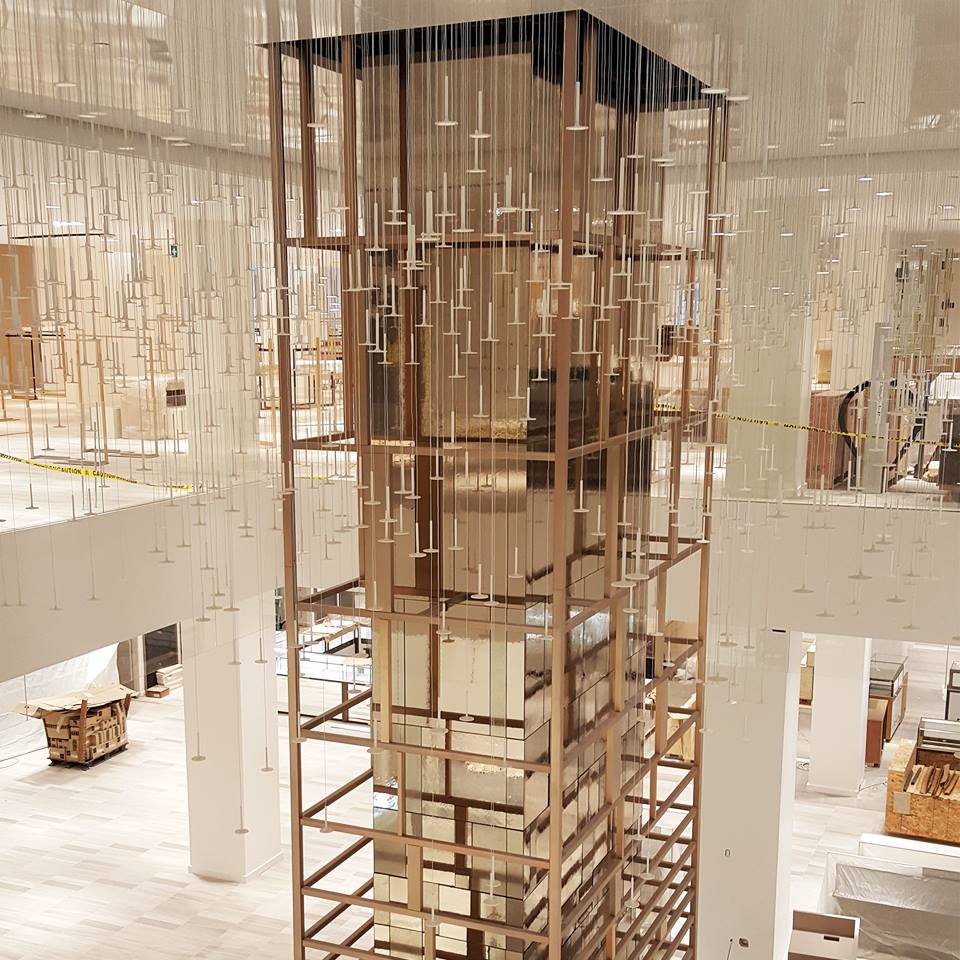
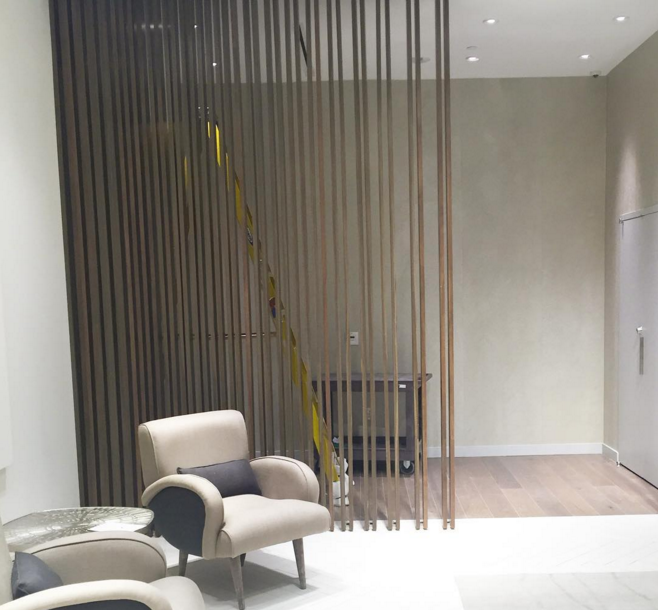
Photo: Saks via Instagram
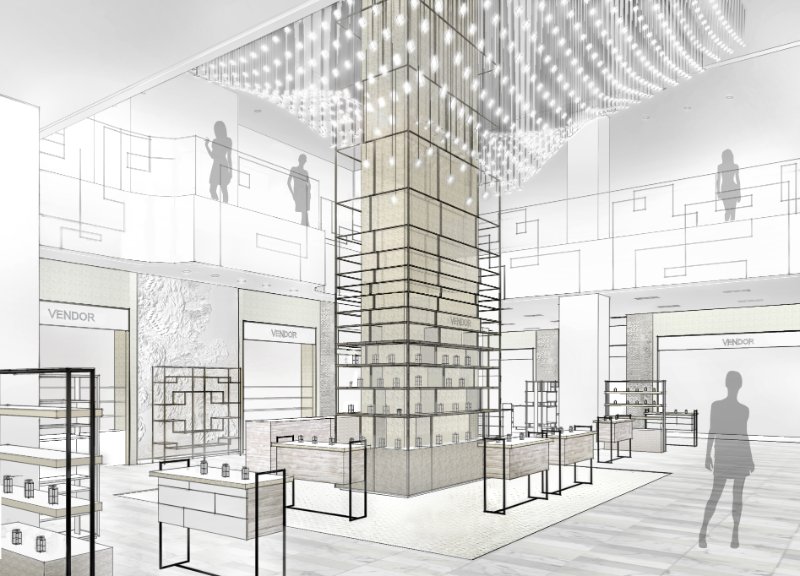
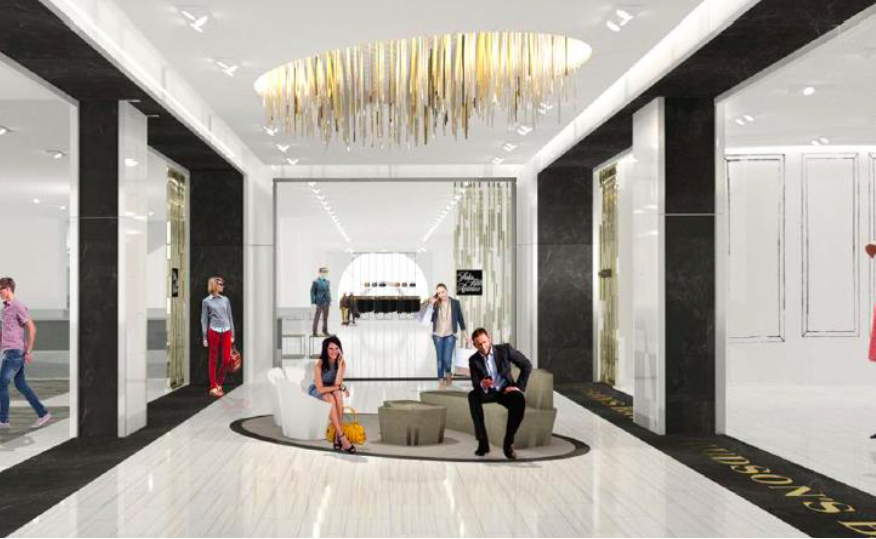
Rendering: Queen Street cosmetics hall, via Hudson’s Bay Company on LinkedIn
February 12, 2016. Photo: Saks, via Facebook
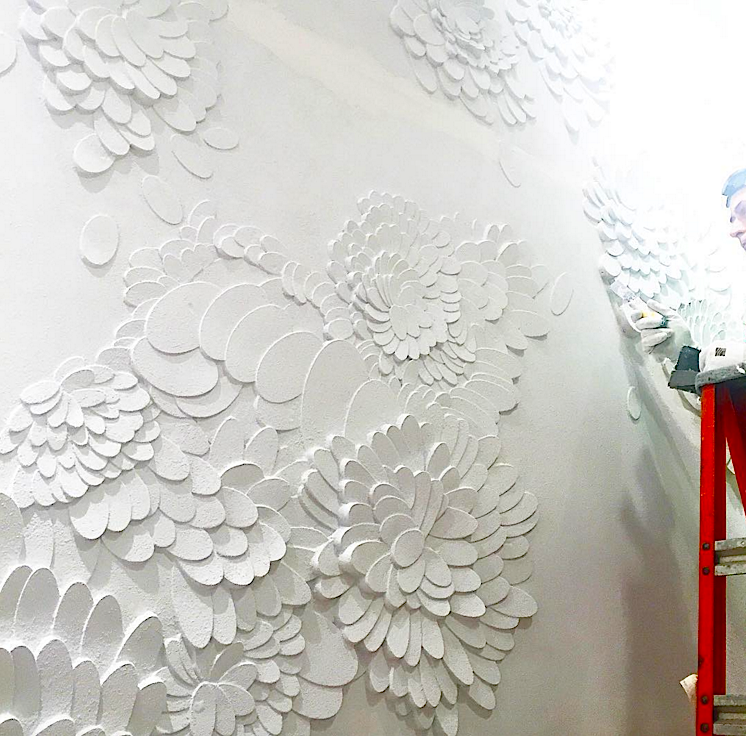
Queen Street Saks wall treatment. Photo: Saks via Instagram
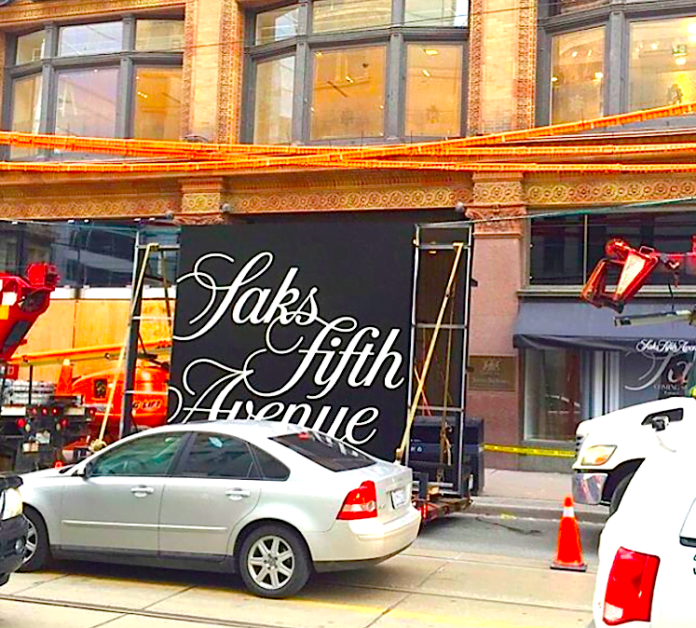
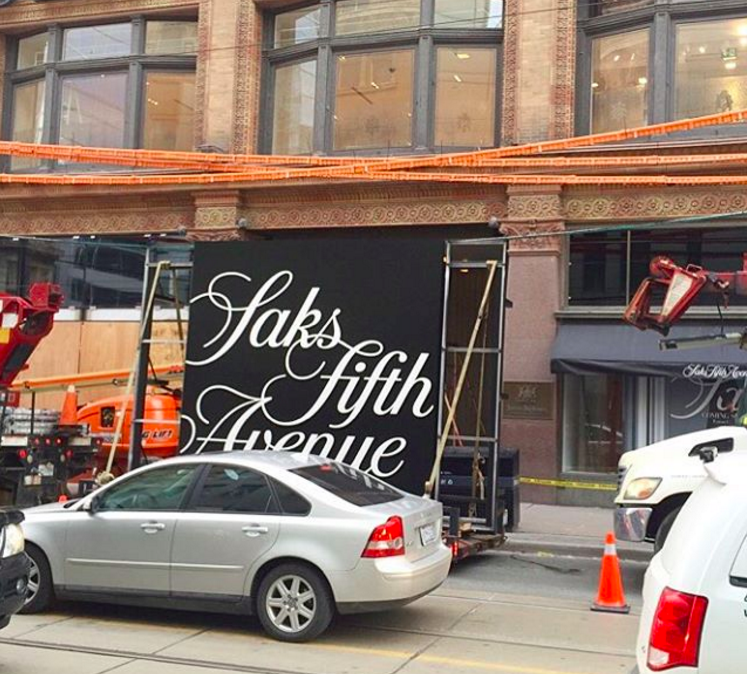
Saks signage being installed on the Queen Street store on Feb 6, 2016. Photo: Saks, via Instagram
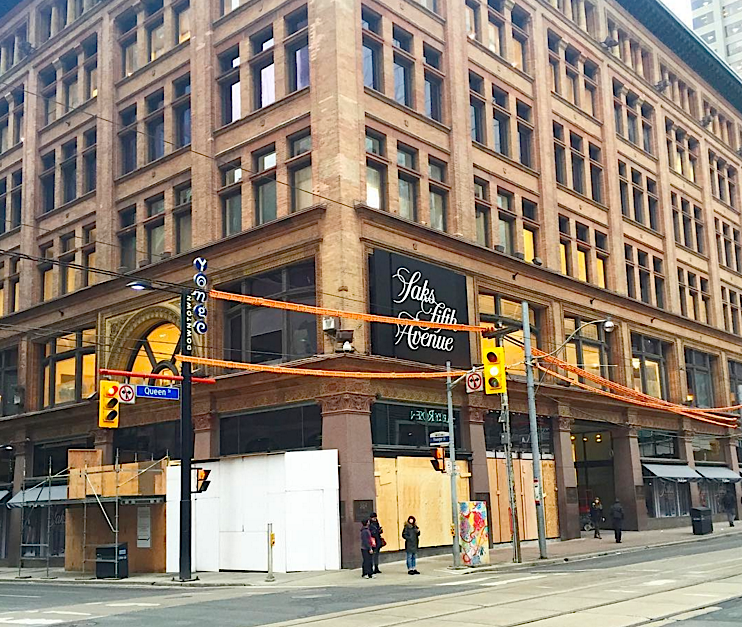
Corner of Yonge Street and Queen Street West on February 8, 2016. Photo: Saks via Instagram
Fifth Avenue Club on Feb 12, 2016. Photo: Saks via Instagram
The second Saks location, at CF Sherway Gardens, opens the morning of Thursday, February 25. The 132,250 square foot store will span three levels in the mall’s former Sears space. The store’s lower level will feature an 18,500 square foot Saks Food Hall by Pusateri’s Fine Foods. The store’s two upper levels will feature many of the same departments as the Queen Street flagship, including men’s and women’s departments, The 10022-SHOE footwear salon, Fifth Avenue Club, and a 5,500 square foot Oliver & Bonacini-operated restaurant called Beaumont Kitchen. The Sherway Saks will feature “a fresh, contemporary, open-format layout”, according to Saks.
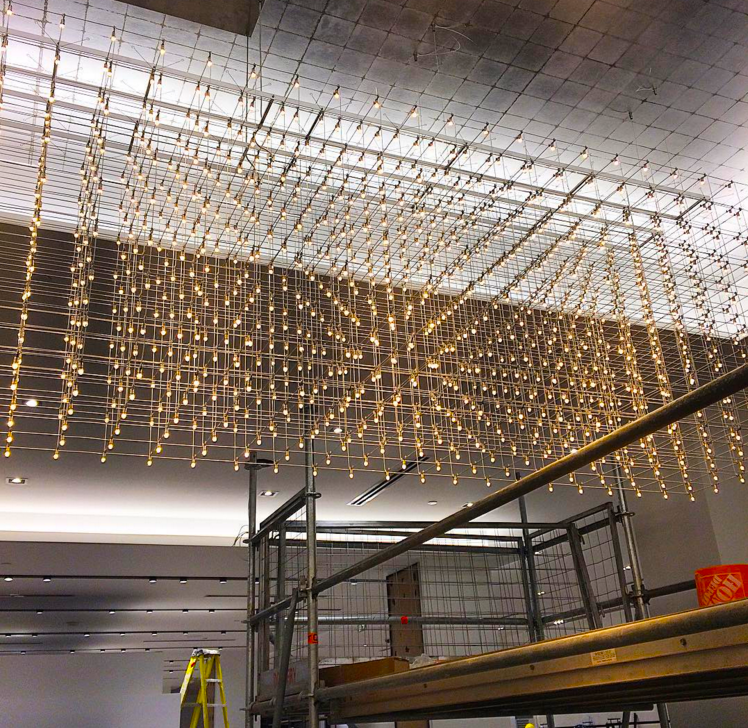
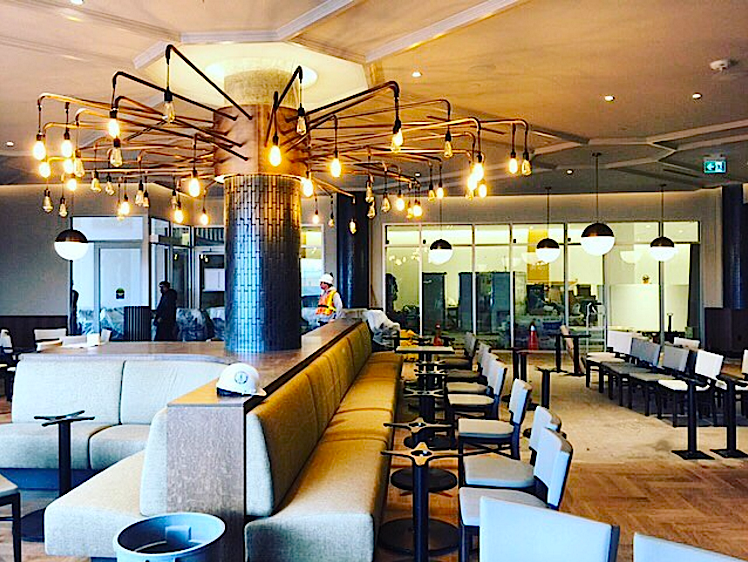
Saks Sherway lighting. Photo: Saks via Instagram
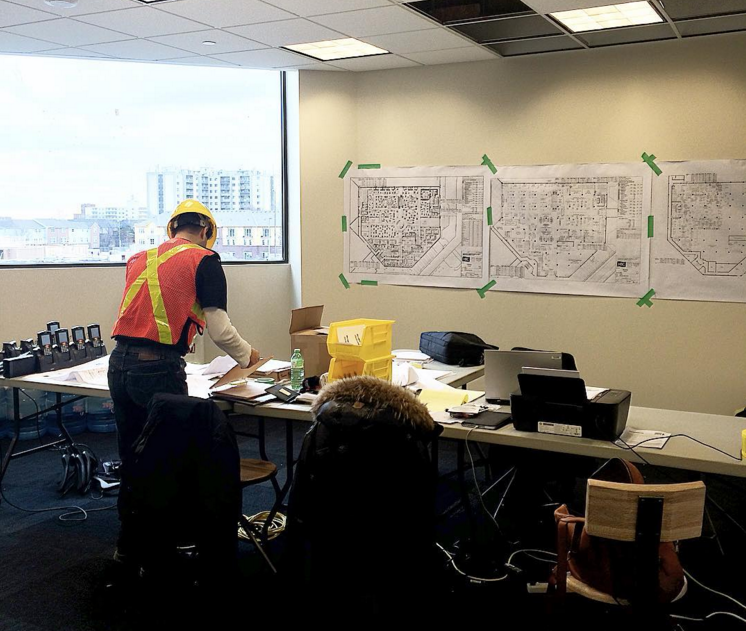
Inside the Sherway construction office. Photo: Saks, via Instagram
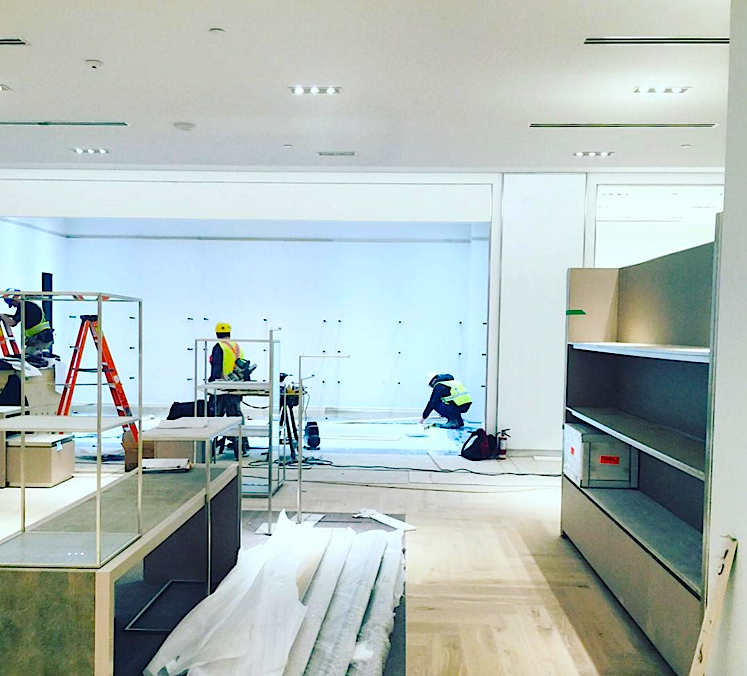
Photo: Saks via Instagram
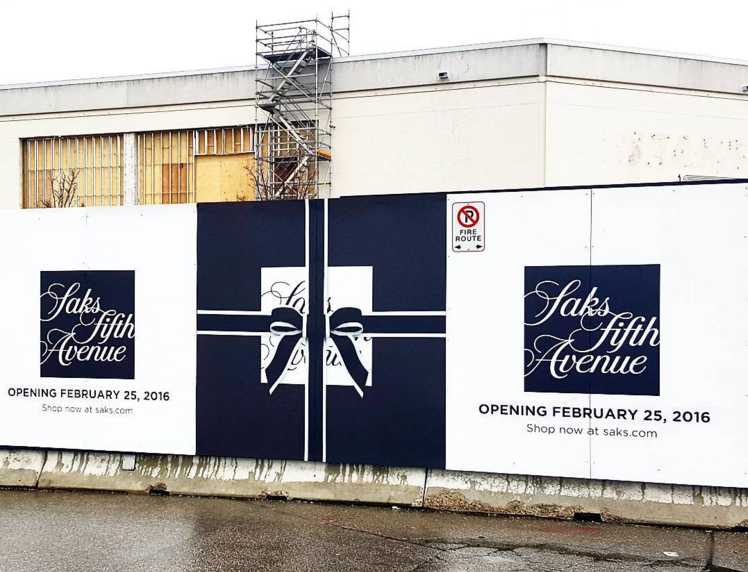
Outside the Sherway store on February 9. Photo: Saks via Instagram
Beaumont Kitchen at CF Sherway Saks. Photo: Saks, via Instagram
Saks will also introduce ‘The Personal Shopping Experience’ to the Greater Toronto Area, featuring a Saks-branded Mercedes-Benz accompanied by a personal shopper that will travel to a client’s home or office. The car will be stocked with merchandise specifically selected for the client, with amenities including styling, beauty consultations and tailoring.
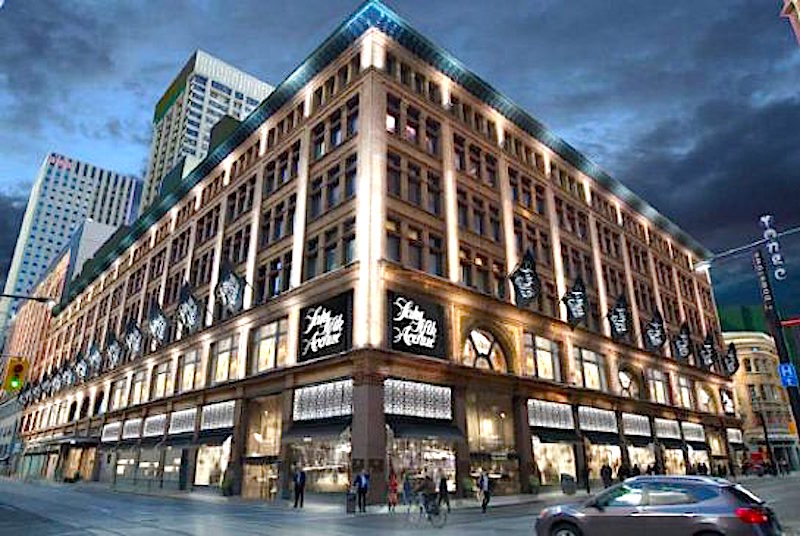
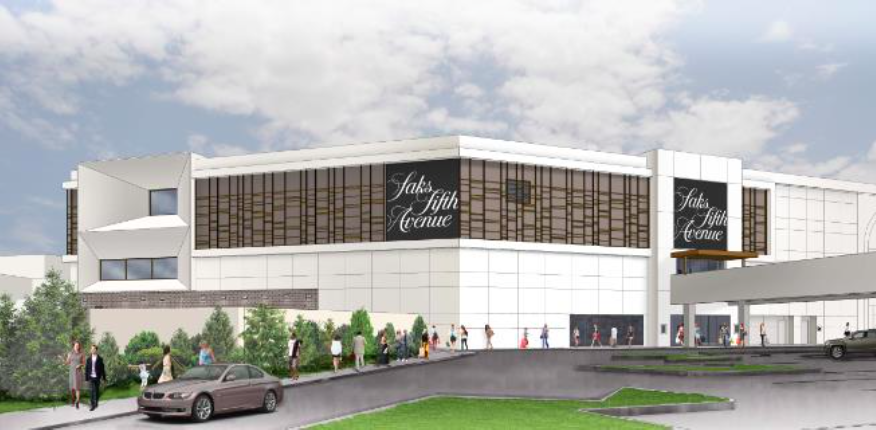
Saks Flagship as seen from the corner of Yonge and Richmond Streets. Rendering: Hudson’s Bay Compay
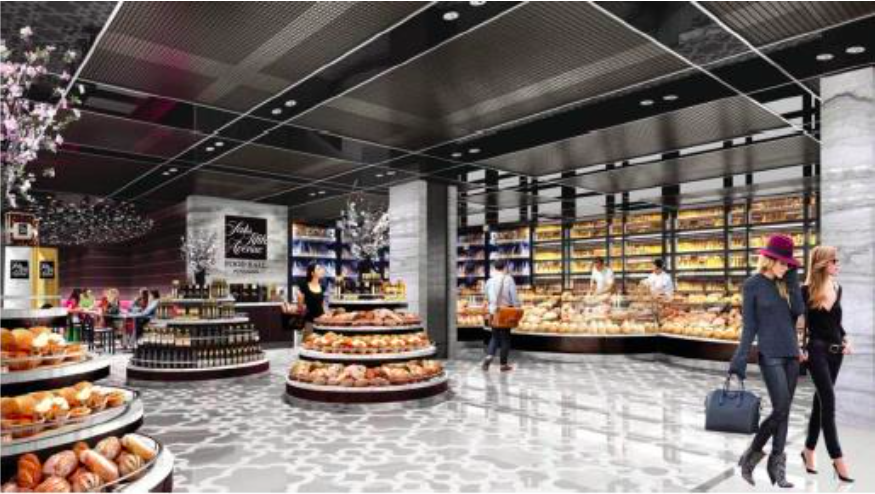
Queen Street food hall. Rendering, Hudson’s Bay Company
Entering Saks/Bay from Eaton Centre pedway. Hudson’s Bay is to the right, Saks is in front and to the left. Rendering via Hudson’s Bay Company
Sherway Rendering, via Hudson’s Bay Company
Saks could open up to eight Canadian locations, according to the company. No further locations have been confirmed, though Saks has said it will eventually open stores in Vancouver, Montreal and possibly in Calgary. Saks will also roll-out its off-price concept Saks OFF 5TH this year, and it has already announced 11 Canadian locations that will open over the next three years. Saks will eventually operate about 25 OFF 5TH locations in Canada.
We’ll be attending the February 18 opening of Saks in Toronto, as well as some pre-opening events, and will report back with our observations.
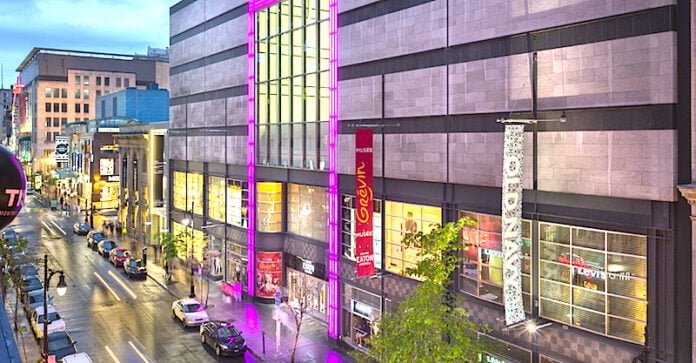
CENTRE EATON, SAINTE-CATHERINE STREET WEST. A 44,840 SQUARE FOOT SAKS OFF 5TH WILL MOVE INTO THE FORMER LES AILES AS THE MALLS MERGE. PHOTO: IVANHOÉ CAMBRIDGE
Downtown Montreal is in transition. The real estate market has become increasingly dynamic as traditional sectors evolve; the retail sector is no exception to this trend!
The core retail sector, as we define it, is based predominantly along Sainte-Catherine Street West, with the addition of some adjacent cross streets such as Crescent, de la Montagne, Stanley, and Peel. Home to major retailers such as Hudson’s Bay, Simons, and Ogilvy, Sainte-Catherine West has been the heart of downtown retail activity for over a century. To complement this corridor and to accommodate shopping during the harsher winter months, there are also five shopping centres that front on Sainte-Catherine Street, and are linked together through the under- ground network, housing a larger variety of fashion, entertainment and services. This retail sector is on the verge of one of its largest shifts ever.
Demographic change is impacting retail
This shift involves the notable population growth in the central area of downtown. We are focussing mainly on the area bounded by Avenue des Pins, Saint-Urbain Street, the river and just west of Guy Street. This area recorded an increase in population of 18.7% between 2010 and 2015 and is forecast to achieve another 15.2% increase in the next five years, compared to the Montreal CMA which is estimated to see 5.3% population growth between 2015 and 2020. This growth equals an additional 13,000 residents downtown, who will all need somewhere to buy their groceries, work-out, eat out, be entertained and relax. It is of great significance that the majority of these residents are in the 25 to 34 year age cohort, the average annual household income is $76,000 and there is an average of only 1.6 persons per household. Moreover, more than 57% of the downtown population has a university degree, far above the Montreal average of 25%. All of these factors can be summarized by stating that for the first time in decades downtown Montreal is filling up with young urban, well-educated professionals with healthy amounts of disposable income.
As a growing portion of the population is becoming university educated, and with that higher education and the time it takes to achieve, today’s graduates are more frequently delaying having children until later in their lives, rather than in their early 20s. This leaves them without the parental responsibilities that might otherwise usher them into family life, which has in recent decades meant moving off-island to the suburban markets as a young family. Without children at the top of their priority list, these young professionals are instead able to prioritize the prized “Lifestyle” that can be found by residing in the downtown core. This lifestyle choice includes proximity to work, and the ability to walk or cycle to the office. The rise of this highly-educated, high-earning, childless demographic has opened up a significant market for residential property in the downtown core, which has been quite active in Montreal in recent years with intensive condominium and apartment construction. Recent data indicates that there are more than 4,000 condominium units under construction in downtown. Just look at the cranes along Rene-Levesque Boulevard West and in Griffintown to see this growth.
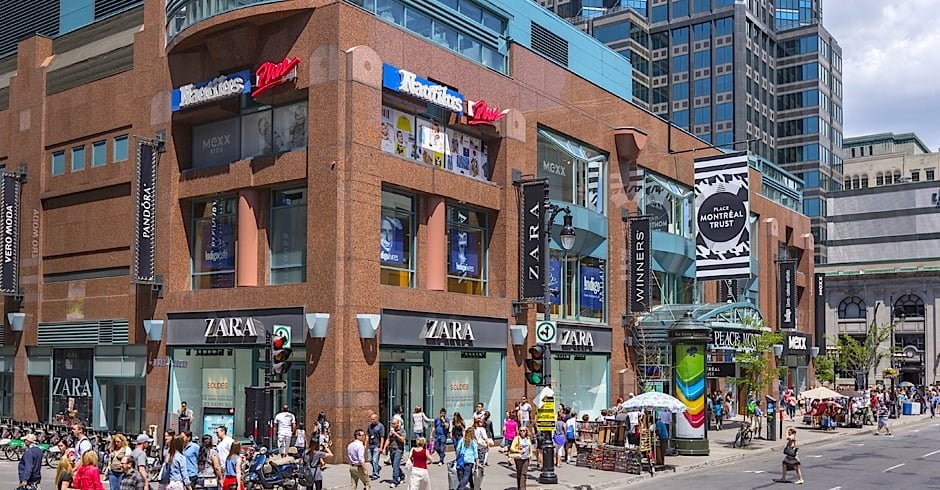
Place Montréal Trust – Ivanhoé Cambridge
The Shift In Retail
As this demographic shift continues to gain momentum, the makeup of the downtown retail sector is shifting with it. Retailers in the downtown core, which historically had fewer residents, were able to focus predominantly on more consumer goods like fashion. As the number of residents downtown continues to rise, so too does the number of retailers to meet the newfound demand for services and daily needs, with entities such as grocery stores and pharmacies sprouting up. With more people living downtown, the demand for leisure after work, such as restaurants and cinemas, will also rise.
Aside from mere proximity, another major factor drawing these young professionals into the downtown core is “The Lifestyle” made available to them at their fingertips. The increased prevalence of mixed-use developments is responding to this demand, in that one needn’t trek over to the next neighbourhood for something if it is available downstairs or around the corner.
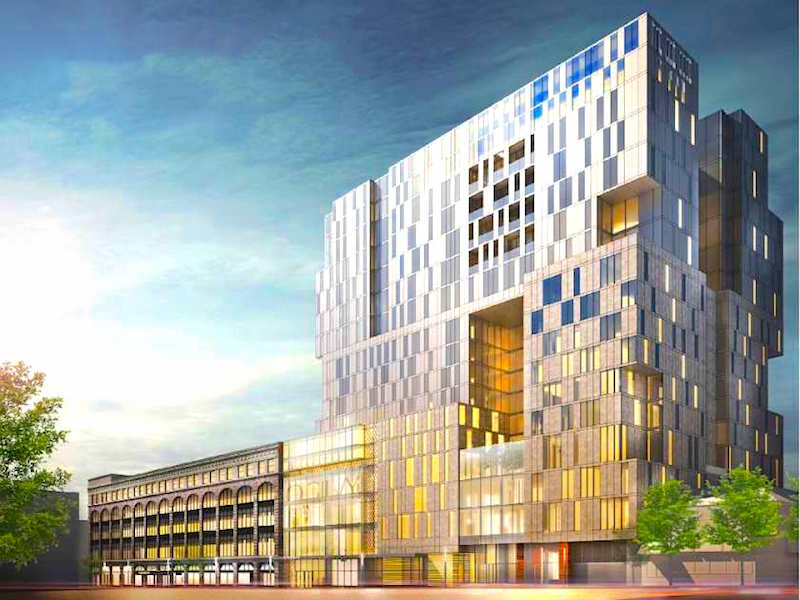
An example of lifestyle-centric development in the pipeline is the redevelopment of the Ogilvy store and surrounding properties by Carbonleo. This mixed-use development will contain a 5-star hotel, high-end condominiums, and retail and restaurant space. The centre-piece of this development, a newly renovated and expanded Ogilvy/Holt Renfrew combined store, will have over 220,000 square feet of retail space. Completion is expected in late 2017. The Tour des Canadiens sports-themed condominium complex is another example, and L’Avenue comprises residential, commercial and office space all in one building. Furthermore, the City of Montreal has seen the need to redevelop its main retail corridor, to meet the needs of this changing demographic and create a better experience for shoppers. The City’s multi-phase construction project on Sainte-Catherine is expected to launch in 2017 and last four years. Plans include wider, heated sidewalks to make navigation easier in the winter, free Wi-Fi, and fewer parking spaces (more pedestrian spaces). All of this will attract the new residents to this area.
CARBONLEO’S OGILVY/HOLT RENFREW PROJECT WILL INCLUDE AN ADJACENT LUXURY HOTEL AND CONDOS. RENDERING: CARBONLEO
Some Fail & Disappear, Some Succeed And Grow! The Darwinian Law Of Retail
In addition to increases in day-to-day shops in terms of overall market composition, the makeup of individual sectors is also changing to accommodate for the preferences of the new residents. While the closures of a number of mid-range fashion retailers has been making news headlines lately, a number of newer/trendier/younger brands have been lining up to fill the vacancies. For example Mexx, Jacob and Tommy Hilfiger all closed their doors on Sainte- Catherine in the last year. The nature of the stores that are closing versus the stores that are replacing them speaks to the rising importance of the newer generation, and how, as consumers, they are the new dominant force in the retail world. Rather than the closures indicating any kind of retail slump in Montreal, they speak to the responsiveness of the market to the constantly-changing needs of consumers, or from another angle, the constantly-changing composition of the body of consumers as a whole. Some of the newcomers to the Sainte-Catherine strip are Aritzia, COS, and G-Star RAW. On a longer horizon, one can expect to see downtown retailers like MUJI, Uniqlo, Hudson Bay’s newly-acquired Saks Fifth Avenue, F21 RED, AllSaints, Karen Millen, and more. The majority of these fashion retailers cater to a younger generation. Even with the store closures and new openings, the actual vacancy along Sainte-Catherine Street in particular has remained fairly stable, and in fact has decreased in the last year. Vacancy between Guy Street and Robert Bourassa Boulevard decreased from 6.0% in the spring of 2014 to 4.4% in the spring of 2015. Major international retailers understand the significance of this corridor. They are making careful location decisions in order to better serve customers; new entrants to the downtown core, such as Lolë and G-Star, sought out unique spaces that have character and high visibility. Frank & Oak, originally an on-line only retailer, has opened a store on Stanley Street, just north of Sainte-Catherine, where men can get a haircut and pick out suits at the same time. These types of stores cater to the young, hip demographic and understand the significance of the in-person shopping experience they offer.
PLACE VILLE MARIE FEATURES A SUBSTANTIAL RETAIL PODIUM. PHOTO: IVANHOÉ CAMBRIDGE
The Technology Era & Its Influence On Retail
Likewise, as the population in the downtown core continues to be more educated, young, and most importantly tech-savvy, they will begin to demand further technological integration in the purchasing process. With the continued rise of online purchasing, it will likely alter the very definition of a store – we have likely already surpassed the traditional brick-and-mortar vending of merchandise. Instead of acting essentially as warehouses where consumers explore the merchandise and ultimately make a purchase, stores of the future will be more successful integrating themselves with online purchasing to make a smoother and more logical overall process.
Instead of brands building redundant, two-track infrastructure and competing with themselves, they would be better served by integrating into one, smoother system. Tech-savvy consumers could select items they like online, and use stores as pickup points, important on the logistical chain. Instead of the traditional warehouse role, stores could adapt to service the parts of the consumption process that [at least today] continue to require physical presence, such as checking sizing.
As the merchandise aspect of brick- and-mortar retail continues to slide onto the sidelines, the defining role of a store could soon be entirely redefined. Since the 1700s, the word ‘store’ has referred to a place goods are stored in order to be showcased and sold. With the rise of online shopping, spurred by a rapidly growing demographic of computer-literate consumers, the storage and sale of merchandise could in large part be replaced. The main objective of stores could shift, becoming more important as delivery and distribution centres for products decided upon online. With the sale of merchandise beginning to be sidelined, stores will need to do some soul-searching to carve out their new role in this increasingly online retail landscape – with focus on the creation and/or expansion of services that require a physical presence, and cannot be replicated online with today’s technology. This will likely manifest itself in the conversion of stores into marketing vehicles where branding and lifestyle-based marketing can be promoted. The in-store experience will become more important than the inventory!
Retail is constantly in flux; consumer preference is ever-changing, demographics vary over time; technology is impacting historical means of acquiring goods. As such, the retail sector must be incredibly responsive to the preferences of consumers and retailers alike. Evolving demographics requires an evolution in the shops and services required to meet perpetually shifting demand. The significant increase in the residential population is going to alter the retail landscape as we know it in the heart of Montreal’s busiest downtown retail districts. Retail is probably the most dynamic of asset classes, its success depends on new consumer preferences, their ability to spend and their level of confidence in the economy. Montreal is no exception when it comes to retail, either to adapt and thrive or fail and disappear.
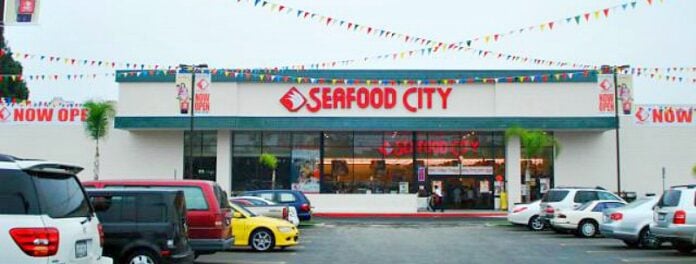
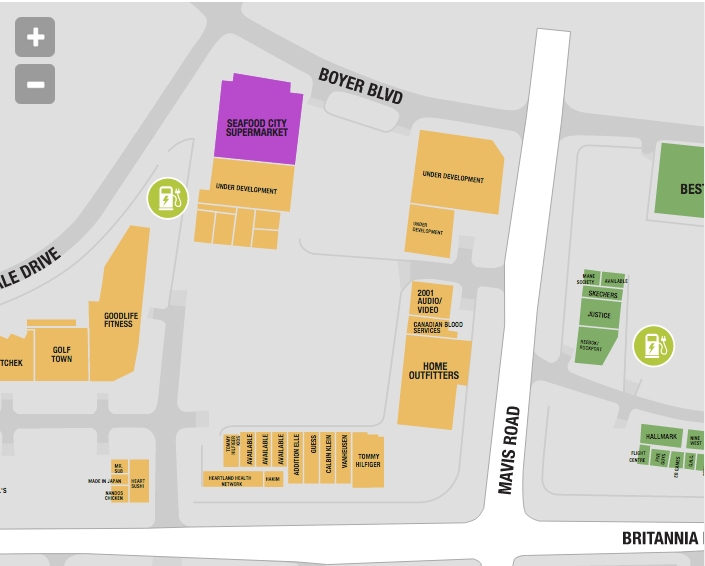
Filipino supermarket chain Seafood City will open its first Canadian location later this year at Mississauga’s Heartland Town Centre. The 36,000 square foot store could be the first of multiple locations, as Canada’s Filipino community continues to grow quickly.
Founded in San Diego in 1989, the supermarket chain specializes in Filipino food and products. Fresh seafood is a specialty (hence its name) as well as meat and produce. Some U.S. locations also feature shop-in-store concessions for Filipino businesses that range from restaurants to travel agencies to immigration offices. The company currently has 23 U.S. locations, with 20 of those in California.
Vancouver-based lawyer Ritchie Po, originally from Manila and a fan of Seafood City, described the concept as “what T&T Supermarket is to Chinese migrants, a large scale supermarket chain specializing in stocking brands and foods from what we call ‘the old country’. These include importing ube (taro)-flavoured ice cream from national brand favourite Selecta, dried mango slices from numerous Philippine-based competitors and various snack foods. It’s a taste of home”. He then went on to explain, “Having been to locations in California and Washington state, they’ve been very successful in drawing out the expats to build a sense of community in a gathering space. A typical Seafood City complex also includes locations of Jollibee, the Philippines’s answer to McDonald’s. They are often opened alongside our biggest national bakery chain Red Ribbon, which serves Filipino dessert specialties like buko pandan (coconut jelly), sapin-sapin and mamon, which is our traditional sponge cake. To complete the ‘taste of home experience’, there’s usually also a Maxim’s, which serves traditional Filipino breakfast but also specialty dishes specific to the wealthy Chinese-Filipino expat community. Chinese-Filipino home cooking simply doesn’t exist in restaurants stateside, so Maxim serves a very niche clientele.”
Heartland Town Centre is an outdoor retail power centre, boasting over 2 million square feet of retail space and about 165 stores, including multiple anchor retailers.
Antony Karabus, CEO of leading retail consultancy HRC Advisory commented: “I believe this is a good decision as hyper-localization is one of the best ways for a retailer to differentiate versus traditional conventional grocers. The success of T&T in the Asian community prior to its acquisition by Loblaw is a good barometer of the success of this localization strategy based on the particular demographic in the applicable stores’ trading area”. He then went on to say: “The challenge these ethnic grocers will face is that as the younger generation of a particular ethnic group matures as economically-active Canadians, they often identify more with Canada than the country that their parents immigrated from. So while the ethnic grocers should see much success with the immigrants, they will need to broaden their appeal in time in order to maintain their relationship with the next generation.”
Canada’s Filipino population has grown to become one of the country’s largest immigrant demographics. More than 40,000 Filipinos became permanent residents of Canada in 2014, making the Philippines the top source country for Canadian immigration that year. An estimated 700,000 Filipinos now live in Canada, with approximately one half of those in the Greater Toronto Area. The Vancouver area hosts the second-largest Filipino population in Canada, and Winnipeg ranks third. If Filipino population can be used as any indication, Seafood City could open in these and other Canadian markets.
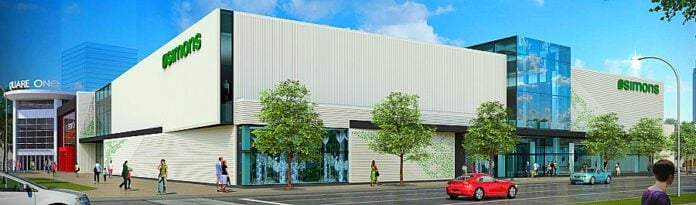
Quebec City-based large format retailer La Maison Simons has announced the opening date of its first Greater Toronto Area store at Mississauga’s Square One next month. Two more Toronto Simons locations will open before the end of the decade.
The Square One Simons location will open to the public the morning of Wednesday, March 17. The 106,660 square foot store will occupy retail space in part of Square One’s former Sears location. Oxford Properties-owned Square One is seeing an overhaul which will include new retailers as well as a considerable amount of new retail space. A southwest mall expansion will house new Harry Rosen and Holt Renfrew flagships as well as several smaller upscale retailers in a ‘luxury wing’ which will also open to the public this spring.
Simons’ CEO Peter Simons recently revealed that the company will open two more Toronto stores — a Scarborough Town Centre location in 2018, as well as a Yorkdale Shopping Centre store in 2019.
Simons currently operates 11 stores in Canada. Of those, nine are in the province of Quebec, while two are in Western Canada — a West Edmonton Mall location opened in August of 2012, and West Vancouver’s Park Royal store opened mid-October of 2015. The company also just revealed that it secured a former Target location in Quebec City, where it will almost double its presence in the mall.
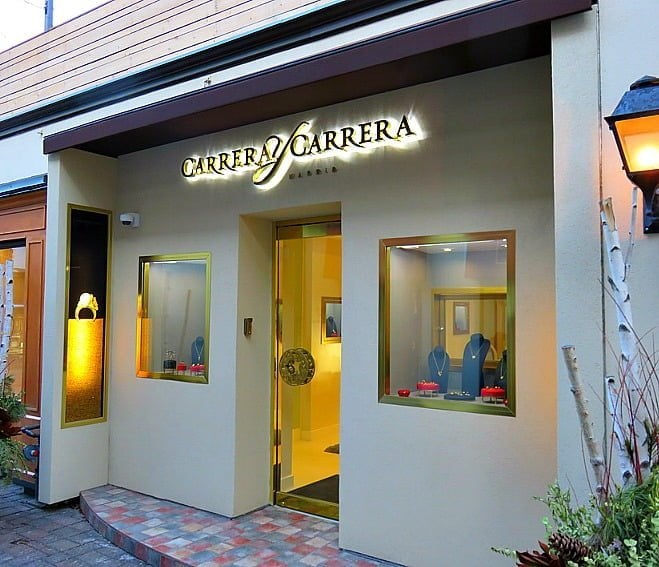
Upscale Spanish jeweller Carrera y Carrera has opened its first North American location in Toronto. The boutique is located on Old York Lane (Unit 6, 138 Cumberland Street) at Yorkville Avenue.
The company was founded in 1885 in Madrid, and according to its website, is “one of the 30 most prestigious jewelry firms in the world”. As it primarily uses gold and precious stones, Carrera y Carrera pieces are often priced into the thousands. Many pieces feature animal designs. The brand distributes in 40 countries worldwide and operates a handful of boutiques internationally.
Carrera y Carrera’s location off Yorkville Avenue is timely, as Yorkville Avenue prepares to become a luxury retail street potentially rivalling nearby Bloor Street West. Several months ago, the street saw a repaving of its streetscape with grey brick, and we recently announced that Chanel‘s Canadian flagship will relocate to 98 Yorkville Avenue, and that Christian Louboutin will open across the street at 99 Yorkville Avenue. We’re told that other luxury brands are interested in nearby retail spaces and as a result, redevelopment will occur on both sides of the street and landlords build-out spaces appropriate for luxury brands.
French luxury footwear brand Christian Louboutin will bring more of its trademark red soles to this country when it opens its first freestanding Canadian location in Toronto’s Yorkville shopping district in a few months. The store joins two existing Canadian Louboutin concessions, which sources say are doing gangbuster business.
The Christian Louboutin brand was founded by its namesake designer in 1991 in Paris. Known for its red soled shoes, Louboutin has since expanded to include handbags, men’s footwear, and a range of nail lacquers. The brand operates freestanding stores in nine U.S. regions, including Atlanta, Chicago, Dallas, Los Angeles (Costa Mesa, Santa Monica, West Hollywood), Las Vegas, Miami, New York City and San Francisco.
Louboutin’s freestanding Toronto flagship will open in the former La Presse Internationale space at 97 Yorkville Avenue in Toronto’s upscale Yorkville area. The store will feature about 2,625 square feet of retail space over two floors, as well as a 1,230 square foot basement level that will be used for stock/back of house operations. The store will be directly across the street from Chanel, which will open an 8,700 square foot store in early 2017 in space currently occupied by Teatro Verde. Other luxury brands are in talks for retail space in the immediate area, which has become increasingly upscale with the addition of Spanish luxury jeweller Carrera y Carrera last month, and a Kiton location that opened last spring.
The new store will open in the spring/summer of 2016, according to Jordan Karp of Paracom Realty, who represented Christian Louboutin in partnership with Jeffrey Paisner of Ripco Real Estate in New York City. Louboutin studied the market carefully for over two years before settling on the “truly unique and special freestanding building”, according to Mr. Karp.
Christian Louboutin’s first Canadian concession opened in Toronto late 2013 inside Yorkdale Shopping Centre‘s Holt Renfrew. In September of 2015, Louboutin opened its second Canadian concession within Vancouver’s new Nordstrom flagship. Sources say that both locations are among Louboutin’s highest-selling locations.
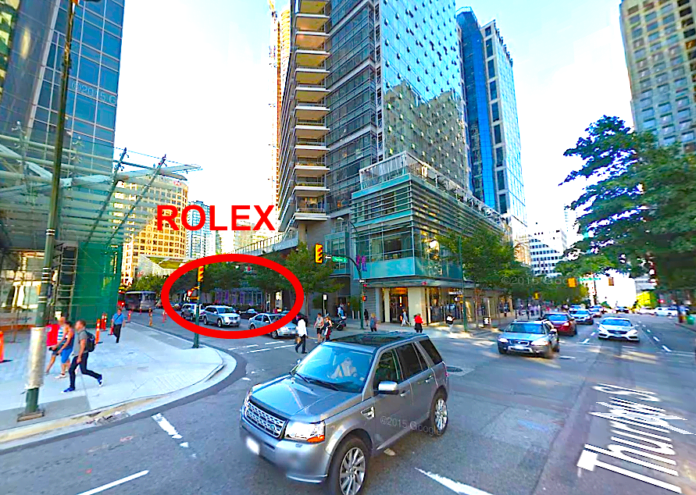
A 2,500 square foot licensed Rolex store will replace the Xi Shi Lounge at Vancouver’s Shangri-La Hotel. Rolex will feature an Alberni-Street frontage, and is the latest major store announcement for Vancouver’s burgeoning ‘Luxury Zone’.
Xi Shi Lounge opened within the Shangri-La Hotel in 2008, at the base of Vancouver’s tallest building. The lounge closed over the weekend. During the day, the venue served afternoon tea on Blue Willow china, and featured classical piano music on weekends. In the evenings, the space featured live music, snacks and cocktails, and was sometimes rented out to third parties to host events.
Last week, a local event planner who regularly hosted events in the space posted on Facebook that the lounge was closing, revealing that Rolex would take the space. Other sources confirm that the condominium corporation was the original source for revealing that Rolex would replace Xi Shi Lounge.
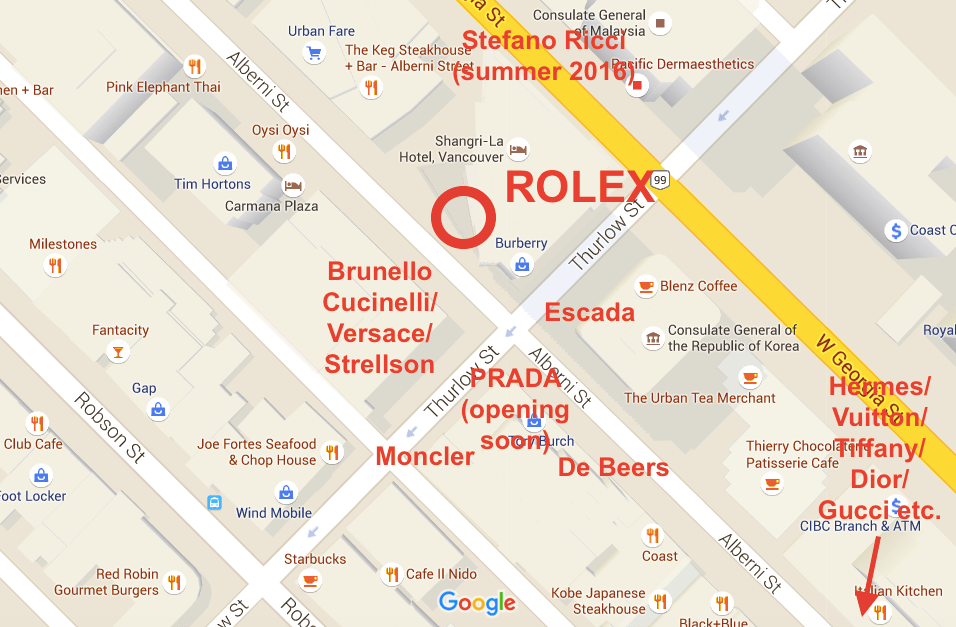
CLICK MAP FOR INTERACTIVE VERSION, VIA GOOGLE
Rolex will join several other luxury retailers that have recently opened nearby. In December of 2015, Brunello Cucinelli, Versace and Strellson opened across the street at the base of the 745 Thurlow Street office tower. Italian brand Moncler also opened in December across from Brunello Cucinelli on Thurlow Street, and a three-level Prada flagship is under construction at the southeast corner of Alberni Street and Thurlow Street. Pricey luxury brand Stefano Ricci will open next to the Trump Tower on nearby West Georgia Street and according to franchisee Manuel Bernaschek, Ricci will open in the summer.
Luxury brands that have recently opened in the area include North America’s largest Christian Dior store (12,000 square feet) as well as Jaeger-LeCoultre and Lao Feng Xiang. Established luxury brands in the area include Louis Vuitton, Hermes, Tiffany & Co., Gucci, St. John, Omega, Wolford, Burberry, Montblanc, and others.
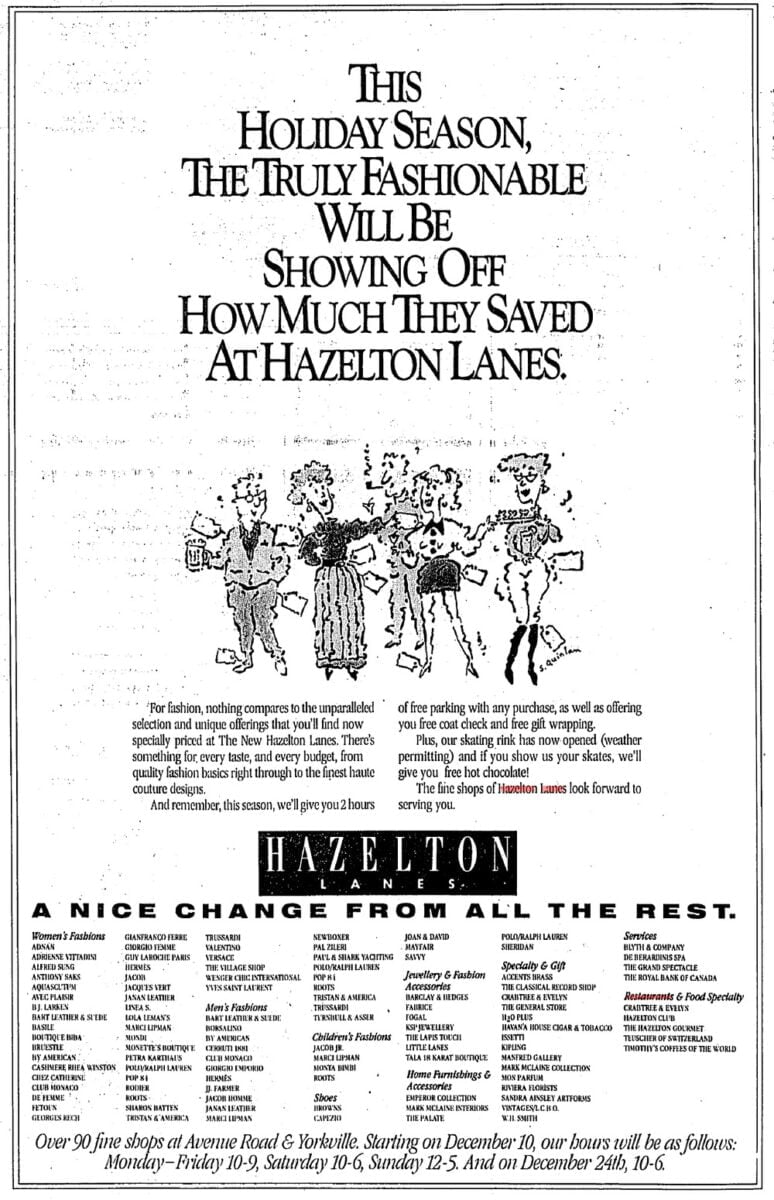
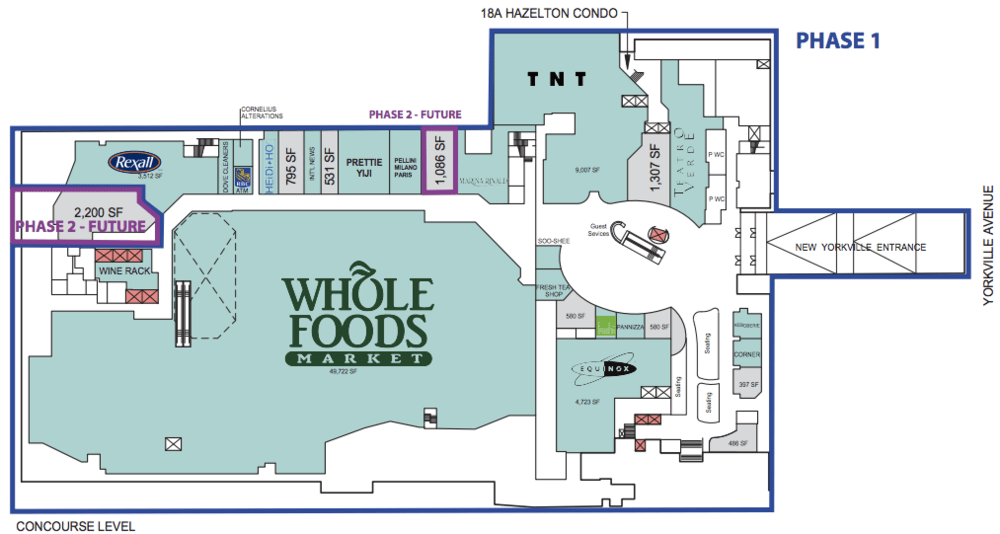
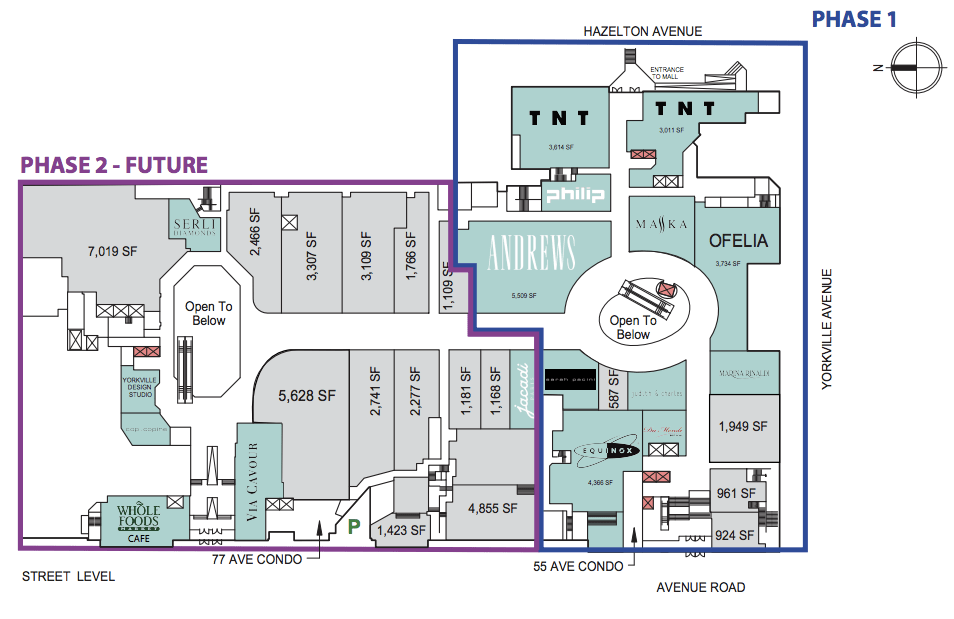
Hazelton Lanes’ first phase, at 55 Avenue Road, was built in 1976 and measured only 60,000 square feet. Because it opened before CF Toronto Eaton Centre, it managed to secure more upscale retailers than it may otherwise would have. Hazelton Lanes almost tripled in size in 1988 by adding address 87 Avenue Road to its north portion, hosting even more luxury retailers such as Hermes, Gianni Versace, Valentino, Fogal of Switzerland, Emanuel Ungaro, Givenchy, Yves Saint Laurent Rive Gauche, and others. The recession which hit Toronto a couple of years later resulted in many luxury stores eventually closing at Hazelton Lanes. The mall’s awkward configuration, low ceilings and inconveniently-located entrances further contributed to the mall’s downfall. Hazelton Lanes eventually became more of a neighbourhood shopping centre (albeit an upscale one) of almost 237,000 square feet.
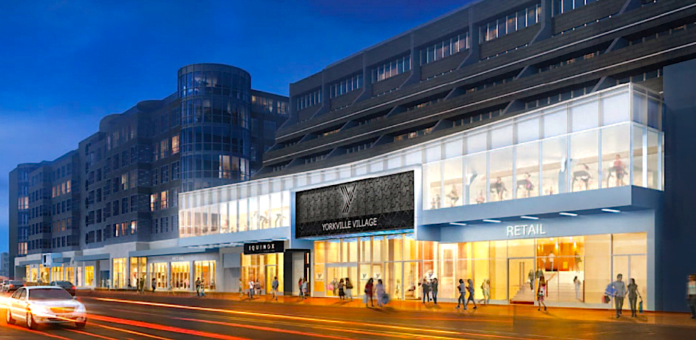
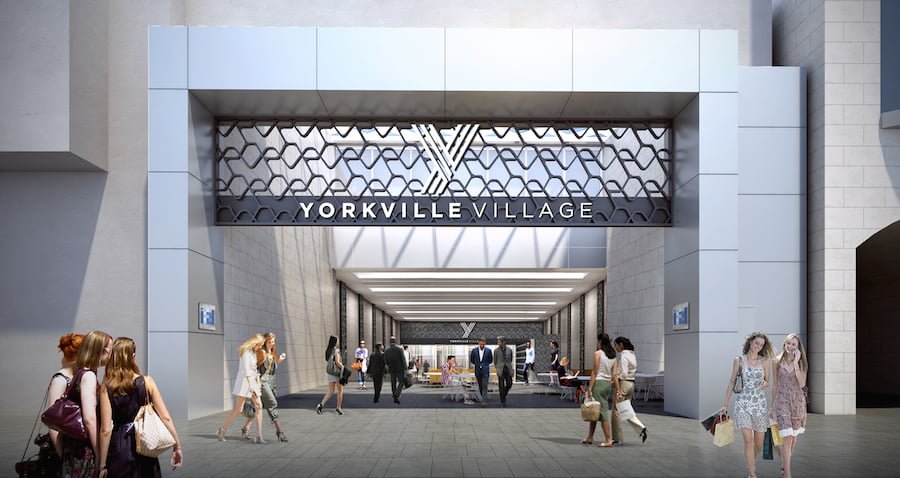
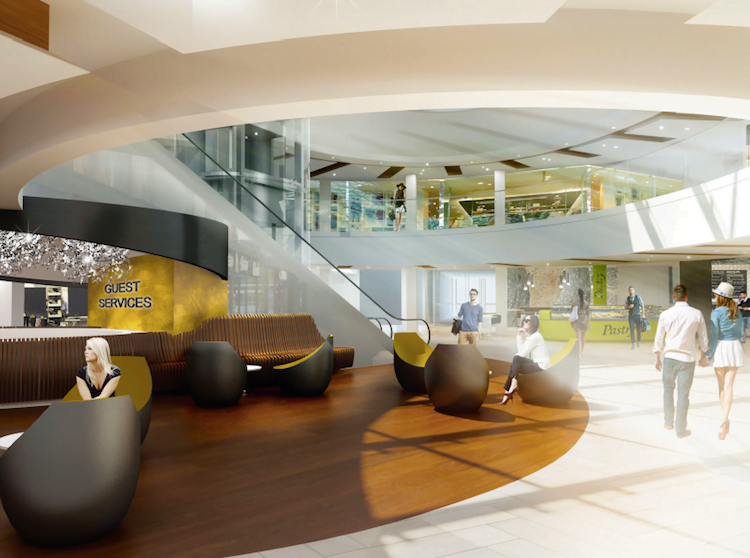
First Capital Realty bought Hazelton Lanes in 2011. Anchored by Canada’s first (and sources say, most productive) Whole Foods location, the centre’s landlord retained design firm Kasian to redesign the complex, and earmarked over $100 million to transform the centre into a bright, upscale ‘neighbourhood centre’.
RENDERING: FIRST CAPITAL REALTY
RENDERING: FIRST CAPITAL REALTY
First Capital Realty also has big plans for the surrounding neighbourhood, including adding more luxury retail to the mix. Last year, it purchased several neighbouring retail properties, including 80-100, 102-104, 106-108, and 136-138 Yorkville Avenue. First Capital currently owns about 80% of the north side of Yorkville Avenue between Hazelton Avenue and Bellair Street and last year, we reported that the landlord would like to eventually own much of the commercial space on both Yorkville Avenue and Cumberland Street. So far, Chanel is a confirmed tenant in 2017 for an 8,400 square foot retail space currently occupied by Teatro Verde at 98 Yorkville Avenue (Teatro Verde will move into the former Hazelton Lanes mall) and several other luxury brands have shown interest in adjacent street-front properties.
Barbie will launch a permanent 5,000 square foot museum at Montreal’s Les Cours Mont-Royal early next month. The exhibition will feature over 1,000 one-of-a-kind dolls on display, wearing fashions from some of the world’s most prestigious designers. Admission is free of charge, and donations are encouraged to be made to Make a Wish Quebec.
Barbies on display will be inspired by three themes: couture fashion, the entertainment industry, and style icons. Couture Barbies will be dressed in fashions from top designers such as Christian Dior, Versace, Givenchy, Donna Karan, Giorgio Armani, Ralph Lauren, Vera Wang, Oscar de la Renta, Christian Louboutin, Zac Posen, Carolina Herrera, Herve Leger and others. Entertainment industry Barbies will include Barbies of Marilyn Monroe, Audrey Hepburn, ElizabethTaylor, Beyonce, Cher, Jennifer Lopez, Farrah Fawcett, Barbra Streisand and Lucille Ball, to name a few. For film aficionados, there are Barbies inspired by blockbuster hits such as The Hunger Games, The Wizard of Oz, Twilight, Grease, Titanic, My Fair Lady, Gone with the Wind and Legally Blonde. Other notable Barbies include icons of style: Kate Middleton, Marie Antoinette, Coco Chanel, Grace Kelly and Cleopatra.
A by-invitation-only launch event is planned for Wednesday, February 10, and Barbie Expo will open to the public the following day. The museum will be open during normal business hours, seven days a week. As mentioned above, admission is free and donations to Make a Wish Quebec will be accepted.
Vancouver-based large format outdoor consumer cooperative retailer MEC will open its fifth location in the province of Quebec in the fall of 2016. The 23,600 square foot freestanding store will locate next to CF Carrefour Laval in suburban Montreal.
The store will feature an extensive use of wood and will feature energy-efficient heating, air conditioning, ventilation and lighting. Among its many features will be a full-service equipment rental and bike shop, with technicians specifically trained to service various types of bikes. Since 2012, MEC has expanded its product offerings to include yoga, cycling, running and more recently, downhill skiing.
MEC CFO Sandy Treagus noted that about 400,000 people live in proximity to the Lanaudière and Laurentians regions, and that the store will serve a population that is active in the outdoors. Impressively, the Montreal area boasts 40,000 MEC members, who each pay a $5 fee to shop at the consumer cooperative.
Laval will be MEC’s 19th Canadian store, and its fifth for the province of Quebec. The company continues to expand and replace stores, with new locations also planned for Toronto, Edmonton and Kelowna within the next couple of years. MEC has more than 4 million members in Canada, with 700,000 of those in Quebec.
CF Carrefour Laval is Montreal’s most productive mall. According to landlord Cadillac Fairview, the centre saw sales of $860 per square foot annually for 2015. In February, we’ll release a study ranking Canada’s most productive shopping centres by sales per square foot.