Home Blog Page 1221

German Brand Marc Cain to Enter Canada with 5 Confirmed Locations

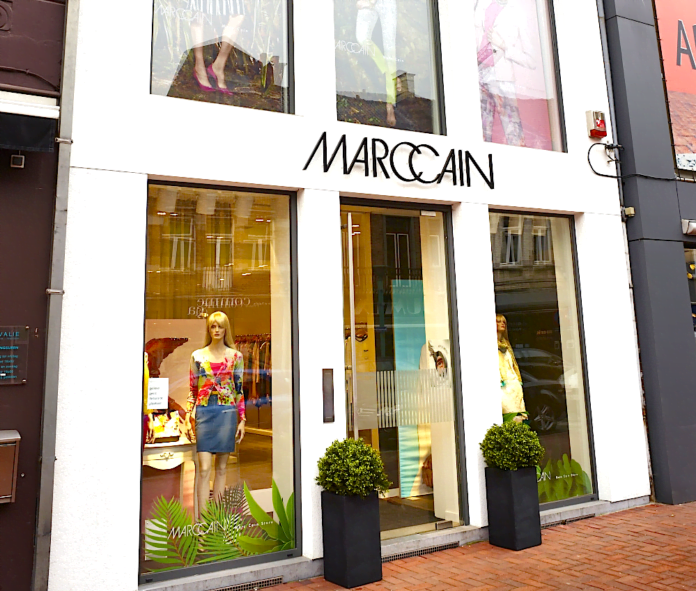
Marc Cain (PHOTO: MCROESELARE.BE)

Upscale German women’s fashion brand Marc Cain plans to enter the Canadian market with five free-standing locations, beginning with two stores in the Province of Quebec. The company continues to seek real estate across the country, and it has retained a brokerage to coordinate its Canadian expansion. 

Founded in Bodelshausen, Germany in 1973, Marc Cain operates almost 200 stores in 34 countries, as well as over 300 shops-in-stores. The company did sales of 246 million Euros in 2014. Brokerage Oberfeld Snowcap represents Marc Cain in Canada and according to its website, Marc Cain seeks retail space in enclosed malls, outlets/power and lifestyle centres, and urban streetfronts. Stores will ideally be in the 1,500 square foot to 1,800 square foot range, according to Oberfeld Snowcap. 

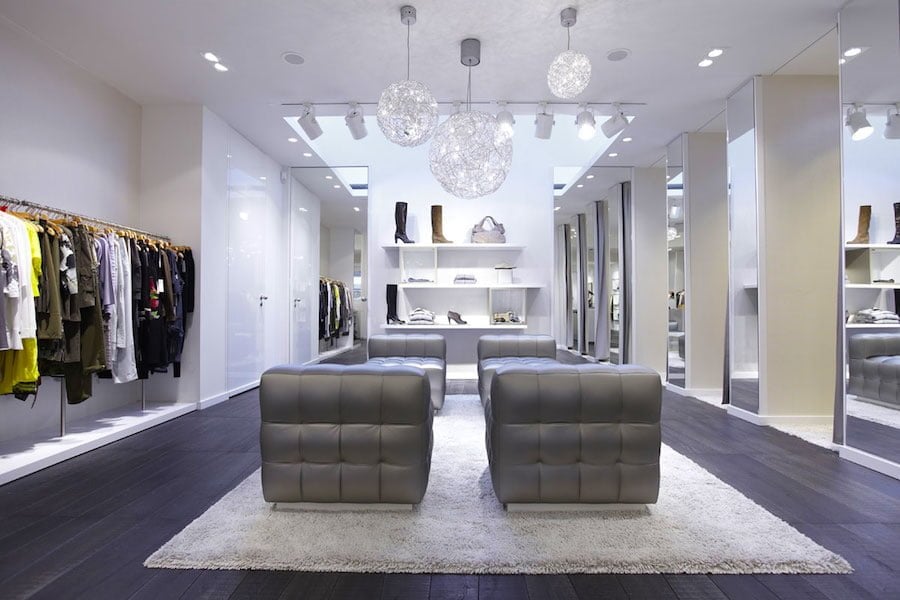
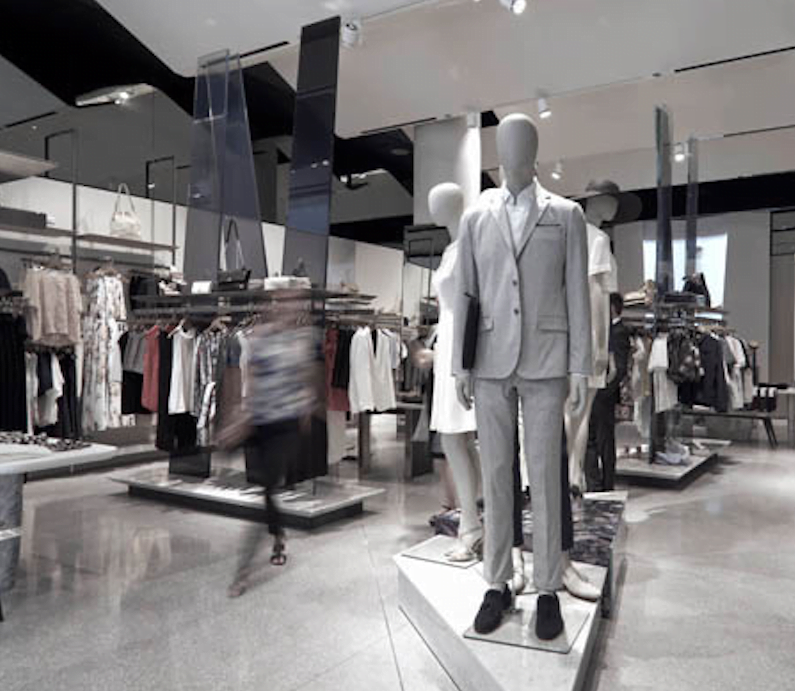
Marc Cain (PHOTO: WWW.BUEHLER-INNENAUSBAU.DE)

Marc Cain’s first two Canadian locations will open on October 1 at Montreal’s Carrefour Laval and Quebec City’s Place Ste-Foy. On October 15, the company will open at Calgary’s Chinook Centre. In early 2016, two Toronto-area locations are confirmed – one opening March 15, 2016 at Mississauga’s Square One and on April 14, 2016 at Toronto Eaton Centre

Thank you Urban Toronto‘s ACT7 for being a source for this article. 

Half Day Fraud Seminar That Could Save Your Company: September 22 in Vancouver

On September 22, the Fraud 360 World Tour comes to downtown Vancouver to deliver a free half-day seminar on their trademark 360° view of fraud. A complimentary continental breakfast and lunch will also be provided. Register quickly because seating is limited. 
 
The seminar will be held at the Hyatt Regency Hotel, located at 655 Burrard Street. Bring your notepad and questions and learn from fraud experts about current data, global trends, changes in Payment Card Industry compliance and future forecasting affecting transactions.

Schedule:

8:30 am – Registration / Breakfast
9:00 am – Sessions 1 & 2
10:30 am – Break
10:45 am – Sessions 3 & 4
12:15 pm – Lunch / Q&A

Sessions will provide an overview on timely topics and best practice standards that you can adapt to your business.

1) Cross Border – Out of the country, Out of control

Speaker: Steve Casco, Chief Executive Officer, CardNotPresent.com  
Steve Casco explores the opportunities and challenges inherent in selling globally. Hear about the rise of Asia and an opportunity gap your business could exploit, how mobile is driving cross-border sales and how finding the right partners can grease the rails of international expansion.

2) Staying Out of Chargeback Hell

Speaker: Don Bush, Vice President of Marketing, Kount
Chargebacks are the number one indicator of a fraud problem, but the way chargebacks are reported to merchants makes it difficult to determine how and why they occurred. We’ll review common symptoms of fraud that can cause chargebacks and best practices to avoid them in the future.

3) Merchant Case Study: Fraud in the Omni-Channel, The Source

Speaker: Greg Coles, Director of E-Commerce Operations, The Source Electronics
For almost 23 years, Greg has been a part of The Source, working with fraud detection for the last 8 years. Greg has seen his company adapt and innovate to the changing environments, including the migration to E-Commerce and Mobile purchasing. His breadth of knowledge and experience is beyond reproach and will provide a unique insight into the fraud landscape for a successful heavily targeted Omni-Channel retail business.

Given the usefulness of the topics and the fact that it’s free, available spaces will fill up quickly. Register now and reserve your space at Fraud 360™ in Vancouver.

Whistler Creekside Village Bringing ‘Uniquely Canadian’ Retail to Whistler Area

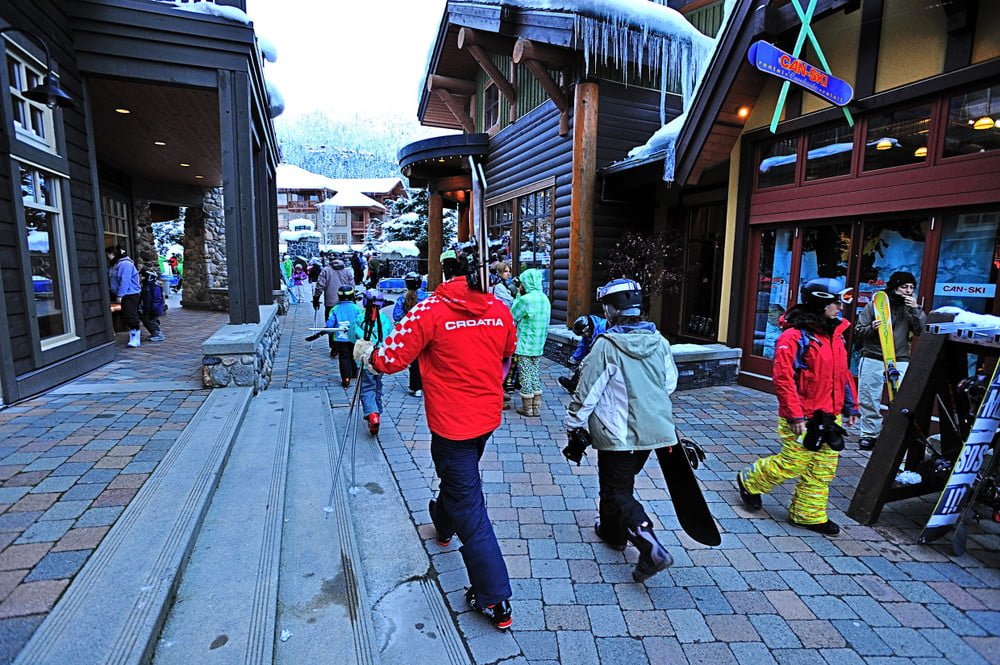
Whistler Creekside Village shops with shoppers and children (Image: Dave Steers Photography)

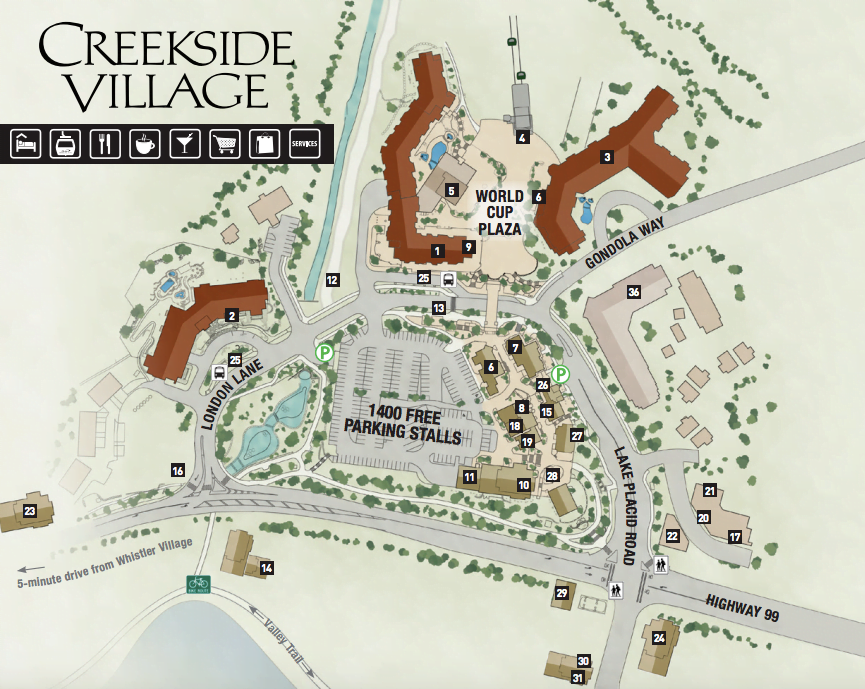
A particularly ‘Canadian’ retail centre is being re-merchandised in Whistler, British Columbia. Called Whistler Creekside Village, the 66,000 square foot centre will focus on independent retailers and emerging concepts, as opposed to multinational chains. Given that rents are about a quarter of what’s charged in nearby Whistler Village, and given its exposure to affluent locals and visitors, some retailers may find Creekside to be strategic and profitable. 

Technically, Creekside isn’t a new phenomenon, given that it was Whistler’s initial townsite. Whistler Village relocated to its present site in the 1960’s, while Creekside Village continued to serve locals. Retail repositioning plans are now underway, recognizing Creekside’s strategic location at the entrance to the Whistler area from Vancouver. 

Image: Whister Creekside

The area’s market size is estimated to be 200,000 annually (including visitors), in effect making it one of B.C.’s largest retail trade areas. Four upscale hotels are nearby, boasting 350 rooms and 1,750 ‘pillows’. Visitors are estimated to spend $350 daily per person, providing lucrative opportunities for retailers. In total, an estimated 2.7 million unique visitors come to the four-seasons destination region, with 60% of those visiting during the summer season, providing year-round revenue opportunities. 

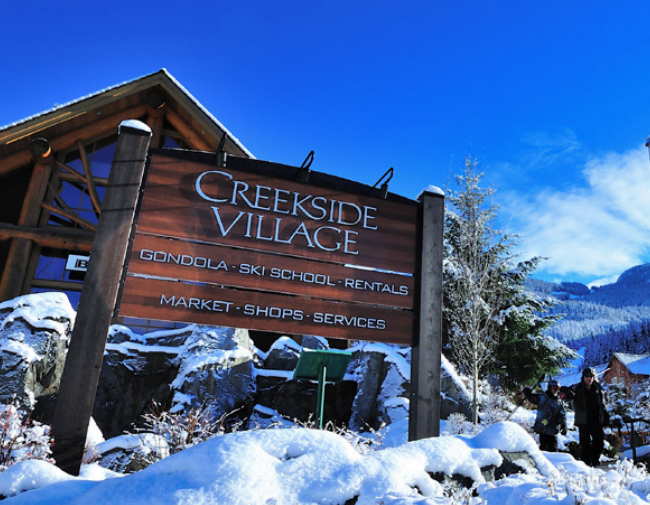
Whistler Creekside Village (Image: Dave Steers Photography)

The area is also home to about 10,000 full-time residents, 2,700 annual transient workers and 11,500 second-home owners. Creekside’s adjacent residential areas are also among the most exclusive in the region, featuring multi-million dollar homes and even a residential area accessed via gondola.  

Image: Whistler Creekside Village

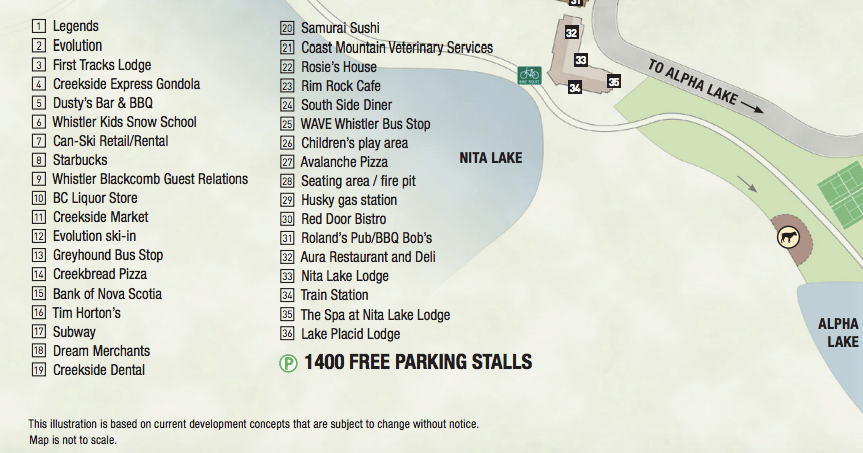
Creekside Village is seeking to differentiate from Whistler Village by being “totally unique and/or uniquely Canadian”, according to Retail real estate consultant Peter Morris of Greenstead Consulting Group. The 66,000 square foot centre boasts over 1,400 free surface and underground parking stalls, as well as heat-traced pedestrian walkways laid out in an easy-to-navigate, intimate village stroll. Existing tenants include a full-service grocer (Creekside Market), a B.C. Government Liquor Store, Scotiabank, Starbucks, CAN-SKI and other resort amenities. Canadian retailers and those carrying Canadian products (local diamonds, for example) will be considered first, as the centre looks to create a localized tenant mix which is unique to the area. Priority uses include the following:

-‘Signature’ style full service restaurant with lounge,
-craft brew gastropub,
-unisex adventure wear or resort wear,
-personal services,
-quick food service,
-healthy food service,
-unique gifts,
-art gallery,
-jeweller, and
-salon and spa.

For more information on Whistler Creekside Village, you may contact Peter Morris at: 250-893-8230 or by email: pdmorris@greensteadcg.com, or visit the Creekside Village website at www.leasing.creeksidevillage.ca

Luxury Brand Stefano Ricci to Open 1st Free-Standing Canadian Location

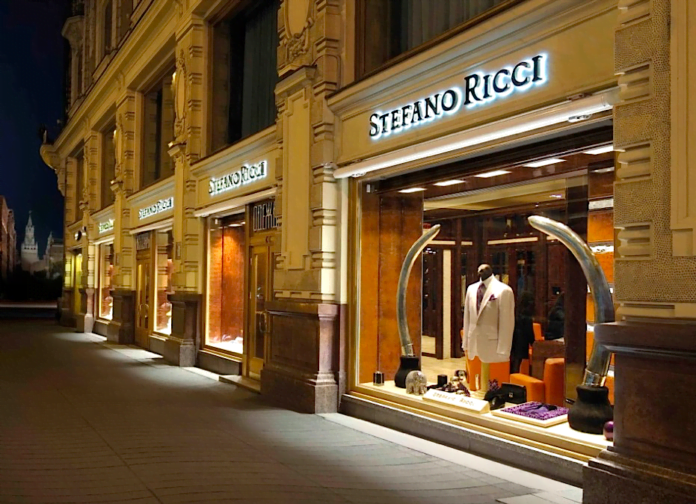
PHOTO: STEFANO RICCI

Pricey Italian luxury brand Stefano Ricci will open its first free-standing Canadian store next spring. The franchised location will be next to Vancouver’s Trump Tower on the 1100 block of West Georgia Street, in the city’s rapidly expanding downtown ‘Luxury Zone’.

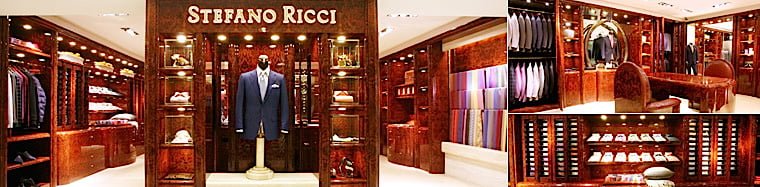
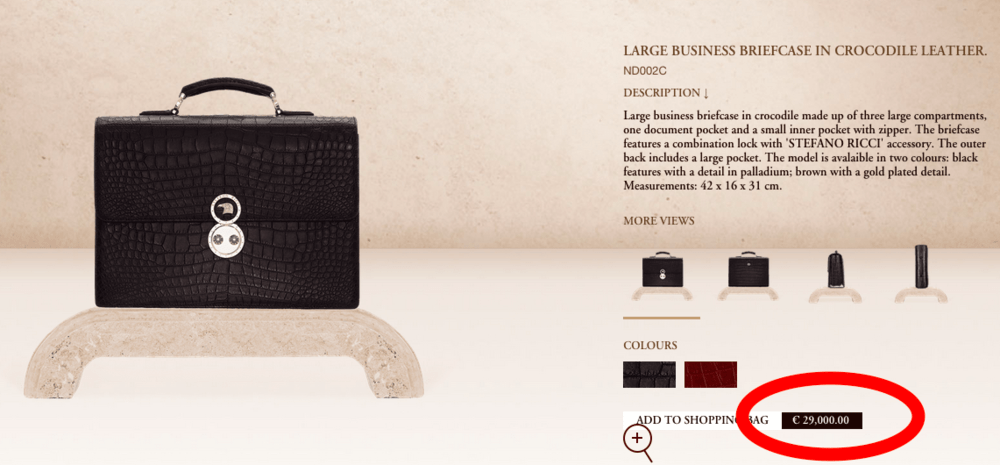
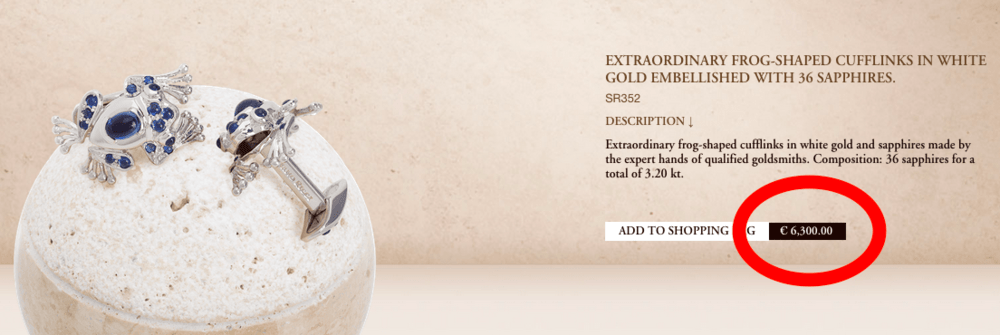
Founded as a tie manufacturing firm in Florence (by designer Stefano Ricci) in 1972, the family-run company strives for quality to the point of perfection, with prices to match. Attention to detail is key and the brand only uses the finest leathers, skins and fabrics. It retails menswear (including suits, dress shirts, jeans, polo shirts, casual wear and neckties), accessories (including leathergoods and cufflinks), fragrances and home goods such as porcelain and crystal dinner services, silverware and luxury linens. Prices can climb well into the thousands, with bags in exotic skins retailing for close to $50,000. The brand currently operates two North American locations, in New York City and Beverly Hills. The remainder of its stores are in Europe, the Middle East and Asia. 

Stefano Ricci (PHOTO: WWW.HANWHAGALLERIA.CO.KR)

Operated by franchisee Manuel Bernaschek, owner of Showcase Pianos, the 2,600 square foot Vancouver Stefano Ricci store will join other new luxury retailers in the area including Prada, Versace, Brunello Cucinelli, Moncler, Jaeger-LeCoultre, and others. Stefano Ricci will be slightly removed from the rest of these luxury brands, though more similar retailers may now choose West Georgia Street after Ricci’s recent lease signing.

SCREEN CAPTURE, STEFANO RICCI WEBSITE

HRC Advisory President Farla Efros explained how Vancouver’s wealth (including many high net worth individuals), coupled with the city’s designer-driven Asian population and tourism, make Vancouver an ideal spot for Stefano Ricci’s third North American store. Vancouver is increasingly becoming known for its sophisticated luxury clientele, according to Ms. Efros. 

STEFANO RICCI

Sources say that the Canadian franchisee could eventually look to open a second Canadian Stefano Ricci location in Toronto, though there are no immediate plans.

Thank you Helen Siwak, owner of ecoluxury retailer THECloset YVR, for being the source of this tip.

British Fashion Brand REISS Plans Cross-Canada Store Expansion

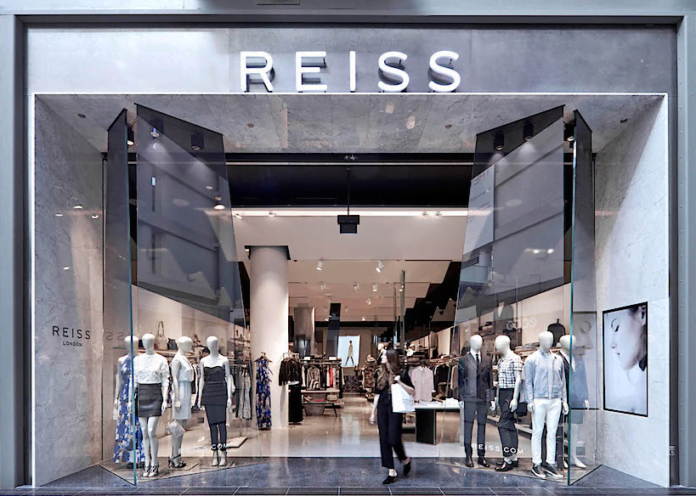
REISS AT TORONTO EATON CENTRE LOCATION. (PHOTO: REISS)

A favourite of Princess Kate Middleton Duchess of Cambridge, British fashion brand Reiss plans to expand across Canada. The retailer has signed a number of free-standing store leases and it has also struck a concession partnership with Hudson’s Bay

Founded in London by David Reiss in 1971, the contemporary-priced, youthful brand sells women’s and men’s apparel, as well as accessories and footwear. The company recently launched made-to-measure men’s suits at selected locations. The company continues to be solely owned by Mr. Reiss. 

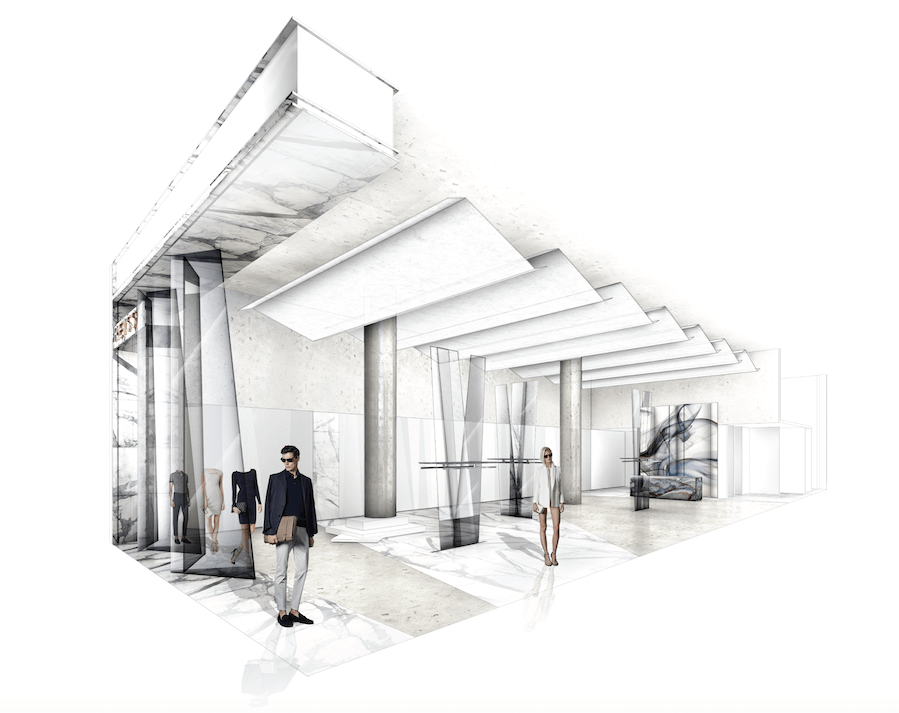
REISS CREATIVE DIRECTOR JAMES SPRECKLEY AND INTERIOR DESIGN AGENCEY, D-RAW WERE BEHIND THE TORONTO STORE DESIGN CONCEPT. RENDERING: REISS

Reiss has chosen Toronto as its Canadian launchpad. Its first Canadian location, measuring about 2,500 square feet, opened late last month at Toronto Eaton Centre. According to the company, two Toronto locations will follow in 2016 — at Yorkdale Shopping Centre and Sherway Gardens

Reiss has also partnered with Hudson’s Bay. This month, Reiss opened men’s and women’s concession within Hudson’s Bay’s Queen Street/Toronto Eaton Centre flagship. The company says that other concessions could follow as it continues to examine opportunities.

Longer term, Reiss has big plans for Canada. According to a company representative, Canada is “an exciting new market for Reiss, and we are already looking at opportunities to extend our store, online and concession offer.” The company also said that it is examining a number of cities to possibly open free-standing stores, including Vancouver, Montreal and Calgary.  

PHOTO: REISS

Reiss is seeking retail space in the 2,500 square foot to 3,500 square foot range, ideally in busy shopping centres. Larger locations are ideal, as they allow the brand to showcase its comprehensive men’s and women’s collections.

Saks Fifth Avenue Announces 1st Western Canadian OFF 5TH Location

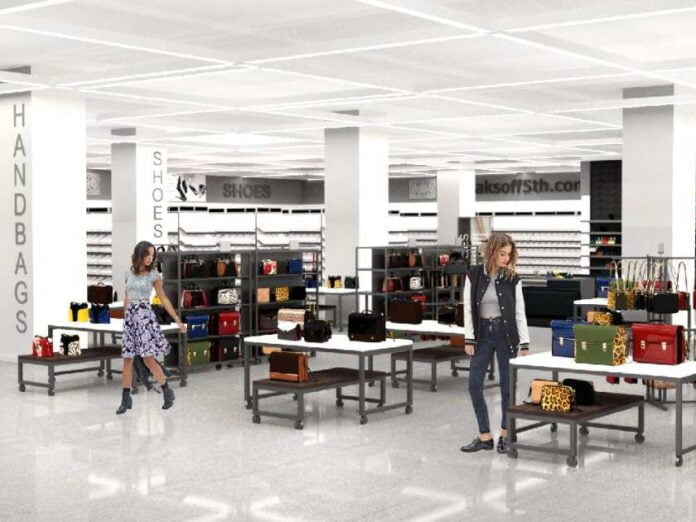
NEW STORE DESIGN RENDERING VIA HUDSON'S BAY COMPANY/SAKS FIFTH AVENUE

Saks Fifth Avenue‘s off-price division Saks OFF 5TH will open its first Western Canadian location at Calgary’s CrossIron Mills. Opening in September of 2016, the 30,000 square foot store is the fourth Canadian location confirmed by Saks, which plans to operate up to 25 OFF 5TH locations in Canada over the next five years and open as many as eight locations in 2016. 

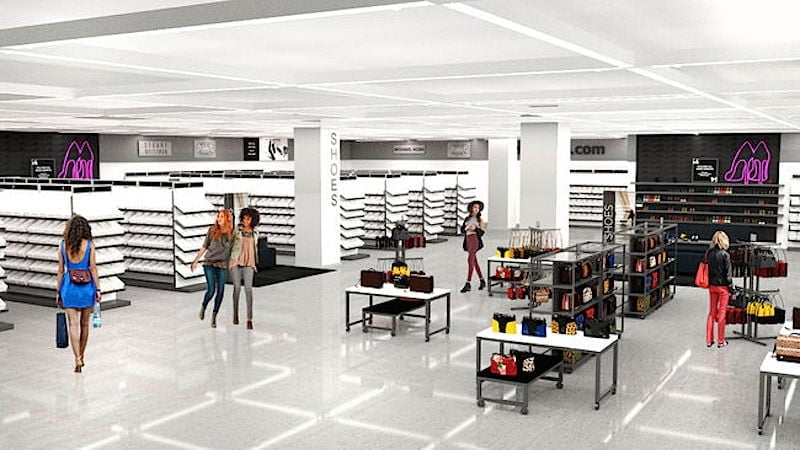
The store will reflect OFF 5TH’s redesigned aesthetic, which features an open and modern layout. The store will carry more than 800 brands, according to Saks. New arrivals will be shipped to the store daily. 

CrossIron Mills is Calgary’s only outlet concept. The 1.2 million square foot centre sees about 9 million visitors annually and has yearly sales of in excess of $300 million. 

RENDERING VIA HUDSON’S BAY COMPANY/SAKS FIFTH AVENUE

Saks OFF 5TH’s first Canadian locations will include a 28,000 square foot location at Tanger Outlets Ottawa, a 32,500 square foot store at Outlet Collection at Niagara in Niagara-on-the Lake, Ontario, as well as a 35,000 square foot location at Vaughan Mills, just north of Toronto. All locations will open in the spring of 2016, along with full-priced Saks Fifth Avenue stores at Toronto Eaton Centre and Sherway Gardens.

Saks Canada Secures Flagship Brands Despite Holt Renfrew’s Luxury Dominance

SAKS FIFTH AVENUE AT HUDSON'S BAY QUEEN STREET (RENDERING: HUDSON'S BAY COMPANY)

Saks Fifth Avenue‘s Canadian flagship brand mix is almost set and according to company president Marc Metrick, it will feature “a designer assortment worthy of Saks at its best”. Mr. Metrick also revealed that Saks’ Toronto flagship will be 20,000 square feet larger than originally anticipated, though still smaller than Holt Renfrew‘s Canadian flagship. We spoke with HRC Advisory president Farla Efros to get her opinion on the luxury label wars in Canada, including why Holt Renfrew will particularly be affected by Saks’ successes.  

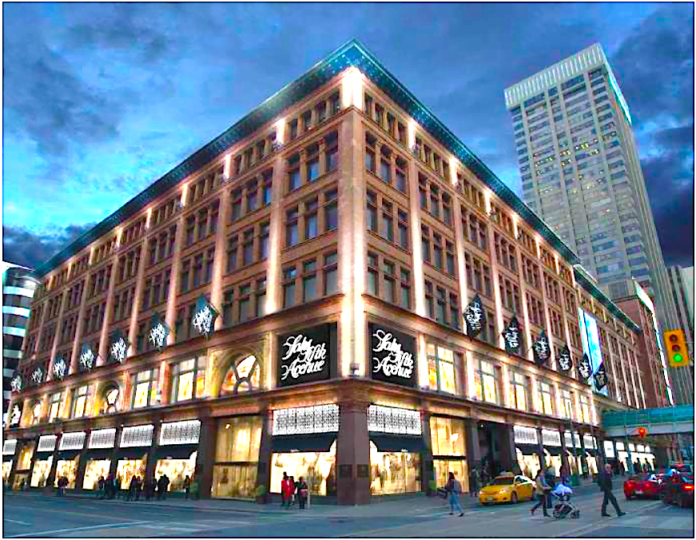
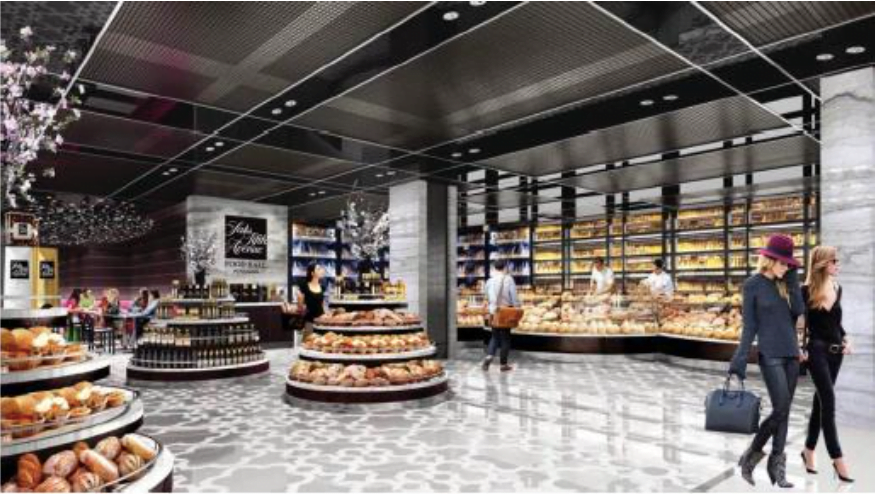
Saks’ Canadian flagship is scheduled to open in early 2016 at Toronto Eaton Centre, occupying four floors at the eastern end of the mall’s Hudson’s Bay building. We recently did an in-depth article describing the store floor-by-floor, including its basement-level food hall to be operated by Pusateri’s Fine Foods

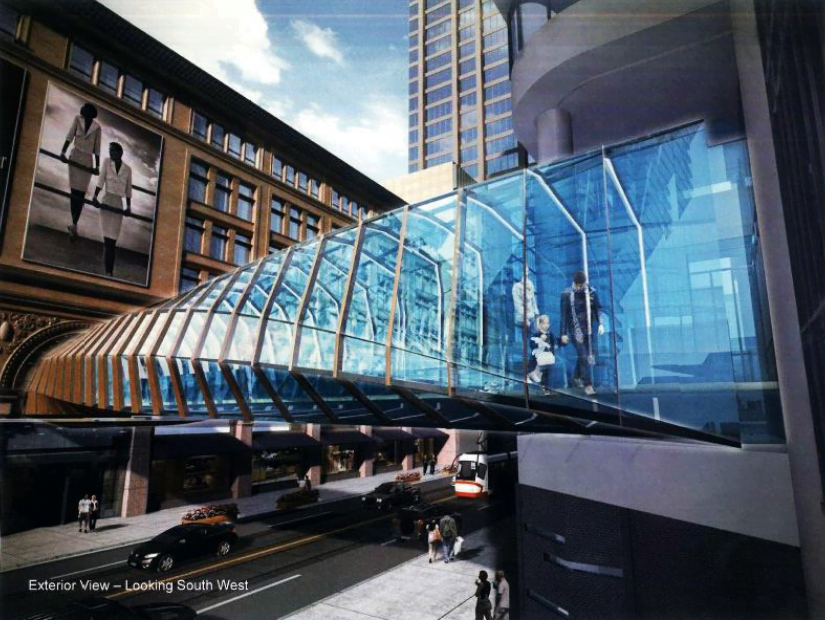
NEW PEDWAY LINKING TORONTO EATON CENTRE WITH SAKS/HUDSON’S BAY. RENDERING: HUDSON’S BAY COMPANY
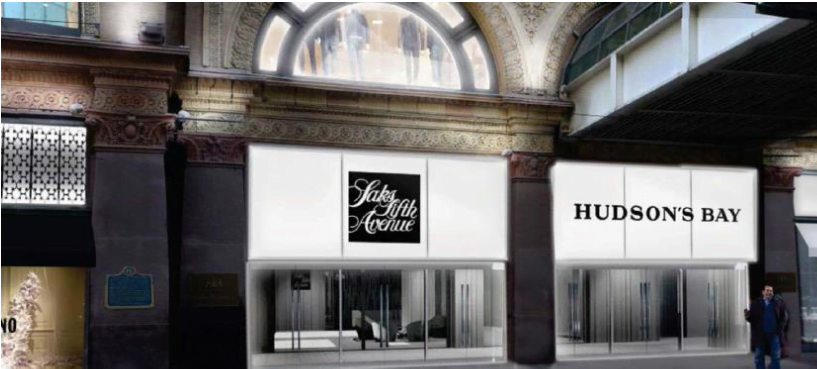
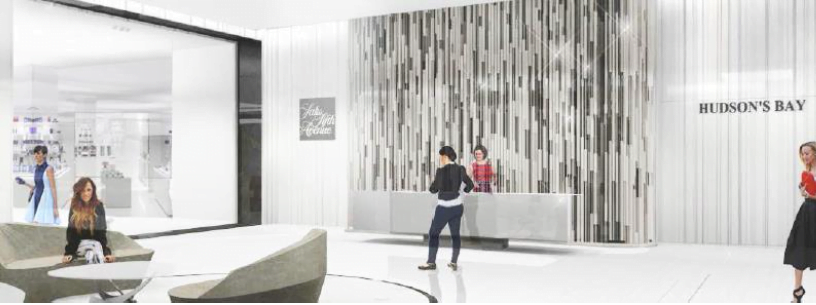
SECOND-FLOOR ENTRANCE VIA EATON CENTRE PEDWAY, SHOWING SAKS ON THE LEFT AND FRONT, HUDSON’S BAY ON THE RIGHT. RENDERING: HUDSON’S BAY COMPANY

Mr. Metrick recently told Women’s Wear Daily: “I feel really good about the brand lineup that we are going to have at the Queen Street store. It’s pretty much set. Our designer ready-to-wear lineup is flagship level, as is leather goods. It represents what Saks stands for.” Mr. Metrick expressed that it is premature to disclose the labels, though he indicated that Saks’ success in securing brands was at odds with Holt Renfrew, which continues to make efforts to fortify its luxury dominance in Canada.  

SAKS/BAY GROUND-FLOOR QUEEN STREET ENTRANCE. RENDERING: HUDSON’S BAY COMPANY

Mr. Metrick also revealed that Saks’ Toronto flagship will measure an impressive 170,000 square feet, with sales volumes anticipated to be similar to the company’s Bal Harbour (Florida), Boston, Beverly Hills and Chicago locations. If accurate, Saks’ Canadian flagship could see sales in excess of $100 million annually which would be remarkable, considering that about five years ago the massive Queen Street Hudson’s Bay saw annual sales of about $140 million. 

HOLT RENFREW’S CANADIAN FLAGSHIP AT 50 BLOOR STREET WEST IN TORONTO. PHOTO: CONDOPULSE.CA

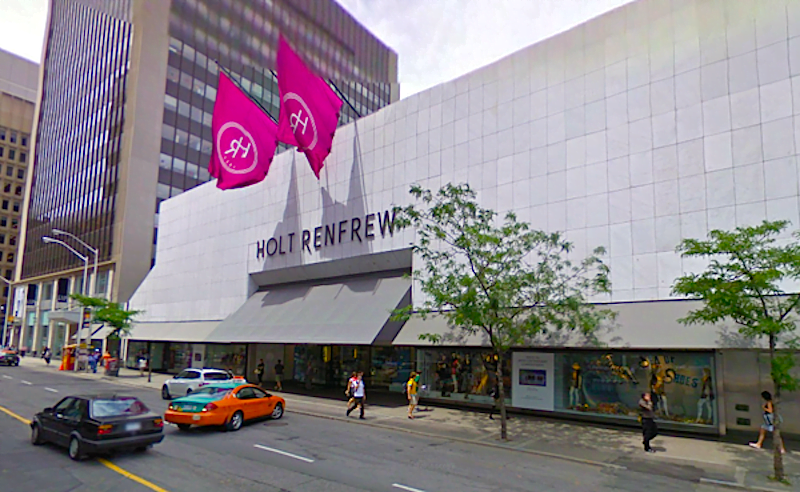
Holt Renfrew’s 50 Bloor Street West flagship measures just under 180,000 square feet in size, according to landlord Morguard. Holt’s Bloor Street overall presence is larger, however, taking into account 3,800 square feet occupied on the ground floor of the adjacent 60 Bloor Street West building, Holt’s personal shopping suites upstairs in the 60 Bloor tower, and the recently opened free-standing 16,500 square foot Holt Renfrew Men’s store at 100 Bloor Street West. In total, Holt’s occupies an estimated 205,000 square feet along Bloor Street West, and it has plans to expand its current flagship over the next several years. 

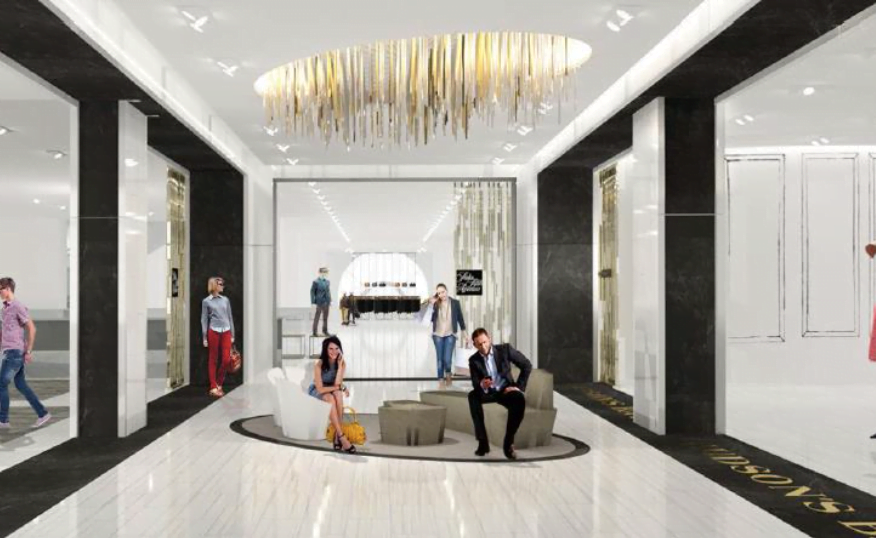
GROUND-FLOOR SAKS/BAY CONCIERGE. RENDERING: HUDSON’S BAY COMPANY

Not long after Hudson’s Bay Company purchased Saks, buzz had it that Saks would become ‘more luxurious’, including higher pricepoints on a variety of designer products. Mr. Metrick presented a somewhat different point of view to Women’s Wear Daily, saying: “Elevating product doesn’t mean going back to the old nine-box grid, and doesn’t mean focusing on the top of the pyramid. It means delivering fashion. It means delivering quality. It means delivering the product people want”. 

In early 2016, Saks will open a second Canadian location at Toronto’s Sherway Gardens. Saks is expected to eventually operate seven Canadian locations in Toronto, Montreal, Vancouver and possibly Calgary. As well, the company intends to operate approximately 25 of its off-price Saks OFF 5TH outlets in Canada, with eight locations expected to open next year. 

SAKS ‘PUSATERI’S THE FOOD HALL’. RENDERING: HUDSON’S BAY COMPANY

Farla Efros, expert and President of leading retail consultancy HRC Advisory, explained how Saks’ strong, long-term relationships with brands in the U.S. likely helped secure top labels for its Canadian stores. She said that Saks will look to carry similar brands in its Canadian and American stores, so as to not potentially alienate Canadian shoppers who are familiar with Saks in the United States. Ms. Efros also said that that although Holt Renfrew is updating its stores and related operations, the size of Holt’s overall business isn’t large enough to maintain exclusive distribution of some of its top designers — unless Holt’s commits to certain dollar volumes for these brands, which is challenging. As a result, Ms. Efros indicated that it’s no surprise that Saks was successful in its endeavours to secure top brands in Toronto.  

In light of the new competition, Ms. Efros painted a particularly challenging picture for Holt’s. She explained how for decades, Holt Renfrew has been the ‘only game in town’, outside of luxury brands’ free-standing stores. She discussed how brand exclusivity has been paramount to its success and now that Nordstrom and Saks Fifth Avenue are expanding into Canada, Holt’s will need to differentiate itself with better customer service and an enhanced online presence. Holt Renfrew’s ecommerce operations are minimal, though it plans to launch an enhanced website in the coming months. Holt’s will have to evolve its operations across all channels, according to Ms. Efros, as both Saks and Nordstrom will be aggressive in targeting the high-end Canadian consumer — Holt Renfrew’s core shopper. 

Australian Jeweller Michael Hill Plans to Double Canadian Store Count

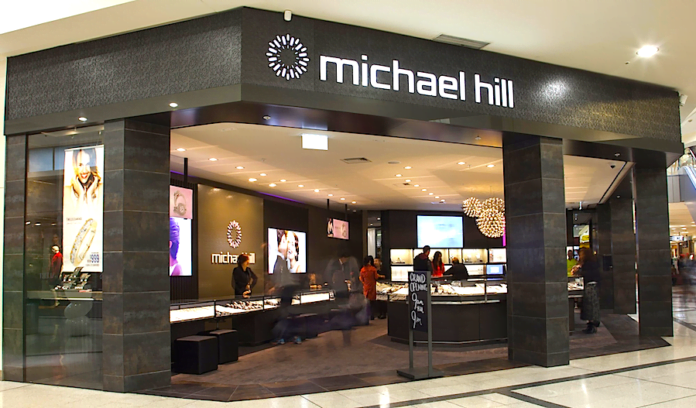
Image: Michael Hill

Popular mid-priced Brisbane-based jeweller Michael Hill plans to almost double its Canadian store count, following the announcement that Michael Hill’s daughter, Emma Hill, will take over the retailer’s operations. 

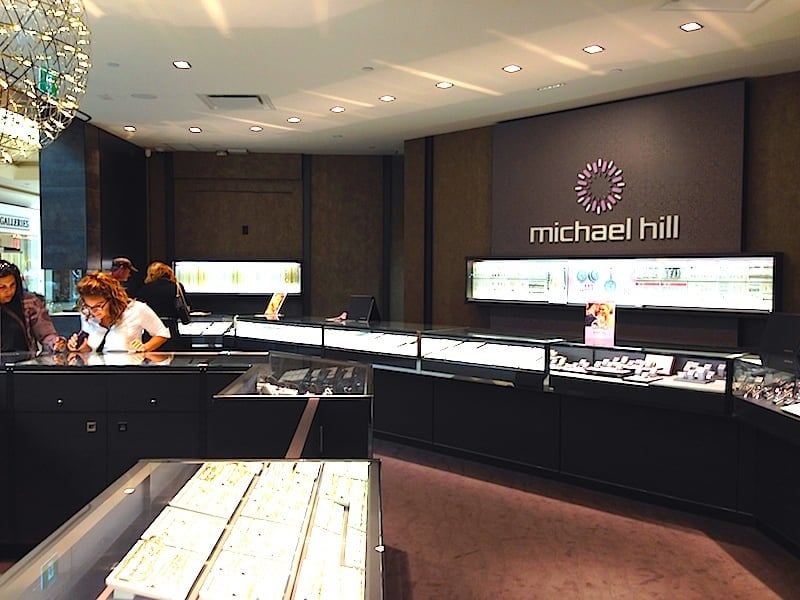
Jeweller Sir Michael Hill and his wife, Christine, founded Michael Hill jewellers in New Zealand in 1979, and moved its headquarters to Australia in the late 1980’s. The family continues to maintain a 53% ownership stake in the company. Michael Hill operates 300 jewellery stores worldwide, with locations in Australia, New Zealand, the United States and Canada. Its first Canadian location opened at Burnaby’s Metropolis at Metrotown in 2002, and it now boasts 60 free-standing Canadian boutiques. 

Michael Hill will reportedly open eight more Canadian locations this year, six locations in 2016 and six locations in 2017, bringing its Canadian store count to 80 by the 2018 financial year. Incoming chairwoman Emma Hill says that she sees room to eventually operate up to 110 Michael Hill locations in Canada. Revenue for the retailer’s Canadian operations increased 14.6% to $79.1 million (Canadian Dollars) last year, allowing for increased spending on marketing and brand awareness. Its Canadian operations are profitable, according to Ms. Hill. 

Image: Michael Hill

Michael Hill’s U.S. operations, however, continue to struggle. The company recently lost U.S. $1.9 million, up from a loss of U.S. $1.7 million a year earlier. Michael Hill currently operates nine stores in the United States, with plans to operate 19 American stores by the 2018 fiscal year. The company entered the U.S. in 2008 when it purchased 17 Whitehall Jewellers stores in Illinois and Missouri. 

Thank you Norman Katz, Director of New Business Development for Canada’s Best Store Fixtures, for directing us to Inside Retail’s article on the topic. 


Meet Your New Customers: Canada’s ‘Most Sought-After Citizens’

If your company is looking to reach new customers online, look no further. Permit us to introduce a demographic analysts have called “Canada’s most sought-after citizens” – Chinese-speaking Canadians.

Chinese Canadians produce an increasingly important cultural, social and economic impact within the country. According to 2011 Canadian census data, there are nearly 1.5 million Chinese Canadians living in the country, or about 4.5% of the country’s total population.

That number might seem small, but don’t let it fool you. Canada’s Chinese community is one of the world’s largest. In fact, based on Canadian and U.S. census data, the percentage of Chinese Canadians in relation to Canada’s total population is nearly four times what it is in the States!

And it’s growing. From 2001 to 2011, Canada’s Chinese ethnic population grew by more than 35%. Of the more than 40,000 people who immigrated to Canada from the Asian-Pacific region in 2013, almost 40% were Chinese families. And a 2013 study suggests that at anticipated immigration and birth rates, the Chinese Canadian population will explode in several key markets in the next 15 years.

For instance: Vancouver’s current ethnic Chinese population of 396,000 will rise to 809,000 by 2031. Chinese Canadians will then represent nearly 25% of that city’s population.

Educated, Employed, Affluent

The Chinese Canadian market is well-educated, and increasingly affluent. In many of the largest Canadian universities, Chinese Canadians comprise nearly 25% of all students. In some schools, that percentage may be as high as 40%. Remember: This is a group that presently represents 4.5% of the country’s population.

A 2006 study determined that salaries among second-generation Chinese Canadians were at least 13% higher than the national average for other immigrant groups. Thus, this market also wields more purchasing power than the national average.

According to a 2007 survey of Vancouver-based Chinese Canadian families, about 60% have an annual household income of over $45,000 CAD ($51,100 CAD in 2015 dollars, adjusted for inflation). Nearly one-fifth of all Chinese Canadian households made more than $100,000 annually (around $113,700 CAD today).

Reaching Chinese Canadians

Okay, so it’s clear this is a thriving and growing market. So how can companies best reach these savvy, affluent residents? The easiest and most intuitive way to establish a customer’s trust is to speak his or her preferred language.

According to that 2007 Vancouver survey, nearly one-third of all Chinese adults have lived in Canada for less than 10 years. When immigrants arrive, it’s clear they are far more fluent in their native spoken languages (often Cantonese and Mandarin) and native written languages (Traditional Chinese and Simplified Chinese) than English and French.

In fact, the survey stated that 49% and 43% of Chinese Canadians speak Cantonese and Mandarin at home, respectively, regardless of how many years they’d lived in Canada.

(This doesn’t mean cultural assimilation isn’t happening, of course — government statistics reveal that 87% of Chinese Canadians have a “conversational knowledge” of English or French.)

Even so, especially for recent immigrants and Chinese Canadians who immigrated decades ago (when English and French fluency among peers wasn’t as common), offering website content in Simplified and Traditional Chinese often creates immediate credibility within this market.

Localize for Language

Members of the Chinese Canadian market rarely, if ever, assume a mainstream Canadian website will be in Chinese. However, when they’re presented with a localized website in in their native language, engagement increases dramatically.

Further, visitors to these sites usually come back again and again, and are often far more engaged than first-time visitors. Page-per-visit increases by as much as 69%, and some conversion rates rise by 130%.

Interestingly, we’ve found that — despite the ever-growing number of mainland China immigrants who read Simplified Chinese — in some industries, Traditional Chinese is a predominant driver of web traffic. This is especially common in banking.

Our data suggests this behavior likely stems from levels of economic stability within the Chinese Canadian community: longtime residents from Taiwan (who read Traditional Chinese) are more financially secure, while mainland Chinese immigrants may have lived in Canada for less time, and haven’t yet acquired investible assets.

Largely, Traditional users are more likely to research stocks and investment information, while Simplified users search more for credit card information.

Small Population, Big Returns

Speaking to wider trends, we’ve also determined that advertising companies’ Chinese websites absolutely works. Companies that invest in robust in-language PPC campaigns achieve meaningful swells in website traffic — sometimes as much as 70%. This naturally results in greater website engagement and conversion metrics.

We’ve determined that even when a Canadian company’s Chinese website traffic is less than 1% of what its English website traffic generates, that company still generates meaningful success metrics, connects with a valuable and growing constituency, and achieves ROI when it is able to reach this demographic through localized websites in their own language.

Charles Whiteman is senior vice president of client services at MotionPoint Corporation, the world’s #1 enterprise localization platform. He may be reached at cwhiteman@motionpoint.com.


La Maison Simons Opens 10th Location [With Photos]

Popular Quebec City-based large-format fashion retailer La Maison Simons opened its 10th location last week at Les Promenades Gatineau. The 80,000 square foot store is the first of two for the Ottawa Capital Region, as Simons looks to eventually operate as many as 30 Canadian stores coast-to-coast. The new Gatineau store, as with all new Simons stores, features a one-of-a-kind art installation. 

The new store reportedly cost Simons $21 million to build, including an aluminum mesh art installation. Created by artist Julie Tremblay and called Morphodynamique, the two-piece artwork is located along the store’s central skylight. The rest of the store is bright and modern, based on prototype designs of its West Edmonton Mall store which opened in October of 2012. 

In September, a 45-seat French-Canadian fare restaurant called Eve will open in the store. It will be the second restaurant in a Simons location, following the August 2013 opening of Soupesoup within Simons at Galeries d’Anjou in suburban Montreal. 

Simons’ second Capital Region store opens August 11, 2016, at Ottawa’s Rideau Centre. The 100,000 square foot store will eventually be one of as many as 30 Canadian locations, as Simons is spending in excess of $200 million on the first part of its national store expansion.

Simons’ next location, measuring 100,000 square feet, opens on October 15 at West Vancouver’s Park Royal. In 2016 it will open a 113,000 square foot Mississauga Square One location and in 2017, Simons will open a 92,000 square foot location at The CORE in downtown Calgary, as well as a second Edmonton location, measuring about 100,000 square feet, at Londonderry Mall. In 2018 it will open a store at Toronto’s Scarborough Town Centre and in 2019 at Toronto’s Yorkdale Shopping Centre. CEO Peter Simons says that the retailer could eventually open locations in Winnipeg, Regina, Saskatoon, and the Maritimes. 

Founded in Quebec City in 1840, La Maison Simons is unique in how it pairs its substantial private-label fashion with a handful of higher-priced designers. Despite its large floorplates, Simons stores lack cosmetics departments and the large footwear areas typical in similar-sized department stores. Simons currently operates 10 stores, including nine in the province of Quebec and one in Edmonton. The company has over 2,000 employees and sells in excess of $350 million annually.