Home Blog Page 1238

Giorgio Armani to Open 2nd Canadian Outlet this Spring

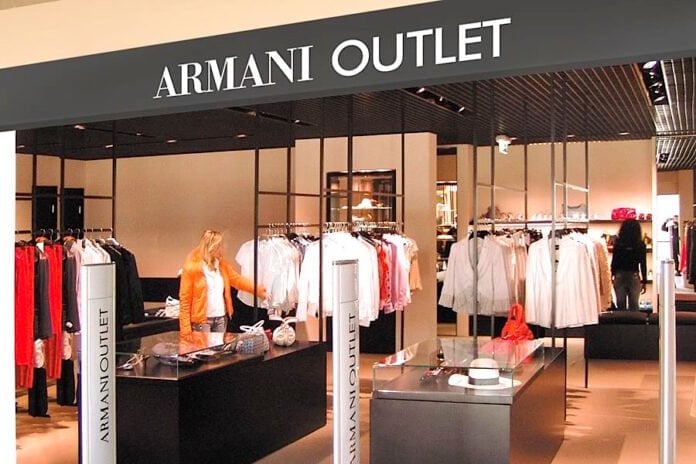
Iconic Italian luxury brand Giorgio Armani will open its second Canadian outlet location this spring at Vancouver’s new McArthurGlen Designer Outlets. Armani is hiring for multiple positions at the new store. 

Armani’s first Canadian outlet opened in the summer of 2014 at Toronto Premium Outlets

The 5,350 square foot outlet will carry product from all Armani lines for men and women, except for the couture Armani Privé line. 

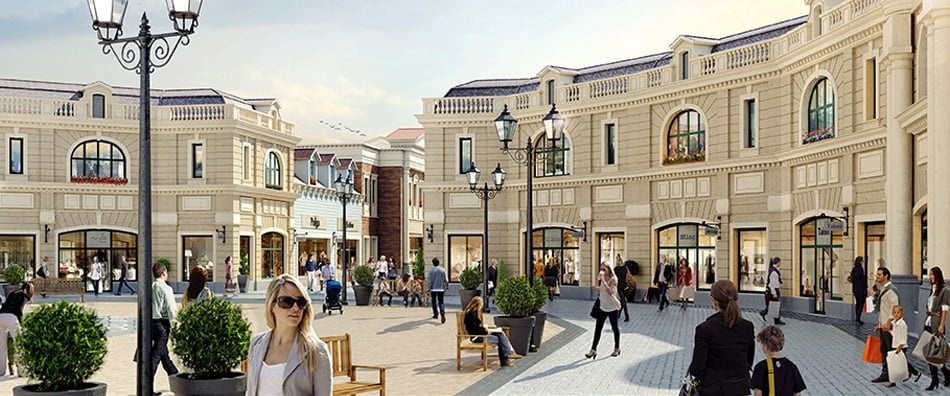
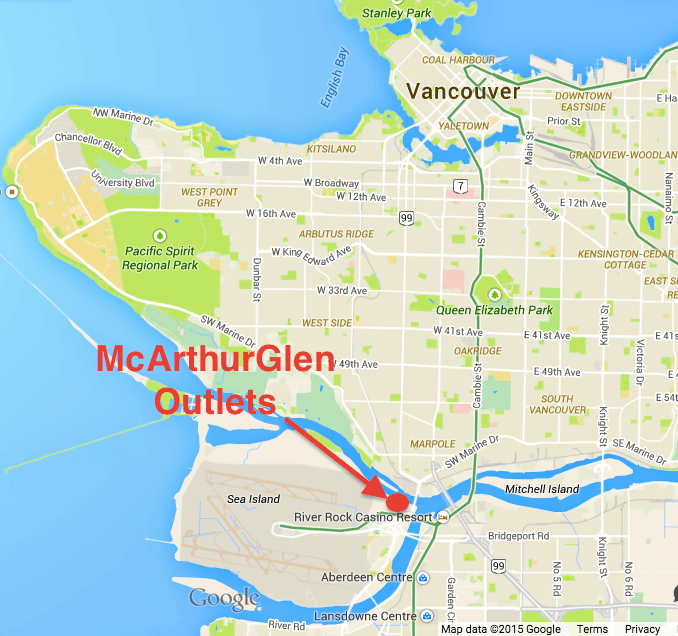
Opening in the spring of 2015, North America’s first McArtherGlen Designer Outlets will be located at Templeton Skytrain Station next to Vancouver International Airport. The mall’s first phase will span 240,000 square feet with 80 retailers, many of them being luxury brands. McArthurGlen representatives say they’ll provide us a list of retailers closer to the mall’s opening date and when they do, we’ll reveal them in a separate article. Eventually, the mall will span 400,000 square feet with about 150 stores, with an unknown completion date. 

Thank you to Urban Toronto‘s ACT7 for notifying us of this new store opening. 

Aesop to open 3 Free-Standing Canadian Locations

By William Connor

Upscale Australian skin care brand Aesop is set to continue its rapid expansion in North America by opening stores in Canada later this year. Sources have told us that Aesop will open a store in Vancouver’s trendy Gastown area this summer, with stores to also open in Montreal and Toronto. Aesop is currently advertising sales and management positions for all three Canadian locations.

Aesop was founded in 1987 in Melbourne by hairdresser Dennis Paphitis. Since then, it has grown to be commercialized in more than 11 countries throughout Oceana, Asia, Europe and North America. It operates through a combination of dedicated ‘signature stores’ (concept stores), high-end department stores, including Holt Renfrew and Barneys New York, and selected stockists. Canadian stocklists include multiple WANT Apothecary and gravitypope locations, as well as a handful of smaller independents.

In December of 2012, Aesop announced that the Latin-America cosmetic giant Natura Cosméticos S.A. had acquired a 65% controlling stake in the company for AUD $68 million. Natura is based in Sao Paulo, Brazil, with an enterprise value of $6.49 billion and was ranked by Forbes in 2013 as number 10 in a list of the most innovative companies. At the time the acquisition was announced, Natura indicated that its investment in Aesop would accelerate the growth of the brand internationally. Aesop continues to operate independently from its Melbourne headquarters.

Aesop has crafted a unique brand that can be differentiated from an otherwise overcrowded skin care market. Its product packaging is impeccably simple, yet stylized, creating an immediately recognizable uniform aesthetic. Aesop places significant emphasis on design, which can be seen across all levels of the brand. Its newsletter does not advertise its products; rather, it explores areas such as architecture, travel, books and movies. Its signature stores are remarkably distinct retail spaces that are often designed by local design studios. The contrasting affect between the uniform product packaging and the distinctive retail space creates a unique customer experience that sets itself apart from the ubiquitousness often associated with other skin care brands.

According to luxury retail expert Farla Efros, COO of HRC Advisory, Aesop’s opening free-standing Canadian locations is of no surprise. She notes that luxury brands continue to seek out Canadian real estate to open new store locations. Furthermore, she notes that Canadian consumers are often compared to Australians, who are generally known for their sophistication as well as their desire for health and wellness. As Canadians become more open, naturals and organics have seen double-digit growth over the past few years. Ms. Efros notes that partly due to strict government regulations, Canadians have had limited access to some cosmetics brands, having to seek certain lines outside of the country.

Differentiation by design

Aesop is yet another example of a retailer resisting the urge to create uniform retail spaces. Its founder Dennis Paphitis is quoted as saying that he was horrified at the thought of Aesop evolving into a soulless chain and as such, sought to ensure the brand didn’t “prostitute” its identity to expand. The Aesop store design seeks to reference the local customer, such that it does not take a one-size-fits-all approach; rather it respectfully considers each space individually.

It is a trend that has been witnessed across a broad spectrum of brands: Aesop v. L’Occitane en Provence; Whole Foods v. Safeway; Lululemon v. Foot Locker; Starbucks v. Tim Hortons; Aritzia v. Banana Republic. In each of these examples, the first brand has sought to avoid homogeneity by creating a unique customer experience, while still retaining an element of commonality that allows customers to identify the store that they are in. This movement indicates that brands are increasingly finding value in appealing to a different consumer sentiment, one that values authenticity over plasticity.

It has been said that an architect’s task is to render vivid to us who we might ideally be. The same could be said of retailers. Creating unusual and authentic spaces signals to shoppers that their individuality is valued and celebrated. It also serves to align the perceived values of the brand with the identity of the customer. We are excited to see how Aesop adapts to its new Canadian home in this the next chapter of its expansion. 

Why Best Buy Shuttered Future Shop: Industry Expert Q&A

We spoke with retail industry expert Antony Karabus, CEO of HRC Advisory, to get his opinion on why Best Buy shuttered Canada’s Future Shop locations. We also asked him about Best Buy’s strategy to close stores without warning, as well as the future for electronics retailers in Canada. 

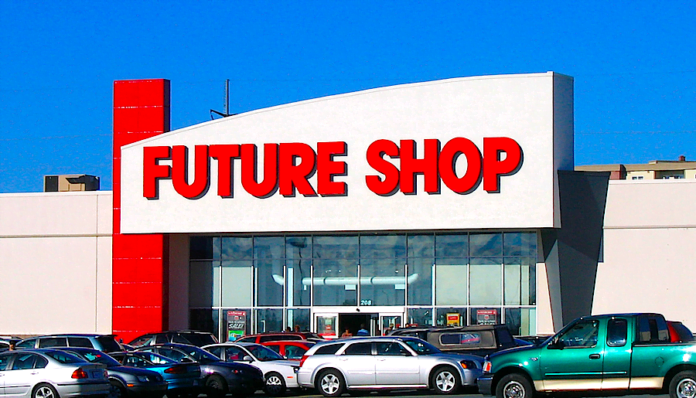
As a background, on Saturday, March 28, Best Buy closed all Future Shop locations, announcing that 65 of the chain’s 131 Canadian locations would be converted to Best Buy nameplates. The other 66 locations will remain closed, resulting in about 1,500 job losses.

We asked Mr. Karabus why Best Buy closed Future Shop’s stores. He explained the inefficiencies of operating two nameplates carrying essentially the same product, sometimes within close proximity. He believes that when Best Buy bought Future Shop, operating both brands was a strategic opportunity to gain market share. As Best Buy became increasingly familiar to Canadians, maintaining both became irrelevant. Closing Future Shop will likely free up significant capital for Best Buy, according to Mr. Karabus.

Furthermore, Future Shop sales consultants were paid on commission (according to the www.futureshop.ca website), as opposed to Best Buy’s hourly staff. Mr Karabus believes that as Canadians increasingly research potential electronics online prior to purchasing, commission-driven sales staff will generally become unnecessary. 

Mr. Karabus explained that electronics retailers have increased competition from both e-commerce as well as hybrid brick-and-mortar competitors. Furthermore, there is also increasing competition from bricks-and-mortar retailers such as WalmartCostcoLondon DrugsThe Source, as well as Tech departments at Chapters/IndigoApple Stores are also increasingly becoming competitors, as the brand becomes more popular and continues to open new and larger Canadian stores. 

Mr. Karabus notes that electronics purchases are down, generally, as there haven’t been significant product innovations recently. Anything new has primarily involved upgraded or modified technology. As a result of the above challenges, Best Buy was best served to streamline its operations. 

We asked Mr. Karabus’ opinion on Best Buy’s without-notice Future Shop closure. He explained that it may have been a good financial decision for Best Buy to immediately shutter Future Shop’s operations to concentrate on one brand. On a human resources level, however, Mr. Karabus notes that Best Buy’s actions were “harsh”, as many lost their jobs with no advance warning. Recent job losses from TargetSmart Set, Jacob and others have already caused considerable grief. We asked him if Best Buy’s actions will hurt its brand and Mr. Karabus felt that while some may be disappointed, customers are generally quick to forget. Given that Best Buy is now Canada’s only Big Box specialist electronics-focused retailer, it will likely not suffer from this decision, according to Mr. Karabus. 

We asked Mr. Karabus about the future of consumer electronics retailers in Canada, given increased online price transparency and the ease of buying online. He feels strongly that there is still a meaningful role for brick-and-mortar consumer electronics retailers in Canada, especially well-stocked locations providing “advice and consultation”, building trust by suggesting the “right” product. After sales service, in particular Best Buy’s Geek Squad, is a brilliant weapon to fight pure-play online retailers, further enhancing trust in Best Buy’s brick-and-mortar operations and related in-store customer service, according to Mr. Karabus.  

About Our Expert: 

Mr. Karabus became CEO of HRC Advisory in January of 2013. He has been a trusted and passionate advisor to retailers on strategic and financial performance issues for over 25 years. He has assisted numerous North American retailers to create significant shareholder value during this time. He has worked with numerous well known retail chains in key sectors such as department store, specialty apparel and hard lines, big box chains and food and convenience.

Antony began his career at Arthur Andersen in Cape Town, South Africa and moved with the firm to Toronto, where he founded Karabus Management as a Canadian retail advisory firm in 1990. In 2001, Karabus Management expanded into the United States, where the firm became a leading North American specialist retail consulting firm. In 2008 he sold the firm to an International Accounting/Consulting firm where he served as the leader of that firm’s Retail Consulting Services practice until he left the firm in December 2011.

Antony conducts annual surveys of Retail CFO and CEOs to determine key priorities in assisting their business to enable substantive value creation.

Antony is a recognized speaker and a published author providing thought leadership at industry forums, including the National Retail Federation, Retail Council of Canada, World Retail Congress and the Fashion Institute of Technology and providing content to The Wall Street Journal, The New York Times, Stores Magazine, The Globe & Mail, Chain Store Age, National Post, Toronto Star and Women’s Wear Daily, among others.

About HRC: HRC Advisory is a specialist boutique retail advisory firm. Together with its predecessor firms, it has been assisting Canadian and US Retail Chains to improve their profitability and strategic positioning for more than 25 years. Many of HRC’s senior advisors were previously at Senn Delaney Retail Consultants and Karabus Management following retail leadership roles. Other senior advisors at HRC have a mix of retail leadership and retail consulting experience gained with other leading firms
 
HRC has significant retail depth in strategic planning, buying, merchandise planning and inventory management, indirect procurement, store operations and omni-channel processes, supply chain/logistics and fulfillment, and comprehensive cost optimization services. HRC has worked extensively with both healthy top performing chains as well as developing and executing turnaround mandates at a number of retailers in difficult situations. For more information, please visit www.HRCadvisory.com.

With Future Shop and Target Closing, do Big Box Stores have a Future in Canada?

It turns out that big box stores are perhaps not as invincible as they seemed just a decade ago. On the morning of Saturday, March 28, Future Shop announced it would be closing all locations effective immediately, although 65 of the stores will be converted to the Best Buy banner. Many of Canada’s urbanists are gleefully writing the obituary of big box stores at the moment on twitter – and who could blame them – but I would be hesitant to make this prediction too quickly. Just look at department stores which still seem to be hanging on against all odds, and in certain cases, perhaps even recovering.

Online shopping in Canada is growing faster than individual consumer expenditures, meaning each year more sales divert to e-Commerce and fewer dollar are available for “bricks & mortar stores” (i.e. physical stores). If done right, online commerce can be far more cost efficient than physical store retailing. Walmart, for example, has 4.5 employees for every $1 million dollars in revenue. Amazon achieves the same amount of revenue with only 1.3 employees. As anyone who has stood in a Future Shop searching for product information on their smartphone can attest (either because you can’t find a sales representative, or because you don’t think they actually have a clue), its no real surprise that online shopping is killing big box consumer electronics stores.

While its fairly easy to bring consumer electronics retailing online, its not so straightforward to deliver someone eggs and milk. Costco is definitely not going anywhere anytime soon, and while Walmart isn’t doing stellar at the moment, its very far from being a Target. We recently did some research on the status of large format stores in Canada and it may be of some interest given today’s news. I should caution that I’m sure some of this information is already out of date (for example Future Shop’s public plans prior to today were to close just 8 stores in Canada and move towards smaller format locations). Feel free to point out corrections or information on stores we have missed in the comments section.

DYING: 

Future Shop
Brand is being consolidated under Best Buy, which I should add was the original plan when they were bought out in 2001. 66 locations will close permanently, 65 will convert to Best Buy.

Best Buy
In 2013 they announced plans to close 7 Canadian stores but to open more Best Buy Mobile locations over the next three years. Looks like they have 65 for more locations now!

Target Canada
Is currently shuttering 133 stores, affecting 17,600 employees. The company had racked up over US$2-billion in losses in just two years in Canada.

Staples Canada
Recently closed 15 of 331 Canadian stores, focus will be to move towards online sales.

Rona
2014 – closed 11 unprofitable stores in Ontario and BC (Derek Dley of Canaccord Genuity of says “This to me shows that they’re just not able to compete on the big-box level with the likes of Home Depot and Lowe’s in those key markets anywhere outside of Quebec”).

Linens ‘n Things
Now online only, all stores are closed.

Grand and Toy
Now online only.

Zellers
Essentially dead, but has a couple of locations still open as a liquidator for Hudson’s Bay and Home Outfitters. Ironically, Zellers may actually outlive Target Canada.

Chapters / Indigo
Closing stores, including some flagship locations.

AT RISK: 

Movie Theatres
This is more personal speculation (and I have heard there are fewer openings than in the past) but I just can’t imagine how teenagers of the future will still want to go and sit in a movie theatre. It seems so archaic in an era of instant on-demand Netflix gratification.

EXPANDING: 

Costco
2013 – announced plan to build 25 more outlets in Canada, bringing their total to 110 locations.

Walmart Canada
Just opened 11 new supercenters across Canada. This will complete its previously announced plan for opening 35 supercenters in the region by January 2015. Total store count of 394 by February 2015, including 280 supercenters and 114 discount stores.
February 2014 – announced investment of $500 million over the year. Of the total investment, $376 million was allotted for store projects, $91 million for distribution networks to expand fresh food capability, and $31 million for e-Commerce projects.

Lowe’s Canada
Spring 2015 – will open three new stores in Alberta, Saskatchewan and Ontario. Lowe’s opened 1st store in Canada in Dec 2007; now has 37 stores in Ontario, Alberta, Saskatchewan and BC.

Canadian Tire
Still opening big box stores, but has been diversifying its retail presence by exploring smaller formats in urban locations, and expanding sports stores under the Forzani Group banner.

Holt Renfrew Triples its Montreal Footwear Footage [With Photos and Video]

Image: Holt Renfrew

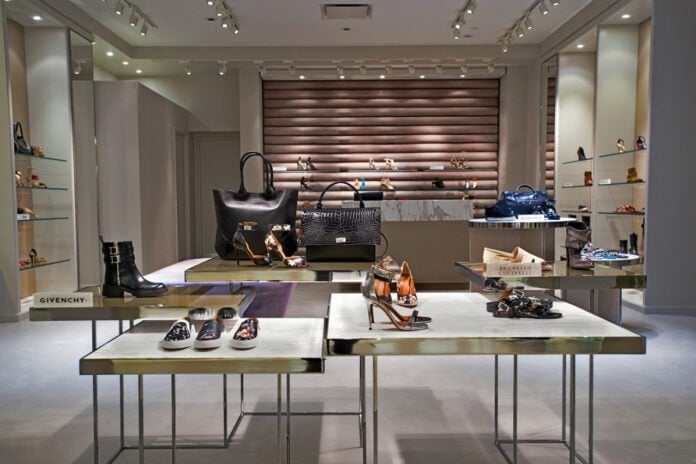
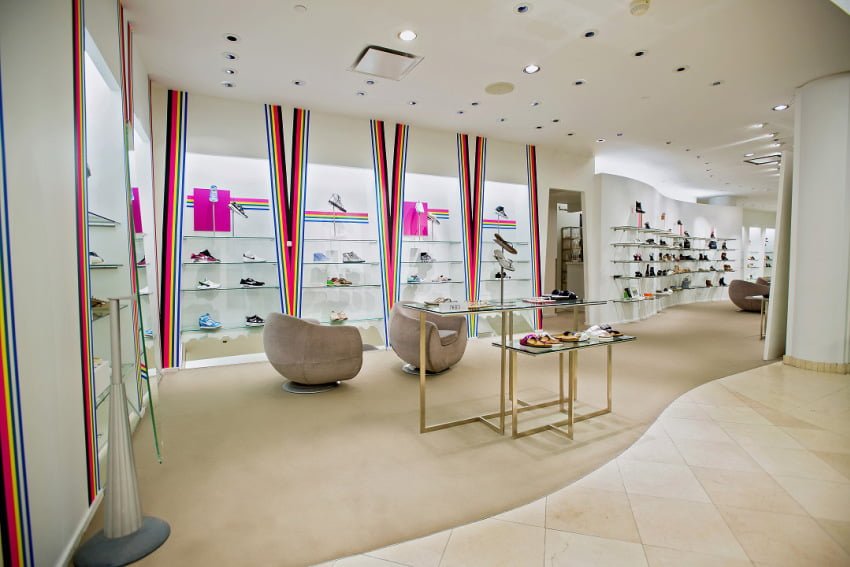
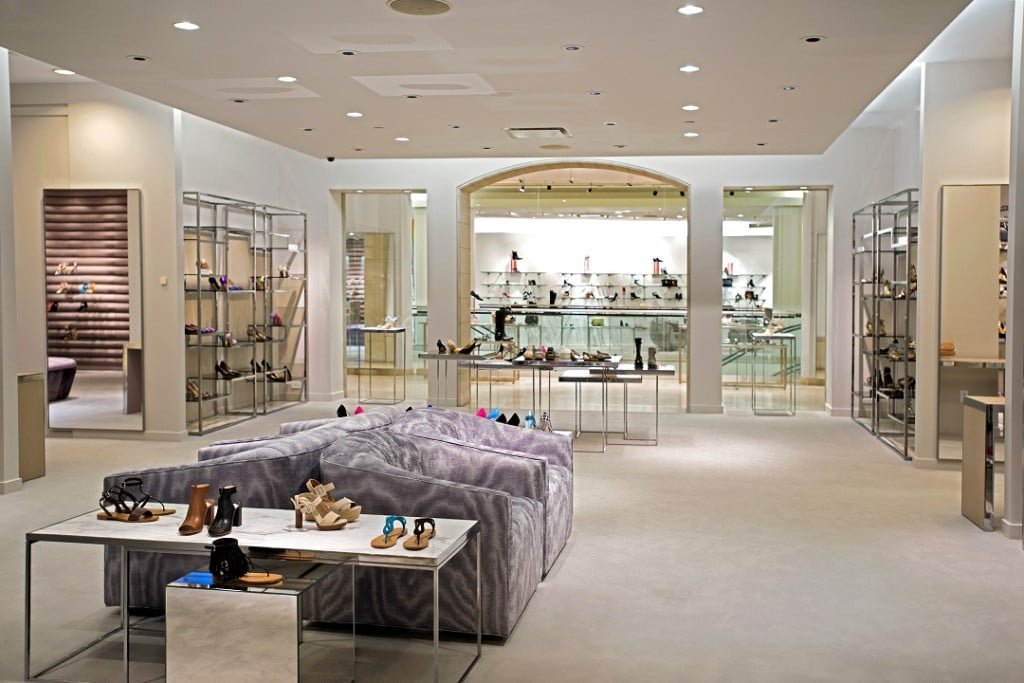
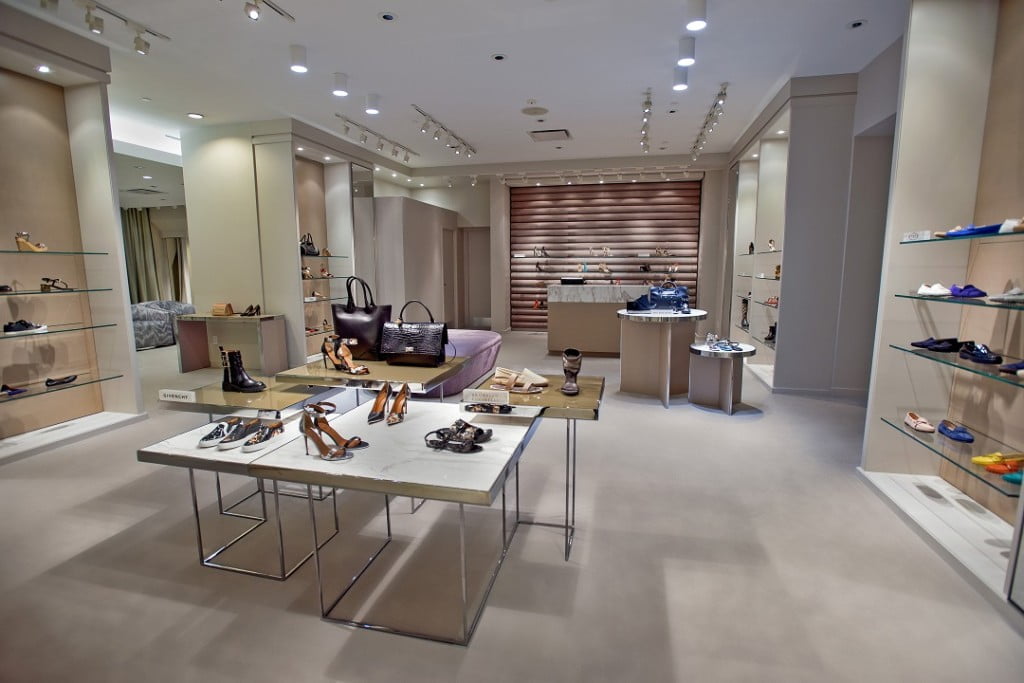
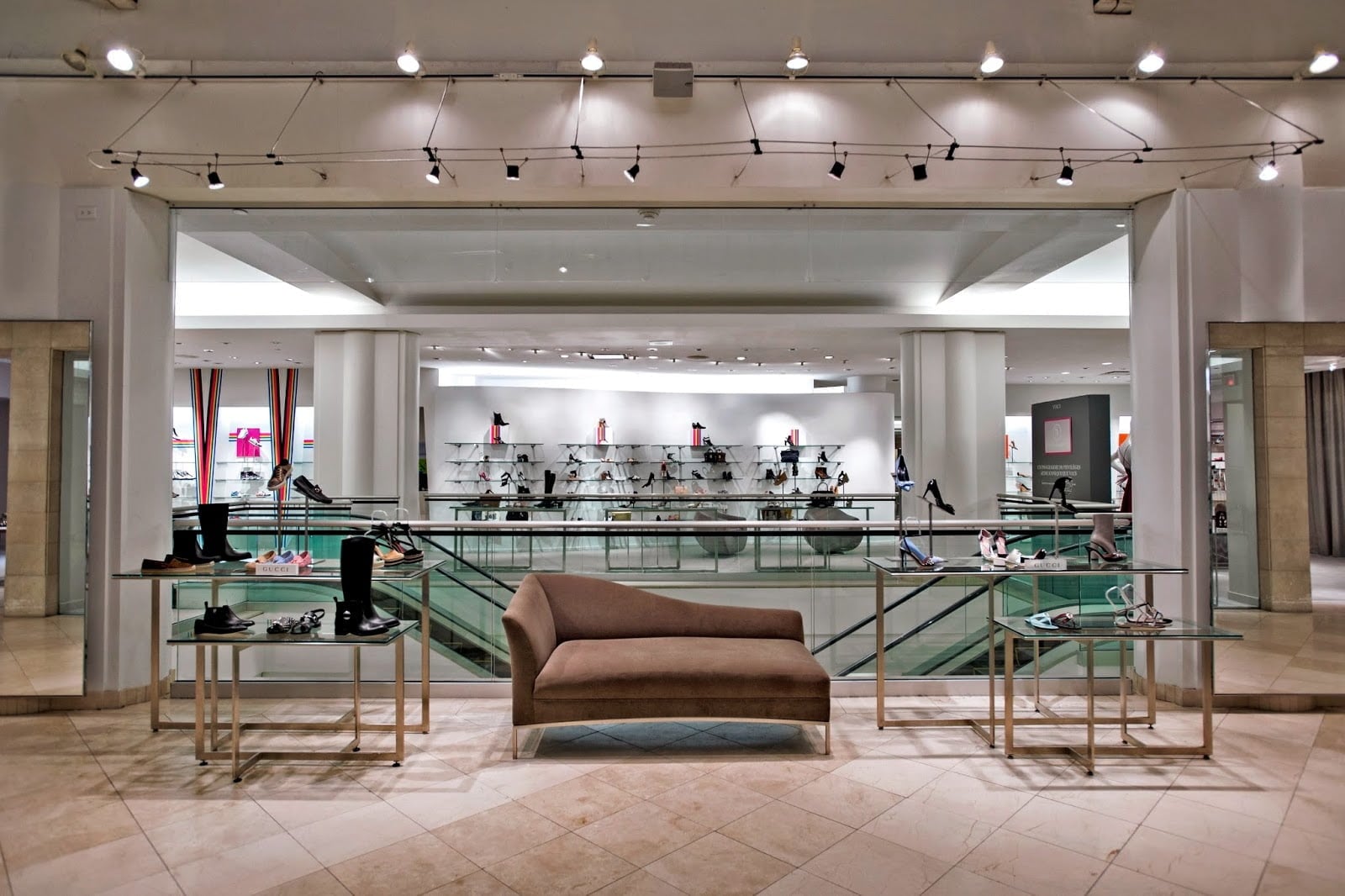
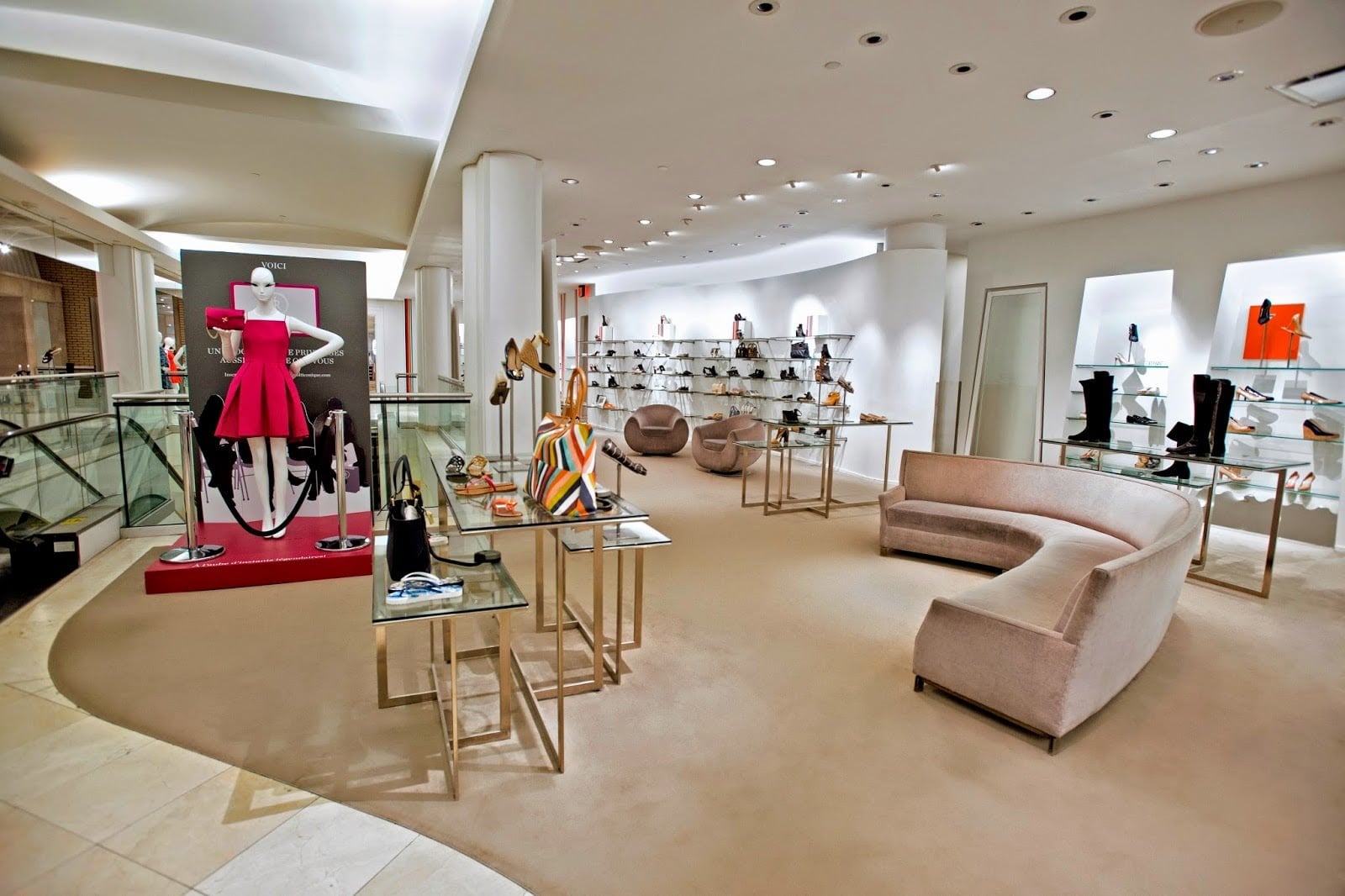
Holt’s Renfrew‘s footwear salon in Montreal has seen an overhaul, including a substantial expansion and the addition of new brands. The footwear salon will only be open for a couple of years, however, as a newly built, combined Ogilvy/Holt’s down the street will coincide with Holt Renfrew’s Montreal flagship closure. 

According to Holt Renfrew, the expanded footwear salon now measures about 4,300 square feet of selling area, excluding backroom storage space. This is almost triple the size of its previous Montreal space. The expanded salon includes new footwear brands such as Aquazara, Alexander McQueen, Balenciaga, Chloé, Gianvito Rossi, and Kenzo. Holt’s already carried luxury brands such as Christian Louboutin, Dior, Gucci, Prada, Miu Miu, Saint Laurent Paris, Lanvin, Ferragamo, Tod’s, Manolo Blahnik, and others. 

The expanded Montreal space is smaller than Holt’s Yorkdale footwear salon, in Toronto, for example, which spans an impressive 10,000 square feet and includes shops-in-stores for brands Manolo Blahnik, Jimmy Choo, Christian Louboutin, Gucci, and Salvatore Ferragamo. Holt Renfrew also has plans to grow several other footwear salons, according to sources in the company, including expanded departments in its flagship Bloor Street, Calgary and Vancouver locations. All three stores will see renovations and expansions between now and 2018 as Holt Renfrew continues its $300 million initiative to expand store space by approximately 40%. 

Below is a video, and more photos. 

Youtube video

Montreal will likely see a considerably larger Holt’s shoe offering when the combined Ogilvy/Holt Renfrew opens in late 2017. The 220,000 square foot store, substantially larger than Holt’s current 83,000 square foot Sherbrooke Street location, will include a substantial women’s footwear presence. There’s no official word yet on what will happen to Holt’s existing Montreal flagship which is owned by the company, though some speculate that it could be redeveloped into luxury condominiums and upscale retail. 

Italian Footwear Brand GEOX Launching 7 Canadian ‘Concept Stores’

Photo: GEOX

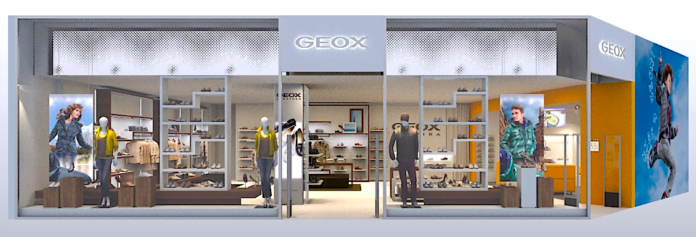
Moderately-priced ‘breathable’ Italian footwear brand GEOX will open seven new ‘concept stores’ in Canada this year, including three new locations and four store overhauls. When completed, GEOX will operate 32 free-standing Canadian locations. 

The three new stores will include locations at Scarborough Town Centre in Toronto as well as two Vancouver locations – one at McArthur Glen Designer Outlet at Vancouver International Airport, and the other at West Vancouver’s Park Royal Shopping Centre

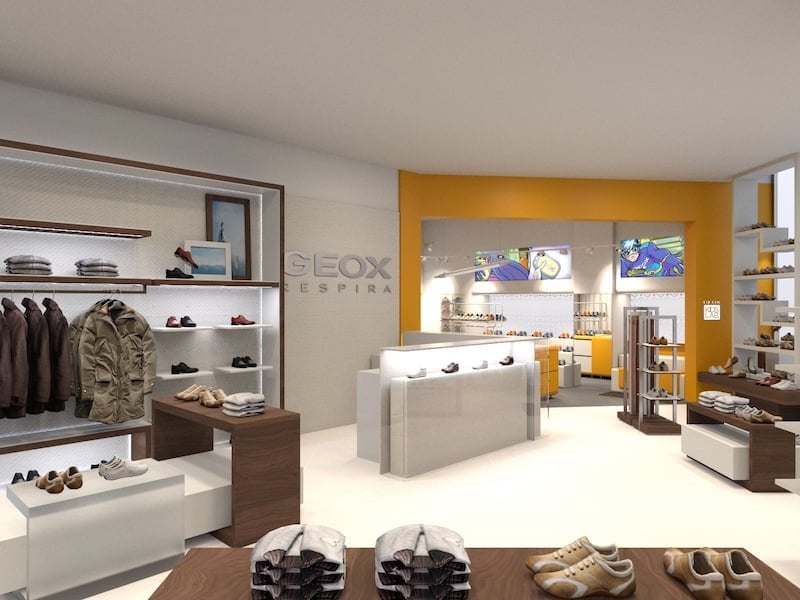
Expanded and redesigned concept stores locations will include three GEOX locations in the Greater Toronto Area (Vaughan Mills, Square One and Sherway Gardens) as well as the existing space at Quebec City’s Place Ste-Foy. They will be modelled on the successful Carrefour Laval concept store in suburban Montreal which launched last year. 

“In twelve short years, GEOX has grown to be one of Canada’s leading shoe brands, thanks to our commitment to providing a world-class retail experience for consumers,” explains Gino Stinziani, COO for GEOX Canada. “We are excited to strengthen our leadership by offering our fans a unique, more memorable shopping experience.  The new store designs have already proven to be a big hit with our existing clientele and new customers.  It effectively presents the GEOX breathable shoe and outerwear technology, and offers a great overview of the brand under one roof. ” 

Photo: GEOX

Founded in Montebelluna, Italy in 1995, GEOX is known for its breathable footwear. It has stores around the world. In Canada, it wholesales at retailers nationwide and also operates free-standing boutiques in Vancouver, Edmonton, Calgary, Winnipeg, Toronto, London, Ottawa, Montreal and Quebec City. 

Images in this article are of the new Carrefour Laval GEOX location, provided by GEOX. 

The Kooples to Open Free-Standing Canadian Stores

PHOTO: THE KOOPLES, VIA FACEBOOK

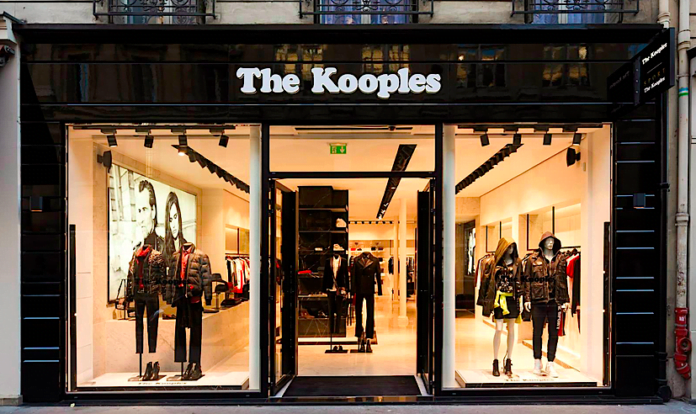
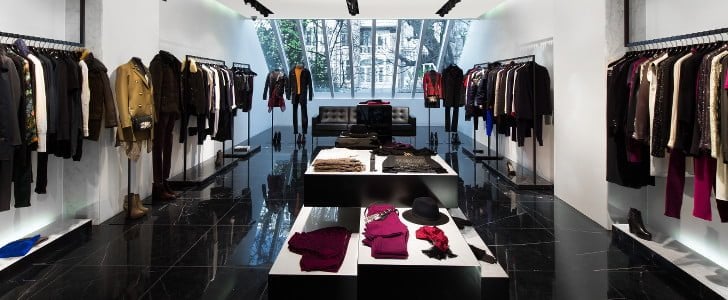
French contemporary brand The Kooples will reportedly open three free-standing Canadian locations this year. The Kooples already does exceptional sales at Holt Renfrew and Hudson’s Bay, prompting a brick-and-mortar expansion. 

Founded in Paris in 2008, The Kooples features trendy designed men’s and women’s ready-to-wear, as well as outerwear, accessories, leathergoods and footwear. The company anticipates explosive growth, from an anticipated 220 million Euros in 2015 to an estimated 550 million Euros for the fiscal 2019/2020 year. The Kooples entered the U.S. market two years ago via Bloomingdale’s and currently operates five free-standing U.S. locations – two in New York City and three in California. 

According to Women’s Wear Daily, the three Canadian Kooples locations will open “in late 2015 or early 2016. According to Style.com, Toronto and Vancouver are the brand’s first priority. 

PHOTO: THE KOOPLES

The Kooples CEO and cofounder Nicolas Dreyfus also told Style.com: “We want to open 20 flagship stores within the next five years in the U.S. We should open in Hawaii, Miami, Dallas, Chicago, and probably one more in California.” 

The Kooples wholesales at Hudson’s Bay in Vancouver and Toronto, and operates separate men’s and women’s concession shop-in-stores at Holt Renfrew locations in Toronto (Bloor Street, Yorkdale), Vancouver, and Calgary. It also operates a boutique at Montreal’s Ogilvy, owned by Holt Renfrew’s parent company Selfridges Group

We’ll update you when we can confirm the locations of The Kooples’ first three Canadian locations. 

BMO Launches Beautiful figure3-designed Flagship at Canada’s Financial Crossroads

Bank of Montreal's impressive new 21,000 square foot flagship at Toronto's First Canadian Place

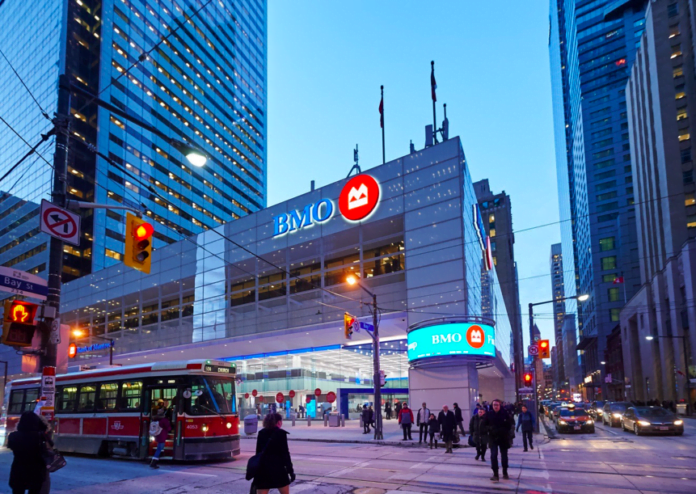
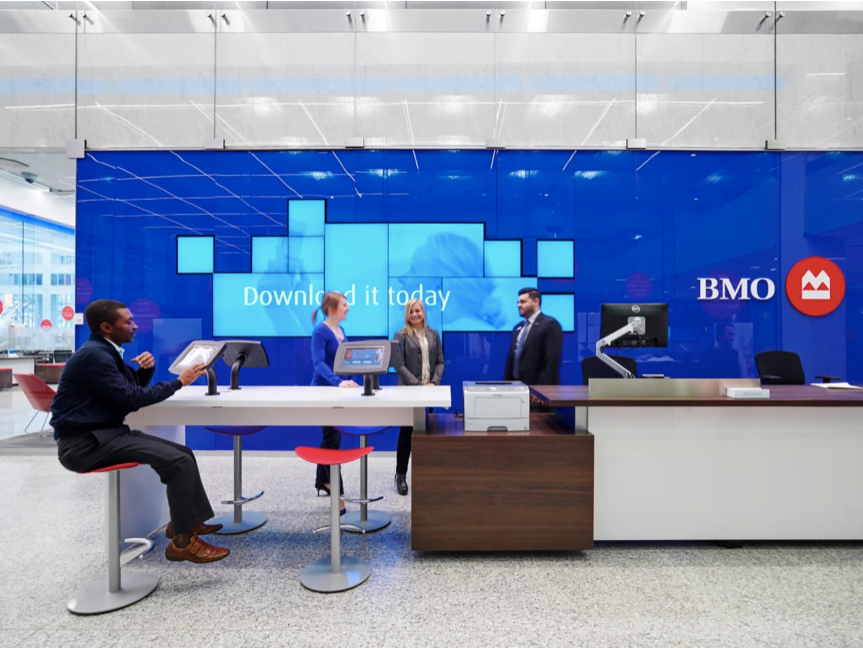
Although not the traditional type of retail we report on at Retail Insider, the following is a revelation of Bank of Montreal‘s impressive new 21,000 square foot flagship at Toronto’s First Canadian Place

According to the space’s design firm figure3, banks today are facing many of the same challenges as “traditional” retailers: fierce competition for share of mind and wallet – and, as e-commerce expands, more consumers turning to the convenience of online to shop and carry out transactions. figure3 designed a storefront which it says helps in “developing meaningful relationships between businesses and customers, the needs of both can be successfully merged”.  

In working with BMO, figure3’s retail design team was charged with ‘seeing what others don’t,’ in order to make intelligent, evidence-based decisions for the redesign of the BMO flagship at First Canadian Place.

This meant developing a design strategy that changes the way BMO’s customers think, feel and behave in the new 21,000 square foot branch – a direct function of design research identifying a need for clarity in the banking experience.

“The new First Canadian Place branch is designed with the customer experience in mind, featuring a layout that removes physical barriers and ultimately fosters deeper, more valuable advice-based conversations,” said Tony Tintinalli, Regional Vice President, BMO Bank of Montreal. 

The corner of King Street and Bay Street is one of downtown Toronto’s busiest and most crowded corners. The illuminated branding (see image at the top of this article), BMO blue racing stripe and digital signage grabs the attention of passersby while the floor-to-ceiling windows provide a clear view of what is happening inside. 

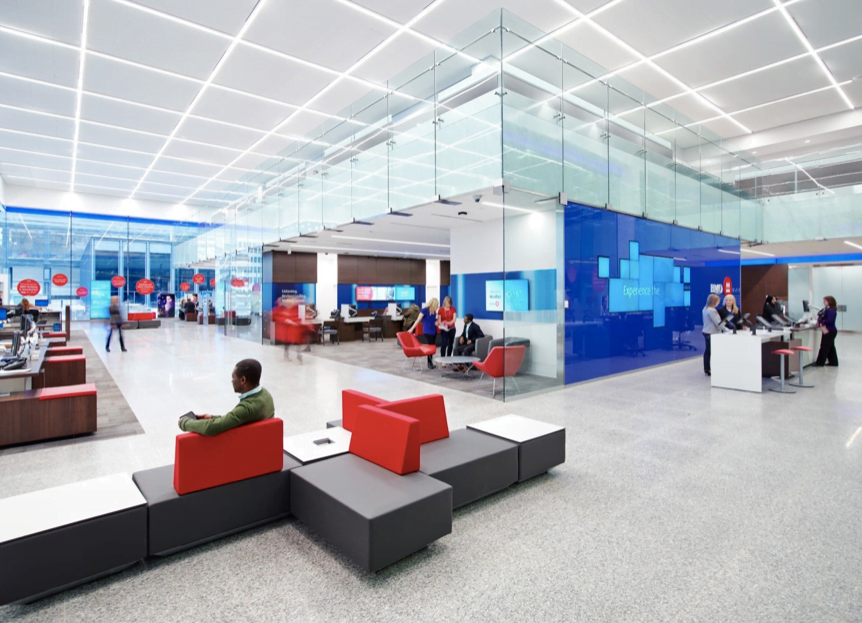
Once inside, customers are struck by the openness of the bank – “we have pulled back the curtains,” says Marjorie Mackenzie, figure3’s VP of Retail. No longer is banking something that happens in back rooms – customers immediately feel empowered; like the integral part of the banking experience that they are.

By breaking up the long, transactional “us vs. them” counter and offering seating, traditional physical and emotional barriers are reduced and customers are invited to share in a more collaborative interaction with the staff.

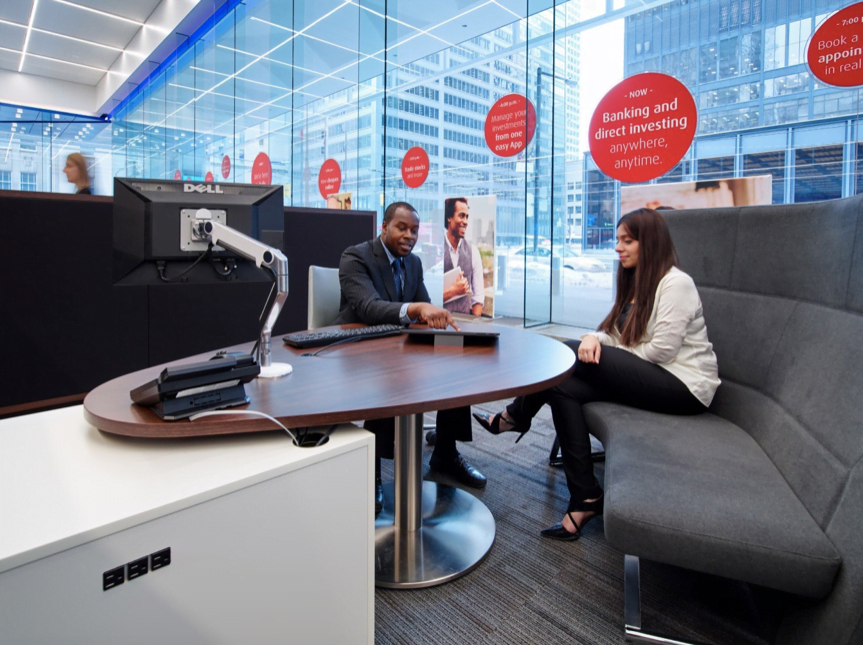
The Business Banking area functions as a “bank-within-a-bank.” The intimate, seated interaction space allows people to comfortably engage in more comprehensive conversations, encouraging them to stay a little longer and spend time learning about products and services they care about. 

The inclusion of new omni-channel elements (like the tablets pictured), helps make the transition from online to in-store more streamlined, offering customers a compatible banking experience with direct access to apps and online banking as well as in-store offerings.

The meeting pods are a conscious nod to the delicate balance of transparency and privacy in a banking experience. While the pods are situated within the open environment, the custom furniture offers acoustic and visual privacy in a comfortable, relaxed setting. Added mobile technology allows for movement between pods, streamlining information sharing.

Comfortable, free meeting areas (a.k.a. “hives”) with custom seating and storage created by figure3 principal Chris Wright and Senior Team Leader, Steve Tsai, enhance the ability to exchange information in a fluid, collaborative way. 

Canadian Retail Sales Are In Good Shape … Except for Gasoline Stations

By Ed Strapagiel

Reports that the sky is falling in Canadian retail sales are greatly exaggerated. Almost all the recent decline in total retail growth is due to lower gas prices, while other retail sectors are performing within or better than their normal range of variation. Gasoline stations account for about 12.5% of total retail, so a major sales decline in this subsector is a significant drag on the overall total. 

Gasoline station retail sales declined 21.3% in January 2015 versus a year ago on a not seasonally adjusted basis, so that total retail was up only 0.5% for the month. Excluding gas stations however, the rest of retail was up 4.2% in January year-over-year, and up 4.9% for the 3 months ending January. 

The underlying 12 month trend for total Canadian retail sales (green line in the above chart) is now headed downward. The 3 month trend (orange line) has weakened considerably, indicating more of the same ahead, at least until gas prices recover. 

While Automotive & Related suffers however, the Food & Drug and Store Merchandise sectors are actually stable or strengthening. 

Food & Drug Stores

The Food & Drug sector continues to crawl along, but at least it’s crawling in the right direction. The underlying 12 month trend (green line in the chart above) has been slowly improving for about a year and a half, and is up to 3.0% for the 12 months ending January 2015. This is hardly spectacular, but it is a 4 year high. 

Food & beverage stores had a good January, with retail sales up 5.2% year-over-year, which is almost double their average. On the other hand, health & personal care stores had a relatively slow month, up 1.6% from January last year, or roughly half their previous average. These ups and downs are typical for the sector. 

Store Merchandise

The Store Merchandise sector is emerging as the place to be for 2015. The 3 month trend (orange line) is still running ahead of the underlying 12 month trend, which has been improving for about 18 months and is now at a 5 year high. 

Almost all store types had respectable sales gains in January 2015 compared to the same month a year ago, particularly clothing stores, jewellery, luggage & leather goods stores, and electronics and appliance stores. Only miscellaneous store retailers turned in a decline for the month. 

 The Automotive & Related sector appears to have fallen off a cliff. This is almost all due to lower gasoline prices, particularly as compared to the very high prices in place a year ago. 

At the same time, new car dealers’ sales were up “only” 4.7% in January 2015 year-over-year. This would be a good result for most retailers, but it is well off the 8.5% gain new car dealers recorded for 2014 overall. Used car dealers and other motor vehicle dealers also had an off month in January. 

For definitions of store types, see Statistics Canada

Monthly Update Notification

This analysis is updated monthly as new numbers are published by Statistics Canada. If you would like notification of when an update becomes available (and you’ve read this far), please connect with Ed Strapagiel on LinkedIn

Moores Launches Men’s Made-to-Measure in its Canadian Stores

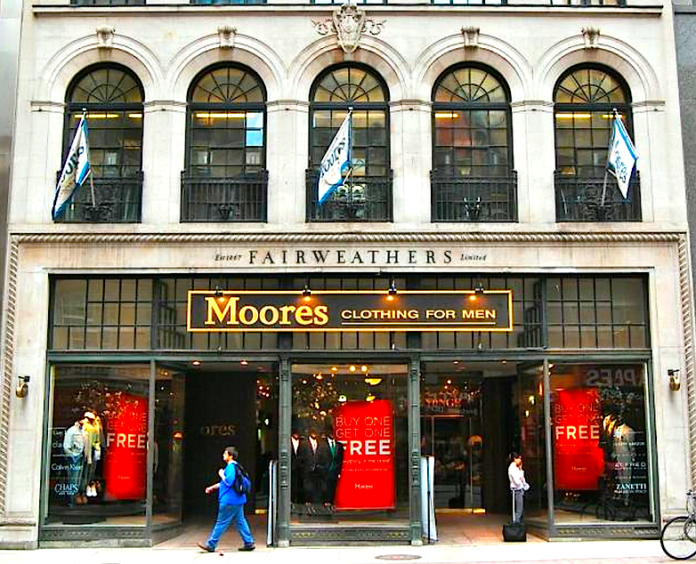
PHOTO: URBANTORONTO.CA

Popular mid-priced Canadian menswear retailer Moores has launched made-to-measure clothing in its stores, potentially competing with custom suit makers and pricier menswear retailers. It’s a ‘brilliant move’ according to luxury retail expert Farla Efros, who notes that it could enhance Moores’ customer loyalty at a time when competition heats up in the Canadian menswear market. 

Moores has partnered with New York City-based Joseph Abboud to launch the new custom line, called Joseph Abboud Custom, which is now available at Moores locations nationwide. Suits, sport coats, dress trousers, vests, tuxedos, dinner jackets and formalwear trousers will be available custom-order. After determining a desired fit, customers may select from a variety of Italian fabrics (including 100% wool ranging from super 100s to super 150s) as well as detailing such as pick stitching and button holes. Product is manufactured in a Montreal-based, family owned factory which was founded in 1913.

The starting price is $695 for suits, $500 for sport coats and dinner jackets, $195 for trousers and $150 for vests. 

JOSEPH ABBOUD. PHOTO: WWW.QUAZOO.COM

Luxury retail expert Farla Efros, COO of HRC Advisory, tells us that Moores’ moving into custom clothing is a brilliant move. Custom menswear has become a trend, growing significantly faster than off-the-rack clothing. This is partly a result of men becoming more discerning when it comes to the fit of their clothing. Moores’ custom initiative allows it to differentiate from mid-priced competition, grow loyalty and offer something unique in the mid market – making the customer feel special and likely to return. 

Moores is also addressing substantial new competition, as custom suit makers such as Vancouver-based Indochino continue to grow and open brick-and-mortar stores. At the higher-end, upscale menswear retailer Harry Rosen has recently seen an increase in made-to-measure sales, now accounting for about 20% of its suit business. Menswear competition in Canada will continue to increase as international retailers such as Loding and Suitsupply continue to expand, not to mention upscale department stores such as Saks Fifth Avenue, La Maison Simons and Nordstrom, all of which are increasingly carrying considerable menswear offerings. 

With the ad slogan “Well made, Well Priced, Well Dressed”, Moores was founded in Mississauga, Ontario in 1980. It now operates over 120 locations nationwide. The menswear retailer carries a full selection of suits, sport coats, furnishings and accessories, and is also the largest provider of tuxedo rentals in Canada. Although it is headquartered in Toronto, Moores was bought by Texas-based Men’s Warehouse in 1999.