Home Blog Page 1239

Technology Met Retail at Toronto’s Dx3 Conference

By Naomi Turner, J.C. Williams Group

During the recent Dx3 tradeshow and conference, held at the Metro Toronto Convention Centre in Toronto, March 11–12, J.C. Williams Group encountered a number of exciting product demonstrations and displays on the latest technologies that will be rocking the retail world.

Here are a few of the most notable booths we encountered at the tradeshow.

Holographic Displays

The Virtual Messenger

The Virtual Messenger provides companies with the ability to incorporate interactive visual presentations in their marketing and sales efforts. Products includes 3D holographic avatars, live windows (i.e., interactive holograms on glass or rear window of car), and virtual kiosks.

WATCH THIS VIDEO to see Virtual Messenger’s holographic avatar in action.

Virtual Messenger provides retailers and brands with an interesting and entertaining way to interact with, attract, and engage consumers, advertise products, and display or present information.

Use Virtual Messenger to:

  • Introduce a new product to customers in-store
  • Greet guests at an exclusive event
  • Grab attention while highlighting specials at a restaurant

Holographic Technologies

Holographic Technologies provides customized holographic display solutions.

The 3D holographic image is shown above centered in a prism-like display case. The 3D image rotates and can be viewed from any angle when navigating around the display. An interactive touchscreen pad allows the user to manipulate the holographic display (i.e., view different products or actions).

While the interactive touchscreen is an optional function, it does provide a fun and entertaining way for retailers to educate and entice consumers on product assortments and brand extensions while in the store.

It also reduces the need for products to be shipped out in physical format in order to showcase it. With the touch of an email you could send the necessary files to your counterparts to showcase your brand!

Augmented Reality

According to Icreon Tech and Deloitte among others, Augmented Reality (AR) has been cited as one of the top technology trends to take off in 2015.

Blippar

Blippar provides a complete line of services for retailers to launch their own immersive AR campaigns. Using the camera on a smartphone, tablet, or wearable device to recognize images that are “blippable,” users are provided with a response that can range from “unlocking” videos, exclusive offers, interactive games, 3D experiences, product information, and more.

WATCH THIS VIDEO to see some of Blippar’s amazing mobile augmented reality campaigns.

Regardless of the intended purpose of this technology, there is no denying that it offers new and creative ways for retailers to interact with consumers and enhance the overall customer experience. As this trend continues to grow, retailers should not only keep this on their radar, but also start thinking of creative ways to implement their own AR strategies.

Peek Augmented Reality

Peek provides retailers with the ability to “pop-up shop in consumer places and spaces.” (Peek)

Similar to the 2014 IKEA Catalog app, users can arrange, rotate, and remove objects in a photorealistic setting that takes into account the correct scale and lighting conditions.

WATCH THIS VIDEO to learn more about PEEK.

Swivel by FaceCake’s Virtual Dressing Room and Beauty Bar

Virtual dressing rooms have been in the market for some time but have yet to gain full-blown adoption by retailers. However with advances in technology, the experience it provides continues to improve. Swivel by FaceCake’s virtual dressing room and Beauty Bar are the latest examples of this fun, useful, and innovative technology. It is more realistic than previous models and offers new features such as social sharing and built-in links for easy purchases.

WATCH THIS VIDEO to learn more about Swivel by FaceCake’s virtual dressing room and digital beauty bar.

Will this technology replace physically trying on clothes or having a professional make-up artist apply cosmetics? No, but it provides another avenue for consumers to research products and brands.  It enables “trying on” certain merchandise like accessories (e.g., handbags, scarfs) and jewellery, as well as experimenting with different shades and combinations of cosmetics and providing assistance in finding the perfect outfit or “look.” The only downside to this technology is that at this time it cannot perfectly adjust to body shape and size, or mimic various application techniques of cosmetics.

3D Printing

In the past few years, we have seen the 3D printing revolution unfold. Though still in its early stages, as this technology continues to advance and new uses and benefits for this technology are realized, the impact of this technology could become yet another game-changer in retailing.

3DMakeable

3DMakeable designs and develops custom 3D printed products and offers custom workshops where they teach attendees how to build, configure and calibrate their own 3D printer.

Is the idea of a 3D printer becoming a staple in every consumer household premature? Perhaps, but giving the rapid growth we saw in smartphone penetration or personal computers, it’s not crazy.

3D printers in general provide many benefits for entrepreneurs, R&D, product designers, manufacturers, etc., but on the consumer side, this technology introduces an alternative to current e-commerce practices – buy online, print at home. Now that’s instant gratification that even “same-day shipping” can’t compete with. With the assistance of a 3D printer, consumers would have the ability to buy the product design online directly from the retailer or supplier, and print instantaneously in the comfort of their own home. The application spans across many industries, such as hardware and toys.

In Summary

What do all of these technology tools have in common? They all work to enhance the customer experience, whether at home, online or in the store. With increasing competition and the rapid shifts in consumer behavior, technology plays a key role in differentiating brands and retailers. Brands that are out-of-sync with today’s retail technology or unaware of the massive changes coming rapidly down the road, risk being put out-of-business.

J.C. Williams Group is a well-known, full-service retail and marketing consulting firm. It offers clients practical, creative, and in-depth knowledge of retailing and marketing, including up-to-date know-how and techniques to make retail operations better and more profitable. You can also read their informative blog, Retaileye, here: retaileye.wordpress.com  

Interview with Sam Mizrahi, Builder of ‘The One’ Tower at Bloor and Yonge

MIZRAHI DEVELOPMENTS
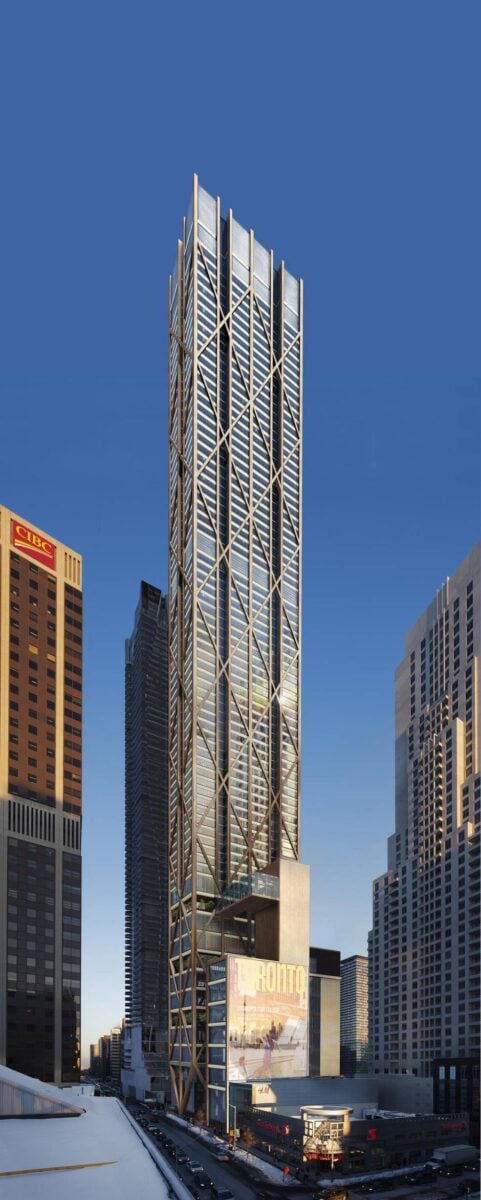
RENDERING: MIZRAHI DEVELOPMENTS

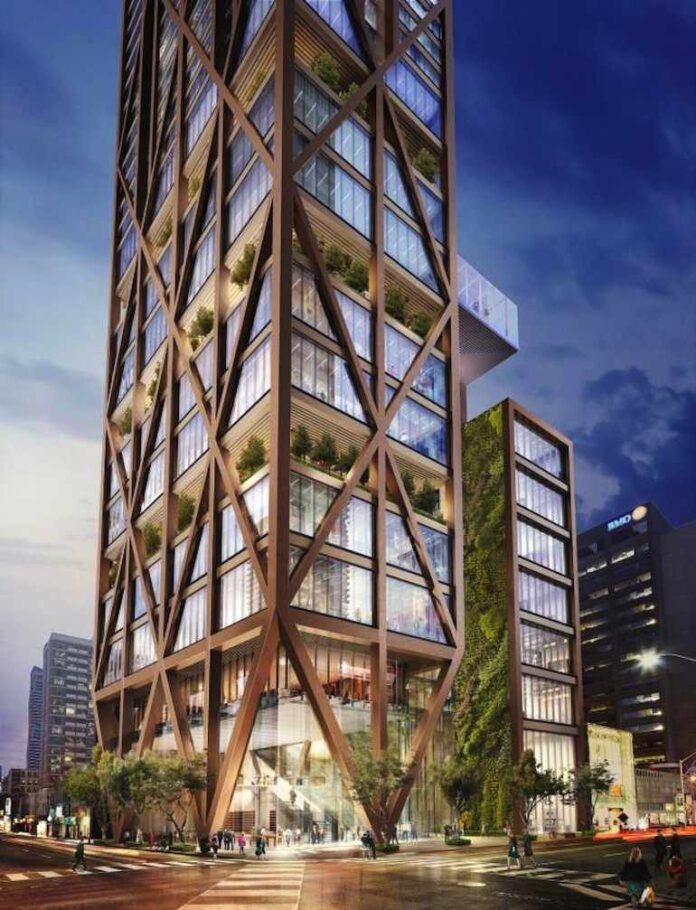
On Friday we interviewed developer Sam Mizrahi of Mizrahi Developments about his proposed super-tall Toronto tower, called ‘The One‘. Located at One Bloor Street West (intersecting Yonge Street), the 80-story, 1043 foot tall Foster + Partners/Core Architects-designed tower will feature a nine-level retail podium with 72 floors of luxury condominiums above. We’ll discuss both the retail and residential components of The One, as revealed by Mr. Mizrahi in our interview. 

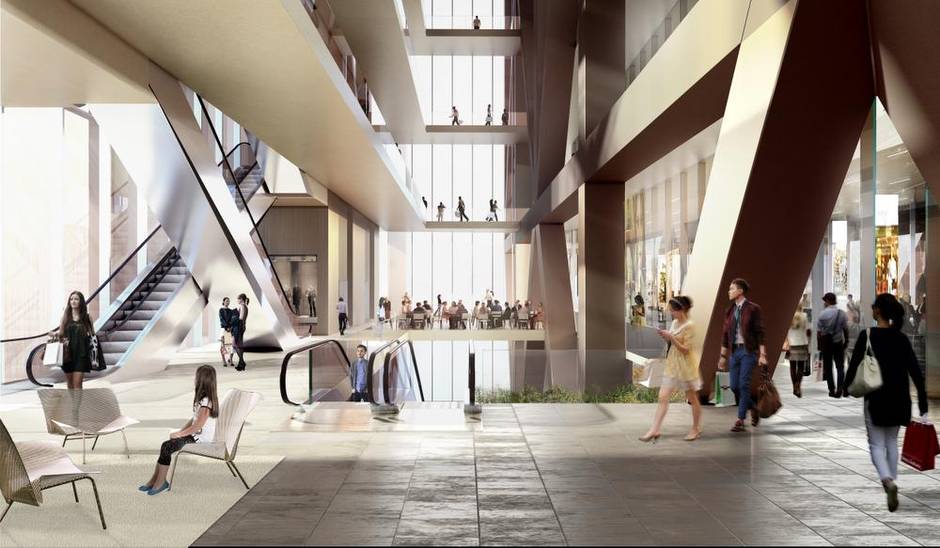
Mr. Mizrahi revealed that the retail base of One Bloor West will span about 140,000 square feet. The nine-levels of retail will include eight levels above-ground, as well as a lower-level concourse connecting to Toronto’s underground PATH system, with access to the Yonge and Bloor subway lines. The ground level up to and including level five, as well as the concourse, will be dedicated to large retail stores. Levels six through eight will be occupied by restaurants and ‘food services’, according to Mr. Mizrahi. 

The lowest six levels of the retail podium will be occupied by only five or so large retailers, each occupying at least two levels. The ground floor will host three retailers, including one unnamed international brand which will occupy the corner retail space, spanning four levels and over 30,000 square feet. 

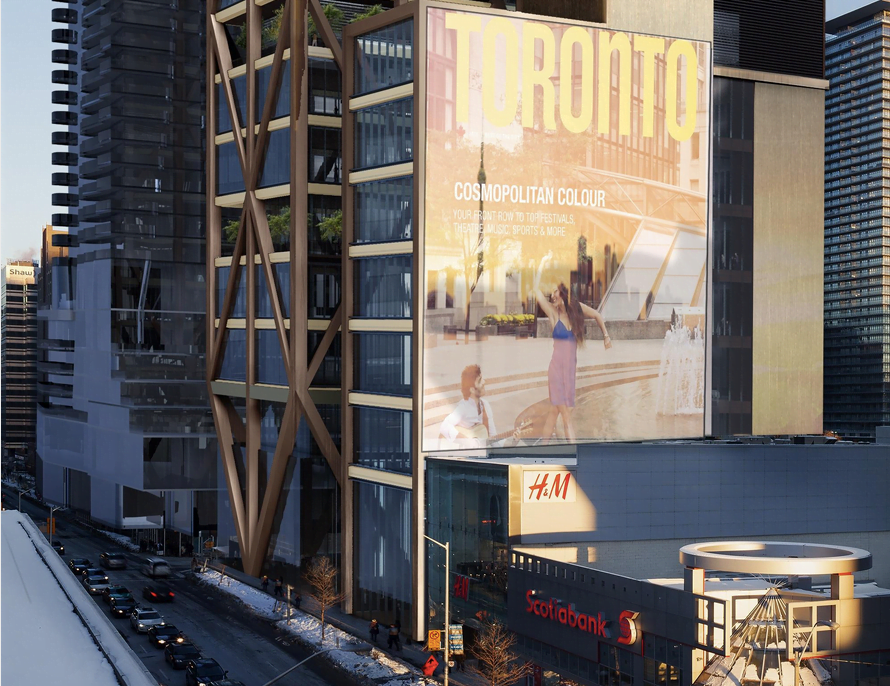
The retail podium looking east along Bloor Street, as seen from the rooftop of Holt Renfrew.

Mr. Mizrahi says that if a retailer wanted, it could have as much as 50,000 square feet within the complex, as space is customizable. 

What’s remarkable about One Bloor’s retail component is its ceiling heights and lack of interior columns. Each of the nine levels will feature 22-foot ceilings, including the concourse level. The building’s exoskeleton design allows for column-free interiors, providing retailers with customizable spaces providing clean, ‘uncontaminated’ sight lines and better opportunities for pedestrian visibility. Prior to this space becoming available, a number of retailers complained that they were unable to find appropriate “brand experience” retail spaces in Toronto as much of Bloor Street’s existing retail space is older, smaller, and lacks dramatic ceiling heights. 

Mr. Mizrahi said that the five or so large retailers will be “international brand experience stores” found on streets such as Fifth Avenue in New York City and North Michigan Avenue in Chicago. Mr. Mizrahi would not discuss these retailers as he is bound by confidentiality, and he says that they may be revealed to the public as early as this summer. 

Mr. Mizrahi revealed that he paid about $207 million for the 27,640 square foot property, combining several land parcels. The largest parcel, located on the southwest corner of Bloor and Yonge Streets, recently housed storied menswear retailer Stollerys. Besides the Stollerys property at 1 Bloor Street west, Mr. Mizrahi owns the neighbouring 11 Bloor Street West building (formerly housing a French Connection store) as well as all of the retail buildings south of Stollerys up to 768 Yonge Street. Mr Mizrahi said that his new one-million square foot tower will cost a further $1 billion to construct. 

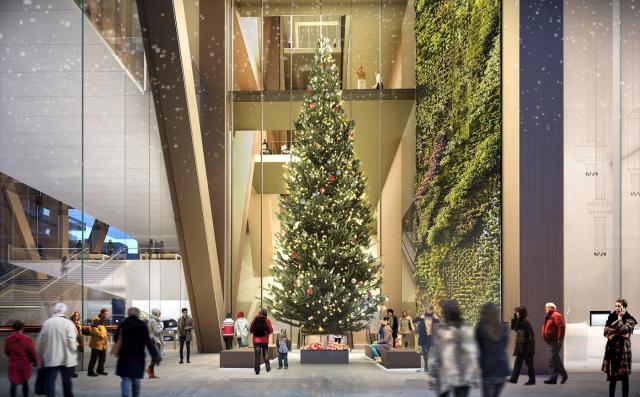
The project’s retail podium will be intersected by a 196 foot high atrium which will act as a public space. Mr. Mizrahi said that this space will be somewhat similar to New York City’s Rockefeller Center Plaza. During the winter holiday season, for example, a Christmas tree will be installed and at other times of the year, various festivities may occur. A living wall will adorn the new atrium, helping to create a warm and inviting space for guests. The atrium will also provide an access point to residents of the luxury condominiums to be located upstairs. 

We asked Mr. Mizrahi specifically about the tower’s residential component, spanning 72 floors above its retail podium. Mr. Mizrahi indicated that the residences will be luxurious, boasting 10 foot clear ceilings with no bulkheads – something unusual among even Toronto’s best luxury towers. These high, bulkhead-free ceilings will be obtained by creating floor-to-slab heights of about 12 feet. Penthouses and sub-penthouses will have even higher ceilings, likely spanning 12 feet — also without bulkheads. There will be approximately five penthouse floors with these extra-high ceiling heights, according to Mr. Mizrahi, depending on final tower design. Suite floor plans will be customizable, as there will be no interior columns because of the building’s exoskeleton design. Mr. Mizrahi noted that floorplan customization was also available at his two most recent projects in Yorkville, 133 Hazelton Avenue and the neighbouring 181 Davenport Road, both of which have sold out. 

GROUND FLOOR OF ONE BLOOR’S ATRIUM. RENDERING: MIZRAHI DEVELOPMENTS

A 10-level, 600-space parking garage will be operated by a valet service. Residents will therefore not own a particular space in the garage. 

Mr. Mizrahi revealed that prices for these residences could average in the $975 to $1,000 per square foot range, depending on market demand, though some units will be priced at over $2,000 per square foot. Unit prices could start somewhere in the $600,000 range according to Mr. Mizrahi, and could go to over $30 million for a penthouse spanning 1.5 floors or even two full floors. Each floor plate in the building will span about 9,000 square feet and given that 15% of this will be devoted to common areas (hallways, stairs, elevators, utilities), each floor will feature about 7,650 square feet of residential living space. A two-level penthouse, if built, could therefore span an impressive 15,300 square feet, being among the largest in North America. 

About a thousand feet back down to the ground, Bloor Street’s recently installed granite sidewalks and landscaping will be extended southward down Yonge Street alongside The One. Current 8.5 foot wide sidewalks on Yonge Street will be extended to a width of almost 17 feet while Bloor Street’s 14 foot sidewalks will widen to over 27 feet. Remarkably, for those unfamiliar, similar granite sidewalks and landscaping will also be installed on neighbouring Hayden and Charles Streets between Yonge Street and Church Street, helping transform the entire neighbourhood into something iconic and more upscale. 

We’ll update this article when we’re permitted to reveal the identities of The One’s retail tenants, as well as discuss any interesting new developments. A public consultation on the project in scheduled in May, and considerably more information on the project will be revealed this summer, according to Mr. Mizrahi. 

Australian Activewear Brand Lorna Jane to Open Canadian Flagships

Australian Activewear brand Lorna Jane plans to open free-standing Canadian flagship locations. It’s a bold move for the company, considering that homegrown Canadian retailers Lululemon and Lolë are already fighting for local market share. 

According to Women’s Wear Daily, Lorna Jane is looking to enter the Canadian market with flagships in Vancouver and Toronto. Stores would feature traditional retail as well as in-store workout studios and health food cafes. We’ll update this article when Lorna Jane reveals its first Canadian store locations, reportedly expected to open in the third or fourth quarter of 2015 or early 2016. 

Lorna Jane currently operates 204 free-standing retail locations. Of those, 23 opened in 2014. The company plans to open about 25 flagships globally in 2015 and into 2016, in cities such as London, Paris, Berlin, Singapore, New York City and Hong Kong. The brand currently operates 42 American locations in California, Arizona, Oregon, Nevada, Texas and Washington State. Of those locations, nine feature the brand’s ‘Active Living Room’ concept, featuring in-store workout spaces. 

Lorna Jane will compete with Vancouver-based Lululemon, currently operating 53 Canadian locations in eight provinces. Montreal-based activewear brand Lolë also anticipates substantial Canadian growth, with plans to expand its current 17 locations to as many as 40 over the next several years. 

Founded by Lorna Jane Clarkson in Brisbane in 1989, Lorna Jane retails women’s athletic clothing and related goods, including clothing and accessories. Designs are considered to be ‘fashion forward’ and each month, the brand releases between 70 and 100 new styles, according to its website. The company has three primary lines under the names Lorna Jane Originals, Uniquely Lorna Jane (higher-end, runway-inspired) and premium, performance-based LJ Black. 

Thank you ACT7 of Urban Toronto for directing us to this Women’s Wear Daily article


Benefit Cosmetics to Open Free-Standing Canadian Locations

San Francisco-based Benefit Cosmetics will open its first free-standing Canadian location in April. The brand will reportedly open several Canadian boutiques over the next five years as it looks to expand its storefront operations. 

Benefit’s free-standing boutiques offer a wider variety of services than its shops-in-stores, including salon/spa services such as brow rehabs, body waxing and faux tanning. In Canada, Benefit Cosmetics are primarily carried at Sephora and Shoppers Drug Mart locations, lacking services offered in free-standing Benefit shops. 

Benefit’s first Canadian location will be at 2614 Yonge Street in Toronto, half way between Eglington Avenue and Lawrence Avenue. The two-level, 1,500 square foot retail space includes a 724 square foot ground-level and a 782 square foot finished basement level. The upscale retail area includes a number of chains such as Lululemon and The Gap, as well as the flagship for upscale sports retailer Sporting Life. Benefit Cosmetics, itself, will locate between Club Monaco and Bluboho Jewellery. The retail space was recently profiled on Spacelist.ca and according to the website, net asking rent was $75 per square foot annually, plus an additional $16 per square foot annually for taxes, maintenance and insurance. 

According to Cosmetics Magazine, Benefit Cosmetics will look to open more Canadian boutiques over the next five years. We’ll update you when we learn where. 

Founded in San Francisco in 1976 by twin sisters Jean and Jane Ford, Benefit Cosmetics is the world’s largest employer of aestheticians, with over 3,000 working for the company. It boasts over 3,000 counters in retailers around the world, as well as over 1,000 brow bars. It currently operates 58 boutiques around the world, and appears set for an international free-standing store expansion. Benefit Cosmetics is now a subsidiary of French luxury conglomerate LVMH, which bought the brand in 1999. Benefit’s sales in 2014 exceeded $ 1 billion (U.S.). 

Thank you ‘Toronto Shopkeeper‘ for directing us to this article in Cosmetics Magazine

Aquascutum to Open Free-Standing Canadian Locations

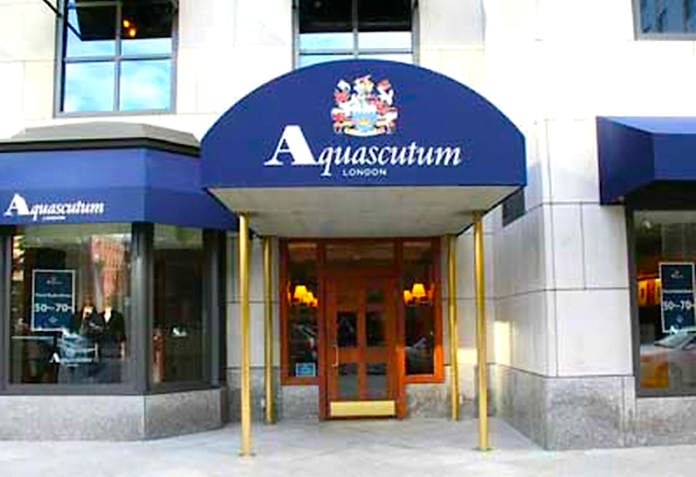
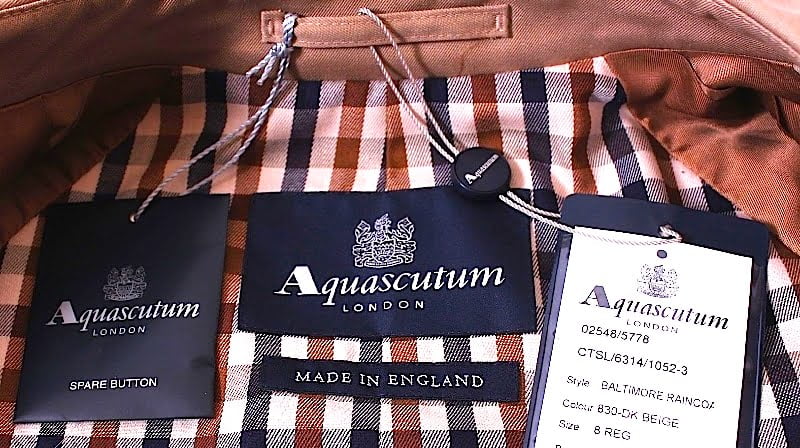
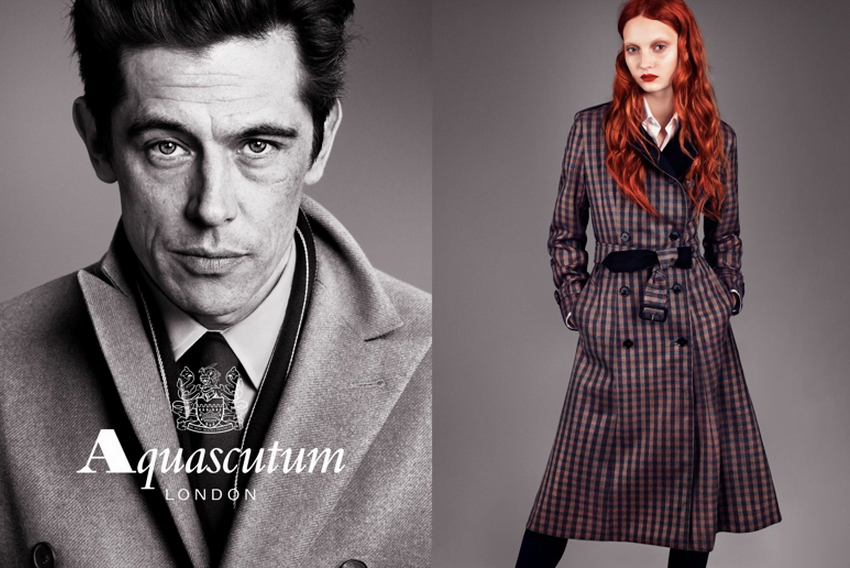
Particularly known for its trench coats and trademark club check, premium British fashion brand Aquascutum has partnered with a Canadian company to expand its brand to North America, including free-standing Canadian stores.

Toronto-based Jaytex Group, through a licensing agreement, will distribute the Aquascutum 1851 brand through both wholesale and retail channels and according to Women’s Wear Daily, will open standalone stores in Canada in the next two to three years. Jaytex also works with brands including Ben Sherman, Original Penguin and Kenneth Cole.

Aquascutum’s men’s collections are carried at Harry Rosen stores in Canada, as well as Barney’s New York in the United States. 

In March 2013, Aquascutum launched a three-year strategy to build its presence in the UK and international markets. Last year Aquascutum opened two new London stores and it is seeking other store locations in 2015. 

Founded in London in 1851, Aquascutum (Latin for ‘watershield’) manufactures and retails men’s and women’s clothing and accessories. The brand was family owned until 1990, when it was purchased by a Japanese conglomerate. British fashion brand Jaeger bought it in 2009 and after financial difficulties, Aquascutum became property of Chinese fashion retailer YGM Trading Ltd. in April of 2012.

For those old enough to remember, Aquascutum once had multiple Canadian store locations. In the 1980’s the brand operated free-standing stores as well as shops-in-stores in retailers such as Eaton’s, Hudson’s Bay, Simpson’s and Woodward’s, among others.

Why Wealthier Toronto Has Fewer Luxury Stores Than Chicago

Knight Frank recently released a study (PDF) indicating that Toronto has substantially more high-net-worth individuals than Chicago. Chicago, however, has considerably more free-standing luxury stores than Toronto. We spoke with luxury retail expert Farla Efros, COO of HRC Advisory, to learn more. 

According to the Knight Frank report, Toronto is home to 1,216 ultra-high-net-worth (UHNWI) individuals, compared to 827 in Chicago. UHNWI are persons with investable assets of at least US$30 million, excluding personal assets and property such as one’s primary residence, collectibles and consumer durables. 

For those who are curious, the Knight Frank report indicates that Montreal has 534 UHNWI’s, while Vancouver has 262. 

Chicago, unquestionably, has more free-standing luxury stores in its central core, when compared to Toronto. North Michigan Avenue, and the areas around Oak Street, Rush Street and the Waldorf Astoria Hotel boast a plethora of luxury stores. Saint Laurent Paris, Brioni, Brunello Cucinelli, Tom Ford, Marc Jacobs, Lanvin, Christian Louboutin, Piazza Sempione, Tod’s, Loro Piana, Harry Winston, Graff, Jil Sander, Ralph Lauren, Ermenegildo Zegna, Buccellati, Pomellato, Church’s, Omega, Bottega Veneta, La Perla, Christofle, Giorgio Armani and Van Cleef & Arpels operate free-standing locations in Chicago’s central core. None of these brands currently have free-standing Toronto locations. 

Toronto, in comparison, houses free-standing locations for the luxury brands Mulberry, Versace, and Guerlain, none of which currently operate free-standing Chicago stores. 

Furthermore, when examining upscale department stores, Chicago currently has Toronto beat. Chicago’s core features locations for Saks Fifth Avenue, Neiman Marcus, Barney’s New York, Bloomingdale’s and Nordstrom. Chicago’s suburbs include two Neiman Marcus locations, one Bloomingdale’s, and four Nordstrom stores. Toronto, in comparison, has three Holt Renfrew stores and an arguably upscale Hudson’s Bay store at Toronto Eaton Centre. 

Although Chicago will see a handful of new luxury retailers over the next two years, Toronto’s luxury growth will appear to be greater in comparison, at least in the shorter-term. This spring, Longchamp, Kiton, Corum and Jaeger Le-Coultre will open free-standing Toronto locations – and none of these are currently operating in Chicago. Furthermore, Dior, Brunello Cucinelli, Tod’s, Zegna, Omega, De Beers and a number of other premium brands are seeking Toronto retail space, with brokers saying that many more are also interested, declining to go on record for this article. Yorkdale Shopping Centre, which has seen more luxury retailer movement than anywhere in Canada recently, plans to further expand luxury offerings. Toronto’s luxury growth will be even more pronounced as upscale department stores enter the market. Saks Fifth Avenue will open two Toronto locations in 2016, and by 2017 Toronto will be home to three Nordstrom stores. Bloomingdale’s is also said to be seeking Toronto retail space, anticipating its first location opening in 2018. In 2016, as well, Holt Renfrew will open a 122,000 square foot location at Mississauga’s Square One

Despite this potential growth of upscale stores in Toronto, Farla Efros, COO of HRC Advisory cautions that Toronto is not necessarily a slam dunk. “One would need to take into consideration that retail cost structure—retail rents and taxes, for example—to determine if Canadian shoppers could generate the productivity required to drive sustained profitability. Personal and sales tax levels are also higher in Canada”. Ms. Efros says that although numbers indicate that Torontonians are wealthier, Canadians in general tend to be more cautious spenders. She also suggests that Chicago may be a more significant destination shopping experience, enjoying the influx of millions of foreign wealthy travellers that would buoy luxury retail. Michigan Avenue is known globally, whereas Toronto’s Bloor Street, while increasingly well known, does not have the same brand awareness of Chicago’s ‘Magnificent Mile’.

Given that luxury brands do their research, Ms. Efros’ comments may explain why some brands have hesitated open stores in Toronto, while operating locations in Chicago. Things will soon change, however, as more luxury brands plan free-standing boutiques in Canada’s largest and wealthiest city. 


Why Did Google Open a Brick-and-Mortar Store?

By J.C. Williams Group

The digital world was abuzz last Wednesday, on news of Google’s first physical store opening in London, England. The London store-in-store concept is located within Currys PC World, a U.K. electronics retailer owned by Dixons Carphone. The latter will be receiving all revenue from sales of the products.

What the Google store is not, is a typical store or store model for that matter. Touted more as a billboard, the partnership with Dixons provides an opportunity for Google to get customer face-time in real-time and in-person.

Google’s James Elias in a statement said:

“We’re incredibly excited to launch this space―the first of its kind anywhere in the world―in London with Currys PC World.

The pace of innovation of the devices we all use is incredible, yet the way we buy them has remained the same for years. With the Google shop, we want to offer people a place where they can play, experiment and learn about all of what Google has to offer; from an incredible range of devices to a totally-connected, seamless online life.

We think it’s a genuinely unique try-before-you-buy experience.”

Re-visioned Physical spaces are key to helping consumers as they research products

Omni-channel shopping is a key consumer behavior worldwide and Google has picked up on the fact that customers still want to try before they buy, touch-and-feel and certainly play!

With the fast pace of technology, many of the features and functions of new devices likely go unused by the majority of tech-owners, save the tech-savvy. Similar to the Apple Store, the Google store will “offer customers the chance to sample Google’s range of Android phones and tablets, Chromebook laptops and Chromecasts and learn about how they work together, from one device to the next, to make users’ lives as seamless as possible.”

The need for physical spaces for consumer research is an important idea and integral to the concept of omni-channel shopping and retailing. As retailers and shopping centers consider the re-visioned physical spaces of the future, we will see a greater demand for physical branded spaces. This should be a key consideration for shopping centers who are struggling to determine how they add-value to their tenants.

Branding through Flagship Locations

Some of the more theatrical features of the store that make it a real flagship for Google include an opportunity to check out:

  • An immersive surround screen installation called “Portal” where users can “fly” through any part of the planet through Google Earth;
  • A Doodle Wall where budding graffiti artists can use digital spray cans to paint their own take on Google’s iconic logo, which they can then share on social media; and
  • A Chromecast Pod where customers can enjoy Google Play Movies, YouTube and more, all cast through a Chromecast dongle that converts any TV into a smart TV.

Education of Products

Similar to Apple, the Google Store “hopes to host regular classes and events for the public. Classes will range from how to keep secure online …(to) simply learning how devices work.”

This is integral to customers understanding the value of the products they have purchased and getting optimal use.

Real-Life Example

Regardless of the category, education on products is an important aspect of selling high-end products.  My colleague and I attended a conference in Montreal last week and we had this experience firsthand when we checked out a few med-high-end apparel stores in a shopping center.  One store had a store associate who could tell us the fabric type, process, and even the difference between their products and the competitor.  His enthusiasm was contagious.  Five stores down, the competitor’s store associates, while extremely friendly, provided no added information on why their products were better.  Both my colleague and I are looking to buy a jacket from the first store.

This is where Apple has excelled.  Their store associates are educated on their products, understand the concerns and issues customers have and are part of an education process.  How many times have you heard a friend say “my birthday gift from my spouse will be the new iPhone.” Google must tap into that further in order to hold and expand its Android-based products against a slew of competitors coming out of Asia and North America.

The new Google store is a step in the right direction.  While most news will say Google is too late, we think it’s better late than never.  Consumer behavior shows the need for re-visioned physical spaces to help customers research and buy in tandem with online stores is important.  It’s the way of the future and those who don’t catch up will be closing shop.

Written by: Suthamie Poologasingham, Sr. Advisor of Digital & Omni-Channel, and Director of Research at J.C. Williams Group. 

Sources: Google Press Release, Wall Street Journal; Photos: McMillanDoolittle

J.C. Williams Group is a well-known, full-service retail and marketing consulting firm. It offers clients practical, creative, and in-depth knowledge of retailing and marketing, including up-to-date know-how and techniques to make retail operations better and more profitable. You can also read their informative blog, Retaileye, here: retaileye.wordpress.com

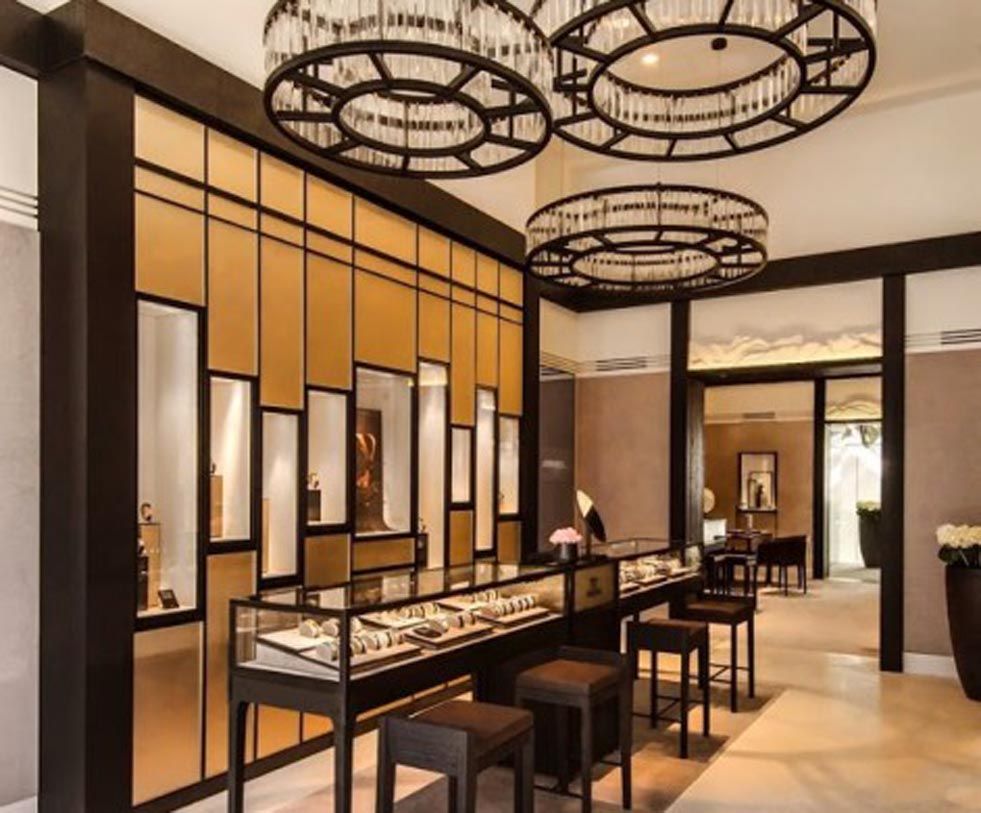
Jaeger-LeCoultre to Open Two Canadian Locations This Year

Swiss luxury timepiece brand Jaeger-LeCoultre will open two Canadian boutiques this year. In January we discussed a Vancouver location on Alberni Street, and now Urban Toronto‘s ACT7 informs us that Jaeger-LeCoultre will open in Toronto. 

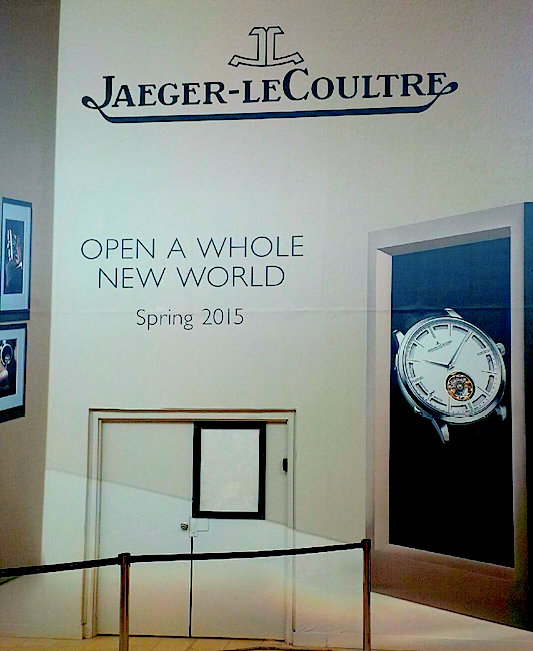
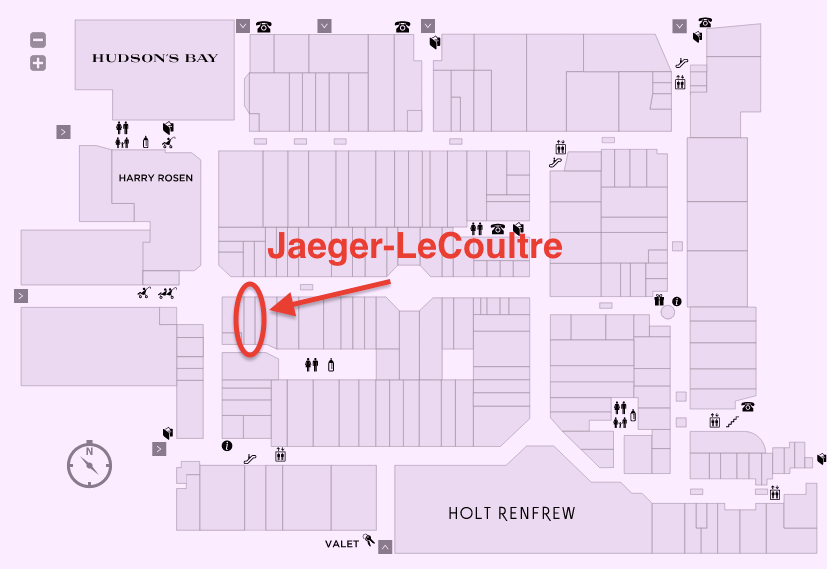
Toronto’s Jaeger-LeCoultre will be at Yorkdale Shopping Centre, and will be operated by Raffi Jewellers. The boutique will open this spring, technically making it the first LeCoultre location in the country. Jaeger-LeCoultre will locate in a 1,600 square foot space next to Raffi Jeweller’s Rolex boutique, in a retail space formerly occupied by Motherhood Maternity

Interestingly, Both luxury brands Jaeger-LeCoultre and Rolex will be removed from Yorkdale’s now famous ‘Luxury Wing’, housing prestigious retailers such as Cartier, Tiffany & Co., Bulgari, Moncler, Versace, Jimmy Choo and others. As Yorkdale continues to welcome new luxury brands, however, we may see prestigious retailers locate in various places within the world-class Toronto mall. Even more premium brands are expected to locate in the mall’s new 298,000 square foot wing which opens next year, alongside anchors Nordstrom and Uniqlo

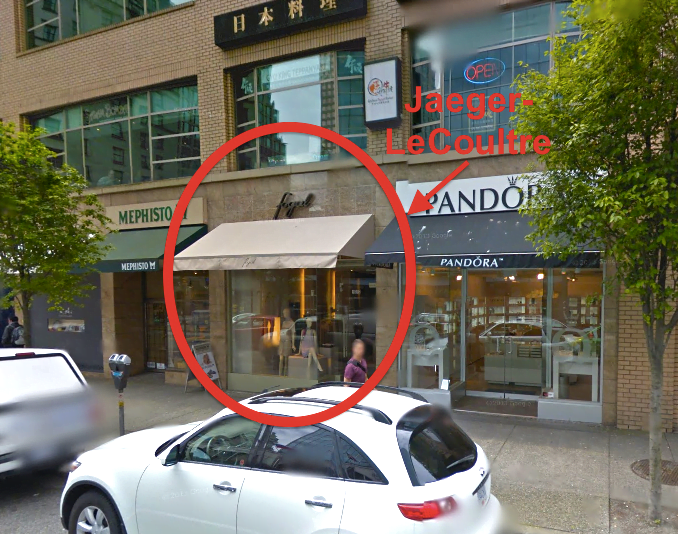
As discussed in January, Jaeger-LeCoultre will open at 1012 Alberni Street in Vancouver, replacing luxury legwear and knitwear brand Fogal of Switzerland, which vacated the small Alberni Street retail space in August of 2014. Jaeger-LeCoultre is the latest luxury brand to land on Vancouver’s upscale Alberni Street, located at the heart of Vancouver’s ‘Luxury Zone’. Next to LeCoultre will be Canada’s first location for premium Chinese jeweller Lao Feng Xiang, and the area will soon see new locations for Christian Dior, Prada, Strellson and other brands, joining already existing luxury retailers such as Louis Vuitton, Tiffany & Co., Hermes, De Beers, and others. 

Founded in Switzerland in 1833, Jaeger-LeCoultre is now a subsidiary of luxury goods conglomerate Richemont. Jaeger-LeCoultre has eight locations in the United States. Of those, four are in the Miami area (Aventura, Bal Harbour, Miami Design District, Palm Beach), and two are in the Los Angeles area (Beverly Hills and South Coast Plaza). New York City and Las Vegas also each have one free-standing Jaeger-LeCoultre boutique. The brand is also carried in upscale retailers across North America.

Review: SmartCentres’ Penguin Pick-Up

By Vicky Applebaum, Retail Category Consultants

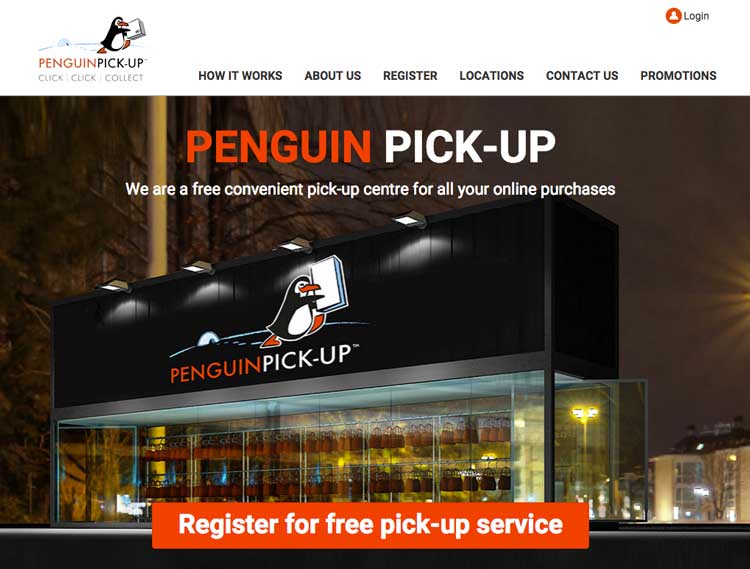
Penguin Pick-Up is a delivery pick-up service offered by SmartCentres, Canada’s largest developer of unenclosed malls, those massive big-box power centres typically anchored by a Walmart store. Penguin Pick-Up launched a couple of months ago, and is now operating at 3 SmartCentre locations in Ontario, with a plan to roll out nationwide at an average rate of one location a month, says Egil Moller Nielsen, Senior Vice-President of e-commerce for SmartCentres.

How Penguin Pick-Up Works

Consumers can shop online at any retailer that delivers to Canada, but instead of having their order shipped to their home – often when they’re not there to receive it – they can have it shipped to a Penguin Pick-Up point for secure holding. Retail Category Consultants gave the service a test run to determine if it removed enough customer pain points to make it a regular habit for online shoppers.

The Shopping Process

Customers need to first register for the Penguin Pick-Up service and then choose the pick-up location that is most convenient for them. When we first visited the Penguin Pick-Up website, it wasn’t entirely clear what the service offering was. Were we supposed to order only from retailers who are tenants at SmartCentres? They say “Shop online”, but do not make it clear that we can “shop online like you normally would at any of your favourite online retailers”. Once we registered and picked up on how it worked, the process was quite smooth and painless.

Ordering

When we ordered from an online retailer, instead of inputting our home address as the point of delivery, we inputted the SmartCentre pick-up point address. You can request to have the address e-mailed to you so that you can always have it on hand for easy reference when shopping online.

We encountered a minor glitch when the retailer’s website notified us that the SmartCentre address wasn’t a recognized Canada Post address format, offered an alternative address format (which would not have worked because it removed a critical part of the address that identified the pick-up centre location), and gave us an option to continue anyway, which we chose to do. But as a customer, we were concerned that the order might not find its way there. Not all online retailers perform this address verification, so this situation wouldn’t occur regularly, but for a first-time customer, it raised some initial anxiety.

Delivery & Pick-Up

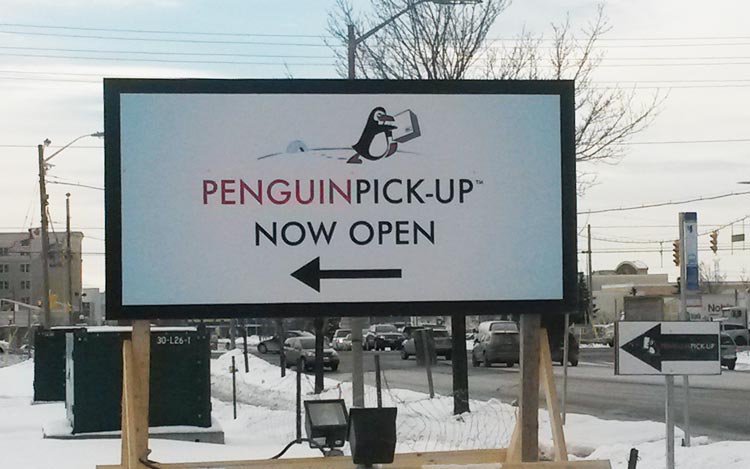
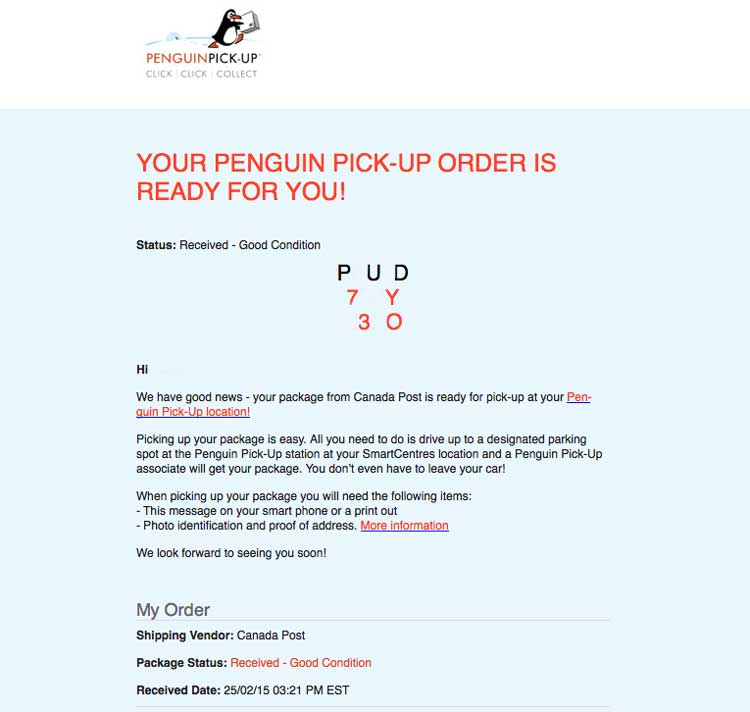
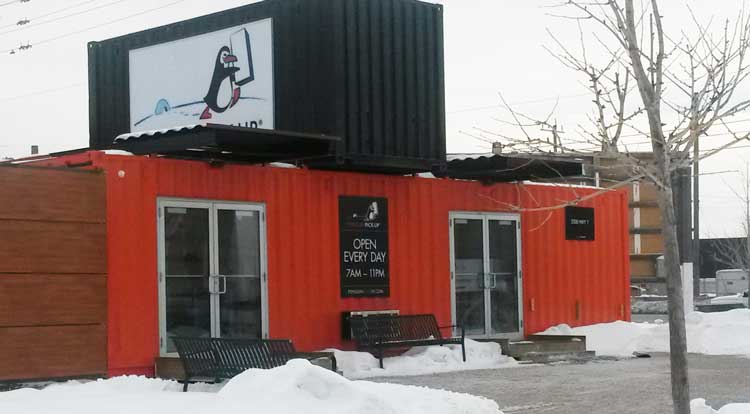
We received an e-mail notification from Penguin Pick-Up when our package arrived. The pick-up point is housed in a mobile trailer in a section of the parking lot, well signed and branded. We did not easily locate it at first; due to high snow banks and the mall being under some construction, the signage directing us to the pick-up point was not very visible and we had to phone to get a more specific location.

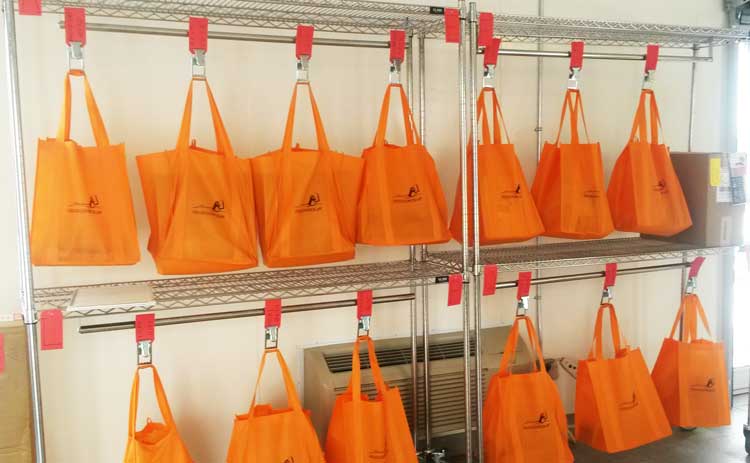
There are designated parking spots for Penguin Pick-Up customers, so there is no need to get out of your car. We were acknowledged in just over a minute by a friendly attendant. The order was brought out by the attendant as well as the supervisor on duty to recognize our first-time experience (for which we were given a free tote bag and a coupon for Shop.ca).

Additional Notes

We were asked to rate the experience on-the-spot via a mobile terminal (from a customer viewpoint, this doesn’t give the best assurances for anonymity since the employee can see your responses). The pick-up location is open from 7 a.m. to 11 p.m., offering great flexibility for customers who are picking up on the way to or from work. Nielsen says there are 24/7 surveillance cameras around the buildings, so there is no issue with overnight security.

Future Growth

The service is in infancy mode, so it was no surprise that we were served very quickly. Penguin Pick-Up has plans to accommodate groceries in the future, which will mean the addition of temperature-controlled storage. When asked what their plan was for Christmas service levels, Nielsen replied:

“We have highly skilled associates, all have been through intensive training on and off site. Each pick-up is done in less than 3 minutes and most in less than 90 seconds. In rush hours we can handle up to 100 cars an hour and do find this sufficient for the coming holiday season.”

The location we went to had more orders in than we had expected to see, given that it had just opened a few weeks earlier. The supervisor noted that the location can take in big or small merchandise, saying that they have had pieces of furniture delivered (although we’re not sure why it would be more convenient for a customer to have to then pick up a piece of furniture and take it home).

Final Thoughts

Overall, the experience was friendly and seamless. For customers whose primary concern is not being home to receive an order, Penguin Pick-Up serves as a convenient alternative. The retailer from which we had ordered offered the option of picking up from a local Canada Post outlet, which would have been more convenient for us, but since few retailers provide this option, it is not seen as a barrier for Penguin Pick-Up.

SmartCentres has a broad enough network of malls that they have excellent consumer reach, whether they are near customers’ home or workplace. From a business standpoint, however, we’re not certain how this service pays off for SmartCentres. Without the ability to draw customers into any of their tenant locations, it is strictly a value-add convenience offering. Says Nielsen:

“This is good for our customers and what is good for our customers is good for our business.”

Retail Category Consultants

Vicky Applebaum is a consultant with Retail Category Consultants Inc. and helps clients develop and implement retail strategy, marketing and innovation projects.  Vicky has over 15 years of progressive retail experience in Canada in multiple disciplines.

Her experience includes advertising and merchandising at Loblaw Companies, and marketing, merchandising and category management with Shoppers Drug Mart.  Her love for all things marketing also led her to work on the agency side and in independent consulting in advertising, event marketing, direct marketing, new product launches and loyalty. Born in Montreal, Quebec, Vicky holds a Bachelor of Commerce (Marketing) from Concordia University.  She and her husband live with their daughter in Richmond Hill, Ontario where they operate a rental moving box business, CityBoxes.ca.

To learn more about how Retail Category Consultants can help your retail business achieve success, visit their retail services page or contact them for further information.

Details on Saks Fifth Avenue’s Canadian Flagship, Now Under Construction

Saks Fifth Avenue‘s 150,000 square foot Canadian flagship is now under construction. Hoarding is up on Saks’ concourse level, which will house a food hall to be operated by upscale grocer Pusateri’s. We recently visited the construction site and spoke to some planners and construction crew, who indicate that Saks should be on schedule to open in the spring of 2016. 

Saks’ parent Hudson’s Bay Company submitted an application to the City of Toronto to build the four level store on March 3. Plans we’ve seen show a four-level store on the Yonge Street side of the flagship Hudson’s Bay building at Toronto Eaton Centre.

Sources indicate that Saks’ ground floor will include handbags and accessories, jewellery, cosmetics, and a 5,500 square foot restaurant which will be part of a ‘three level food experience’, according to one store planner. A valet entrance will face onto Richmond Street and construction on the entrance is underway. Sources say that Saks will carry a variety of premium cosmetics brands and that there may be a segregation between the two stores, with Hudson’s Bay itself carrying an assortment of slightly less pricey brands than Saks. According to plans, there will be multiple interior access points between Hudon’s Bay and Saks. Plans also seem to indicate that there may be a new opening from the ground floor to the grocery floor below, beside existing escalators. 

The Queen Street entrance to the newly combined Hudson’s Bay/Saks will act as a joint entrance to both stores, according to floorplans. A common area will welcome shoppers to Saks Fifth Avenue on one side, and Hudson’s Bay on the other. 

The ground floor of the western end of Hudson’s Bay will also see substantial modifications. Canada’s largest shoe floor will move upstairs for the expansion of Hudson’s Bay, as new handbag, accessories and cosmetics departments are created for Hudson’s Bay, which will anchor the west end of the complex towards Bay Street. 

Saks’ second level, dedicated to menswear, will overlook the ground floor via an existing atrium. The second-level men’s store will also be accessed via the Toronto Eaton Centre pedway, as seen in the photo above. Sources say that the pedway entrance to Hudson’s Bay/Saks will include a concierge welcoming shoppers to Saks Fifth Avenue on one side, and Hudson’s Bay on the other. A source at the company, wishing to remain anonymous, says that Saks has fought to secure some top menswear brands currently carried at competitors Holt Renfrew and Harry Rosen

Saks’ third level will be dedicated to womenswear and private shopping suites, according to sources. Hudson’s Bay’s luxury womenswear department ‘The Room‘ will be moved to the western end of Hudson’s Bay’s third floor, according to staff in The Room, to accommodate the new Saks women’s floor at the eastern end of the building. The Room will cater to younger and emerging designers in a more ‘open’ environment, while Saks will carry a more traditional assortment of luxury brands in a series of departments and shops-in-stores. 

A store planner informs us that some of the lower floors of the adjacent Simpson Tower, located at the southeast corner of Queen Street and Bay Street, will be converted to retail for the expanded Hudson’s Bay store. Until now, much of the space was dedicated to offices. 
 
Sources at Hudson’s Bay Company have yet to confirm brands for Canada’s new Saks store, and sources say that Holt Renfrew is already beefing up its operations in anticipation, including providing some of its best concessions with their own expanded spaces with street front entrances within existing Holt Renfrew flagships.

We’ll continue to keep you updated on the progress of Canada’s Saks Fifth Avenue locations.