Home Blog Page 1326

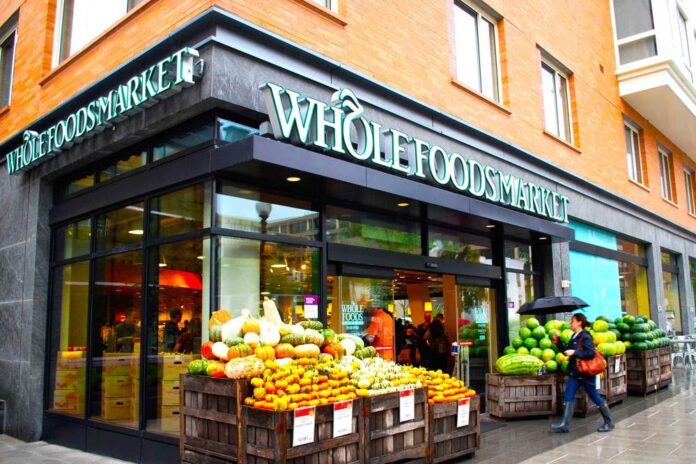
Whole Foods CEO Confirms Aggressive Canadian Expansion

Whole Foods‘ co-CEO confirms that the retailer plans to eventually operate as many as 40 Canadian locations, up from its current 10 stores. The company recently disclosed five new locations, and a Calgary store will be announced shortly. Whole Foods will eventually operate locations coast-to-coast, though it will face increased competition from several homegrown retailers. 

Whole Foods’ co-CEO, Walter Robb, says that the company is looking to add a further 30 stores in Canada. Its first location outside of metro Vancouver and Toronto opened last week in Ottawa. The highly anticipated 41,000 square foot store is located in an inner-city retail complex called Lansdowne Park, adjacent to highly educated, high-earning neighbourhoods such as The Glebe. 
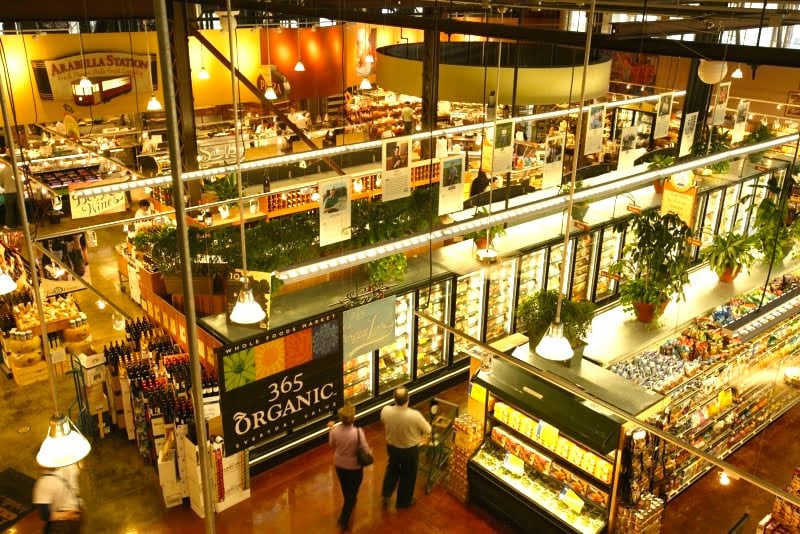
Whole Foods entered the Canadian market in 2002 with a 40,000 square foot location at Toronto’s Hazelton Lanes, in the city’s upscale Yorkville area. Since then, four more stores have opened in the Greater Toronto Area. In 2007 Whole Foods bought the parent company of Vancouver-based grocery store Capers, paving the way for four Vancouver Whole Foods locations. The company has already provided some details on its Canadian store expansion, confirming new locations each in Toronto and Vancouver. According to Mr. Robb, the company’s first Alberta location is confirmed to open in Calgary, with details to be disclosed shortly. 

The retailer has tremendous opportunity to open stores in various Canadian cities. In oil rich Alberta, for example, an Edmonton location is almost a certainty. Winnipeg is ripe for at least one Whole Foods location, and rumours are running rampant that a Victoria, BC location is currently in the works. Expansion into Quebec is uncertain, we’re told, as the likelihood of store unionization could eat into profits. Real estate brokerage Northwest Atlantic is handling Whole Foods’ Canadian store expansion, except for those located in British Columbia. 

Founded in 1980 in Austin, Texas, natural and organic supermarket chain Whole Foods currently operates 403 stores throughout the world, including 384 American stores and nine in the United Kingdom. The company employs about 87,000 people and last year had sales of U.S. $14.2 billion. Stores sell an average of almost U.S. $1,000 per square foot – higher than most grocery chains, though still less than organic grocer Trader Joe’s, which sees sales of almost U.S. $1,750 per square foot. 
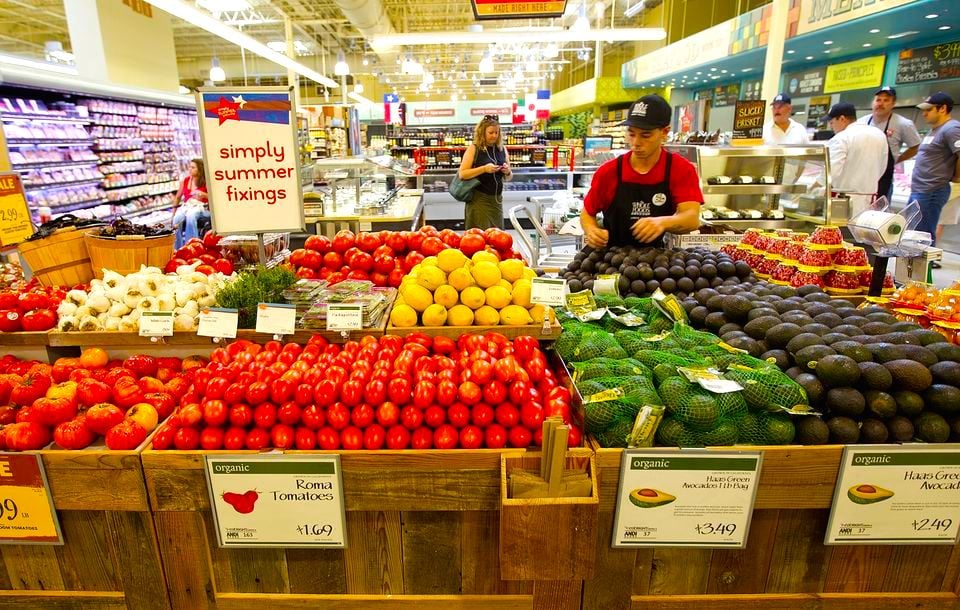
Whole Foods will face competition from a variety of upscale Canadian grocers, including Urban Fare in Western Canada and Pusateri’s in Ontario. Vancouver-based Urban Fare is in the process of expanding its store base, including the announcement of its first Calgary location. Upscale Toronto-based Pusateri’s will open next year in Oakville, Ontario, and the company will also operate Saks Fifth Avenue’s luxury food halls, each expected to measure about 25,000 square feet. As mainstream grocers such as Loblaw and Sobeys continue to add organic food items to their stores, Whole Foods will see competition from a variety of local grocery stores, not to mention smaller competitors and food offerings in big-box retailers Costco, Walmart and Target.
Technology and the Future of Canadian Retailing

The change in shopping experience

Robotic assistance, iBeacons, e-mannequins, virtual changing rooms, there’s no doubt about it that the 21st century has taken a big step toward the digital advancements. In a report published by Deloitte, 27.9% of the Canadian respondents prefer to shop online than go to the mall, which helps us understand why online sales figures in Canada increased by 12% from the previous year’s, reaching $136-billion.

Yet as technology and our shopping experience subtly merges, we’re complacent when it comes to noticing how much the industry has changed through digital enhancements and gadgets that sway and manipulate our shopping habits.

Omni-channel retailers are becoming more popular, these are companies that can offer a presence both on and offline as well as providing apps and additional extras that can help the typical shopper. We’ve all heard the phrase ‘try before you buy’ and it’s a term virtually catching on with companies that would like to capitalise on the online market. In particular now for home owners, Ikea launched their 3D app which transforms their catalogue to an online preview of furniture in your house. This means that you and I can check out Ikea’s catalogue via its app, check if the furniture matches our current interior and go in store to collect our reserved item. It’s all about functioning as one.   

Ten years ago, we’d have laughed at people if they told us we could try on virtual clothes in a space of minutes, yet now it’s an expectation to have the luxury of trialling clothes without having to visit a store. The nature of trying on clothes has drastically changed as we can browse through online shops, type in our measurements and see our favourite collections on the ‘virtual me’.

Whilst our ‘virtual me’ can show us the fitting of the products, they don’t quite portray the type of material and how it really sits on the moving body. Most fashion companies like Superdry there offer catwalk videos for their products for an extra helping hand.

This year has also seen iBeacons come to stores, Bluetooth transmitting mannequins that are able to send across alerts to neighbouring smartphones announcing in-store offers as well as what their mannequins are wearing. The tracking accuracy is on par beaming through set information at the optimal time to encourage us to buy. The iBeacons also gather information on us as shoppers, our habits and desired items to improve their targeted messages making sure it’s personal to us.  

High-end fashion stores have even implemented iPad’s into their walls to allow their entire collection to be viewed online, whilst developments are being made to allow us to interact with a virtual assistance via the technology. Even signs and banners that we see in supermarkets will be replaced with smart labels and sensors that have the intelligence to suggest products that will go with the ingredients in our basket, nutritional advice, its source and even alert you of potential allergy threats.

Consumer Behaviour

Yet with so many products being placed online and new ‘e-tailers’ emerging, a consumer has the scope of the entire web to select a store for their one-stop shop, be it clothes, groceries or appliances. We can buy what we want, when we want. With so much choice at hand, it’s no surprise that already the online platform has become too diverse for us as consumers, often leading us to neglect an online shopping spree and deciding to breathe the fresh air and heading out ourselves.

All the while, statistics do show that the internet has helped retailer’s profits as we are in fact becoming impulsive buyers, continuously adding products to our online basket as we browse. Research by Milo shows that it’s the checkout stage where we typically abandon our baskets as 67% of us decide to not go ahead with the order; 55% of shoppers wave goodbye to their online goodies because the shipping costs are too expensive.

As the online generation adapts to the constant development of the net, we’re a demanding folk that have a need for speed with the quickest possible delivery. Companies that capitalize on quick and efficient delivery are preferred services, especially if it involves a drone. A drone you ask? Having a robot deliver your parcel within minutes of ordering could soon be the norm after Amazon has asked the Federal Aviation Administration (FAA) to lift the rule of prohibiting the use of drones for commercial purposes.  The concept of thirty minute deliveries via robots could become reality.

What does the future hold?

Whilst we’ve already entered a world of what we once thought was unthinkable, wireless payments and ‘Click & Collect’ are becoming quickly outdated and what the future of shopping could see are even quicker payments via multiple opportunities. It could be that in the coming years it’s the click of our watch that could pre-order groceries or software specialized to voice recognition that memorizes our typical shopping list. Gesture controlled devices are also in the midst of being trialled looking to improve our relationship and natural experience with computers and making online shopping feel lifelike. The future is all about personalization and connecting with the shopper, creating cutting edge technology that will make memorize, understand and deliver.  

Charlotte Corner is a Content & Online PR Assistant at Search Laboratory, specializing in search and content marketing.

Indigo May be Canada’s Star This Holiday Season

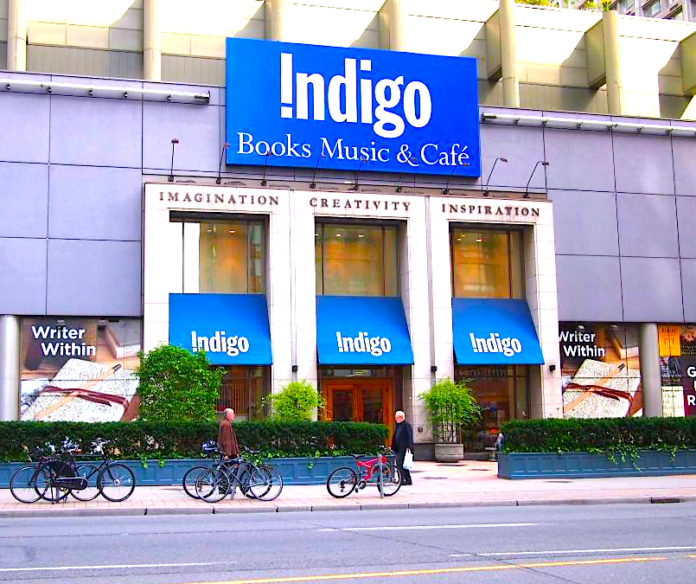
INDIGO BAY AND BLOOR (PHOTO: MUSTAPHA, URBAN TORONTO. )

By Jennifer Pilkington

The retailer’s transformational strategy will woo more shopper dollars this holiday season

Canada’s large retailers are cautiously optimistic this holiday season as average growth in last 4 months remains at 2.9 percent over the previous year. The growth headliners of late (either to the positive or negative) are seemingly tapped for new ideas that will produce significant gains. There is one exception, Indigo Books and Music, which in the last two quarters has shown they are wooing more shoppers and shopping dollars back into their stores. 

“Our stores are looking fantastic and rich, online is ready to go, and we’re looking forward to a great holiday season.” -Heather Reisman, CEO Indigo Books and Music

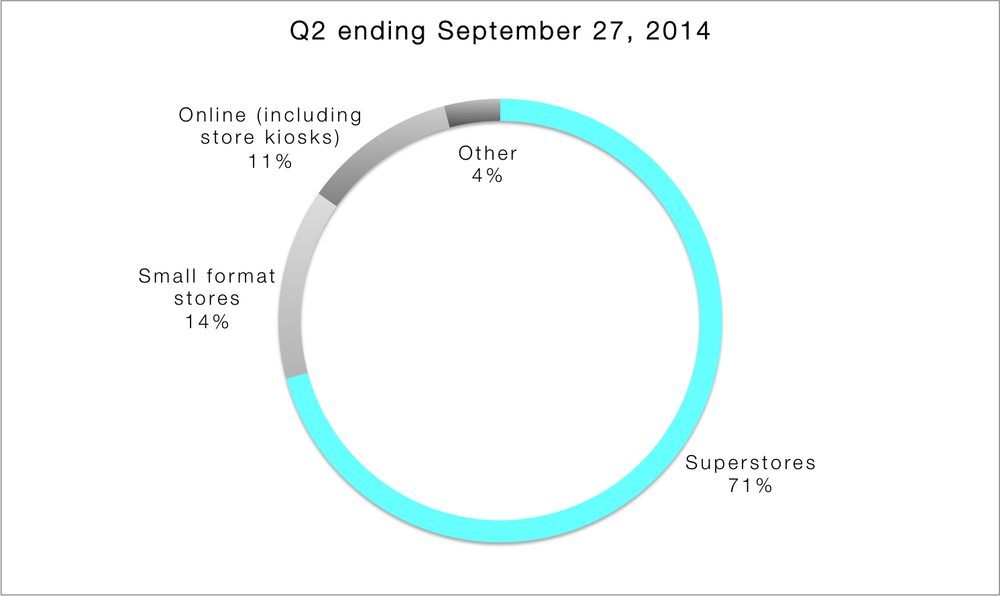
Indigo Books and Music achieved Q2 sales of $189 million and comp store growth of 8.4 percent – higher than any one else on the list. Comp store sales are a key performance indicator as this measure excludes sales fluctuations due to store closings, permanent relocation, and chain expansion. In Indigo’s case, operating 6 fewer stores helped to increase its revenues in existing stores. The company’s 90 superstores generated a total 6.0 percent increase (9.6 percent comp increase), while the smaller format locations attributed 2.3 percent revenue growth. 

IMAGE VIA RETAIL ASSEMBLY INC.

Heather Reisman, CEO, indicated in a conference call November 5 that there are no plans to further decrease the number of Superstores that are driving the company’s business – but there is a possibility of expansion. 

Small stores growth is driven by individual opportunity (i.e. expanding paper category where successful, adding toys where there isn’t competition in the mall, etc.) they aren’t yet part of a larger transformation strategy. With 2.3 percent revenue growth, it isn’t something to be worried about yet. 

There are two indicators – beyond the strong comp store growth – that are promising for the retailer. 

  1. The transformational strategy is working. The cornerstone is transitioning itself into Canada’s cultural department store, and growing the general merchandise category is key to achieving this. Now at 27 percent and expanding, general merchandise is picking up some of the slack books left behind. 
  2. Core books showed great growth, despite the industry’s declining results! Anytime a retailer can continue to grow their core, it means positive results. Teen and children’s books are current driving forces.

The cautious approach Reisman takes, despite recent success in a difficult transformation is working. “As I say in every one of my meetings, we still have a long way to have to go to fully achieve what we think the potential is of the business“ she commented on the call. 

The team at Indigo has been diligently working over the last few years to execute. The design studio in New York brings proprietary accessories and lifestyle home products to the stores each season. The retailer has sought and invested in the best talent. Indigo remains alert, and are beginning to see success while the rest of the industry sees only modest growth. Keep your eye on them in the third quarter.

Wishing everyone strong holiday sales. 

A merchant first, now Managing Director of RETAIL ASSEMBLY Inc., Jennifer continues to work with the globe’s best brands and retailers. Always a champion of excellent creative and meaningful commerce, she works to build businesses and train/develop teams. retail-assembly.org | @RetailAssembly

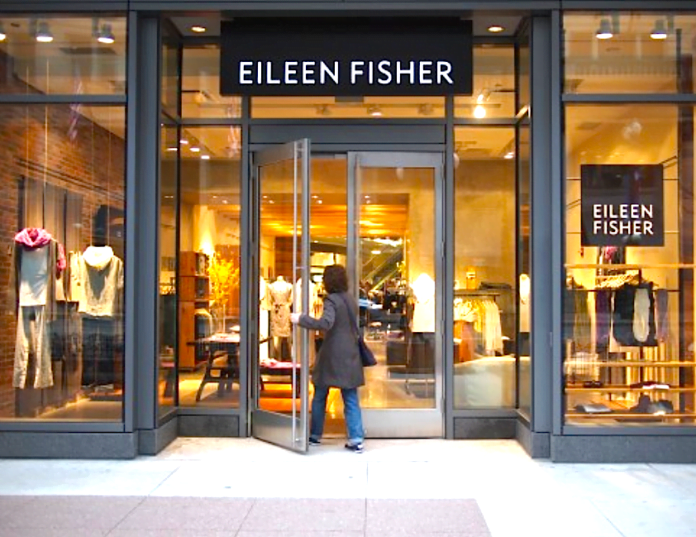
Eileen Fisher to Open Stores Across Canada

Popular American womenswear brand Eileen Fisher reportedly plans to focus its store expansion on Canada, where it has seen exceptional growth and been highly profitable. Its Canadian wholesale division also sees exceptional sales, with Nordstrom‘s Calgary store being one of Eileen Fisher’s top 10 selling locations.  

Eileen Fisher currently operates two stores in Canada. Its first location opened in the summer of 2011 in Vancouver’s tony South Granville shopping district, and its second location opened in July of 2013 at Calgary’s Chinook Centre. It also wholesales at upscale retailers such as Blu’s in Calgary and Edmonton and at Andrews in Toronto, as well as at Holt Renfrew locations across Canada and at Hudson’s Bay‘s Vancouver and Toronto flagships. 

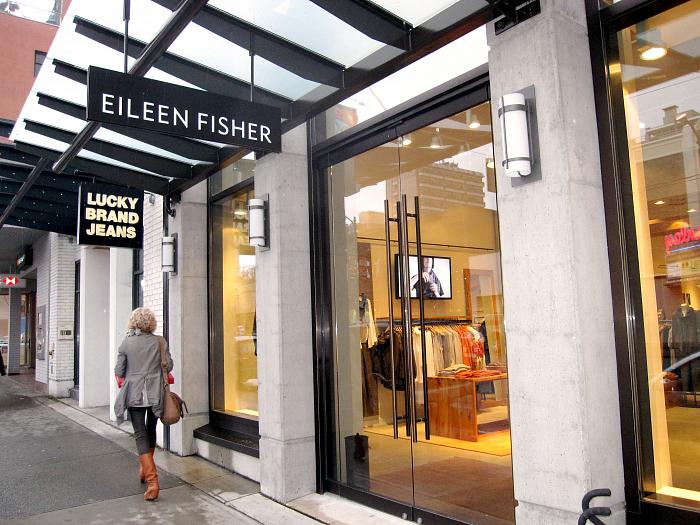
Eileen Fisher’s first Canadian location opened in the summer of 2011 at 2721 Granville Street in Vancouver.

Karen Gray, Vice President of retail and global development for Eileen Fisher, tells Women’s Wear Daily that the company’s Canadian business is “extremely successful and highly profitable”. As a result, “Canada is going to become the focus of our retail expansion”. Ms. Gray says that Eileen Fisher will look to open in Toronto in 2015 or 2016, and that it is also looking at Ottawa and Montreal for store locations. A second Vancouver store could also be in the works according to Ms. Gray, following exceptional sales at its South Granville unit. 

Ms. Gray says that Eileen Fisher will also be carried at Nordstrom stores across Canada, and the brand is doing exceptionally high sales at Nordstrom’s Calgary store, which opened at Chinook Centre in September. Eileen Fisher’s sales at Calgary’s Nordstrom are among its “top 10 doors” according to Anthony LoRusso, Eileen Fisher’s Director of Sales. 

Founded in New York in 1984, Eileen Fisher is a privately-owned eco-friendly, experimentation-minded, socially aware company with 67 company-operated stores worldwide. Of these, 62 stores are in the United States, two are in Canada, and three are in the United Kingdom. Annual revenues are estimated at US $430 million. 

Interestingly, the brand operates two second-hand locations called ‘Green Eileen’, selling gently worn Eileen Fisher apparel collected from customers and dry-cleaned. Profits from sales go to organizations supported by Ms. Fisher, including causes devoted to environmental consciousness and human rights. Green Eileen shops operate in Yonkers, N.Y. and in Seattle. 

DSW Designer Shoe Warehouse Launches Canadian E-Commerce Site

Two million pairs of shoes from over 600 designers. That’s what will soon be available on DSW Designer Shoe Warehouse’s Canadian e-commerce site. The popular American-owned value-priced multi-brand footwear retailer is expanding into Canada in a big way, both online as well as with multiple bricks-and-mortar store locations. We interviewed the company’s Canadian CEO about the new website, as well as DSW’s plans for brick-and-mortar stores across Canada. 

Town Shoes President and CEO Bruce Dinan runs DSW’s Canadian operations. In April of 2014, DSW bought a 49.2% stake in Town Shoes, paving the way for DSW’s entry into Canada. The Canadian e-commerce site is unique in how it features not only DSW footwear, but separate tabs for its Town Shoes, The Shoe Company, and Shoe Warehouse websites. The company’s popular Shoe Lovers Rewards program also applies to online DSW purchases, where after meeting a spending threshold, shipping is free for ‘VIP clients’. For those otherwise not looking to pay for shipping, purchases can be shipped to a local Town Shoes-owned retail location. Some shoppers prefer the in-store pickup option, according to Mr. Dinan, as product may be retrieved at the customer’s convenience.  

Mr. Dinan explained how footwear ordered from DSW’s Canadian website will be shipped from its current two Ontario locations, and how this will change when DSW opens more Canadian locations. He says that we’ll soon be able to report on more Canadian DSW locations, including its first for Western Canada. 

DSW’s strategy for entering Canada was initially a cautious one. Its first two locations, both in suburban Toronto, tested the market to ensure that they are able to provide the same quality experience as its US locations. Its first two Canadian locations opened on August 7th at Heartland Town Centre in Mississauga, and at Woodland Hills Shopping Centre in Newmarket.

According to Mr. Dinan, DSW’s Canadian stores will all be about the same size as its American locations. Its first two Canadian stores, both about 20,000 square feet, are only slightly smaller than DSW’s average store size of 22,000 square feet. DSW ultimately seeks Canadian retail space in the 18,000 to 24,000 square foot range. Each Canadian DSW store will have over 22,000 pairs of shoes, as well as an extensive selection of handbags and accessories. About 80% of the brands in DSW’s American stores are carried in Canada, and Canada’s DSW stores also carry brands exclusive to Town Shoes. 

Buying Town Shoes was a strategic move on the part of DSW. Not only does DSW gain Town Shoes’ Canadian market expertise, it also secures its pre-existing national distribution network. The 62 year old Town Shoes brand will also continue to grow and expand in Canada, as will company-owned The Shoe Company, Shoe Warehouse, and Sterling Shoes.

DSW is hugely popular in the United States with over 430 stores in that country. Its name indicates its business model – it sells designer shoes at discounted prices. The company has hundreds of millions in cash and no debt. 

New Details on Muji’s 1st Canadian Location, Opening Next Week

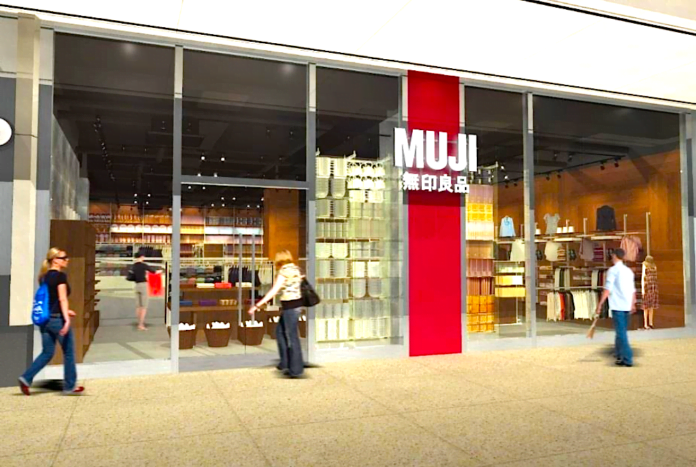
Minimalist Japanese retailer Muji‘s first Canadian storefront opens on Saturday, November 29th at Toronto’s Atrium On Bay. It will be the first of at least seven Canadian locations for the brand, as Muji looks to open stores across the country. Besides intentions to open in Toronto and Vancouver, we’ve spoken to landlords across the country who are eager to include Muji in their properties. 

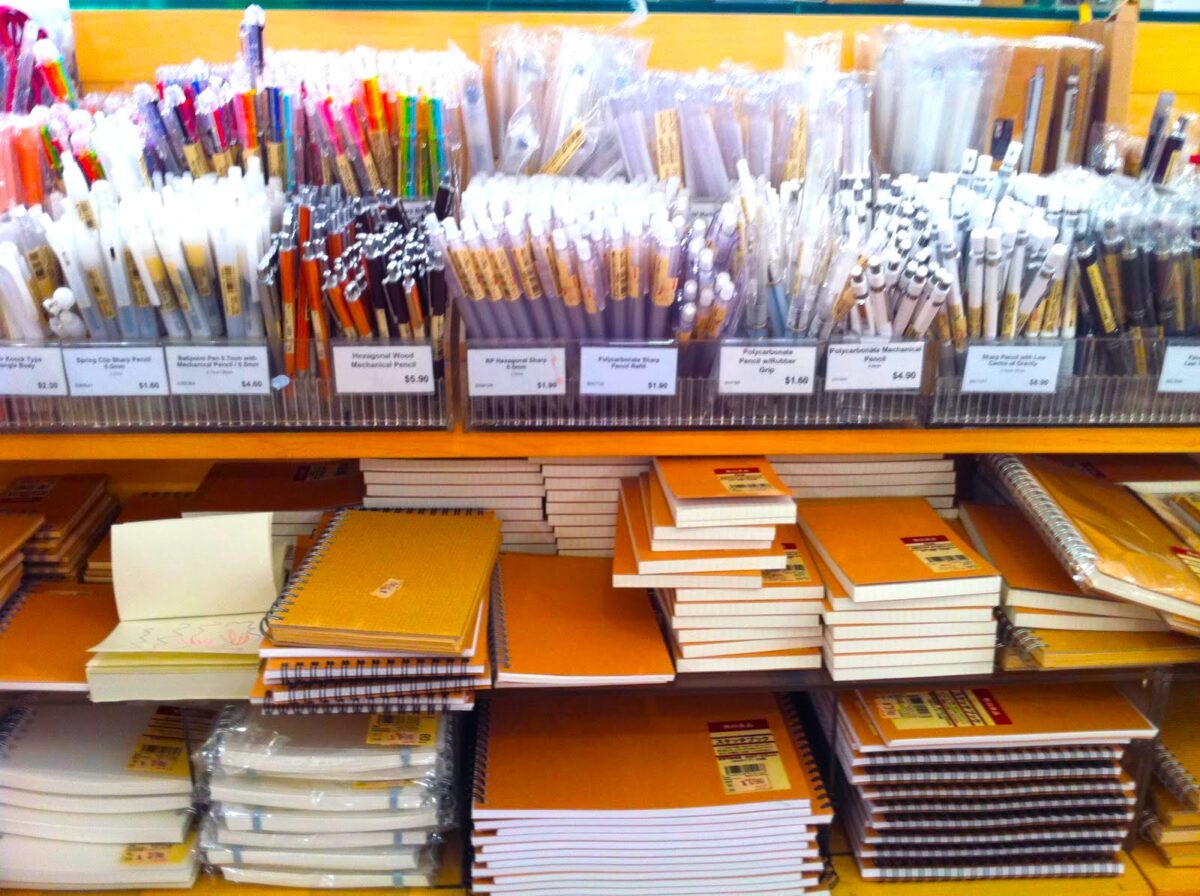
From new information that we’ve received, it would appear that Muji’s Canadian stores will overwhelmingly carry household goods. Its first Canadian location will carry approximately 2,800 products, including 800 garments and accessory items, and about 2,000 household products. Prices at Muji’s Canadian stores will be higher than those in the U.S., we’re told, and its Canadian stores will also carry less products than in its American locations. U.S. Muji stores typically carry about 3,500 products as a comparison — substantially less than the 7,000 or so carried in its Japanese locations. 

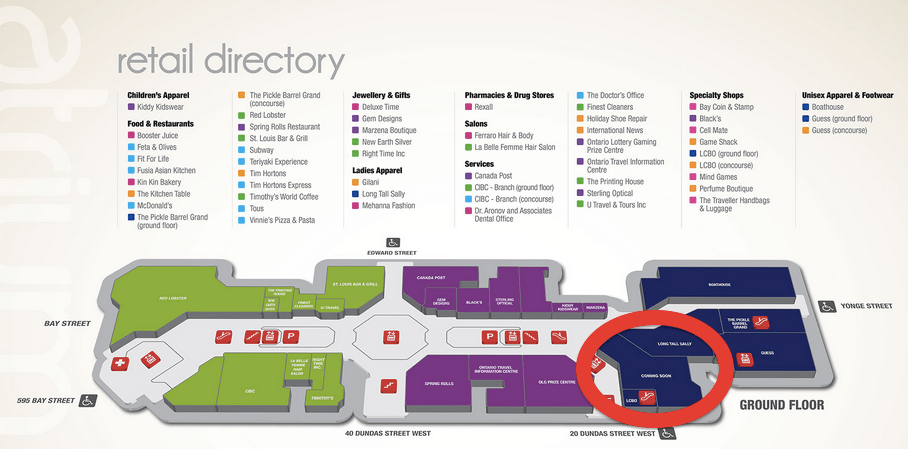
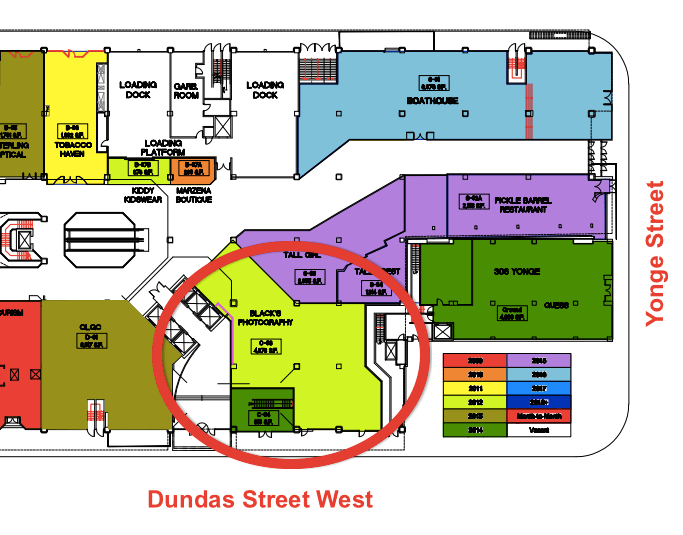
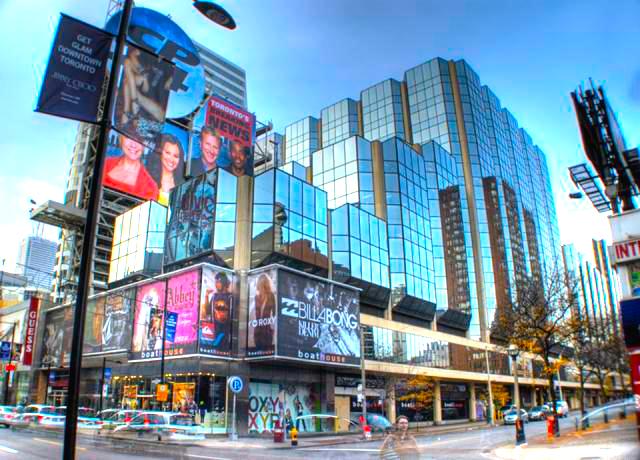
The new Toronto store is located in Atrium on Bay, a shopping and office complex located directly north of the Toronto Eaton Centre at the corner of Yonge Street and Dundas Street West. Muji features a Dundas Street entrance, beside the 20 Dundas Street entrance of the Atrium complex. According to a lease plan, Muji occupies about 4,400 square feet. 

Muji’s Canadian division was founded in April of 2014 as a subsidiary of Kyohin Keikaku Co. Ltd., brand holder of Muji, to introduce the retailer to Canada. We were first notified of Muji’s Atrium on Bay store when UrbanToronto‘s ACT7 found it mentioned in this City of Toronto Building Application. 

Toru Tsunoda, president of Muji Canada, recently told Reuters that Muji’s plan to open seven or eight stores across Canada is part of its intention to operate more stores overseas than in Japan within the next two years. Muji currently operates 255 stores outside of Japan, including 100 in China. It currently has 385 stores in Japan, meaning that it plans to open at least 130 new international stores before 2017. 

We’ve spoken to several Canadian landlords who are eager to secure Muji as a tenant. As Muji prefers to save money by avoiding high-rent areas, Muji may bypass opening locations in some of Canada’s busiest malls and on Canada’s high-rent shopping streets. Judging by the popularity of the brand, however, the retailer may become a destination unto itself wherever it chooses to locate. 

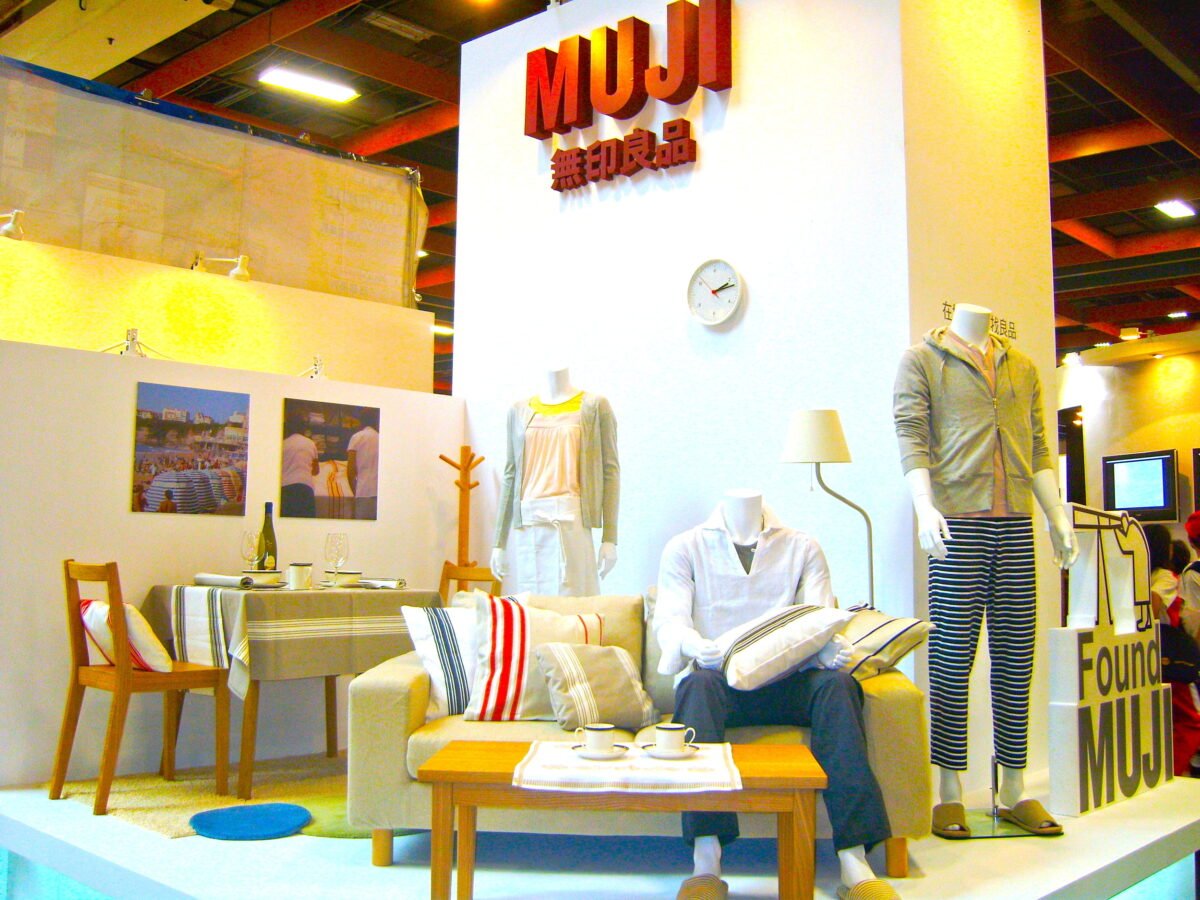
Known for being innovative and its products being affordable and unbranded, Muji carries various household items, furniture, appliances, stationary and apparel. With hundreds of stores worldwide, it saves money by spending little to nothing on market research and advertising. Muji is short for Mujirushi Ryohin, or no-brand superior items, and was founded in 1980 as the private-label brand of a major supermarket chain. Muji currently operates nine American stores. Five are in New York City, and four are in California (San Francisco, San Jose, Hollywood, and Santa Monica). 

Muji’s Atrium on Bay store hours will be: Monday-Friday, 10:00am-8:00pm, Saturday, 10:00am-7:00pm, and Sunday, 11:00am-5:00pm. 

We’ll be attending Muji’s Press Preview Event on November 28th, and we’ll have more to report in early December.

Custom Suit Maker Indochino’s New Bricks-and-Mortar Strategy: Interview With its Founder

By: Miranda Sam, Founder and Editor of Style by Fire

On a cloudy Vancouver morning, Indochino CEO Kyle Vucko met with us at a café near the company’s head office to discuss his new retail strategy. This past summer, Indochino added permanent physical retail fronts to its custom clothing menswear business. It started rolling out stores in August 2014 by turning Toronto’s pop-up shop into a permanent location. Then came New York, San Francisco, and most recently, Vancouver’s trendy Gastown neighbourhood. 

Vucko described the online custom suit maker’s humble beginnings, giving perspective to its entry into retail. “We didn’t set out to build an e-commerce company, we set out to help one man, my cofounder, get dressed.” His position on the transition from online to offline was simple, “From a business perspective it would have been easier to stay online, but from a customer perspective the right thing to do was to go offline.”

This is part of a larger e-commerce business trend of venturing into physical retail space to compete with traditional bricks-and mortar-retail. Warby Parker, Clearly Contacts, Frank & Oak, and most recently, online behemoth Amazon, have all notably set up physical shop. With a storefront, companies can build strong customer relationships, engage in real time market research, and provide hands-on assistance to those still wary of shopping online. 

In 2011, Indochino started experimenting with pop-up shops. At that time, the pop-up retail concept had already been around for a decade, though it was not widely used by e-commerce businesses. The company’s pop-up shop, the ‘Traveling Tailor’, set up shop in some of North America’s most high traffic and beautiful spaces, such as New York City’s Grand Central Station. For summer 2014, a number of Traveling Tailor locations had been planned, but having gained a solid understanding of its success offline, the company decided to forgo the remaining short-term shops and instead build on something permanent to better serve their customers’ needs. 

“We didn’t see a differentiation between online and going offline. That’s just where we chose to go first. We knew that we needed to go offline for a certain group of customers and to offer a great experience. Traveling Tailor was our first iteration, and retail was our second.”

Indochino sells to over 130 countries around the world, though most sales are in North America. When asked specifically about its Canadian retail strategy, Vucko steadfastly stated that there is no difference in strategy between the borders. “Our retail strategy is relatively consistent. We want to be close to our guys. Most of our guys are in bigger cities. For us, we try to be convenient to their lives. We know that most of our customers are younger professionals, so it’s trying to be close to that – being in the downtown core, usually within walking distance of the business district or near a metro line. For us, it’s about convenience; something you can go to on a lunch break or come down to on a weekend relatively quickly.”

Not only does the foray into the retail world add another channel to Indochino’s already multi-channel marketing strategy, retail is the last piece of the puzzle that allows the company to provide a truly omni-channel experience. According to ICSC president Mike Kercheval, omni-channel retail strategies are those “in which mobile, online and in-store experiences complement, rather than compete with, one another.” 

Having only been in the online apparel customization business for seven years, this young company has been quick to adapt to meeting customers’ shopping needs on all fronts. Since day one Indochino has existed as an online store, has an active social media presence, takes customer service calls, offers a great mobile shopping experience, and now with retail store fronts, they’re in every channel possible (at least for now). Vucko laughed and remarked, “I don’t know what channels are left to be honest!”

This makes strong business sense. AT Kearney’s Omni-channel Shopping Preferences Study revealed that upwards of 90% of people still prefer to shop in person. As well, the omni-channel customer spends 3.5 times more than other types of shoppers. Vucko said of Indochino, “Truly it’s a concept of a unified experience; there are no channels. A customer interacts with your product or service and he can do that any way he wants. There is no differentiation.”

Now with bricks-and-mortar retail under its belt, international expansion is on the mind of the CEO, but not in the next year. Vucko is holding off with continental retail growth until the company perfects its retail operations. Even though Europe boasts Saville Row, bespoke tailoring, and in general a culture of dressing up while Asia has a strong industry of tailors, like all entrepreneurs, Vucko sees it as an opportunity. He said, “You don’t have to educate the population the same way because they’ve already bought into the concept. I think what we bring is accessibility for a fraction of the price you can have a custom suit.” Vucko and his team are currently focused on looking for real estate in another 4 to 5 North American markets, including Chicago and Washington D.C. According to Indochino’s website, a Philadelphia location is about to be announced. 

At the end of the day, it doesn’t matter whether Indochino sells online, offline, or through the many channels in between. As long as the company sticks to its core purpose, it will remain free to serve its customers in whatever new channels pop up in the future. “We don’t necessarily sell clothes, we sell a guy’s ability to be successful in the world,” says Vucko. 

Miranda Sam is the founder and editor of Style by Fire, the source for Vancouver fashion events and retail news. She is also a freelance writer and marketing professional who loves a good soy latte. Connect with Miranda on Twitter via @stylebyfire and Facebook


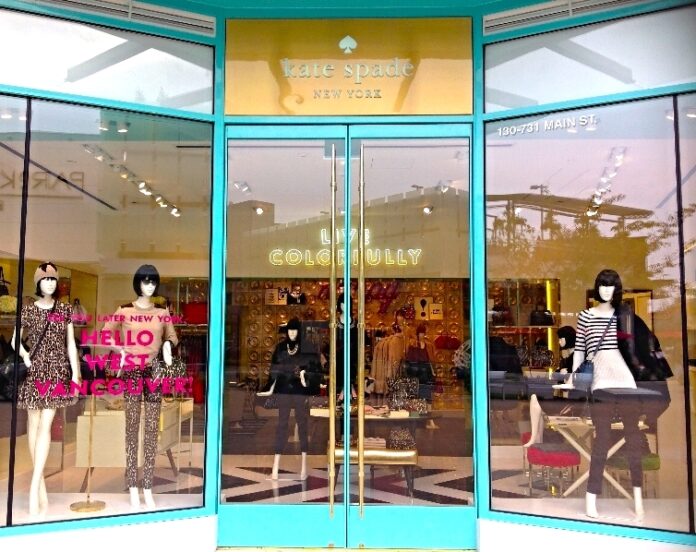
Kate Spade Opens 1st West Coast Location

Kate Spade (Image: Park Royal Shopping Centre)

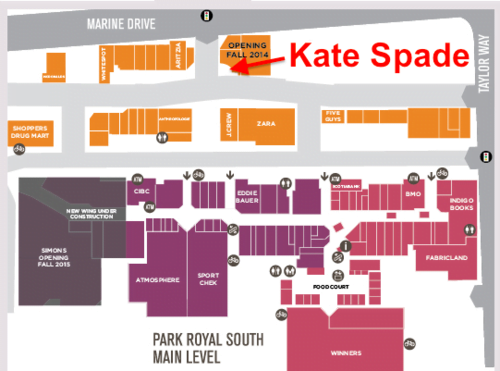
Kate Spade has opened its first West Coast store at Park Royal Shopping Centre in West Vancouver. The 2,000 square foot location is in the mall’s southern component, called Park Royal South, next to the mall’s new Michael Kors store. 

Kate Spade plans to open stores Canada-wide, according to a source at the company. Its first location outside of the Toronto area opened in the spring of 2014 at West Edmonton Mall. Spade’s two Toronto stores include a 4,000 square foot unit at 138 Cumberland Street in the Yorkville area, as well as a 1,620 square foot location at Yorkdale Shopping Centre. Yorkdale’s Kate Spade has relocated to a space measuring 2,860 square feet, located in the mall’s luxury wing between Michael Kors and Versace. Spade also operates two Canadian outlet stores, at the Toronto Premium Outlets, and the Outlet Collection at Niagara. 

PARK ROYAL LEASE PLAN

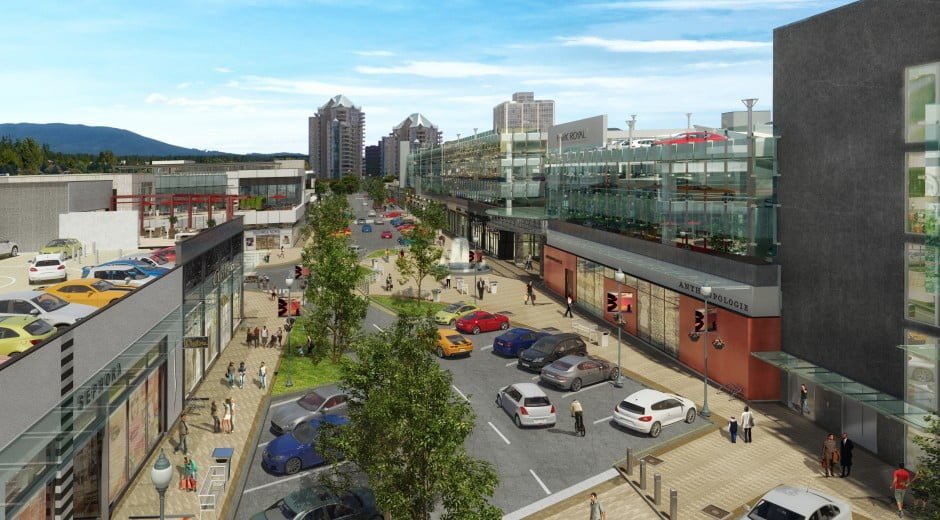
West Vancouver’s Park Royal has seen substantial renovations to its southern portion, recently adding retailers such as Brown’s Shoes, Anthropologie, J. Crew, and others. In the fall of 2015, Quebec-based La Maison Simons will open a 105,000 square foot store in the mall. According to Park Royal Vice President, Rick Amantea, the north side will also see substantial renovations, including an upscale 45,000 square foot Loblaws City Market grocery store. 

PHOTO: PARK ROYAL SHOPPING CENTRE.

New York City-based Kate Spade is a popular mid-priced designer label that features handbags and accessories, women’s ready-to-wear, footwear, stationery and address books, fragrances, eyewear and a home collection. Given the company’s variety of offerings, it has become referred to as a ‘lifestyle accessories and fashion brand’. Kate Spade herself left the company in In 2006 when she sold her shares of the company to Neiman Marcus, relinquishing creative control. The Kate Spade brand is now owned by Kate Spade & Company. 

Optimal Payments Provides Integrated Payment Solution to Demandware Clients

Demandware clients will now have access to a flexible and secure payment system as a result of a new partnership with leading global online payments provider, Optimal Payments. As a Demandware LINK Technology partner, Optimal Payments launched its NETBANX® Payment Cartridge, an end-to-end payment solution.

With Optimal Payments’ NETBANX hosted payment solutions, retailers using the Demandware platform can more easily satisfy their PCI compliance requirements, and create customer account profiles that store sensitive cardholder data and payment information using tokenization.The new cartridge also gives merchants access to a wide range of customizable fraud-management tools and real-time transaction data and reports. In addition, retailers can personalize their payment pages and offer a sophisticated mobile shopping experience to their customers worldwide. 

OptimalPayments provides online payment solutions to businesses and consumers in over 200 countries and territories that move and manage billions of dollars each year. Merchants use the NETBANX platform and services to simplify how they accept credit and debit card,direct-from-bank, and alternative and local payments. 

Demandware, the leading provider of enterprise cloud commerce solutions, provides one central platform to power all applications for both business and technical users. Retailers are empowered to quickly execute multi-channel merchandising and marketing; manage operations globally; and develop unique capabilities that differentiate their brand experiences across web, mobile and in-store touchpoints. Seamless upgrades deliver a continuous flow of innovation without disrupting business, ensuring the platform functionality is always current. Based on a scalable cloud infrastructure that delivers optimal performance, security and uptime, Demandware removes the barriers and complexities of traditional licensed software, and allows retailers to focus on their own strategic business initiatives. 

Demandware provides its clients with a fully-customizable experience. Its support system allows experienced developers to add custom code,debug existing code and test new code in a staging environment before going live. It also boasts open application programming interface (APIs), so it can quickly and easily be integrated with outside programs and applications. 

Use of Demandware has been on the rise in recent years, especially among big-name retailers. According to its 2013 annual report, the company’s subscription revenue increased to $95.7 million in 2013 from $67.9 million in 2012. As ofSeptember 30, 2014, nearly 250 customers across more than 1,000 sites leveraged the Demandware platform including some of the world’s most recognizable brands like Carter’s, ECCO, L’Oréal, New Balance, PacSun, Pier1 Imports, Sunbeam and many others.

Tateossian Opens 2nd North American location in Ottawa

North America’s second location for British men’s accessories brand Tateossian has opened with Harry Rosen’s new Ottawa flagship. The 200 square foot Rideau Centre boutique features the luxury brand’s line of men’s cufflinks and jewellery, as well as watches, bracelets, tie clips and more. 

Tateossian’s designs have become so popular, in fact, that that he’s become known as the ‘King of Cufflinks’ among fans. The brand was founded in London in 1990 by Robert Tateossian. After seven years as an investment banker, Mr. Tateossian decided to follow his dream and start a jewellery and accessory design business, setting up offices in London and a workshop in Birmingham – in the heart of England’s silversmith industry. The brand is now available in over 60 countries and in some of the world’s most prestigious stores. It’s carried at selected Holt Renfrew and Harry Rosen stores in Canada, as well as at selected Neiman Marcus, Saks Fifth Avenue and Bloomingdale’s locations.

Tateossian’s first North American boutique opened in November of 2013 at Harry Rosen’s expanded Yorkdale Shopping Centre location in Toronto.

On Saturday, November 15th from 1:00 pm to 4:00 pm, founder Robert Tateossian will make a personal appearance at Harry Rosen’s Rideau Centre store. He’ll be showcasing his jewellery collection and officially unveiling his second North American boutique.